
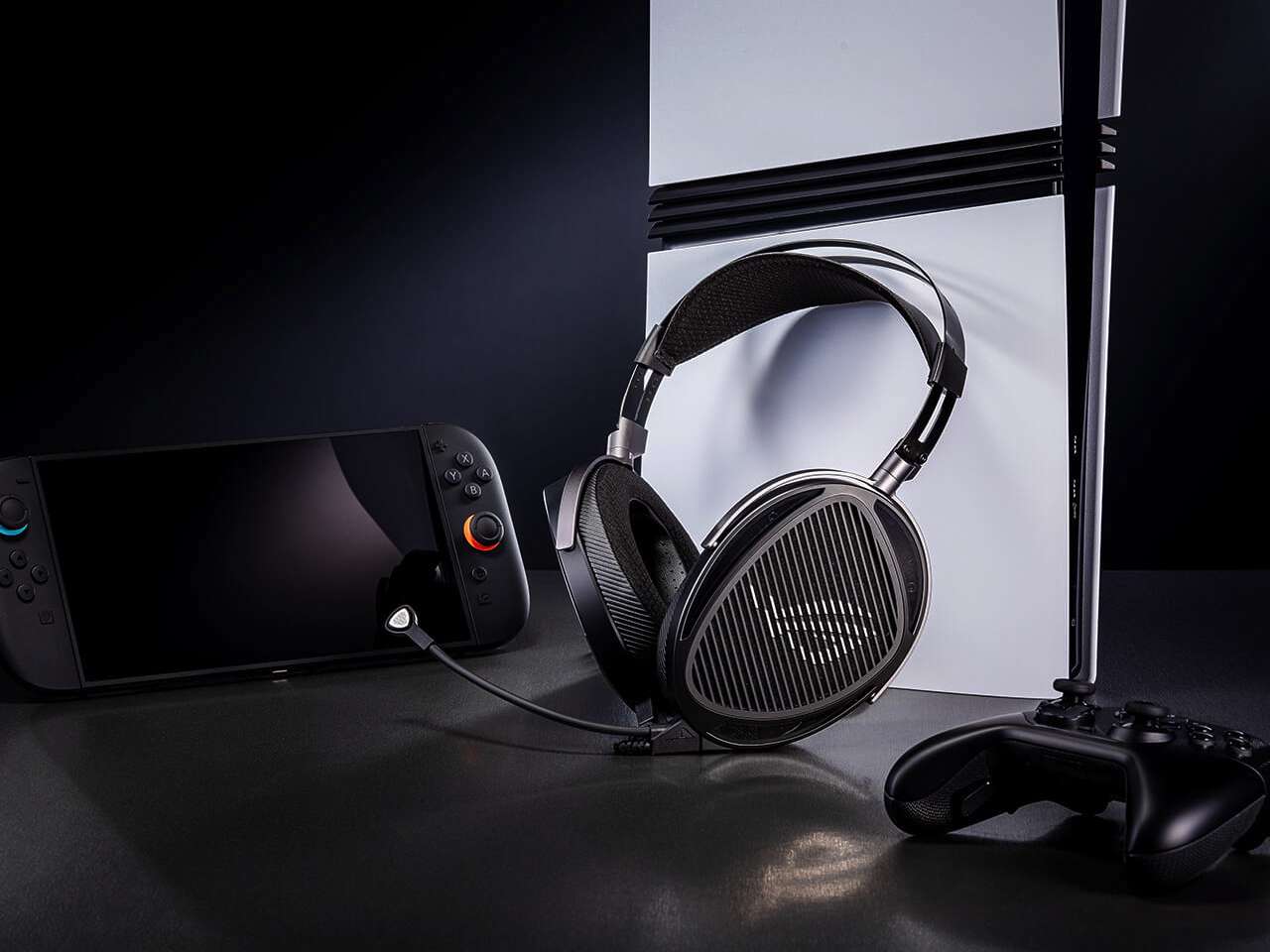
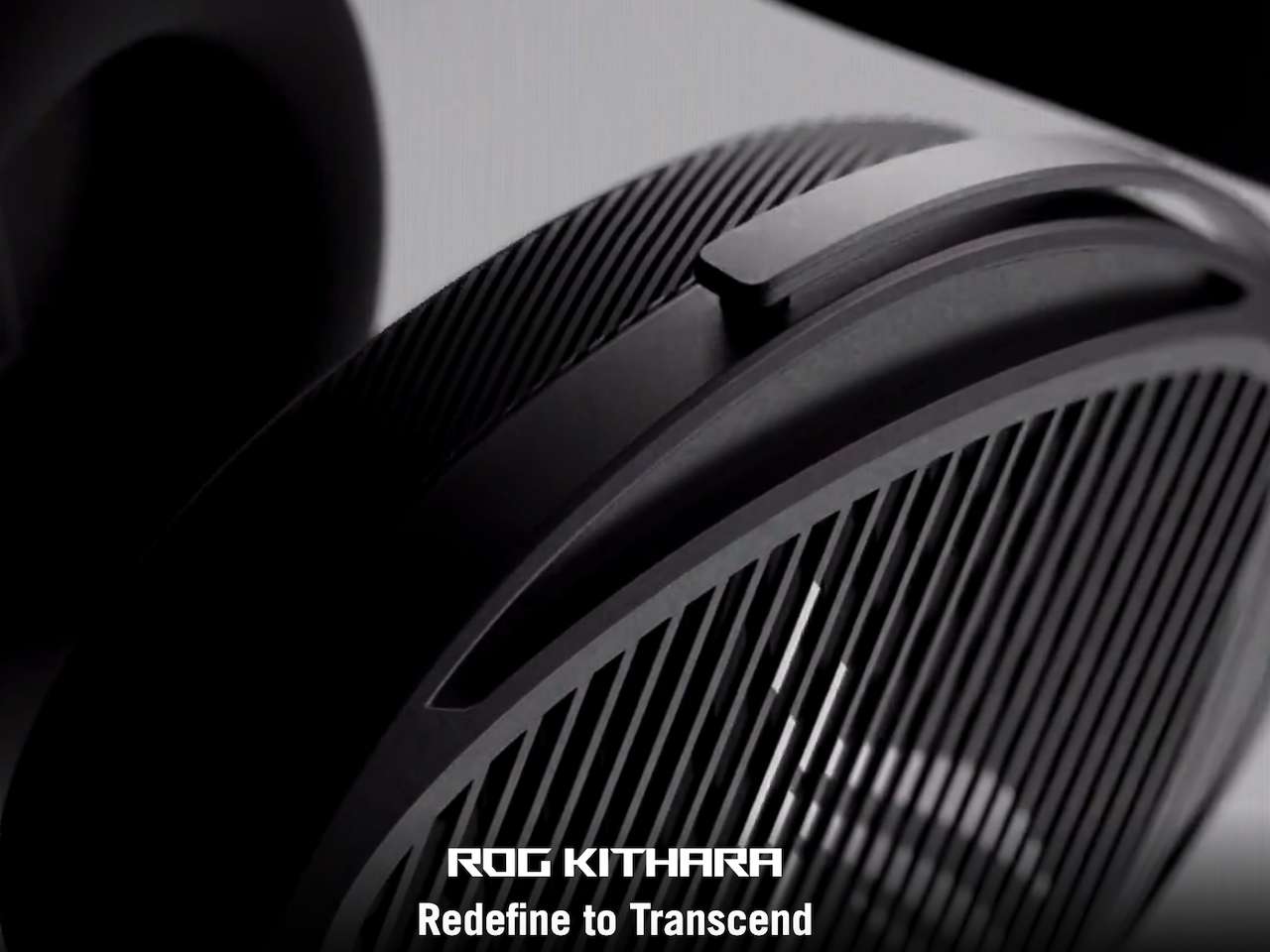
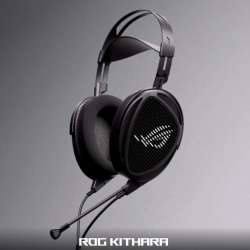
Most gaming headsets compress audio into a narrow range that’s built for footsteps and directional cues, which works for competitive play but sounds artificial when you want to hear music or movies without swapping gear. ASUS ROG’s new Kithara flips that approach by starting with audiophile-grade planar magnetic drivers developed with HIFIMAN and tuning them for gaming rather than building gaming hardware that claims audiophile credentials as marketing. It’s a $299 open-back headset with 100mm planar drivers that treats game audio like a recording studio would instead of boosting specific frequencies for competitive advantage. ASUS announced Kithara at CES 2026 and it’s available now at Amazon, MicroCenter, Best Buy, and Newegg, making it the first open-back planar magnetic gaming headset from a major peripheral brand where the audiophile tech isn’t just marketing language.
Price: $299.99
Where to Buy: Amazon
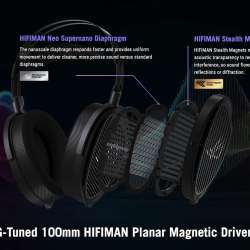
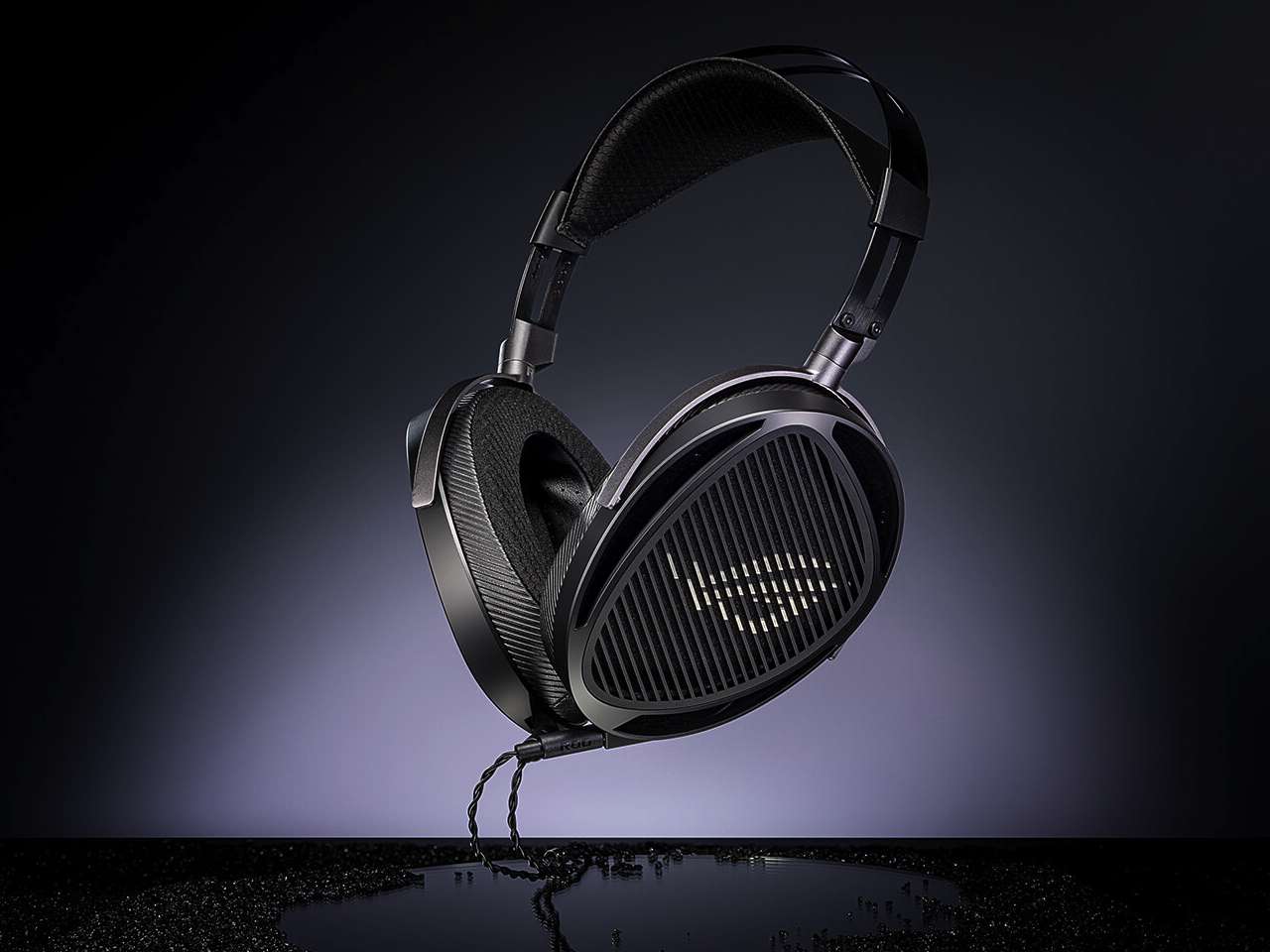
HIFIMAN’s collaboration here isn’t just licensing their name for credibility. Driver construction uses the same planar magnetic tech found in HIFIMAN’s Sundara and Edition series headphones, where a thin film suspended in a magnetic field moves with even force across its entire surface instead of being pushed by a single voice coil like dynamic drivers use. Even force reduces distortion and improves how fast sounds start and stop, which means sharp sounds like gunshots and explosions stay clear and separated even when multiple audio sources compete during chaotic multiplayer matches where cheaper dynamic drivers compress everything into muddy audio. Frequency response runs from 8 Hz to 55 kHz, far beyond the 20 Hz to 20 kHz range most gaming headsets target, and while you can’t hear frequencies outside that audible range, the extension affects how bass fades and treble resolves within the spectrum you do hear. Sub-bass rumble in explosions feels physical without mid-bass bloat that makes everything sound thick, and high frequencies keep air and detail without harshness that makes cymbals and voice consonants sound sharp.
Open-back design means Kithara leaks sound and doesn’t block external noise, so this only works in quiet spaces where nobody else will hear your game audio and ambient noise won’t mess with positioning cues. That trade-off buys a wider soundstage where audio doesn’t feel compressed inside your head, and imaging gets better because reflections don’t bounce back into the ear cups and create false position information.
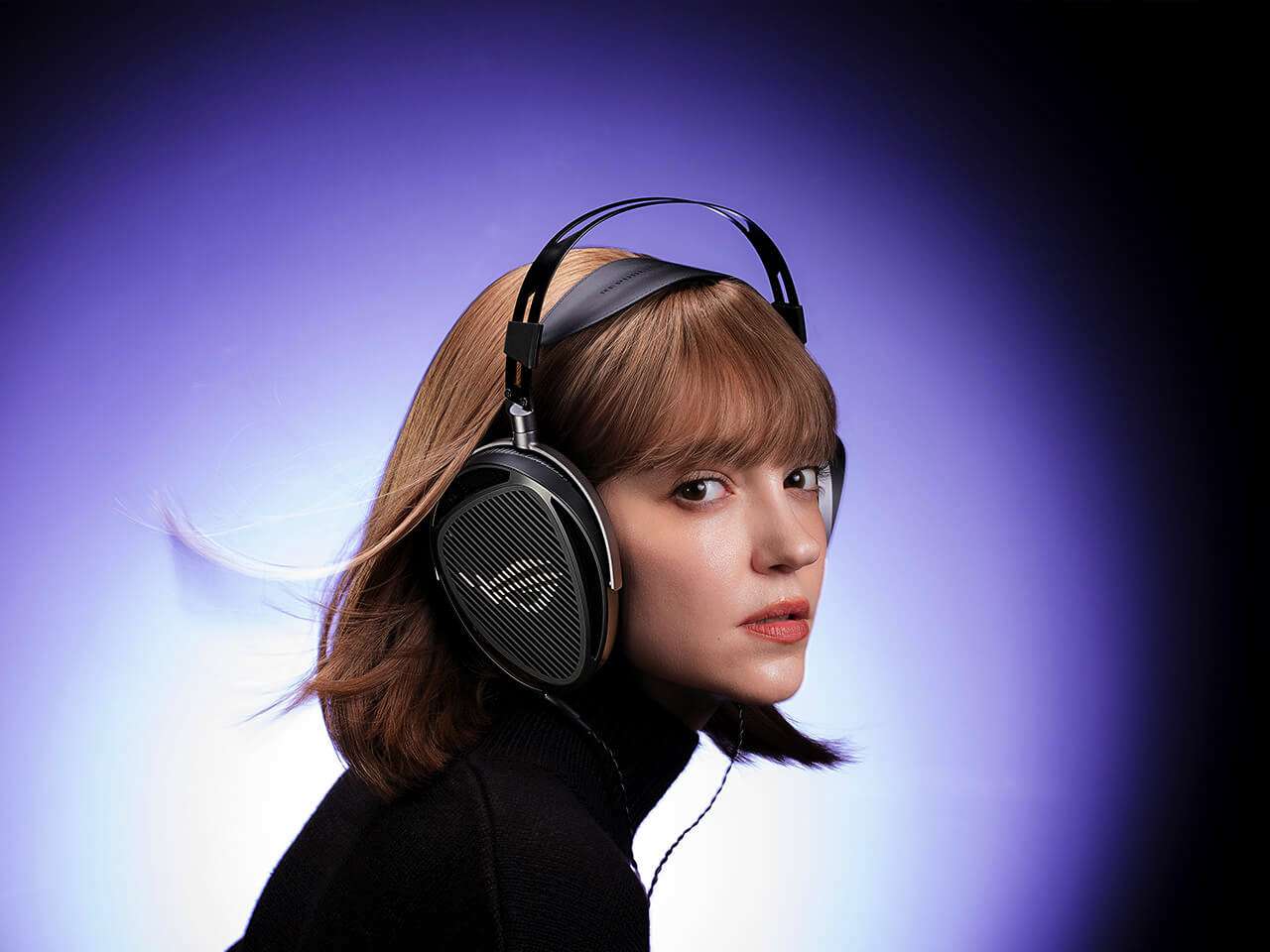
Power needs stay low at 16-ohm impedance, which lets you drive Kithara from laptop audio, phone outputs, or console controllers without needing a dedicated amp, though pairing it with better amplification improves dynamics and bass response noticeably when you switch between onboard audio and an external DAC. You get clean sound from modest sources, but the drivers scale well with better gear. The low impedance makes this accessible without forcing you into expensive amplification just to hear what you paid for. Open-back planars typically demand serious power, but Kithara runs efficiently enough for casual desktop use while still benefiting from upgrades when you’re ready to push further. That flexibility matters more than the spec sheet suggests, since most gaming headsets either need no amp or absolutely require one with no middle ground.
What It Is
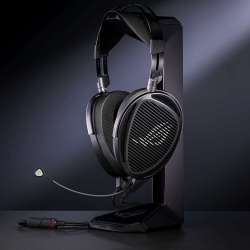
ASUS includes a full-band MEMS boom mic with 20 Hz to 20 kHz frequency response, which captures more low-end warmth and high-end clarity than typical gaming mics that cut off at 100 Hz and 10 kHz and make you sound thin and nasal. Lower frequency extension keeps chest resonance so your voice has natural weight instead of sounding like you’re talking through a landline, and upper extension keeps consonants sharp so words don’t blur together during fast callouts when you need to tell teammates enemy positions without repeating. Separate signal paths for audio and microphone stop crosstalk completely, which means you won’t hear your own keystrokes bleeding into your headphone audio when the mic picks them up. Poor electrical isolation on cheaper gaming headsets causes audible feedback loops, but Kithara avoids this entirely. You know right away whether the mic is muted or active because the USB-C adapter includes a physical toggle switch that gives tactile feedback instead of needing visual confirmation through an LED. MEMS tech uses a micro-electromechanical system instead of a traditional electret capsule, which reduces noise floor and improves signal-to-noise ratio so your voice stays clear even when background noise is present. The mic sits on the cable without adjustment, so positioning depends on cable routing.
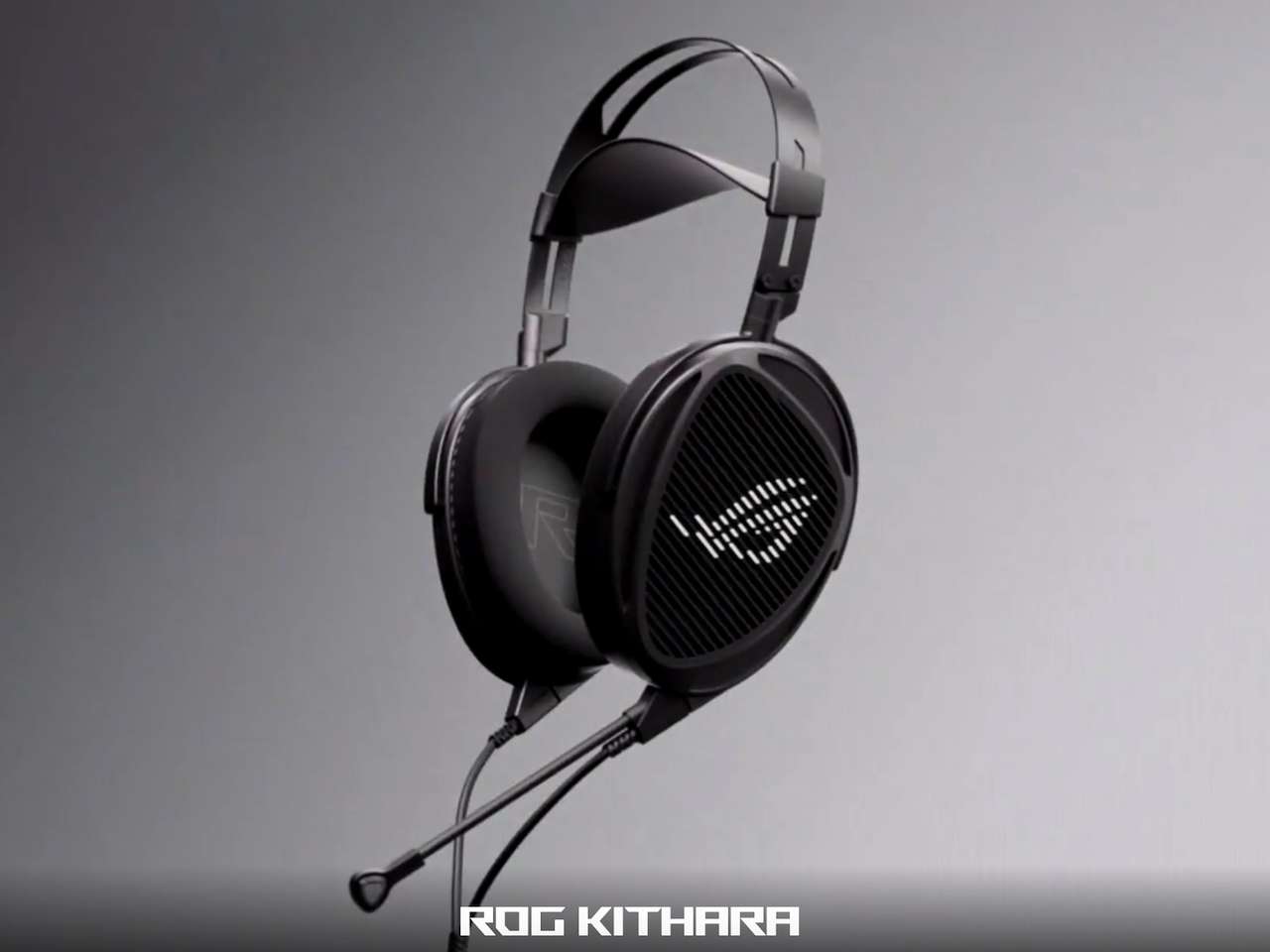
HIFIMAN’s tuning philosophy shows in the tonal balance, which stays neutral instead of boosting bass for artificial impact or hyping treble for short-term excitement in store demos. Distance cues scale properly across different in-game environments instead of collapsing into vague near-far guesses that make spatial positioning feel like guesswork. Neutral tuning means you hear what developers intended rather than what marketing teams think sells headsets in retail demos. That matters more in competitive gaming than people realize, since exaggerated bass or treble can mask subtle audio cues that help with positioning. The flat response reveals detail that gets buried under consumer-friendly EQ curves. Most gaming headsets prioritize immediate impact over long-term accuracy, but Kithara does the opposite.
Cable System and Build
Kithara ships with two cables covering different use cases without needing third-party adapters. The balanced headphone cable includes swappable plugs for 4.4mm balanced, 3.5mm single-ended, and 6.3mm single-ended connections, which supports higher-end DAC and amp setups where balanced output reduces noise and improves channel separation. Swappable plugs mean you’re not locked into one connector type or forced to buy adapters that add unnecessary connection points where cables can work loose or contacts can corrode.
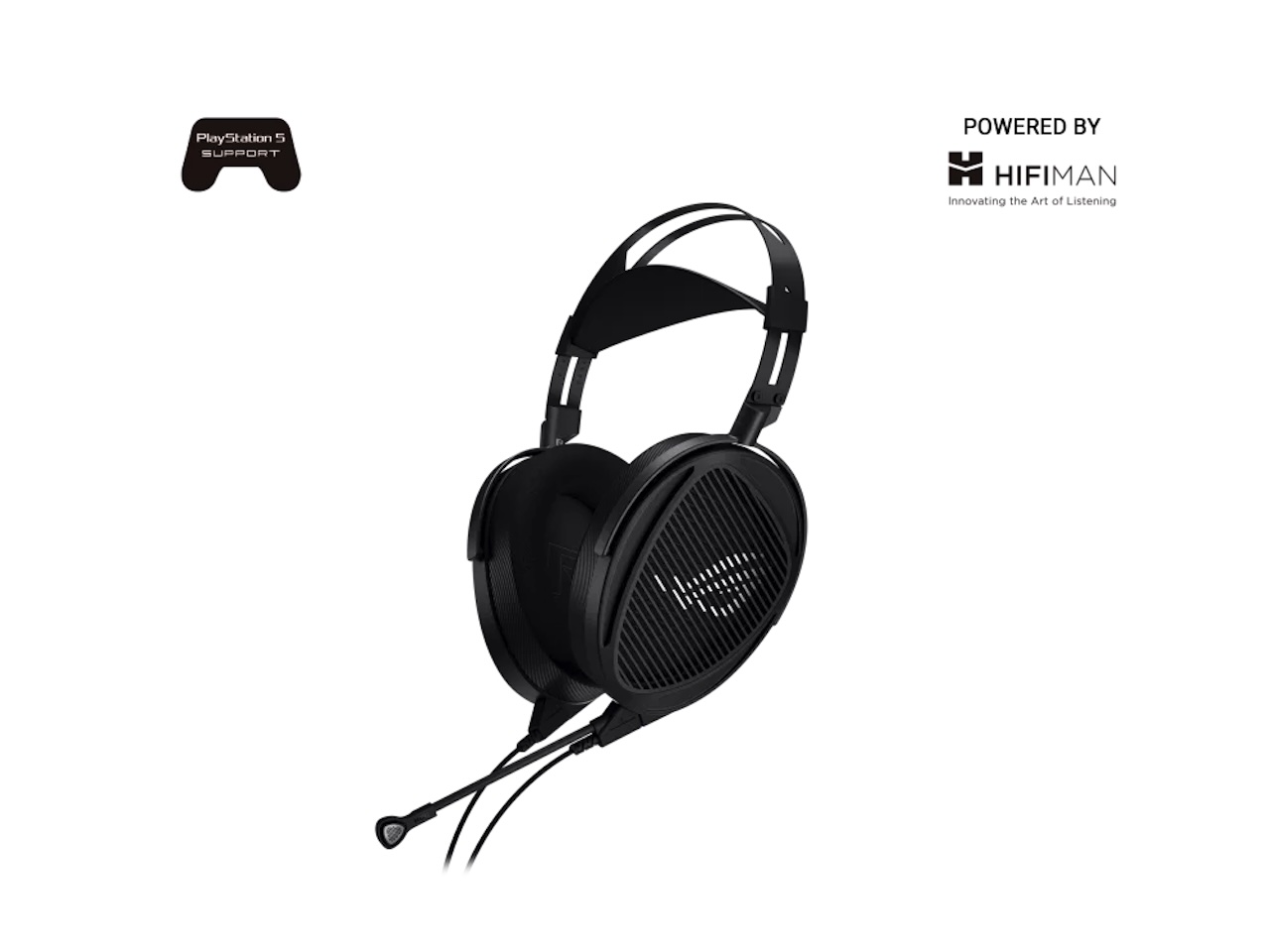
The USB-C to dual 3.5mm adapter handles device compatibility for PCs, laptops, tablets, and mobile devices, splitting the signal into separate audio and microphone jacks so both work at the same time without needing a TRRS splitter that introduces signal loss. Cable length works for desktop use without excess that tangles when you’re not using the full length, and the braided sleeve resists kinking better than rubber coating that cracks after repeated bending near connectors. Metal frame construction adds weight but improves durability compared to plastic headbands that crack under stress, especially if you travel with the headset or store it in a bag without a protective case. Eight-level adjustment fits different head sizes with firm clicks that won’t slip out of position during movement but aren’t so stiff that adjustment feels like you’re forcing the mechanism and risking breakage. Multi-layer headband padding spreads weight across a wider contact area instead of concentrating pressure in a narrow band that causes soreness after an hour.
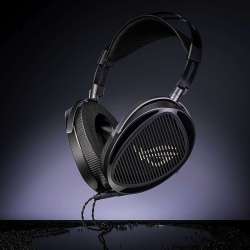
Two sets of interchangeable ear cushions ship in the box: one thicker pair for maximum comfort with more distance between the driver and your ear, and one thinner pair that brings the drivers closer for improved bass response and imaging precision. Thicker cushions create more distance between the driver and your ear, which widens the soundstage slightly and reduces bass impact for a more neutral presentation that works well for music listening and single-player games with orchestral scores. Thinner cushions bring the drivers closer, which tightens the soundstage and increases bass presence for competitive gaming where boosted low-end helps with positioning cues like footsteps and explosions. Swapping takes seconds without tools or fragile clips that break after a few changes, so you can try both options and settle on whichever fits your preference or switch between them depending on whether you’re gaming competitively or listening to music casually. Cushion attachment uses a snap-on mechanism that holds securely but releases easily when you want to swap them, and the fabric texture focuses on breathability over premium looks that add cost without improving the wearing experience.
Who This Is For
Kithara works best for users who already own planar headphones or high-end dynamic headphones and want gaming-specific features without giving up audio quality they’re used to from reference gear. If you’ve tried using audiophile headphones for gaming and found the lack of a boom mic annoying for multiplayer communication, or the neutral tuning too flat for competitive positioning cues, this solves both problems without forcing you back into typical gaming headset compromises. The $299 price sits between mid-tier gaming headsets that cost $150 to $200 and entry-level audiophile planars that start around $400, which makes sense for a product that bridges both categories.
Price: $299.99
Where to Buy: Amazon
If you game in shared spaces or noisy environments, the open-back design becomes a dealbreaker before audio quality or driver tech even factors into the decision. Sound leaks out at volumes loud enough that people in the same room will hear your game audio clearly, and ambient noise leaks in without passive isolation to reduce its impact on your ability to hear positioning cues. This isn’t for planes, coffee shops, offices, or living rooms where others are watching TV or trying to focus on work while you play. Open-back headsets are too leak-prone and environment-dependent to work outside dedicated gaming spaces where you’re alone or everyone present is gaming at the same time. The HIFIMAN collaboration makes it more credible than most audiophile-marketing attempts where brands license names for legitimacy without actually using the tech or tuning philosophy that makes those partnerships meaningful beyond press releases.
Gerber Gear 22-47162N Fast Draw Folding Assisted Opening Pocket Knife, Fine Edge, Black
(as of March 22, 2026 18:30 GMT -05:00 - More infoProduct prices and availability are accurate as of the date/time indicated and are subject to change. Any price and availability information displayed on [relevant Amazon Site(s), as applicable] at the time of purchase will apply to the purchase of this product.)
