
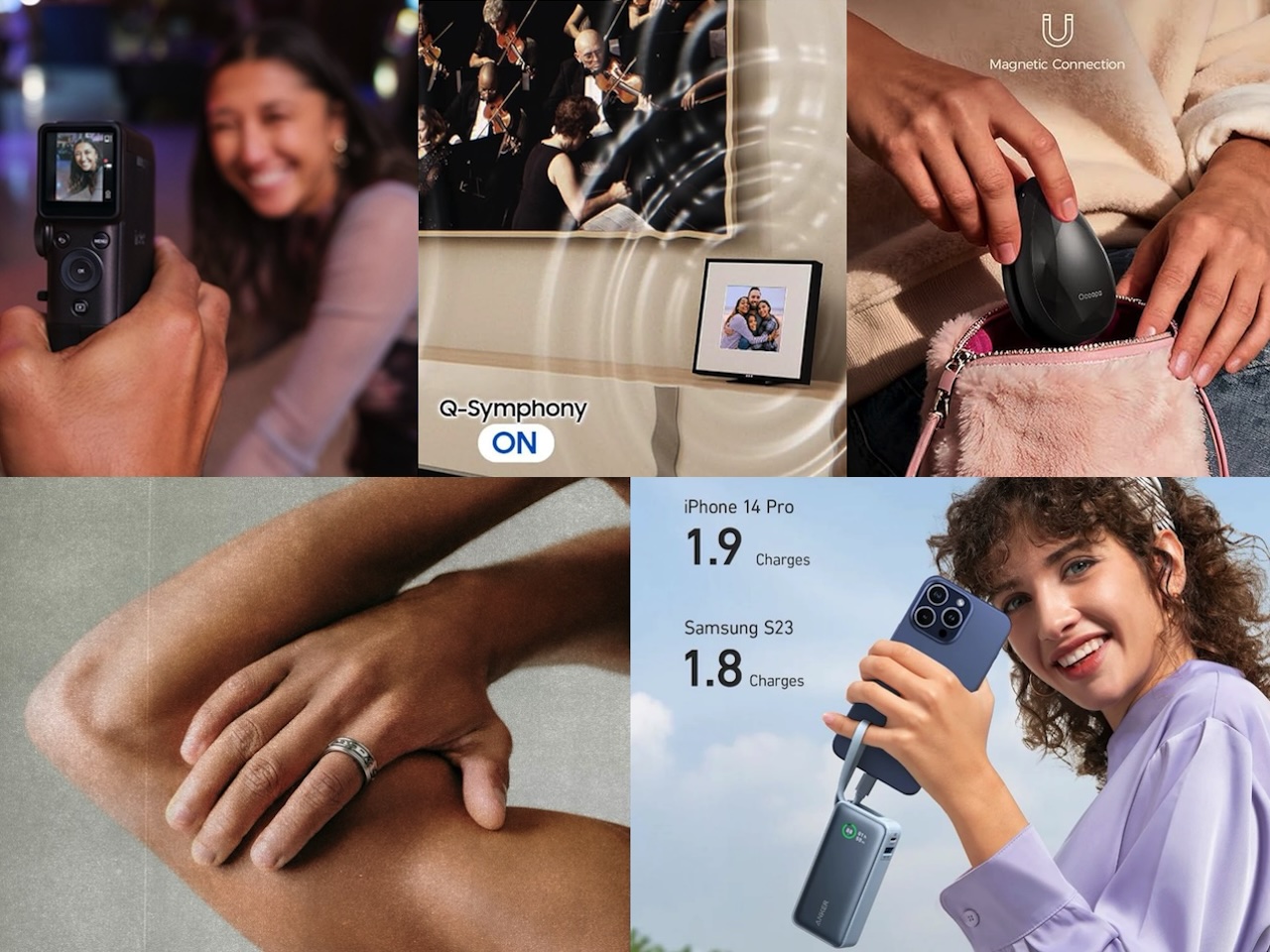
Most Valentine’s gifts for women collapse into one of three exhausted categories: jewelry that sits unworn in drawers, flowers engineered to die within days, or boxed chocolates that communicate “I remembered the date but not the person.” The problem isn’t that people don’t care, it’s that gift markets optimize for ceremony over utility, treating sentiment and function as opposing values instead of complementary ones. Tech accessories bypass this false choice by embedding into daily routines while carrying the signal that someone noticed the specific friction points in your life. What you’re actually giving is repeated proof that attention was paid to how someone moves through their day, and every use reinforces that observation.
The real shift happens when you stop asking “what gift category fits Valentine’s Day?” and start asking “which everyday tools solve persistent problems while maintaining design integrity that doesn’t look like it came from a camping catalog?” That reframing moves you out of symbolic gesture territory and into the space where utility and thoughtfulness can coexist without compromising either. The five options below occupy that intersection, where function doesn’t dilute sentiment and aesthetic refinement doesn’t sacrifice practical value.
Traditional Valentine’s frameworks assume that gifts must be either romantic or useful, decorative or functional, but never both simultaneously without diminishing one quality to accommodate the other. That assumption creates the persistent cycle where well-intentioned gifts end up unused because they prioritized symbolism over integration into actual daily patterns.
OCOOPA Hand Warmer: Solving Cold Without the Gear Aisle Aesthetic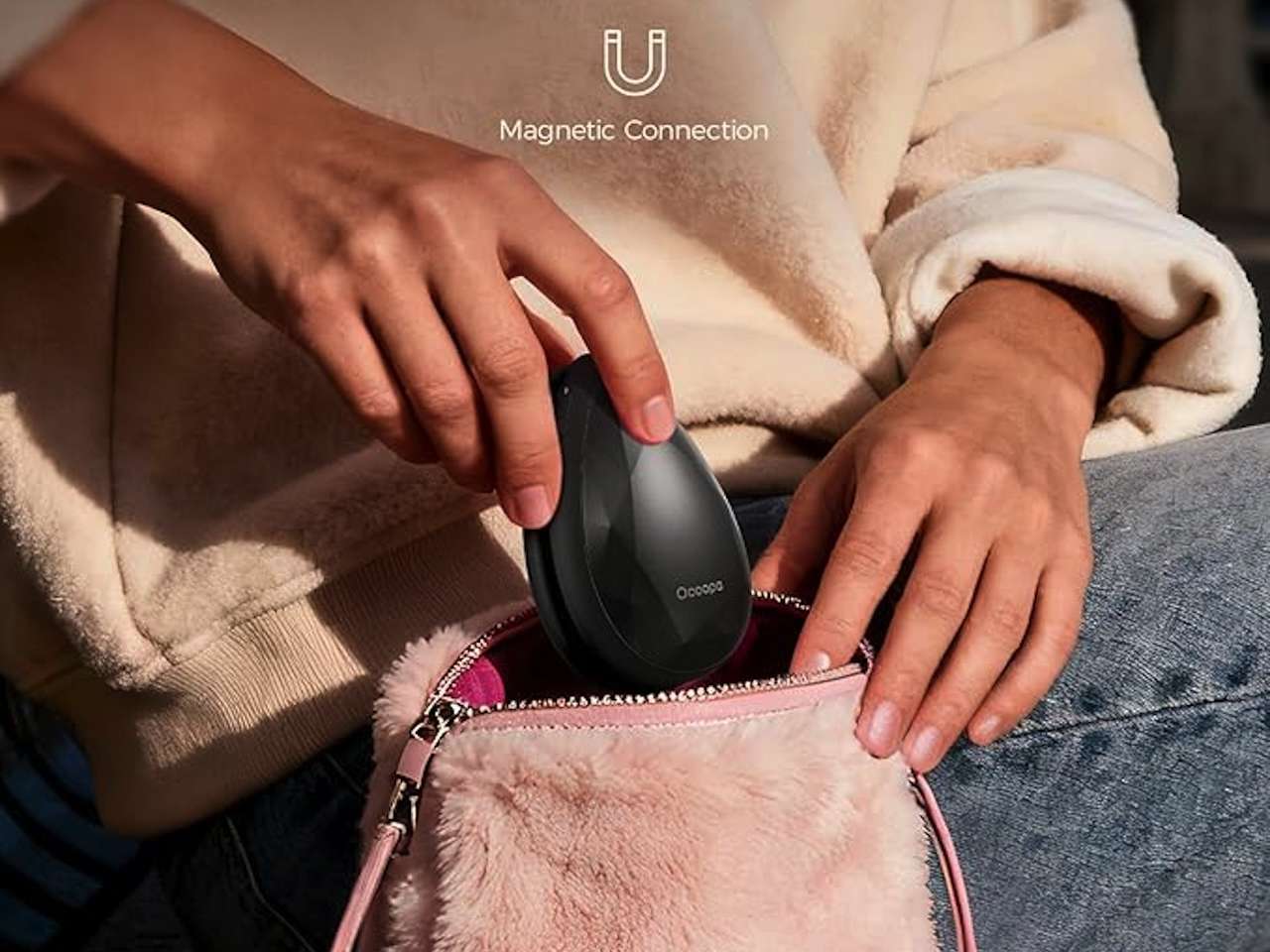
Cold hands create persistent discomfort that most people accept as environmental fact rather than solvable problem. Office buildings run air conditioning year-round at temperatures calibrated for metabolisms that run hot, outdoor restaurant seating becomes unusable the moment the sun drops below the horizon, parking structure wait times turn into endurance tests in concrete wind tunnels, and commutes on public transit mean standing in drafts from doors that open every two minutes. The OCOOPA Hand Warmer addresses all of these scenarios without the bulky industrial form factor that makes most rechargeable warmers feel like you’re carrying a lithium brick in your pocket.
Most OCOOPA models range from $25 to $45 depending on features, delivering between 8 and 15 hours of continuous warmth across multiple adjustable heat settings, and the form factor curves to fit naturally in jacket pockets or small bags without creating visible bulk. USB-C charging eliminates proprietary cable dependency so you’re using the same cord that powers your phone and laptop, the surface maintains consistent temperature without the uncomfortable hot spots cheaper models create where one zone burns while another stays lukewarm, and the form factor disappears into bags without adding noticeable weight.
The critical distinction sits in design refinement, because hand warmers typically read as utilitarian outdoor equipment in ways that make them stay home even when they’d solve immediate problems. This one presents as a refined accessory rather than camping gear, which changes the threshold for daily carry from “I’m going hiking” to “I might need this today.” The aluminum develops subtle patina over time that reads as character rather than wear, battery capacity holds steady through hundreds of charge cycles without the rapid degradation cheaper lithium cells exhibit, the rounded edges prevent snagging on fabric inside bags, and the weight distribution feels balanced rather than front-heavy when you’re holding it one-handed while scrolling through your phone with the other.
Most rechargeable warmers optimize for maximum heat output at the expense of battery life, runtime, and form factor, treating the device as emergency equipment rather than daily-carry accessory. OCOOPA inverts that priority structure by starting with “what form factor gets carried every day?” and working backwards to heat output that solves the problem without requiring industrial aesthetics or bulk that announces itself.
Price: $19.99 to $29.99
Where to Buy: Amazon
Fujifilm Instax Mini Evo Cinema: Motion Context for Physical Prints

Instant cameras occupy awkward territory where nostalgia drives purchases but limited functionality means they get used a few times before migrating to shelf decoration. The fundamental limitation isn’t print quality or film cost, it’s that frozen moments can’t capture movement, sound, or the way someone’s expression shifts mid-laugh, which means you’re always choosing between physical artifact and motion context. The Fujifilm Instax Mini Evo Cinema Camera eliminates that tradeoff by recording video clips, letting you select the best frame, and printing it with an embedded QR code that links to the full video when scanned.
You’re recording short clips up to 15 seconds, reviewing footage on the rear LCD to select which moment becomes the physical print, and the printed photo includes a QR code that any phone camera can scan without requiring app downloads or account creation. Scanning plays the video with the Instax frame overlay preserved, maintaining the analog aesthetic even in digital playback, and the video lives on Fujifilm’s servers for two years, creating a hybrid artifact that’s simultaneously tangible and dynamic without forcing format compromise. The Eras Dial cycles through ten film era presets with adjustable intensity, applying period-appropriate visual and audio effects that include 1960s 8mm film grain with subtle frame jitter and mechanical whir during recording, 1970s CRT color television saturation with horizontal scan lines that shift slightly between frames, and 1980s VHS tracking noise with color bleeding that mimics magnetic tape degradation. These aren’t just visual filters, they include sound design replicating the audio artifacts of each format, and the dial clicks with tactile resistance when you rotate through options rather than scrolling through touchscreen menus.
Price: $409.95
Where to Buy: Instax US
Diesel x Ultrahuman Smart Ring: Health Data Without Fitness Tracker Aesthetics

Smart rings stopped competing with smartwatches on feature lists and losing. Current models recognize they’re solving a different problem entirely, which isn’t “how do we cram more sensors into smaller form factors?” but rather “how do you track sleep, heart rate, activity, and recovery metrics without wearing something that announces you’re monitoring health data?” The Diesel x Ultrahuman collaboration takes the Ring Air platform and wraps it in industrial styling with visible branding and finishes designed to catch light and stand out rather than disappear on your hand.
The chunky silhouette sits higher on the finger than minimal designs, you feel that difference when your hands hover over keyboards or rest on tables, and the finishes reflect overhead lighting in ways that make the ring read as intentional accessory rather than disguised health tech. Under indoor lighting, glossy surfaces and high-contrast branding make it obvious you’re wearing something deliberate instead of trying to hide a tracker, which is the entire point if you want people to notice it as jewelry first and fitness device second or not at all. Battery life runs four to six days between charges depending on usage patterns, tracking includes sleep stages and efficiency, recovery scores based on heart rate variability, stress monitoring through HRV trends, caffeine sensitivity windows that shift based on your chronotype, and ovulation insights derived from temperature patterns, and the platform doesn’t require ongoing subscription fees, which remains a welcome distinction in 2026 when most wearable ecosystems treat hardware as loss leader for recurring revenue.
The Diesel x Ultrahuman Smart Ring fits Valentine’s context because it solves the tension between wanting longitudinal health data and refusing to compromise personal style for fitness tracker aesthetics that scream “I’m optimizing my body.” The ring becomes daily wear the way traditional jewelry does, except it’s also passively logging sleep architecture and autonomic nervous system recovery without requiring conscious interaction or screen time, and the data surfaces patterns you wouldn’t notice from subjective assessment alone. If you gravitate toward accessories that announce themselves in photos and meetings instead of blending into backgrounds, this works, and if you prefer trackers that disappear visually, skip it entirely.
The form factor matters more than spec sheets suggest because health tracking adoption fails not from insufficient sensors but from aesthetic friction that makes people choose between wearing something they like looking at and wearing something that collects useful data. Diesel x Ultrahuman recognizes that the real competition isn’t other smart rings, it’s traditional jewelry that people actually want to wear every day, and the only way to win that comparison is to look like jewelry first while health tracking remains secondary attribute rather than primary identity.
Price: $499
Where to Buy: Ultrahuman
Samsung Music Frame: Wall Art That Plays Audio
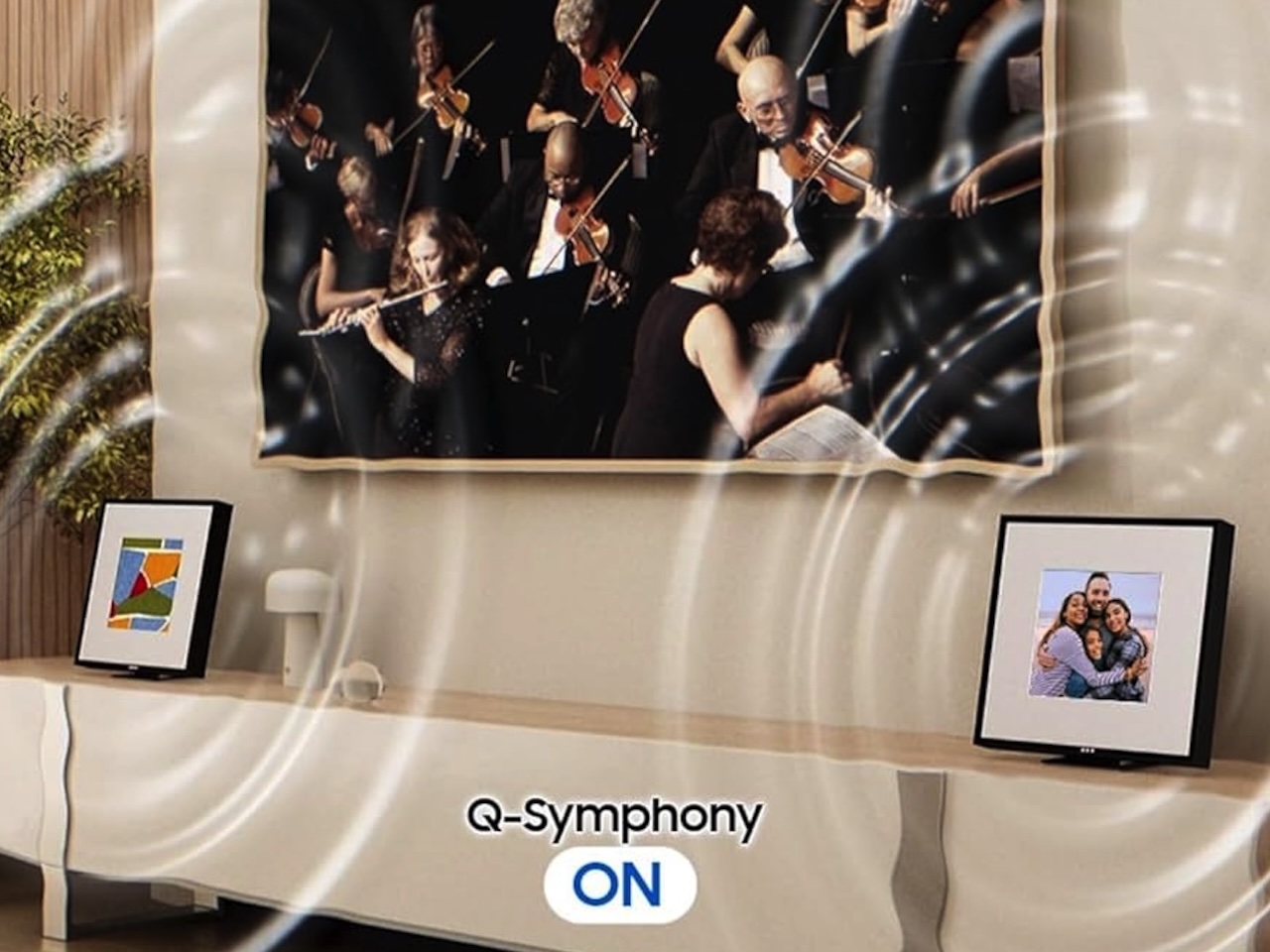
Most Bluetooth speakers look like tech products, which creates integration friction when you’re trying to fit them into rooms with intentional design where visible gadgets clash with existing aesthetics. The Samsung Music Frame solves this by disguising a speaker as a picture frame with customizable art inserts, so it reads as wall decor rather than audio equipment when people walk into a room. The frame holds standard prints or photos behind a fabric grille that conceals speaker components while letting sound pass through without noticeable muffling or frequency attenuation that makes voices sound like they’re coming from inside a box.
Sound quality sits in the mid-range Bluetooth speaker category, handling podcasts, background music, and casual listening without the bass depth or stereo separation of dedicated audio setups, but Dolby Atmos support adds spatial audio processing that creates perceptible dimensionality with compatible content rather than collapsing everything into flat mono. The system calibrates audio based on room acoustics when you run the setup routine through the Samsung app, adjusting EQ curves and volume distribution to compensate for hard surfaces, furniture placement, and room dimensions, and the frame mounts flush against walls or sits on shelves using the included stand without requiring specialized mounting hardware.
Connection stability holds across typical apartment distances without dropouts when you walk into adjacent rooms, and swapping art inserts takes seconds since the magnetic backing releases without tools or fasteners. The form factor works in bedrooms, kitchens, or home offices where visible tech gear clashes with existing aesthetics, and the ability to rotate art based on mood or season means the visual component doesn’t become static decoration you stop registering after the first week.
Price: $327.99
Where to Buy: Amazon
Anker Nano Power Bank: Battery Capacity Without Pocket Bulk
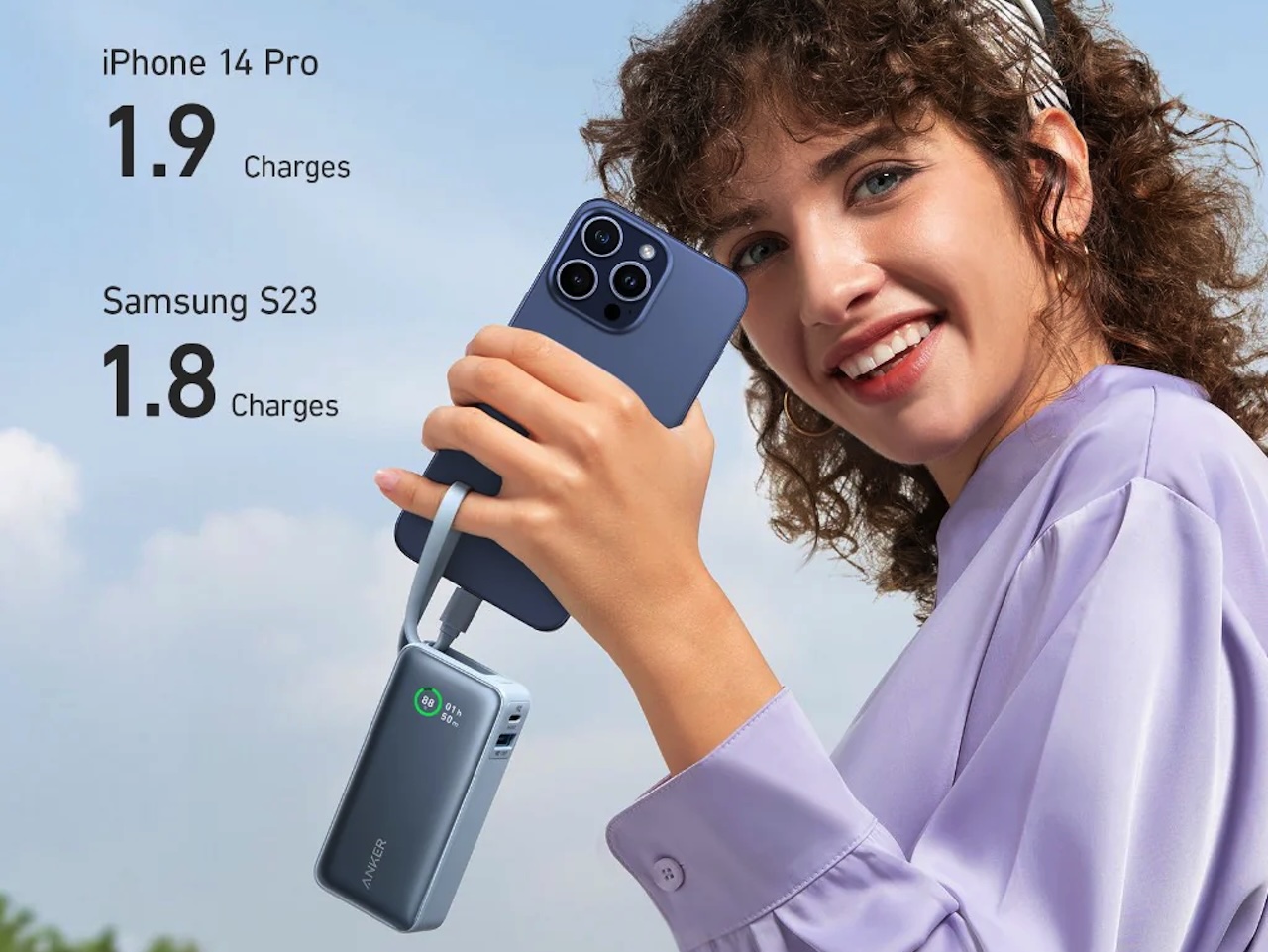
Running out of battery mid-day creates persistent low-level anxiety that most people tolerate as environmental constant rather than solvable friction. Portable power banks eliminate this entirely, but most models add weight and bulk that make them stay home even when they’d be immediately useful, which means they only appear on travel days or long events where battery death is guaranteed rather than merely probable. The Anker Nano compresses 10,000mAh capacity into a form factor small enough to disappear into jacket pockets or small bags without creating visible bulk or adding the kind of noticeable weight that makes you constantly aware you’re carrying it.
USB-C input and output provide universal compatibility with current phones, tablets, and laptops, fast charging support means the power bank itself recharges in under two hours instead of requiring overnight charging cycles that eat into available use time, and the capacity fully charges most phones once with enough remaining for partial second charges, which covers extended days out without requiring outlet access or the kind of aggressive battery management where you’re constantly dimming screens and closing apps.
The matte finish resists scratches better than glossy plastics that show every contact point within days, rounded edges prevent the sharp corners that catch on fabric inside bags and create friction when you’re trying to pull it out quickly, and LED indicators show remaining capacity at a glance without requiring button presses or app checks.
Anker’s reputation for maintaining battery capacity through hundreds of charge cycles means this doesn’t degrade rapidly like cheaper options that lose half their usable capacity within six months of daily use, and at around $50, it sits in the price range where purchase feels justified without crossing into premium accessory territory that requires careful consideration. The compact size means it actually gets carried daily rather than appearing only on travel days when battery anxiety is already elevated, and the persistent background worry about percentage levels and hunting for outlets during long days disappears once you know backup power fits in your pocket without adding bulk.
The shift from “I should charge my phone” to “I have power if I need it” removes a category of mental overhead that most people don’t recognize as burden until it’s gone, and that reduction in cognitive load matters more than spec sheets suggest.
Price: $49.99
Where to Buy: Anker
Who Should Skip This
If you’re shopping for someone who values ceremonial gestures over practical integration, these won’t land. Traditional Valentine’s frameworks treat romance as separate from utility, where the gift’s symbolic weight matters more than whether it gets used. If the person you’re shopping for prefers gifts that stay in decorative rotation rather than daily carry, or if they measure thoughtfulness by how impractical something is, skip this entire list.
These also don’t work if you’re buying for someone who doesn’t carry tech daily, refuses to adopt new tools regardless of utility, or actively resists anything that looks like a gadget even when it solves persistent problems. If their aesthetic requires zero visible technology and they won’t compromise on that principle, the Samsung Music Frame might work but the rest won’t.
Finally, if you’re looking for gifts under $25 or need something that arrives within two days without planning ahead, most of these won’t fit your timeline or budget constraints. The price range here assumes you’re willing to spend $40 to $400 on a gift that integrates into daily patterns rather than sitting on a shelf.
Why Function and Sentiment Aren’t Opposing Values
Valentine’s gifts succeed when they communicate “I noticed what creates friction in your daily patterns” rather than “I bought something from a list labeled appropriate for this occasion.” These five items solve real problems with design refinement that doesn’t compromise aesthetics for utility or sacrifice function for appearance. They integrate into existing routines instead of requiring new behaviors, and repeated use reinforces that someone paid attention to how you move through the world rather than what category of gift fits the date on the calendar.
That distinction separates gifts that get appreciated once and stored from ones that become quiet recurring reminders of the person who gave them every time you reach for them, which is what transforms a purchased object into something that carries emotional weight without requiring symbolic interpretation.

Generic Interior Buyer's Guide Implied Warranty - Peel and Apply - No Lines, 1-Part, Self-Adhesive Print in Black and Gray Ink, 8.5"" x 11"" - Pack of 100, White
(as of March 22, 2026 18:27 GMT -05:00 - More infoProduct prices and availability are accurate as of the date/time indicated and are subject to change. Any price and availability information displayed on [relevant Amazon Site(s), as applicable] at the time of purchase will apply to the purchase of this product.)