
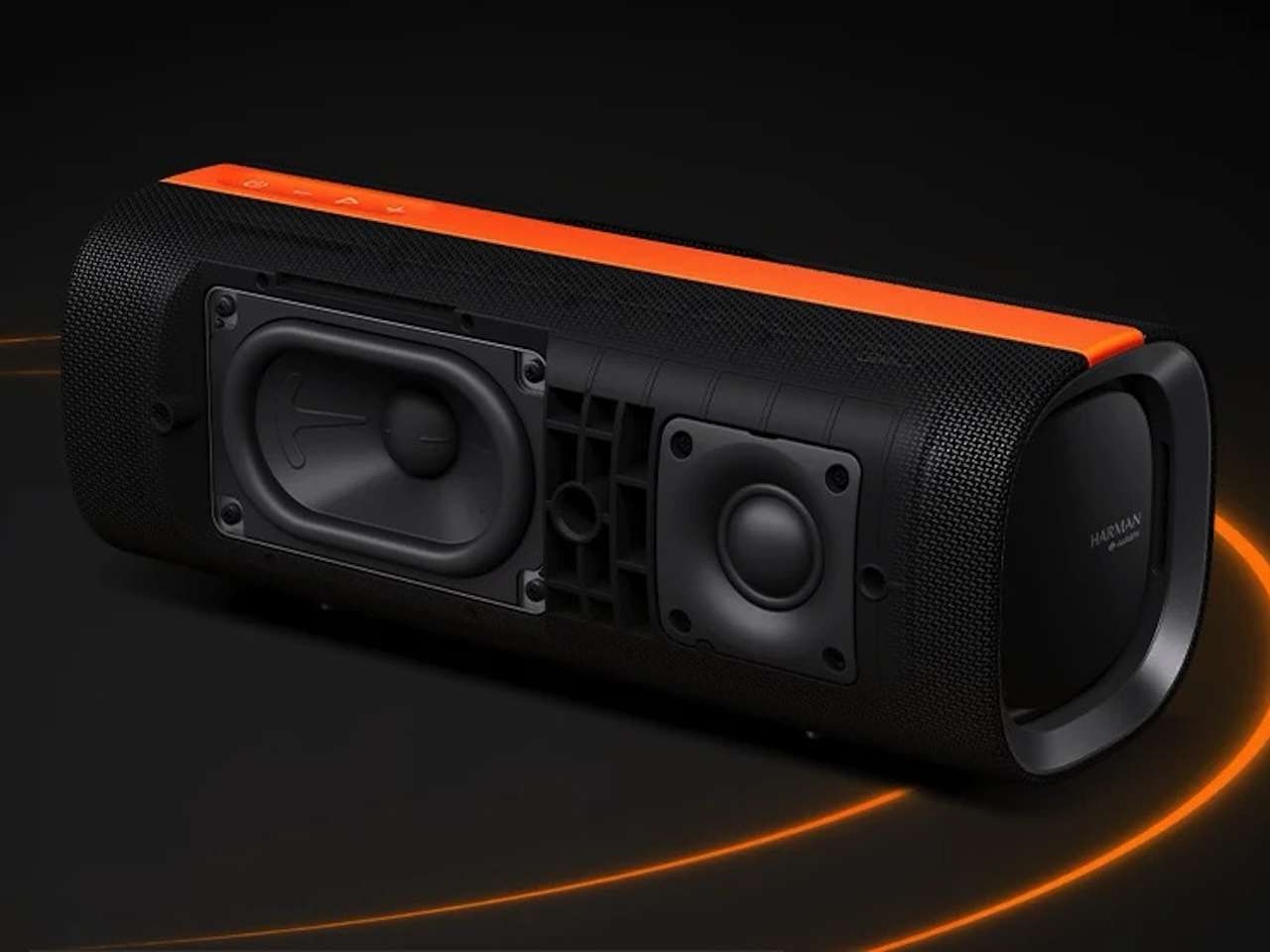
Most people buying Bluetooth speakers pay for brand equity they don’t need. JBL charges $120 for outdoor volume, Sony asks $150 for weather resistance, and you’re getting features that matter less than the badge on the grille. The Xiaomi Sound Party bets you’d rather have 50 watts of Harman-tuned audio at $83 (China) than pay extra for stereo separation you won’t notice at a barbecue or lighting controls buried in an app you’ll open twice.
Price: AED355 ($96USD | $83 in China)
Where to Buy: Amazon UAE
So the real question is whether Xiaomi cut corners in ways that actually hurt outdoor use, or just trimmed features that look good in marketing but disappear in practice. Mono audio instead of stereo makes sense when you’re filling space rather than sitting in a sweet spot. Skipping app integration works fine if the physical buttons do what you need. Durability, battery life through a full day outdoors, and tuning that stays clean when you push volume to uncomfortable levels matter more than the features Xiaomi didn’t include.
The Hardware Reality
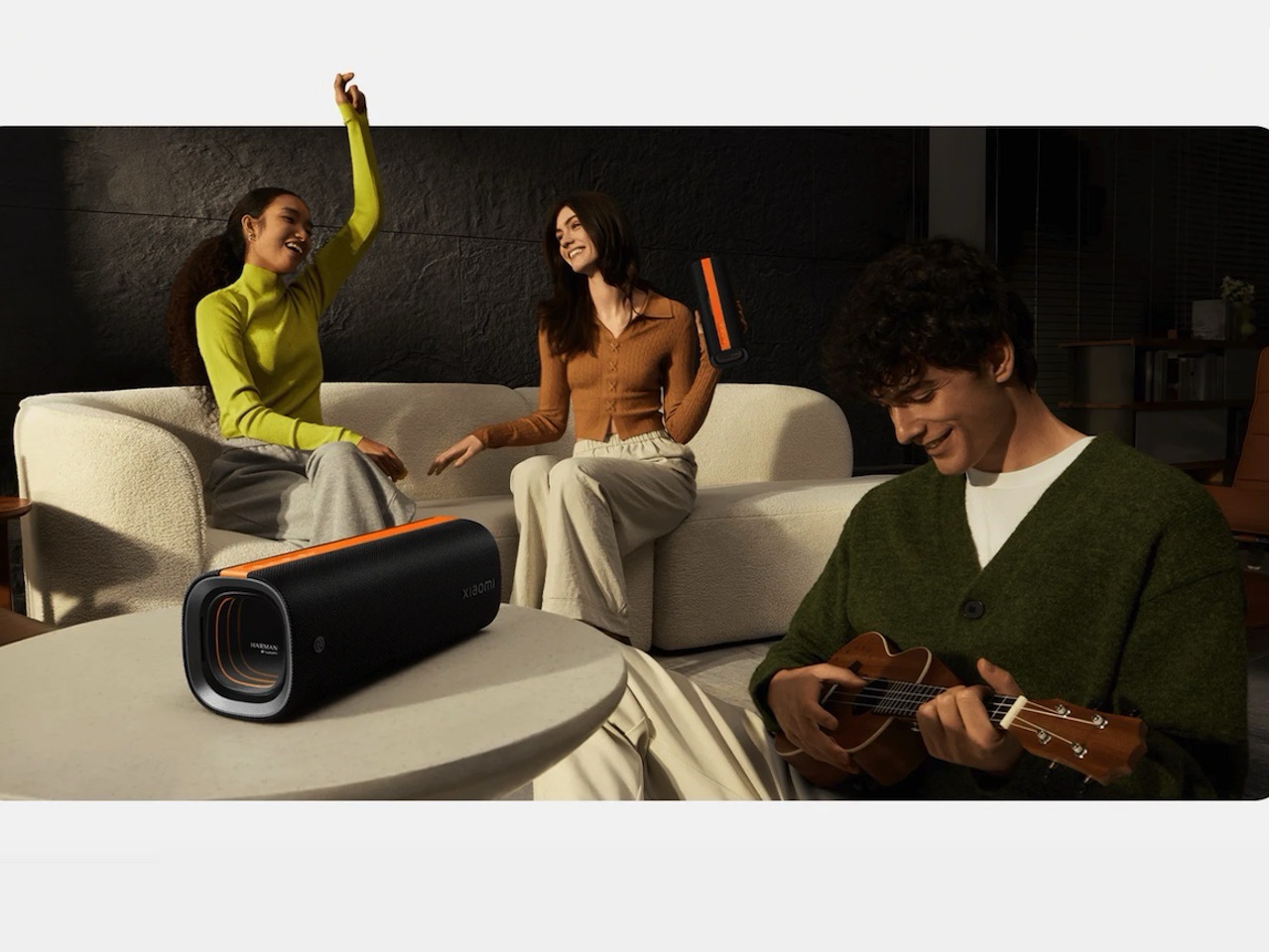
Xiaomi designed this around a single-channel driver configuration that pushes 50 watts through a 15W tweeter and 35W woofer. You’re not getting left-right imaging, but you are getting projection that fills a patio or campsite without the distortion cheap speakers produce when you crank them past 70% volume. Pairing two units splits them into stereo channels, but that doubles your cost and kills the value argument that makes this interesting in the first place.
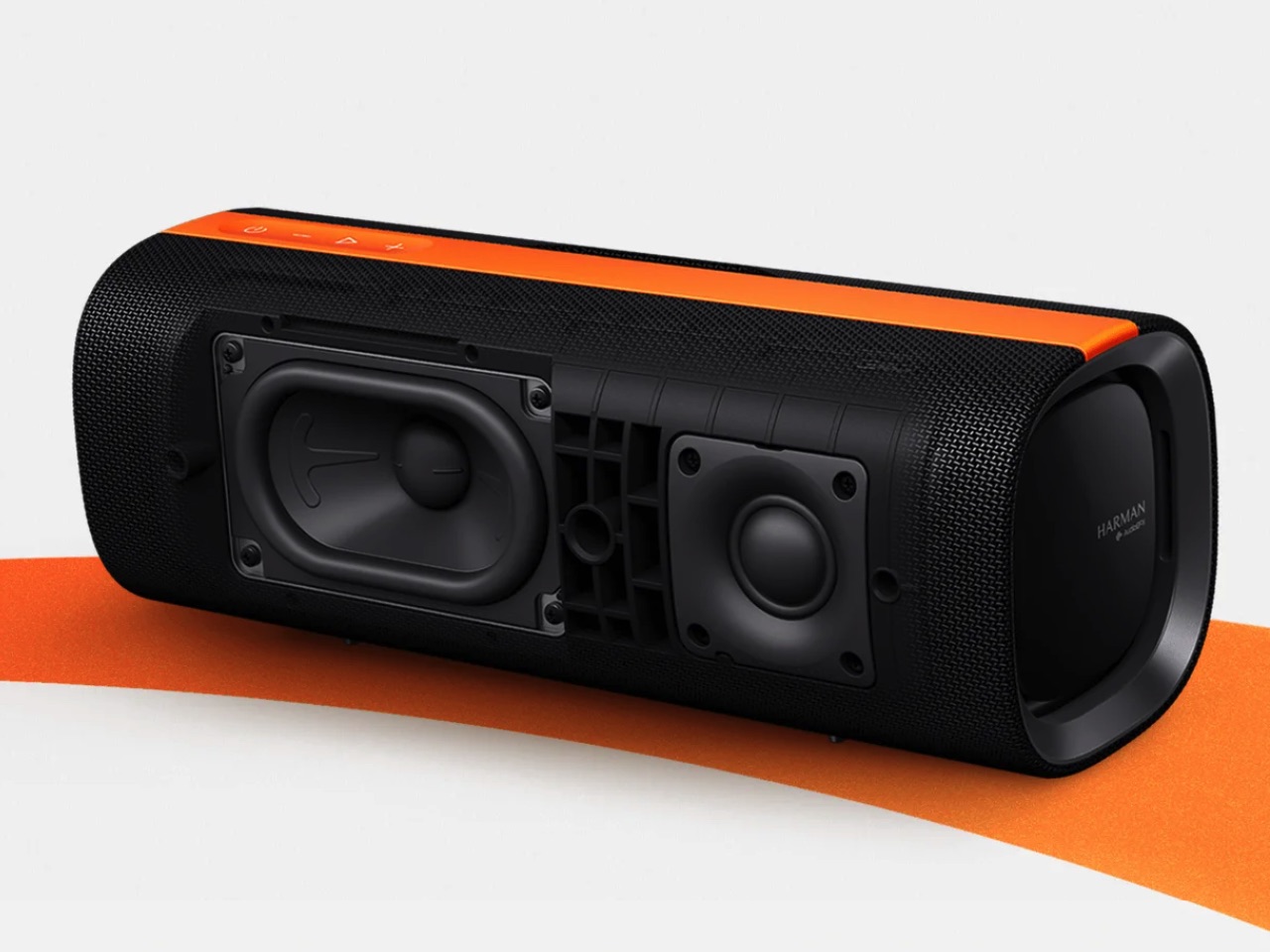
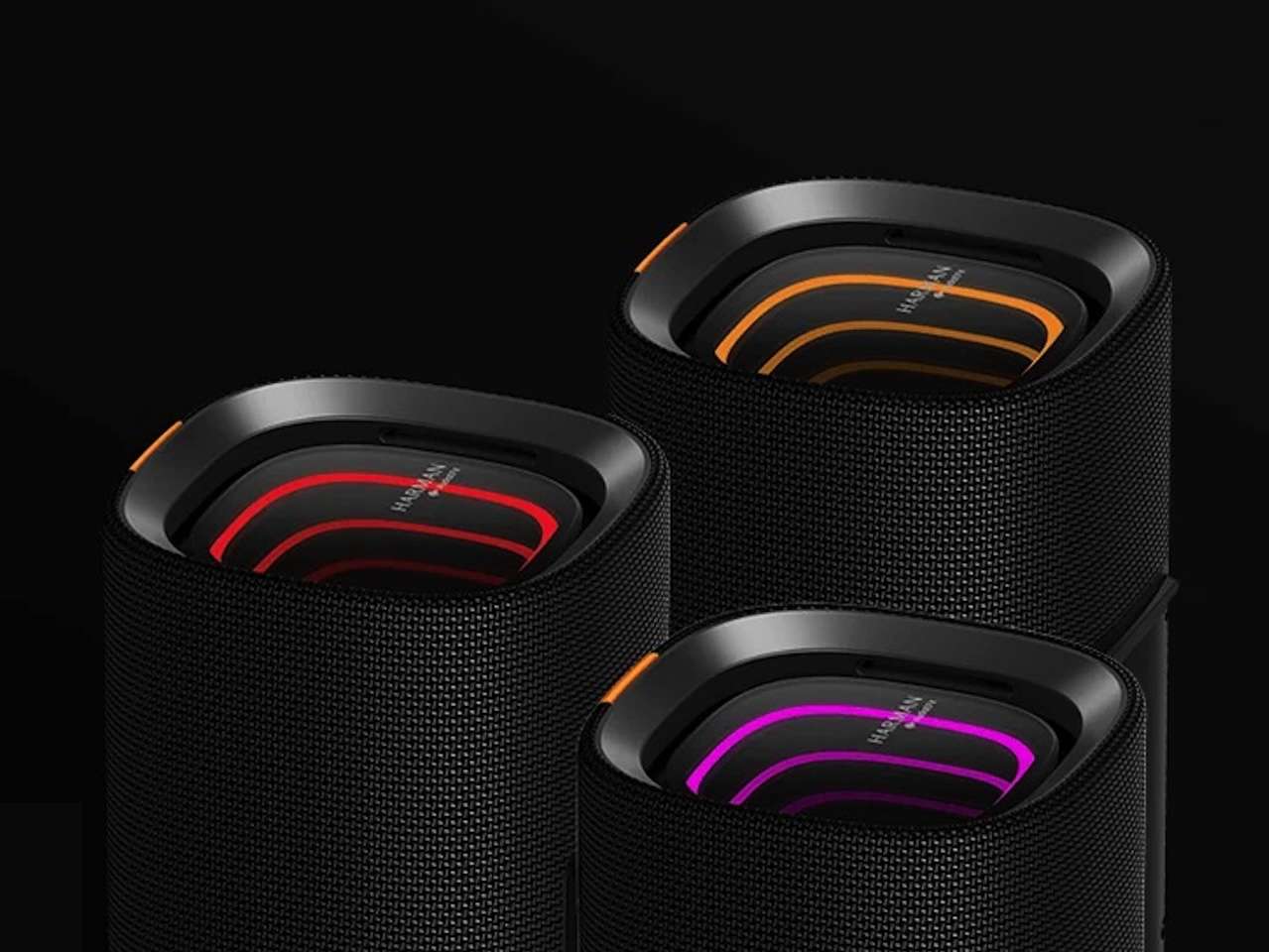
IP67 protection means dust stays out and water rinses clean, which matters more for outdoor gear than marginal driver upgrades or codec support most people can’t hear. Rubber port covers seal tight but open easily when you need to charge, and the fabric wrap feels tighter and better finished than you’d expect at this price. Glossy bass ports tunnel RGB lighting through the body in a way that actually looks considered rather than tacked on, and the rubberized base grips rough surfaces well enough that heavy bass won’t slide the speaker around.
Physical buttons sit proud enough that you can locate them by touch in darkness, which is more useful than app-based controls when your phone’s across the room and you just want to skip a track. Harman AudioEFX tuning keeps distortion in check when you push past 85% volume, where most budget speakers collapse into compressed mush, but the trade is warmer treble that rolls off highs compared to JBL’s brighter signature. You’ll notice that immediately on tracks with cymbals or sharp vocals, where the top end lacks the snap and presence you’d get from competitors, but for outdoor use where ambient noise competes and high frequencies get absorbed anyway, it’s less problematic than it sounds indoors. The tuning prioritizes smoothness over detail in a way that makes sense for parties and camping trips but becomes the speaker’s most obvious limitation if you’re using it for critical listening at a desk.
Battery capacity sits at 5200mAh with a rated 26 hours at 50% volume, but real-world use with lights on and volume at 80% drops that to 12 to 14 hours, which still covers a full day outdoors but shows the gap between marketing claims and actual performance. RGB lighting runs along the bass ports with multiple zones and brightness adjustment, adding visual interest at gatherings where lighting contributes to atmosphere rather than just existing as a gimmick. You control everything through physical buttons since Xiaomi didn’t build companion software for any platform, which locks you to preset lighting modes and fixed EQ without the ability to fine-tune curves or create custom patterns the way competing speakers with dedicated apps allow.
What Works at This Price
Build quality exceeds what you’d expect from a sub-$100 speaker. Rubber accents on the handle and base add actual grip instead of just visual texture. The fabric wrap has tight seams that look durable. Weight distribution stays balanced on uneven surfaces like coolers or picnic tables, which matters when you’re not babying gear outdoors.
Connectivity through Bluetooth 5.4 holds stable at roughly 30 feet through walls with rare dropouts. Pairing happens fast whether you’re using NFC on a Xiaomi phone or standard Bluetooth on anything else. IP67 protection performs exactly as advertised, which means rinsing after beach use causes zero damage, dust doesn’t penetrate fabric or port openings, and leaving it outside overnight in damp conditions doesn’t compromise functionality.
Bass response hits hard without muddiness, impressive for this size and price. Vocals sit forward in the mix with mid-range clarity that works particularly well for podcasts or acoustic music where presence matters more than bright treble or precise imaging. Volume stays clean when you crank it. That’s the clearest improvement over cheaper speakers that collapse acoustically under pressure, and it shows up immediately when you push past 75% volume at outdoor gatherings.
Harman processing engages smoothly instead of crushing dynamics the way poorly tuned limiters do, so you can push to uncomfortable levels without hearing compression or clipping. That’s worth the warmth-over-brightness trade, especially since outdoor environments absorb high frequencies anyway and you’re competing with ambient noise most of the time.
The Compromises
Mono audio is the biggest compromise if you care about stereo separation. TWS pairing splits two units into left and right channels, but buying two speakers doubles your cost and kills the value argument entirely. Spatial imaging matters for movies or gaming. This limitation shows up constantly in those contexts, particularly when dialogue moves across scenes or effects pan between channels.
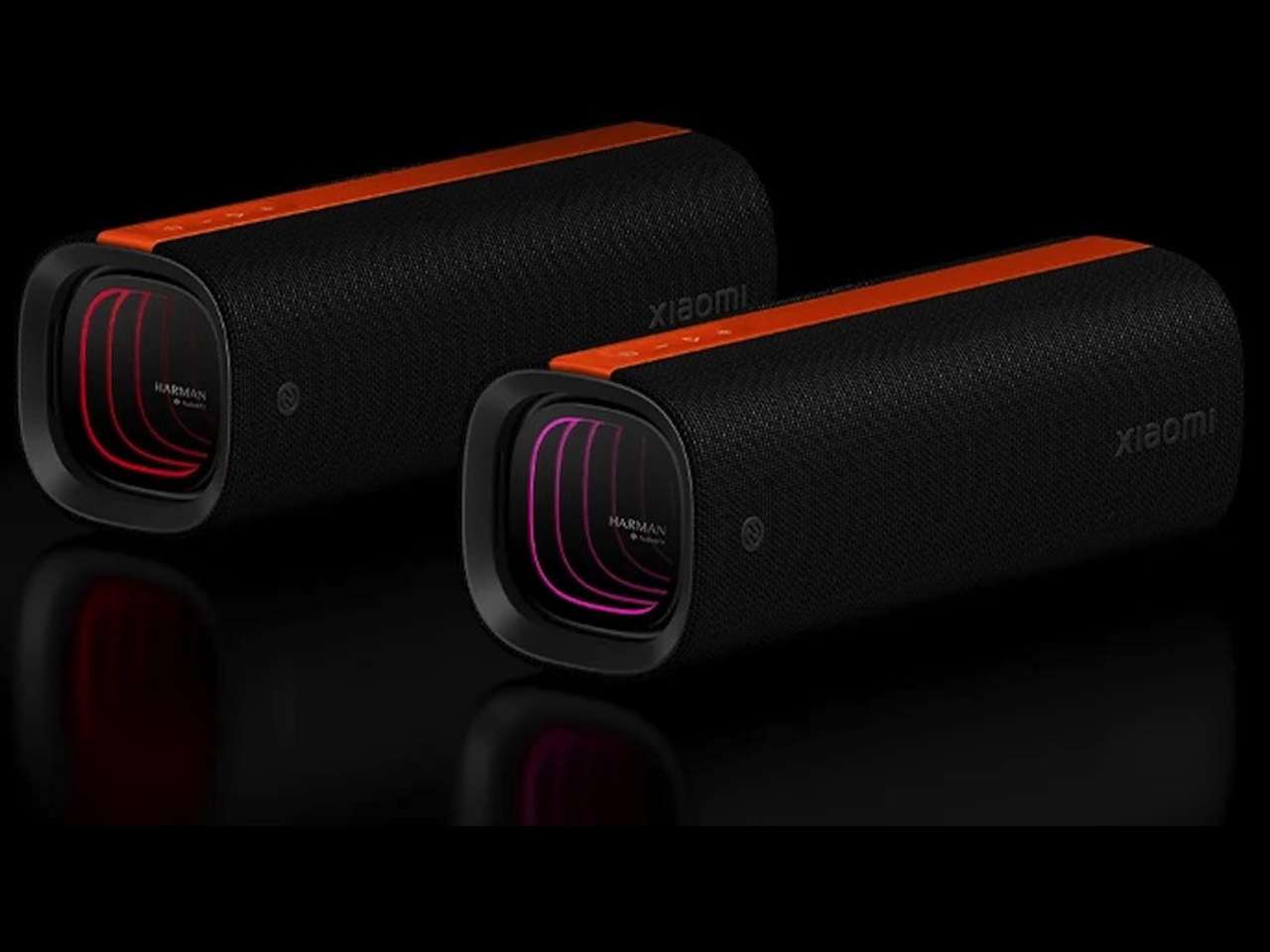
App-based control doesn’t exist, which locks you to preset lighting modes and fixed EQ through physical buttons only. HyperOS users get NFC tap-to-pair, but that’s convenience rather than expanded functionality. Non-Xiaomi users don’t lose anything meaningful beyond slightly faster initial connection, and the on-device controls work well enough that most people won’t miss app integration unless they want granular EQ adjustment.
Reverse charging at 15W sounds practical until you realize it drains the speaker’s battery while charging phones slowly enough to frustrate anyone expecting useful power delivery. It’s a spec sheet checkbox that doesn’t hold up in real-world scenarios where you’d actually want backup charging.
Who This Is For
Outdoor parties, camping trips, or anyone needing durable gear that handles weather and rough use without careful handling will find value here. Harman tuning keeps sound clean when pushed hard, the warmer signature works well where ambient noise competes and high frequencies get absorbed, and RGB lighting plus party design suit buyers wanting something visually engaging instead of just functional. Durability fits families with kids or anyone rough with gear who doesn’t want to baby electronics.
Price: AED355 ($96USD | $83 in China)
Where to Buy: Amazon UAE
Skip this if portability matters since it’s heavy and boxy for hiking or travel. Mono works for background music but won’t satisfy listeners who care about soundstage and separation, detailed highs and precise imaging come from premium alternatives that cost more but deliver more balanced sound, and full EQ plus lighting control through cross-platform apps makes competing speakers more appealing if customization matters to you.

INIU Mini Portable Charger, Small 45W PD Power Bank, 10000mAh USB C in&Out Fast Charging Pocket Size Battery Pack, Travel Essentials Powerbank for iPhone 17 16 15 14 Pro Air, Xiaomi, Samsung S24 etc
(as of March 18, 2026 18:33 GMT -05:00 - More infoProduct prices and availability are accurate as of the date/time indicated and are subject to change. Any price and availability information displayed on [relevant Amazon Site(s), as applicable] at the time of purchase will apply to the purchase of this product.)
