
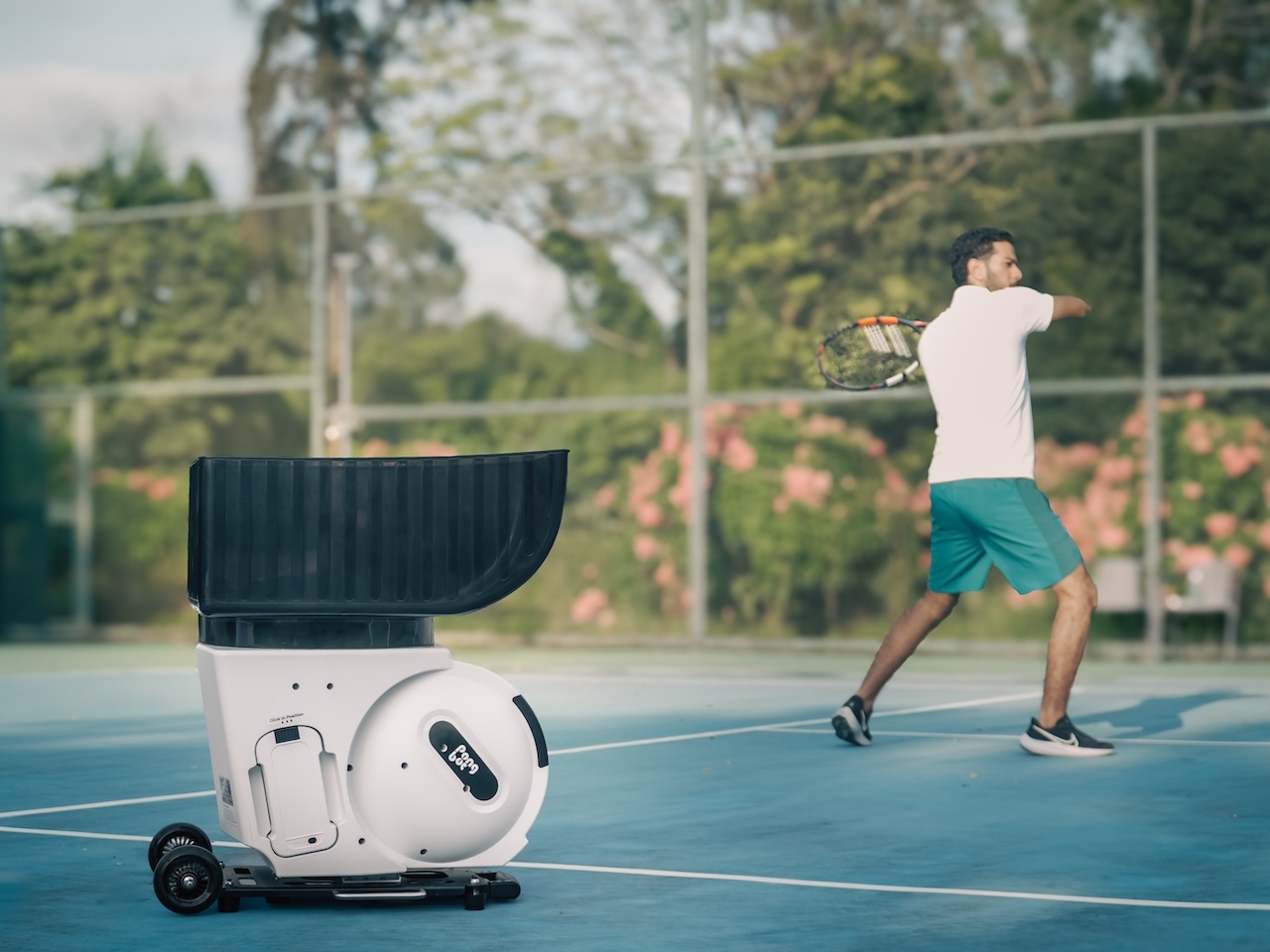
ARTICLE – Most tennis ball machines operate on the assumption that players exist to serve the machine’s rhythm. Set a timer, fire balls at fixed intervals, and hope the human on the other side of the net can keep up. The problem is obvious to anyone who has ever used one: real tennis doesn’t work that way. Recovery time varies shot to shot. Footwork demands change based on where the previous ball landed. The disconnect between mechanical repetition and actual match play has defined ball machine training for decades.
Price: €1,399.99-€1,879.99 (~$1,500-$2,000 USD)
Where to buy: Pongbot Store
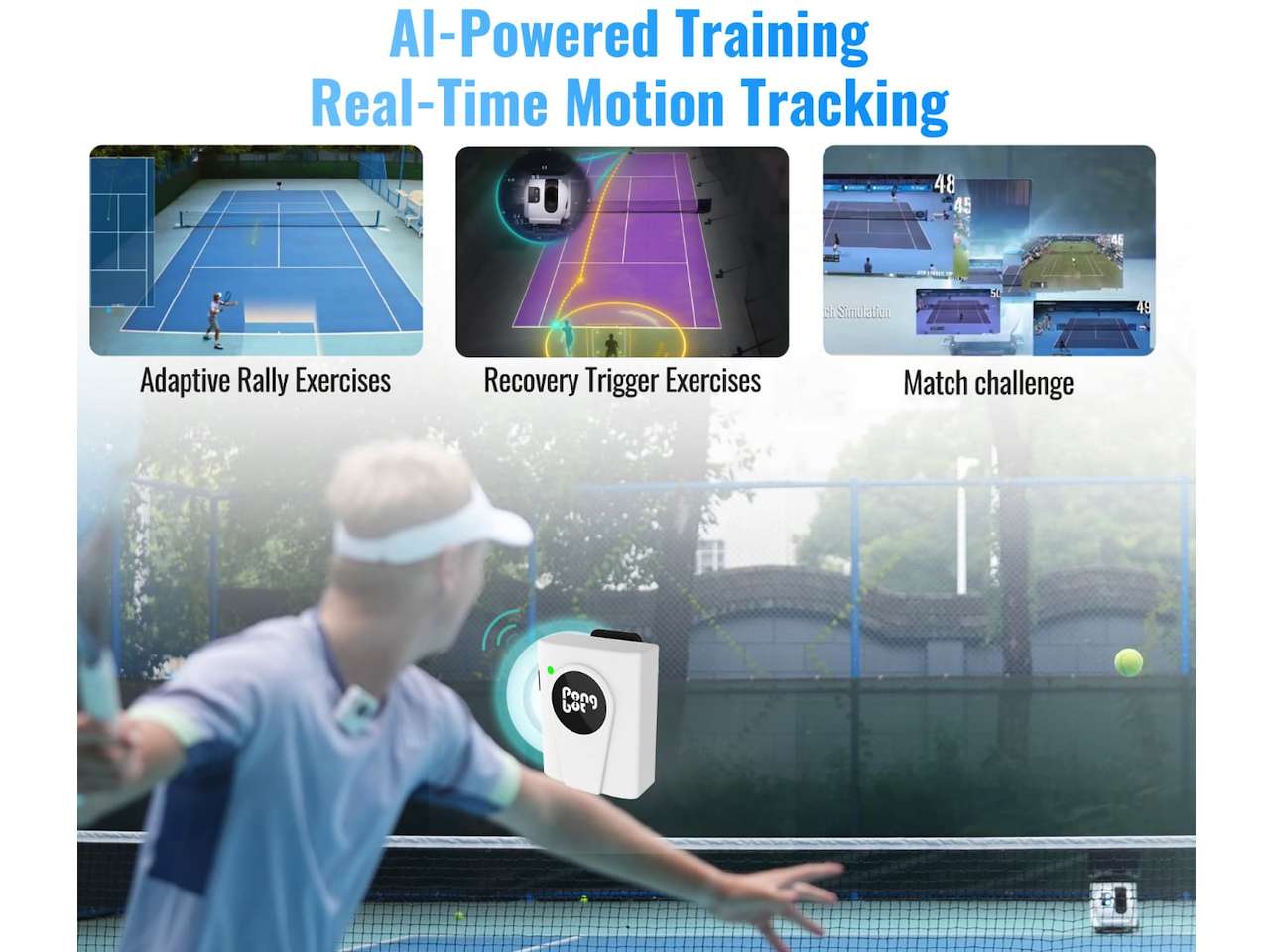
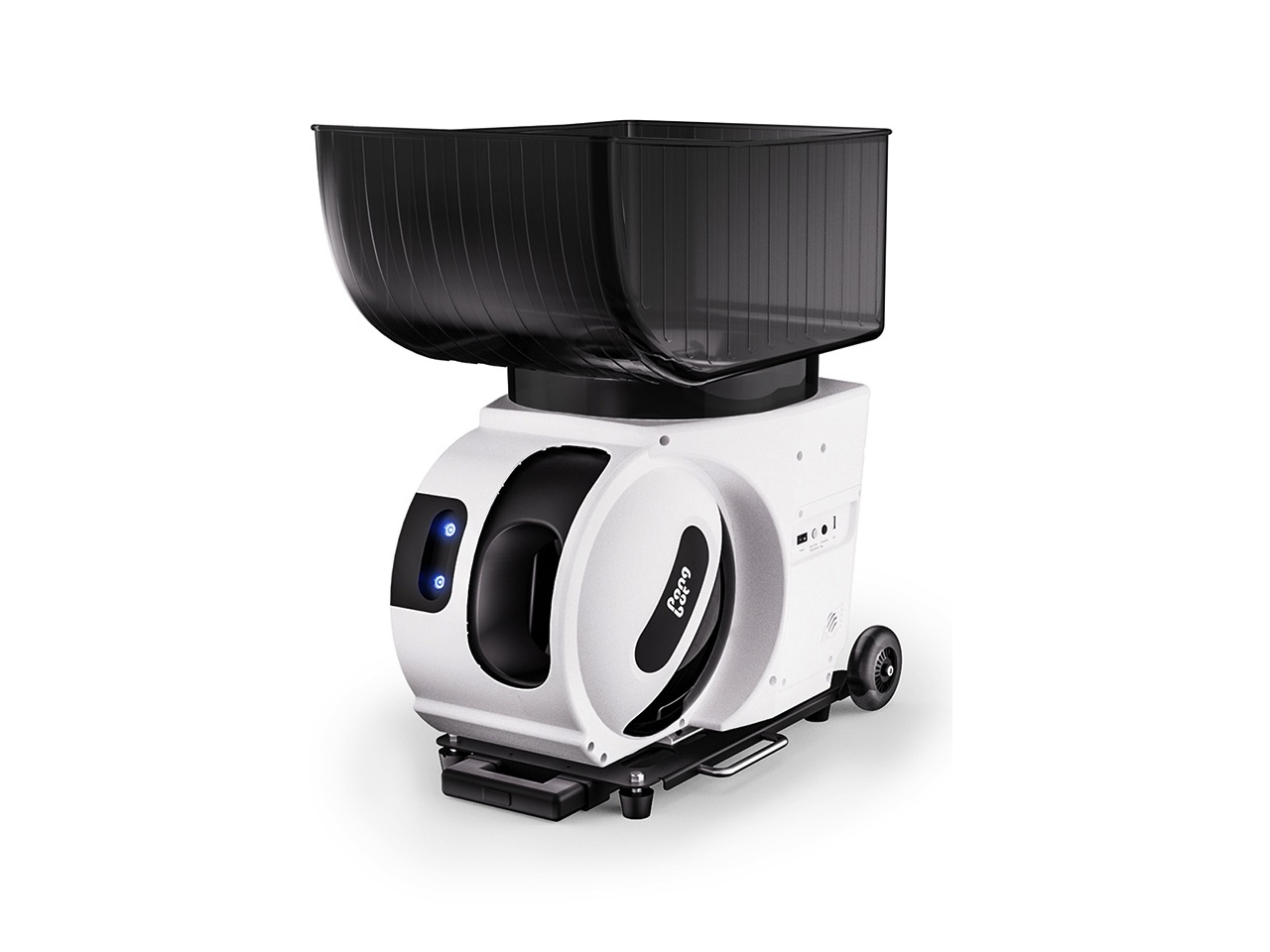
Pongbot showed up at CES 2026 with a different philosophy. The company’s Pace S Pro is the first tennis training machine to combine UWB tracking with what Pongbot calls Recovery Trigger technology. Instead of firing on a preset timer, the system tracks player position and waits until recovery is complete before launching the next ball. The distinction sounds incremental until you realize it fundamentally changes how solo practice sessions feel. The machine adapts to the player rather than forcing the player to adapt to fixed intervals.
How the Tracking Actually Works
The technical foundation relies on ultra-wideband positioning rather than cameras. UWB operates at a 100Hz sampling rate with sub-10cm accuracy, which translates to real-time position data that cameras struggle to match in varied lighting conditions. Three smart trackers worn by the player feed movement data to the machine continuously. The system knows where you are on the court, how quickly you moved to get there, and when you have settled into a ready position.
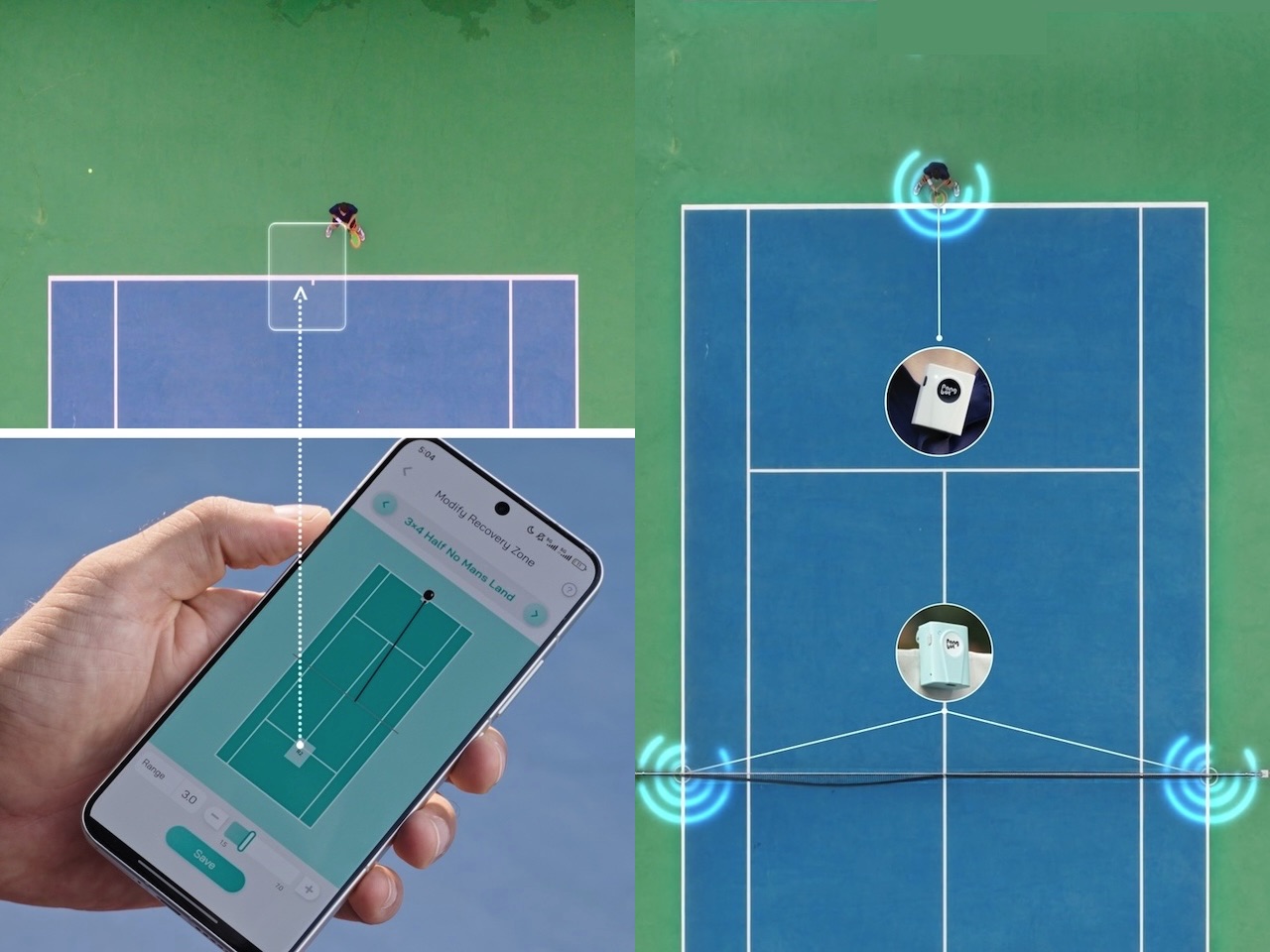
This positioning intelligence powers the Recovery Trigger feature that defines the Pace S Pro’s approach. Traditional machines force players into a sprint-hit-sprint cycle that bears little resemblance to actual rallies. The adaptive timing allows players to focus on shot quality and court positioning without the artificial pressure of racing against a mechanical clock. Whether that translates to better skill development depends entirely on how players use the flexibility, but the option itself represents a meaningful departure from decades of ball machine design.
Performance Specs That Matter
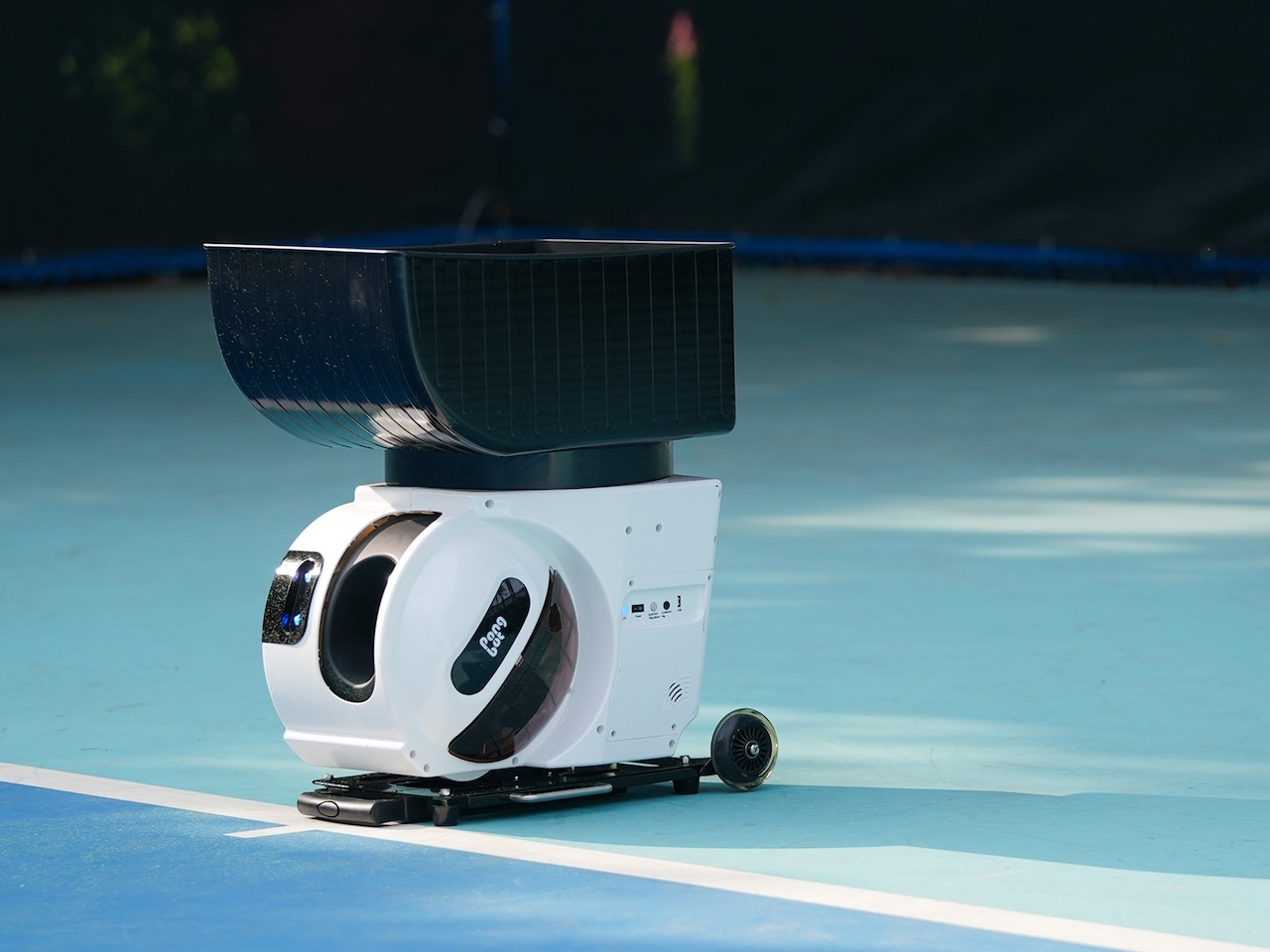
The Pace S Pro tops out at 80 mph ball speed with spin rates reaching 60 rotations per second. Those numbers put it in professional training territory, though recreational players will spend most of their time at lower settings. More interesting is the 1.5-second spin switch capability, which Pongbot claims is the fastest on the market. Rapid spin changes enable more realistic rally simulation where topspin and slice arrive in unpredictable sequences rather than repetitive patterns.
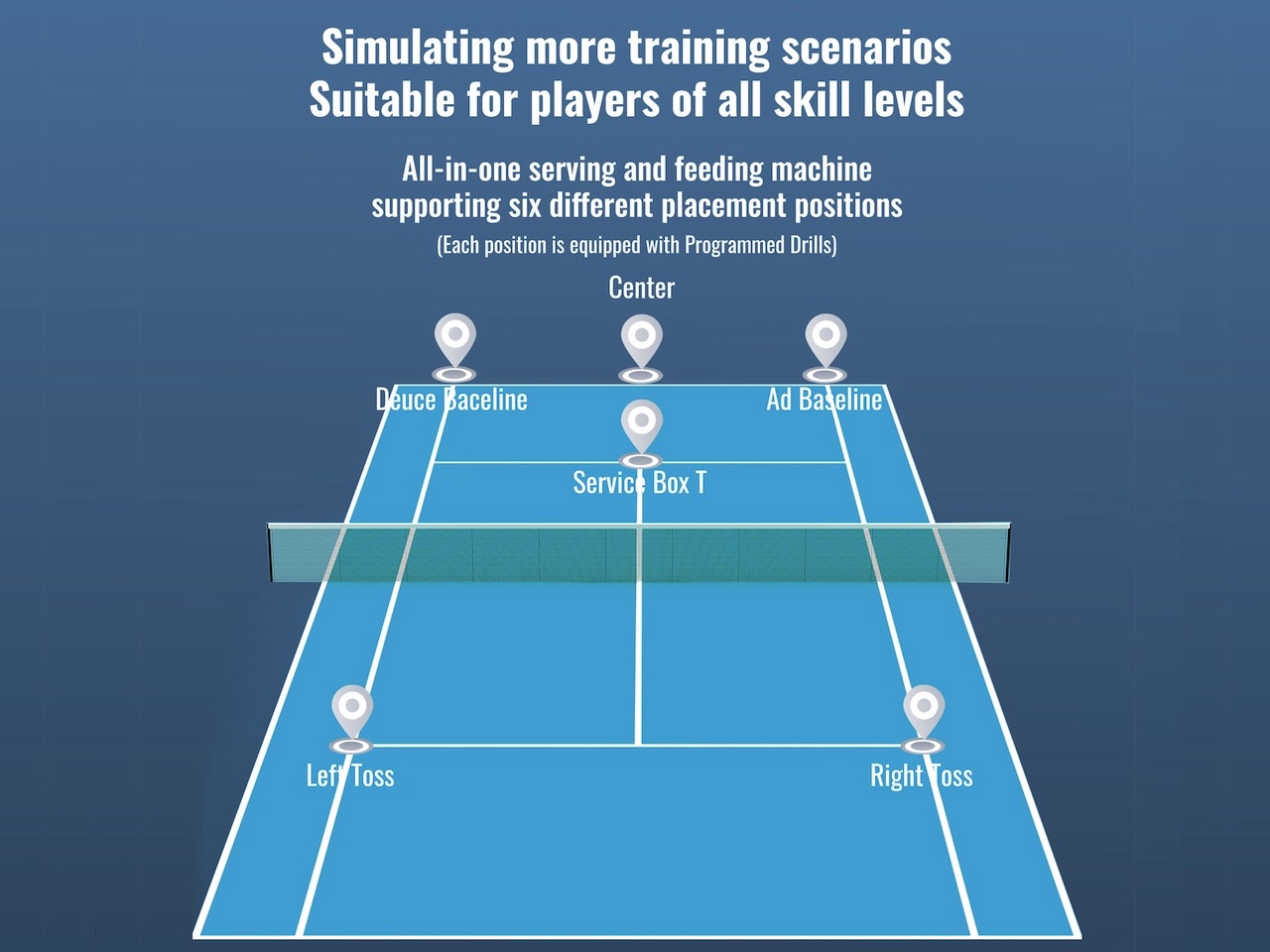
Full court coverage extends to the doubles sidelines, addressing a limitation of many competing machines that restrict ball placement to half-court zones. The 150-ball hopper provides enough capacity for extended sessions without constant reloading, and the 8-plus hour battery life means outdoor practice doesn’t require proximity to power outlets. The app offers 564 preset drills plus custom programming options, with AI algorithms trained on data from more than 100,000 real matches shaping the adaptive features.
The Table Tennis Lineup Shares the Same Philosophy
Pongbot didn’t arrive at tennis training by accident. The company launched in 2019 building AI-driven table tennis robots, applying movement analysis and adaptive training concepts at a smaller scale before expanding to tennis courts. That experience shows in the three table tennis models displayed alongside the Pace S Pro at CES.
The Nova S Pro fits in a backpack and offers 264 coach-designed drills with full control over spin, speed, and placement. The Omni S Pro uses a clamp-style mounting system and delivers what Pongbot describes as pro-level performance with AI-driven rhythmic training. The Halo S Pro targets serious players with a floor-standing design built for high-intensity footwork drills across the full table width. All three share the adaptive training philosophy that defines the tennis machine, using AI to adjust drill difficulty and ball delivery based on player performance.
Who This Actually Makes Sense For
The Pace S Pro pricing starts at approximately $1,500 USD and climbs toward $2,000 with accessories like spare batteries and ball packages. That positions it below premium options from established brands while delivering features that compete with far more expensive professional training equipment. The value calculation depends heavily on practice frequency and whether the adaptive features genuinely improve training quality compared to simpler machines.
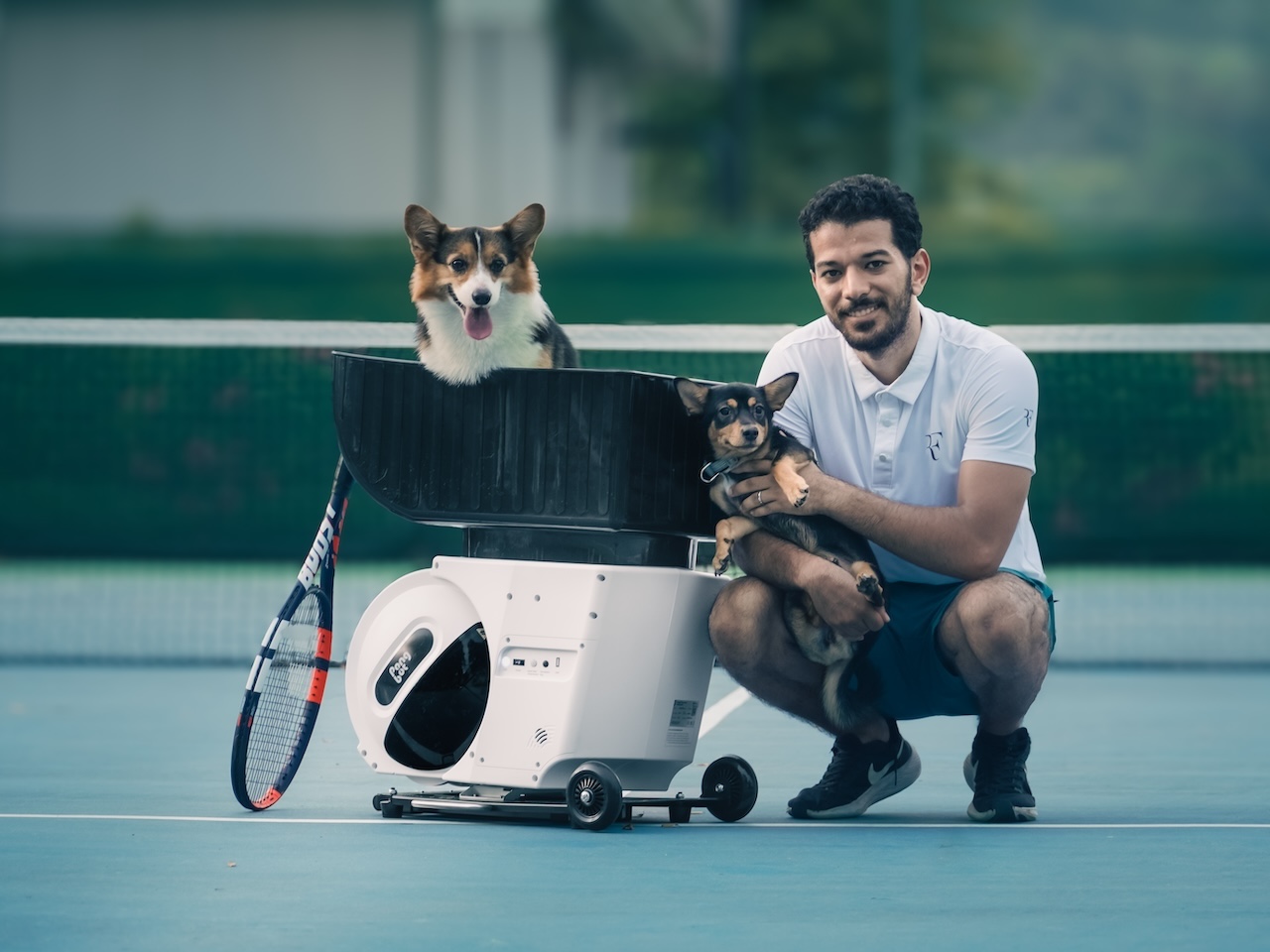
Coaches have responded positively to the drill programming capabilities and the ability to observe students without manually feeding balls. Serious recreational players who practice multiple times weekly represent the sweet spot for the investment. Casual players who hit once a month would struggle to justify the expense regardless of how sophisticated the AI becomes. The technology enables better training, but the results still require showing up and putting in the work.
What I like about the Pongbot Pace S Pro
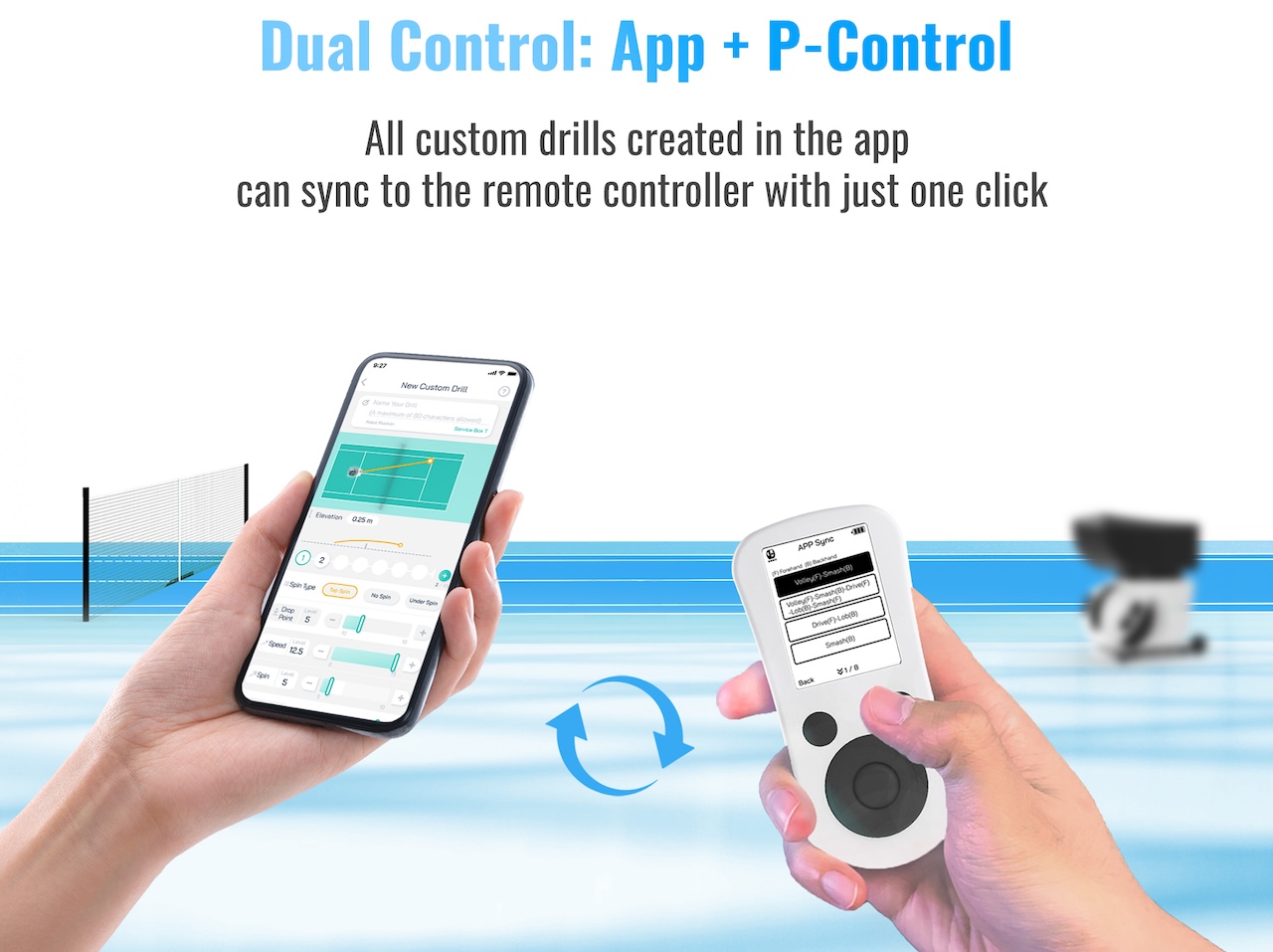
The Recovery Trigger concept addresses a genuine limitation in traditional ball machine design. Waiting for player readiness rather than firing on fixed intervals creates practice sessions that feel closer to actual match play. The UWB tracking provides reliable positioning data across different court surfaces and lighting conditions. Full court coverage and rapid spin changes enable drill variety that simpler machines can’t match. The app ecosystem with community drill sharing adds ongoing value beyond the hardware purchase.
What could be improved
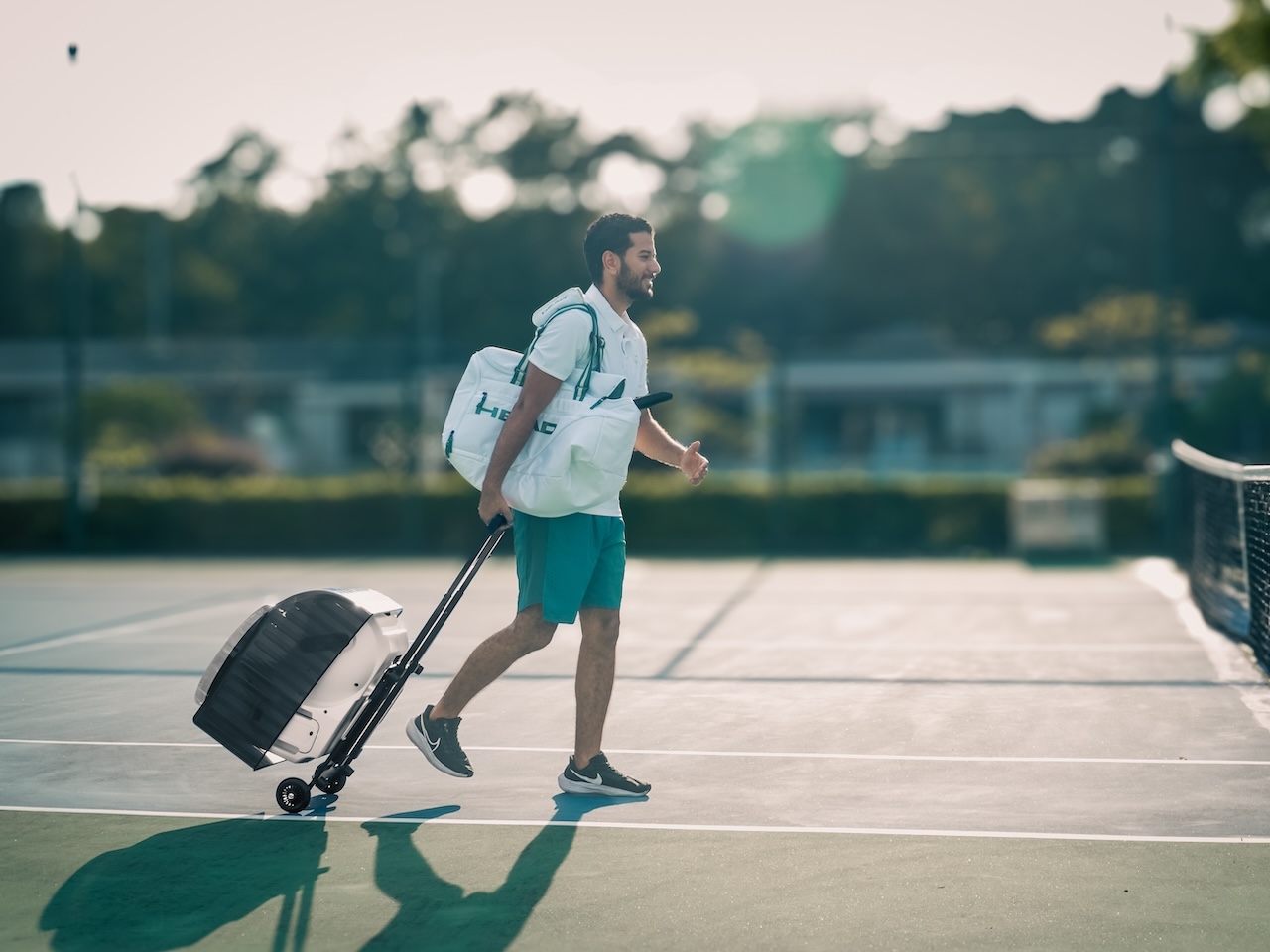
The 19kg weight makes solo transport manageable but not effortless, particularly for players loading and unloading from vehicle trunks regularly. The app interface requires a learning curve that some users have noted in reviews. Battery charging requires removing the cover, a minor design inconvenience that Pongbot could address in future versions. The smart tracker system adds complexity compared to simpler machines, and battery management across multiple accessories demands attention.
The Bottom Line
Pongbot built its AI training approach in table tennis before applying those lessons to the tennis court. The Pace S Pro represents that accumulated experience packaged into a product that challenges assumptions about what ball machines can do. Whether adaptive timing and AI-driven drills translate into faster skill development remains for individual players to discover through actual practice. The hardware capabilities are impressive. The results depend on the work.
Price: €1,399.99-€1,879.99 (~$1,500-$2,000 USD)
Where to buy: Pongbot Store

HP 15.6" Business Laptop Computer with Microsoft 365 • 2026 Edition • Copilot AI • Intel 4-Core N100 CPU • 1.1TB Storage (1TB OneDrive + 128GB SSD) • Windows 11 • w/o Mouse
(as of March 6, 2026 09:38 GMT -06:00 - More infoProduct prices and availability are accurate as of the date/time indicated and are subject to change. Any price and availability information displayed on [relevant Amazon Site(s), as applicable] at the time of purchase will apply to the purchase of this product.)