

CES 2026 NEWS – Smart glasses have struggled because they rarely behave like something you would actually wear all day. Even Realities positions the Even G2 as everyday display smart glasses designed to show you information quietly without making you look like a tech demo. Instead of chasing cameras or flashy features, the company focuses on how well you can see, how comfortable they feel, and whether people notice you’re wearing anything unusual.
These glasses were built around making the lenses work perfectly rather than cramming in specs. Even G2 cares more about thin lenses, clear side vision, and comfortable fit than processor speed or battery numbers. That focus isn’t a limitation. It’s the whole point.

Most smart glasses start with technology and try to make it wearable afterward. Even Realities flipped that. They started with regular glasses and asked what tech could hide inside them. The result is something you can wear in public without anyone noticing.
You see the difference immediately. No chunky frames, no obvious sensors, no glowing screens visible to people standing near you. The tech supports the glasses rather than taking them over. Every design choice follows that thinking, from the tiny projector to the special lens coatings.
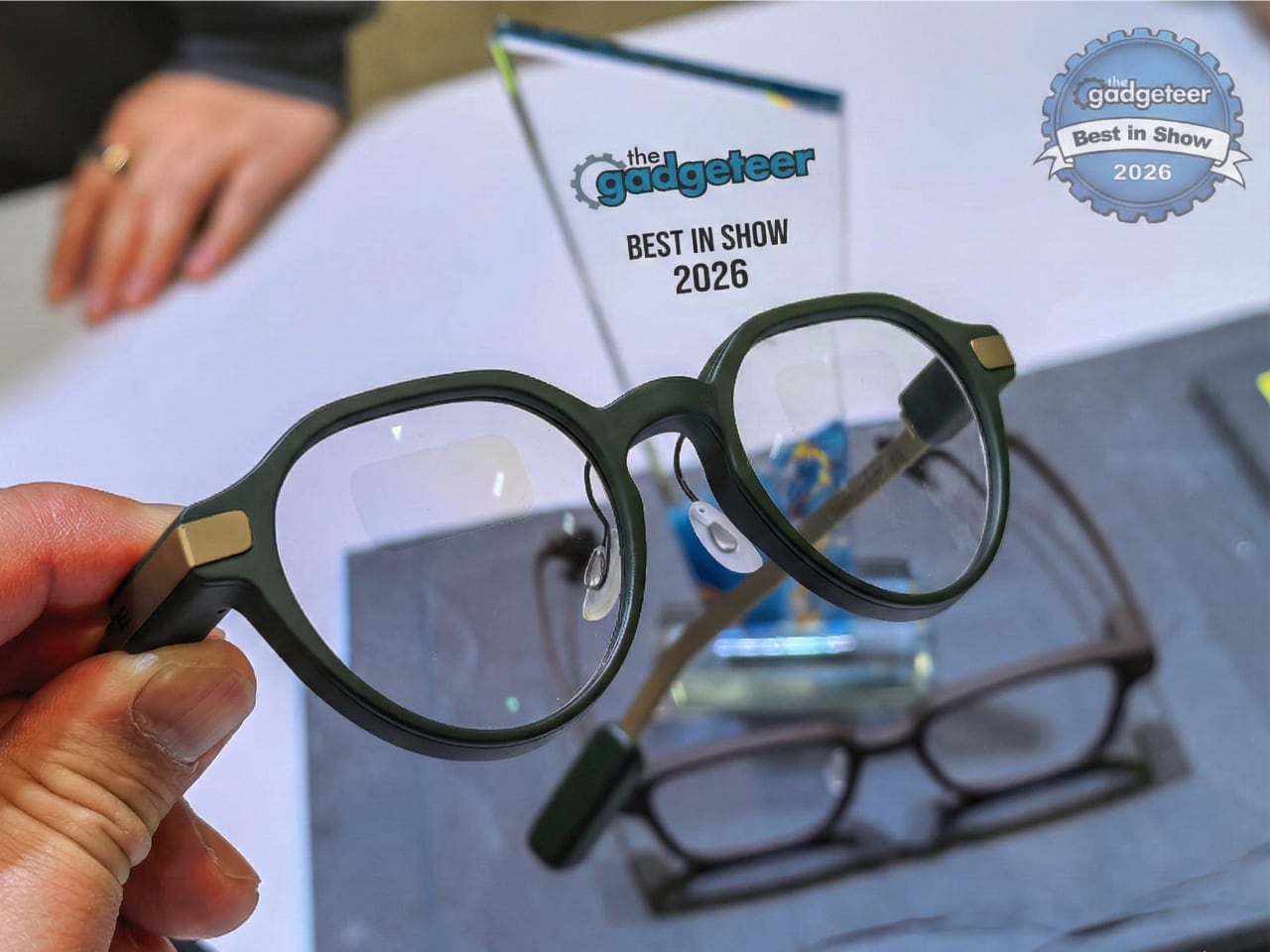
Even G2 sits between regular glasses and a subtle floating display. It’s not trying to replace your phone or compete with VR headsets. It’s built for quick glances and all day wear, staying invisible until you need it.
Even HAO Turns Three Systems Into One Tuned Platform
At the core of Even G2 sits Even HAO, which stands for Holistic Adaptive Optics. The name sounds like marketing jargon until you understand what it actually does.
Think of it this way: most smart glasses have three separate parts that each do their own thing. The projector creates the image. The waveguide (a clear layer in the lens) carries that image to your eye. The lenses help you see clearly. Usually these parts just coexist without talking to each other. Even HAO makes all three work together as one system, like musicians following the same conductor instead of playing solo. That coordination is why the display looks clear without messing up how you see everything else.
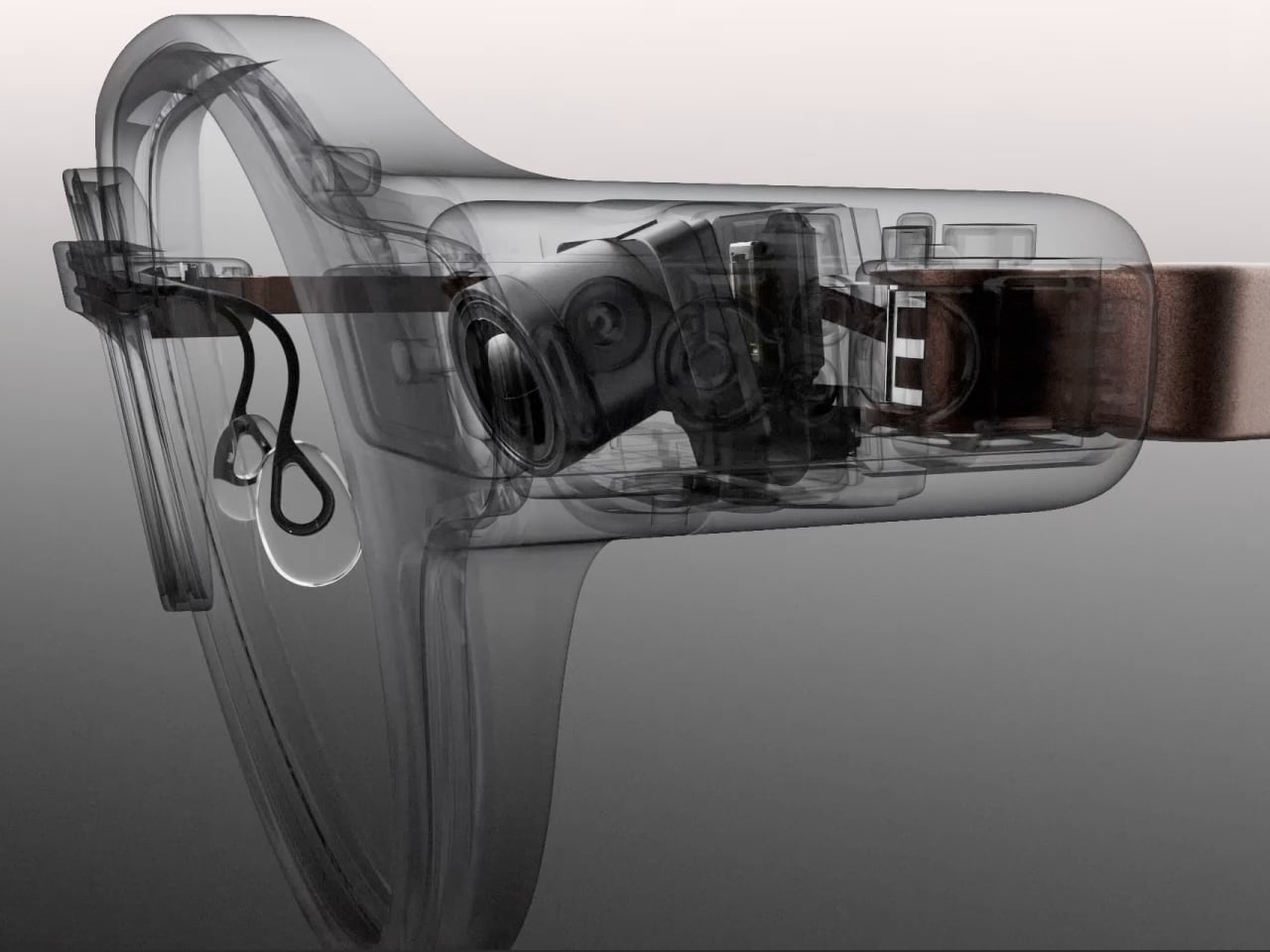
The practical result is that the floating display and the real world both look good at the same time.
You get sharp text notifications while your side vision stays clear, and the world looks normal whether the screen is on or off. That matters more than it sounds, especially when you’re wearing these for hours and your eyes keep jumping between the display and whatever’s in front of you. Your eyes get tired fast when the screen and reality feel like they’re fighting for attention. Even HAO fixes that by treating both as equally important.
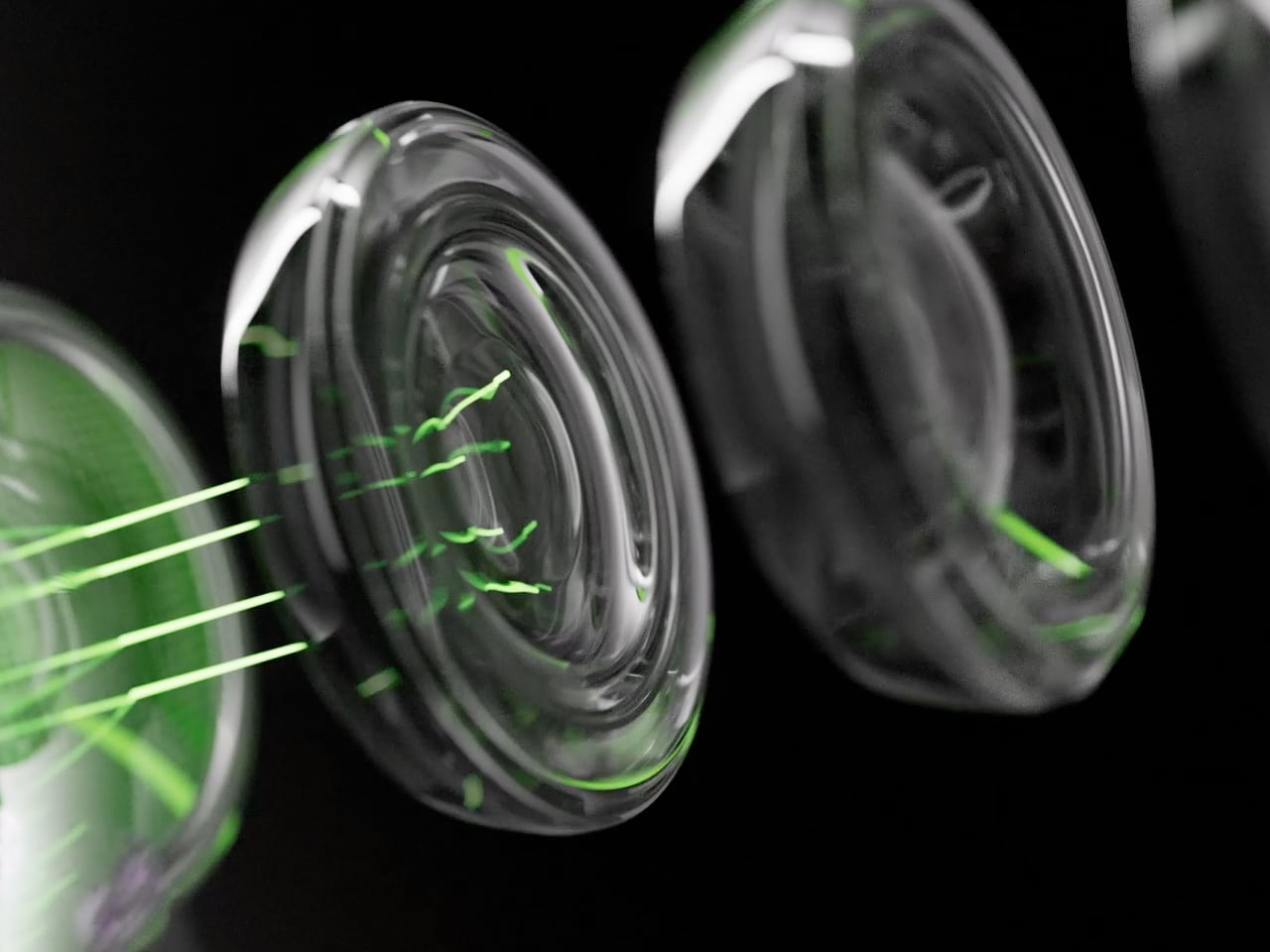
What makes this different is that most smart glasses treat the display and the prescription lenses like two separate things that happen to share a frame. Even Realities built them to actually help each other work better.
The waveguide isn’t just carrying an image from projector to eye. It’s designed to work perfectly with the specific lens material and coatings that Even G2 uses everywhere. When these parts don’t line up right, you get weird visual glitches that bother you even if you can’t explain why. Even HAO removes those problems by making sure everything lines up from the start.
This teamwork also affects what happens when you turn the display on and off. Some smart glasses look different depending on whether the screen is running: colors shift, your side vision gets worse. Even HAO keeps everything consistent regardless of display state. When you’re not using the screen, these just feel like regular glasses. That’s the whole point.
Add The Gadgeteer as a preferred source to see more of our coverage on Google.
A Projector That Shrinks Without Losing Ground
The projector inside Even G2 is 40% smaller than earlier designs, and somehow it’s actually brighter and sharper despite being tinier.
Usually when companies shrink something, it gets worse. Smaller projectors typically mean dimmer screens, more heat, or shorter lifespans. Even G2 breaks that rule by getting better while getting smaller.
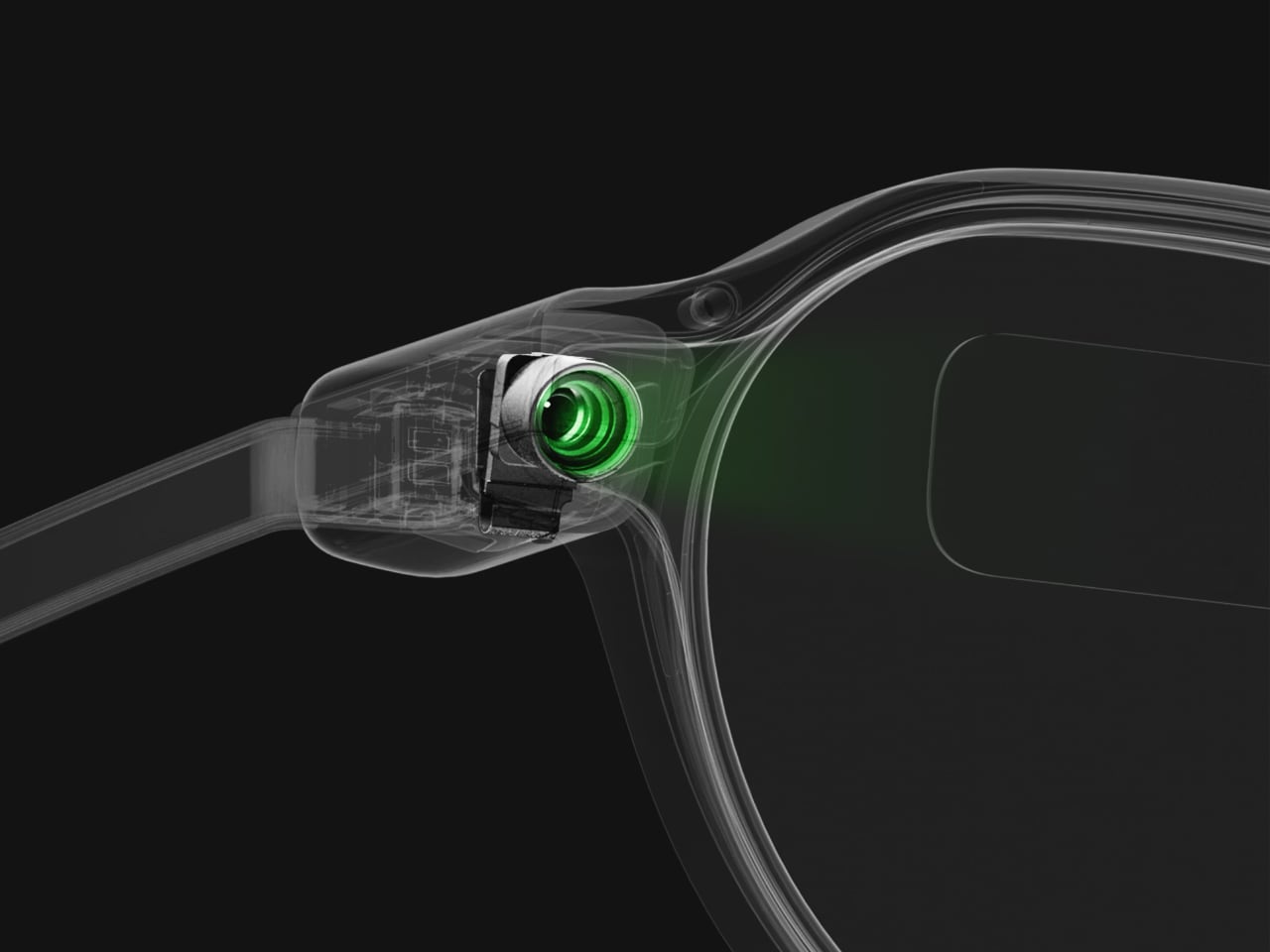
That size reduction matters for comfort, not just bragging rights.
Less bulk in the frame means the weight spreads out more evenly, so it feels like wearing glasses instead of equipment. You notice the difference after a few hours when heavy frames start digging into your nose. Even G2 stays balanced because the tiny projector doesn’t weigh down one side. That’s a direct result of the company caring about all day wear. Balanced weight means comfort that actually lasts.
Lenses Built to Feel Invisible
Even G2’s lenses are about as thick as a credit card, built in multiple ultra thin layers. This is one of the most impressive things about the product.
The center of each lens is 30% thinner than before, with edges even slimmer. This isn’t just about weight. Thinner lenses mean sharper, more consistent displays because light has less glass to travel through before reaching your eye. Less glass means a cleaner image.
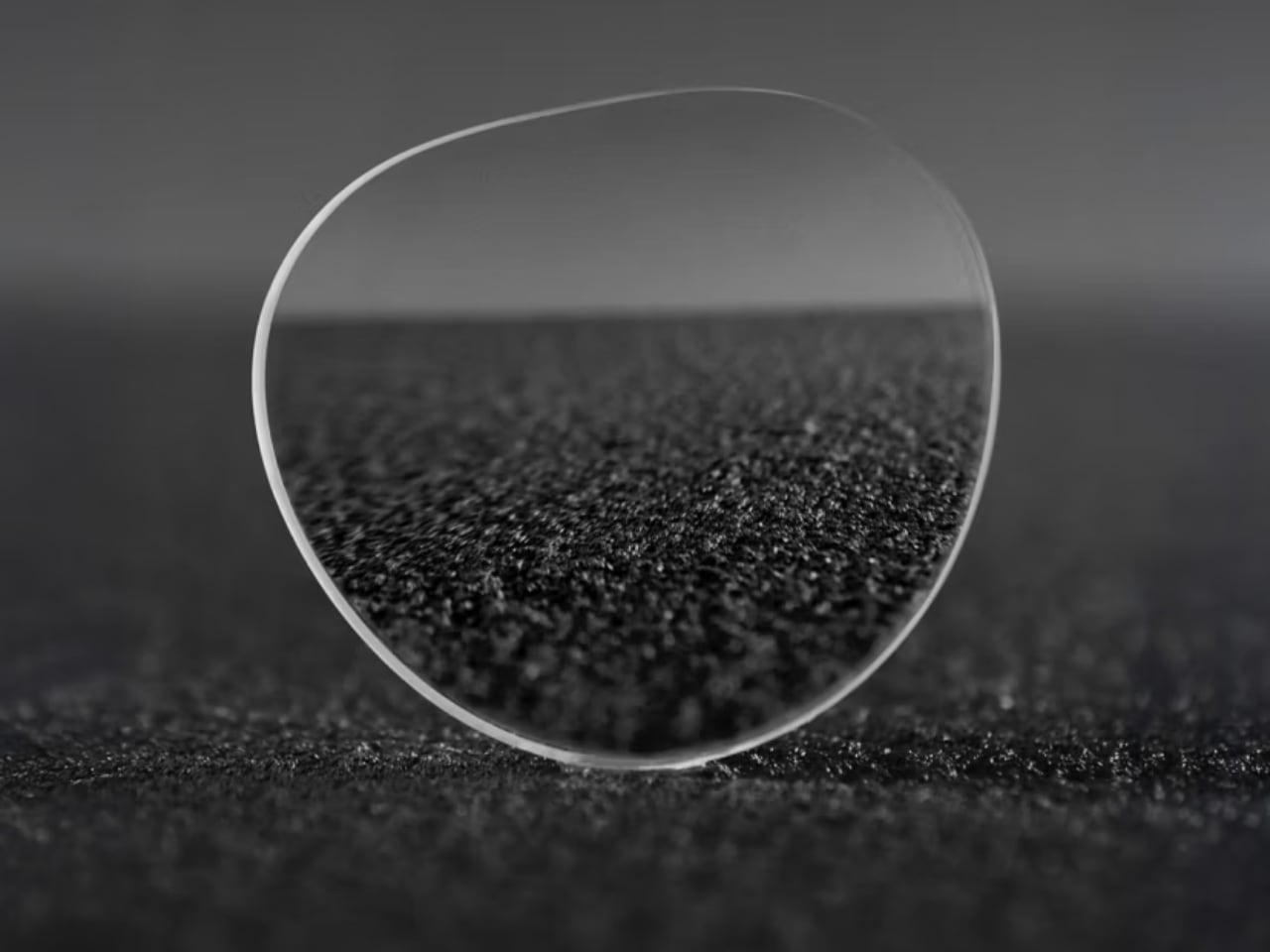
That thinness also lets you see more. Thicker lenses block your side vision, but Even G2’s slim construction keeps your peripheral view wide open. This matters because your eyes naturally look around rather than staring straight ahead. Smart glasses that tunnel your vision feel suffocating after a while. Even G2 avoids that problem through better lens design rather than software tricks.
Even Realities believes this is the future of all eyewear, not just smart glasses. That confidence suggests they can make this at scale rather than charging a fortune for hand crafted lenses.

The layered construction does several jobs at once.
Each layer handles something different: one integrates the display, another handles your prescription, another makes coatings stick properly. Separating these jobs into different layers means they can perfect each one without compromise. Normal lenses force tradeoffs. Even G2’s layered approach treats each job as its own puzzle to solve.
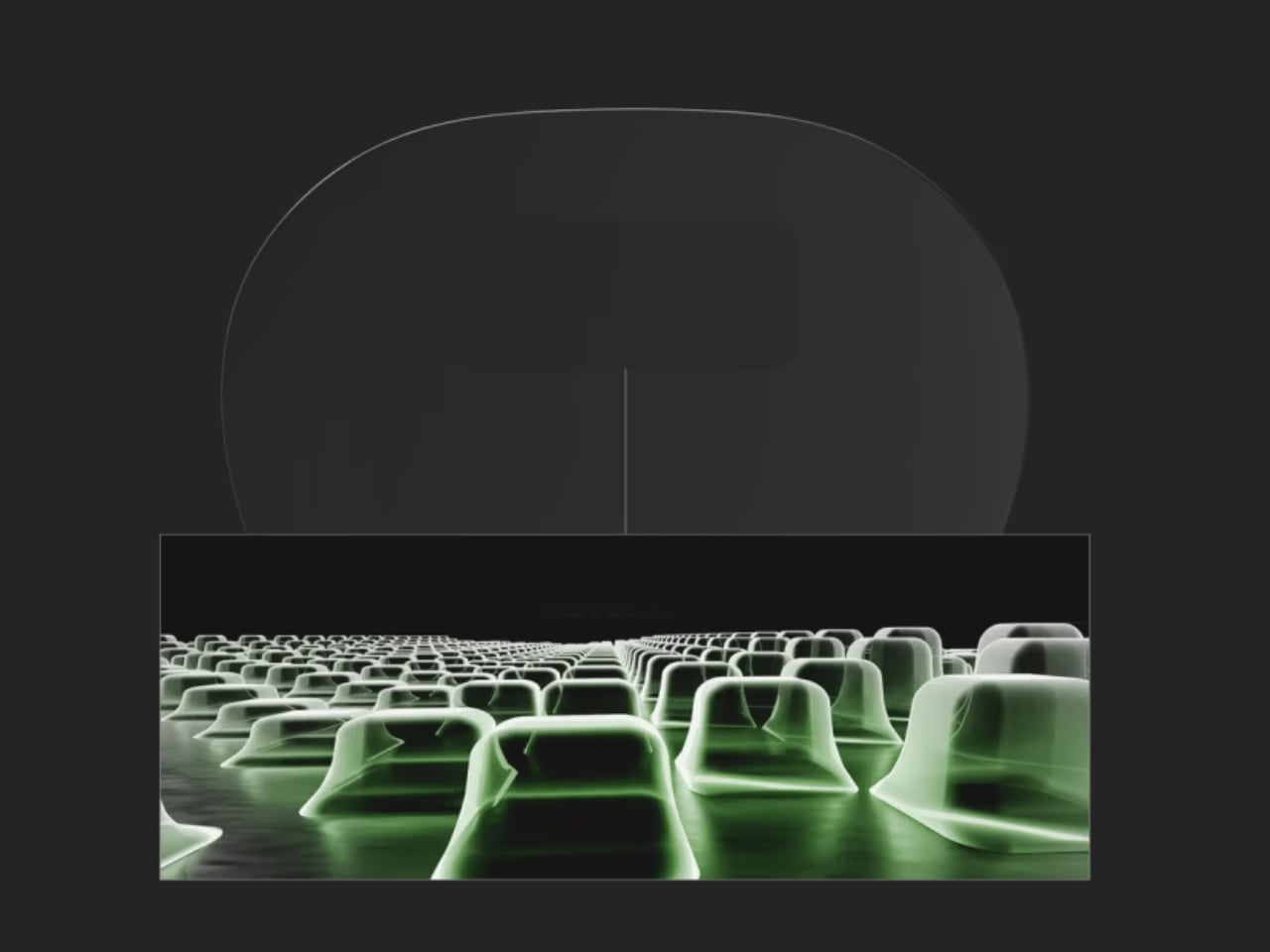
What you actually experience is eyewear that doesn’t feel special in any weird way. The lenses look like glasses. They feel like glasses. They act like glasses. The hidden display tech doesn’t create strange reflections or distortions that remind you something unusual is going on.
That invisibility is the whole point. Tech that helps without announcing itself.
How the Display Actually Works
Here’s the simple version: the projector creates an image, then a clear layer inside the lens carries that image to your eye. Light bounces around inside this layer like a ball in a hallway until tiny patterns redirect it toward your eye at exactly the right angle. That’s how you see floating text without any visible screen.
Even G2 makes this better with a smarter light distribution system.
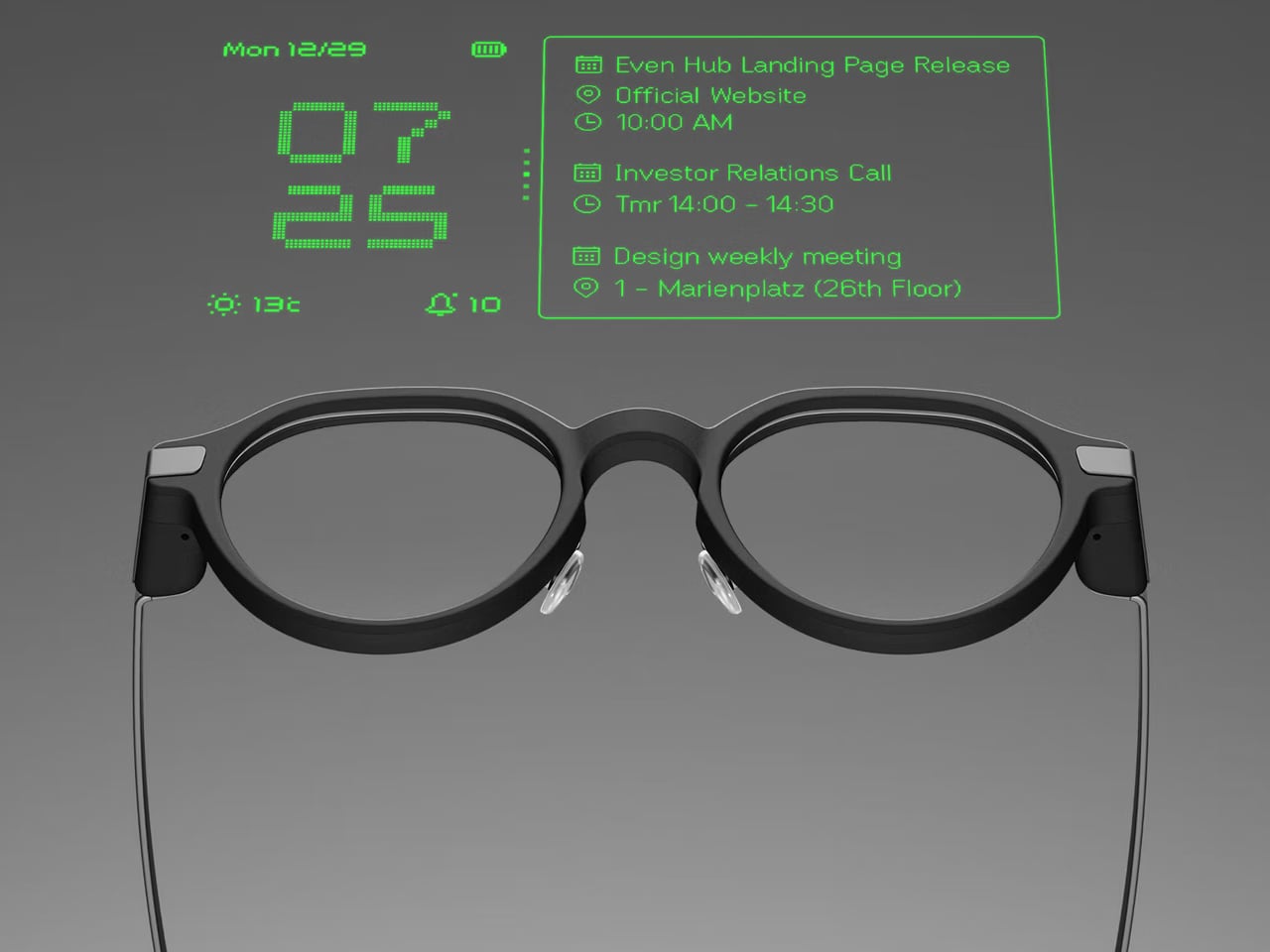
Older versions of this tech had a common problem: some parts of the display looked brighter than others. You’d see hotspots and dim areas, which gets annoying fast when you’re trying to read text. Even G2 fixes this by precisely controlling how much light escapes at each point. The result is even brightness across the entire display, which is easier on your eyes.
This fix matters more than it sounds.
These kinds of displays have always struggled with uneven lighting. Early smart glasses often looked like you were reading through a smudged window, with obvious bright and dark patches that made text hard to read. Even G2’s approach is a real step forward in making this tech actually usable for everyday stuff like checking messages or seeing directions.
Prescription Support That Actually Works
Prescription lenses in Even G2 aren’t a tacked on option. Even Realities treats them as essential, and that thinking shapes the whole product. The lenses are precision cut using computer controlled optical equipment. This isn’t “prescription available” as a checkbox. It’s real optical quality applied to smart glasses.

Each lens is shaped using a diamond tipped cutting tool, the same kind used for expensive prescription glasses. That choice shows they’re serious about vision quality, not just offering prescriptions because competitors do. The process eliminates the subtle warping that cheap prescription lenses create, especially at the edges where your side vision picks up distortion even when you’re not looking directly there.
Side vision gets special attention throughout the prescription work. Most smart glasses only care about what’s directly in front of you and accept blurry edges as “good enough.” Even Realities refused that compromise because normal vision involves constantly scanning around you. If your lens edges warp what you see, your brain notices even when you’re focused straight ahead.
For people who want perfect fit, the UltraFit service lets eye doctors fine tune how the glasses angle on your face and how far the lenses sit from your eyes. These adjustments determine whether the glasses feel comfortable and whether your prescription actually corrects your vision properly. UltraFit means your optician treats these like premium eyewear rather than a gadget. Real glasses, adjusted by real eye care professionals.
Coatings That Help You See and Stay Discreet
The lenses have over 100 coating layers, each doing something specific. Some coatings let more light through so the display looks brighter. Others keep colors accurate so notifications and the real world both look natural. And some coatings hide reflections that would otherwise give away the tech inside.
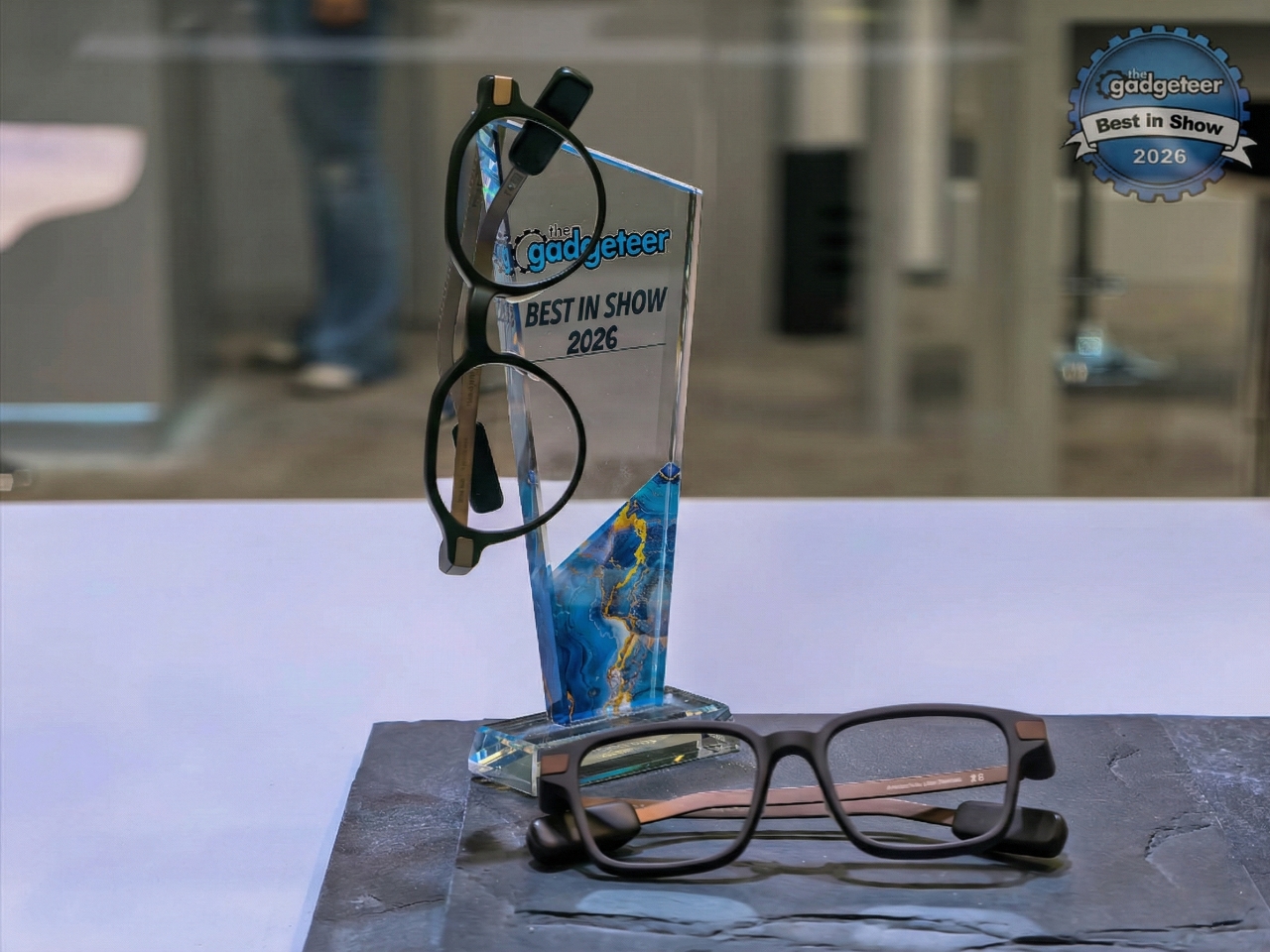
That last part matters more than you’d think. Most smart glasses have a visible glow or weird reflection pattern that announces “I’m wearing tech” to everyone nearby. Even G2’s coatings hide those giveaways, keeping the glasses looking normal in social situations. The technology stays invisible not just to you but to people around you. In a coffee shop or meeting, that’s the difference between wearing obvious tech and wearing glasses.
Built to Survive Real Life
Even Realities tested Even G2 like actual people would use them, not just in perfect lab conditions. The hinges (which don’t use screws) were opened and closed 40,000 times during testing. That simulates years of putting them on and taking them off every day. Hinges break more than any other part of glasses because they move constantly. Testing to 40,000 cycles means these shouldn’t get wobbly or loose during normal use.

They also dropped them from 2 meters up to simulate common accidents. Glasses fall off tables, slip out of cases, and sometimes get knocked off your face. That height covers most real accidents without making the glasses thick and ugly. The balance makes sense: tough enough for daily life, not overbuilt for unlikely disasters.
Weather testing rounds out the durability story. Even G2 handles temperature swings and humidity that simulate cold winter commutes and sticky summer days. They carry IP65 certification, meaning dust can’t get in and rain or splashes won’t hurt them. You can wear these in actual weather without worrying.
Three Devices Working Together
Even G2 works as part of a three device system called TriSync. The glasses connect to your smartphone and the Even R1 smart ring, and all three work together as one control system. The temple tips communicate wirelessly with your phone and ring so you can control everything without visible buttons on the frame.
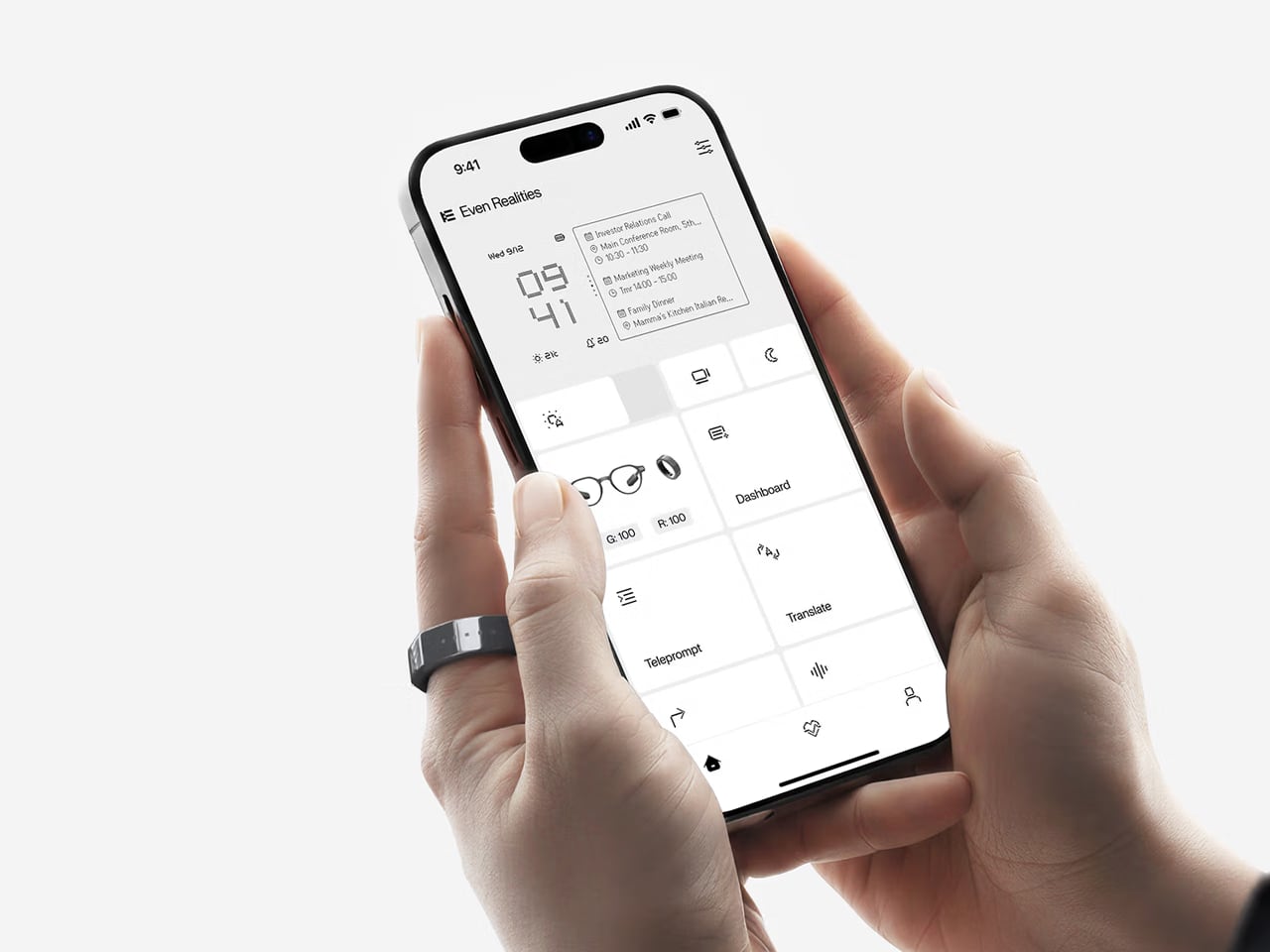
This setup keeps the glasses looking clean. Instead of cramming buttons and controls onto the frames, the work is spread across devices that already handle those jobs well. The ring handles gestures. Your phone handles the complicated stuff. The glasses just show you information.
TriSync works for both left and right handed people, recognizing that not everyone interacts the same way. You won’t be forced into awkward movements because the system assumed you’re right handed.
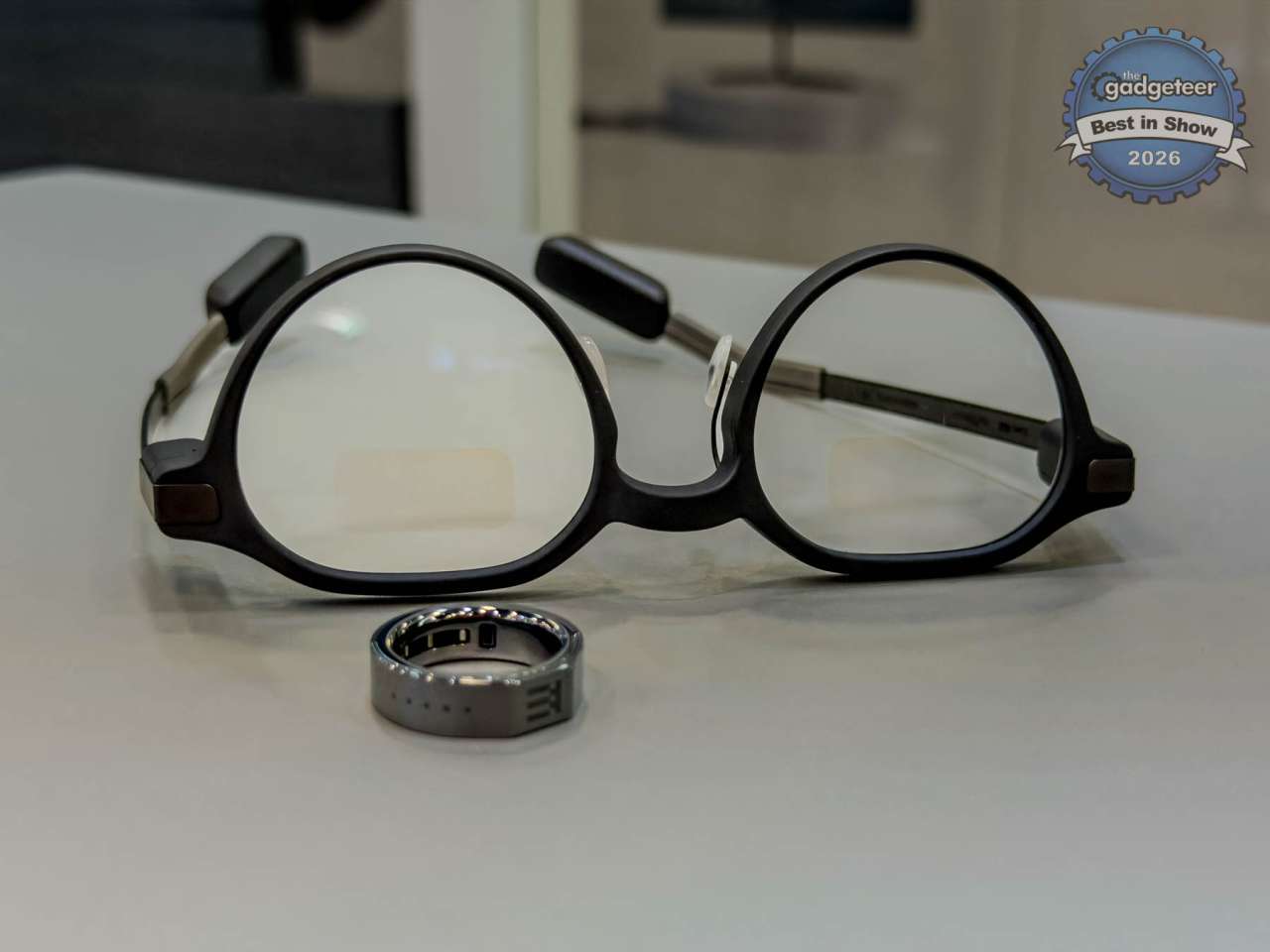
Splitting controls across three devices means the glasses can stay simple. They don’t need to do everything. Information shows up when you need it, then disappears, and the glasses go back to being just glasses.
Designed to Fit 100,000 Different Head Shapes
Even Realities didn’t guess at fit. The company studied 100,000 3D head scans from people of different ages, backgrounds, and body types. That data shaped frame geometry designed to fit as many people as possible without needing custom manufacturing for everyone.
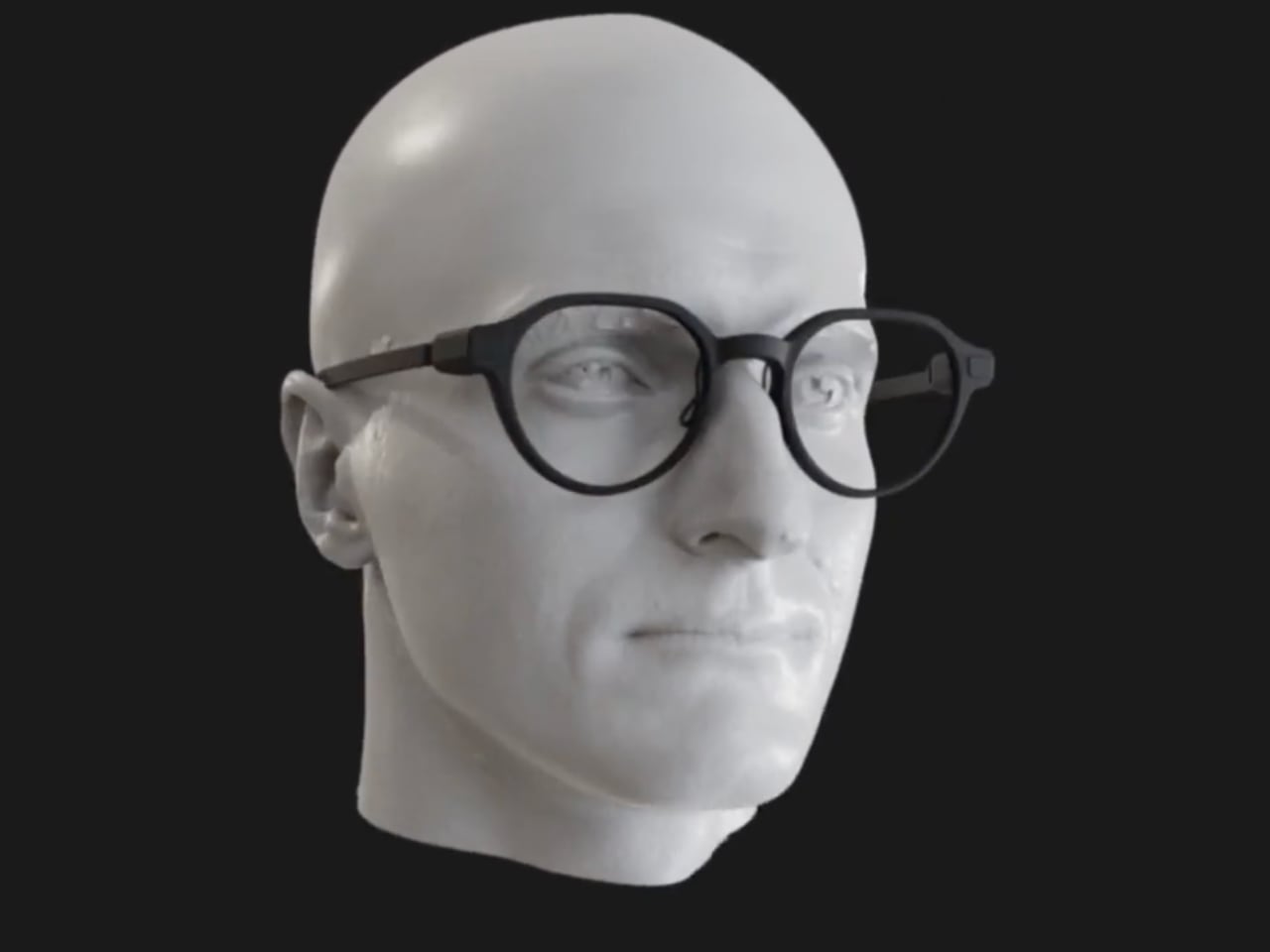
This approach is different from how most glasses are made. Traditional frames use size labels and adjustable nose pads to roughly fit different faces. Even G2 started with actual data about how heads vary, then designed a frame shape that works across that range. The research means these should fit most people well right out of the box.
For people who want perfect fit, UltraFit lets eye doctors adjust how the glasses angle on your face, how far the lenses sit from your eyes, and how the frames wrap around your head. This combination of smart default design plus professional adjustment covers both “fits most people” and “fits you perfectly.”
Made by Machines, Consistently
Even G2 is designed and built using computer controlled equipment throughout. The frame and all parts are digitally designed and digitally manufactured, keeping everything precise from concept to finished product.
This means every pair is built to the same specifications. No variation between units because digital manufacturing eliminates human inconsistency. When you’re making a lot of these, that consistency matters as much as the original design. Every Even G2 performs like every other Even G2.
Why This Matters for Everyday Buyers
Even G2 deliberately skips the spec war. You won’t find battery life or processor speed dominating the conversation. Instead, the focus stays on clear vision, comfortable fit, solid build quality, and looking like normal glasses. That choice feels deliberate, not like they’re hiding something.
By focusing on lenses and fit instead of tech specs, Even Realities positions Even G2 as a practical step forward rather than a revolutionary gadget. These glasses are meant to be worn all day, used without thinking, and forgotten until you need them. That’s a grown up approach for a category that keeps promising too much and delivering too little.
The missing specs are worth noting. There are no published numbers for battery life, display resolution, field of view, weight, or processor. Even Realities clearly decided those numbers aren’t the story. Whether that confidence pays off depends on how these actually perform during real daily use.
For a category that keeps failing because products feel like prototypes, Even G2’s restraint might be its biggest strength. Smart glasses work when they feel like glasses. Even Realities seems to actually get that. If this product succeeds, it’ll be because people stopped noticing they were wearing anything unusual.
📡 CES 2026 Coverage
Want more from the show floor?
We’re covering the biggest announcements, wildest concepts, and gear that actually matters from CES 2026.

KAMRUI Pinova P2 Mini PC 16GB RAM 512GB SSD, AMD Ryzen 4300U(Beats 10110U/3500U/N150/N95,Up to 3.7 GHz)Mini Computers,Triple 4K Display/HDMI+DP+Type-C/WiFi/BT for Home/Business Mini Desktop Computers
(as of April 12, 2026 11:31 GMT -05:00 - More infoProduct prices and availability are accurate as of the date/time indicated and are subject to change. Any price and availability information displayed on [relevant Amazon Site(s), as applicable] at the time of purchase will apply to the purchase of this product.)

Gadgeteer Comment Policy - Please read before commenting
I’ve been wearing some G1’s for a year now. Great hardware, but the software has not progressed after a year. They have been reliable hardware wise. I’m just a bit irritated that a $849 pair of glasses has been left in the dust and not encouraging to stick with this brand.
That’s super frustrating! I think they’re offering the R1 for all G1 owners. Free – is still a very good value if you’re up for it.
I considered it, but it’s an extra thing to charge and I’m trying to less complicate my life. If only they would allow Grok as an AI option, I would be thrilled. Very good review BTW.
As I am still waiting for my G2 and R1 to come, your review was great. Other than the kit to arrive I can wait for the Hub to come out and see what people create with it. My hope is some form of book reader or the addition of ChatGPT.
Which frame did you go with?