
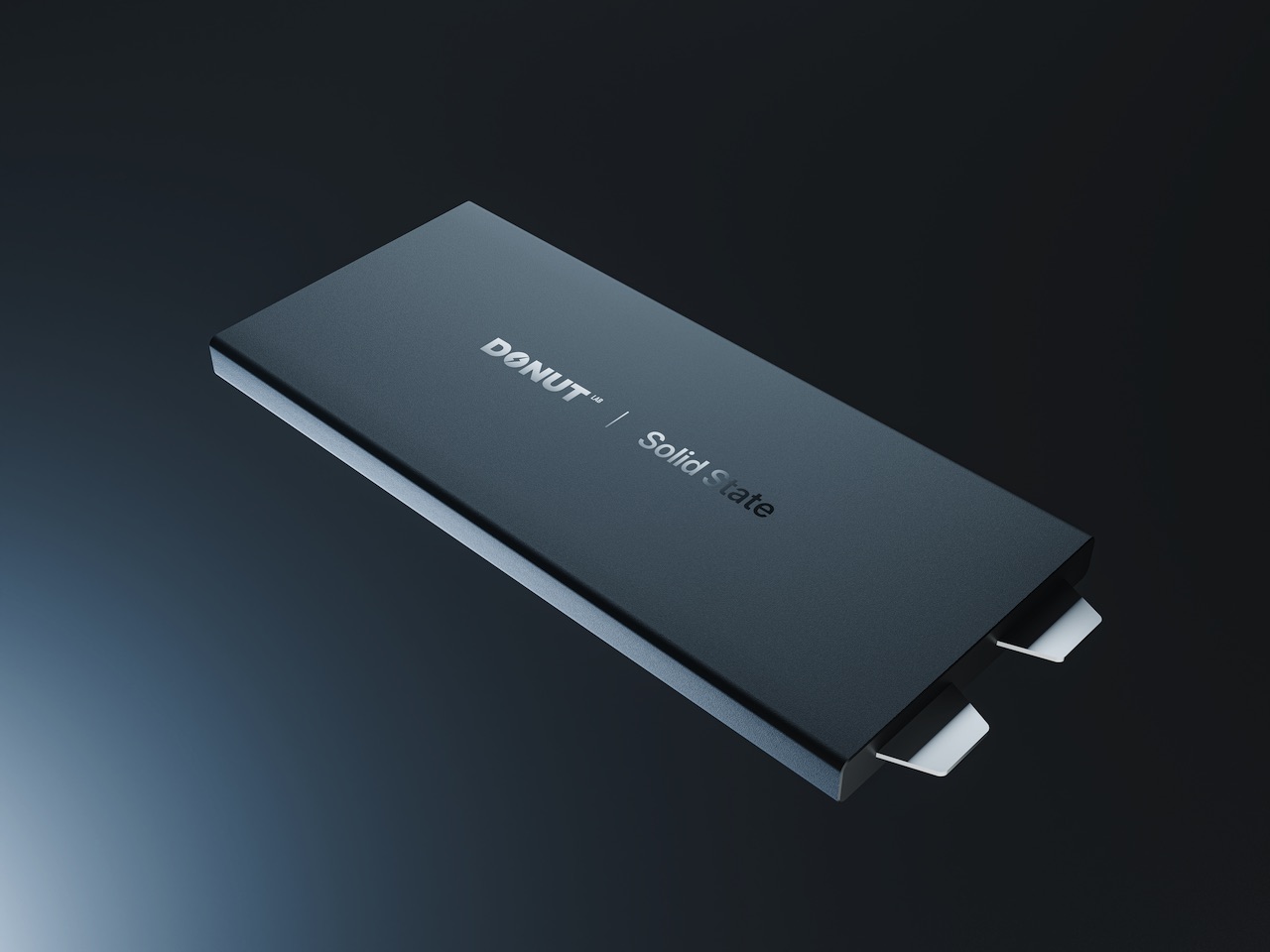
CES 2026 NEWS – Solid-state batteries have occupied a peculiar space in the EV conversation for years: always promising, perpetually delayed, and forever framed as something that will change everything once they actually exist. CES has hosted solid-state demos for the better part of a decade, most staying behind glass with timelines stretching into the 2030s and vague references to “manufacturing challenges.” Donut Lab just walked into CES 2026 and announced that the waiting is over.
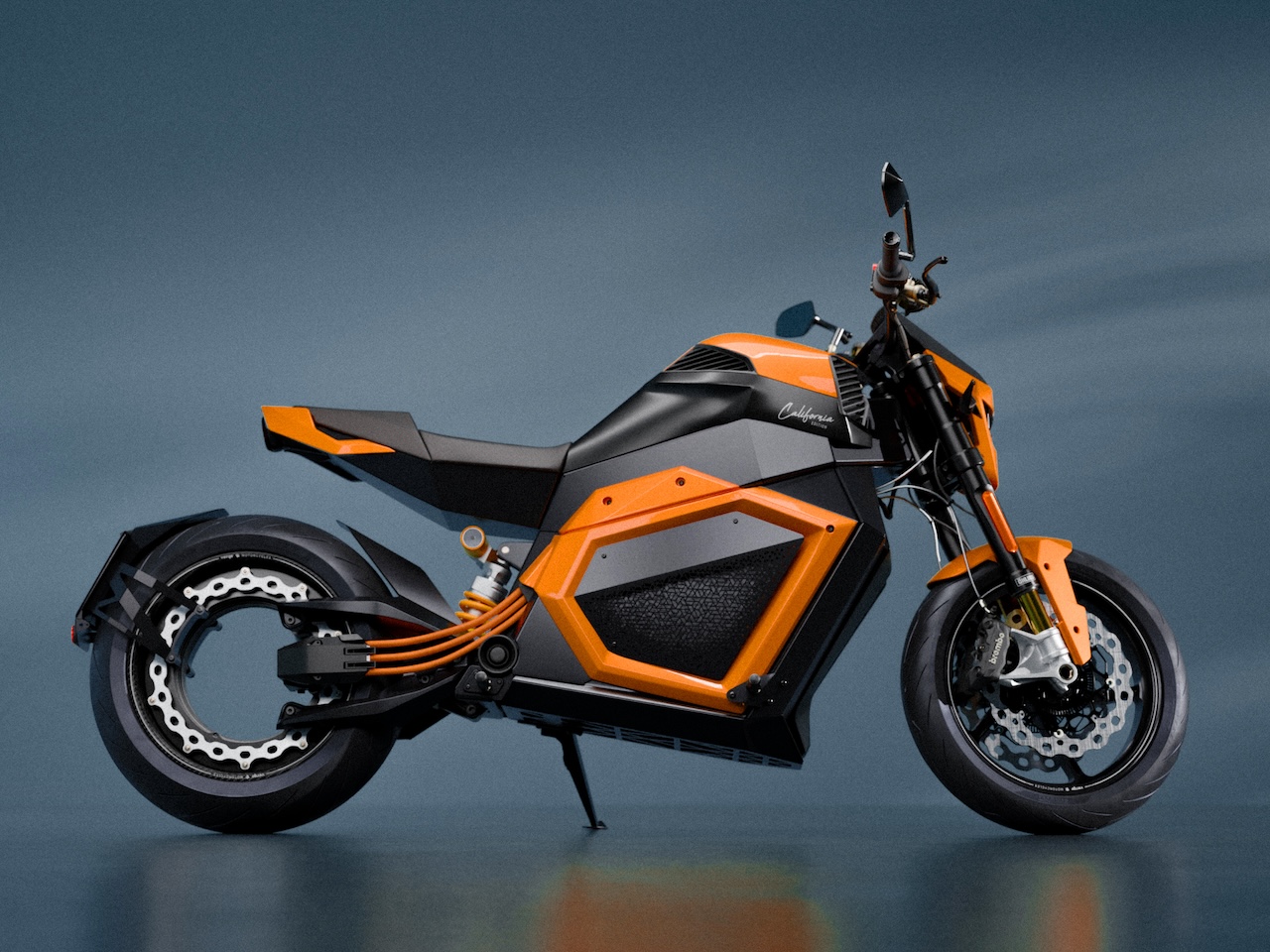
The Finnish company is debuting what it calls the world’s first all-solid-state battery ready for OEM vehicle production, and to prove the point, Verge Motorcycles will roll out bikes powered by these cells in Q1 2026. If you’ve followed our coverage of EV battery tech, you know why that distinction matters. The question has never been whether solid-state chemistry works. The question has been whether anyone could make it work at scale, at cost, on a timeline that matters.
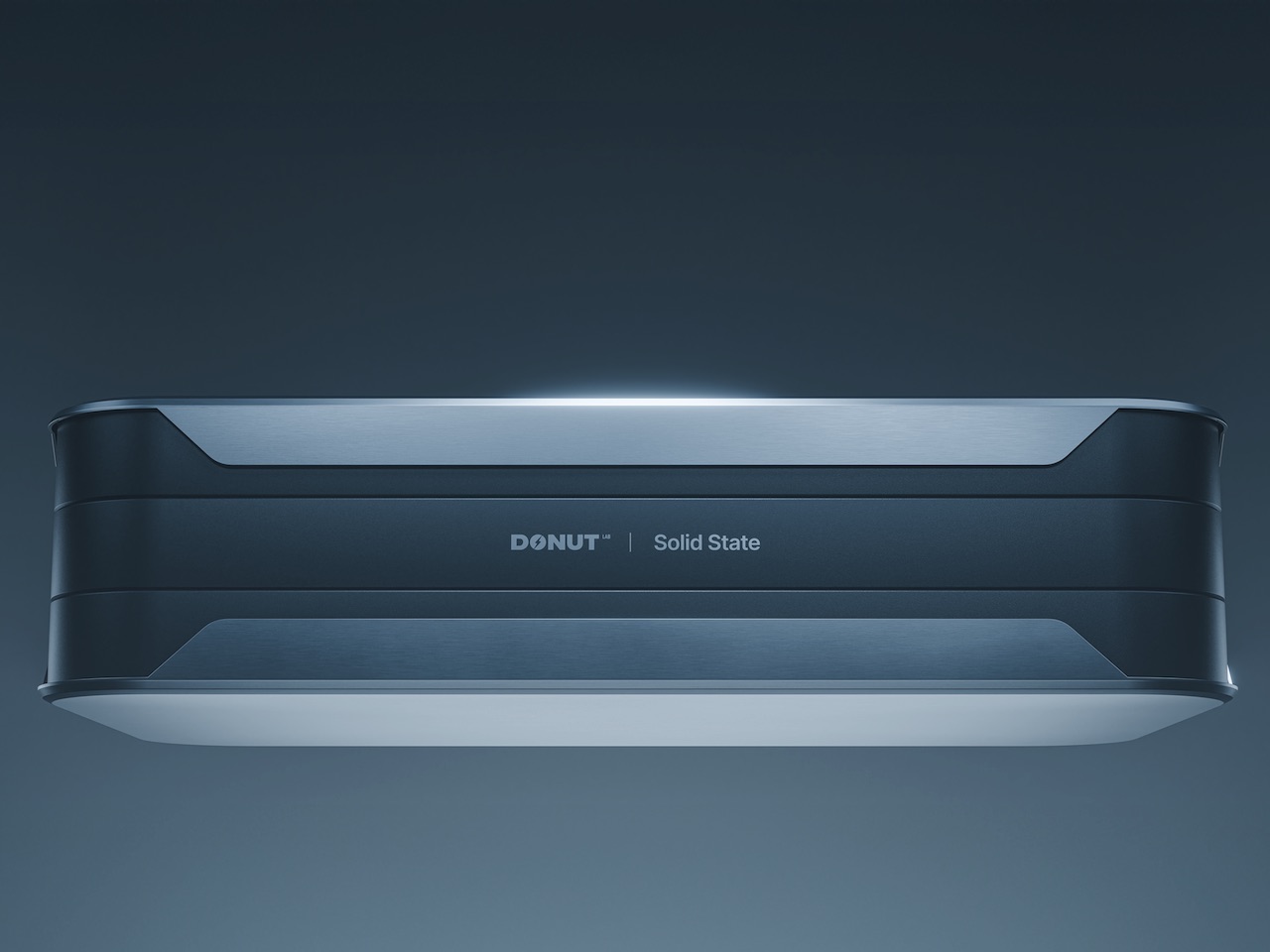
The numbers behind the Donut Battery stretch credibility until you remember that solid-state tech eliminates most of the compromises baked into lithium-ion chemistry. Energy density sits at 400 Wh/kg, a figure that enables lighter vehicle structures, extended range, and more creative packaging options for designers who have spent years working around bulky battery packs. Charging behavior changes dramatically too. Donut Lab claims a full charge in just five minutes with no need to stop at 80 percent, a limitation familiar to anyone who has watched an EV charging curve flatten as it approaches capacity.
Longevity looks equally aggressive. The company quotes a design life of up to 100,000 cycles with minimal capacity fade over time. For context, most lithium-ion packs in consumer EVs start showing noticeable degradation well before that threshold. If those numbers hold in real-world conditions, the implications for total cost of ownership shift substantially.
Safety Without the Usual Caveats
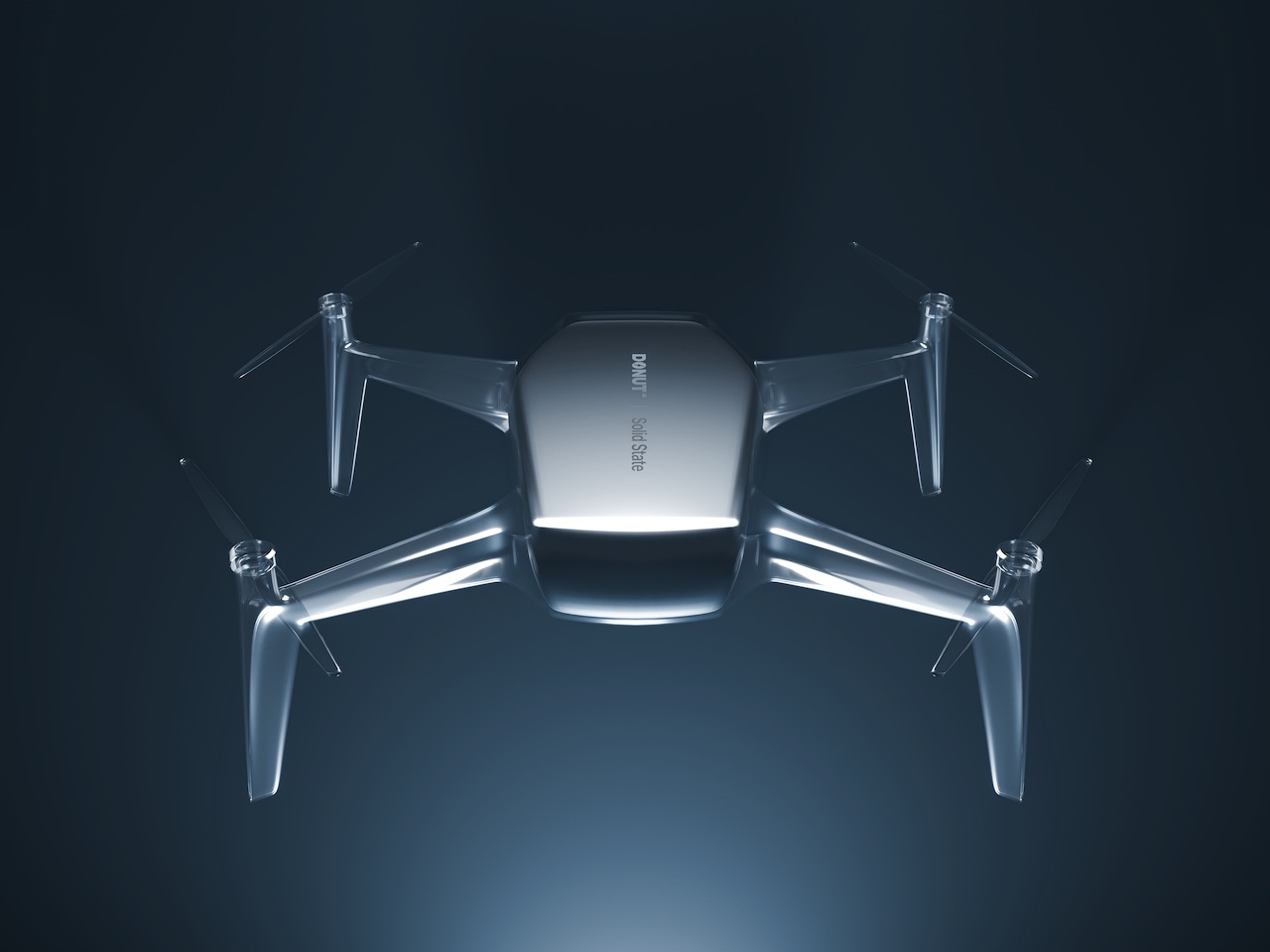
Safety claims around EV batteries tend to come with asterisks, but solid-state architecture changes the underlying physics. Donut Lab’s cells contain no flammable liquid electrolytes, which eliminates the thermal runaway risk that has fueled headlines about battery fires. Dendrite formation, another persistent concern in conventional lithium-ion cells, disappears as well. The company has tested performance at temperature extremes: at negative 30 degrees Celsius, the battery retains over 99 percent of its capacity. Push temperatures above 100 degrees Celsius and the cells continue operating with no signs of ignition or degradation. That kind of thermal resilience opens doors for applications beyond passenger vehicles, including industrial equipment and aviation where temperature swings can be brutal.
Materials and Manufacturing
The supply chain story matters here. Donut Lab emphasizes that its solid-state battery relies entirely on abundant, affordable, and geopolitically safe materials. No rare earth dependencies. No sensitive sourcing from conflict regions. The company also claims manufacturing costs that undercut lithium-ion pricing, a statement that will face serious scrutiny from industry analysts watching how production scales.
CEO Marko Lehtimäki frames the announcement as a direct challenge to the industry’s perpetual delays. “At Donut Lab, our answer on solid-state batteries being ready for use in OEM production vehicles is now, today, not later,” he stated in the company’s CES materials. That confidence will be tested quickly: Verge Motorcycles plans to ship its TS Pro and Ultra models with Donut Battery cells starting in the first quarter of this year.
Who This Changes Things For
The immediate beneficiaries are EV manufacturers stuck balancing range, weight, safety, and charging speed against each other. Solid-state tech theoretically lets you optimize for all four simultaneously, which is why the technology has attracted so much attention and so much skepticism when timelines kept slipping. If Donut Lab’s production claims hold, the pressure on larger battery manufacturers intensifies considerably.
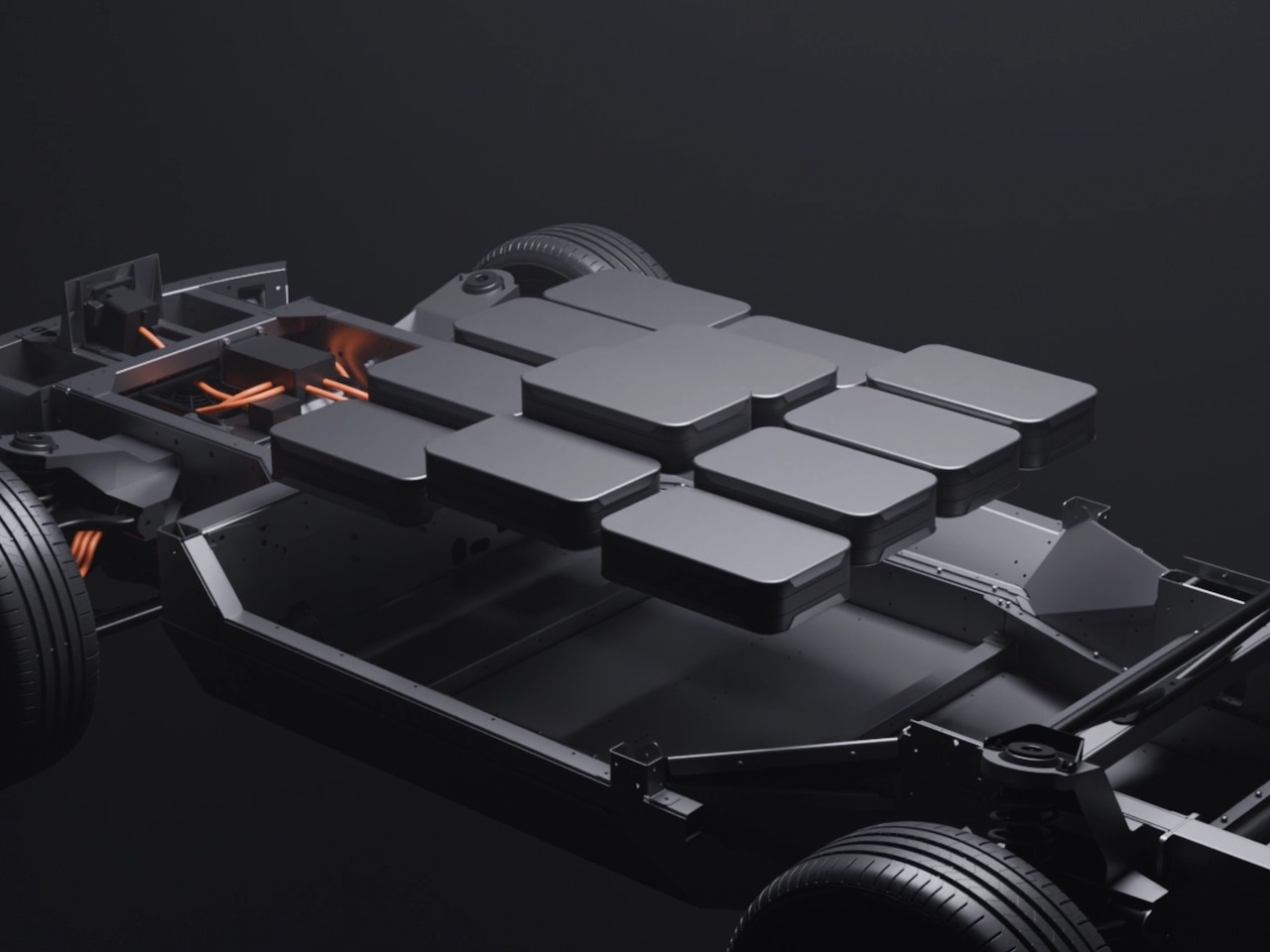
For consumers, the practical effects depend on adoption speed across the industry. Faster charging, better cold-weather performance, and improved safety profiles all sound compelling, but only if the batteries actually make it into vehicles you can buy. Verge Motorcycles represents a relatively small production volume, so the bigger question is whether Donut Lab can scale to automotive OEM demands.
The Bottom Line
If you’ve been tracking solid-state battery announcements and filing them under “interesting but not yet real,” Donut Lab’s CES 2026 debut is the first one worth watching differently. The Q1 2026 Verge shipments will either validate the production claims or expose the gaps. What matters now is whether those bikes perform as advertised in actual rider hands. If you’re in the market for an electric motorcycle and can wait a few months, this is worth monitoring. If you’re waiting for solid-state to hit mainstream EVs, the timeline remains uncertain, but the path just got shorter.
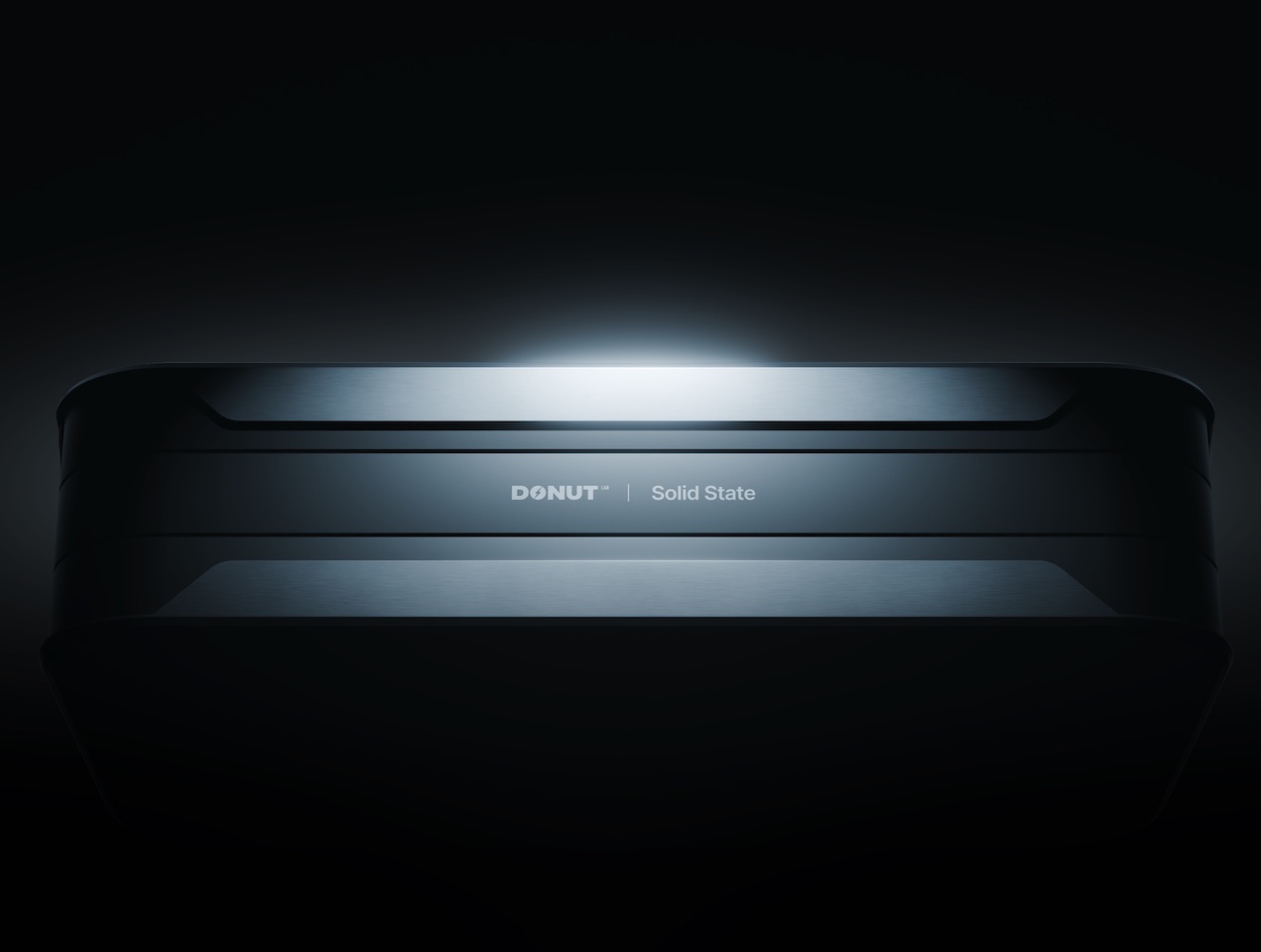
CES attendees can see the Donut Battery in person at booth #5539.
📡 CES 2026 Coverage
Want more from the show floor?
We’re covering the biggest announcements, wildest concepts, and gear that actually matters from CES 2026.

INIU Mini Portable Charger, Small 45W PD Power Bank, 10000mAh USB C in&Out Fast Charging Pocket Size Battery Pack, Travel Essentials Powerbank for iPhone 17 16 15 14 Pro Air, Xiaomi, Samsung S24 etc
(as of April 7, 2026 21:12 GMT -05:00 - More infoProduct prices and availability are accurate as of the date/time indicated and are subject to change. Any price and availability information displayed on [relevant Amazon Site(s), as applicable] at the time of purchase will apply to the purchase of this product.)
