
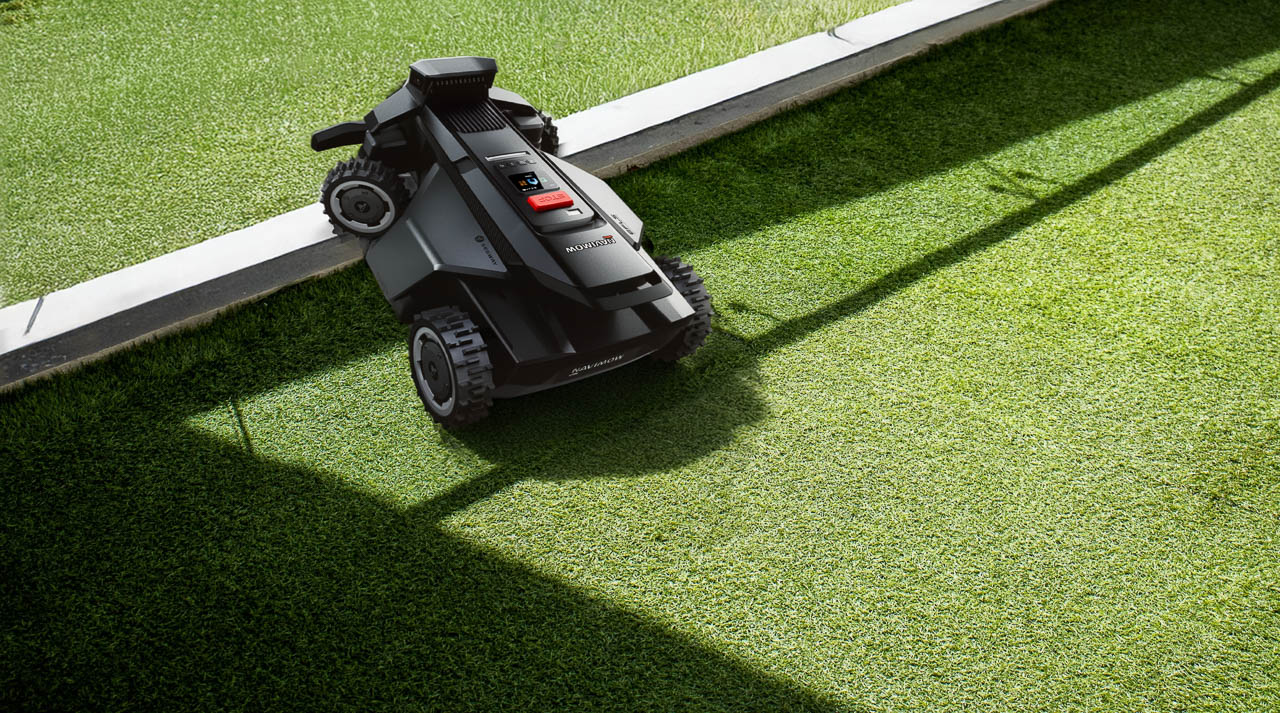
CES 2026 NEWS – Robotic mowers have been a solved problem in Europe for years. Over there, 1.5 million units ship annually, backyards tend toward flat rectangles, and the idea of a machine handling grass duty barely raises an eyebrow. Cross the Atlantic, and the math breaks down. American lawns are steeper, larger, more complicated, and stubbornly resistant to automation. The penetration rate in the U.S. sits below 100,000 units per year, despite a total mower market exceeding 12 million.
The gap isn’t about awareness. It’s about trust.
If you’ve looked at robotic mowers before and dismissed them as a European curiosity, you were probably right to do so. Most couldn’t climb serious hills. Installation meant burying boundary wire meter by meter, a five-to-six hour commitment that felt like punishment for wanting convenience. Navigation was random, which meant cutting patterns looked random too. For a country that treats lawn care as a visible expression of homeowner competence, that randomness was disqualifying.
Segway Navimow has spent the last four years selling 400,000 units globally, almost entirely in Europe. The X4 Series, launching at CES 2026, represents their first real argument for why American yards should be different.
Add The Gadgeteer as a preferred source to see more of our coverage on Google.
What Installation Actually Looks Like Now
The boundary wire is gone. Network RTK positioning eliminates the need for a physical reference antenna entirely. You drive the mower around your property once, it maps virtual boundaries through the app, and setup drops from six hours to under thirty minutes. For homeowners who abandoned their first robotic mower attempt halfway through a trench-digging session, this is the fundamental shift that makes reconsideration reasonable.
The coverage map for network RTK spans most of the continental U.S., which means the technology works without relying on your ability to find the perfect spot for an antenna on your garage wall. GeoSketch, the new 3D mapping interface, displays your property as an interactive Google Earth-style view rather than the abstract computer wireframes previous generations forced you to interpret.
We’ve covered robotic mower installation nightmares extensively over the years. The X4 Series represents the first system where “simplified setup” actually means something measurable.
The Slope Problem Nobody Wanted to Admit
Here’s where the X4 makes its most aggressive claim: 84% slope climbing capability, equivalent to a 40-degree incline. For context, most traditional ride-on mowers start getting sketchy around 15 degrees. Push mowers become genuinely dangerous beyond 20.
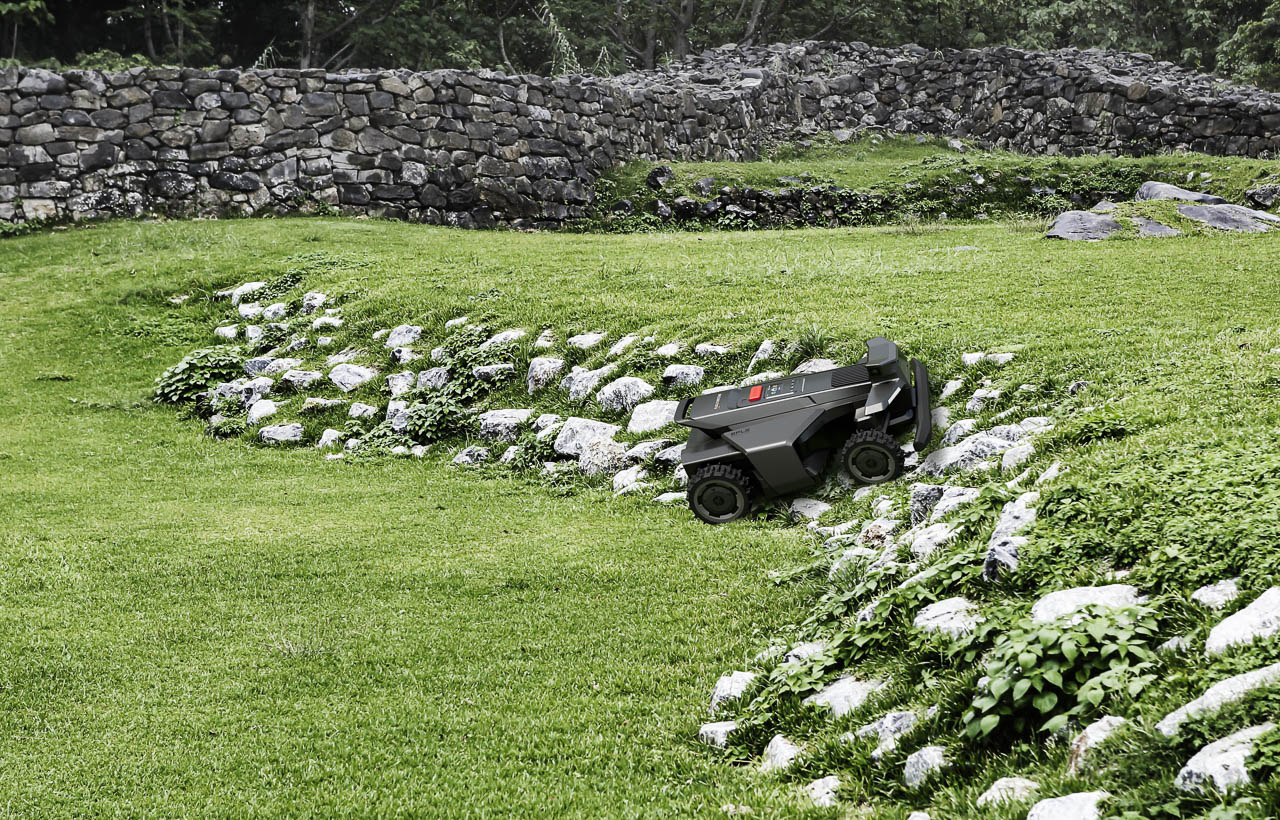
The engineering behind this involves four-wheel drive with what Segway calls zero-turn capability. Each front wheel rotates independently, similar to how a traditional zero-turn ride-on operates. The difference matters because other all-wheel-drive robotic mowers lack this articulation. When they turn, they drag across the turf. Over a season of use, those drag marks become visible lawn damage.
The X430 handles properties up to one acre at $2,499. The X450 covers 1.5 acres for $2,999. Both can climb 2.8-inch vertical obstacles, navigate six-inch gentle slopes for drainage ditches, and cut anywhere from 0.75 to 4 inches, covering essentially every grass type grown in North America.
Picture the backyard that made you give up on your last mower: the slope down to the fence line, the tree roots near the property edge, the weird angle where the patio meets the grass. The X4 treats these as navigation problems, not stopping points.
The Technology Stack That Makes It Work
Solid-state LiDAR sits built into the mower frame rather than mounted externally. This matters for durability. External mechanical LiDAR systems, the kind competitors use, expose their sensors to scratches, impacts, and weather degradation. The internal mounting provides nearly 200,000 points of vision through 96 beams.
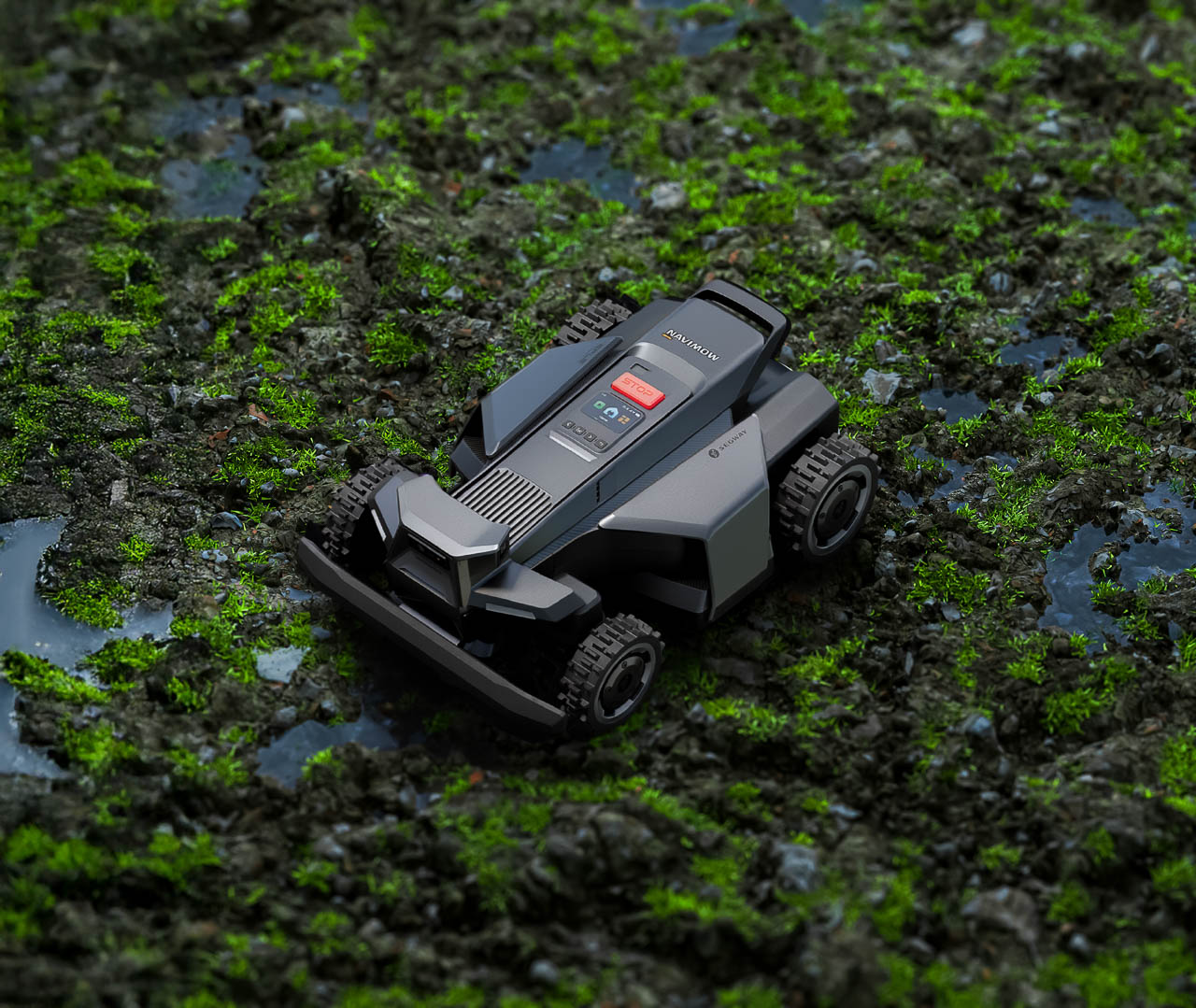
V-SLAM cameras provide 360-degree obstacle avoidance alongside the RTK positioning. The system identifies over 150 obstacle types, from garden hoses to small pets. Traction control prevents sliding on slopes. An adaptive blade system adjusts to ground contour to prevent scalping.
The Momentum Cutting System uses dual cutting discs with six blades each, producing a 17-inch cutting pattern. According to Segway, this delivers three times the efficiency of previous single-disc designs. The result should be visible striping rather than the random crosshatch patterns that made robotic mower lawns look obviously robotic.
Why This Exists
American reluctance to adopt robotic mowers isn’t irrational. The products available genuinely couldn’t handle American conditions. European success happened in a different context: smaller yards, gentler terrain, and a cultural comfort with automation that the U.S. simply doesn’t share.
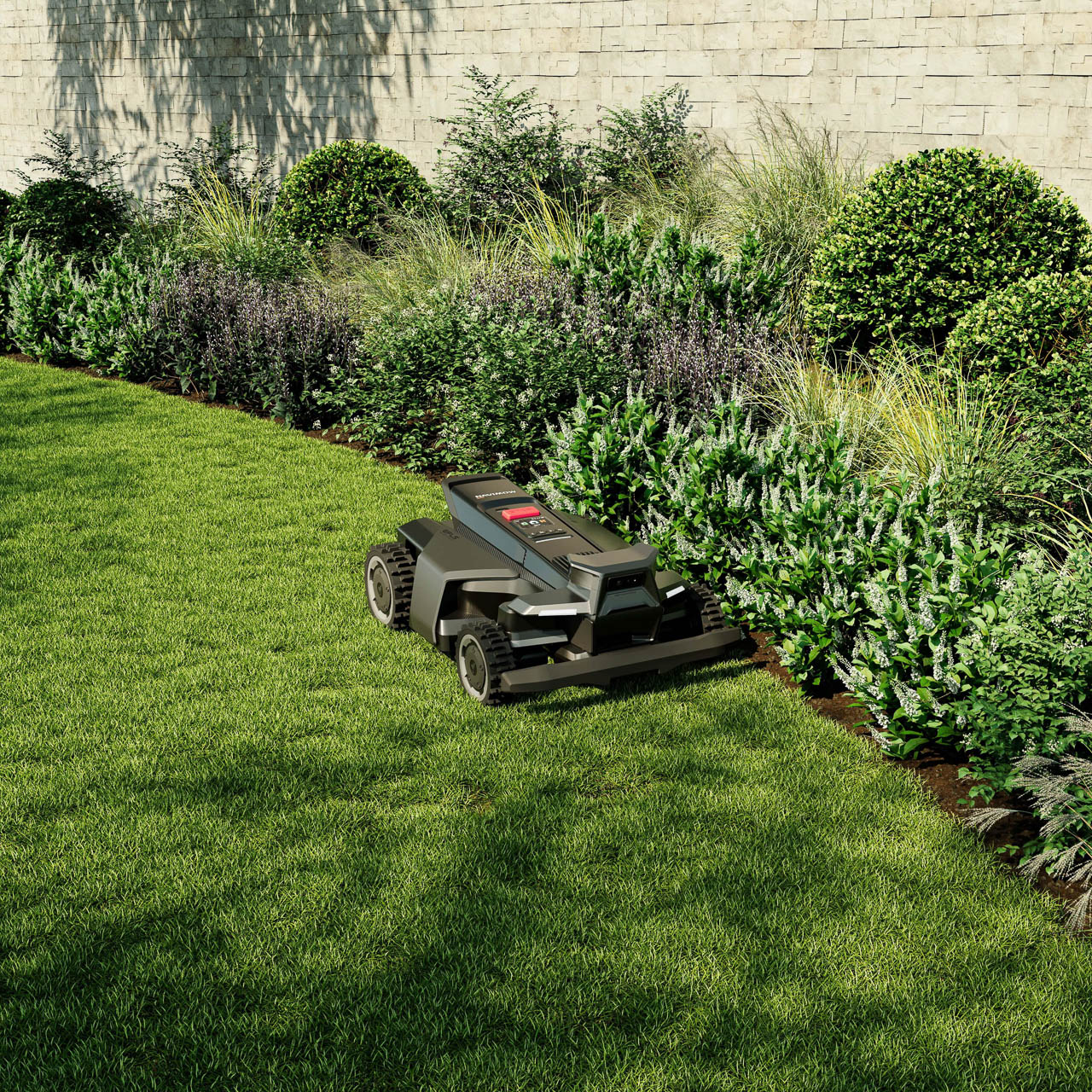
The X4 Series exists because Segway spent six months conducting site visits across different U.S. regions. They discovered that the slope issue wasn’t just about capability, it was about confidence. Homeowners needed to see a mower handle their specific problem terrain before they’d consider trusting it with an entire season.
The other insight involved grass itself. Southern states deal with thick, heavy grass varieties that European mowers never encountered. Florida’s St. Augustine grass requires cutting force that previous designs couldn’t deliver consistently.
Who Should Skip This
If your yard is flat and small, the X4 Series is overbuilt for your needs. The i2 series in the same launch lineup handles quarter-acre properties at $999 without the slope-climbing engineering.
If you rely heavily on a landscaping service and consider lawn care someone else’s expertise, the value proposition weakens. Robotic mowers work best for homeowners who want consistent maintenance without weekly scheduling coordination.
If you live outside the network RTK coverage area, which excludes some rural regions, you’ll need the traditional antenna setup that makes installation more complex.
And if you need your mower to handle multiple zones separated by gates or driveways, the automatic gate system Segway promises remains in development. CES will include a demonstration, but availability remains unclear.
What This Signals
The X4 Series matters less as a product launch than as a category proof point. Robotic mowers have been theoretically capable for years. What they lacked was the specific engineering attention to American yard complexity that the X4 represents.
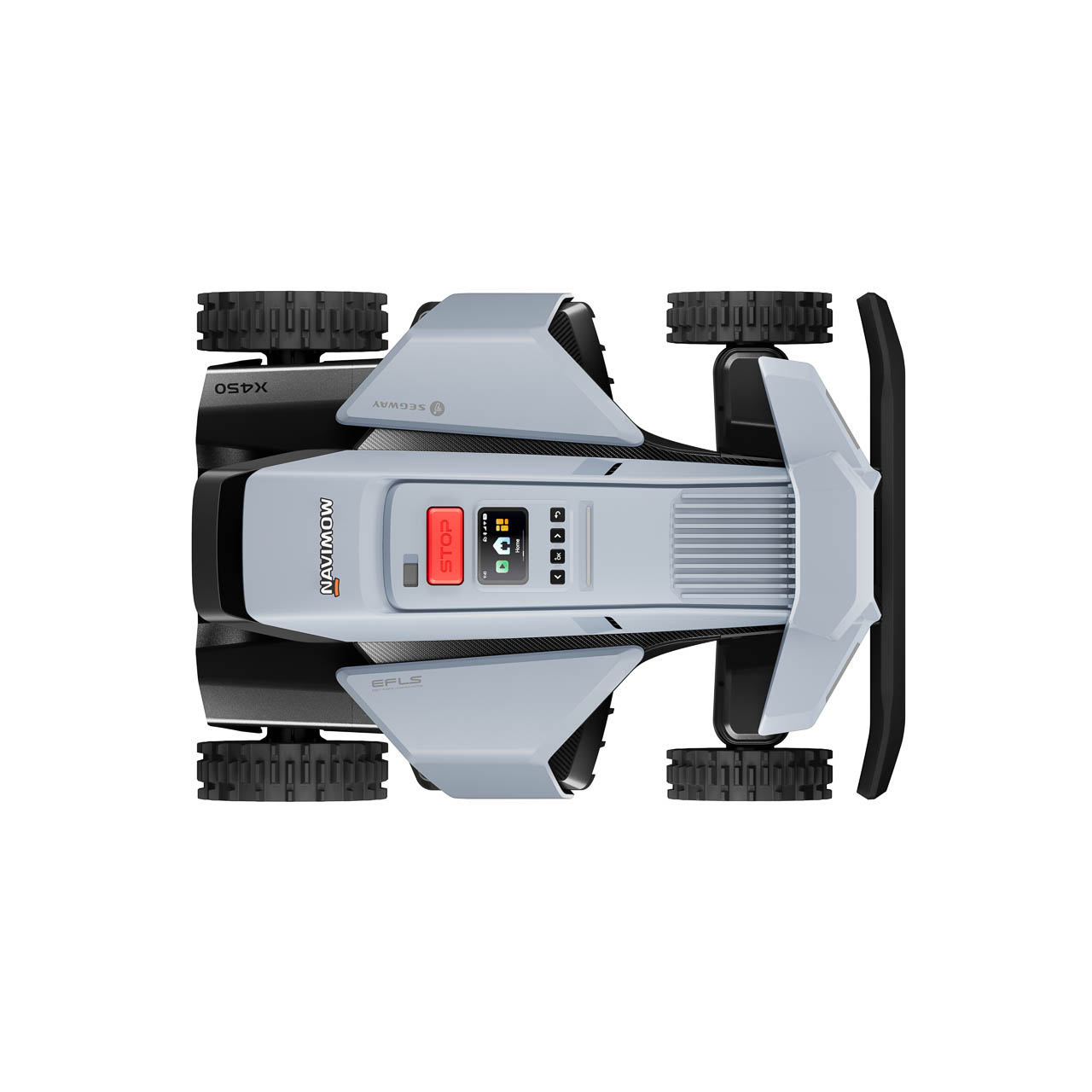
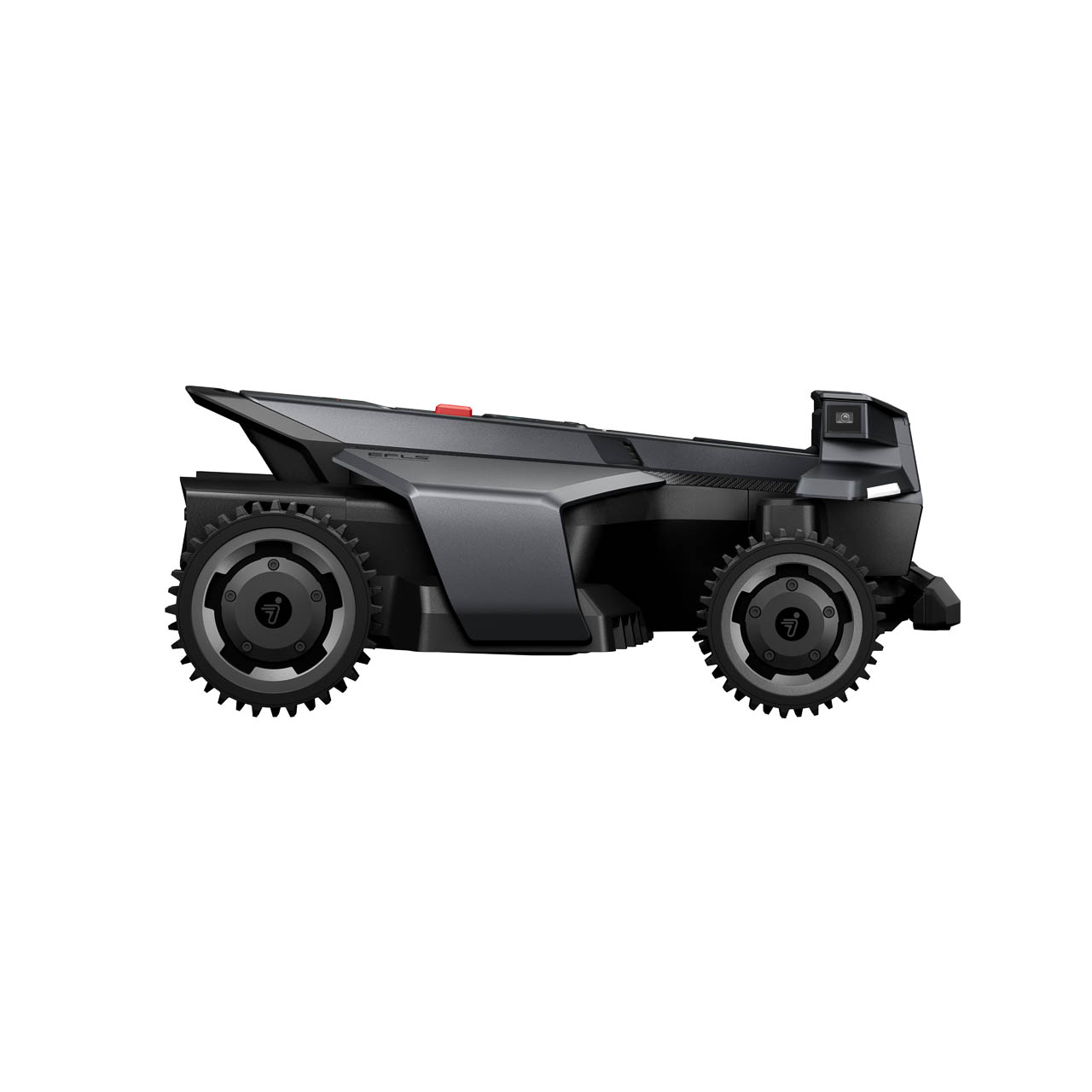
Pre-orders open January 16, 2026, through us.navimo.com and 200+ independent dealers. Amazon, Lowe’s, Home Depot, and Walmart will carry the X4 series online. Whether this translates into actual American adoption depends on whether the first wave of buyers posts videos of their 40-degree slopes getting mowed without incident.
The technology exists. The price sits in premium-but-accessible territory. The installation friction that killed previous attempts has been addressed. What remains is whether American homeowners trust the category enough to try again.
📡 CES 2026 Coverage
Want more from the show floor?
We’re covering the biggest announcements, wildest concepts, and gear that actually matters from CES 2026.

L39 Ultra Slim UV Protective Filter for Leica Q3 43 Q2 Camera with Moisture-Proof Case & Removal Tool 19 Layers Mulit-Coated UV Ultraviolet Filter 99.3% Light Transmission Water Oil Scratch Resistant
(as of February 22, 2026 10:05 GMT -06:00 - More infoProduct prices and availability are accurate as of the date/time indicated and are subject to change. Any price and availability information displayed on [relevant Amazon Site(s), as applicable] at the time of purchase will apply to the purchase of this product.)
