
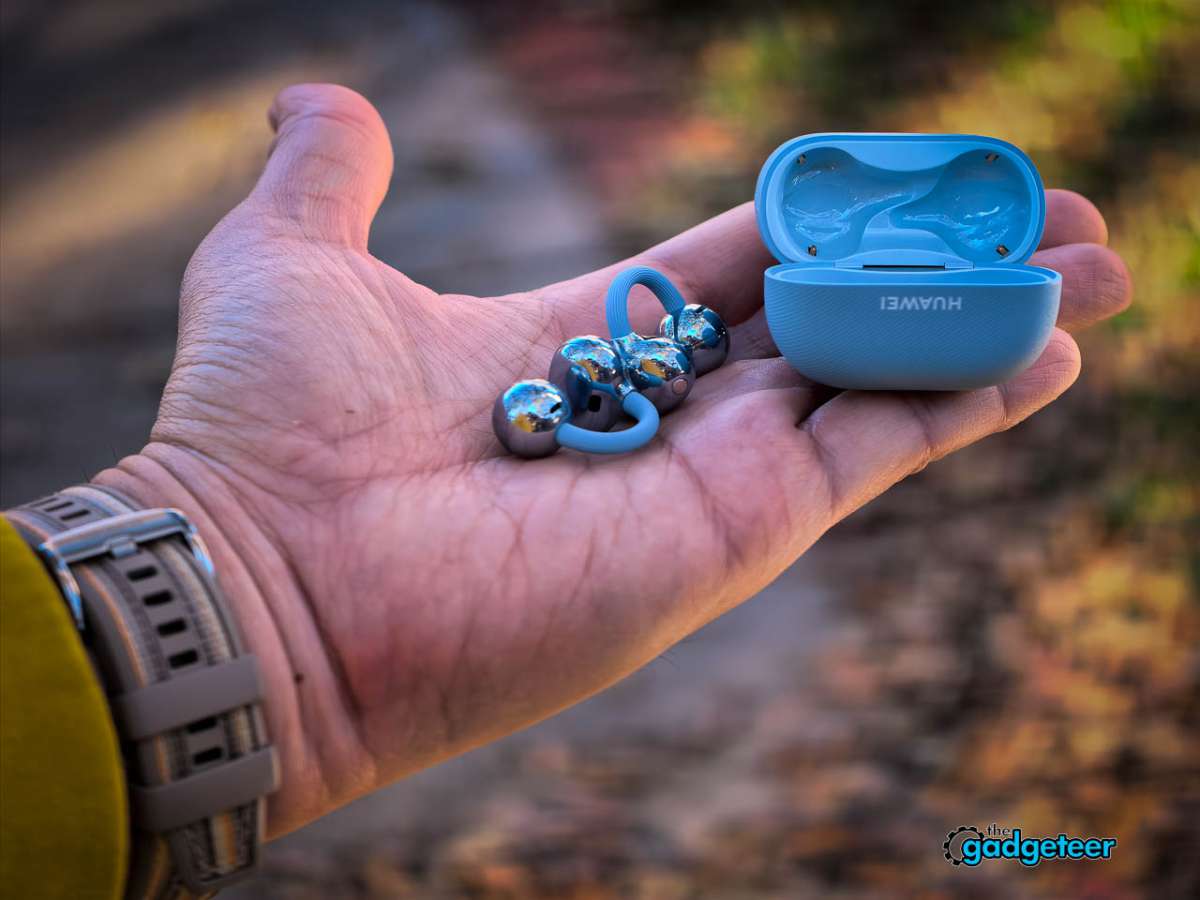
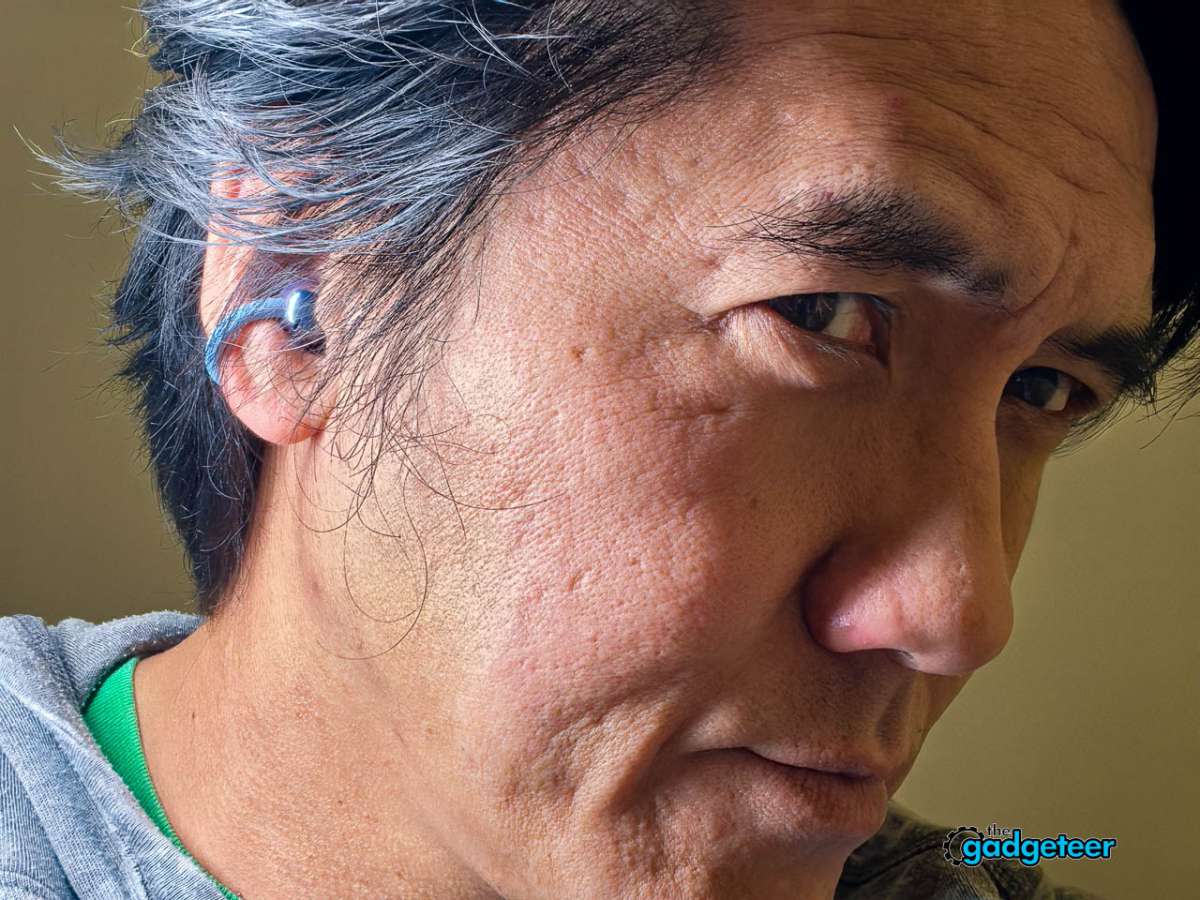
REVIEW – The Huawei FreeClip 2 enters a category that usually asks for forgiveness. Most open ear buds feel like a tradeoff between comfort and clarity which is why I treated this pair with some suspicion at first. That changed within a few hours of wearing them around the house, through errands, and even while hauling gear for a late shoot. The C shaped frame never reminded me it was there. I kept checking my reflection because I could not believe something this small and this light was staying put through everything I threw at it. The FreeClip 2 doesn’t chase the latest trends. It focuses on solving the basic human tension between staying aware of your surroundings and staying connected to sound. That approach feels like a direct response to the three million unit success of the first generation and the list of improvements Huawei calls out in its guideline.
Design and comfort: A rethink that fixes what the first generation never fully solved
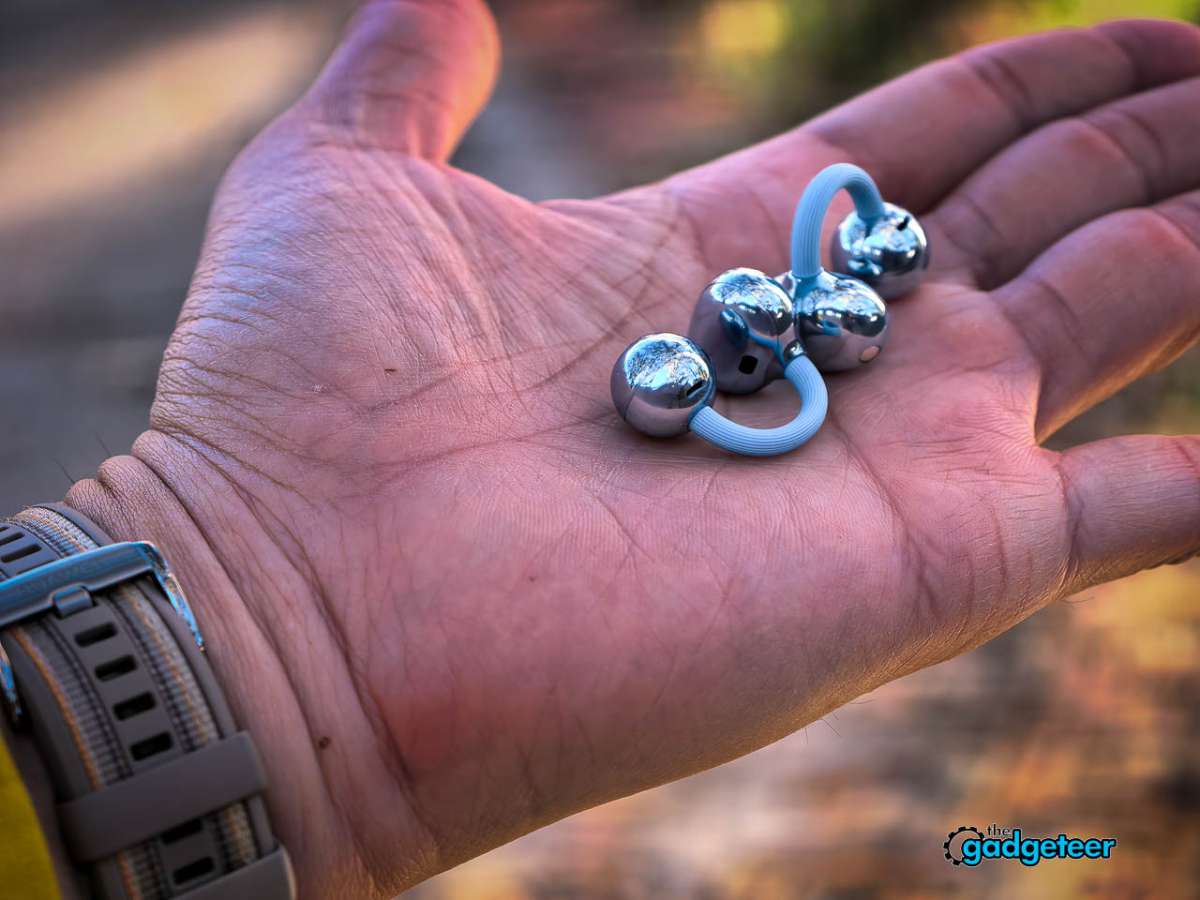
My ears are picky. Most open designs eventually pinch or create a dull ache that sneaks up after a couple of hours. Huawei redesigned the entire architecture into a softer, more cooperative form. The Airy C bridge now uses a liquid silicone exterior with a shape memory alloy core which increases elasticity by twenty five percent. The softer tension wraps the ear instead of clamping it. That change removed the pressure points I used to get with the original version. The comfort bean also shrank by twelve and a half percent while keeping its stability, and Huawei sized it using more than ten thousand ear scans with micrometer level precision.
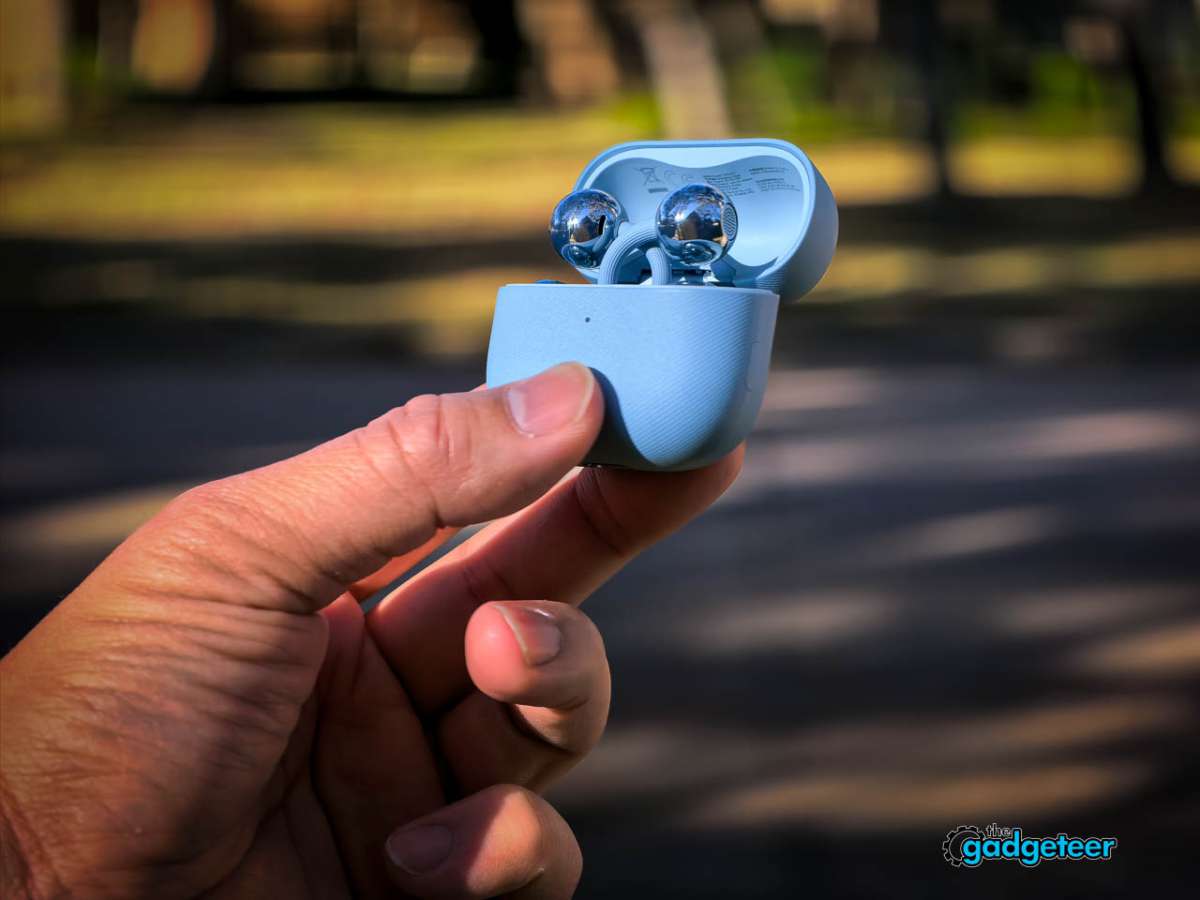
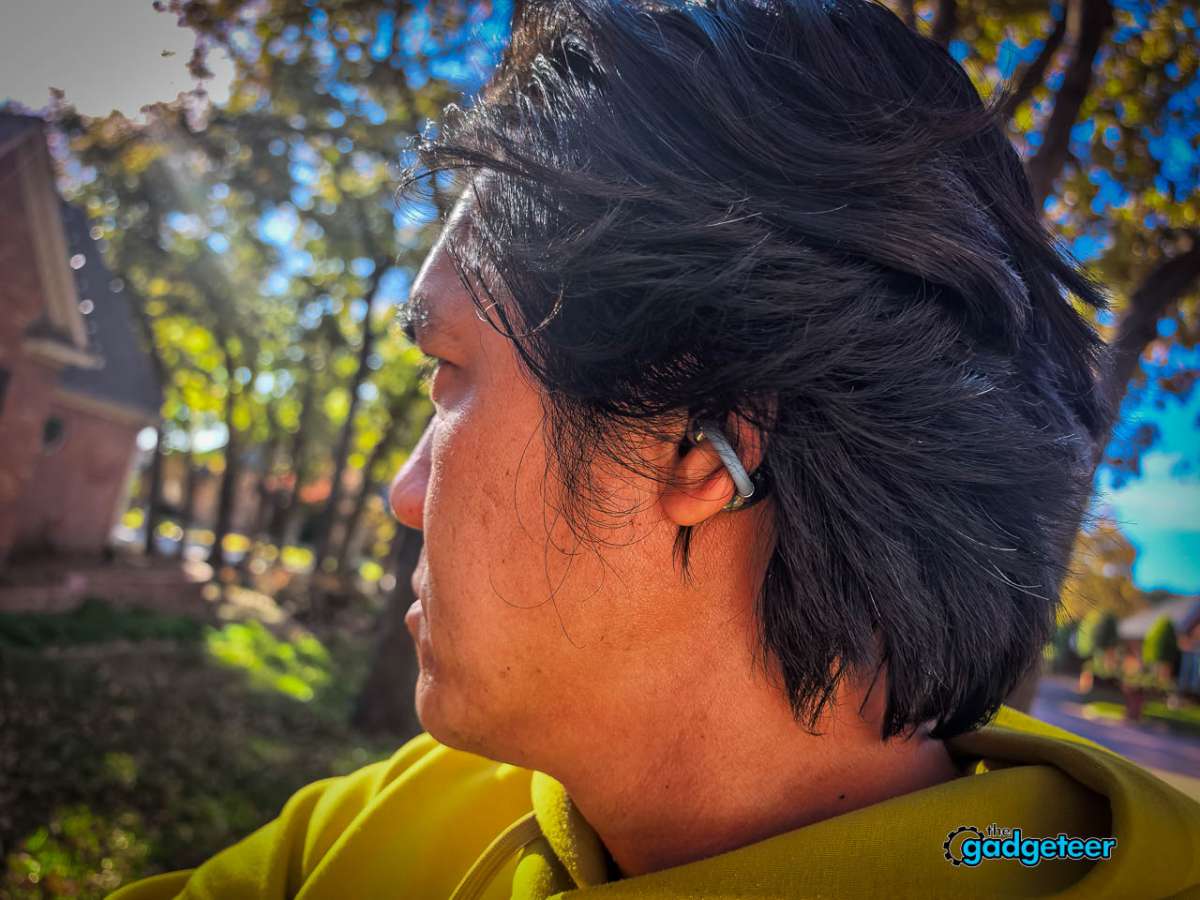
The result feels natural during long sessions. I wore them through a long editing day followed by a grocery trip and a late night unwind session. They never made my ears warm and never created that subtle soreness that usually shows up with non sealed designs. Even my glasses sat against the silicone without fighting for space. This is the first time an open ear form factor did not feel like a compromise I had to work around through my day.
Case and colors: Smaller footprint and a surprising material twist
The charging case received a meaningful redesign that trims its footprint by eleven percent and slims its profile by seventeen percent. The earlier case was fine but this one disappears into a jeans coin pocket or a camera bag divider with less fuss. It weighs thirty seven point eight grams despite packing a larger five hundred thirty seven milliamp hour battery.
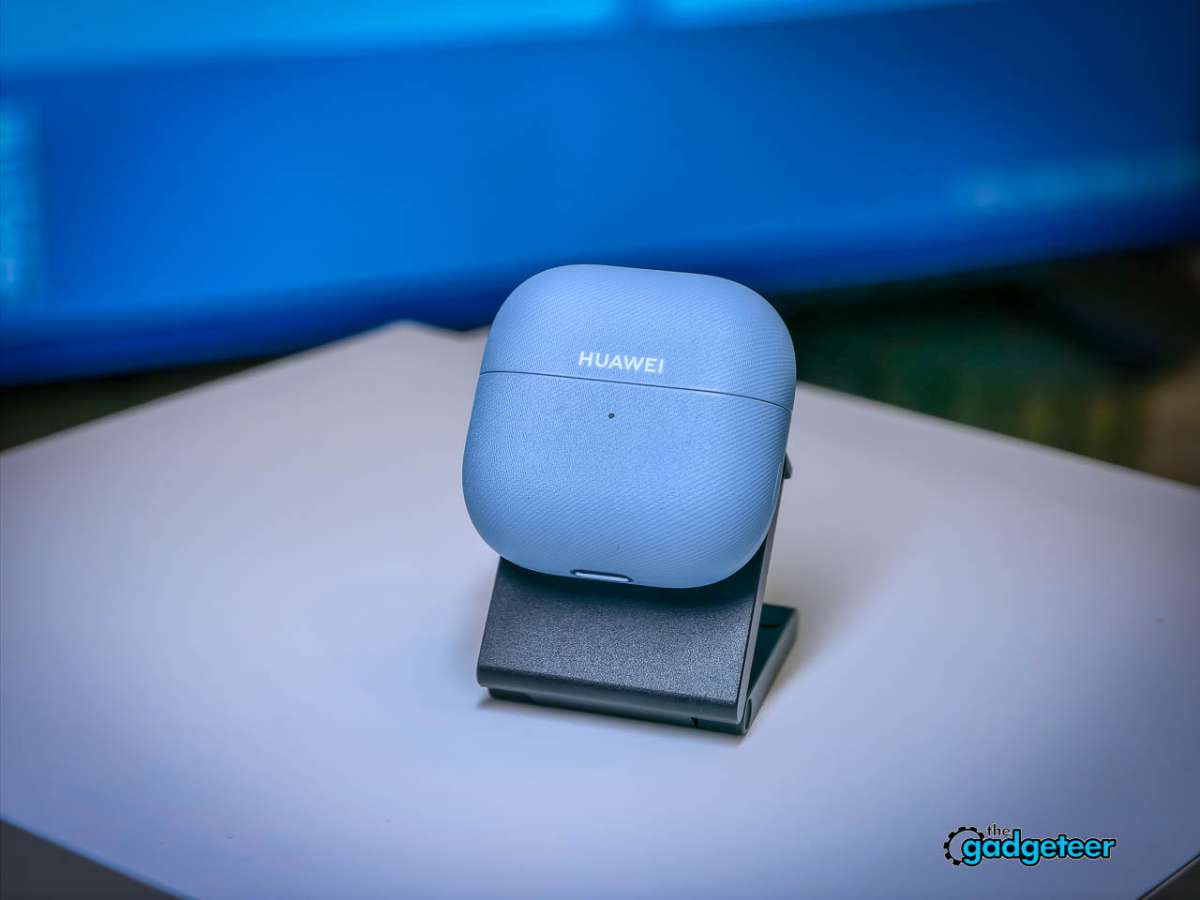
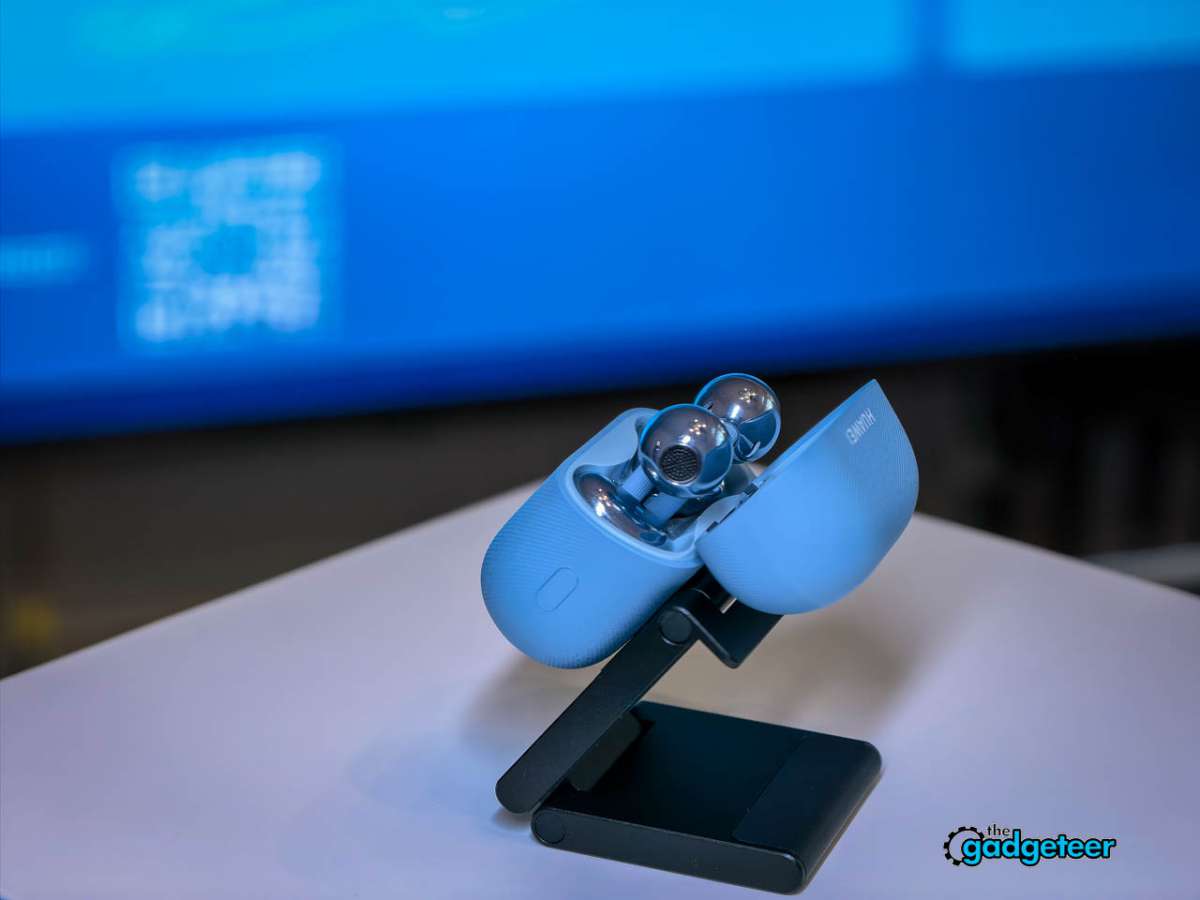
That ratio brings practical value because the case becomes something I can carry without thinking about its presence. Huawei also brought in design cues that quietly elevate the object. The Denim Blue and Feather White versions use a molded surface with a denim weave texture created through a precise replication process. The visual language lands somewhere between fashion accessory and utilitarian tool which feels right for a product meant to live on your ears all day.
Stability in motion: A rare moment when open ear means freedom instead of worry
Open ear products often behave like they are one sudden head turn away from bouncing off the sidewalk. The FreeClip 2 did not give me that anxiety. I wore them during long walks, quick sprints, errands, and a weekend training session and they stayed anchored. The shape memory alloy in the C bridge flexed without thinning out. The lighter five point one gram weight reduced the need to readjust them. I even tested them with vigorous head shakes and the buds did not budge. Huawei’s guideline references cycling, jump rope, and aerial yoga stress tests. My own real world version involved racing down stairs with a camera bag and these clips held on as if they understood the assignment.
Audio performance: Small body with a more confident low end
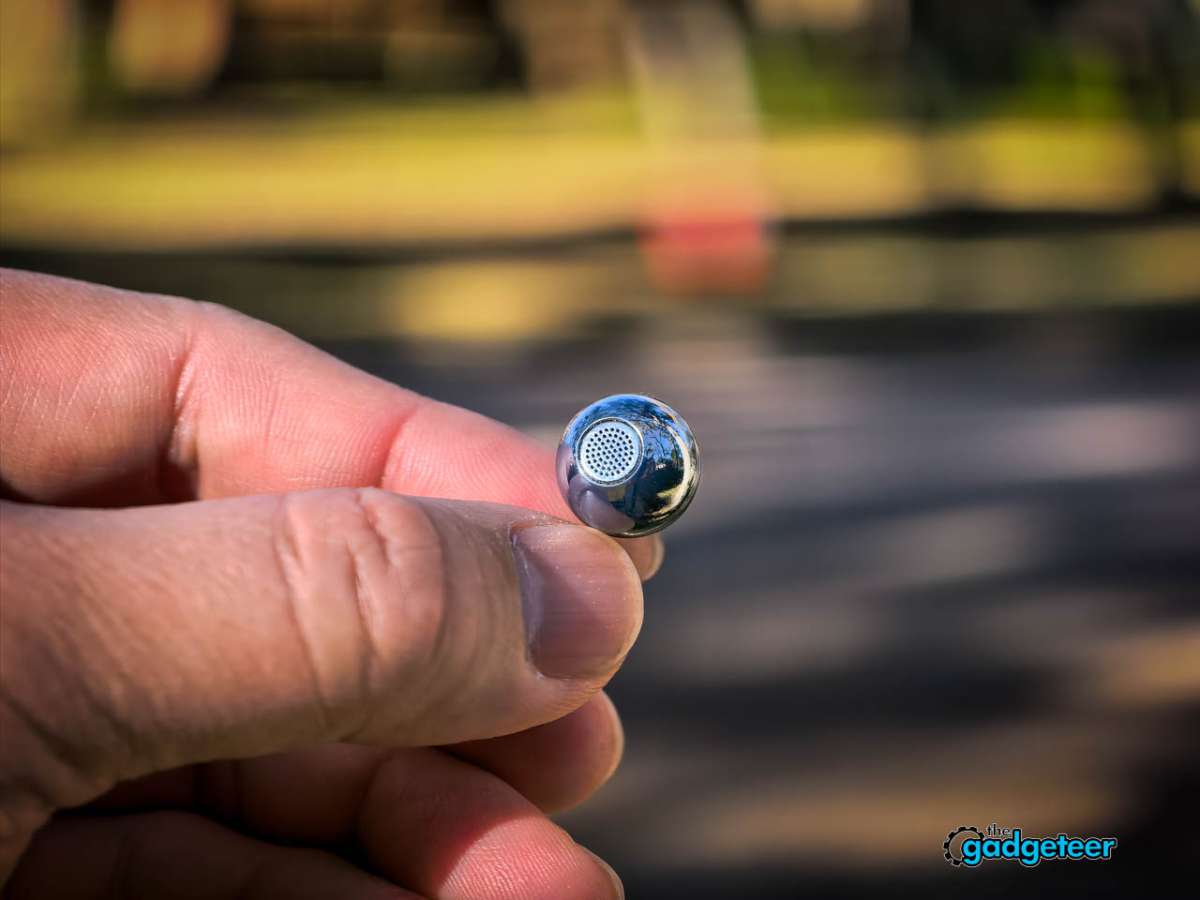
The internal layout now uses a dual diaphragm driver inside a tighter acoustic ball. The redesign pushes air from both sides of the diaphragm which increases loudness by one hundred percent and doubles low frequency power compared to the first generation. I noticed the change during electronic tracks because the low end carried more physical weight without drifting into murk. Pop vocals stayed forward and clean which reflects the company’s neutral leaning tuning. Your playlist does not smear into a single block of sound. Drums keep their definition and high frequency elements remain crisp without harsh edges.
The guideline specifically calls out competitive differences against Bose, SoundCore, and OpenDots. Bose lifts the low mid range which adds warmth but also a slight blur. SoundCore leans on upper frequency brightness which can fatigue after a few tracks. OpenDots boosts ambience and presents a tall stage but loses some micro detail. FreeClip 2 lands in a more balanced zone. The high frequencies stay articulate. Vocals remain separated. Bass extends without drowning the mids. The tuning does not chase hype. It builds a measured foundation and lets the content breathe.
Huawei also upgrades the electronics through a new chip with ten times the processing headroom. That overhead helps the adaptive audio system respond smoothly as the ambient environment shifts. Walking from a quiet studio into a parking lot raised the output just enough for dialogue to stay understandable. Sliding back indoors lowered the level without snapping or pumping. Late night listening on the sofa felt natural. I did not feel nudged into a volume war against my surroundings.
Call clarity: A meaningful leap for anyone who takes calls outside
Call volume also benefits from the dual diaphragm driver because voices carry more presence. Adaptive volume adds another layer of control and keeps spoken content intelligible even when the environment shifts without warning.
Sound leakage control: Respect for shared space without muting the experience
Open ear designs rarely play well with quiet rooms. Huawei built a reverse sound field system that emits phase inverted waves to counter outward leakage. I tested this during long editing sessions and people near me could not hear the audio unless I pushed the volume to levels that would not make sense for daily use. That change matters because it turns the earbuds into something I can wear in shared environments without feeling self conscious. Leakage still appears at extreme levels which is normal for the category. The difference is how much later that boundary arrives.

Software and control experience: Simple tools with one notable limitation
Huawei now uses its Audio Connect app for updates, EQ adjustments, and settings. The interface is straightforward. It exposes the adaptive audio toggle, gesture mapping, and spatial listening modes. The app is available on iOS and the Samsung store. It is not on Google Play. That means Pixel owners either sideload or skip the customization layer. The earbuds still pair through standard Bluetooth but the missing app support creates friction for one segment of Android users.
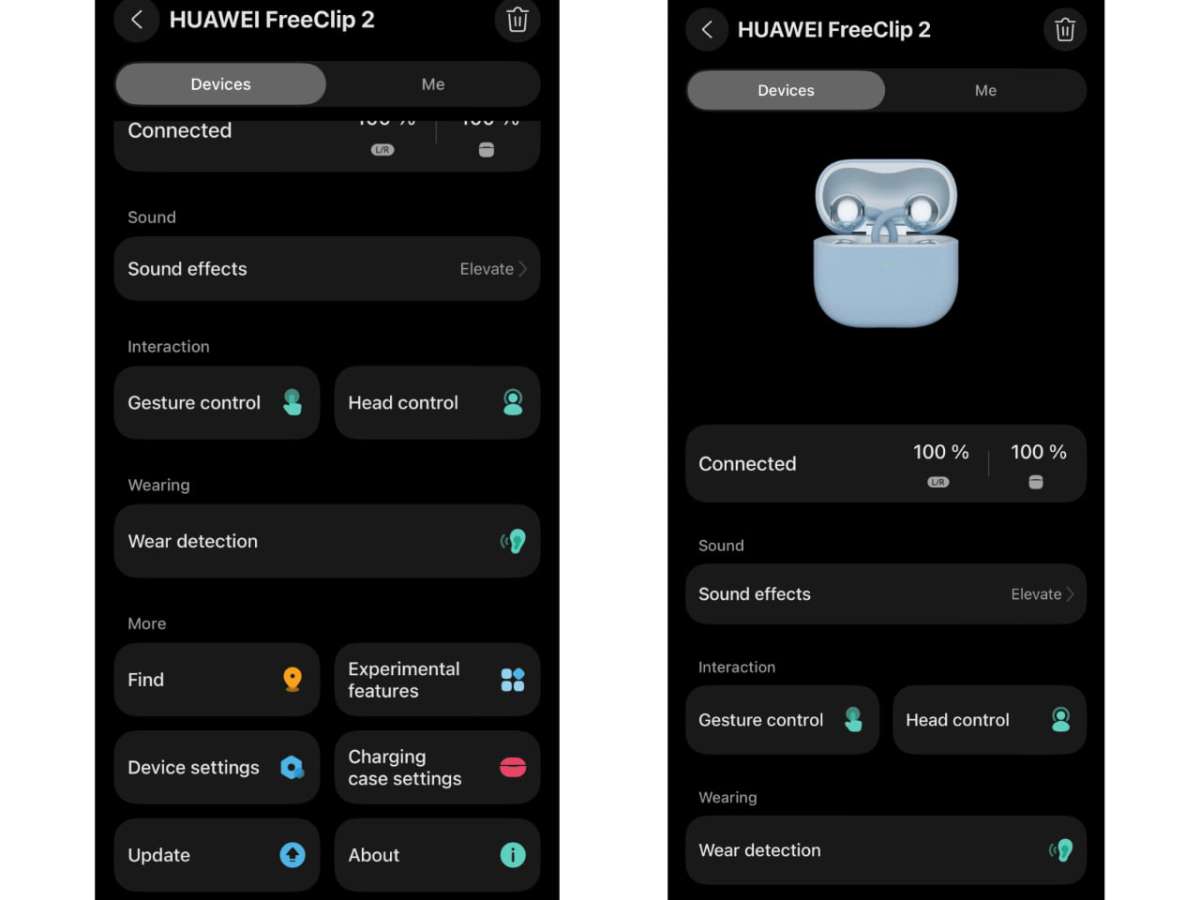
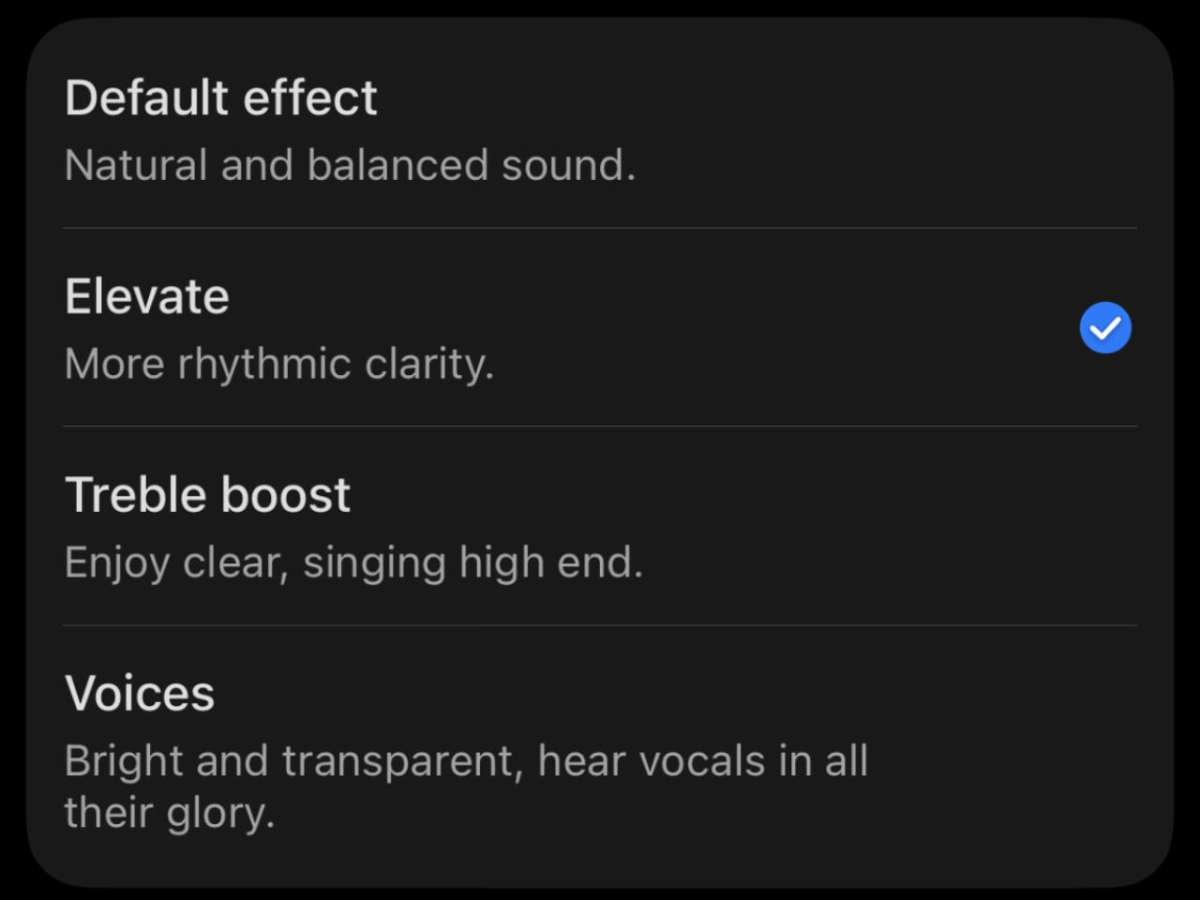
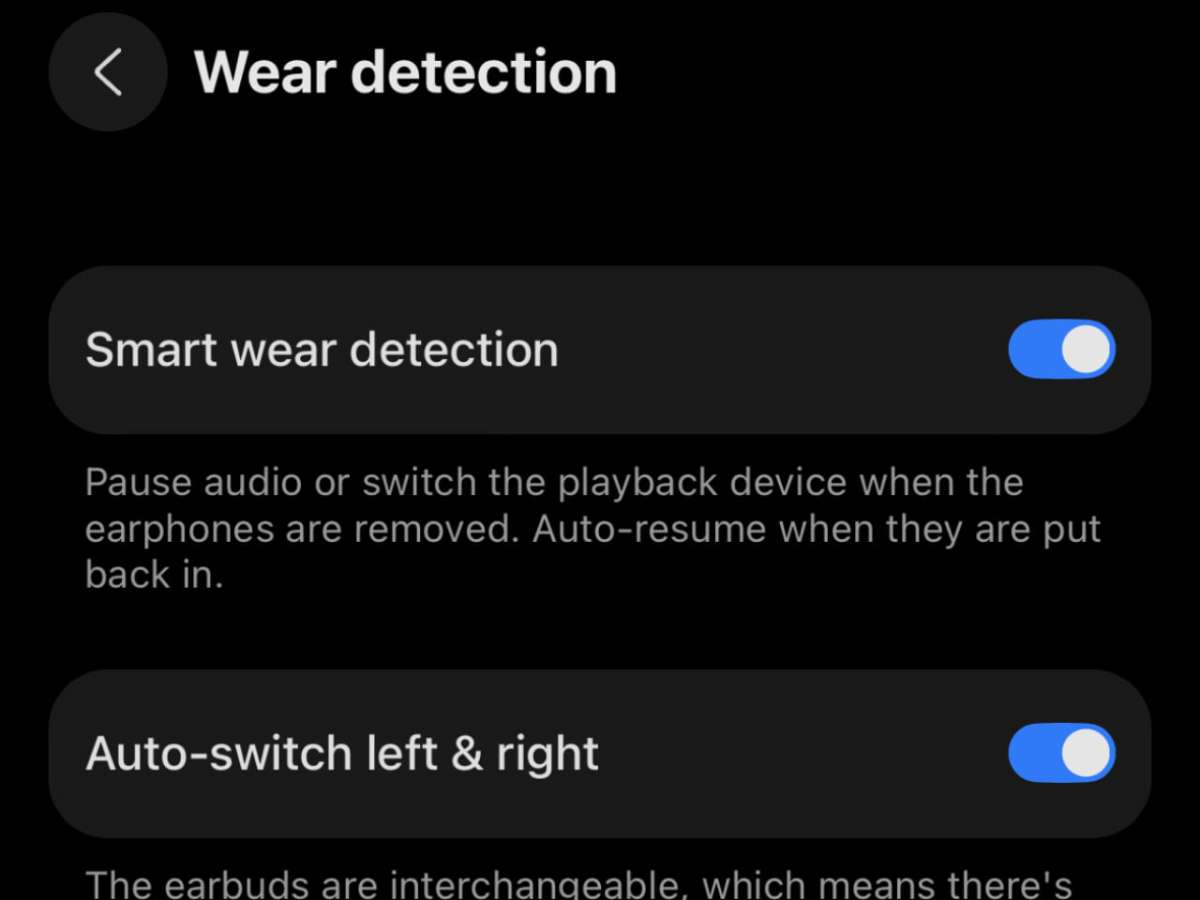
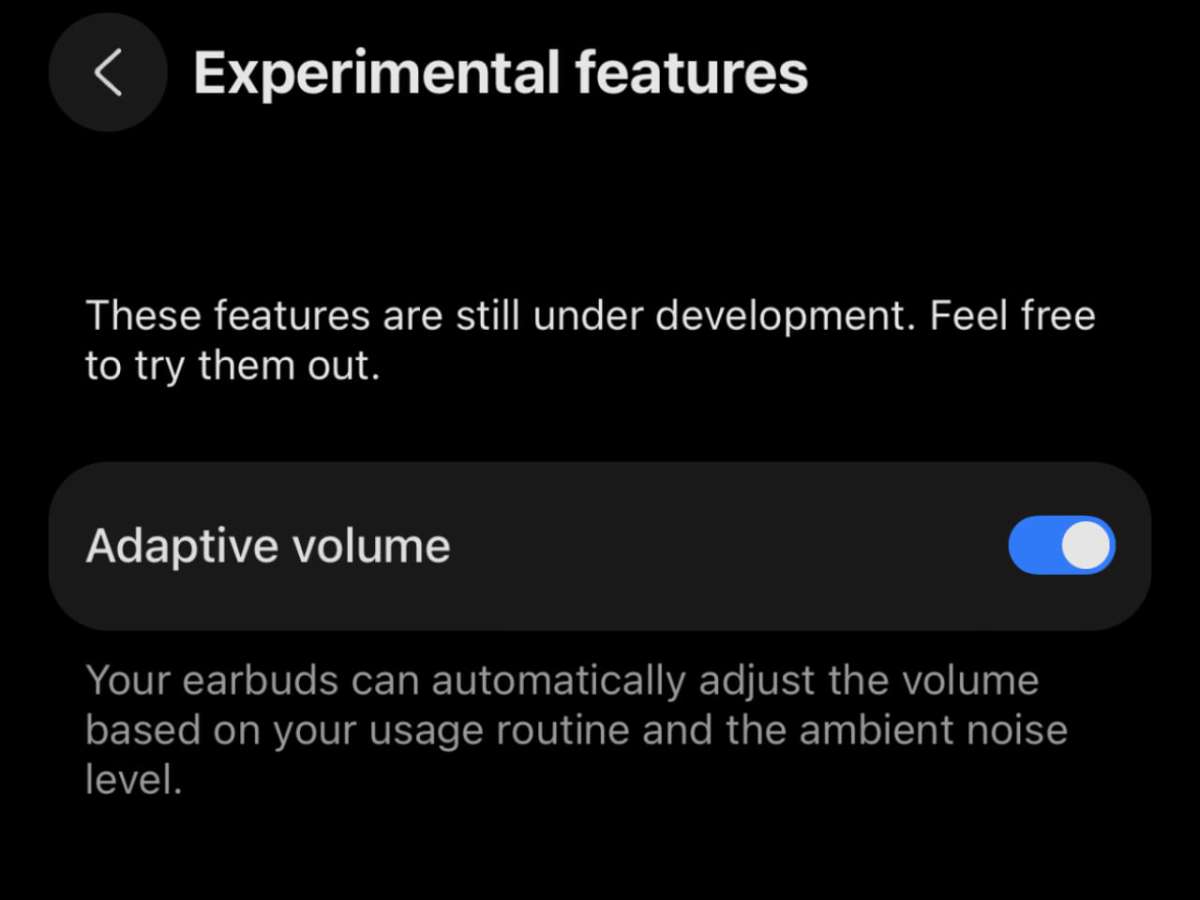
The new swipe gesture on the comfort bean changes volume without forcing awkward taps. Tap based controls respond across the ball, bridge, and bean which gives you freedom to interact without hunting for a sweet spot. Head motion controls worked reliably during calls when my hands were full. The left right auto recognition feature was equally smooth. I could swap sides and the earbuds corrected the audio channel within a moment. This detail made one ear listening feel natural because I no longer had to think about orientation.
Battery life and charging: Longer sessions with fewer stop
Huawei rates the FreeClip 2 for nine hours per charge and thirty eight hours with the case. My mixed use days landed slightly below the full claim. That difference came from higher volume levels and regular streaming. The fast charge spec held up. A ten minute top up delivered close to three hours which made a real difference during travel days. The wireless charging support was convenient because it let me drop the case onto the same pad I use for my phone. Compatibility with Huawei’s watch charger added another layer of flexibility. The earbuds kept their IP57 protection during workouts and handled sweat without complaint.
What it solved for me as a daily user
The most telling part of my testing came from the hours when I forgot I was wearing them. That has never happened with other open ear models. They always reminded me of their presence through pressure or shifting weight. The FreeClip 2 avoided both issues. I moved through my day without momentary readjustments. I drove with one ear clipped in. I cooked while taking calls. I wrapped a shoot late at night and realized the earbuds were still hanging on my ears long after I stopped listening. The redesign finally treats comfort and stability as equal priorities. The hardware respects the reality that ears vary wildly in shape and sensitivity.
Verdict: A confident step forward for open ear audio
Huawei FreeClip 2 delivers a level of refinement that shows what happens when a brand listens to actual user pain points. The new materials remove pressure. The slimmer case improves portability. The dual diaphragm driver lifts the low end without drowning the mids. Call clarity steps up to a level that makes outdoor conversations possible. The adaptive audio system lowers the friction of everyday listening. The only ongoing limitations involve the lack of active noise cancellation, the physics of an open frame, and the missing Google Play app. These limits sit beside a product that finally feels ready for real daily use.
The FreeClip 2 earns a place in my bag because it never asks for attention. The comfort holds all day. The sound profile stays balanced. The hardware behaves like something you want to wear instead of something you tolerate. Huawei took an unusual form factor and gave it the refinement it has needed for years.
Pros
- Comfort holds steady for hours and avoids the pressure spots that usually ruin open ear designs.
- Five point one gram build feels natural during movement and stays put even during quick turns or workouts.
- Dual diaphragm driver delivers fuller low frequency presence without muddying vocals or mids.
- Adaptive volume reacts smoothly as ambient noise shifts from quiet rooms to busy streets.
- Voice pickup system keeps calls clear in wind, traffic, and crowded environments.
- Convenient head gesture controls
Cons
- No active noise cancellation for moments when you want complete isolation.
- Missing app support on standard Android devices limits fine tuning for part of the audience.
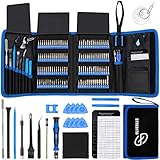
STREBITO Electronics Precision Screwdriver Sets 142-Piece with 120 Bits Magnetic Repair Tool Kit for iPhone, MacBook, Computer, Laptop, PC, Tablet, PS4, Xbox, Nintendo, Game Console
(as of March 12, 2026 10:45 GMT -05:00 - More infoProduct prices and availability are accurate as of the date/time indicated and are subject to change. Any price and availability information displayed on [relevant Amazon Site(s), as applicable] at the time of purchase will apply to the purchase of this product.)
