
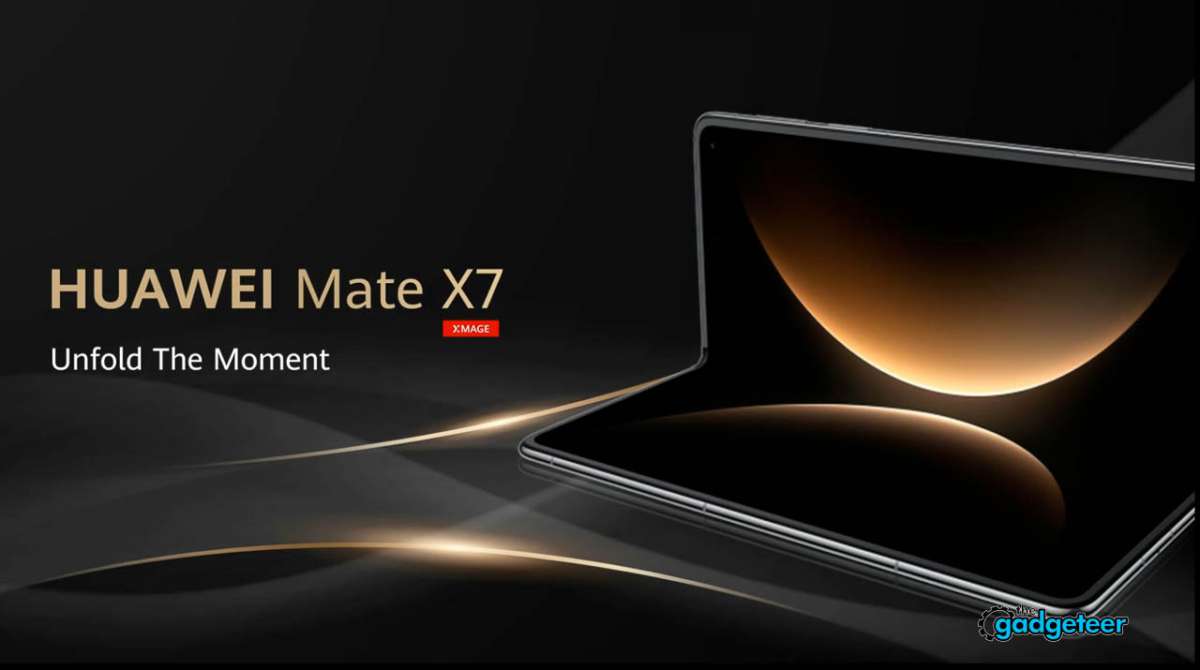
Huawei dropped the Mate X7 at their Dubai launch event today, and I need to talk about it. I sat through the virtual pre-briefing a few weeks back, watching spec after spec scroll by, and something clicked. Not the usual “oh, that’s nice” reaction you get from annual phone refreshes. More like “wait, did they actually fix the stuff I’ve been complaining about for years?” A review unit is headed my way, so real-world testing comes soon. But based on what I’ve seen so far, here are six reasons this foldable has me genuinely excited.
⬇︎ Jump to summary
Price (China): ¥12,999 to ¥17,599 (~$1,830 to $2,480)
Price (Global): €1,700 to €2,700 / $1,870 to $2,248
Where to buy: Huawei Store | Giztop | Simfonio
1. It Actually Looks Like Someone Designed It
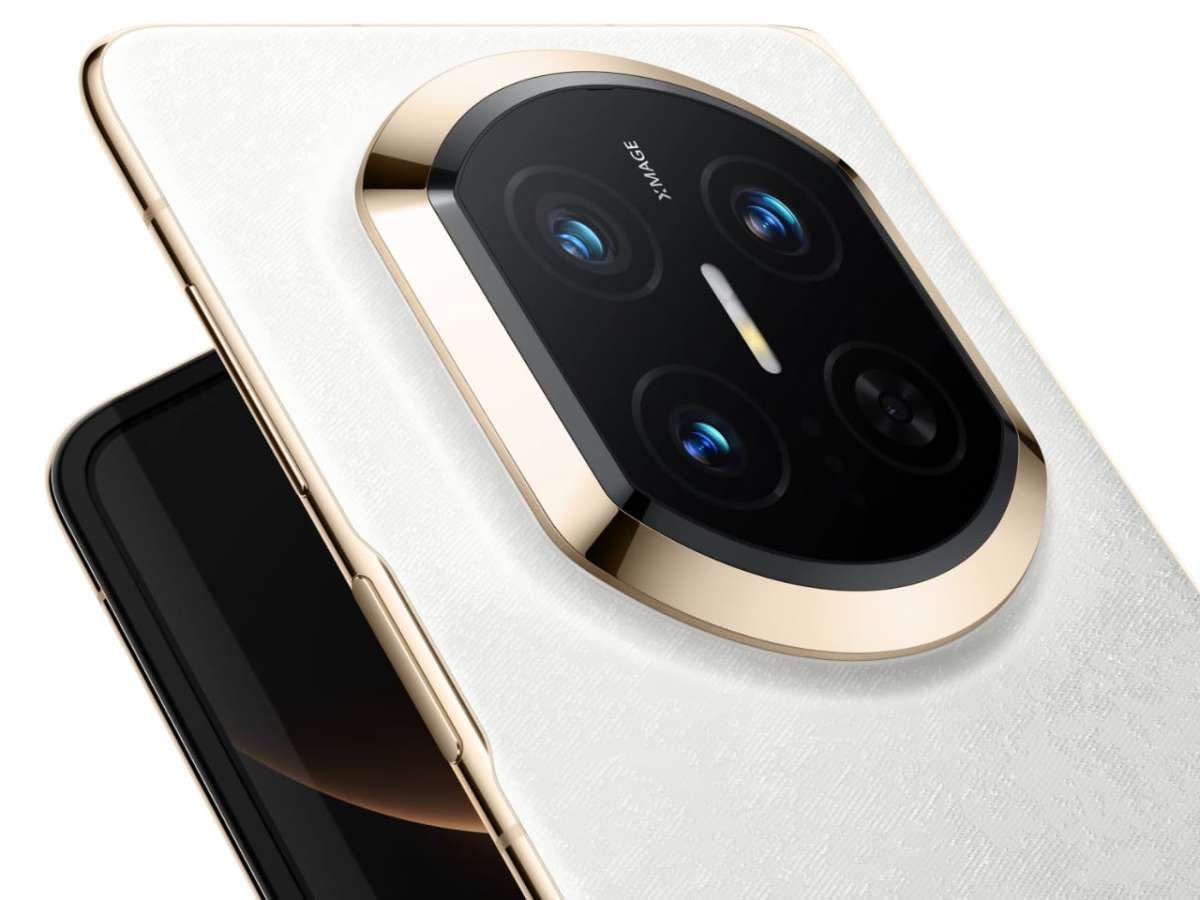
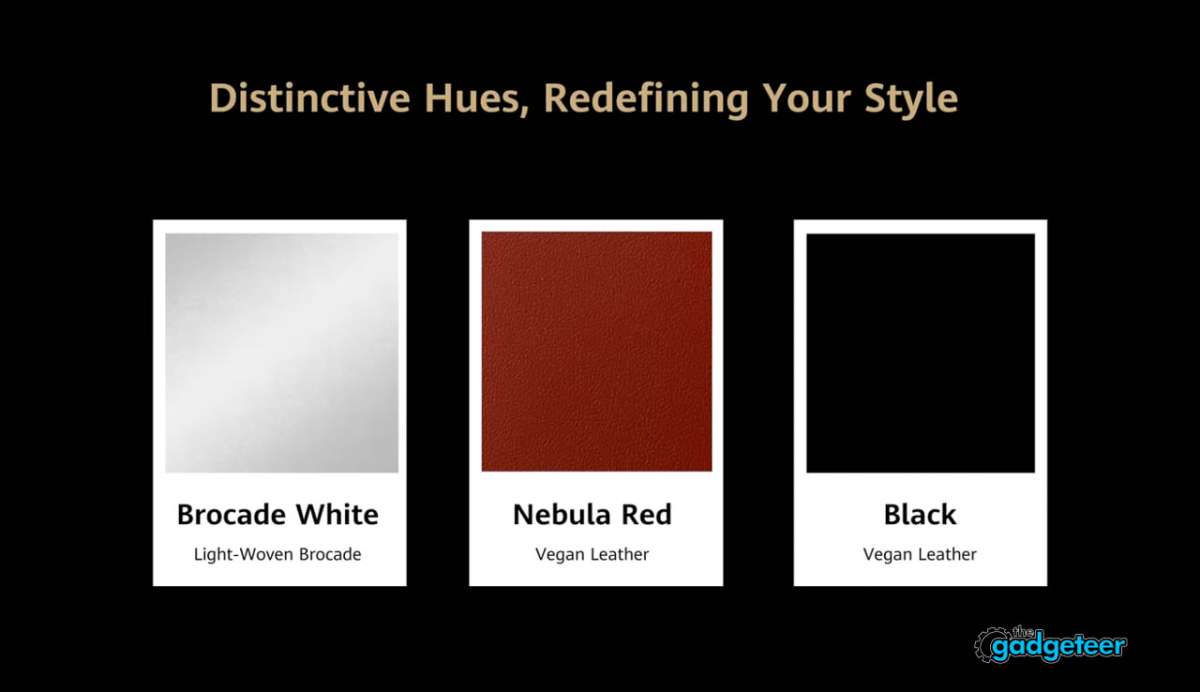
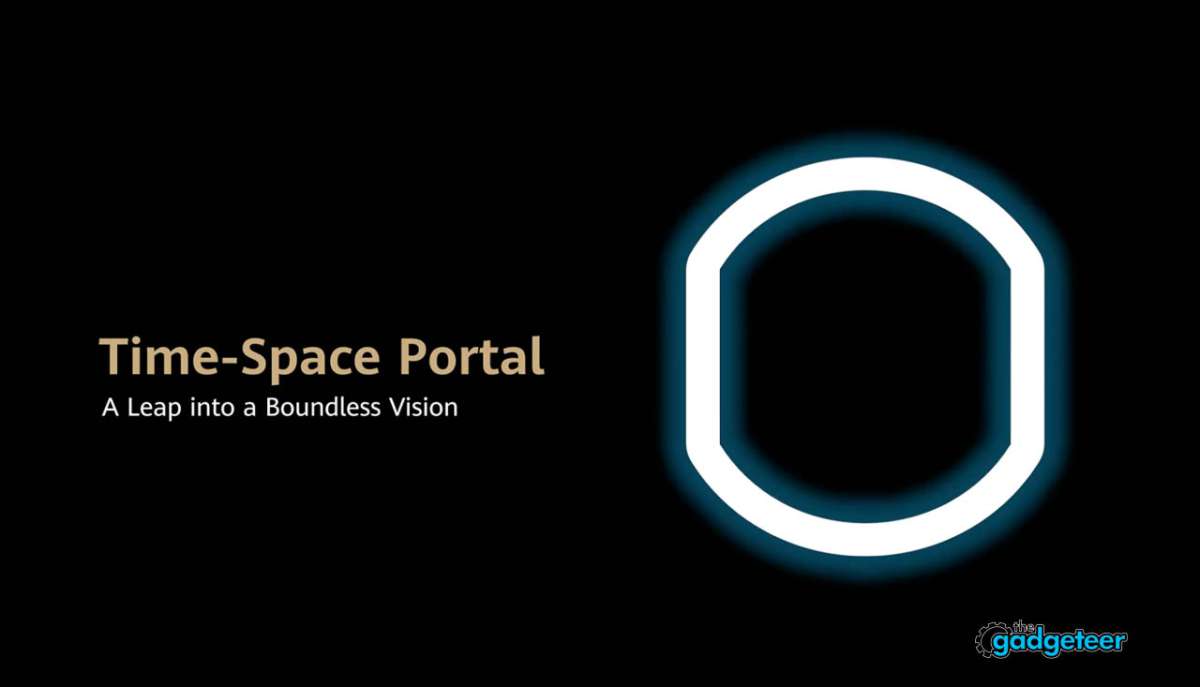
Huawei calls the new camera housing the “Time-Space Portal,” which sounds ridiculous until you see the thing. Gone is the circular camera bump every phone has copied for half a decade. Instead, you get flat edges with a distinctive finish that finally breaks from the glass-and-metal monotony. The Chinese version takes this further with a woven textile surface made from 900 to 1,700 individual threads, creating texture that shifts and catches light differently depending on how you’re holding it. That specific finish stays exclusive to China, unfortunately. Global units get standard color options without the thread-woven treatment. Still, even without the textile magic, the camera module design represents a genuine departure from the circular bumps everyone else keeps shipping.
The rest of the phone follows that same “we actually thought about this” approach. Every edge curves smoothly into your hand instead of meeting your palm at sharp angles. Folded, it measures under 10mm thick. For context, earlier foldables felt like shoving a small paperback into your pocket. Unfolded, you’re holding something 4.5mm thin, which is skinnier than most regular phones. The weight sits balanced whether it’s open or closed, so you don’t get that weird top-heavy wobble when you’re trying to use it one-handed. Huawei clearly wanted a foldable that disappears into your pocket instead of announcing itself every time you sit down. That alone sets it apart from basically everything else in the category.

Look, phones have looked the same for years now. Same glass slabs, same camera circles, same everything. This one actually made a choice about what it wanted to be. That counts.
2. Both Screens Are Actually Good
Here’s a foldable problem nobody talks about enough: the outside screen usually stinks. Brands dump all their display budget into the big inner panel and slap something mediocre on the cover. Every time you fold up your expensive foldable to check a text, you’re greeted by a noticeably worse screen. The Mate X7 says no to that whole dynamic. Both displays run at 2.4K resolution with the same 1-120Hz adaptive refresh rate. Same quality inside and out.
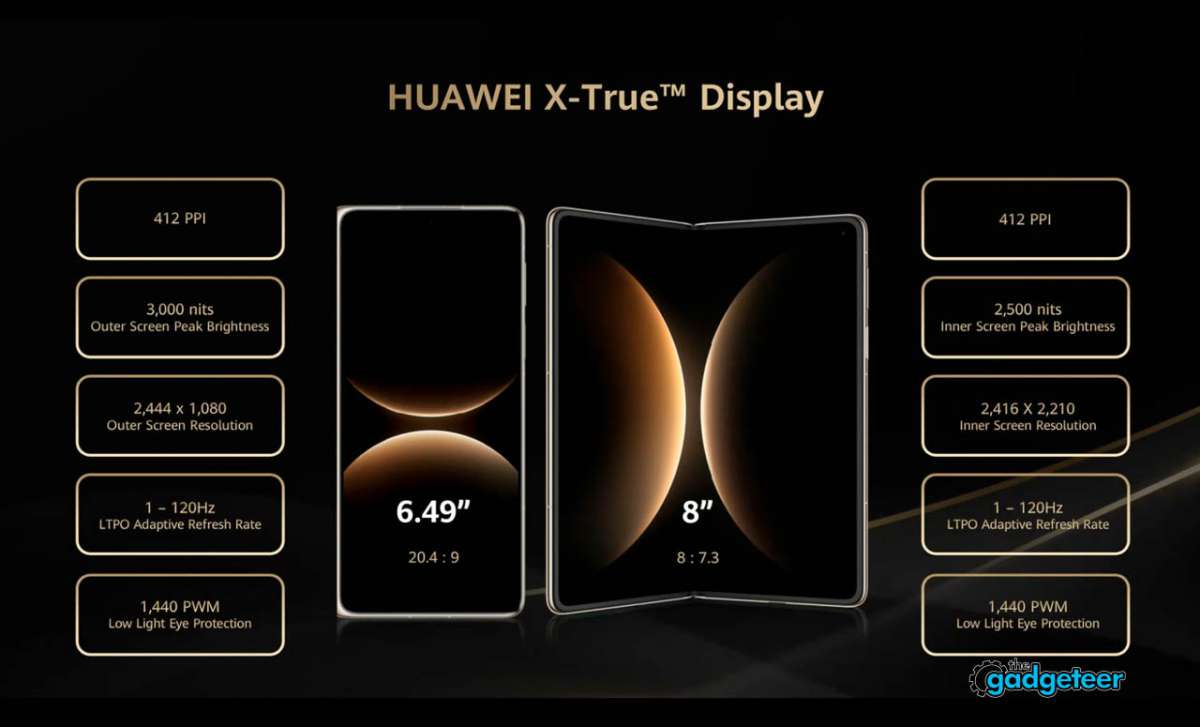
That matters way more than it sounds. You’re constantly switching between folded and unfolded throughout the day. Having consistent quality means you stop noticing the transition. No more “ugh, this screen again” moments when you close the phone. Brightness backs this up too: 3,000 nits on the outer display, 2,500 nits on the inner one. If you’ve ever tried using a foldable outside on a sunny day and watched your screen turn into a mirror, you know why those numbers matter. The Mate X6 was already decent outdoors, but this puts it in iPhone Pro Max territory. Colors match across both panels. PWM dimming runs at frequencies high enough that flicker-sensitive folks won’t get headaches. Huawei basically built two flagship screens and made them feel like one experience. For anyone who treated their foldable’s cover screen as a necessary evil, this changes the math completely.
Here’s the bigger shift happening: the outer display is becoming just as important as the inner one. Maybe more. As these devices get thinner, you spend most of your day on the cover screen. Quick texts, notifications, email triage, social scrolling. You only unfold for the heavy stuff: multitasking, gaming, document editing, anything that demands real estate. The Mate X7’s sub-10mm folded profile reinforces this pattern. It feels like a normal phone in your hand, which means you treat the outer screen like your primary screen. That 2.4K panel with 3,000 nits suddenly stops being a convenience feature and starts being your main interface. Huawei matched the quality because they understood where the usage hours actually land.
3. They Actually Thought About How People Break Phones
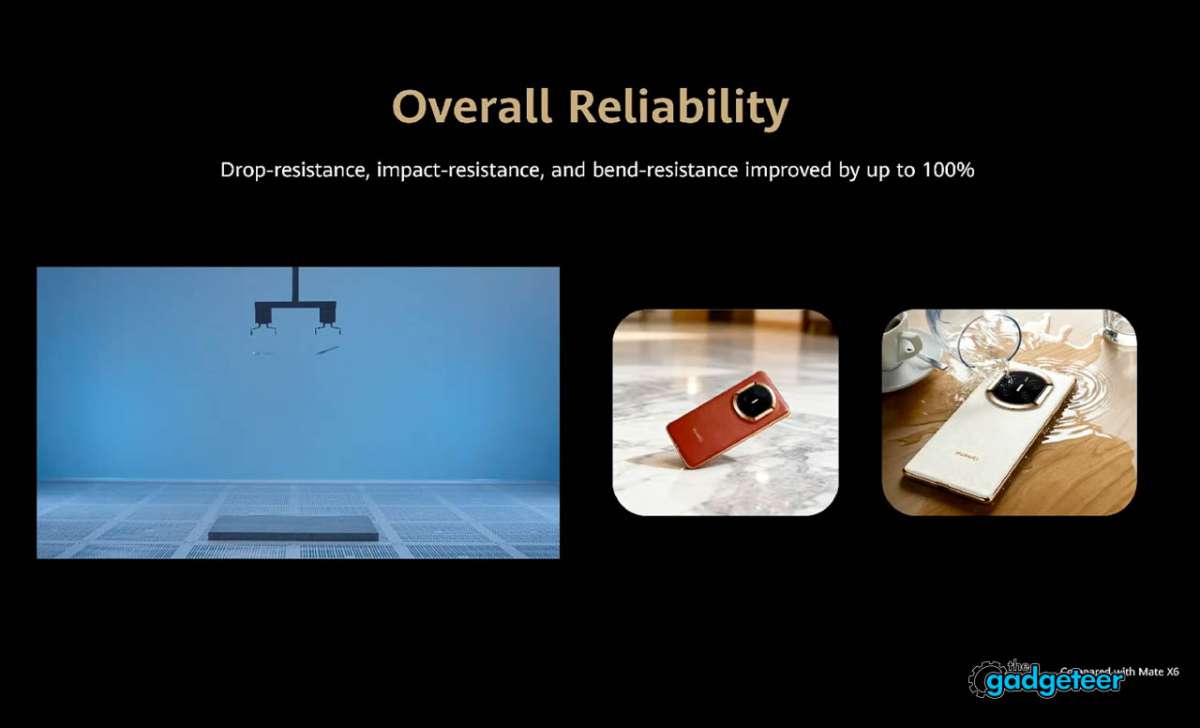
This section gets nerdy, but stick with me. Huawei claims 100% better drop and impact resistance versus the Mate X6. Those numbers sound like marketing fluff until you look at what they actually did. The outer screen gets second-generation crystal armour glass, which is harder than regular Gorilla Glass through some extra chemical treatment voodoo.
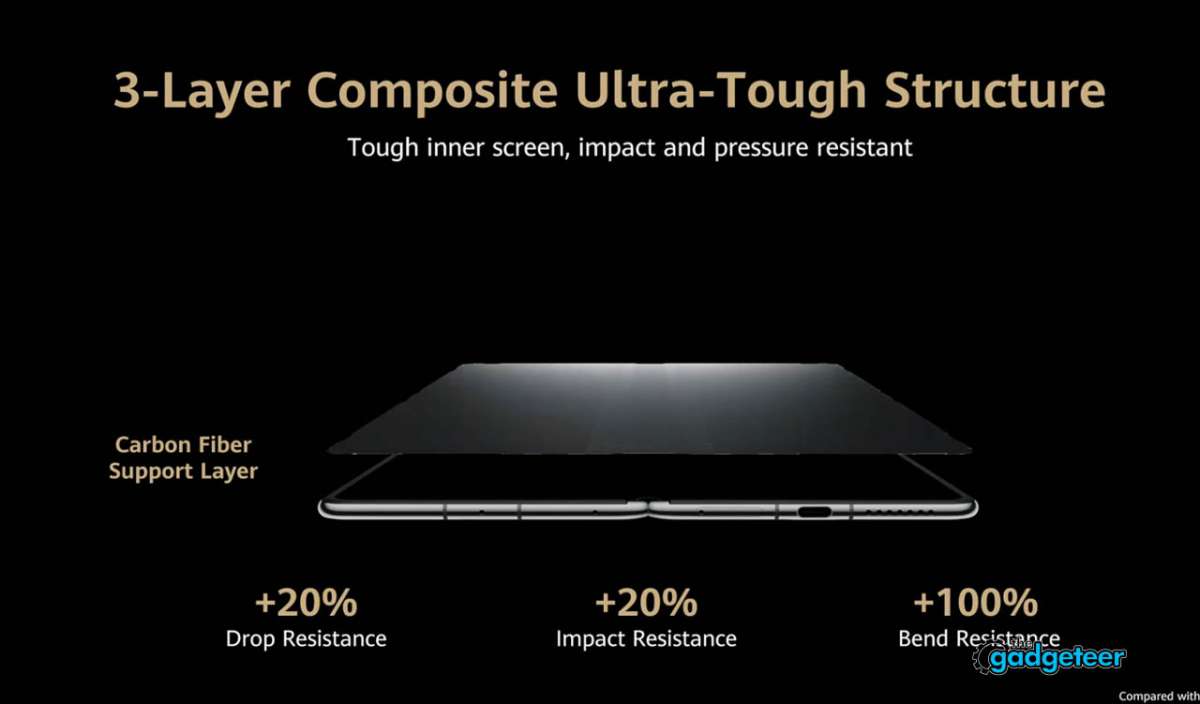
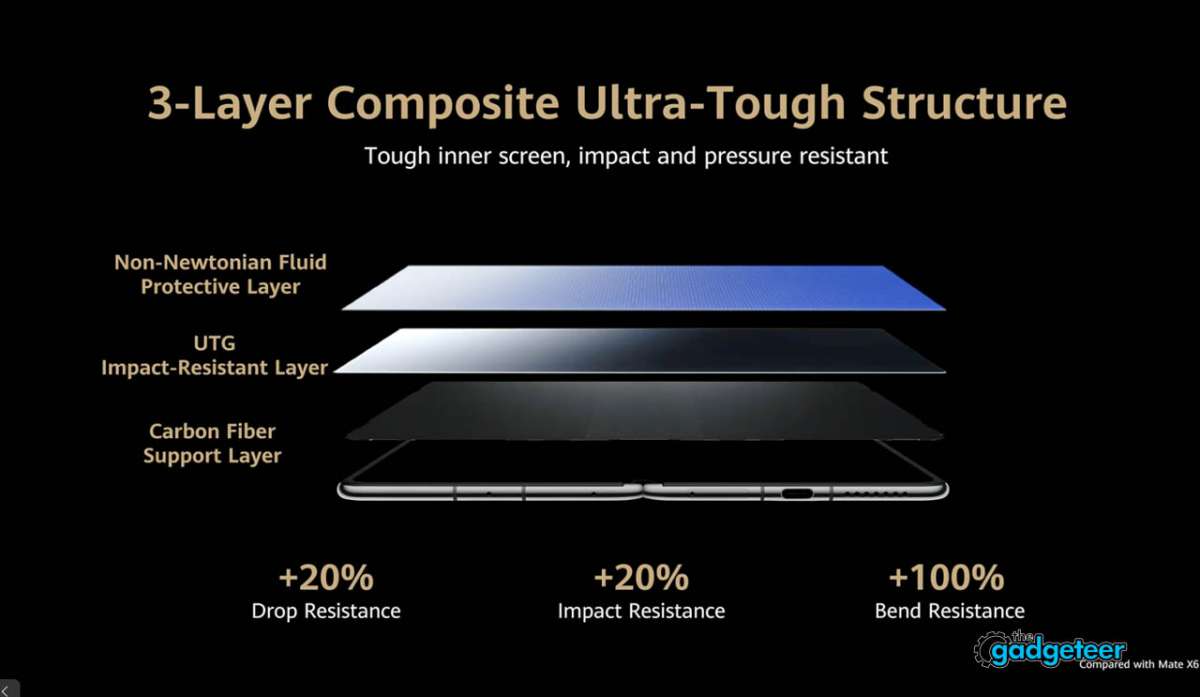
The inner display protection is where things get wild. Three layers: carbon fiber at the bottom for rigidity without weight, an impact-absorbing middle layer, and a top layer made of non-Newtonian fluid. Yeah, like oobleck. You know those videos of people running across pools of cornstarch and water? Same principle. Hit it suddenly and it hardens. Press slowly and it stays flexible. Huawei miniaturized that science and put it on a phone screen. The frame underneath distributes impact across the whole body instead of concentrating it at one crack-prone point. When you inevitably drop this thing, the force spreads out instead of finding a weak spot.
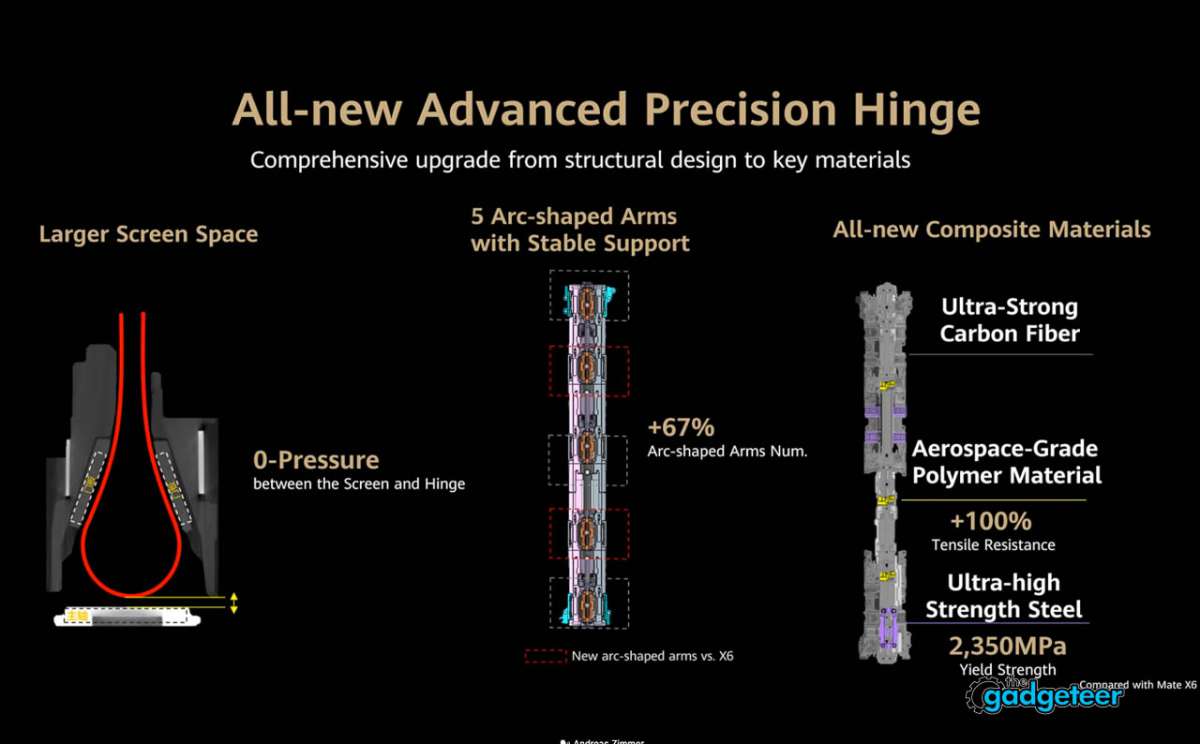 Water resistance got a bump too. IP59 when unfolded (handles hot water and pressure jets), IP8 when closed. The Mate X6 only hit IP57. And the hinge? Over 100% improvement in bend resistance, tested 25,000+ times during development. Not bulletproof, but way better than “handle with extreme care.”
4. The Cameras Don’t Suck Anymore
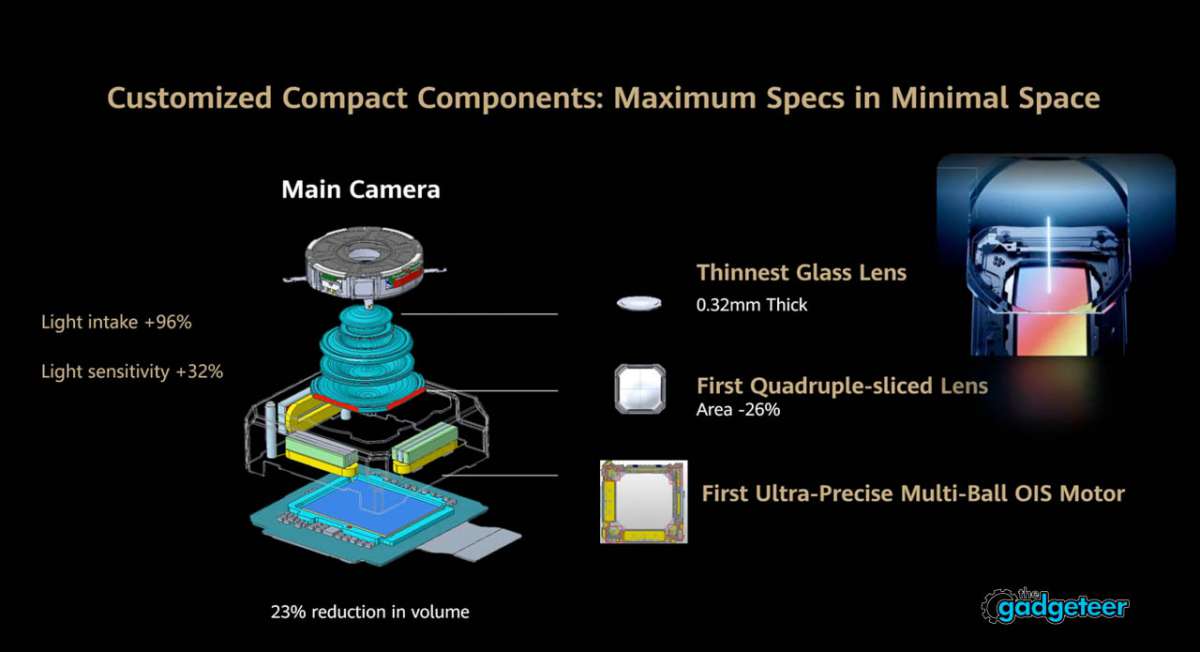
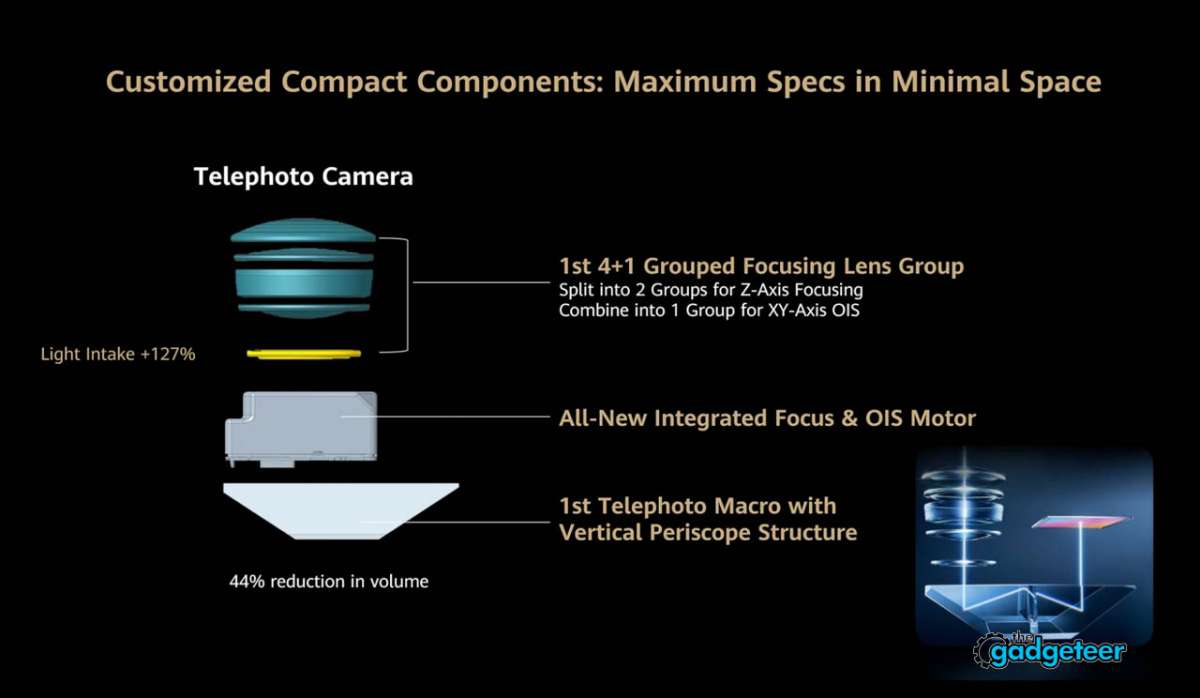
Foldables have always taken worse photos than regular flagships. Less room inside means smaller sensors and compromised optics. Huawei attacked this by shrinking components without cutting corners. The main camera matches sensors 26% larger through better optical density. The telephoto uses a vertical periscope design, a first for Huawei foldables, bouncing light up and down to save horizontal space. Module volume dropped 44% while light intake went up 127%.
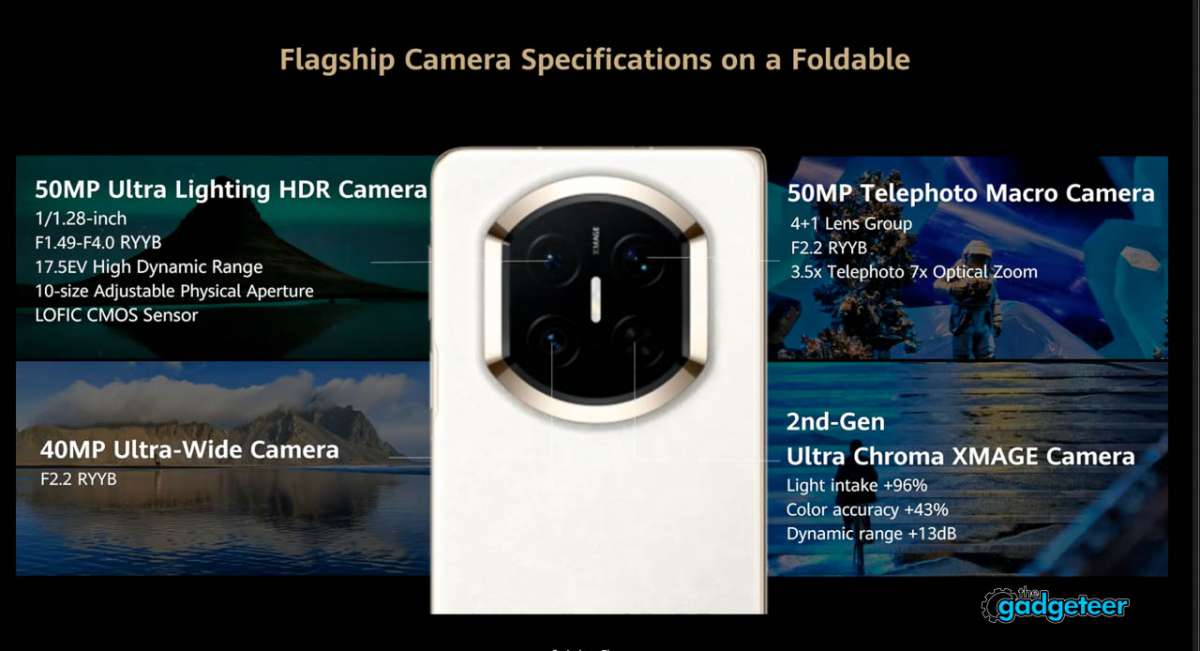
What does that mean for actual photos? A 50MP main sensor with mechanical aperture that opens to f/1.49 for dark situations and stops down for sharper daylight shots. A 50MP telephoto that handles 3.5x optical zoom and macro through that periscope trick. A 40MP ultrawide at f/2.2. Color processing got an overhaul too, calibrating output to match what your eyes actually see instead of what algorithms guess you want.
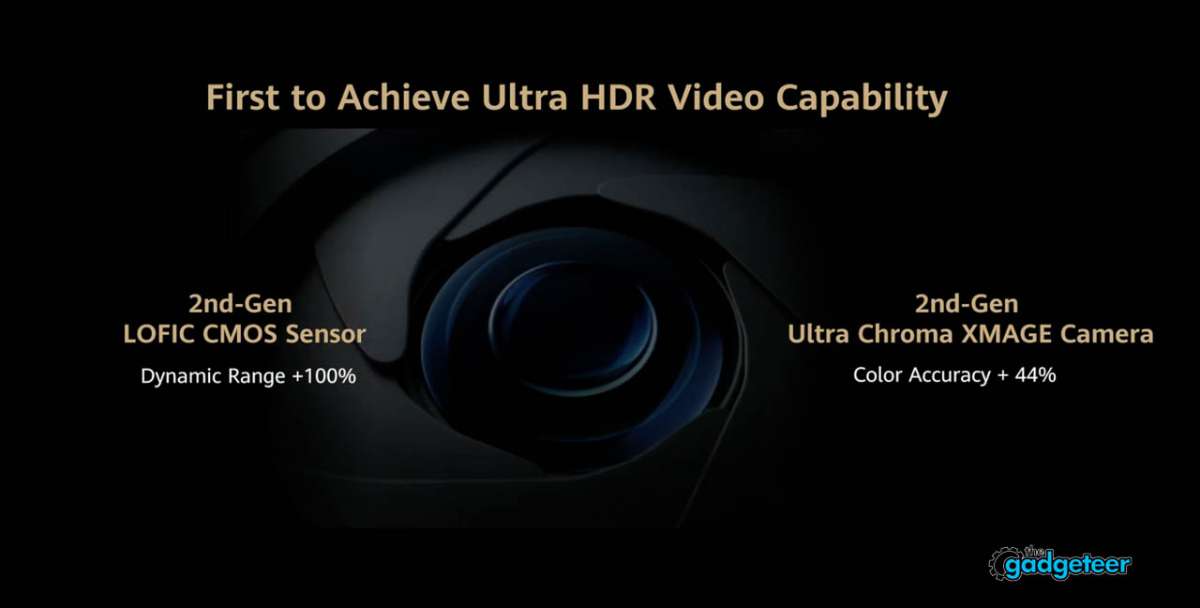
Video jumped forward with second-generation LOPIC tech. It captures multiple exposures per frame, which helps with dynamic range in motion. The briefing showed footage of planes against sunset skies with detail in both the bright parts and the shadows. Regular single-exposure would blow out the sky or crush everything dark into a blob. If you shoot a lot of video on your phone, this upgrade matters more than another megapixel bump.
5. Battery Life That Doesn’t Make You Nervous
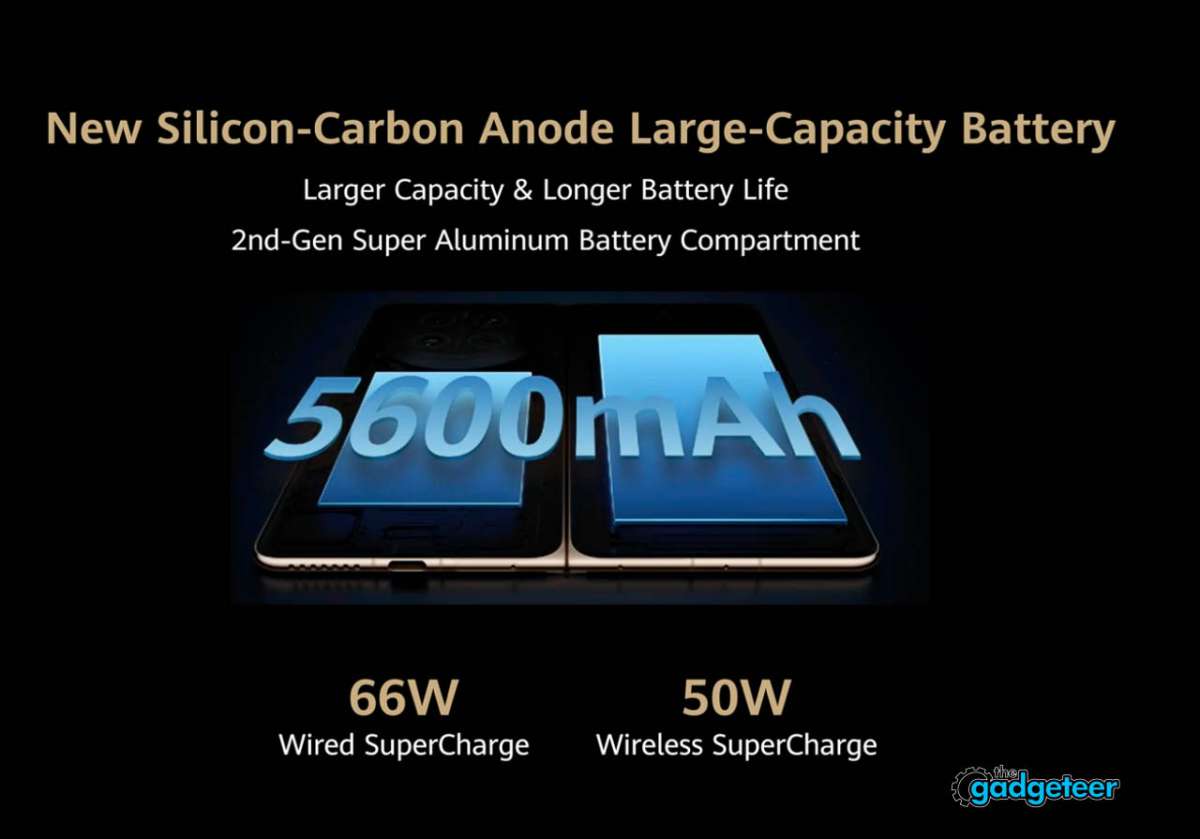
The global Mate X7 packs 5,300 mAh. China gets 5,600 mAh, but European battery regulations ate the difference. Still plenty generous for something this thin. Silicon-carbon anode tech lets them cram more capacity into less space than traditional lithium-ion allows. Charges at 66W wired or 50W wireless, which means a lunch break top-up actually gets you through dinner. No more planning your day around outlets or carrying backup chargers “just in case.”
Heat management got an 18% bigger vapor chamber to deal with foldable-specific thermal challenges. Fold the phone and you trap heat between screen layers. Unfold it and you spread components across a thin surface that doesn’t cool great either. The bigger vapor chamber pulls heat away from processors and spreads it where passive cooling can work. Games, video calls, heavy photo processing: all run longer before throttling kicks in. The phone feels less like a delicate thing you’re constantly babysitting and more like hardware that can keep up with how you actually use it.
6. It Fits Into Life Instead of Fighting It
Antenna placement finally gets the attention foldables needed from day one. That big folding body creates dead zones depending on how you hold it. Huawei spread cellular, GPS, and Wi-Fi antennas around the entire edge, positioned to keep signal regardless of grip or fold state. They specifically mentioned crowded venues like stadiums and concerts, places where connectivity usually tanks.
But the real payoff shows up in how forgettable the Mate X7 feels during normal use. Under 10mm folded with curved edges means it slides into pockets without fighting fabric. No sharp corners digging into your palm during long scrolling sessions. Weight stays balanced open or closed, killing that tippy sensation older book-style foldables had. You stop thinking “I’m using a foldable” and start thinking “I’m using a phone that happens to get bigger when I want it to.”
Previous foldables demanded you change your behavior. Charge more often. Baby the screen. Avoid tight pockets. Accept display compromises. The Mate X7 flips that script. It adjusts to you.
Specs and Pricing
| Specification | Detail |
|---|---|
| Display (Outer) | 2.4K, 3000 nits peak, 1-120Hz LTPO |
| Display (Inner) | 2.4K, 2500 nits peak, 1-120Hz LTPO |
| Thickness | <10mm folded, 4.5mm unfolded |
| Main Camera | 50MP, variable aperture up to f/1.49 |
| Telephoto | 50MP, 3.5x zoom, vertical periscope |
| Battery | 5,300 mAh (global) / 5,600 mAh (China) |
| Charging | 66W wired, 50W wireless |
| Water Resistance | IP59 (open), IP8 (closed) |
| Price (China) | ¥12,999 to ¥17,599 (~$1,830 to $2,480) |
| Price (Global) | €1,700 to €2,700 / $1,870 to $2,248 |
Price (China): ¥12,999 to ¥17,599 (~$1,830 to $2,480)
Price (Global): €1,700 to €2,700 / $1,870 to $2,248
Where to buy: Huawei Store | Giztop | Simfonio
The Mate X7 launched globally today, December 11. If Huawei delivers on what the specs promise, they’ve built something worth taking seriously. Genuine thinness, matched display quality, durability that addresses real worries, cameras that don’t apologize for the form factor. A review unit shows up shortly. Time to see if the real thing lives up to the briefing.
ESR for MagSafe Wallet with Stand, RFID Blocking with MagSafe Ring, 5 Card Holder for Phone Case, Slim Leather Magnetic Wallet for iPhone 17/16/15/14/13/12 Series(Not for Mini), Selected Samsung,Black
11% Off
