

TV prices don’t stay low forever. The window between Prime Day and back-to-school is one of the best times to buy, because retailers are still moving post-event inventory before demand picks back up in August. Once school shopping season hits, these same models start climbing back toward their regular price points.
These five deals are priced at their current floor, and they cover a real range: a budget bedroom set, a 4K living room baseline, and a Mini LED upgrade that won’t look this cheap again. Waiting for a better number probably won’t pay off, since none of these prices are likely to drop further before restocking. If one of these matches your room size and budget, this is the window to buy.
Who Should Skip This List
If your current TV works and it’s under three years old, none of these deals change the math. If you’re shopping for OLED or true 120Hz for competitive PC gaming, this isn’t your list. And if you’re buying for a dedicated home theater room, these picks will fall short. This list is for people who need a real upgrade without paying flagship prices before back-to-school stock tightens.
The Budget Starter: Toshiba 40-Inch V35 Fire TV
At $120, this is a 1080p Fire TV with Alexa built in. It’s not 4K and it’s not trying to be. What it is: a complete smart TV platform for a bedroom, dorm, or kitchen at a price that’s hard to argue with. The price hasn’t moved since Prime Day, and it won’t drop further before August.
Who should skip it: Anyone putting this in a living room where people actually gather to watch movies. The 1080p resolution and average viewing angles don’t hold up at that distance.
What cheaper alternatives miss: Sub-$80 sets from off-brand names skip the Fire TV platform entirely and ship with software that stops receiving updates within a year. The V35 gets consistent Fire TV updates and has Alexa voice control that actually works.
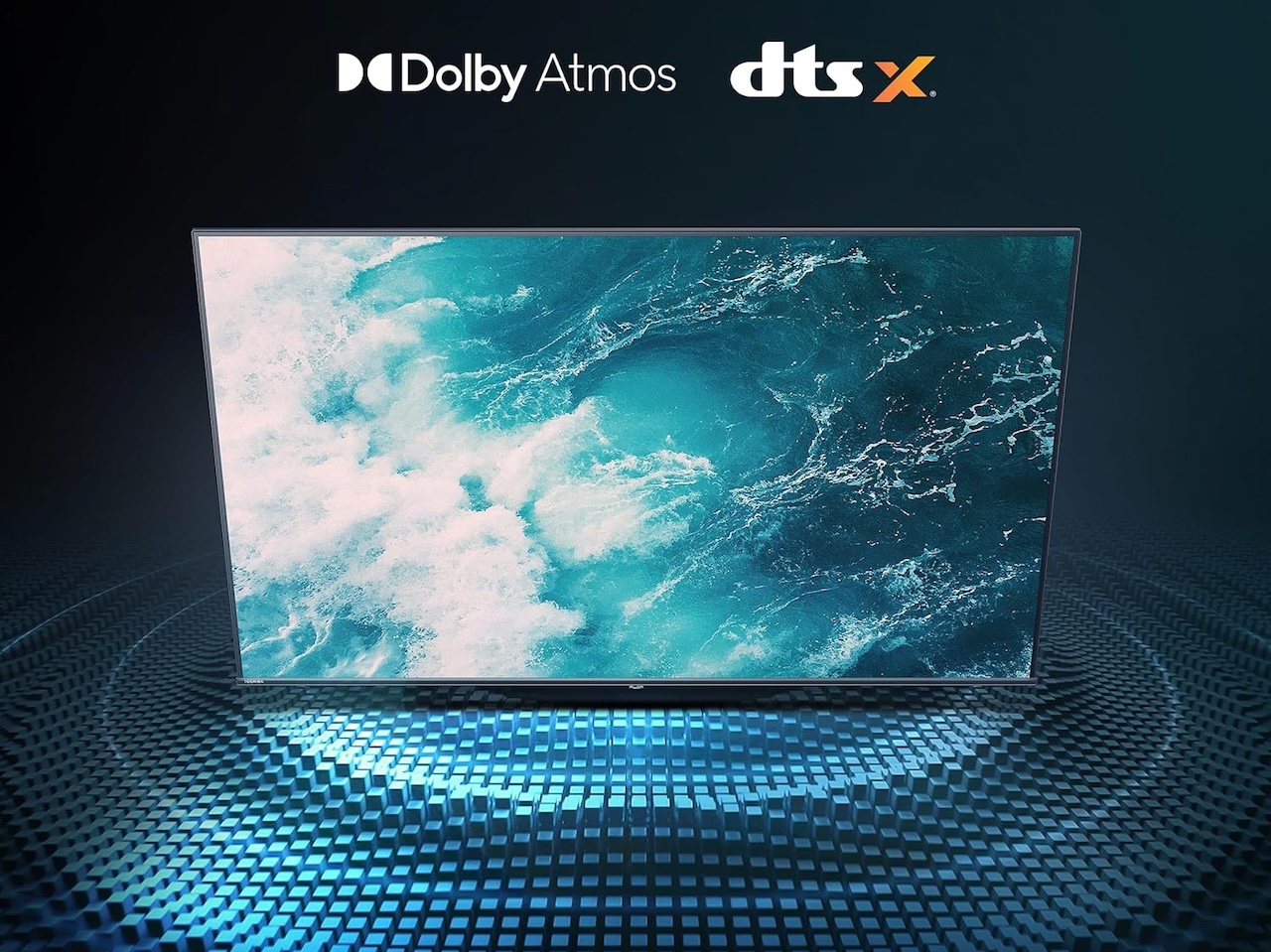
❗Toshiba 40-Inch V35 Fire TV
Price: $119.99
Where to Buy: Amazon
The 4K Floor: Insignia 43-Inch F50 Series
This is the minimum spec for a living room TV in 2026, and at $150 it’s also the safest pick for secondary spaces. The Fire TV interface is fast, Alexa voice control works, and consistent demand has kept the price competitive. It won’t drop much lower before restocking.
Who should skip it: Anyone who watches a lot of dark-scene content or movies in a dim room. The contrast doesn’t impress, and you’ll notice flat blacks on anything cinematic.
What cheaper alternatives miss: The Insignia F50’s 4.7-star rating is a reliable signal. Budget 4K sets under $130 usually have worse upscaling engines and Fire TV interfaces that feel sluggish within two years.
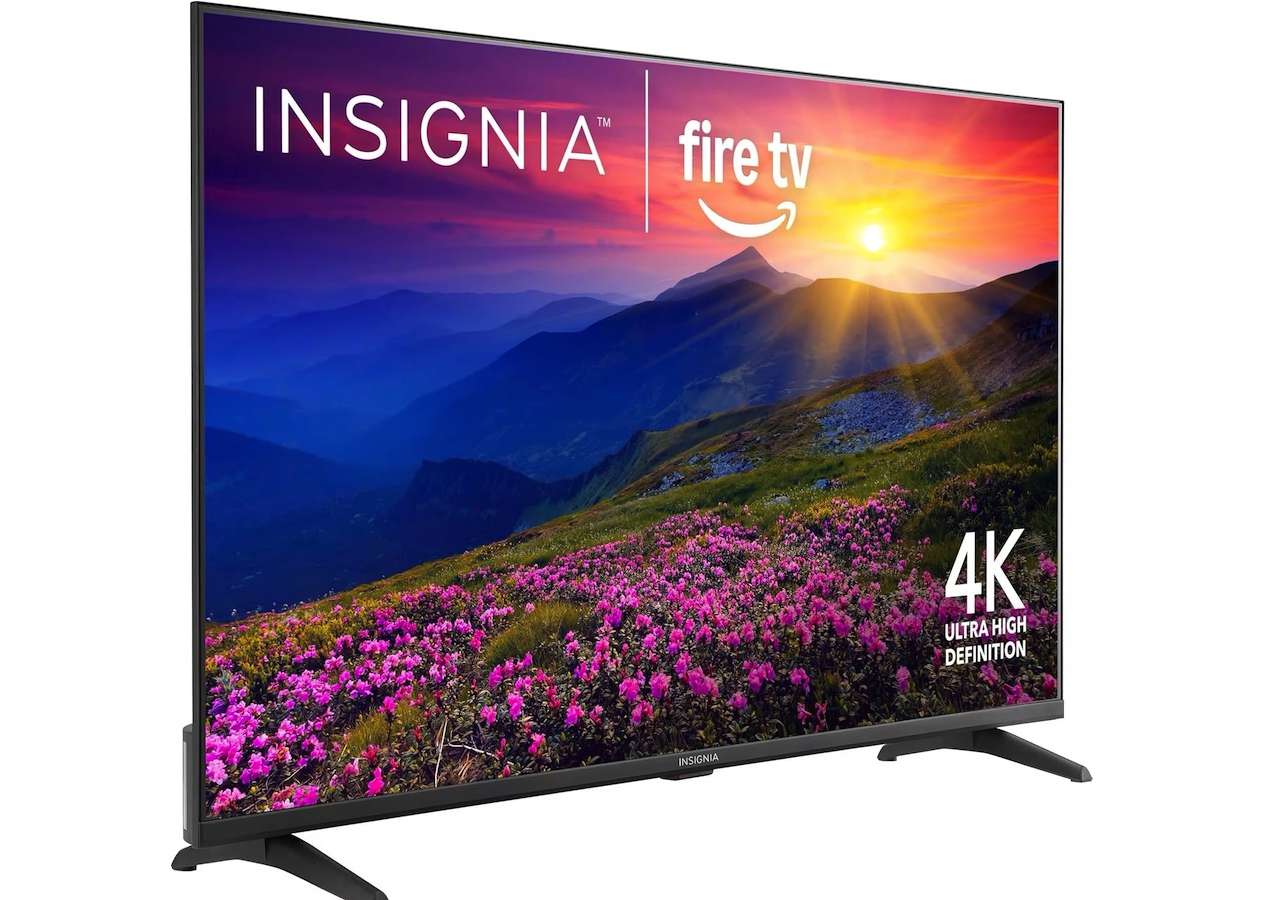
❗Insignia 43-Inch F50 4K Fire TV
Price: $149.99
Where to Buy: Amazon
The Mid-Range Value Pick: Hisense 43-Inch E6 QLED
The E6 Cinema Series uses QLED (quantum dot) technology for better color and contrast than standard LED, and it includes Dolby Vision and Atmos support at $230. That’s about $80 more than a basic 4K set, and the picture difference shows up immediately on HDR content. This is the price-to-picture sweet spot in the current market.
Who should skip it: Anyone expecting OLED-level black levels. The E6 shows some blooming around bright objects in dark scenes, which is a real limitation for movie rooms. It’s also not worth the upgrade if you’re already running a 2023 or newer mid-range TV.
What cheaper alternatives miss: The QLED panel and Dolby Vision support in the E6 aren’t available at this price from competing brands right now. Standard LED 4K sets at $150 to $180 can’t replicate the color volume, and that gap shows on streaming content.

❗Hisense 43-Inch E6 QLED 4K Fire TV
Price: $229.99
Where to Buy: Amazon
The Samsung Upgrade: 43-Inch U8000H
Samsung’s Crystal UHD line is the right call if you’re already in the Samsung ecosystem or you want a brand name that holds resale value. The U8000H includes Vision AI processing for 2026, Tizen smart platform, and Alexa built in. At $236, it costs about $6 more than the Hisense E6 and delivers a different value: Samsung integration, better long-term software support, and upscaling that handles non-4K content well.
Who should skip it: Anyone who doesn’t care about Samsung device integration. If you’re not already running a Galaxy phone or Samsung soundbar, the small premium over the Hisense E6 doesn’t buy you a better picture. It buys you an ecosystem.
What cheaper alternatives miss: Samsung’s Tizen platform gets longer software update cycles than most competing smart TV operating systems. If you’re buying a TV you plan to keep for five or more years, that matters more than the spec sheet.
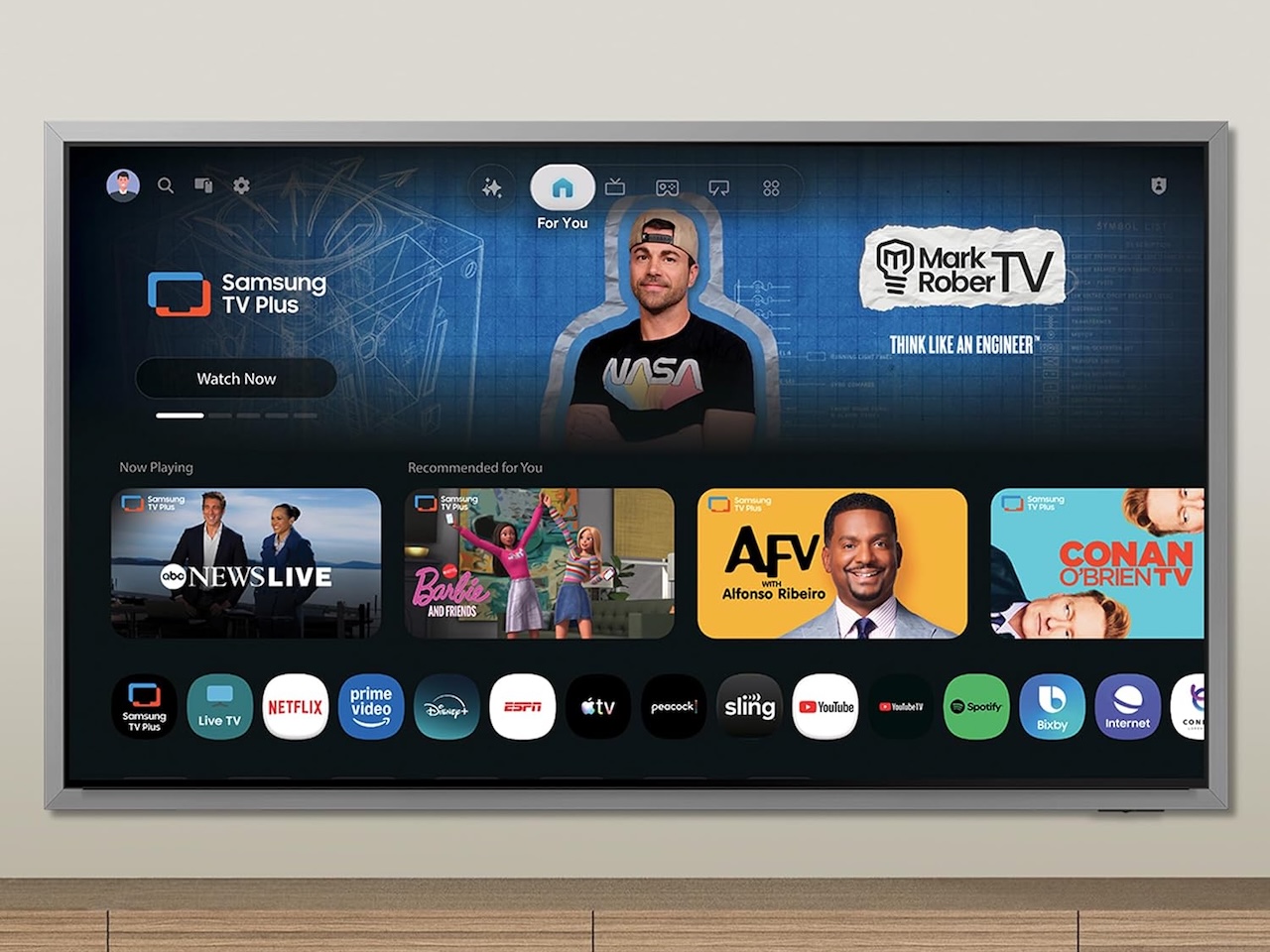
❗Samsung 43-Inch U8000H 4K Smart TV
Price: $235.59
Where to Buy: Amazon
The Real Deal: Samsung 55-Inch M70H Mini LED
This is the one deal in this list that won’t look like a deal by next Black Friday. Mini LED backlighting at 55 inches for $327 is the kind of pricing that shows up once and disappears. Samsung lists this panel at $448, and the deal brings it down 27%. More than 3,000 units sold on Amazon last month.
The M70H includes Motion Xcelerator for smoother motion handling and Vision AI processing. For a living room TV that handles streaming, sports, and casual gaming without a weak point, it’s the no-regret pick at this price.
Who should skip it: Competitive PC gamers who need true native 120Hz. The M70H uses Motion Xcelerator to simulate 120Hz rather than deliver it natively. It’s not a replacement for a dedicated gaming monitor.
What cheaper alternatives miss: Mini LED backlighting is a genuine upgrade over standard LED at this size. A 55-inch standard LED TV at this price can’t match the contrast or local dimming performance of the M70H. You’re not paying a brand tax here. You’re paying for the technology.
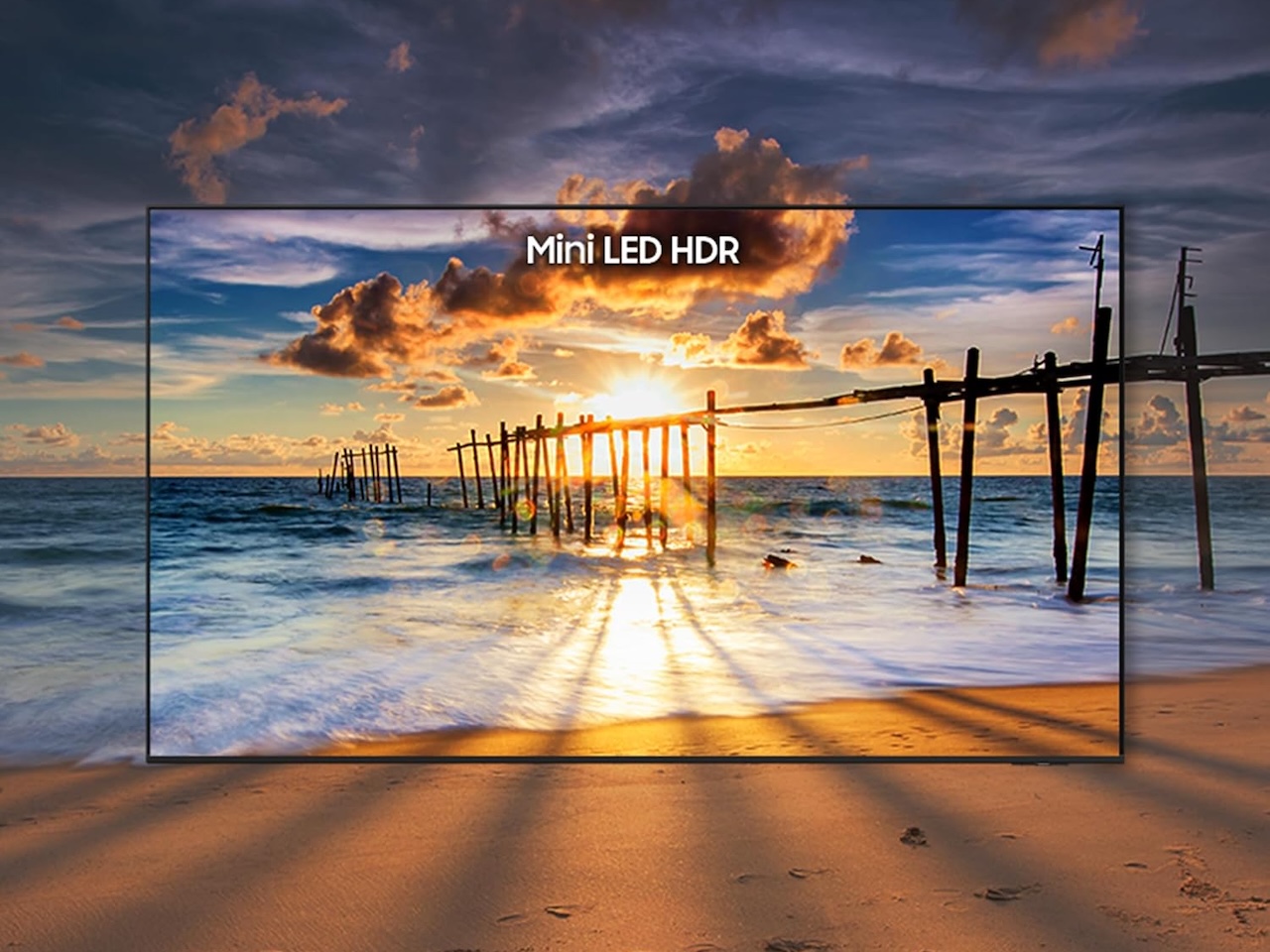
❗Samsung 55-Inch M70H Mini LED
Price: $327.28
Where to Buy: Amazon
The Buy Now Case
The Hisense E6 QLED at $230 is the best picture-per-dollar pick for a medium-sized room, and it’s at its floor price right now. The Samsung M70H at $327 is the no-regret pick for a living room where you want Mini LED quality that holds up for years. The Insignia F50 at $150 is the safe call for bedrooms and secondary spaces.
Back-to-school restocking starts pushing TV prices back up in mid-August. If any of these match your room size and budget, the timing argument for waiting is gone.



Gadgeteer Comment Policy - Please read before commenting
Great article! We spend a ton of time in our garage watching live sports and streaming shows and movies. I’ve been looking at 43″ TV’s and from this article it looks like the Hisense or Samsung U8000H would be my best bet. I’m currently using 2 27″ 1440p monitors which is nice for watching multiple sports at once, but a little small for watching shows or movies. The one thing I’m a little concerned about with the Hisense is reliablity. I love my TCL TV’s and I wish they made a 43″.