The iPhone 17 has been on the market less than a year, but the supply chain has already moved on. Over the past two weeks, a steady drip of leaks has sketched out Apple’s 2026 lineup in unusual detail, and the picture is messier than any single-year roadmap we’ve seen in a while. Under-display Face ID, a shrunken Dynamic Island, a variable-aperture main camera, a delayed standard model, and a still-mysterious foldable iPhone Ultra are all in play. With production validation testing reportedly already underway for the Pro models, here’s what the most credible rumors actually suggest.
Under-display Face ID on the Pro models
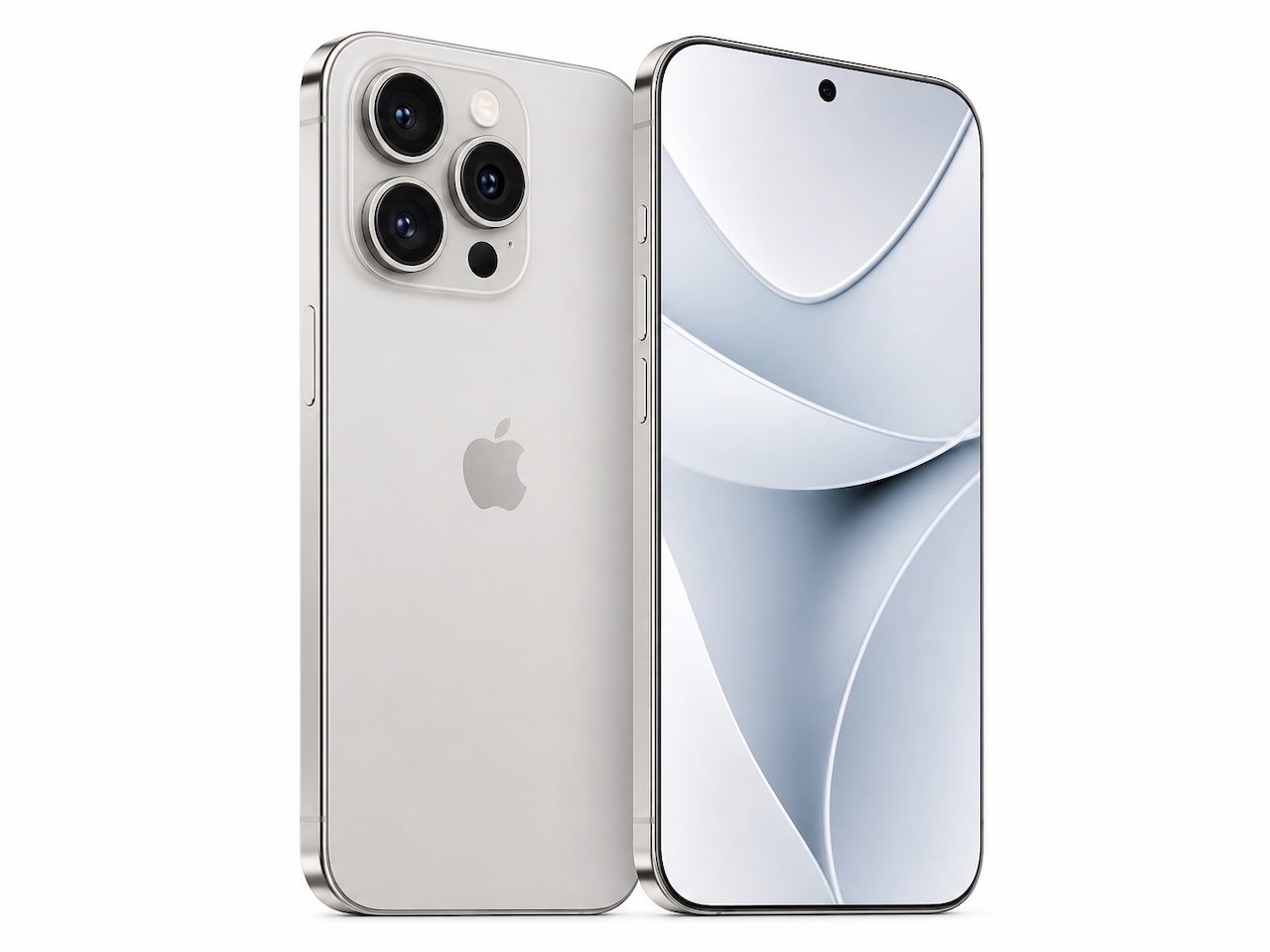
The headline claim, sourced from multiple Asian supply-chain reports, is that the iPhone 18 Pro and Pro Max will hide the Face ID sensor stack beneath the display. If accurate, that would shrink the Dynamic Island into a single pinhole cutout for the front camera, a design Apple has been telegraphing for years.
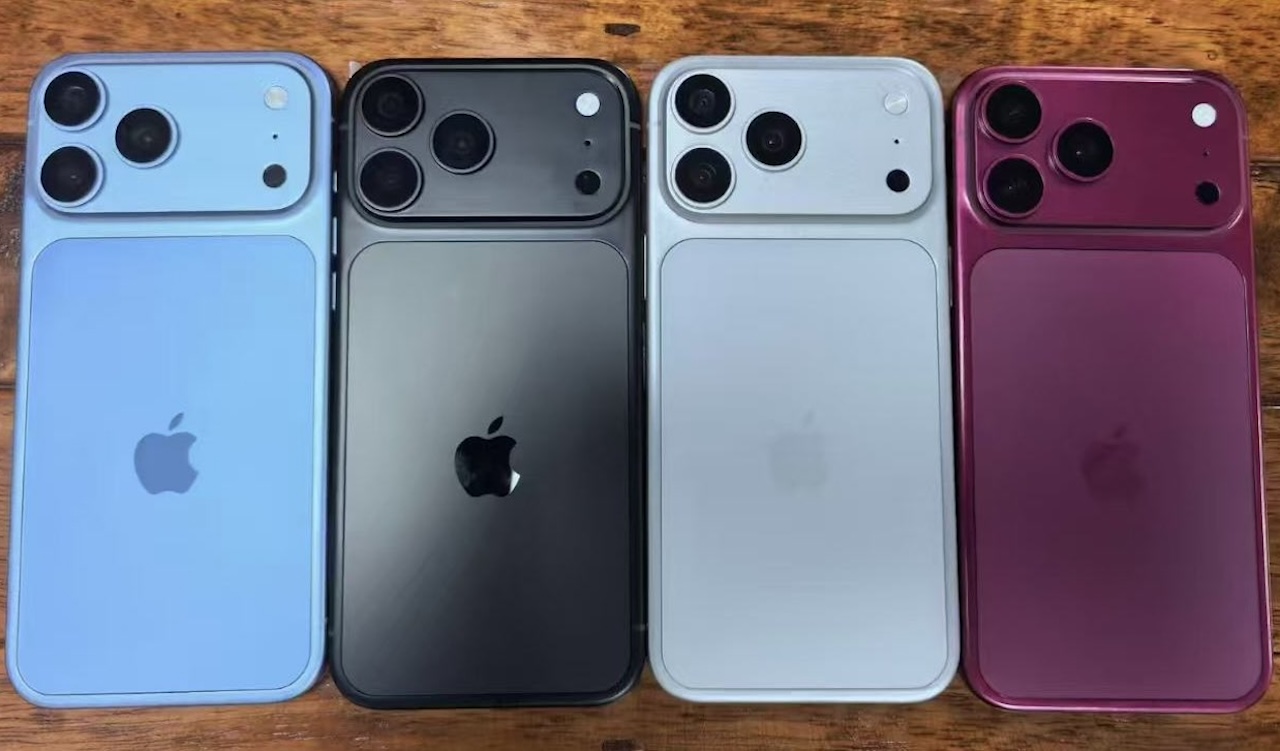
The technical hurdle has always been transmitting IR dot projection and reading depth data through OLED pixels without degrading recognition speed. Leakers say Apple has finally cleared that bar, but expect the front camera itself to remain visible until at least 2027. For the wider picture on Pro hardware, including the four-color dummy-model leak and the 2nm A20 Pro chip, see iPhone 18 Pro Max Dummy Models Leak: Here’s What to Expect Before September.
A variable-aperture main camera
The second Pro-only upgrade is a mechanical variable aperture on the main camera, similar to what Huawei and Samsung have shipped on their flagships. Instead of the current fixed f/1.78, the lens would step through a wider, adjustable range, letting users control depth of field directly rather than faking it in software.
For Apple, that’s a meaningful photography story: shallower portraits without Portrait Mode artifacts, sharper landscapes when stopped down, and better long-exposure control. It’s also the kind of hardware feature that’s genuinely hard for Android competitors to copy quickly.
 The standard iPhone 18 gets downgraded and delayed
Here’s where the rumor mill gets more uncomfortable. Several leakers claim the standard iPhone 18 will skip September entirely, shifting to a spring 2027 launch alongside the rumored iPhone 18e. The reasoning, according to supply-chain analysts, is twofold: Apple wants to stagger production to ease component pressure, and it wants to reserve the fall stage for the Pro models and the foldable.
To make the gap less painful, the standard iPhone 18 is reportedly being recast closer to the budget iPhone 18e in look and positioning, even as several individual specs actually move up from the iPhone 17: 12GB of RAM, a 24MP front camera, and a brighter display are all on the table per current supply-chain reporting. The widening gulf between Pro and non-Pro looks more like feature gating and design language than a raw-spec regression. For the full case behind the delayed base model, see No Base iPhone 18 This September, Per New Leaks.
The foldable iPhone Ultra question
Looming over all of this is the iPhone Ultra, Apple’s long-rumored book-style foldable. Recent reports peg it for a September 2026 debut alongside the Pro models, with a roughly 7.8-inch inner display, a crease-minimizing OLED panel supplied by Samsung Display, and a price tag north of $2,000. It would slot above the Pro Max as a true halo product, not a mainstream device. The catch: foldables have a history of slipping, and Apple has reportedly pushed this one back at least once already.
Treat the September window as aspirational until display panel orders are confirmed. More on the foldable’s specs, $2,000+ price band, and the August mass-production slip in The iPhone Fold Is Real and It’ll Cost More Than $2,000.
Why production validation timing matters
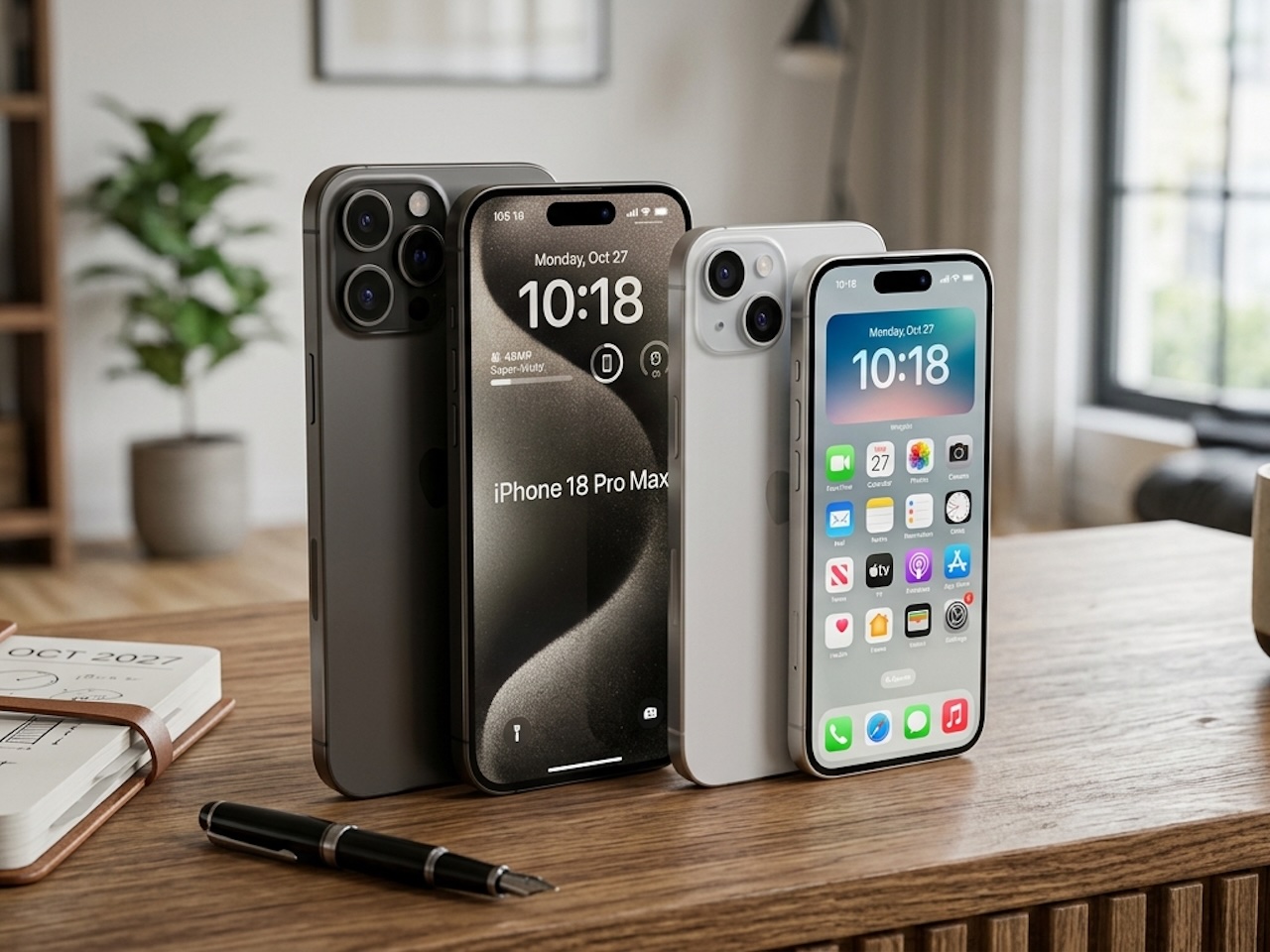
The iPhone 18 release date hinges on Apple’s late-stage testing, where it builds near-final prototypes on real tooling and stress-tests them at volume. Reports indicate the iPhone 18 Pro has already advanced into production validation testing, the phase that follows engineering validation, which keeps the iPhone 18 release date on track for September 2026. Any slip past July would be the first real signal of delay; so far, no credible source is reporting that. The standard iPhone 18, by contrast, is reportedly still at an earlier validation stage, which lines up with the spring 2027 timeline.
Where the rumors contradict each other
Not every leak agrees. A handful of outlets still treat the standard iPhone 18 as a September launch with only minor spec cuts, contradicting the broader “delayed and downgraded” narrative. And the foldable’s price has been quoted anywhere from $1,800 to $2,500 depending on who’s talking.
The rule of thumb: trust supply-chain reports that cite specific component orders (display panels, camera modules, chip yields) over single-sourced design claims. Analysts with verifiable track records on previous iPhones, such as Kuo, Pu, and the DigiTimes desk, carry more weight than anonymous Weibo posters, even when the latter occasionally land a scoop.
What to watch next
The next inflection point is mid-summer, when mass production tooling for the Pro models should be finalized. If under-display Face ID is real, it will show up in panel supplier filings before it shows up in renders. If the standard iPhone 18 is genuinely delayed, expect Apple’s fall event invitation, likely landing in late August, to quietly omit it. And if the foldable is on track, expect a wave of “first hands-on” leaks from Foxconn lines in July or August.



For now, the safest read is this: the Pro models look like the most ambitious iPhone hardware refresh since the iPhone X, the standard model is in limbo, and the foldable is the wild card that could either define 2026 or quietly slip into 2027.