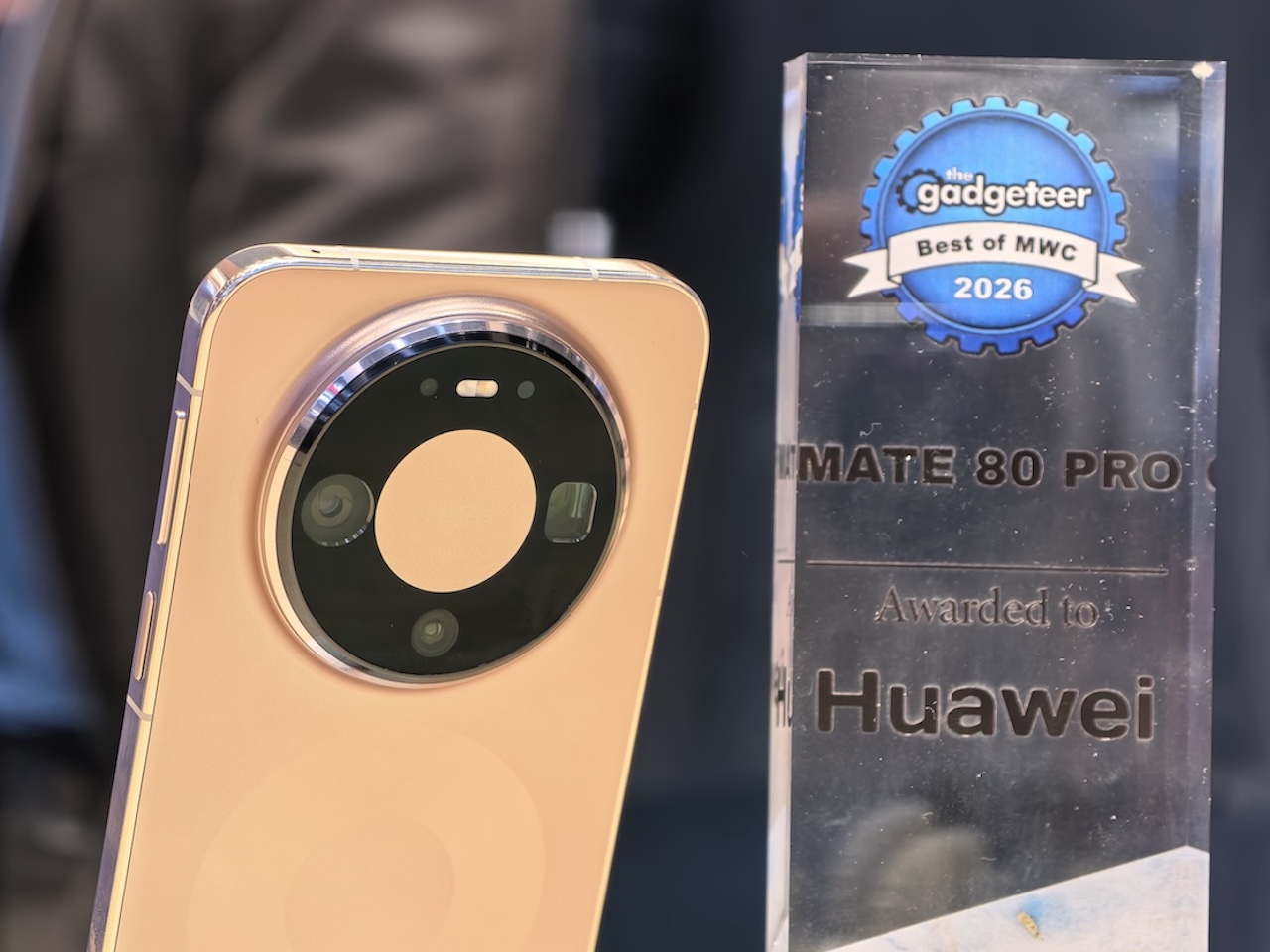
Huawei picked MWC 2026 to bring the Mate 80 series to a global stage, and the Pro Max sits at the top of a four-phone lineup that includes the standard Mate 80, Mate 80 Pro, and RS Ultimate Design. While the global event centered on the Mate 80 Pro, it’s the Pro Max pulling the most attention. Originally released in China on November 25, 2025, this phone stacks Huawei’s most aggressive display, camera, and battery specs into one device. If you’re tracking what Huawei can build under current trade restrictions, this is the clearest answer yet. The ambition is hard to ignore.
Price: From $1,100
Where to Buy: Huawei
Peak brightness hits 8,000 nits, the battery sits at 6,000 mAh with 100W wired and 80W wireless charging, and two of the four rear cameras are periscope telephoto units. These aren’t incremental spec bumps. Huawei is pushing a genuine brightness record while pairing it with a camera configuration and battery stack that no other phone matches in combination, all inside a phone that weighs 239 grams and stays manageable for its screen size.
What makes these numbers interesting isn’t any single figure on its own. It’s how they all land in the same device, with weight and thermal tradeoffs that look reasonable on paper. Most flagships in 2026 land between 2,000 and 4,500 nits for display brightness, with a few outliers like the Realme GT 8 Pro claiming 7,000 nits, and almost none carry dual periscope cameras.
Huawei isn’t matching the spec race here. It’s trying to pull ahead in ways that are visible the moment you turn the screen on or zoom into a distant subject. The catch is availability. Huawei hasn’t confirmed a global release for the Pro Max, which means buyers outside China currently face import pricing and limited retail options.
8,000 nits and what that actually means
The Pro Max carries a 6.9-inch dual-layer LTPO OLED panel, and Huawei’s claim is direct: this is the brightest phone screen ever made. At 8,000 nits peak brightness, the number significantly exceeds what most competing flagships deliver, though peak figures reflect specific HDR conditions rather than sustained everyday output. Resolution lands at 1320 by 2832 pixels with an adaptive refresh rate between 1Hz and 120Hz, and Huawei added 1440Hz PWM dimming to reduce visible flicker at low brightness settings. High-frequency PWM has become expected at this price tier, but it’s still worth confirming since not every brand includes it, and if you read in bed with the screen dimmed low, it makes a real difference.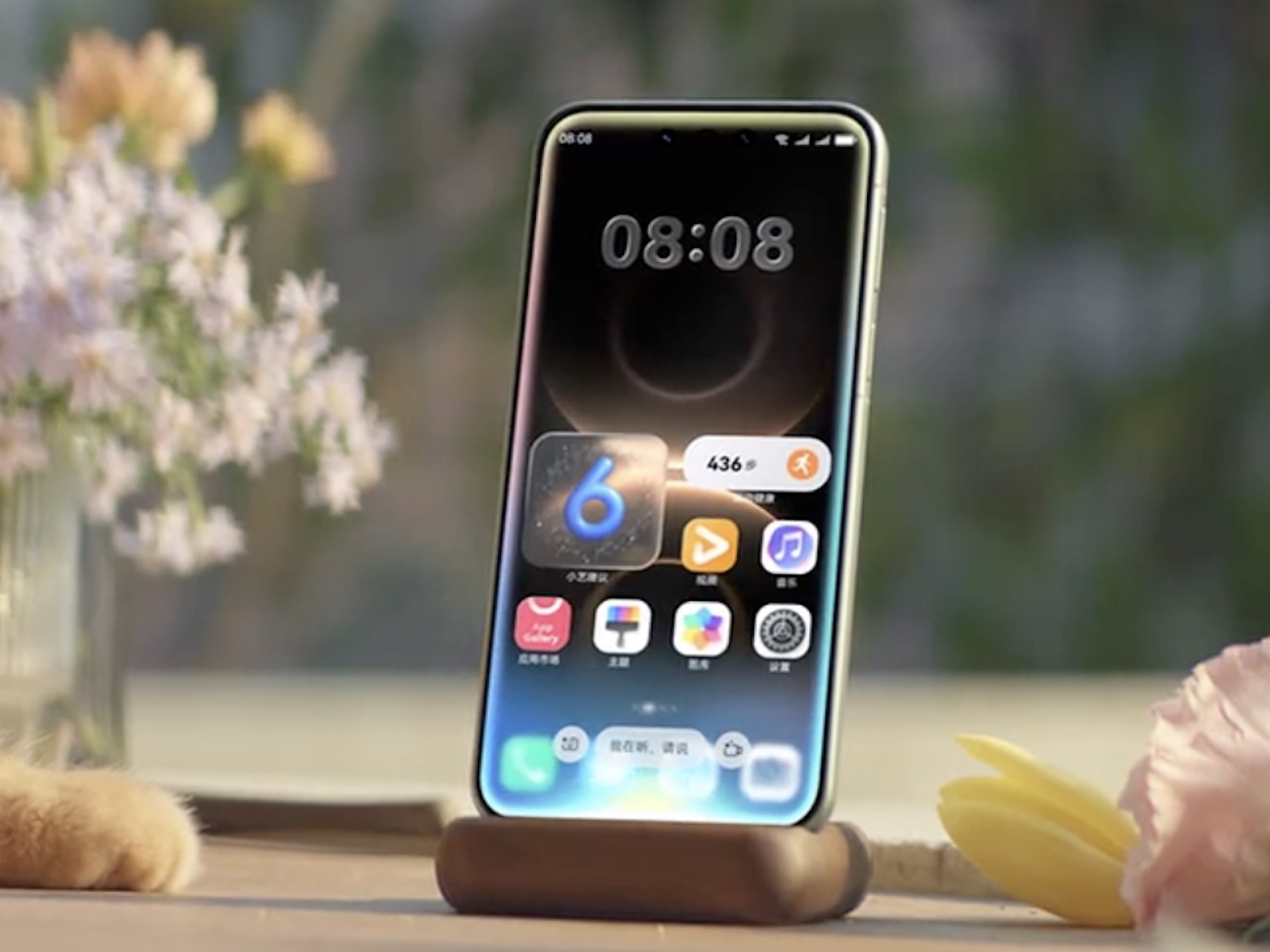
The display sits flat with squared-off edges rather than curving at the sides, following the design direction that’s taken over flagship phones this year. Screen protectors fit cleaner on a flat panel, and the color distortion that curved edges introduce isn’t a factor.
What stands out about the brightness claim isn’t the raw number by itself, but the dual-layer OLED architecture that gives Huawei headroom single-layer panels can’t match. Sustained brightness under direct sunlight is where this screen should separate itself from the pack. Early reviews from outlets like Gizmochina and hands-on testers have confirmed the display gets exceptionally bright outdoors, though sustained real-world numbers will vary with conditions and usage patterns. Early battery tests have been encouraging, but long-term data on how sustained peak brightness affects drain over months of use is still building. Huawei clearly treated the display as the Pro Max’s marquee feature. Whether the real-world gap over competitors feels as dramatic as the spec sheet suggests is the question testing will answer.
What’s behind the camera bump and under the glass
Most flagship phones pair one wide camera with one ultrawide and one telephoto. The Mate 80 Pro Max breaks that formula with two 50MP periscope telephoto sensors alongside a 50MP main camera and a 40MP ultrawide. It’s the only phone on the market right now with two periscope units, and that hardware gap shows up the moment you start switching between zoom levels.
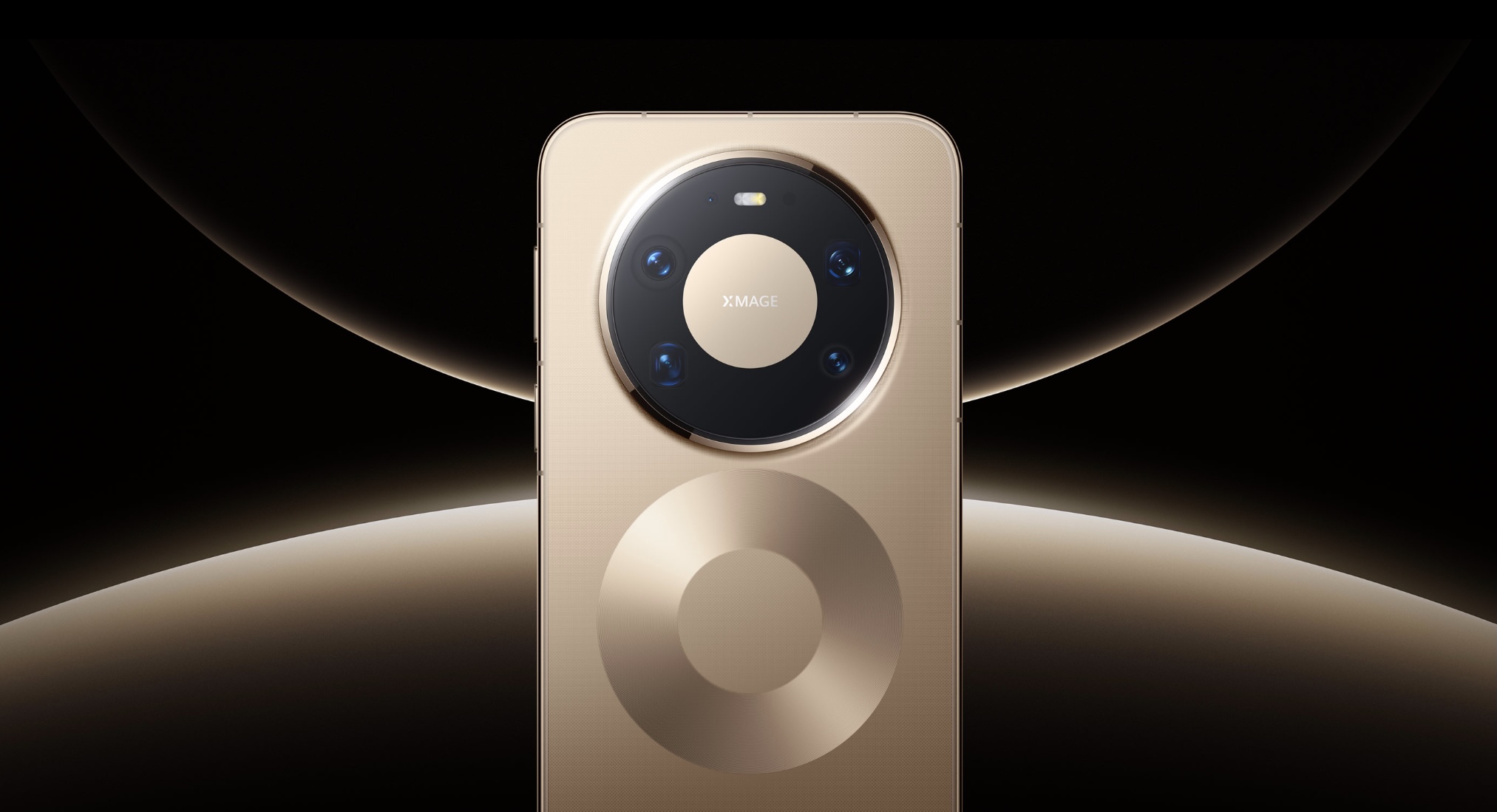
The dual periscope setup creates real flexibility at distance, with one lens covering mid-range telephoto and the other pushing further for tighter shots. Huawei’s 4x telephoto can focus as close as 5cm for macro work, which means the phone doesn’t waste a camera slot on a dedicated macro sensor. Processing runs through the second-generation Hongfang original color imaging system, which Huawei says improves color accuracy and dynamic range across all four lenses.
Color science has been one of Huawei’s stronger areas recently, so there’s reason to take that seriously. Compared to the Mate 80 Pro, the Pro Max adds an entire optical range the cheaper model can’t access. Early reviewers report noticeably cleaner results at distance, where the interpolation gaps that plague single-telephoto phones should be reduced significantly.
Under the display sits the Kirin 9030 Pro processor with 16GB of RAM and up to 1TB of storage, designed entirely in-house. Huawei claims up to 42 percent better overall performance compared to the previous generation but hasn’t published independent benchmark comparisons, which has been the pattern since trade restrictions reshaped its chip division.
The more interesting story is thermal management: a dual-phase change heat dissipation system combining a vapor chamber with phase change materials, claiming 16 percent better thermal conductivity and a 33 percent temperature reduction under sustained load. For a phone pushing 8,000 nits and processing four camera feeds simultaneously, keeping thermals in check isn’t optional.
The battery is a 6,000 mAh cell, and the 80W wireless charging is high enough that plenty of users could skip the cable entirely. HarmonyOS 6 manages the software layer, bringing AI noise cancellation for calls and updated gesture controls. Battery life is where cross-platform comparisons get tricky, since HarmonyOS manages power differently than Android or iOS with aggressive background process management that can skew results in either direction. Early reviews report solid endurance for the screen size, though real-world numbers vary depending on how hard you push the display and cameras. At least the fast charging on both wired and wireless ensures recovery time stays short regardless of how you top up. It’s a practical safety net for a phone built to be used hard. Smart hedge from Huawei on that front.
What it’s built from and what it costs
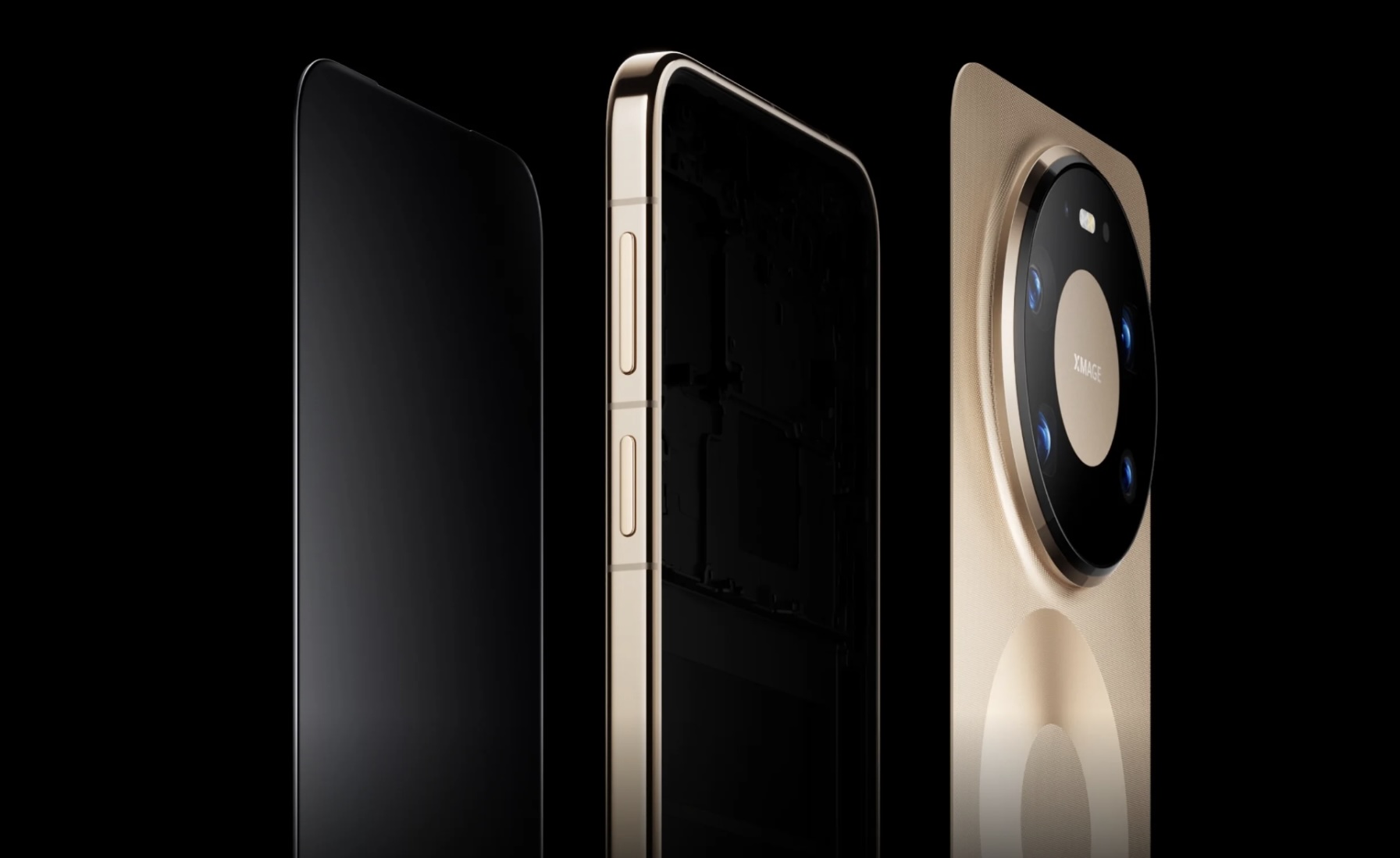
Huawei used a basalt-infused alloy frame reinforced with polyamide fiber and second-generation Kunlun Glass up front, earning both IP68 and IP69 certifications. The IP69 rating tests against high-pressure, high-temperature water jets, a standard almost no consumer phone pursues. If you spend time in rough outdoor conditions, the built-in expedition mode that optimizes battery and display behavior for extreme environments isn’t a gimmick.
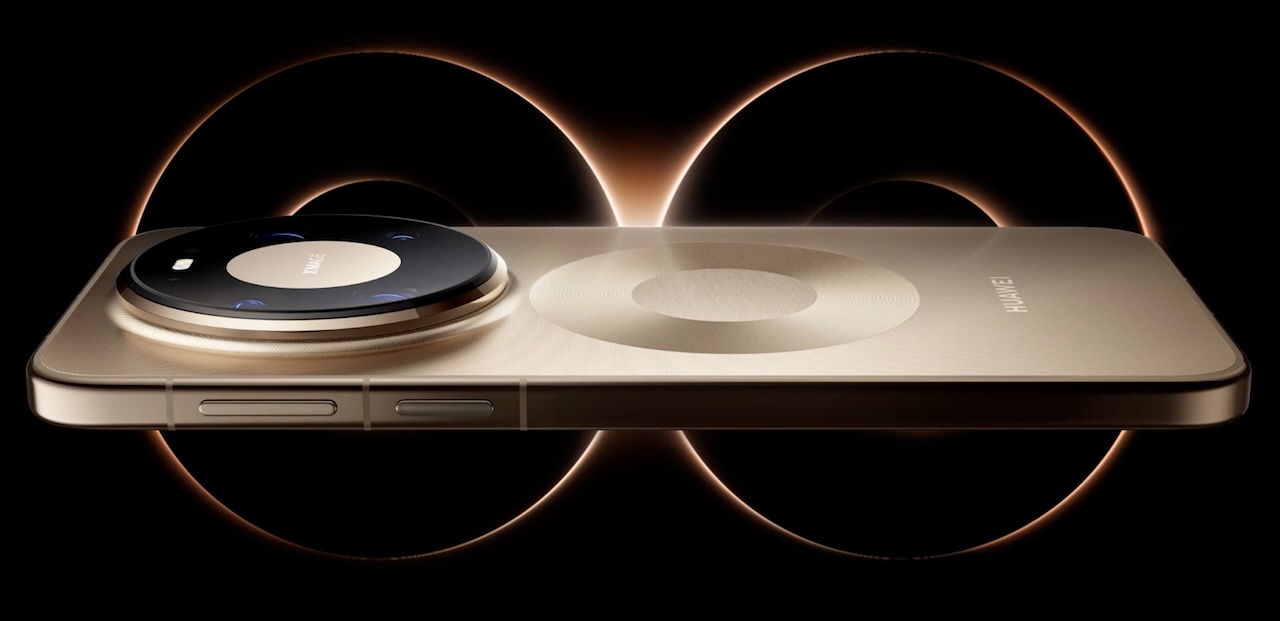
At 239 grams and 8.3mm thick, the Pro Max isn’t the lightest phone at this screen size, but the weight feels justified by everything packed inside. The rear design is distinctive: two circles form a figure-eight pattern, one housing the camera module and the other tracing the wireless charging coil. It gives the phone a silhouette you can spot across a room in a market where most flagships look identical from behind.
Color options include Polar Night Black, Polar Silver, Polar Day Gold, and Aurora Blue. The Pro Max launched in China at 7,999 yuan, roughly $1,100. International availability hasn’t been confirmed for the Pro Max, though the Mate 80 Pro received a global launch at MWC on February 26. Import retailers list the Pro Max at approximately $1,499, with the usual tradeoffs of limited warranty and potential network band gaps. If you’re not set on having the absolute best Huawei offers, the Mate 80 Pro gives you most of the same DNA at a lower price.
Price: From $1,100
Where to Buy: Huawei
Huawei’s pattern of keeping the Pro Max as a China-first release follows previous Mate generations. Whether it eventually gets wider distribution likely depends on how the Mate 80 Pro performs globally over the coming months.
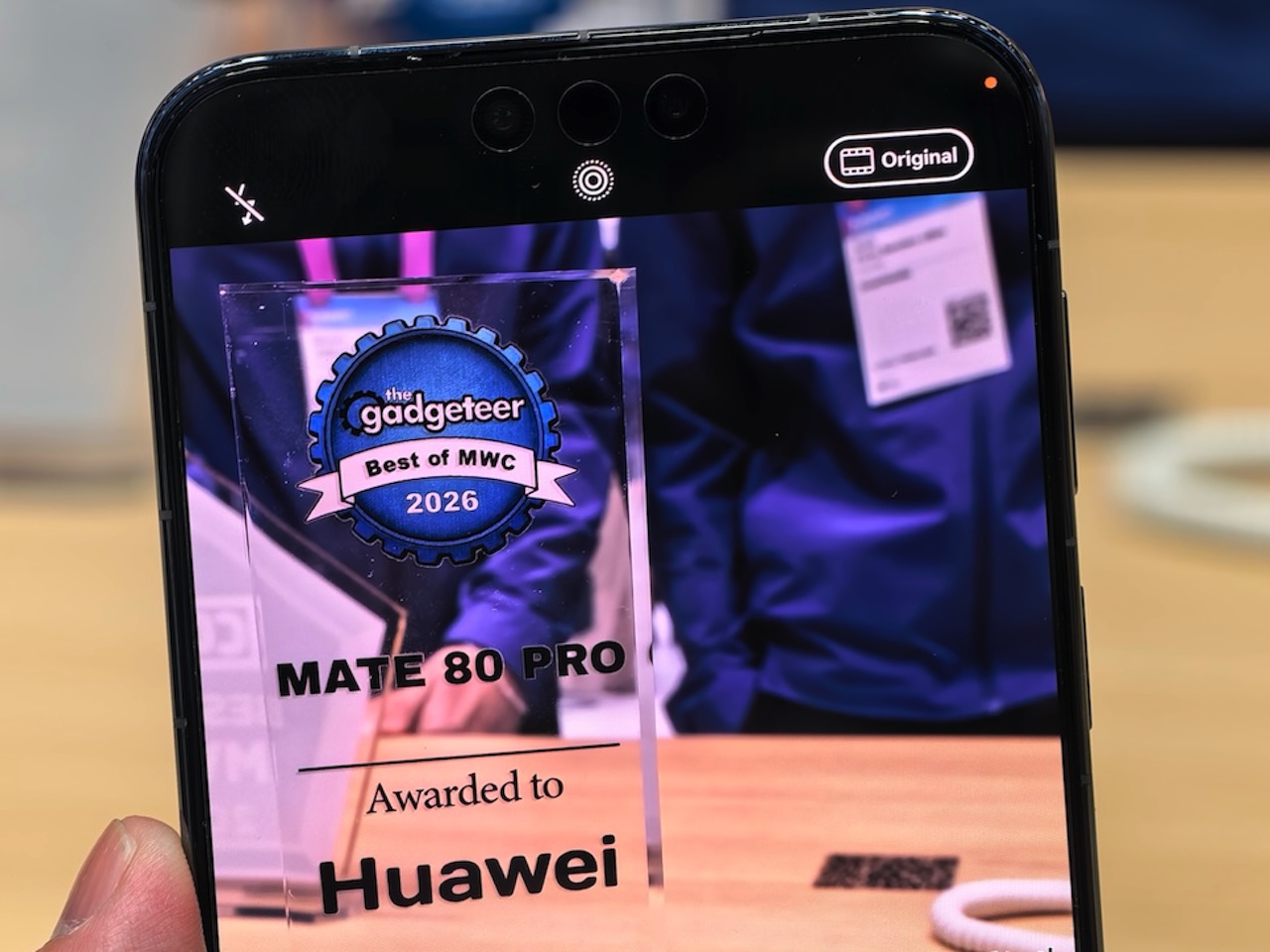
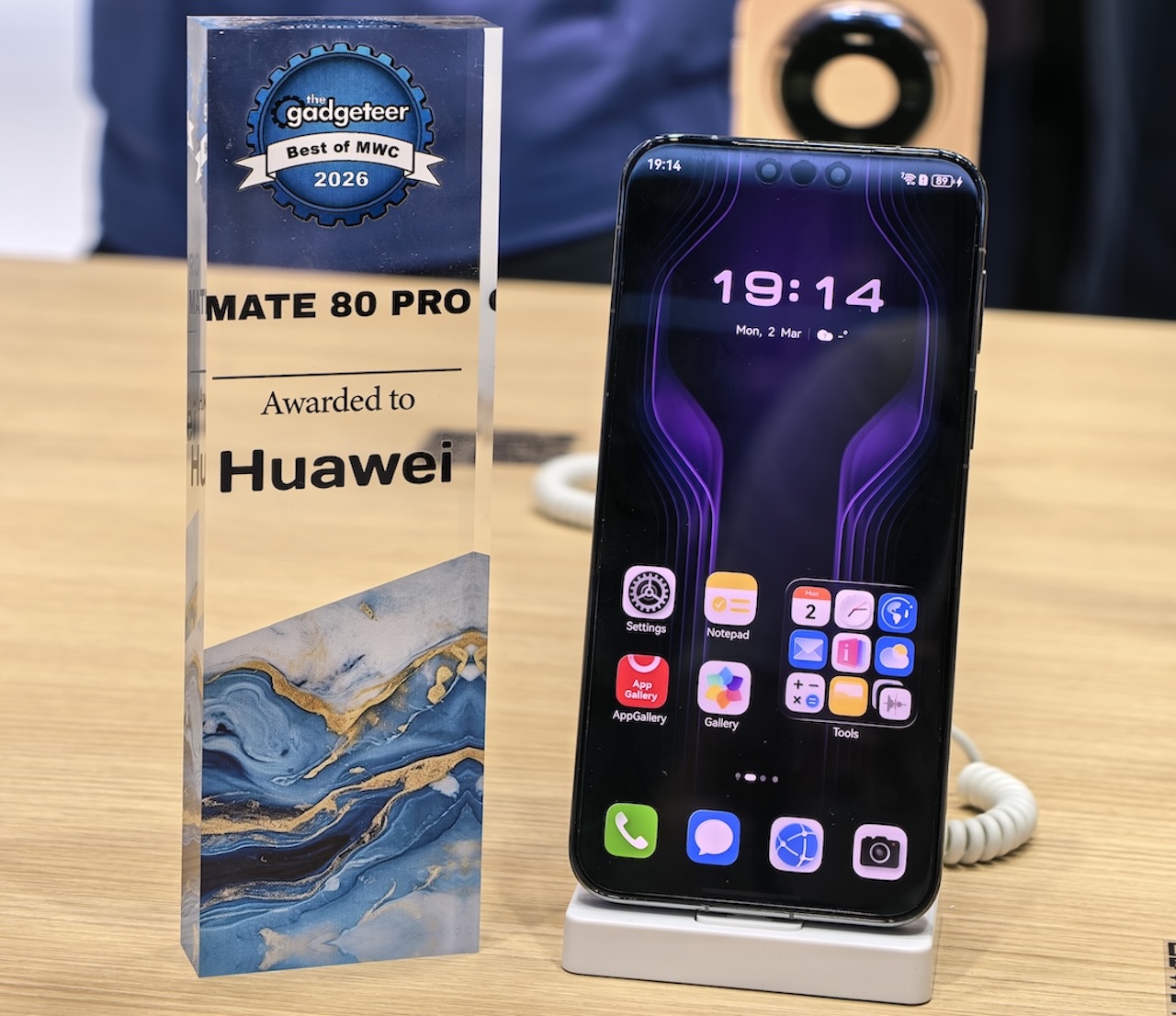
We included the Mate 80 Pro Max in our Best of MWC 2026 picks, and it earned its spot. For now, the Pro Max remains the most technically loaded phone in Huawei’s lineup and one of the densest spec sheets to come out of MWC 2026. It’s a statement piece as much as a product. When the hardware reads like this, interested buyers tend to find a way.