Most Valentine’s gift guides treat thoughtful and practical like opposite things. Flowers get called thoughtful. Tools get called practical. The split doesn’t make sense, but it creates a market where gifts either sit on a nightstand for two days or solve problems nobody has. EDC gear works differently because you carry it every day, which builds a stronger connection to the person who picked it than something you open once and store.
The $60 cap does real work here. It removes the option to buy something expensive and let the brand name do the thinking for you. Every item here earned its place through how it works, not what it costs. If you read our previous Valentine’s EDC Buyer’s Guides for Him and Her from earlier this month, think of this as the full version: ten items, ten categories, all under $60, all made to get used instead of displayed.
So the actual question is: which of these will someone still reach for six months after February 14th?
1. CIVIVI Elementum
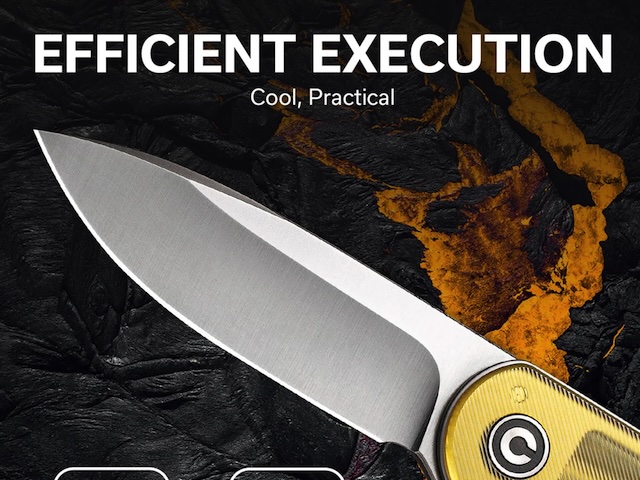
The CIVIVI Elementum turned cheap folding knives into real tools instead of things you settle for. The 2.96-inch blade uses D2 steel that keeps an edge through weeks of opening packages, cutting cord, and slicing tape without needing to sharpen it. At 2.58 ounces with lexan handles, it sits in a pocket light enough that you forget it’s there, which matters because heavy knives end up in drawers after a week.
The bearing system gives the blade a smooth action when you open it, the kind that usually costs twice this price from other brands. The pocket clip tucks it low against denim so it doesn’t show, and the lock stays solid whether the blade is clean or sticky with packing tape. Reddit and knife forums spent years testing this one, so you’re getting feedback from thousands of people who actually carry it daily, not just what the marketing copy promises.
Price: From $60
Where to Buy: CIVIVI
2. Streamlight Microstream USB
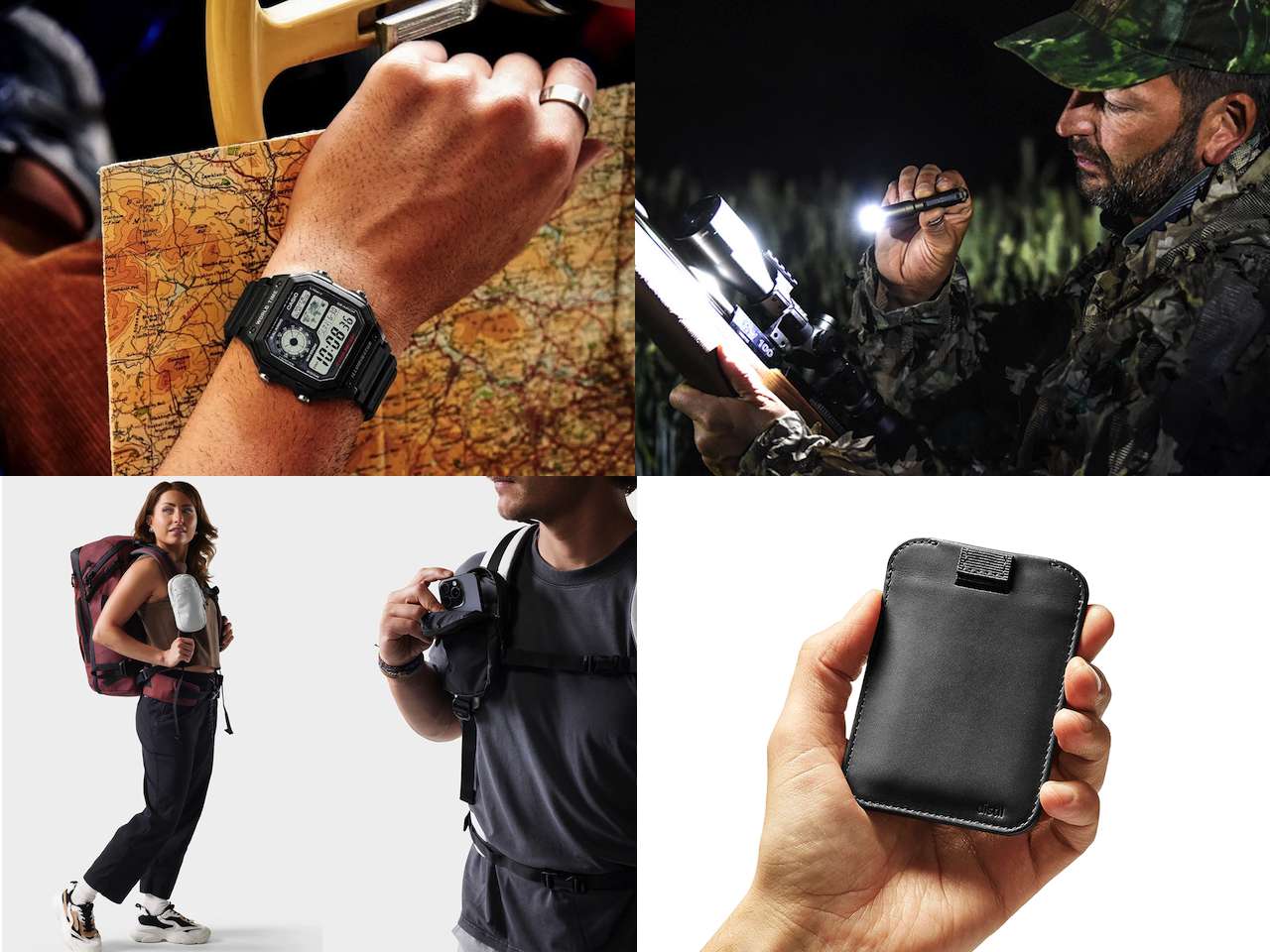
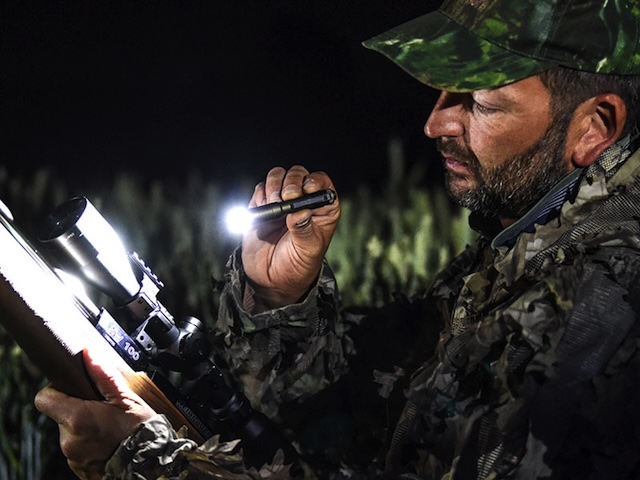 Most people think phone lights work fine. They don’t, but not for the usual flashlight-nerd reasons. The Streamlight Microstream USB puts out 250 lumens from a body smaller than a marker, runs on a rechargeable battery, and weighs 1.20 ounces. The real difference shows up the first time you need to light something while using your phone to look up directions or take a photo. You can’t do both with one device.
The rear button gives you light with a half-press or locks it on with a full click, so you’re not cycling through strobe modes and SOS signals just to see in the dark. It clips to a pocket like a pen and disappears until you need it. Runtime on high sits at 1.5 hours, which sounds weak until you notice that most tasks take 10 seconds: walking to your car in a dim garage, finding something you dropped under furniture, checking what made that noise outside at 2 AM. A single charge lasts weeks. The Micro USB port charges the light easily.
You’ll use this more than you think, mostly for tasks you currently struggle through with your phone screen tilted at weird angles while trying to see and do something else at the same time.
Price: $27.99
Where to Buy: Streamlight
3. Big Idea Design Ti Mini Pen
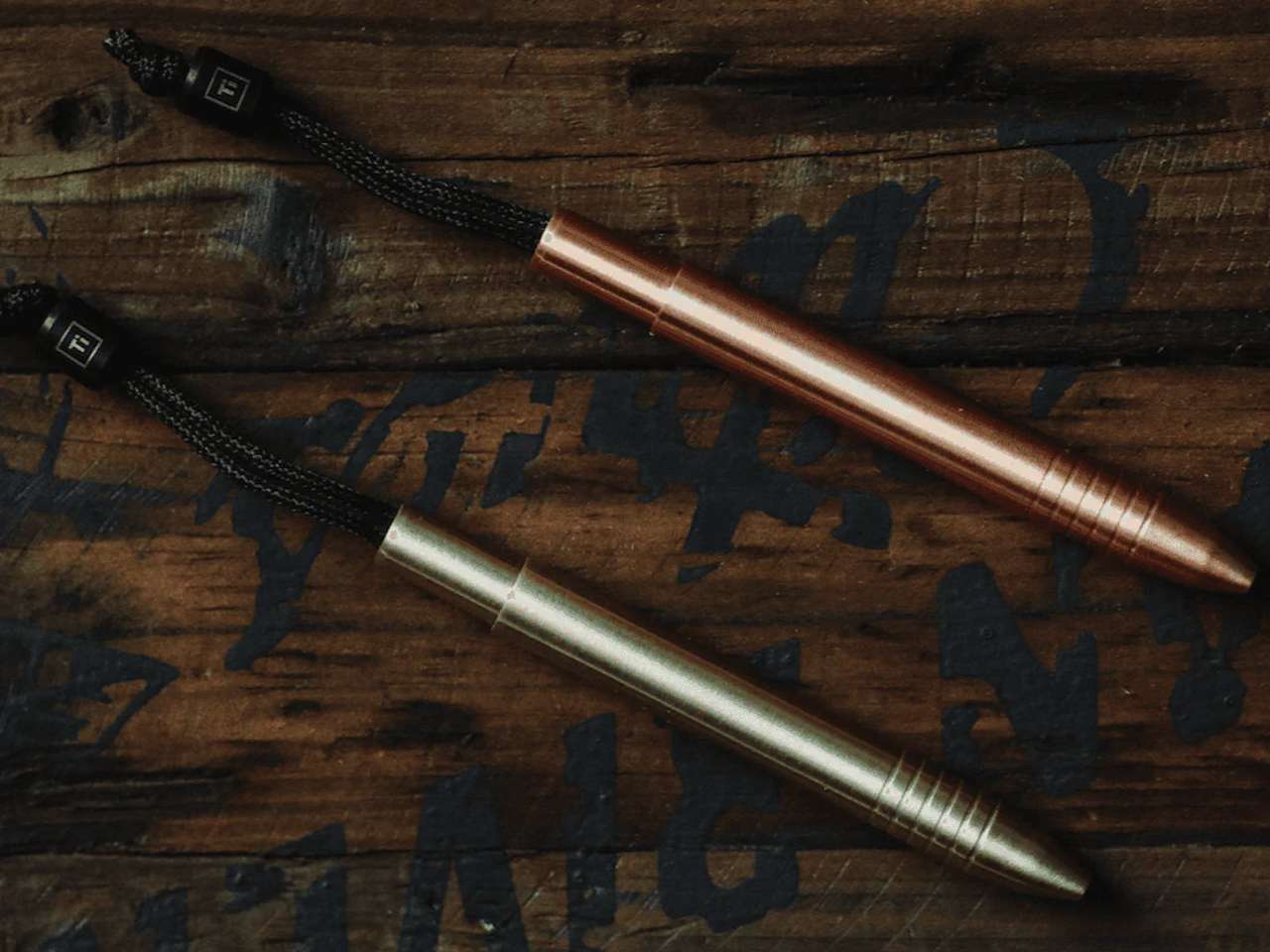 Most pens are either cheap enough to lose without caring or expensive enough to stress about. The Big Idea Design Ti Mini Pen costs $35, which puts it in the middle: worth keeping track of but not worth panicking over. At 3.5 inches with the cap on and 0.4 ounces, it clips to a pocket or notebook and takes D1 refills you can buy at most pen shops. The titanium ages with a patina from handling, so it looks more personal over time instead of beat up.
The cap threads onto the back when you write, giving you comfortable length without making the pen bulky in your pocket when capped. It replaces the habit of grabbing whatever pen is lying around with always having one that writes well and doesn’t take up space. Brass and copper versions cost the same and age differently if you prefer warmer metal tones.
Price: $39
Where to Buy: Big Idea Design
4. Gerber Shard
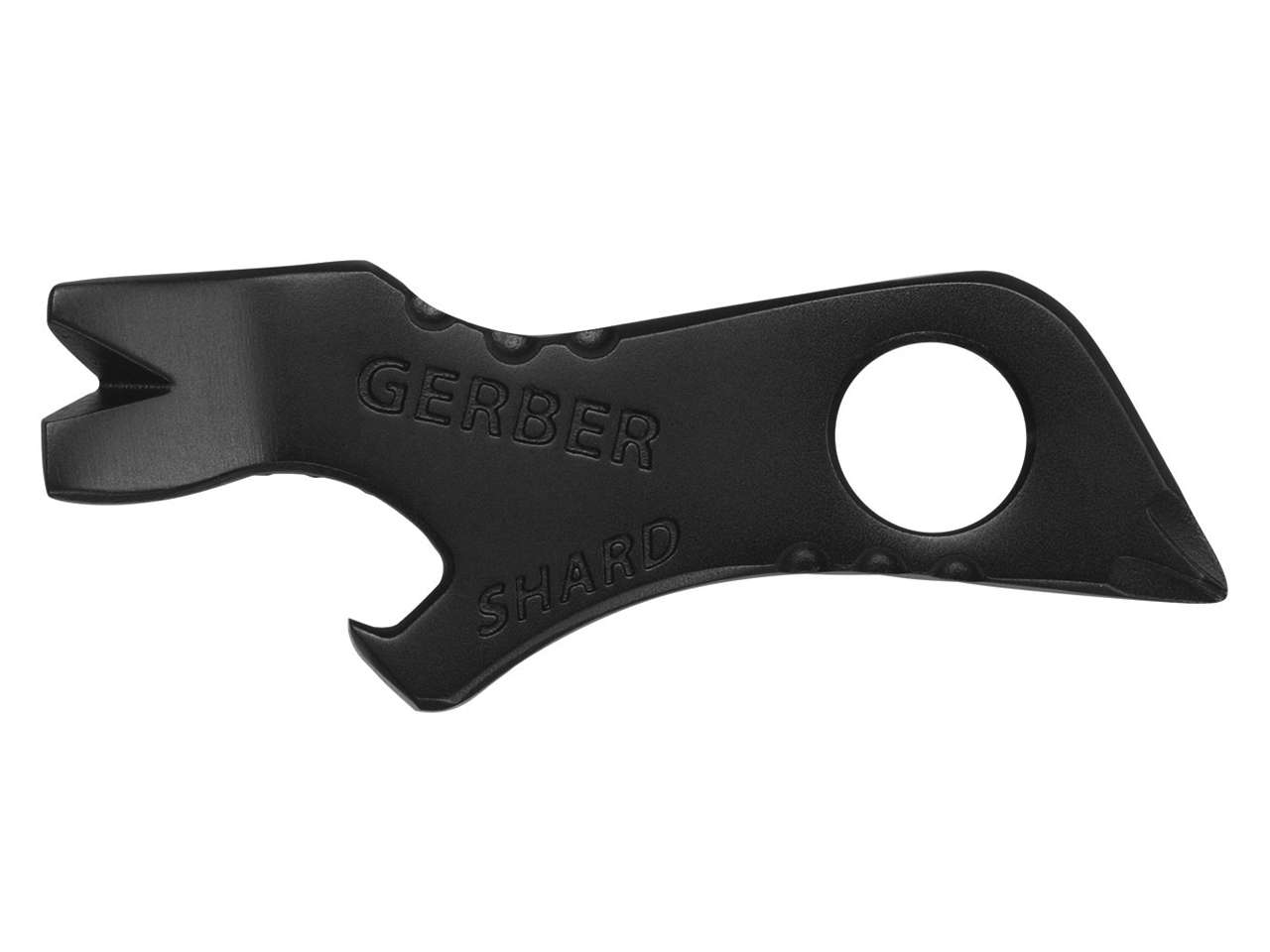
At $9, the Gerber Shard costs less than two coffees, which removes every reason not to carry a keychain tool. It measures 2.75 inches, has no moving parts, and passes through TSA because there’s no blade. The whole thing is stamped from one piece of stainless steel, so there are no joints to break or hinges to jam.
What you get: Phillips screwdriver, flathead screwdriver, wire stripper, pry bar, bottle opener, and a hole for a lanyard. It handles the problems that don’t need a full toolbox. Tightening the screw on sunglasses. Prying open a paint can. Popping bottle caps without wrecking the countertop. Opening a stuck battery cover. These things happen when you’re not near your tools, and the Shard deals with them without planning.
Gear sites praise it constantly for holding up and getting used daily. At $9, buy two: one for the gift, one for yourself. You spend more on lunch, and this gives you years of having a screwdriver when something comes loose.
The Shard is proof that useful doesn’t need to be complicated or expensive, just ready when the small problems show up.
It also makes a good starter for anyone new to EDC because the cost is so low that trying it out involves almost no commitment.
Price: From $9
Where to Buy: Gerber
5. Distil Union Wally Sleeve
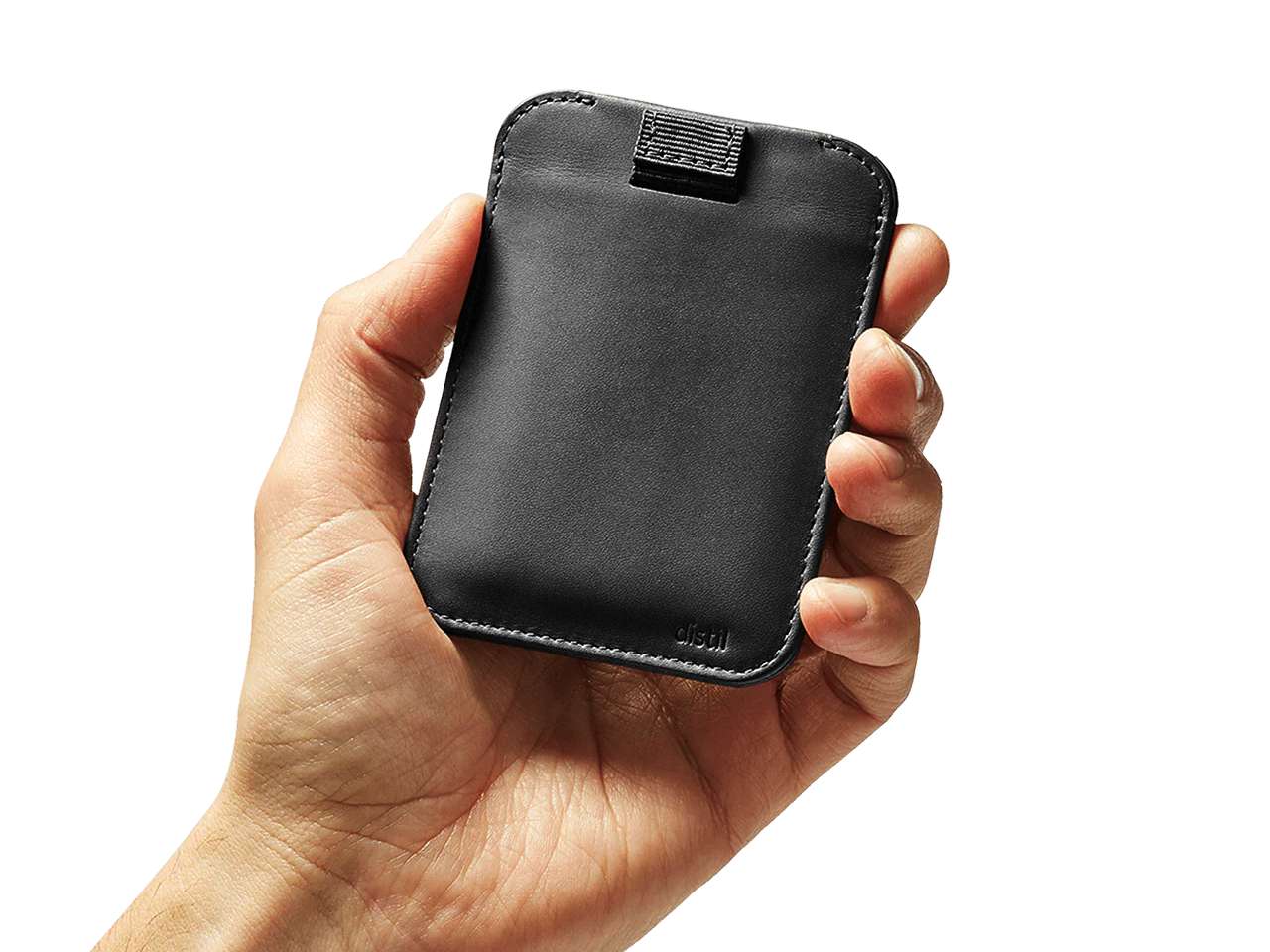
The Distil Union Wally Sleeve holds up to 7 cards and folded cash in a full-grain leather sleeve thinner than most phone cases. At $55, it uses quality materials and smart design over fancy packaging. The pull-tab lets you get cards out without the awkward wiggling that made earlier slim wallets frustrating, where getting one card out took gravity, friction, and luck.
Switching from a regular bifold wallet seems minor until your front pocket gets way more comfortable. Less bulk makes a difference over a full day of sitting, walking, and reaching into pockets. The leather breaks in and looks better at six months than it does new. Slim wallets work best for people who’ve realized they carry eight cards they use and twelve they ignore. This gift is also permission to cut down to what matters.
The Wally Sleeve forces you to edit what you carry, which sounds limiting until you realize how rarely you actually need that gym membership card from 2019.
Price: $55
Where to Buy: Distil Union
6. Field Notes Original Kraft 3-Pack
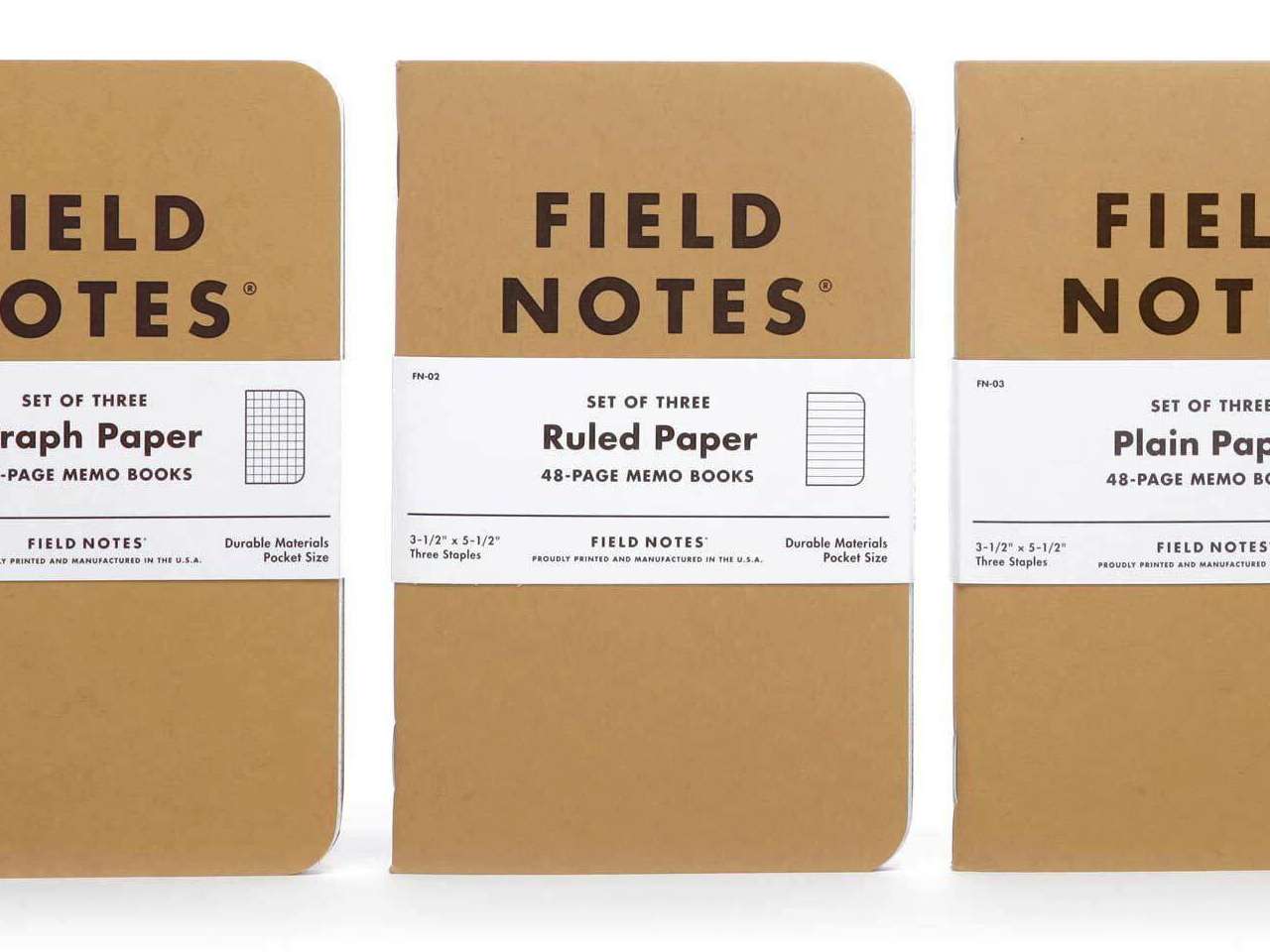 Digital note apps have gotten good, but 48-page pocket notebooks won’t die. The Field Notes Original Kraft 3-Pack costs $10 for three small memo books that fit in back pockets and jacket pockets without making a visible bulge through fabric. Each one measures 3.5 by 5.5 inches with graph paper inside.
The reason to use paper in 2026 isn’t nostalgia. It’s speed. Pulling out your phone, unlocking it, finding the notes app, and typing takes long enough that most quick thoughts disappear before you finish the process. A notebook and pen skip all that. The thought hits paper in the time it takes your phone screen to turn on.
Field Notes makes seasonal special editions that collectors chase, but the Original Kraft stays the best starting point: cheap, simple, works with any pen. Three notebooks for $10 means you can keep one in your car, one at your desk, and carry one without worrying about losing it.
Price: $12.95 (3-pack)
Where to Buy: Field Notes, Amazon
7. Casio AE-1200WH-1A
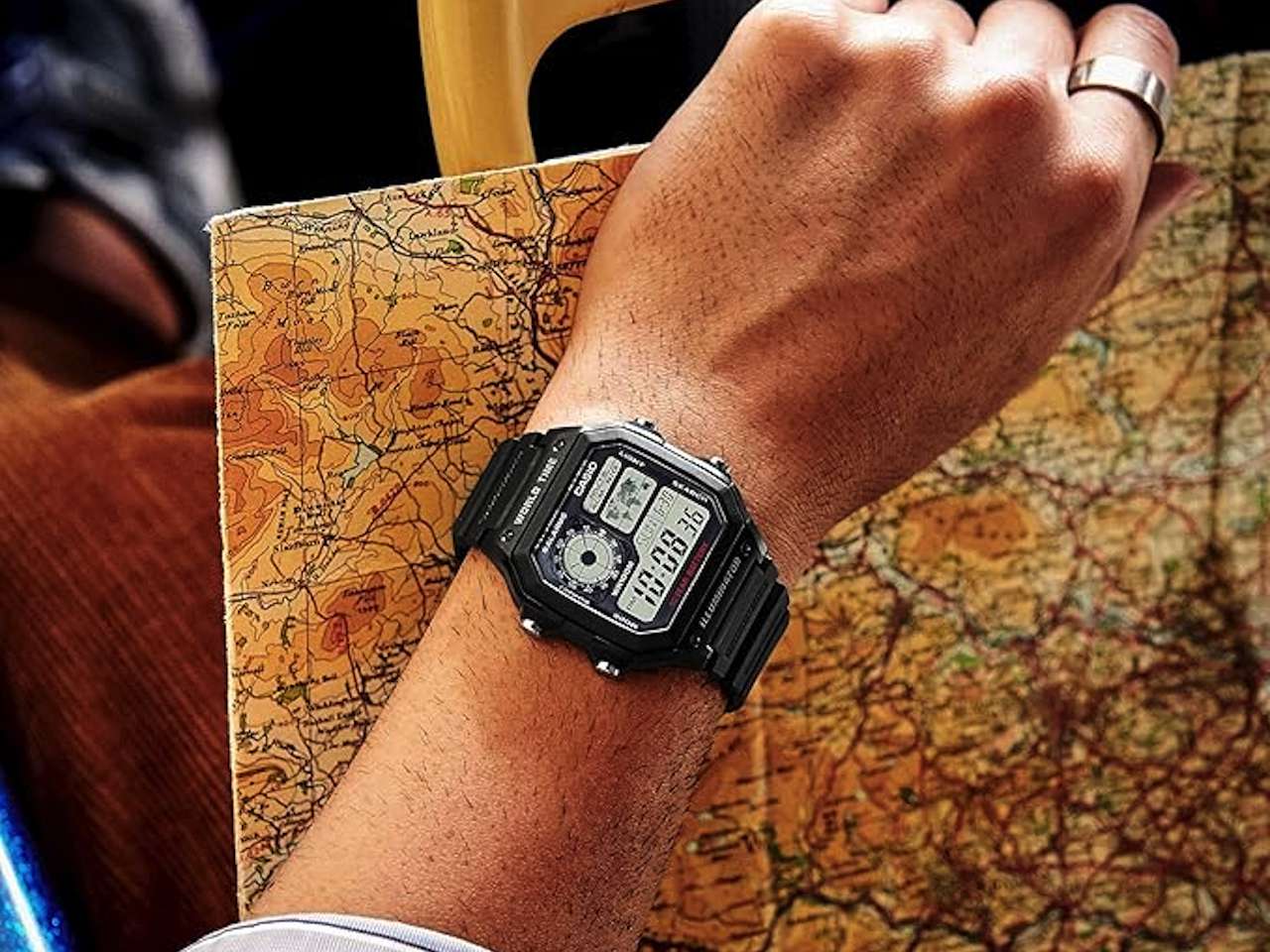 The Casio AE-1200WH-1A gets called the “Casio Royale” because it looks like the Seiko watch Roger Moore wore in a 1983 Bond movie. It’s a $25 digital watch with world time for 31 time zones, five alarms, a countdown timer, and a 10-year battery. The lightweight resin case and band make most mechanical watches feel heavy by comparison.
This watch works for people who realize a $25 watch showing correct time in 31 cities beats a $300 watch showing time in one. The retro LCD screen gets compliments from watch people, while the price means scratches add character instead of making you anxious. The 10-year battery means you’ll forget it even has one, which is the best thing you can say about a watch you wear every day.
The AE-1200WH-1A proves that simple tech done right lasts longer than expensive tech that promises too much.
It’s also water-resistant to 100 meters, has a built-in LED light for reading the screen in the dark, and shows the day and date without needing adjustment except for months with fewer than 31 days.
Price: $25
Where to Buy: Amazon
8. Craighill Coachwhip Carabiner
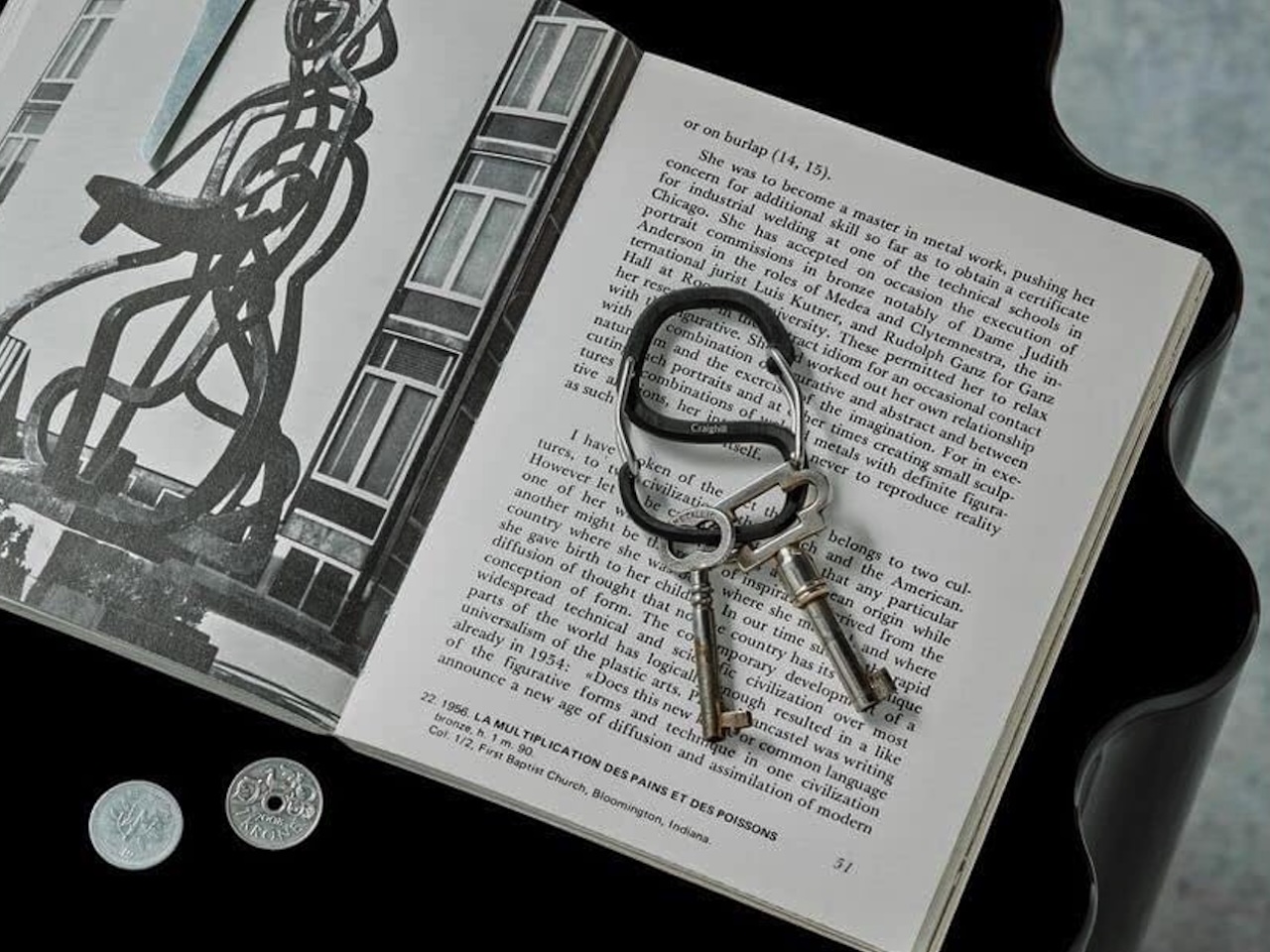 Most keychain clips are either cheap aluminum from gas stations or climbing gear that looks ridiculous on a belt loop. The Craighill Coachwhip uses brass machined to feel solid without looking like you’re about to scale a cliff. At 2.4 inches and $44, it opens and closes smoothly and ages with a golden-brown color from daily handling.
The gate opens wide enough to add or remove keys without fighting split rings, which break fingernails and test patience. Split rings are one of those things everyone hates but most people tolerate. The Coachwhip fixes that with a gate you can work with one hand that clicks shut reliably every time.
The brass has weight to it, so keys feel less like a jangling mess and more like something organized. Pair it with the Gerber Shard from earlier and you have a $52 keychain that solves two problems at once.
Price: $44
Where to Buy: Amazon
9. Victorinox Classic SD
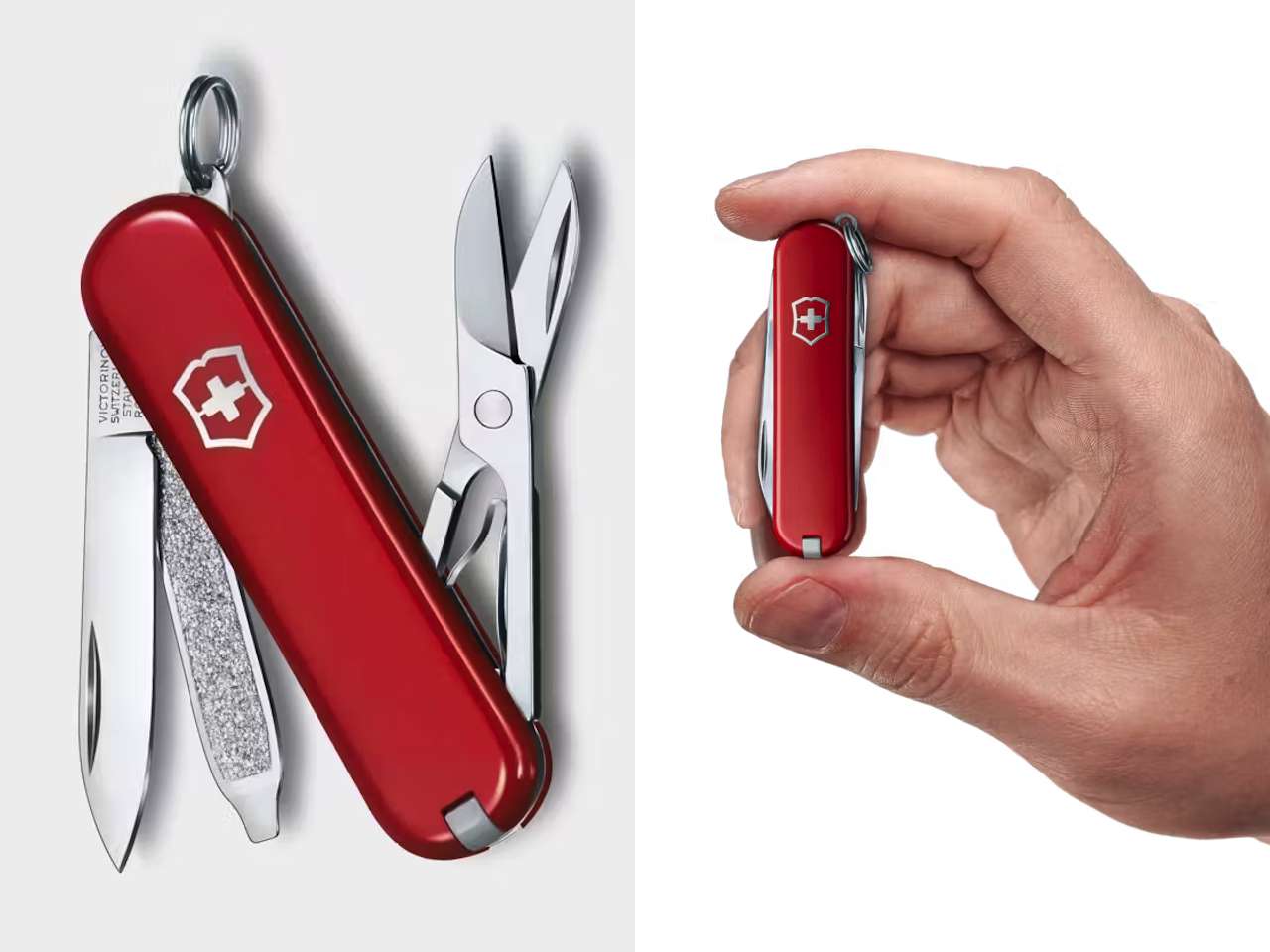 The Victorinox Classic SD hasn’t changed in decades, and that’s the point. Most products become outdated within years because of new materials or added features. The Classic SD skipped both.
At 2.25 inches closed and 0.74 ounces, it sits on a keychain without adding real bulk. You notice it when you need it and forget about it when you don’t, which is how keychain tools should work.
The tool set: small blade, scissors, nail file with screwdriver tip, toothpick, and tweezers. That’s it. No bottle opener, no corkscrew, no saw, no claims about survival situations. The limited toolset is what makes it useful.
The scissors explain why this Swiss Army knife outsells most others. They cut thread, trim fabric, snip tags, and open small packages more precisely than full-size scissors because of their small scale. The blade opens letters and handles light cuts. The tweezers pull splinters.
At $20, people carry this for 30 years without replacing it. The gift isn’t the object, which costs less than a Valentine’s card with chocolates. The gift is three decades of having scissors when you need them.
Price: $31.99
Where to Buy: Victorinox, Amazon
10. Matador Speed Stash
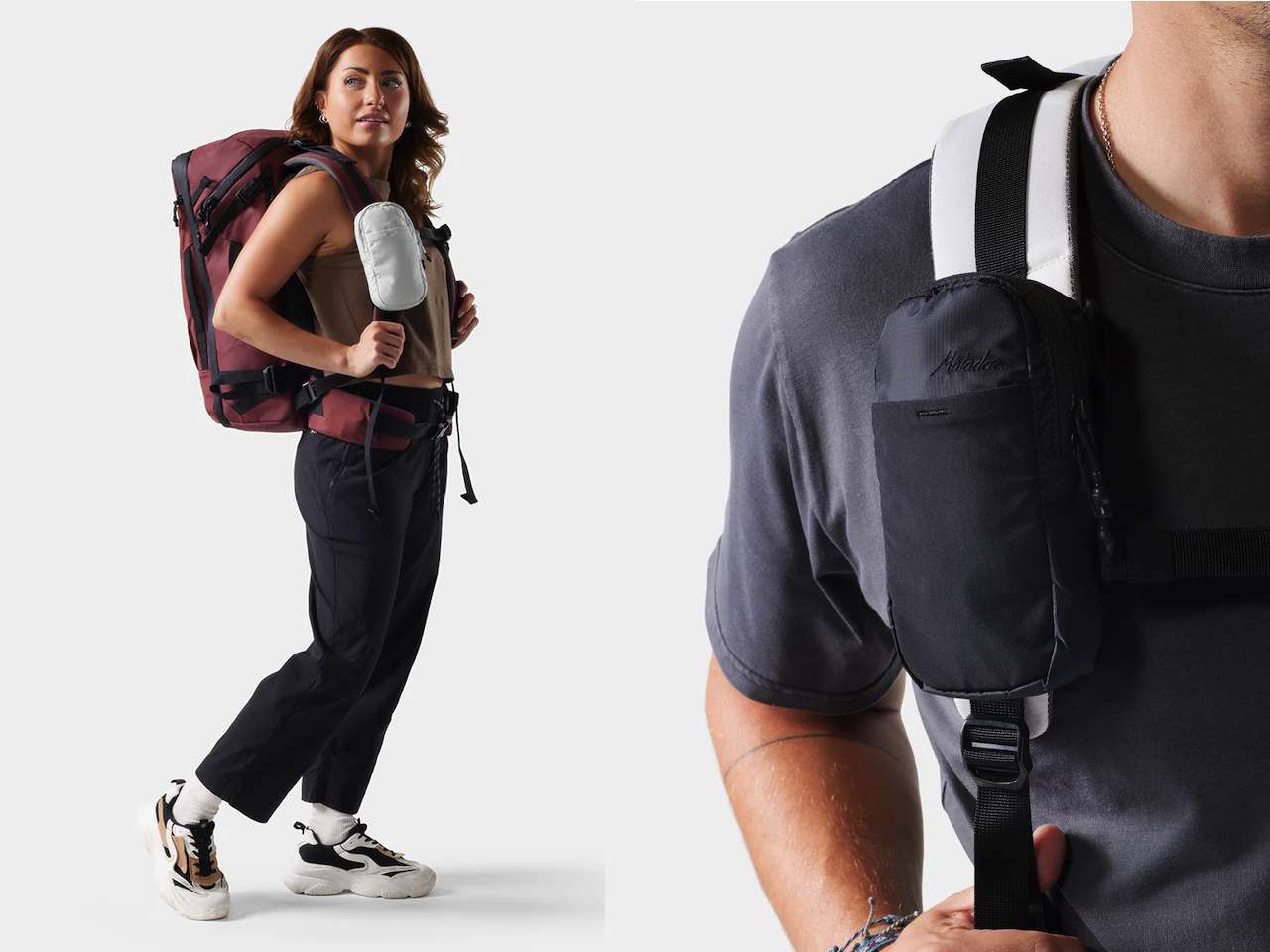 The Matador Speed Stash is a waterproof pouch made from ripstop nylon that weighs 2.68 ounces and measures 7 by 4 by 2 inches. It rolls into a package the size of your thumb. The built-in clip attaches it inside any bag, and it holds small items that usually sink to the bottom: earbuds, charging cables, medication, spare keys, loose change.
The case for a small pouch becomes clear when you watch someone dump their entire bag on a table to find earbuds. The Speed Stash gives scattered stuff a fixed location inside bags without organization pockets. Waterproof seams keep electronics dry when spills or rain get into the main compartment.
At $30, this solves a problem most people live with instead of fixing, and it earns permanent space in the bag within a week. The person who gets it will wonder how they managed before. When you’re not using it, the pouch packs small enough to stash in a jacket pocket or glove compartment.
Price: $35
Where to Buy: Matador
Who Should Skip This Guide
Skip this if you’re shopping for someone who already carries a refined EDC setup. Those people know what they want, and buying them a knife or flashlight without checking their list first risks getting something that clashes with gear they’ve spent years testing. Also skip this if the person only carries a phone and keys, because these items fix problems that don’t exist unless you use your pockets for tools and daily objects.
The knives (Elementum and Classic SD) won’t work for anyone in a workplace with strict no-blade rules, anyone who flies often without checking bags, or anyone in places where folding knives need permits or have length limits. Check local laws before gifting a blade.
If Valentine’s gifts in your relationship are about symbols instead of function, this guide misses what you’re celebrating. These are tools made for daily use, not display. They gain meaning through getting used repeatedly, not through how they’re wrapped or presented.
The Bottom Line
If Valentine’s gifts for men feel predictable, the problem isn’t the holiday. It’s the idea that romance and function belong in separate categories. Every item here costs less than dinner for two, fixes a specific daily problem, and gets better with use instead of wearing out.
The better approach is picking two or three things that match how someone actually spends their day. A Casio and Field Notes for $38 total. A Gerber Shard and Craighill Coachwhip for $53 combined. A Ti Mini Pen and Wally Sleeve for $94 as a matched pocket setup. Match the gift to the problem, not the person to the price. If you’ve noticed someone using a dull knife, borrowing pens, digging through a thick wallet, or tilting their phone at weird angles for light, the answer to “what should I get” is in what you’ve already seen. That detail is what makes a Valentine’s gift something that gets used instead of something that gets a polite thanks and then forgotten.