
Most Valentine’s gifts for men split into two exhausted categories: sentimental items that look thoughtful but never leave the shelf, or utilitarian objects so practical they might as well come with a receipt attached. The tension isn’t between romance and function, it’s that conventional gift markets treat those qualities as mutually exclusive instead of overlapping in products designed to solve daily friction. EDC gear occupies this overlap because it integrates into routines people already have while carrying the weight of being selected by someone who noticed what actually matters. What separates forgettable gifts from ones that compound in meaning isn’t price or feature density, it’s whether the object removes a persistent low-level annoyance without requiring new behaviors or maintenance rituals. So the real question is: what everyday carry items eliminate tolerated frustrations while maintaining design refinement that doesn’t broadcast tactical identity?
The EDC market spent the last decade shedding its tactical costume aesthetic in favor of objects refined enough to coexist with watches and wallets without visual discord. These five items fit that specification because they address problems people accommodate rather than solve, and they accomplish this through intentional design rather than utilitarian compromise. Valentine’s Day 2026 arrives during a moment when EDC design language has matured past military cosplay into forms that belong on dressers alongside personal accessories, which makes practical gifting viable in contexts where it previously wasn’t.
Leatherman Micra: The Minimalist Multi-Tool That Actually Fits
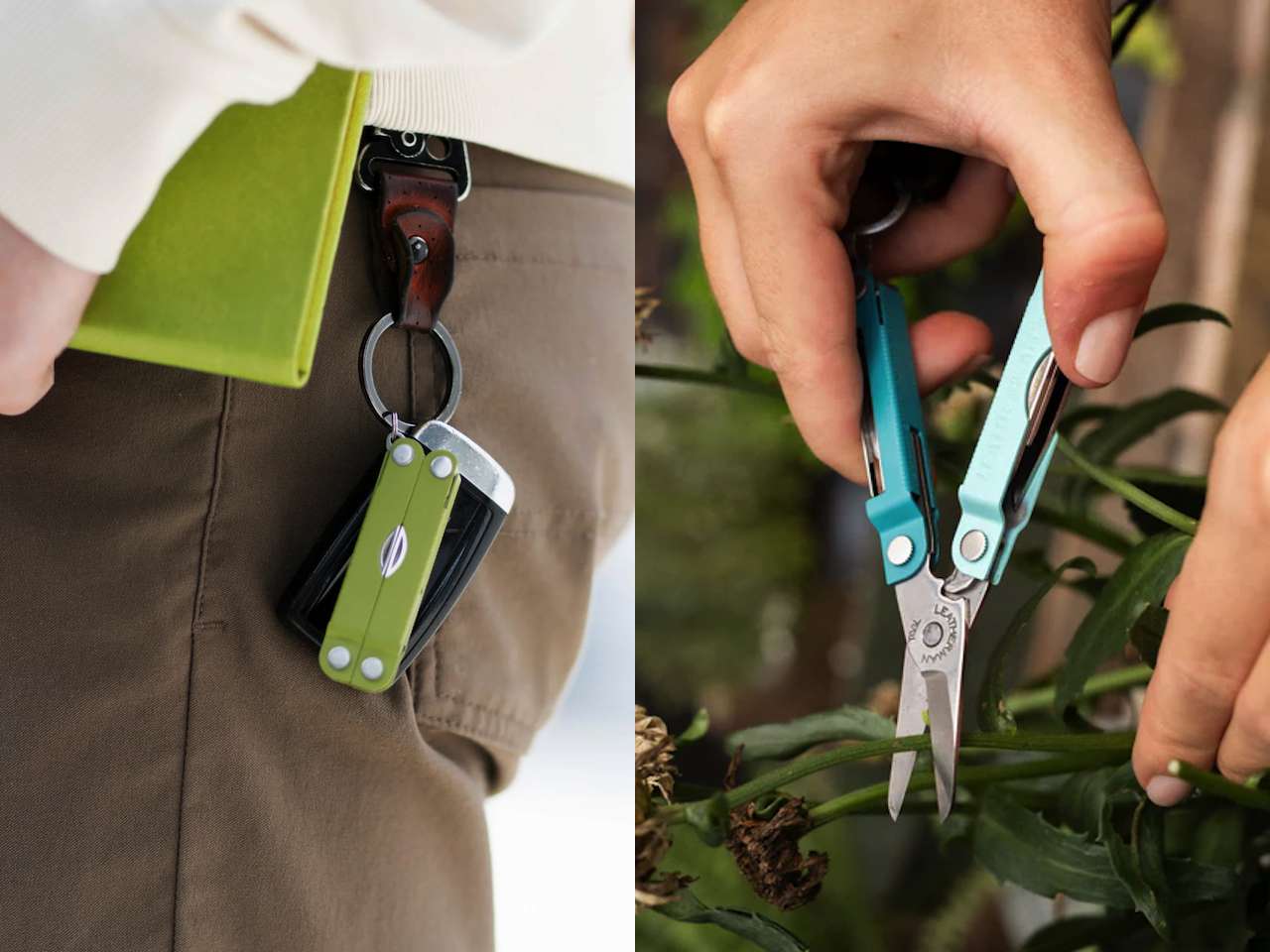
The Leatherman Micra doesn’t compete with full-size multi-tools, which is precisely why it functions as a Valentine’s gift instead of reading as camping equipment someone would buy themselves at REI. At 2.5 inches long and 1.8 ounces, it disappears into pockets or clips onto keychains without creating bulk. The spring-action scissors and tweezers solve irritating problems that full-size tools handle clumsily due to their scale. You notice immediately that these aren’t compromise tools miniaturized to novelty dimensions, they’re legitimately functional despite compact form. The scissors cut thread, trim tags, open packaging, and handle precise small cutting tasks with enough control that you stop reaching for full-size scissors when the Micra is already in hand.
The tweezers remove splinters without bending, the nail file stays sharp through repeated use, the bottle opener works without deforming under pressure, and the flat screwdriver tightens eyeglass screws or handles adjustments that would otherwise require digging through toolboxes for the correct bit. These aren’t theoretical applications lifted from product marketing, they’re the tasks that justify carrying a Micra in practice. Tightening laptop hinge screws that work loose from repeated opening, accessing battery compartments with recessed screws, dealing with packaging tape engineered to resist tearing, fixing zipper pulls that separate from their tracks. The Micra exists in the space between too small to be useful and too large to carry everywhere, which is why it becomes the tool someone reaches for when their regular knife is excessive or they need something more refined than brute force.
The design reads as intentional rather than tactical, with clean stainless finish and subtle Leatherman branding that doesn’t announce “I carry gear” the way larger multi-tools do with aggressive knurling. It presents as a well-made object instead of survival equipment, which matters when the context is romantic gesture rather than backcountry preparation. At around $50, it’s an accessible entry point that feels premium without the sticker shock of larger Leatherman models, making it a low-risk gift that overdelivers on daily utility.
It’s genuinely giftable in ways most EDC gear isn’t, because it doesn’t require someone to be “into” knives or tools as a hobby category. It just works for anyone who occasionally needs to cut, trim, tighten, or fix something. That practicality without gear-culture baggage makes it Valentine’s appropriate: thoughtful without veering into overly sentimental territory, useful without being boring in the way hardware store purchases typically are, and small enough to feel personal rather than transactional.
What you’re giving isn’t just a multi-tool, it’s the experience of solving small problems without friction. The Micra becomes one of those objects people forget they’re carrying until the moment they need it, at which point it’s already in hand solving the problem before frustration accumulates into actual irritation. It’s the kind of gift that doesn’t announce itself dramatically but proves its worth through repeated quiet utility. That sustained usefulness creates a stronger foundation for a Valentine’s gift than something that looks impressive once during unboxing and then collects dust in a drawer. The gift persists not through visual presence but through repeated utility that becomes invisible yet essential.
Price: $49.95
Where to Buy: Leatherman
Wuben X4 Flashlight: The EDC Light That Doesn’t Look Tactical
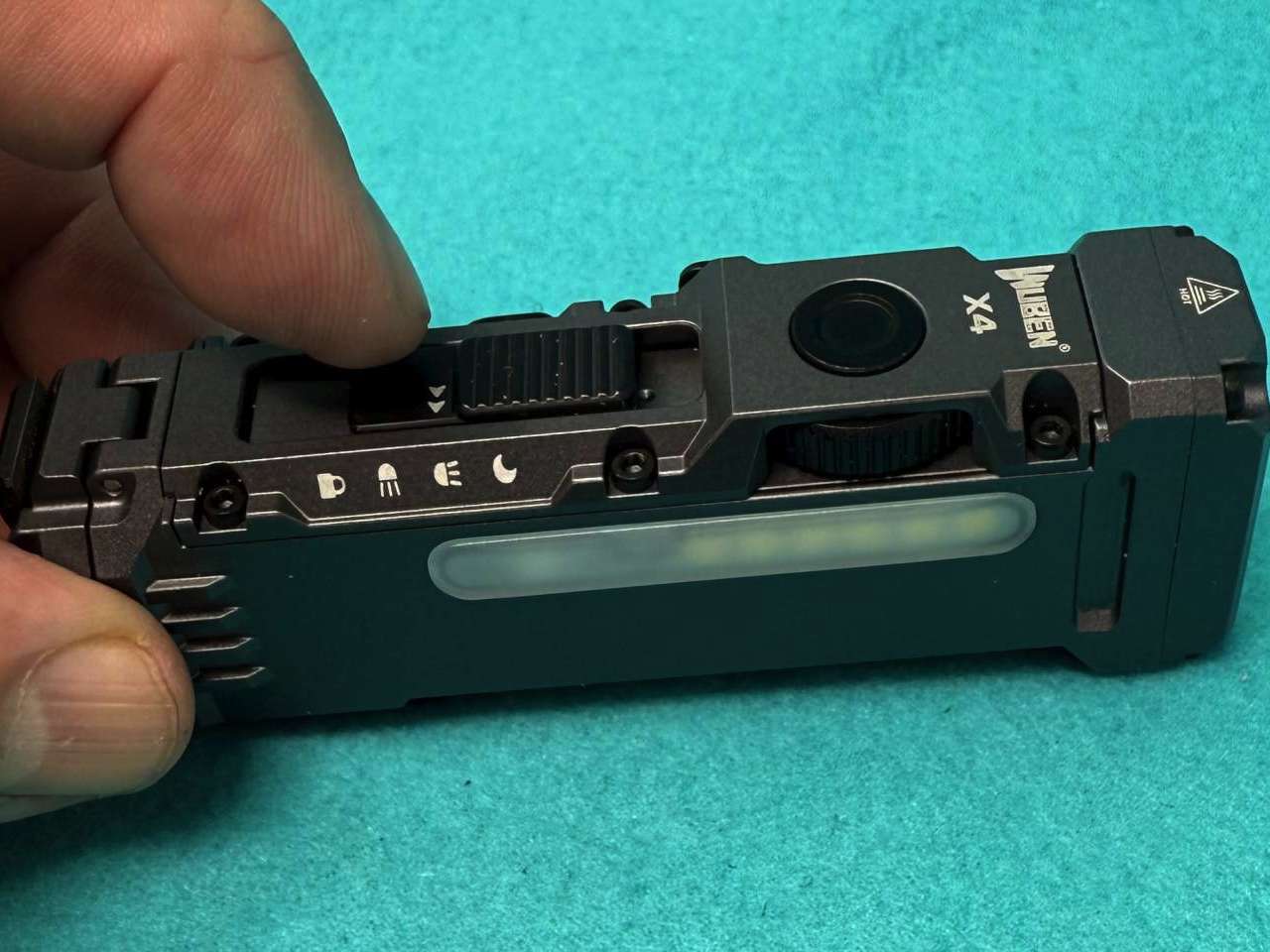
Most EDC flashlights announce their purpose from across rooms with aggressive styling, knurled grips designed for weapon mounting, and finishes that telegraph tactical equipment identity. The Wuben X4 takes a different approach by containing serious capability inside a compact form that reads as refined rather than aggressive. At 3.8 inches long and weighing 4.8 ounces with battery, it disappears into coat pockets without the bulk of larger tactical lights, while still delivering 1,500 lumens when you need maximum output. The dual light sources include a primary white LED for standard use and an RGB side light that handles specific situations where colored light makes more sense: red preserves night vision during transitions from lit to dark spaces, blue helps with tracking in specific conditions, and the design choice to include both without making the light feel gimmicky is where Wuben shows restraint.
What makes this Valentine’s appropriate isn’t just compact size or USB-C charging that eliminates proprietary cables, it’s that the light solves real problems without looking like survival gear. Walking to a car after dark in parking structures with inadequate lighting, finding items dropped under furniture where phone lights can’t reach, navigating power outages without stumbling through dark rooms, dealing with car issues at night when dome lights don’t illuminate engine compartments properly.
The 18650-lithium battery charges directly in the light via USB-C so there’s no external charger or cable ecosystem to manage, runtime extends to hours on lower settings, and the dual switch design separates main light from side light operation so you’re not cycling through modes to find what you need. At around $50, it sits in the same price range as other items in this guide while delivering utility that compounds over time as it becomes the light someone actually reaches for instead of tolerating their phone’s mediocre flashlight. It’s practical enough to justify itself through repeated use, refined enough to not feel like tactical equipment, and compact enough to actually carry daily.
Price: $49.99
Where to Buy: Wuben
MOFT Trackable MagSafe Wallet: Minimalism That Actually Works
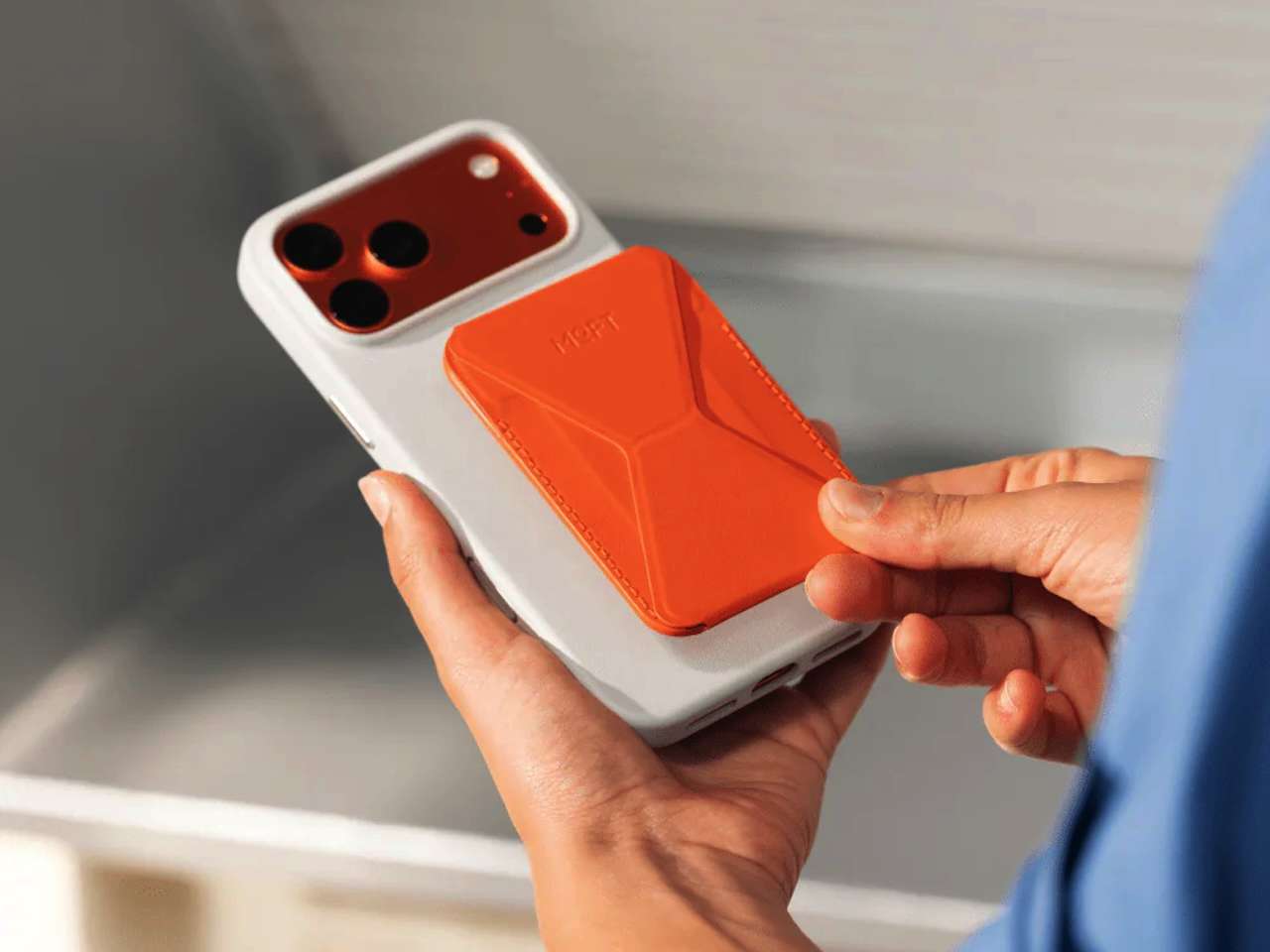
Bulky leather wallets are falling out of favor not because minimalism became trendy, but because most people realized they don’t actually need to carry 15 cards, receipts from three months ago, and a stack of bills they never use. The MOFT Trackable MagSafe Wallet assumes you’ve already made that mental shift and want something that holds two cards, attaches magnetically to your iPhone, and includes Find My tracking. It’s a slim leather holder that disappears against the back of your phone without creating pocket bulk. The magnetic attachment clicks into place with reassuring strength that doesn’t feel like it’ll detach from accidental bumps, and the built-in Find My compatibility means even if he sets his phone down somewhere and walks away, he can track it later without the panic that accompanies losing a wallet.
The two-card capacity forces editing what you carry down to essentials: one primary credit card, one ID, maybe a backup card if needed. That constraint feels liberating once you adjust because it eliminates decision fatigue of sorting through multiple cards every time you need to pay for something. What makes it Valentine’s appropriate isn’t just minimalist aesthetic, it’s the recognition that switching to a slimmer wallet improves daily comfort in ways most people don’t appreciate until they try it.
The leather develops patina over time, acquiring character through months of use rather than looking worn out. The magnetic hold stays consistent through repeated attachment and removal, and the Find My integration removes the low-level anxiety of potentially losing your wallet. You’re not just tracking the wallet itself, you’re tracking your phone, which means as long as you have one, you can find the other.
The price sits around $40 to $50, which positions it as a premium everyday accessory rather than an impulse buy. Wallets are one of few EDC items people use multiple times per day but rarely upgrade unless someone gives them a reason to. This makes it a gift that changes daily experience rather than adding something new to an existing routine. It’s practical without being boring, premium without being ostentatious, and solves a real problem that most people tolerate instead of fixing.
Price: $49.99
Where to Buy: MOFT
Spyderco Para 3 Lightweight: The EDC Knife That Disappears Until You Need It
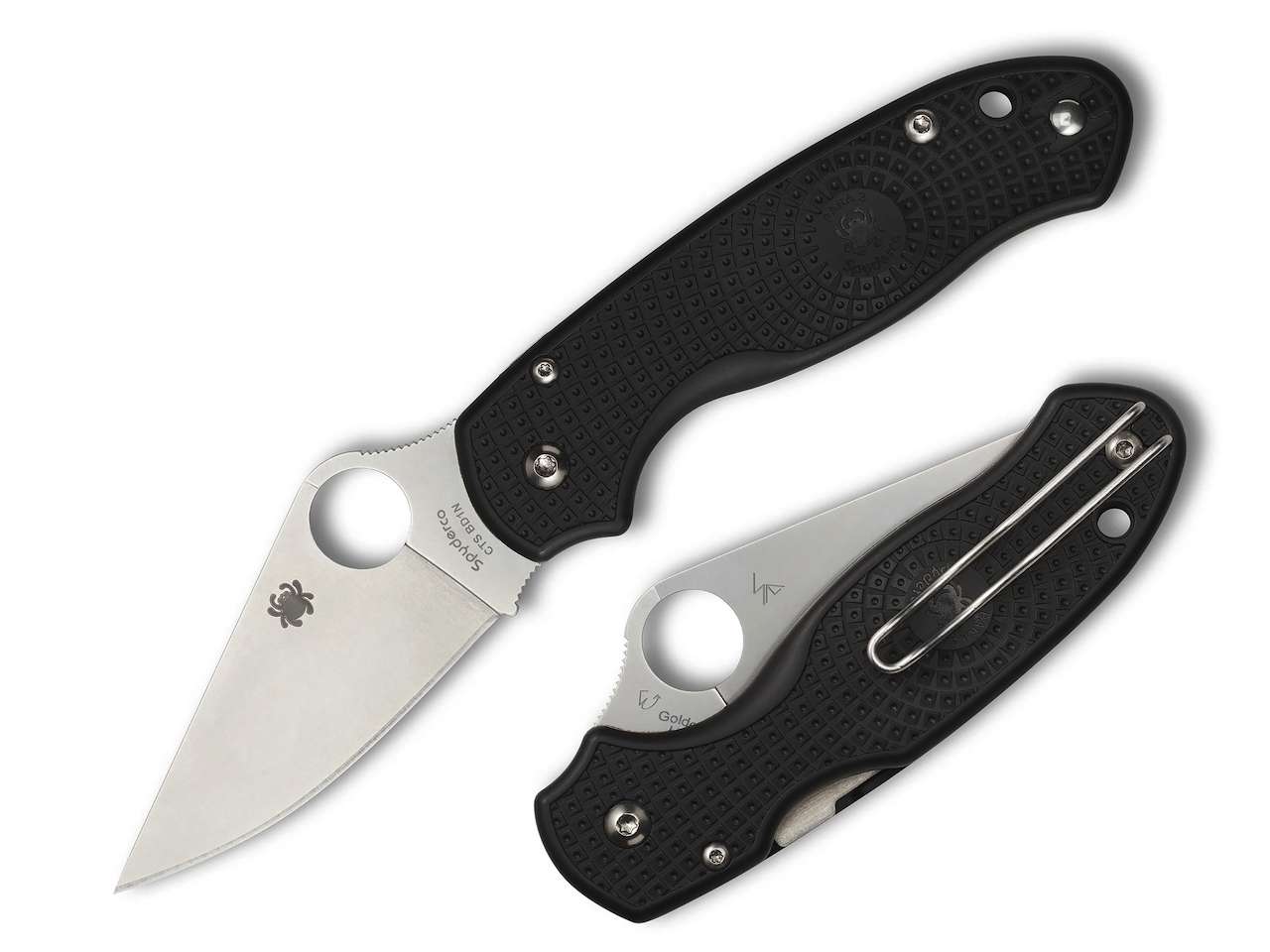
Pocket knives tend to prioritize either tactical presence or practical utility, but rarely both. The Spyderco Para 3 Lightweight solves this by being light enough at 2.4 ounces and slim enough to disappear into pockets completely, while still offering a 3.0-inch blade made from BD1N steel that holds an edge through weeks of daily cutting tasks. It’s the knife you forget you’re carrying until you need to open packages, cut loose threads, strip wire, slice fruit, or handle any of the small cutting tasks that come up when you don’t have scissors or a proper blade nearby.
The compression lock mechanism is one of Spyderco’s signature features. It’s why this knife opens and closes smoothly with one hand using a thumb hole that works equally well for left or right-handed users. That sounds like a technical detail until you’re holding something in one hand and need to open a knife with the other, at which point the design choice becomes obvious and appreciated. The lightweight construction comes from FRN handles instead of heavier metals, which keeps overall weight low without sacrificing durability or grip texture. You notice the weight difference immediately when comparing it to steel-handled folders, and after a few days of carry, you stop thinking about whether the knife is in your pocket at all.
The blade shape is a drop point, which is the most versatile profile for general use because it offers a strong tip for piercing tasks and a broad belly for slicing. This makes the Para 3 Lightweight read as a tool rather than a weapon, which matters in office environments and public spaces where perception affects how people react to visible knives.
At $198, the Para 3 Lightweight sits in the mid-range for quality EDC knives, below premium materials like titanium or carbon fiber that push prices past $250, but well above budget folders that compromise on steel quality or lock reliability. What makes it Valentine’s appropriate is that it’s useful without being intimidating to people who don’t carry knives regularly, refined without being flashy in ways that draw attention, and solves a real problem of needing a blade for daily tasks. It just works, and it does so without looking like it belongs strapped to tactical gear or displayed in a collection case.
Price: $198
Where to Buy: Spyderco
Apple AirTag 2: The Tracker That Finally Got Loud Enough to Matter
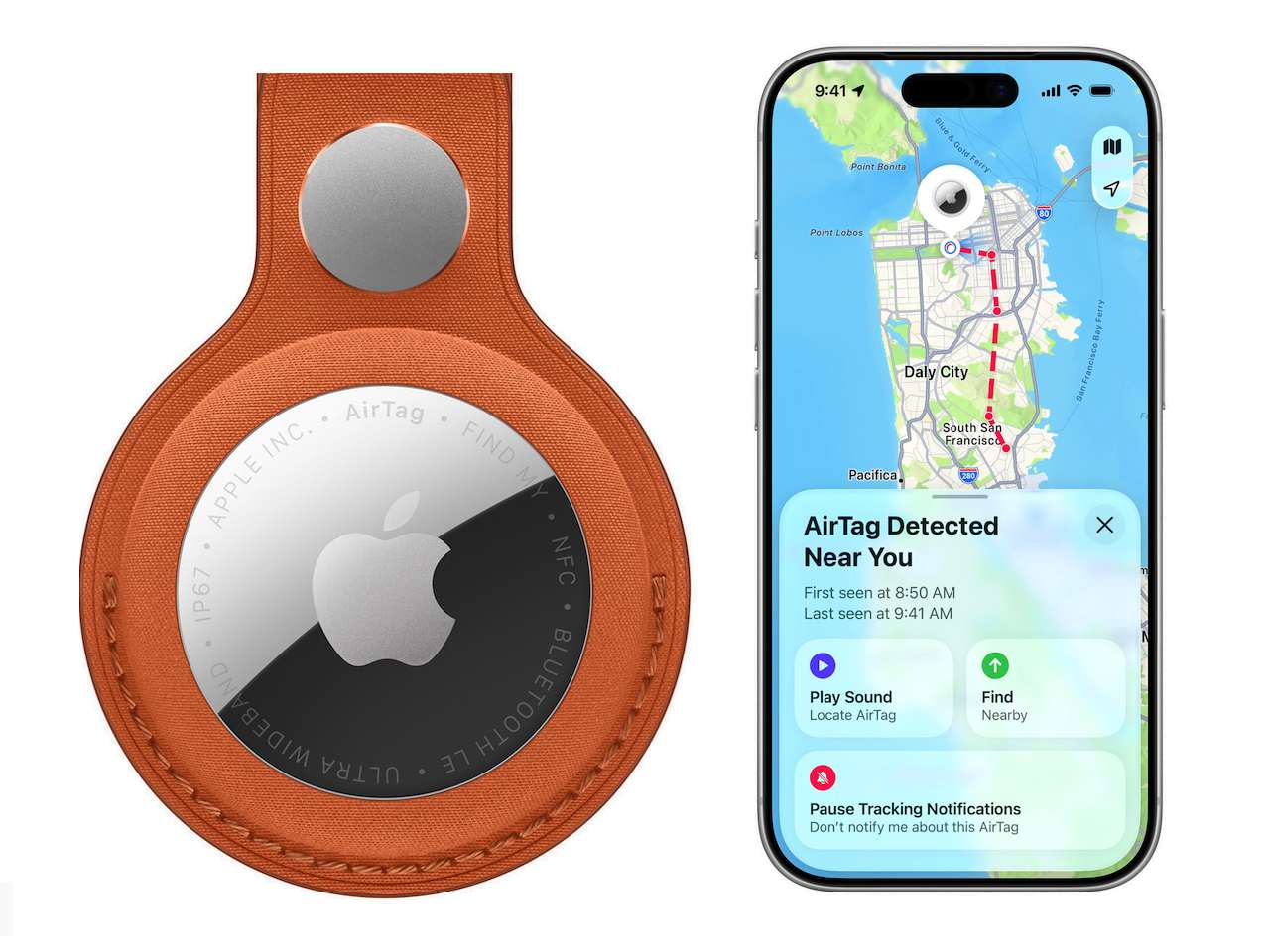
Losing keys, wallets, or bags isn’t a personality flaw or organizational failure, it’s a design problem with how we organize portable items in environments that don’t have dedicated storage systems. The original AirTag solved half of this by making lost items findable through Apple’s Find My network, but the speaker was too quiet to hear from across rooms. The second-generation AirTag fixes both critical issues: the speaker is significantly louder, loud enough to hear from another floor or buried in coat pockets under other items.
The updated model also improves tracking range using ultra-wideband technology with better precision, which means the directional finding feature works at greater distances and through more obstacles like walls or furniture. This turns the AirTag from a “last resort when you’ve lost something for days” tool into a “quickly locate something in a cluttered space within seconds” tool. You’re not just finding keys you lost two days ago after tearing apart your living space, you’re locating them in ten seconds when you’re running late and they’ve somehow migrated to the bottom of a bag. The louder speaker makes the finding process less frustrating because you can actually hear the beep without walking directly over to the item first.
What makes this Valentine’s appropriate is that you’re solving a frustration he’s mentioned or you’ve observed without making it feel like you’re correcting him for being disorganized. It’s a gift that communicates “I noticed this causes you stress, and here’s something that removes it.” The AirTag works best when paired with a quality leather key holder or AirTag wallet insert that makes the tracker feel integrated rather than tacked on.
The price sits around $29 for a single AirTag or $99 for a four-pack, which makes it accessible as a standalone gift or as part of a larger EDC package. The setup process is seamless for anyone already in the Apple ecosystem, taking seconds to connect to an iPhone. The Find My network leverages millions of Apple devices to locate lost items even when they’re out of Bluetooth range of your personal phone, and the second-generation improvements address the main pain points of the original without changing core functionality. This is the version that finally delivers on the promise of stress-free item tracking.
Price: $29
Where to Buy: Apple
Why This Exists
Valentine’s gifts for men have historically suffered from a design problem nobody wanted to acknowledge directly: the overlap between “romantic gesture” and “practical utility” didn’t really exist in most product categories available through conventional retail channels. You could give flowers that looked romantic but died within a week, cologne that felt personal but presumed you understood their taste better than they did, or clothing that was practical but risky because sizing and style preferences are intensely personal. None of those options felt like genuine expressions of understanding how someone actually lives their daily life. EDC gear solves this because it occupies the space between personal accessory and functional tool, which means choosing the right item requires paying attention to someone’s daily friction points.
The shift happened gradually over the last decade as EDC design moved away from military cosplay aesthetics and toward refined materials, compact forms, and honest utility. What you’re seeing now in 2026 isn’t a trend but a maturation, where tools like the Leatherman Micra or MOFT wallet can sit on a dresser next to a watch and leather wallet without looking like they belong in a bug-out bag. That aesthetic evolution makes these items giftable in contexts where tactical gear never was.
This guide exists because the EDC market has finally reached the point where you can give someone a multi-tool, knife, or tracker without requiring them to adopt a lifestyle identity around carrying gear. These are just well-designed objects that solve real problems without requiring maintenance rituals or specialized knowledge. The Valentine’s context works because these items compound in value over time as they become part of someone’s routine, which means the gift keeps delivering utility long after the holiday passes. That repeated use creates a stronger association with the person who gave it than any symbolic gesture that gets looked at once and then stored away.
Who Should Skip This
This guide isn’t for people shopping for someone who already deeply invests in EDC gear and has strong preferences about blade steels, lock mechanisms, or brand loyalties. Enthusiasts typically know exactly what they want and have already optimized their carry systems through years of trial and experimentation, which makes gifting them gear risky unless you know their specific wish list. Skip this if you’re looking for symbolic romantic gestures without practical utility, because these items are functional tools first. While they can carry sentimental meaning through repeated use and association, they won’t deliver the immediate emotional impact of traditional Valentine’s gifts.
Also skip this if he doesn’t carry anything in his pockets beyond a phone and wallet, doesn’t lose items regularly, and hasn’t mentioned frustrations with bulk, organization, or missing tools when he needs them. These gifts solve specific problems, and if those problems don’t exist in his daily life, the items become solutions looking for friction points. The MOFT wallet doesn’t make sense for someone who likes carrying cash and multiple cards, the AirTag doesn’t help someone who never loses things, and the Leatherman Micra sits unused in a drawer if he never encounters small tasks that require scissors or screwdrivers.
If he already carries a Spyderco, owns multiple Leatherman tools, or has strong opinions about wallet materials and construction methods, you’re better off asking directly what he wants rather than surprising him with an alternative that might conflict with preferences he’s already established. Finally, skip the knife recommendation entirely if he works in environments with strict weapon policies that prohibit any blade regardless of size or intent, travels frequently through airports where knives create TSA complications, or lives in jurisdictions with restrictive knife laws. Even a practical folding knife becomes a liability in those contexts.
Why These Work as Valentine’s Gifts
EDC gifts succeed when they bridge the gap between “I thought about you” and “this improves your life,” which requires knowing what small frustrations someone deals with daily and finding tools that remove them. These five items solve real problems with refined design that doesn’t feel tactical or utilitarian in ways that make them inappropriate for romantic contexts. They’re gifts that show attention to detail rather than generic thoughtfulness, and they compound in value over time as they become part of someone’s daily routine. That’s the difference between a Valentine’s gift that gets used once and appreciated politely, versus one that becomes a quiet reminder of the person who gave it every single time it’s reached for.
The traditional Valentine’s gift categories optimize for immediate visual or emotional impact, which is why flowers, jewelry, and chocolates dominate the market despite being consumable or decorative. EDC gear inverts that priority by delivering minimal immediate impact but maximum cumulative value. These items don’t announce themselves as romantic gifts the way jewelry does when presented in a box with a bow, but they integrate into daily routines in ways that create stronger long-term associations with the person who gave them.
