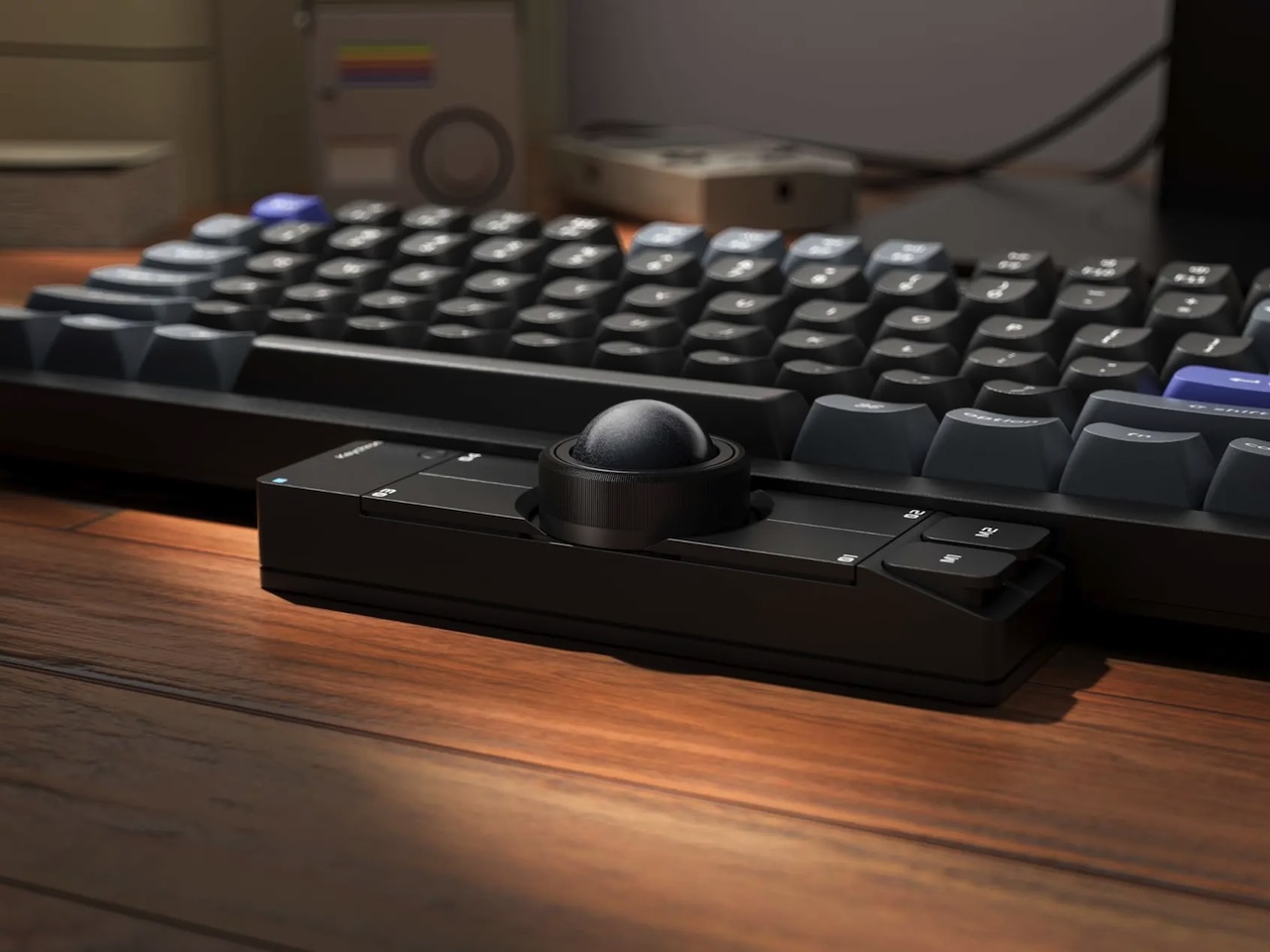
ARTICLE – Most trackball users have accepted a compromise: you either reach to the side or you reach to the mouse. Keychron thinks the problem is the reaching itself. The company’s first trackball, the Nape Pro, is designed to sit directly in front of your keyboard, close enough that your thumbs can take over cursor duties without your hands ever leaving the home row. It debuted at CES 2026 and immediately drew more attention than Keychron’s keyboard announcements.
That response says something about how hungry the mechanical keyboard community is for pointing devices that actually integrate with their workflows. The trackball’s slim profile allows it to tuck under the front edge of a compact board during use, or sit to either side for traditional placement. Six programmable buttons and a rotary dial handle shortcuts, layer switching, and adjustments like volume or scroll speed without breaking typing rhythm.
Keyboard-centric users have long struggled with the friction of switching between typing and pointing. Moving a hand to a mouse interrupts flow. Traditional trackballs solve part of this by reducing wrist movement, but they still live off to the side, requiring a lateral reach. The Nape Pro’s compact footprint targets the space directly below the spacebar, turning cursor control into something closer to a thumb cluster operation. Keychron built the device with ambidextrous use in mind, so right-handers, left-handers, and anyone experimenting with unconventional desk layouts can find a configuration that works.
Pricing and Availability
The Nape Pro will launch through crowdfunding in Japan first, with a US release expected in spring 2026. Pricing remains somewhat fluid, with Keychron initially suggesting a range between $60 and $100 depending on tariffs. Japanese crowdfunding listings have shown prices closer to the equivalent of $130 to $170. If Keychron’s typical pricing pattern holds, US customers can probably expect something around $100 to $130 at launch, putting the Nape Pro in competition with mid-range trackballs while offering a form factor none of them match.
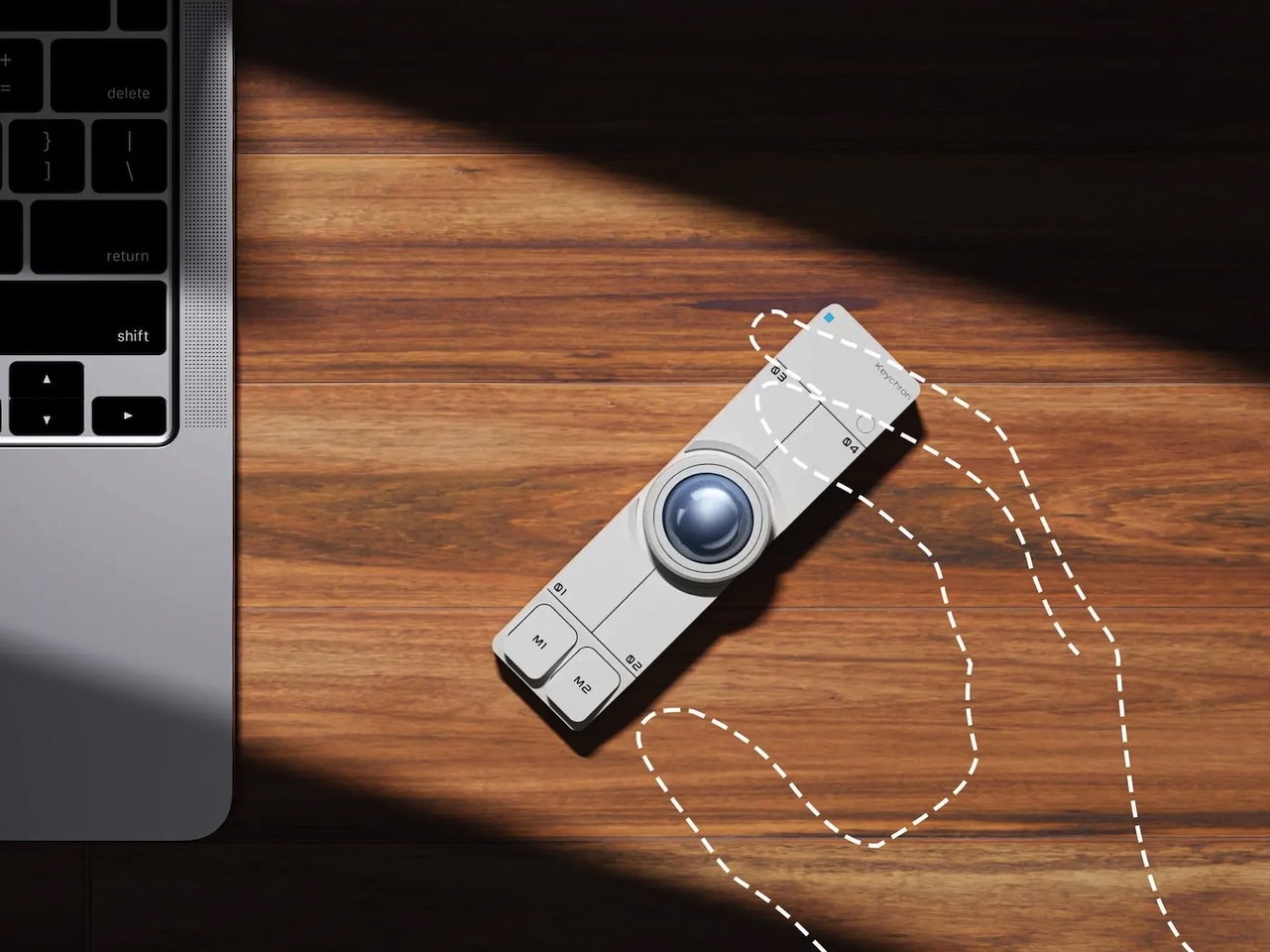
Early hands-on impressions from CES suggest the device feels immediately approachable, even for trackball newcomers. The ball rolls smoothly, the buttons have satisfying tactility, and the overall construction feels solid without adding unnecessary bulk. Firmware and remapping tools will matter once units ship, so verifying OS compatibility before preordering makes sense.
The Bottom Line
If you’ve been chasing a more integrated workflow and don’t mind being an early adopter, the Nape Pro is worth watching. The spring 2026 launch timeline gives Keychron time to refine firmware before US availability, and the $100 to $130 expected price range positions it competitively against mid-range trackballs that don’t offer this kind of placement flexibility.
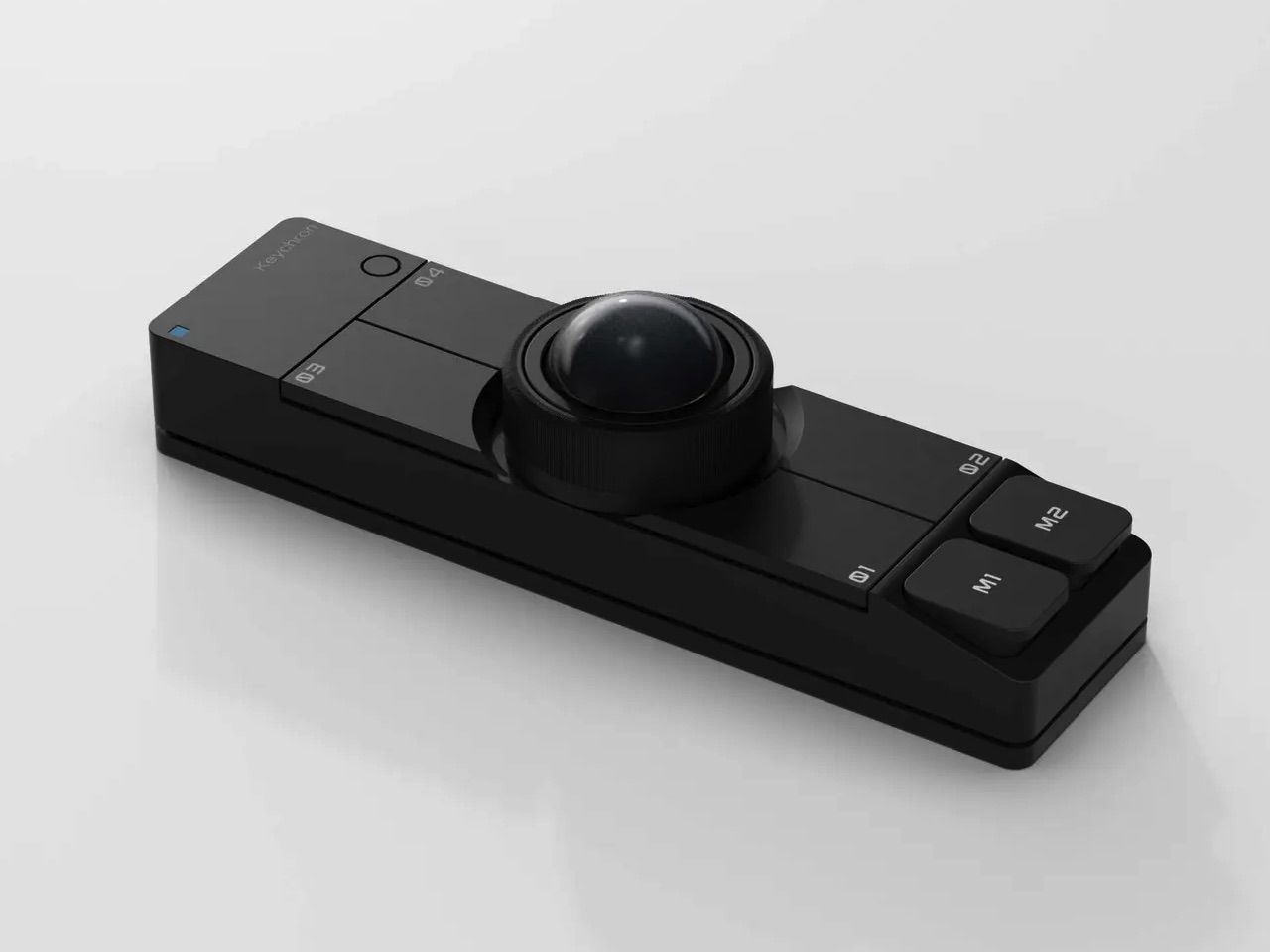
That said, this probably isn’t for you if you’ve already invested in a trackball setup you love and don’t mind the reach. It won’t replace a mouse for gaming scenarios where absolute precision and high polling rates matter more than ergonomic positioning. Anyone who needs a proven, mature product with years of firmware refinement should wait and see how the first generation performs in the wild. This is Keychron’s first trackball, and first-generation hardware sometimes needs a revision or two before it hits its stride.