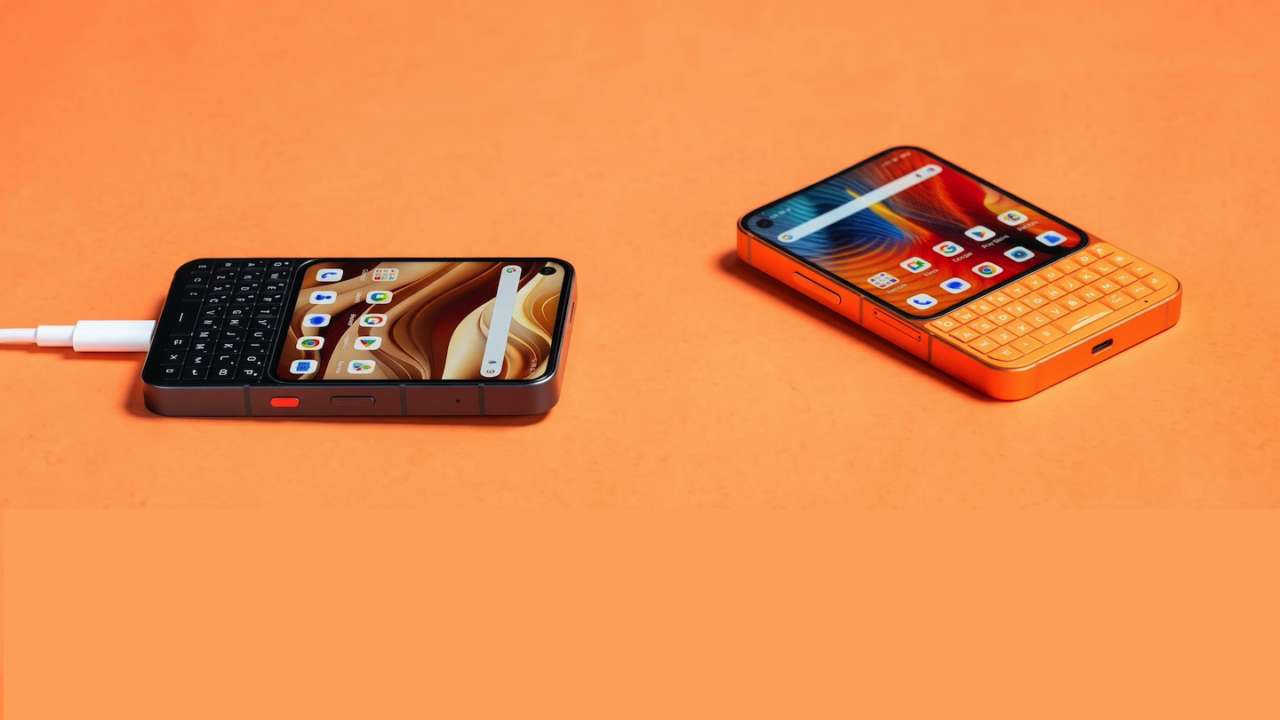
Unihertz is teasing a third color for the Titan 2 Elite, the compact keyboard phone it sells in black and orange today. The company posted a silhouette of the phone on X with a four-word caption: “New color. Who dis?”
Price: $489.99 (Titan 2 Elite) | $609 (Unihertz Jelly Star)
Where to Buy: Unihertz | Amazon
The silhouette gives it away before the caption does. The squared-off screen, the full QWERTY board and the red side button fit one phone in the Unihertz catalog.
What’s locked in is the timing, with more detail promised before the end of November 2026, not next year. A color reveal this close to the holidays reads like a sales move as much as a design one, since the Elite is the phone in the line most likely to be bought on looks after the keyboard. Unihertz still hasn’t named the color, shown a sample or said whether the new finish changes anything else on the phone.
The confirmed facts and the open questions
Start with the short list of hard facts, because the tease itself carries almost none of them beyond a shape and a caption. A new version of the Titan 2 Elite is coming soon, Unihertz has confirmed, and the one change named in writing is the color, with the silhouette doing the rest of the talking for the company.
Everything past that line, the finish name, the price and the sale date, is still unwritten. The guesses under the post show how open the field is, with followers throwing out white, red, purple and burgundy in the replies. The wait, at least, is short.
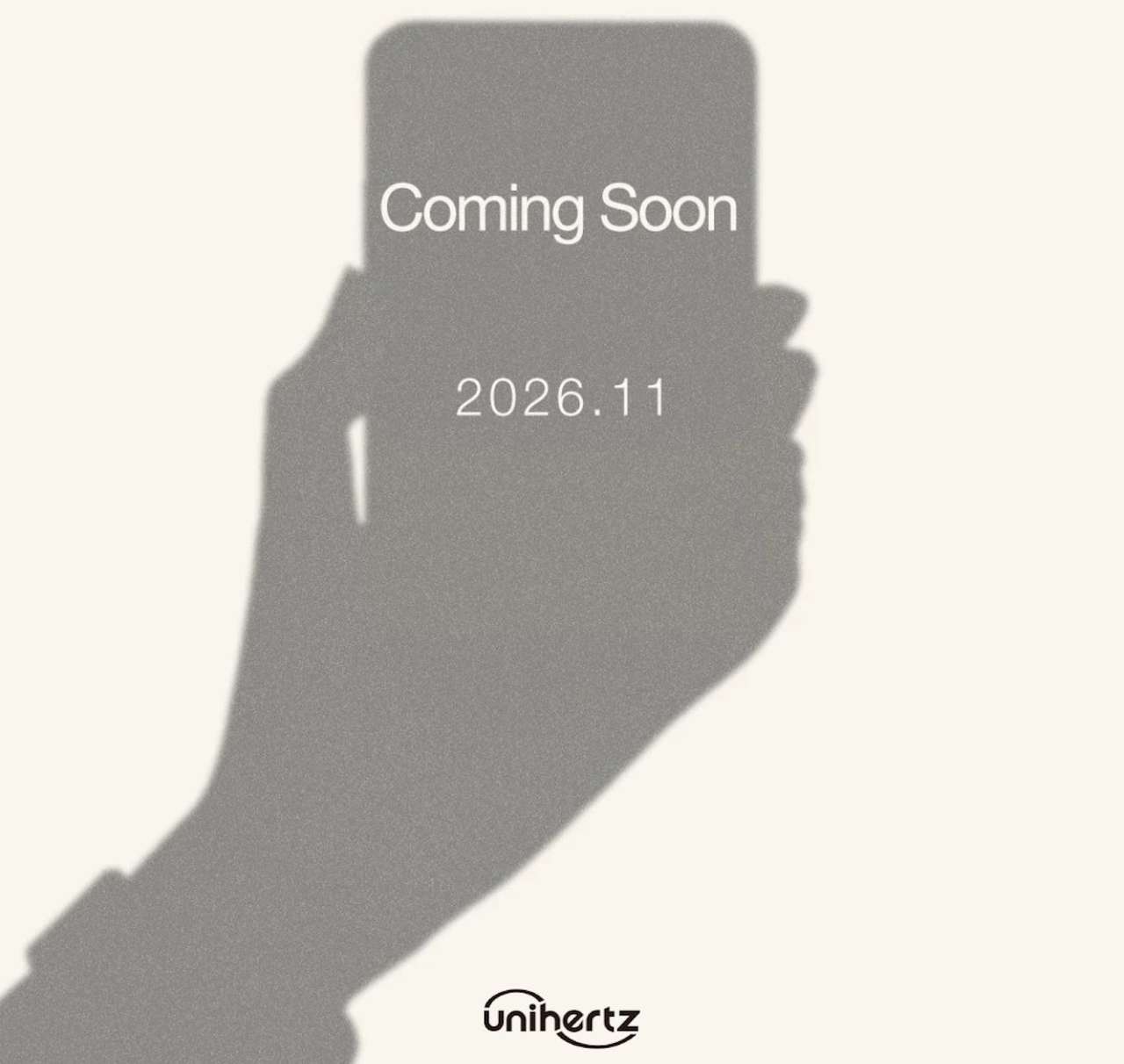
None of those names comes from Unihertz, and treating any of them as the answer would be a guess dressed as news. The confirmed read is narrower: a third finish exists, and the reveal lands before November closes.
A second variant track is already running, and it’s worth keeping the two apart in your head. Unihertz has previewed AZERTY and QWERTZ keyboard layouts for the Elite, a hardware change aimed at French and German typists that we covered in October. A new color changes none of the typing, while a new layout changes the board itself, right down to the legends printed on the keys.
The Elite itself isn’t sold on Amazon, so the Amazon route to a small Unihertz runs through the Jelly Star, its 3-inch compact at $609, which Amazon sells through the Unihertz Store. It gives up the keyboard and the 5G, which is exactly why the Elite exists.
Color does real work on a keyboard phone
Phones hide under a case within a week, which drains a new color of most of its value by the second month. The Elite is built the other way around, with the keyboard and the back sharing one finish that stays on show every time the phone sits on a desk.
Orange proved the point at launch. It’s the finish in nearly every photo Unihertz leads with. Black sells the work-phone read by contrast, all business and no flash.
That’s the bet with this phone. It gets carried naked, so the finish earns its keep.
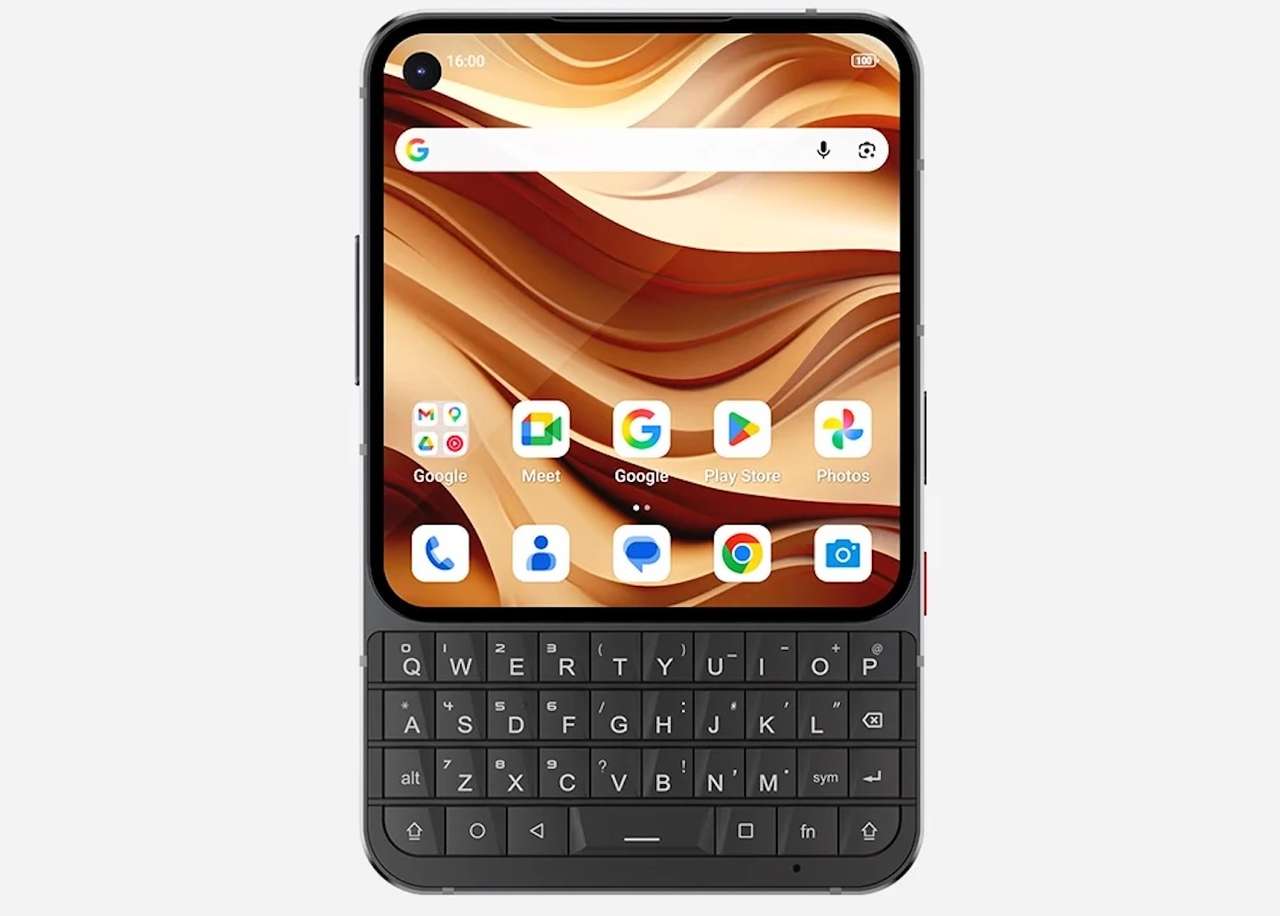
Both current finishes wear a matte surface, and Unihertz says it refined that surface to get the feel it wanted before the phones went on sale. A third finish has to find its own lane instead of splitting the difference between the two. A lighter color changes how the keyboard legends read in bright light, while a darker one leans on the red programmable button for contrast.
A New Color, With The Full Reveal Still To Come
Nothing about a color launch changes the hardware, and the hardware is the reason this phone gets covered at all. The Elite packs a 4.03-inch AMOLED screen at 1080 by 1200 and 401 ppi, with a 120Hz refresh rate and a punch-hole selfie camera up top. The panel is rated at 1,600 nits peak brightness and 2160Hz PWM dimming, with full DCI-P3 color coverage.
The keyboard is the other half of the formula, a classic phone-style QWERTY with tactile keys that also work as a touch surface for scrolling and cursor control. Every letter key takes short-press and long-press shortcuts, flick typing pulls up word candidates with a swipe, and a long slide across the keys turns on the backlight.
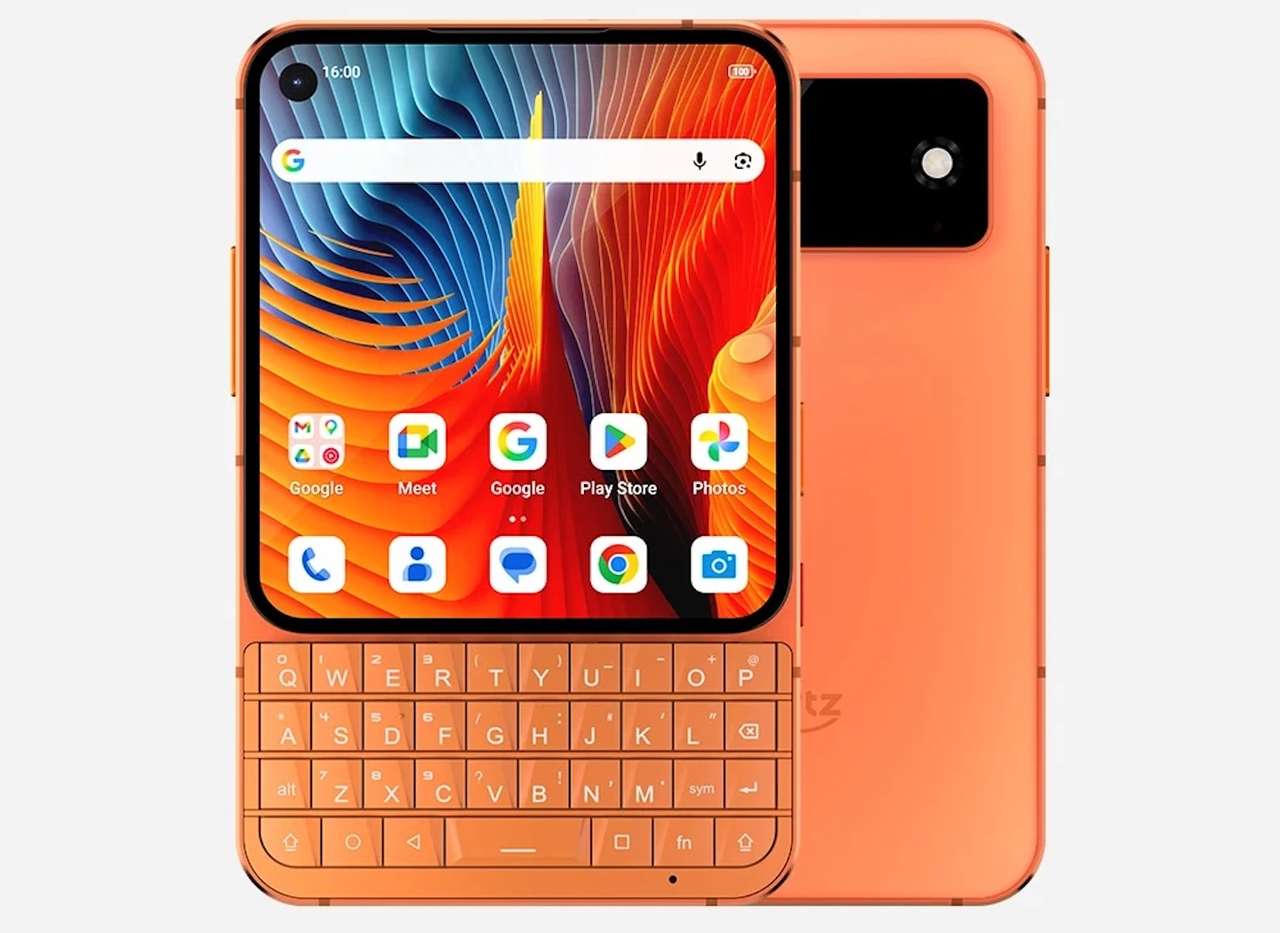
Real keys are the reason to buy it. The rest of the spec sheet is supporting cast for the people who came for the keys.
Under the frame, the standard Elite runs a MediaTek Dimensity 7400 with 12GB of RAM and 256GB of storage, while the Pro steps up to a Dimensity 8400 and 512GB. Cameras run to a 50MP main camera and a 50MP telephoto with up to 20x zoom, plus a 32MP selfie camera. The 4,050mAh silicon-carbon battery charges at 33W.
Unihertz builds the mid-frame from aerospace-grade aluminum with six CNC passes and two anodizing treatments, so the finish sits on metal rather than plastic. The phone carries dual Nano SIM slots with eSIM support, and the second slot can trade places with a microSD card for up to 2TB of extra storage for photos, video and files.
Software support is the quiet strength here, since the Elite ships with Android 16 and Unihertz commits to five years of updates with system upgrades through Android 20. That promise outlasts most small-brand phones by years, and it changes the math on waiting for a color, because the phone you buy this winter is still getting system updates in 2030.
A Fresh Finish, The Same Keyboard Appeal
The rest of the kit list runs long for a compact phone: Bluetooth 6.0, NFC, an IR blaster, dual-band GPS, fingerprint unlock and an FM radio all made the cut. The built-in Toolbox adds a compass, a bubble level, a flashlight and a stack of other pocket tools. The red side button is programmable, so it can open the camera, the flashlight or an AI assistant on a single press.
The reveal will settle the color question fast. Price and the sale date are the two answers still owed by the company.
Price: $489.99 (Titan 2 Elite) | $609 (Unihertz Jelly Star)
Where to Buy: Unihertz | Amazon
If the keyboard already sold you, wait the few days until Unihertz shows the finish and names it. The reveal lands before November ends, and the current phone isn’t going anywhere in the meantime. If color is a shrug, the black and orange Elite at $489.99 is the same phone the tease is built on, and our comparison with the Titan 2 shows where it wins.