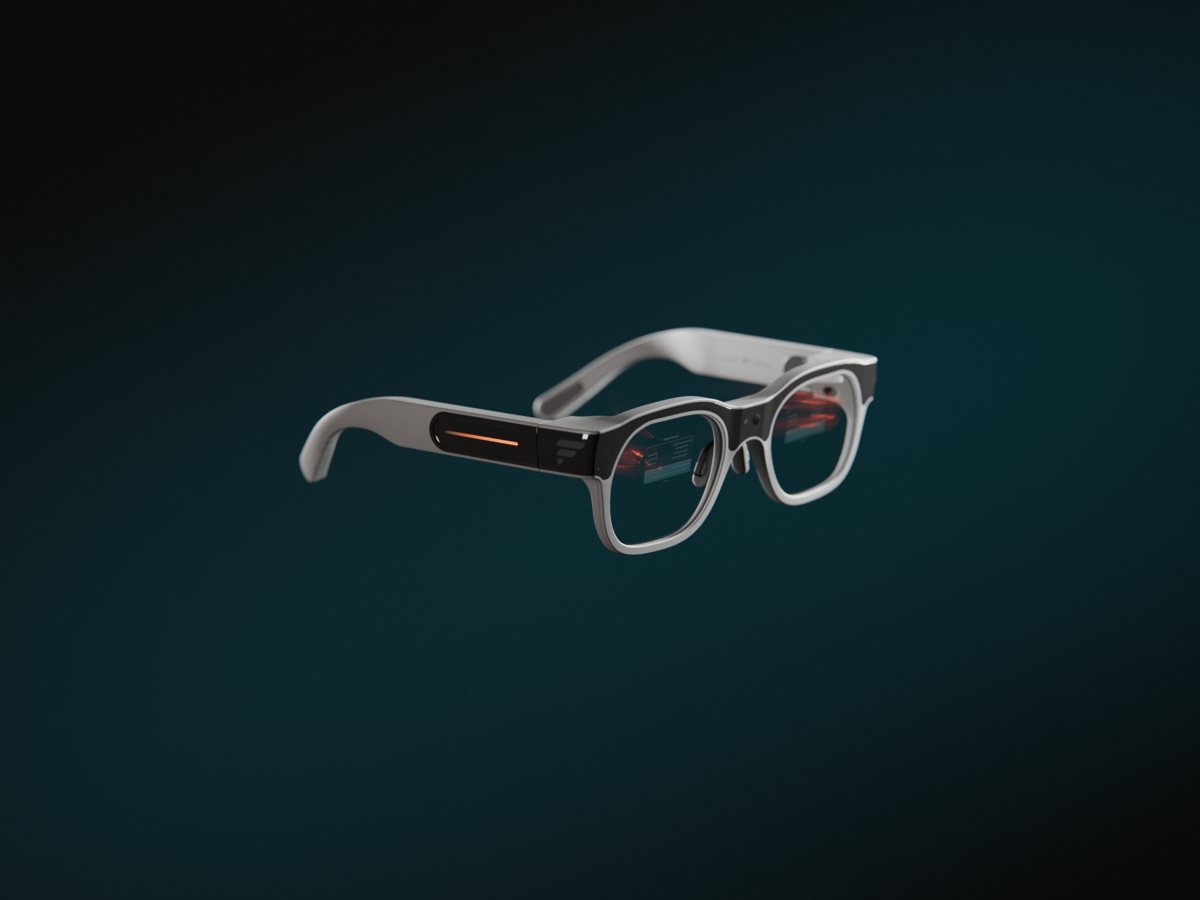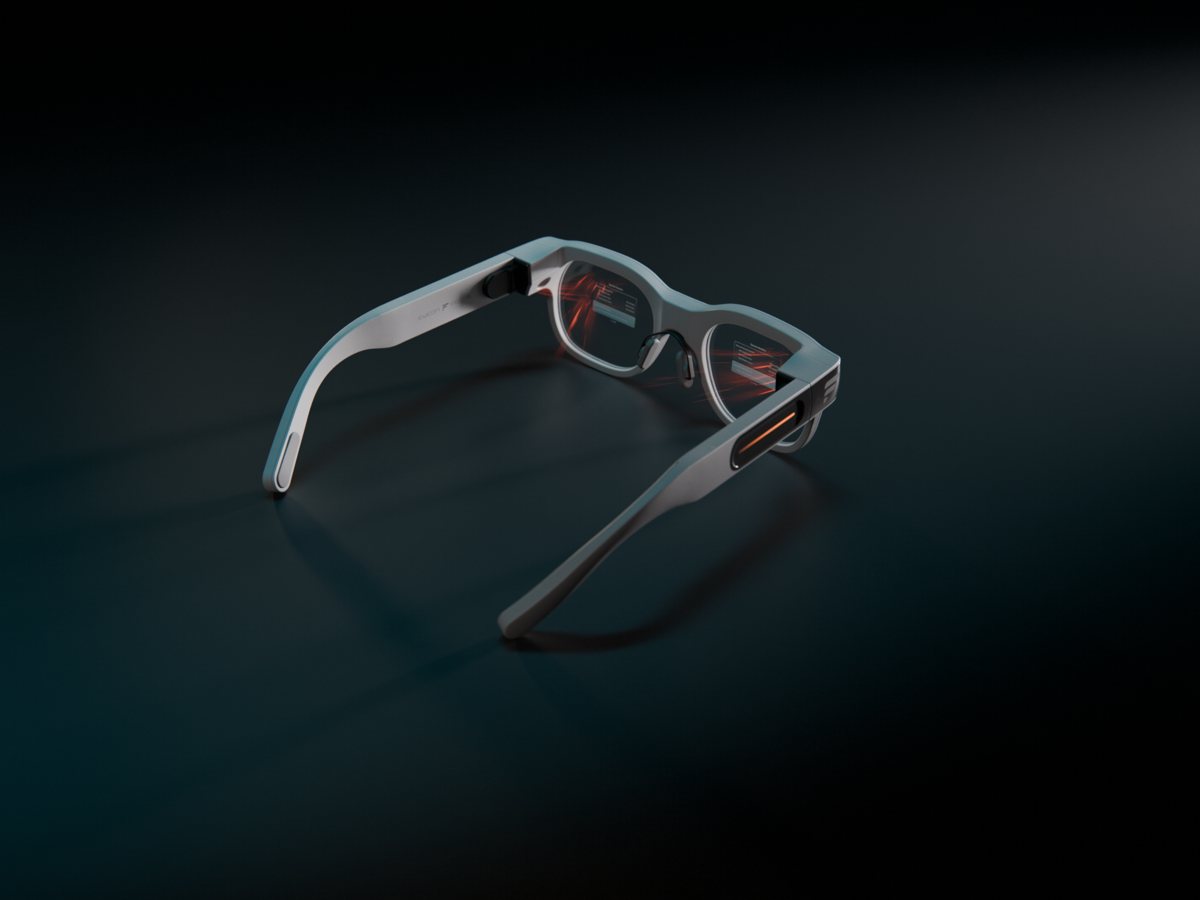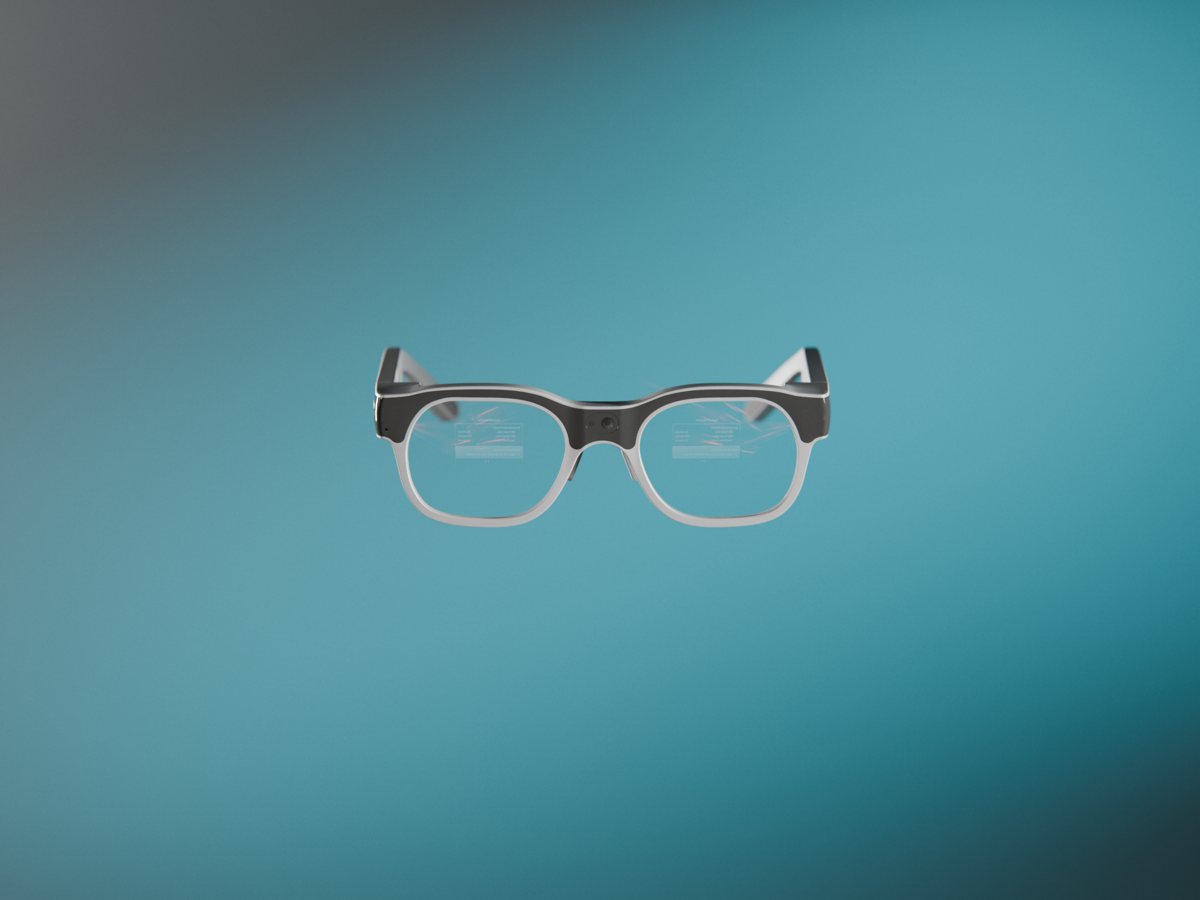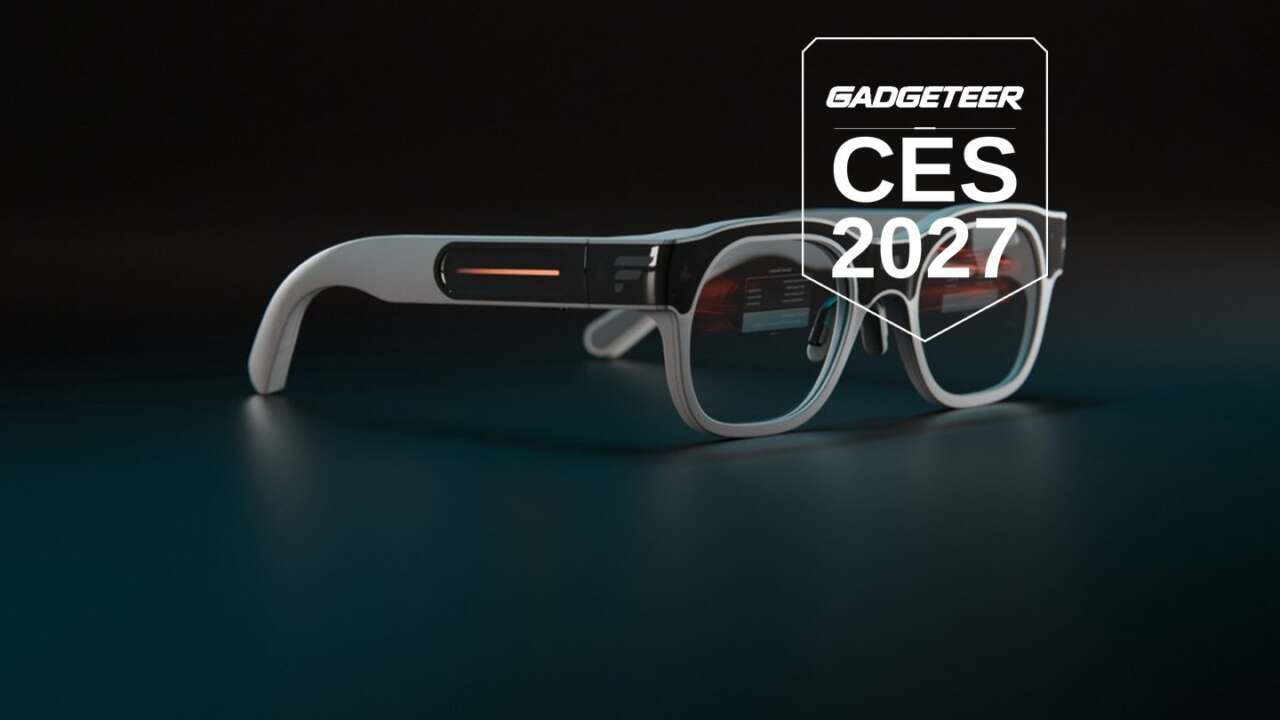
Eyeon Focus puts near-infrared LEDs inside AI glasses, shining invisible light into wearers’ eyes all day. The Dutch proof of concept calls the frame an eye-health device, not a screen delivery system.
Every major glasses launch this year raced to add the same things first: displays, cameras and assistants, all of them parked an inch from the wearer’s eyes. Critics keep asking what that proximity does to vision over time, and the question has followed the category from one launch to the next, all year, without a settled answer yet. Eyeon Medtech, a new Amsterdam health technology company, is running in the other direction entirely. Here, the hardware is the therapy itself.
Price: Not for sale, proof of concept only
Where to buy: Not on sale anywhere; details at Eyeon Medtech
The light is the part of sunlight that stays outdoors
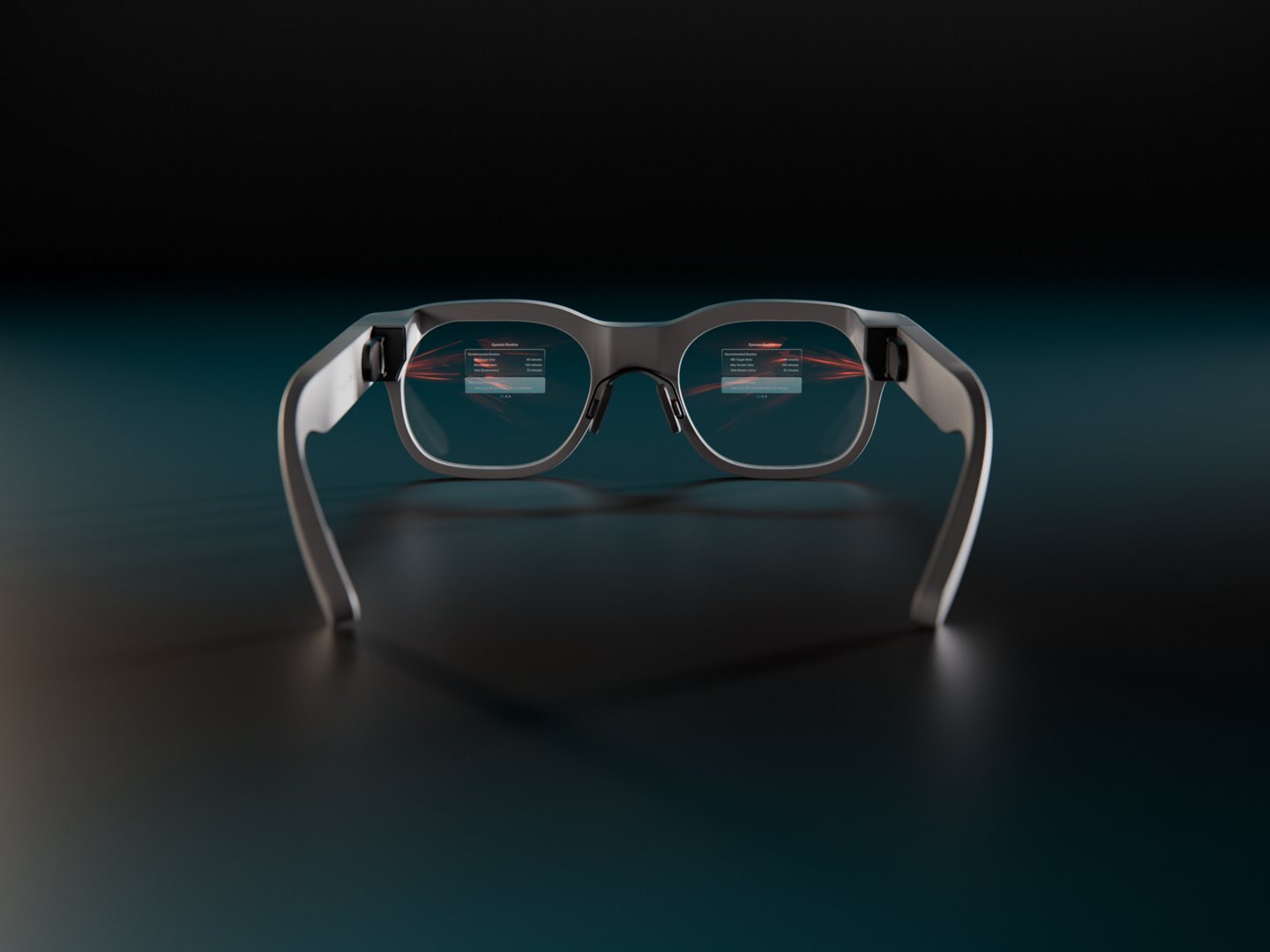
Near-infrared light sits in the sunlight spectrum just past visible red. It barely exists under indoor lighting, where people spend most of their waking hours. Eyeon’s frame carries small NIR LEDs that bathe the eyes in that light during daily wear. The exposure rides along with ordinary routines, start to finish.
Photobiomodulation is the route: wavelengths triggering responses inside cells, across retinal function, inflammation, myopia progression and dry eye symptoms. Eyeon says it may ease dry eye, hold back nearsightedness shifts and preserve retinal cell function, framed as potential, not proof.
The contrast Eyeon draws is with the light-based devices already sold for eye health today. Those devices ask owners to set aside dedicated treatment sessions instead of treating the eyes during the day, and the treatment only happens when the session itself does. Eyeon’s claim is that eyewear removes the scheduling problem entirely. The exposure window is simply the hours the glasses are already on the wearer’s face, and nothing has to be booked, remembered or made time for.
The stakes behind the pitch aren’t small at all. A study published in Ophthalmology projects that nearly five billion people, 50% of the world’s population, could be living with myopia by 2050, with increased near work and reduced time outdoors named as the key lifestyle factors behind the whole shift. Glasses that park a screen an inch from the eye land in the very middle of that trend. That tension is exactly what Eyeon is building its company around.
Nobody will sell you these glasses

Eyeon Focus is a demonstration, not a consumer product, the company says plainly. No price, no preorder page, no ship date: Eyeon isn’t selling glasses.
The business is licensing. Eyeon holds patented near-infrared technology and wants AI glasses makers to integrate its LEDs into their frames, like a camera module or chipset in a phone. Brands weighing it can reach the team at [email protected]. The pitch: eye-health hardware in a product people already want to wear.
The technology is designed to sit alongside the features those manufacturers are already shipping today. Audio, a full-color dual screen, a camera, messaging, calls and AI assistants all stay in place, and the near-infrared hardware has to share the frame with every one of them. Eyeon says its design work accounts for comfort, battery life, aesthetics and plain day-to-day usability. A health feature that drains the battery or thickens the frame won’t survive a single product meeting.
Eight years of light research behind a 2026 startup

Founded in 2026 in the SunLED group, Eyeon Medtech builds on eight-plus years of SunLED Life Science research and development. Funding comes from Momentum Global Ventures; the Amsterdam team runs 11 to 50.
The parent company’s eight years went into near-infrared research, all of it before Eyeon existed as a company. Eyeon was formed this year to carry that work into eyewear specifically, to take research that lived in the parent group and aim it at a frame. The company says it’s continuing the work through preclinical and clinical research, and that continuation is the slow part of the story. It’s also the part that decides whether the licensing pitch lands or dies.
CEO Dr. Anne Berends says the next generation of smart eyewear should do more than connect people to the digital world: proactive eye health support should be part of daily life, with wearers changing nothing at all. It’s a wellness pitch dressed as an engineering one throughout, the glasses working while the wearer does nothing differently.
That framing cuts both ways. A proof of concept with promising research behind it is still a proof of concept, and the clinical case takes years of studies to settle. Eyeon has a working frame, a patent position and a licensing story aimed at an industry deciding what smart glasses are for.
Where to see Eyeon Focus at CES 2027

Eyeon Focus debuts at CES 2027 in Las Vegas, on the full press circuit. First look: CES Unveiled, January 4, Mandalay Bay, then Pepcom, January 5, and ShowStoppers, January 6.
The company also exhibits all week at the NL Tech Pavilion in Eureka Park, inside the Venetian Expo, Hall G, from January 6 through January 9, 2027. Anyone tracking the smart glasses category should put the booth on the list. Eyeon is the rare exhibitor saying the frame itself should protect the eyes behind it, and it gets four days on the pavilion floor to make that case in person. Four days, three press showcases, one pavilion.