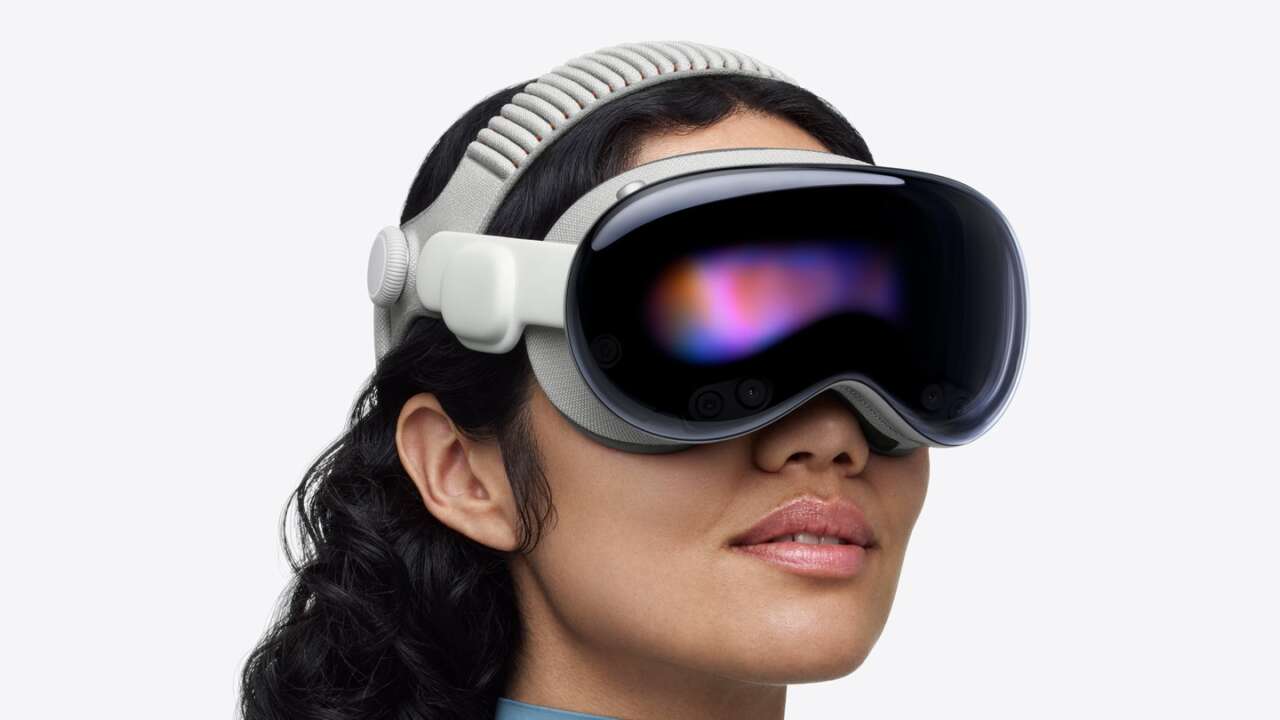
Apple wants more people shooting Apple Immersive Video for Vision Pro, so it’s opening up the live production pipeline behind its own courtside Lakers broadcasts. The format, the transport and the preview tools are now documented for anyone building cameras, mixers or apps.
Apple made the pitch at an all-day Meet with Apple session earlier this month, held at the Apple Developer Center and streamed online. It covered immersive and spatial formats across entertainment, marketing, enterprise and live events, with a first look at producing live shows in Apple Immersive. Live was the headline.
Price: from $3,699 at Apple. Where to buy: Buy at Apple
Live immersive is now a format anyone can build for
Live video gets a defined format, Apple Immersive Live Video, built from three pieces: streamed ProRes frames, uncompressed PCM audio, and a JSON metadata object that rides along with every frame. Each piece travels as its own SMPTE ST 2110 stream, the IP standard broadcast facilities already run on.
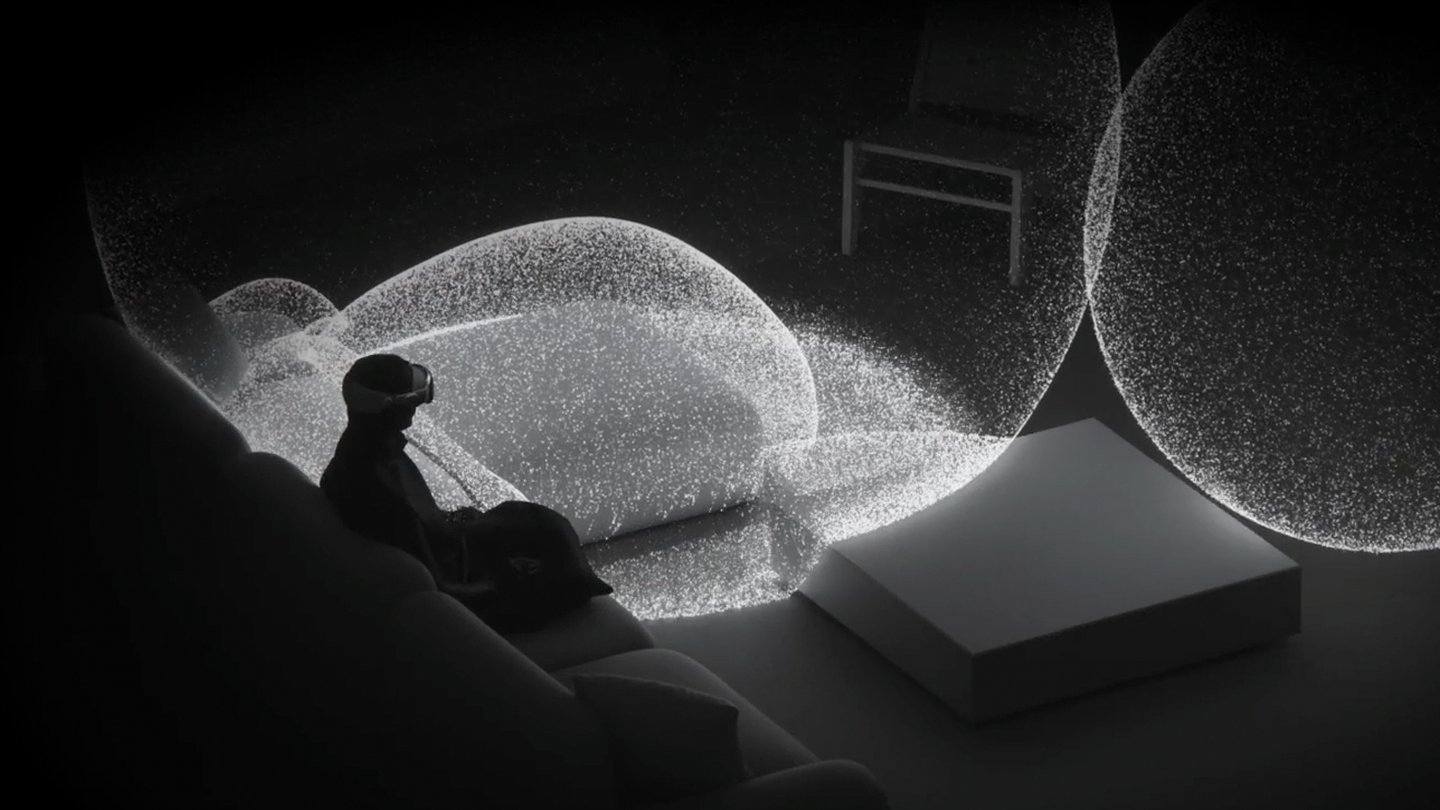
That picture runs at 32 times the resolution of a typical 2D broadcast at twice the frame rate, and plenty of broadcast gear simply wasn’t built to move that much data.
Recording follows the same rule, and replay operators will notice it first. Because the feed is already ProRes, a live stream records straight into a MOV file with no extra encode and no generational loss, then plays back out into the live chain untouched. An instant replay looks as sharp as the live shot.
What visionOS 27 adds for editors and directors
Most of the new tools sit in the Immersive Media Support framework, the layer that reads and writes the format’s metadata. In visionOS 27, Apple adds camera presentation commands, so a director can override the default camera configuration in the middle of a complex live production instead of living with whatever the rig was set to at the start.
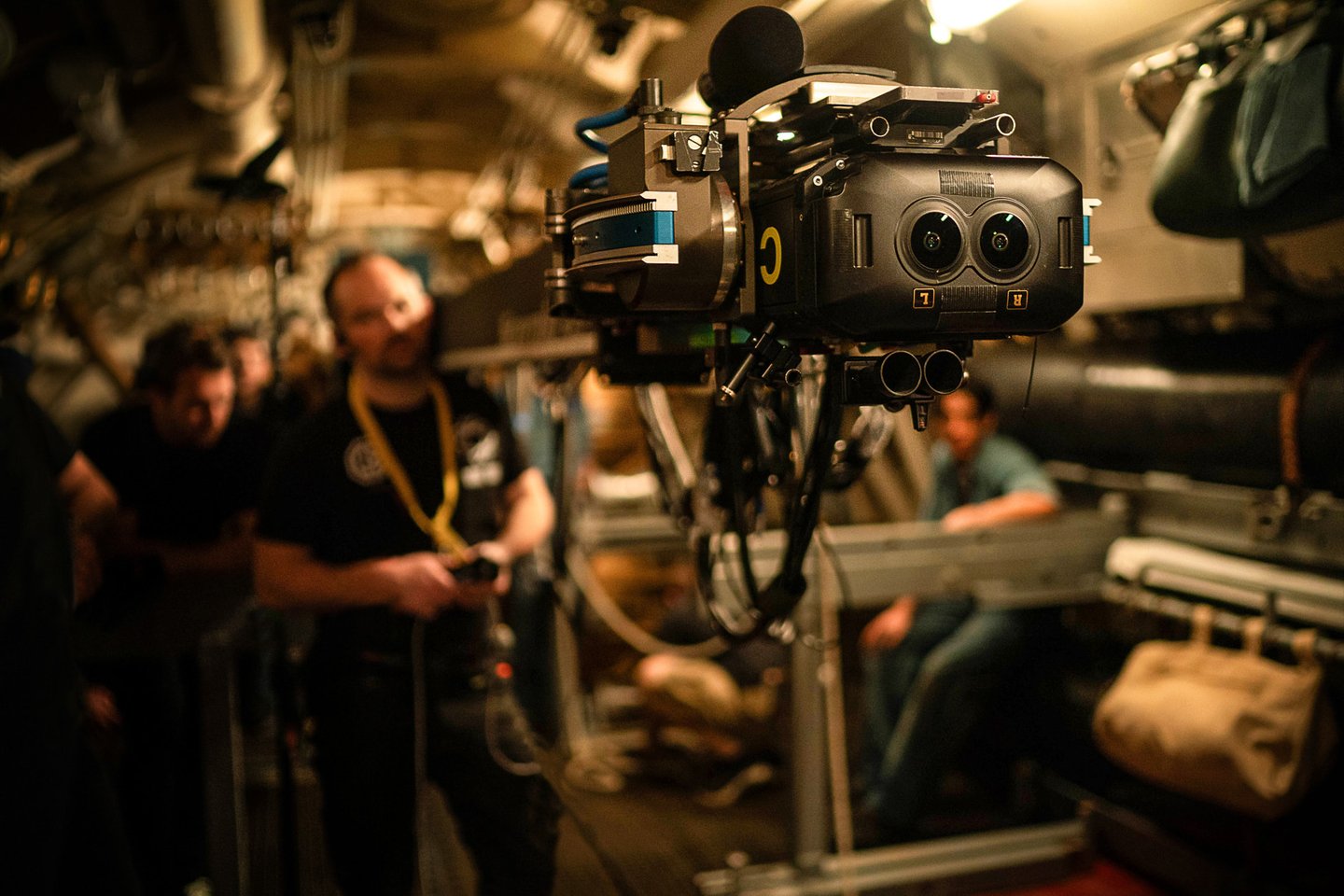
Real-time previewing sends Apple Immersive Video from a Mac straight to a Vision Pro during editorial or a live show, so the person cutting sees what the audience gets without exporting a file first. Custom compositor pipelines let a production insert its own rendering stages.
Under the live layer sits the recorded format, which captures at 90 frames per second and more than 50 megapixels per eye. It aims at 60 pixels per degree, the sharpness Apple equates with 20/20 vision. The field of view can reach a target of 230 degrees, and Vision Pro reprojects every pixel as originally captured.
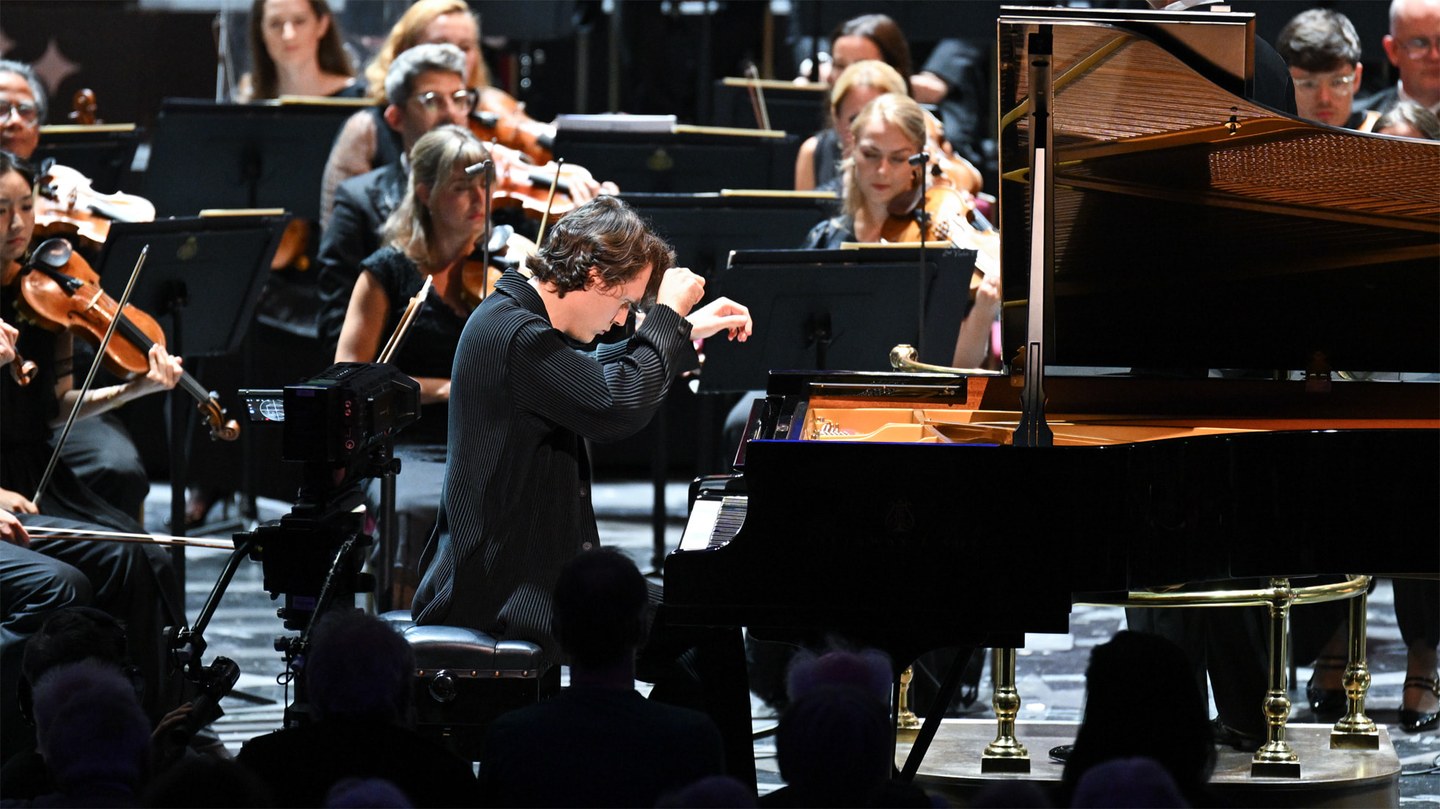
One file carries the picture, lens calibration, graphics, spatial audio and motion metadata together, so post-production skips the transcodes and manual projection fixes that used to eat the schedule. Lens calibration, 3D sync and world scale are handled automatically through editorial and finishing.
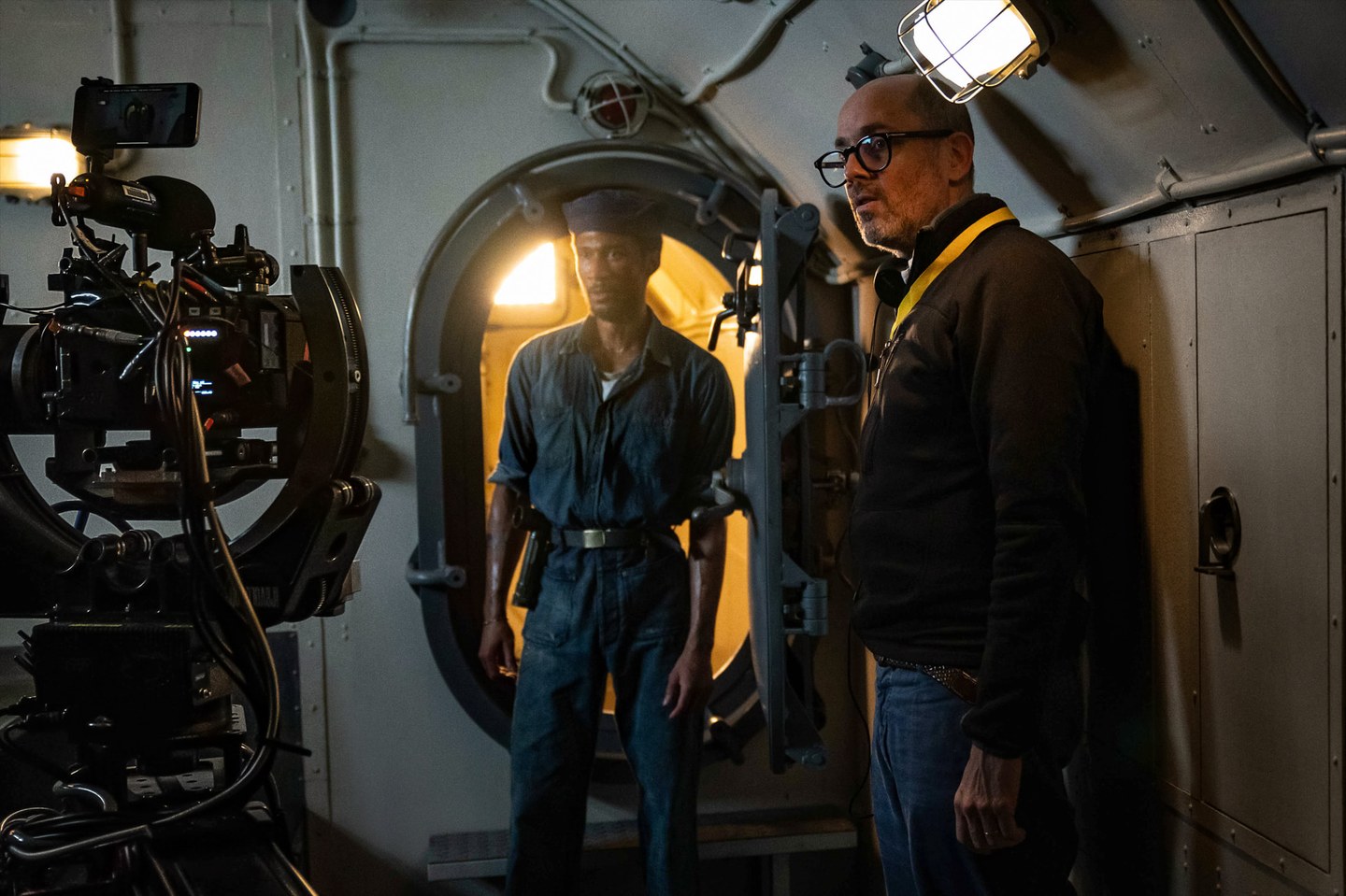
Capture starts with certified cameras that embed lens calibration and metadata at the point of capture. Higher-order ambisonic microphones record the space from the camera’s position, matched to the lens, and that recording becomes the bed the mix is built on, with regular production sound recorded alongside it.
Sound gets the same treatment as picture. Apple’s Spatial Audio Format folds object-based, channel-based and higher-order ambisonic audio into one container, and a dedicated codec, APAC, squeezes those high channel counts down to bitrates a stream can carry. An ASAF mix can hold 64 channels or more, far past 5.1 surround.
The new macOS Spatial Preview framework keeps a Mac in the loop, pushing spatial photos, Apple Immersive Video and 3D content from a Mac app to Vision Pro, with live USD editing and collaborators joining through SharePlay.
The microphones and apps built for it
Frameworks don’t fill a gear bag. Three products already target this workflow: a Blackmagic microphone built on Apple’s own ambisonic math, a Strada app that moves immersive files without uploads, and a Shure mic for anyone starting smaller.
Blackmagic Design’s Ambisonic Microphone packs 108 digital MEMS microphones into a faceted aluminum sphere small enough to sit in a palm. The spatial encoder lives inside the sphere, so there’s no breakout box or encoding software downstream.
Price: $1,909 at Blackmagic Design with its mount, or $2,405 for the kit, arriving December 2026. The closest ambisonic mic on Amazon now is the RØDE NT-SF1 at $1,049. Where to buy: RØDE NT-SF1 on Amazon | Blackmagic Ambisonic at Blackmagic Design
Blackmagic CEO Grant Petty says Apple licensed its microphone array geometry and ambisonic encoding filters to the company. That means the conversion from 108 capsules to 64 channels of 32-bit audio runs on Apple’s math, in real time, inside the mic.
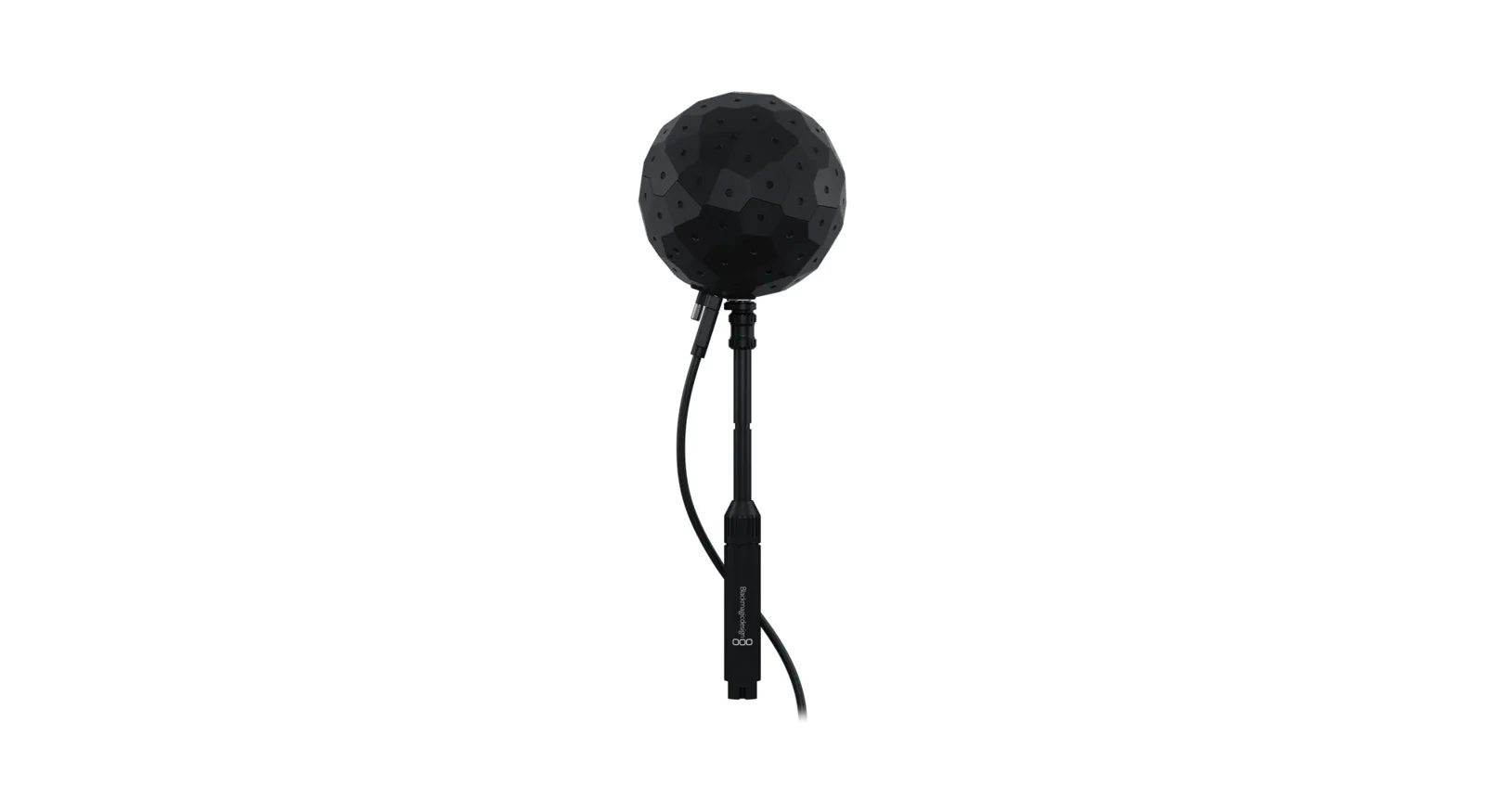
One USB-C cable carries audio and power. Mounted on a URSA Cine Immersive, the mic records spatial audio straight into the camera’s immersive files in sync with the picture. It can also feed Fairlight Live on a computer for real-time mixing, or an iPhone through the Blackmagic Camera app. The $2,405 kit adds a windshield and a locking USB-C cable for location work.
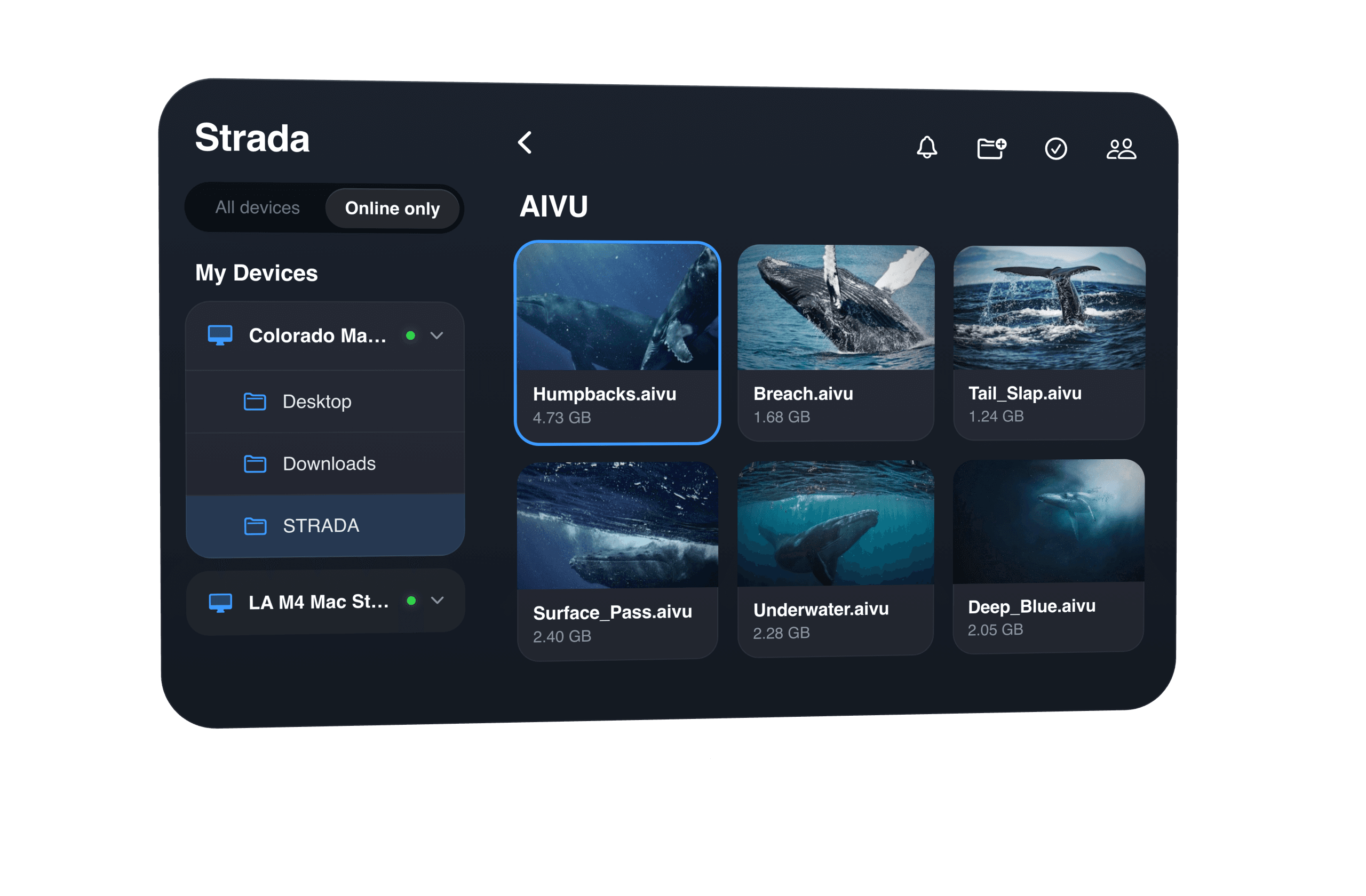
Strada takes on the file problem. Its Vision Pro app streams Apple Immersive Video straight from a folder on a Mac, so a collaborator anywhere opens the day’s footage without a cloud upload or an HLS playlist in between.
Price: free tier for file review, and the Vision Pro app is out now on the App Store. Where to get it: Get Strada
Review happens inside the shot, where a collaborator watches in the headset and pins time-stamped comments to the exact frame. Point Strada at a folder of Blackmagic RAW files on a remote Mac and it generates the AIVU files right there, so a director can watch a remote crew’s dailies in the headset the same day.
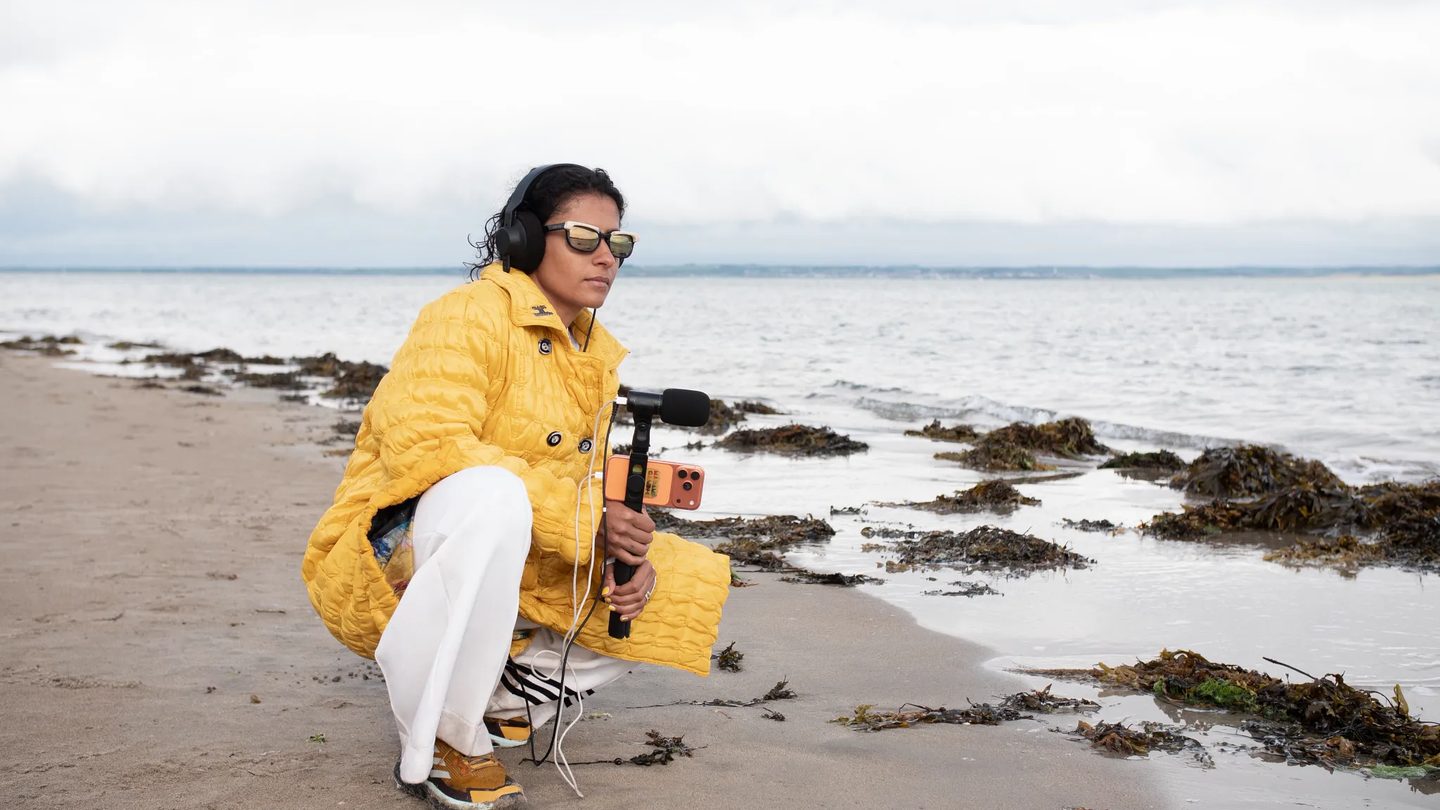
Shure’s MV360 is the cheaper way in, and it’s on sale now. The USB-C microphone records 360-degree spatial audio straight into a phone or a computer, and we wrote it up at launch. At $349, it costs $1,560 less than the Blackmagic sphere, though it plugs into a phone app instead of a URSA Cine Immersive rig.
Price: $349 at Amazon for the Shure MV360 kit. Where to buy: Buy on Amazon
The box skips the accessory hunt. A mini tripod, a phone clamp, two mic clips, two USB-C cables, a carry case and a foam windscreen all come with it, so there’s nothing extra to buy before the first recording.
What Vision Pro owners get to watch
For everyone not holding a camera, the payoff is more to watch. Fans have already sat courtside at select Lakers games live in Vision Pro through the Spectrum SportsNet and NBA apps, with spatial audio putting them inside the crowd noise and data-driven graphics riding along with the action. Apple built the live broadcast platform behind those games.

Delivery has its own toolchain. Apple Immersive-enabled delivery tools validate the metadata, generate .aivu files for playback checks, and prepare encodes for streaming or for playback inside a visionOS app, with Apple’s HLS Tools and AVKit handling the standards-based packaging. SpatialGen, Ateme and Colorfront handle encoding and transcoding for the format.
Opening the tools lets the library grow past what one company can shoot, though a 90-frame, 50-megapixel format will keep the crews small for a while. Live events are where Apple pointed it first.