The iPhone 18 Pro Max can shoot ProRes RAW, change its main camera’s aperture and record 4K slow motion. OPPO’s Find X10 Pro Max answers with a different set of tools: 200MP capture across three rear cameras, 8K recording and a Hasselblad lens accessory that extends its telephoto reach.
The Find X10 series launched globally on October 21, following the earlier launch announcement. The Pro Max pairs those camera features with up to 50W wireless charging and an ultrasonic fingerprint reader.
Product information: OPPO Find X10 Pro Max regional options
1. High-resolution shooting isn’t limited to one rear camera

The Find X10 Pro Max has 200MP main, ultrawide and telephoto cameras. Hasselblad Hi-Res shooting supports 200MP output at the three core optical focal lengths: 13mm, 24mm and 70mm equivalent, under suitable lighting. Apple’s rear cameras are all 48MP. The larger OPPO files can leave more room to crop, though fine detail still depends on light, focus and processing.
The 70mm telephoto also focuses as close as 10cm, giving you a telephoto option for small subjects. The iPhone has 48MP macro photography too. And Apple’s native 100mm telephoto reaches farther than OPPO’s 70mm lens before accessories enter the picture.
2. 8K video and a taller frame for editing

All three OPPO rear cameras support 8K at 30fps and 4K at 120fps, though 4K120 availability at individual focal lengths depends on the final commercial software. The iPhone 18 Pro Max records 4K120 Dolby Vision on its main camera but does not offer 8K recording.
Open Gate is the more practical addition if one shoot needs to produce both horizontal and vertical clips. It records a 4096 × 3072, 4:3 frame at up to 60fps, leaving room to choose a different crop in the edit. It works at 0.5×, 1× and 3×, but enhanced stabilization isn’t available in that mode.
For a ProRes RAW workflow, the iPhone has the format support. It also offers Apple Log 2, ACES and Genlock.
3. A dedicated Hasselblad teleconverter option
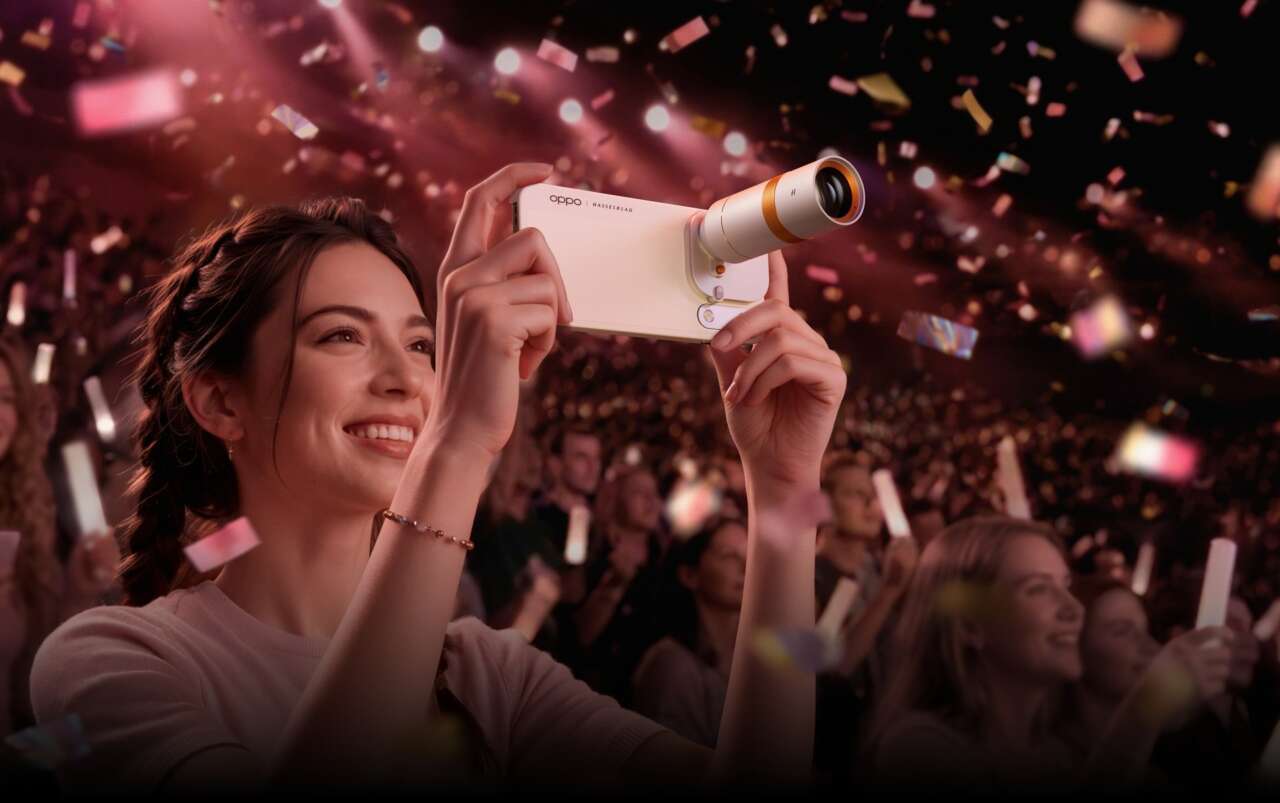
The separately sold OPPO Hasselblad Teleconverter attaches to the telephoto camera and adds 3.28× optical magnification for distant subjects. The Pro Max’s kit is model-specific; the standard Find X10 uses a different setup.
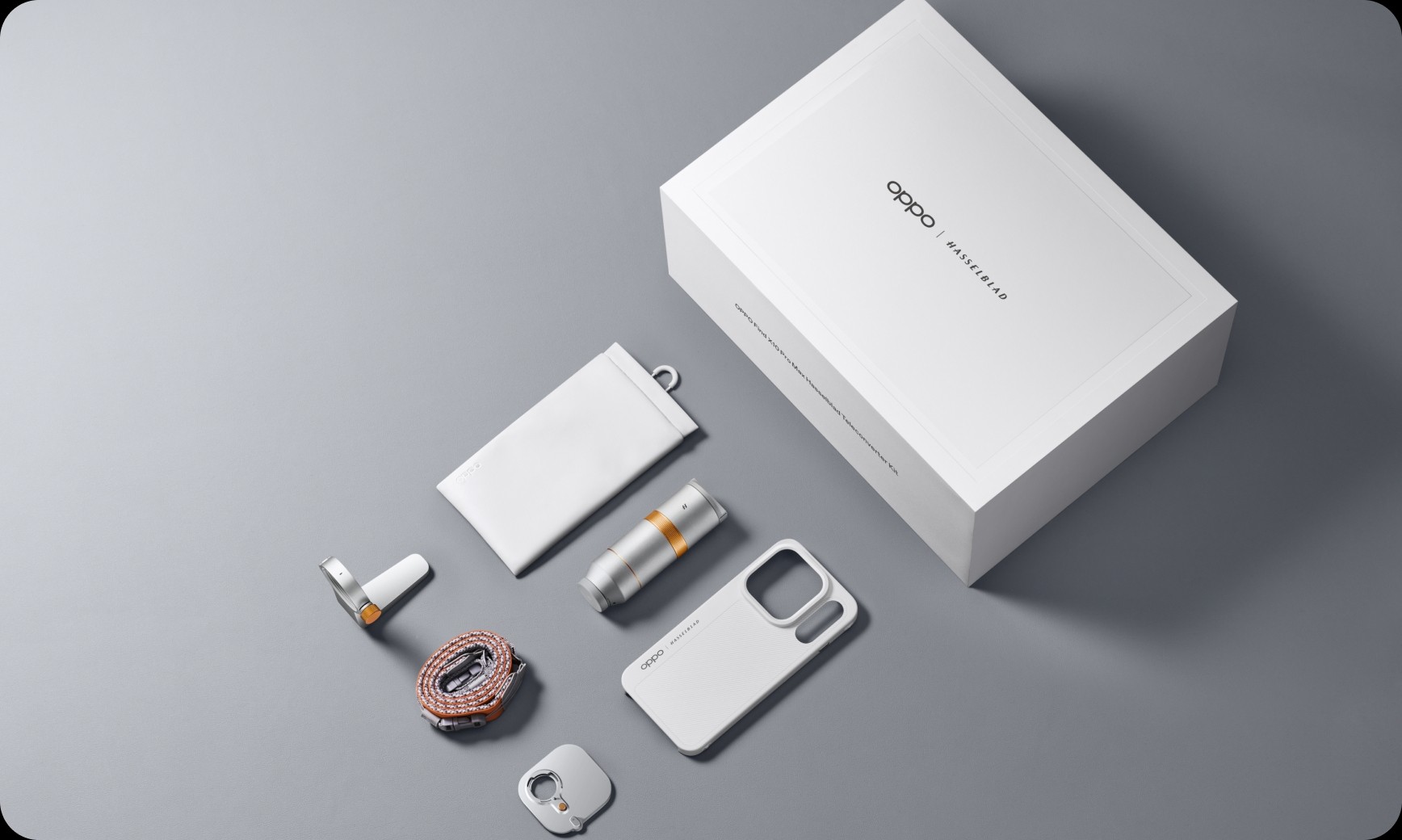
Its advertised equivalent focal lengths also involve software cropping. The accessory’s 3.28× magnification is the optical figure.
4. A higher wireless-charging ceiling
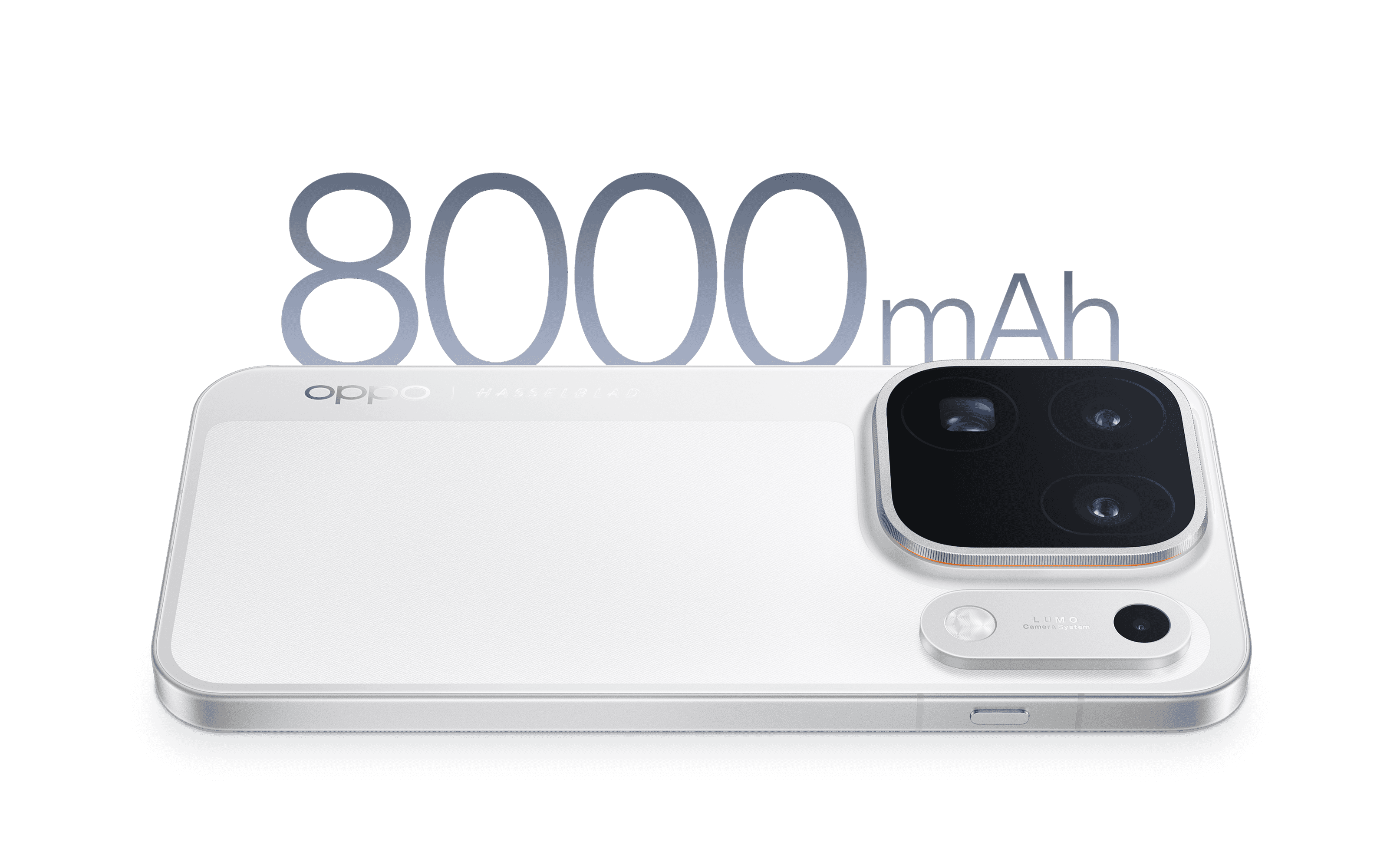
The Find X10 Pro Max supports up to 50W AIRVOOC wireless charging, versus up to 25W MagSafe or Qi2 on the iPhone 18 Pro Max. You need compatible AIRVOOC equipment, sold separately, to reach OPPO’s maximum. The higher power limit doesn’t establish a charge time twice as fast: temperature, battery level and charging behavior affect the session.
Wired charging is a different comparison. OPPO supports up to 80W SUPERVOOC, while the iPhone is rated to reach up to 50% in around 15 minutes with a compatible 60W-or-higher AVS adapter. That time-to-charge rating can’t be compared directly with OPPO’s maximum wattage.
5. Up to 144Hz in supported games

OPPO’s 6.78-inch display can reach 144Hz in supported gaming scenarios. The iPhone’s 6.9-inch ProMotion screen tops out at 120Hz. The Find X10 Pro Max’s adaptive range is otherwise 1–120Hz. A 144Hz panel setting also doesn’t guarantee that a game will sustain 144 frames per second.
6. You can unlock it with a fingerprint
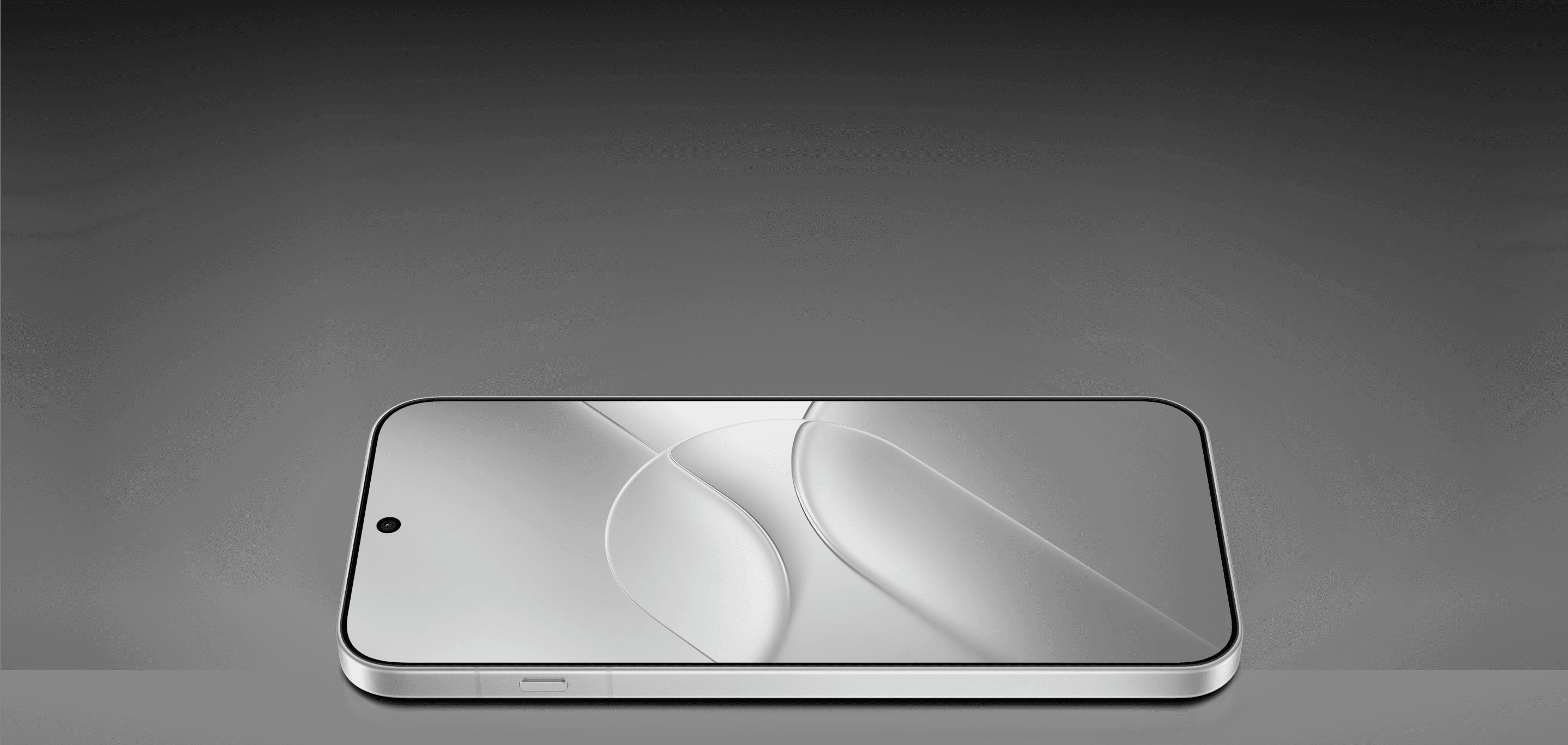
An ultrasonic fingerprint sensor sits under OPPO’s display. For anyone who prefers a touch to unlock, that’s an option the Face ID-equipped iPhone 18 Pro Max lacks.
Check the version you can actually buy
Product information: OPPO Find X10 Pro Max regional options
The global launch doesn’t establish a US retail release. Regional versions also differ: OPPO’s headline 8,000mAh battery becomes 7,150mAh in Europe, and the UK package doesn’t include a charger. Import buyers need to check the exact model’s carrier compatibility and local warranty before treating it as a drop-in iPhone replacement.