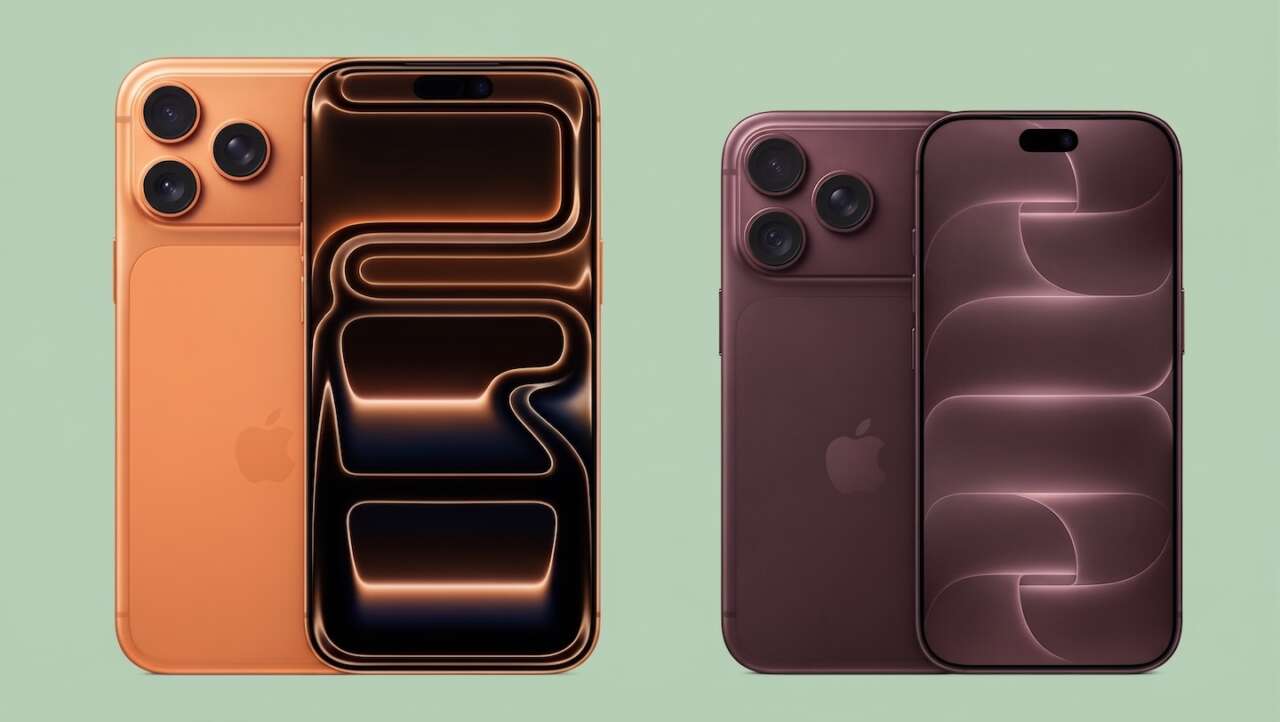
My phone contract is up for renewal during the holidays, and I’m contemplating whether to get the iPhone 17 Pro Max or the newer iPhone 18 Pro. My iPhone 12 is the phone I’m looking to replace, although I’ve also been using and enjoying the Xiaomi 17. I don’t buy a new smartphone often. I’d rather keep a phone for several years than upgrade whenever Apple introduces something new.
Price: From $1,199
Where to Buy: Apple
Using the Xiaomi 17 makes this decision more interesting. Earlier, I compared its camera with my friend’s regular iPhone 17 and preferred the Xiaomi’s results. It wasn’t a controlled camera test, and that experience doesn’t establish how either Pro model performs, but it reminded me that newer hardware doesn’t automatically produce photographs I prefer.
So here’s a specifications-based comparison focused on the differences that matter to my next upgrade, and perhaps yours. I’m looking at Apple’s published specifications, manufacturer-rated performance and battery figures, and the features I’d actually use. This isn’t a hands-on comparison, and specifications alone cannot establish which phone takes better pictures or delivers the better everyday experience.
Design and Display: How Much Screen Do You Need?
The iPhone 17 Pro Max features a 6.9-inch Super Retina XDR OLED display, while the iPhone 18 Pro has a smaller 6.3-inch panel. Both support ProMotion refresh rates up to 120Hz, always-on functionality, and peak outdoor brightness of 3,000 nits.
The larger screen gives the Pro Max an obvious advantage for watching videos, reading articles, browsing websites, and editing photographs. There’s more room to work without constantly zooming or scrolling, although the additional size makes one-handed operation less convenient.
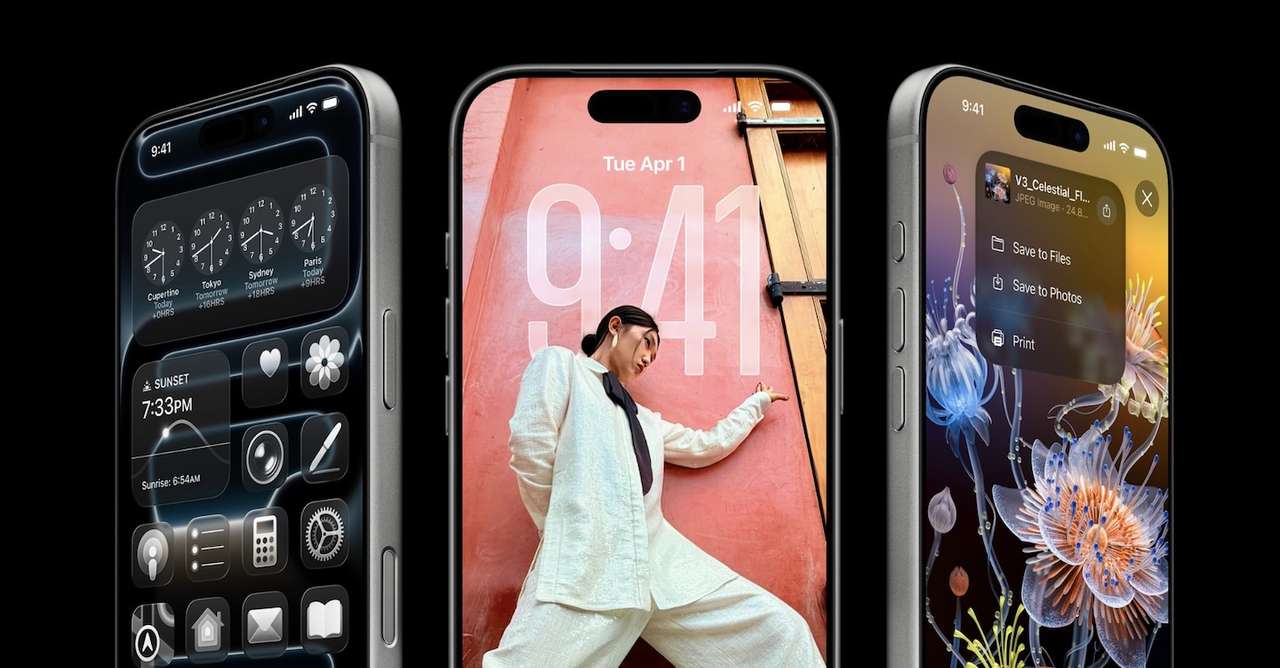
The iPhone 17 Pro Max weighs 233g, compared with 211g for the iPhone 18 Pro. That difference is worth considering for anyone who regularly carries a phone in a pocket or holds it for extended periods.
Coming from an iPhone 12, the smaller iPhone 18 Pro would feel more familiar. However, the larger display is one of the reasons I’m considering the Pro Max in the first place. It’s an upgrade I’d notice whenever I use the phone, rather than a specification I’d appreciate only occasionally.
Performance: Does the Newer Processor Justify the Upgrade?
The iPhone 17 Pro Max uses Apple’s A19 Pro chip, while the iPhone 18 Pro introduces the A20 Pro. The newer processor offers improvements in graphics performance and processing capabilities, providing additional headroom for demanding applications.
Those advantages are relevant to gaming, video editing, computational photography, and software that uses increasingly sophisticated on-device processing. However, manufacturer performance figures don’t necessarily reflect how much faster a phone feels when browsing, messaging, streaming, or checking email.
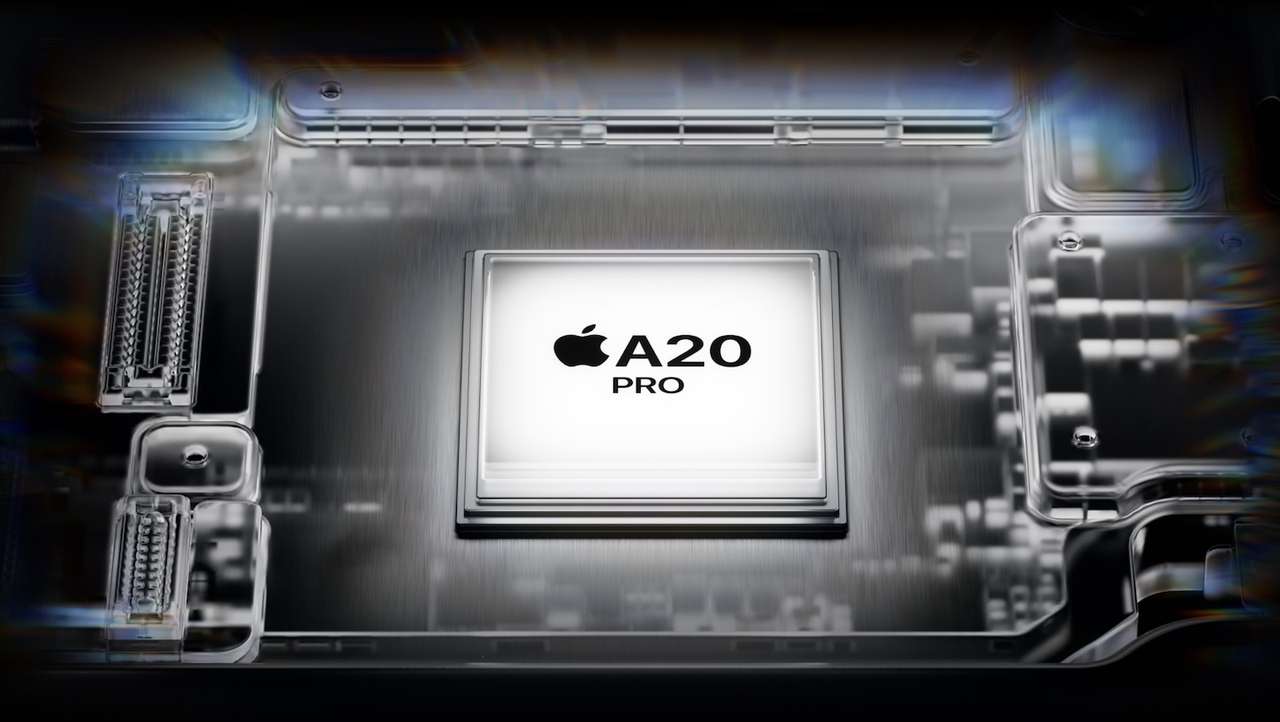
The A19 Pro remains a high-end processor, and there’s little reason to assume it will struggle with ordinary smartphone tasks simply because Apple has released its successor. The A20 Pro offers newer technology, but without comparable long-term testing, it’s difficult to establish how much that advantage will affect everyday ownership.
Since I’m upgrading from an iPhone 12, either processor represents a substantial generational improvement. I’d appreciate the additional performance, but it isn’t enough on its own to determine which phone I’d choose.
Cameras: More Control Doesn’t Guarantee Better Pictures
Both phones feature 48MP main, ultra-wide, and telephoto cameras, offering considerable flexibility for everyday photography. The iPhone 17 Pro Max already supports multiple focal lengths, optical-quality zoom options, ProRAW photography, and advanced video recording.
The iPhone 18 Pro introduces a variable-aperture main camera with settings of f/1.48, f/1.8, f/2.8, and f/4.0. This allows the camera to adjust light intake and depth of field, while additional manual controls give photographers more flexibility over their images.
It’s an interesting development, particularly for people who enjoy adjusting camera settings. A wider aperture can help in low-light conditions, while a narrower setting can provide greater depth of field when appropriate.
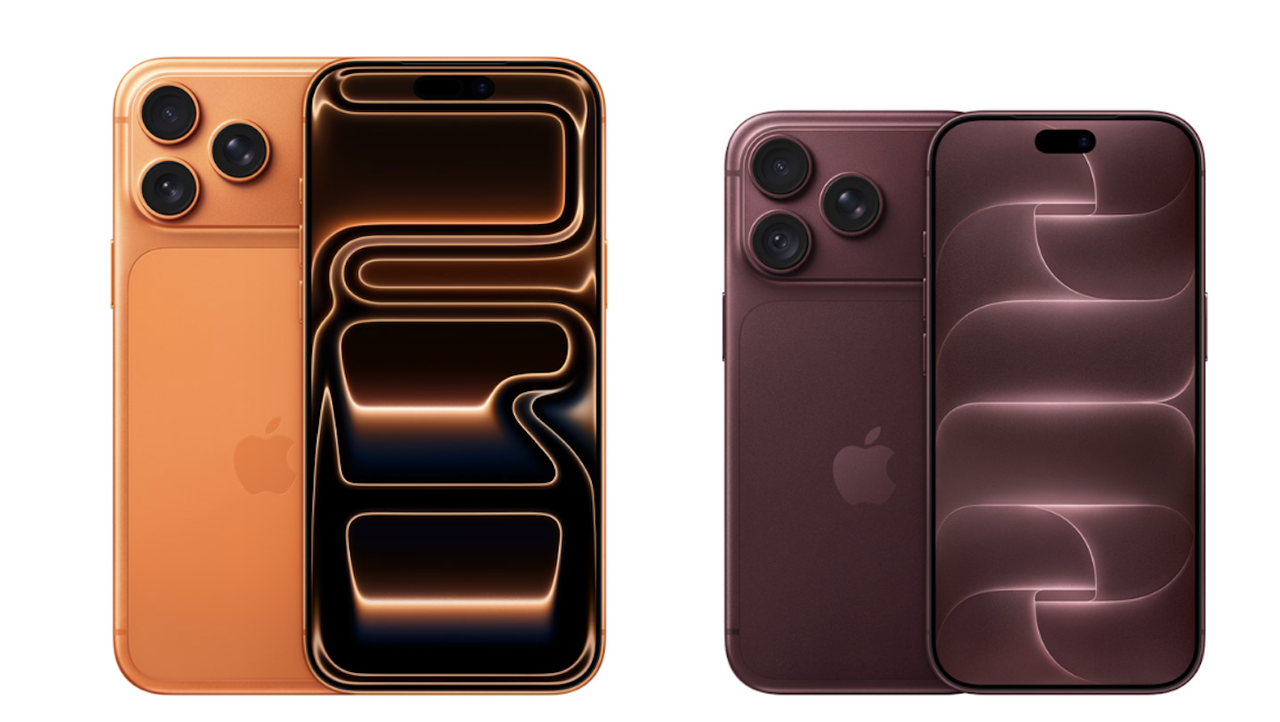
Still, camera specifications don’t tell the entire story. Image processing, color reproduction, lighting, and personal preference all influence how photographs look. My earlier Xiaomi 17 comparison is a reminder of that, although it offers no evidence that either iPhone Pro model is superior.
The iPhone 18 Pro provides greater creative control, but that doesn’t guarantee I’d prefer its photographs. For the pictures I typically take, the iPhone 17 Pro Max already offers a comprehensive camera system. I’d want to compare actual images before treating the newer camera as a decisive advantage.
Battery Life: The Pro Max Makes a Stronger Case
Battery endurance is one of the main reasons I’m leaning toward the iPhone 17 Pro Max. For the U.S. eSIM-only models, Apple rates it for up to 39 hours of video playback, compared with up to 36 hours for the iPhone 18 Pro.
Those are manufacturer estimates under specified conditions, not measurements of mixed everyday use. Navigation, photography, gaming, screen brightness, and cellular reception can all affect battery life. Nevertheless, Apple’s published figures give the older Pro Max a clear advantage in rated video endurance.
Apple rates the iPhone 18 Pro for up to 50% charge in around 15 minutes using a 60W-capable USB-C adapter with Adjustable Voltage Supply and a compatible cable. The iPhone 17 Pro Max is rated for up to 50% in around 20 minutes with suitable charging equipment. These are Apple’s test results, not charging times I measured myself.
Faster charging is convenient, but I’d rather prioritize battery endurance. Since I keep phones for years, the Pro Max’s higher rated video-playback endurance appeals to me more than shaving a few minutes off charging time, though that rating doesn’t establish how its battery will age.
Price and Long-Term Value
Holiday contract offers will be an important part of my decision. The iPhone 17 Pro Max could become more attractive if carriers discount remaining inventory, but I’ll compare actual offers when my contract comes up for renewal.
I would compare the total contract cost rather than simply looking at the monthly payment. Storage capacity, upfront charges, warranty coverage, and plan requirements can significantly affect the final amount.
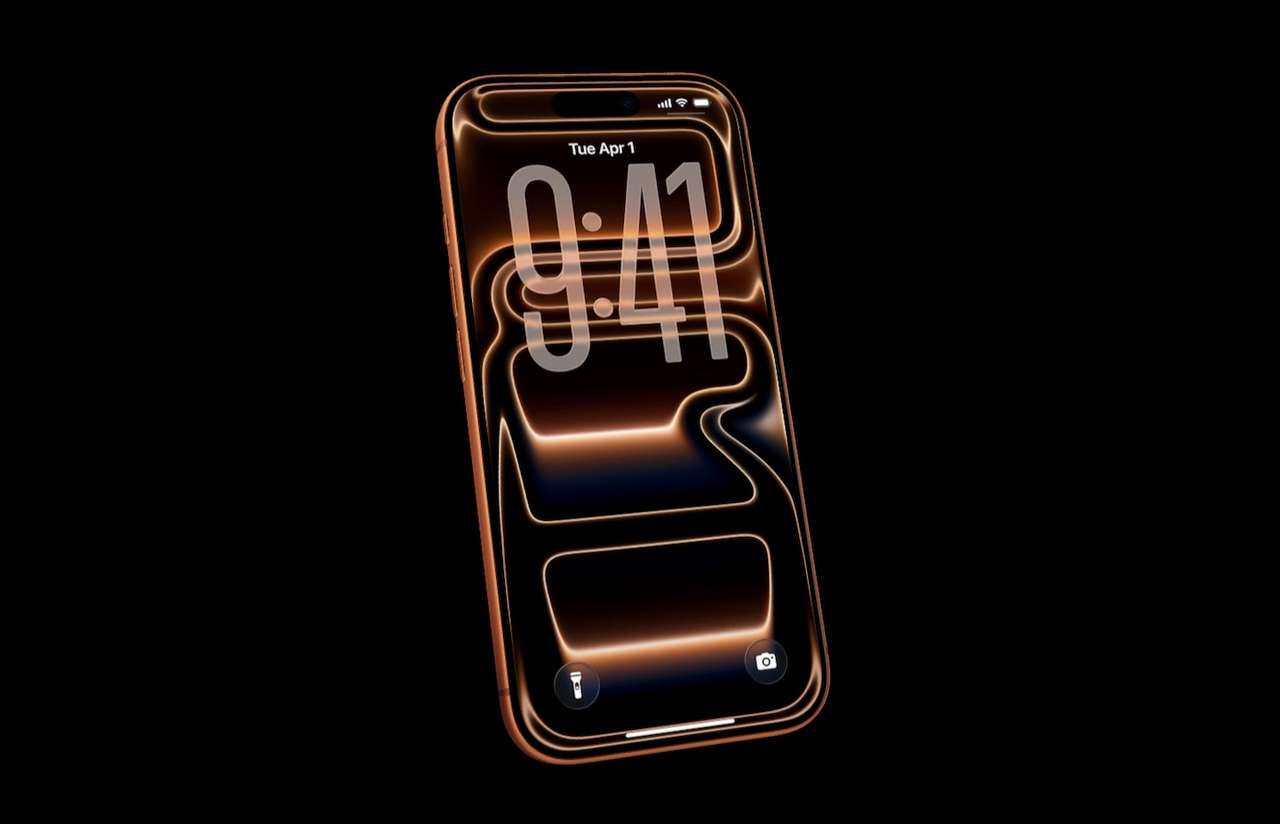
The iPhone 18 Pro offers newer hardware and additional photographic controls, but paying more makes sense only if those improvements are useful. A discounted iPhone 17 Pro Max could offer better value for someone who prioritizes its larger screen and battery endurance.
Since I don’t upgrade frequently, I’d rather choose the phone that suits my habits than pay extra simply to own the latest generation.
Which iPhone Would I Choose?
For now, I’m leaning toward the iPhone 17 Pro Max. Its larger display and higher rated battery endurance offer practical benefits I’d appreciate more than the iPhone 18 Pro’s newer processor and additional camera controls. Coming from an iPhone 12, either would be a substantial upgrade, but the 17 Pro Max better suits how I use my phone, especially if the holiday contract offers are favorable.
Price: From $1,199
Where to Buy: Apple
That’s a preference based on the available specifications and my priorities, not a verdict from testing both devices. I’m also tempted to try something different, perhaps a Samsung foldable. I’ll make the final decision when my contract is up for renewal and let you know which phone I choose.