
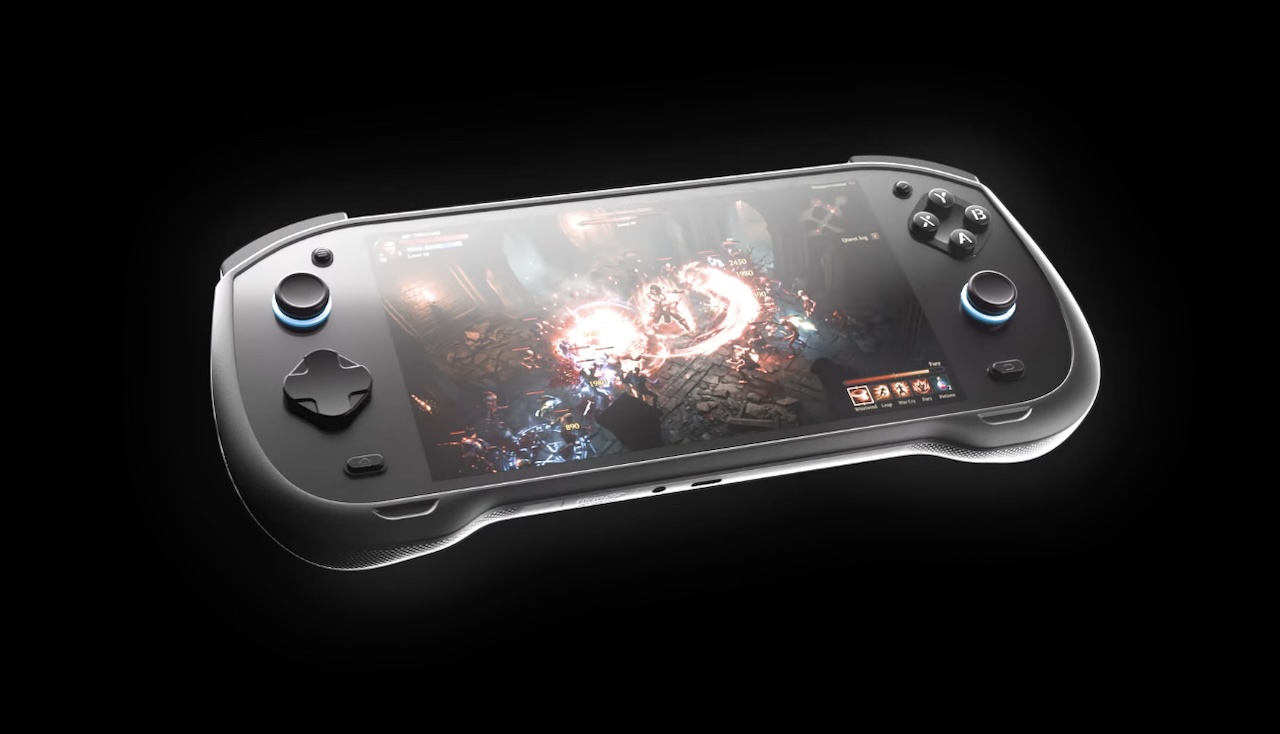
Android gaming handhelds solve some of the frustrations of playing on a phone, but they introduce another set of compromises. Physical controls and a larger screen are useful, yet battery life, cooling, software, and ergonomics can determine whether the experience actually feels better.
Price: ₹29,500 ($309)
Join Waitlist: Arc
The ARC X1 tries to cover those bases with a 7-inch 120Hz display, Qualcomm’s Snapdragon G2 Gen 2 processor, TMR analog sticks, active cooling, and a 9,300mAh battery. It runs OwlOS, ARC’s AOSP-based operating system designed around controller navigation. The specifications are ambitious for the price, but the X1 is not shipping yet. Batch 01 reservations open October 2, 2026, with first deliveries currently targeted for Q1 2027, so many of ARC’s performance claims still need independent testing.
Snapdragon G2 Gen 2 Provides the Foundation
The X1 uses Qualcomm’s Snapdragon G2 Gen 2 Gaming Platform, paired with 8GB of LPDDR5X memory and 128GB of UFS 3.1 storage. A microSDXC slot supports expansion up to 1TB, providing additional room for larger game libraries.
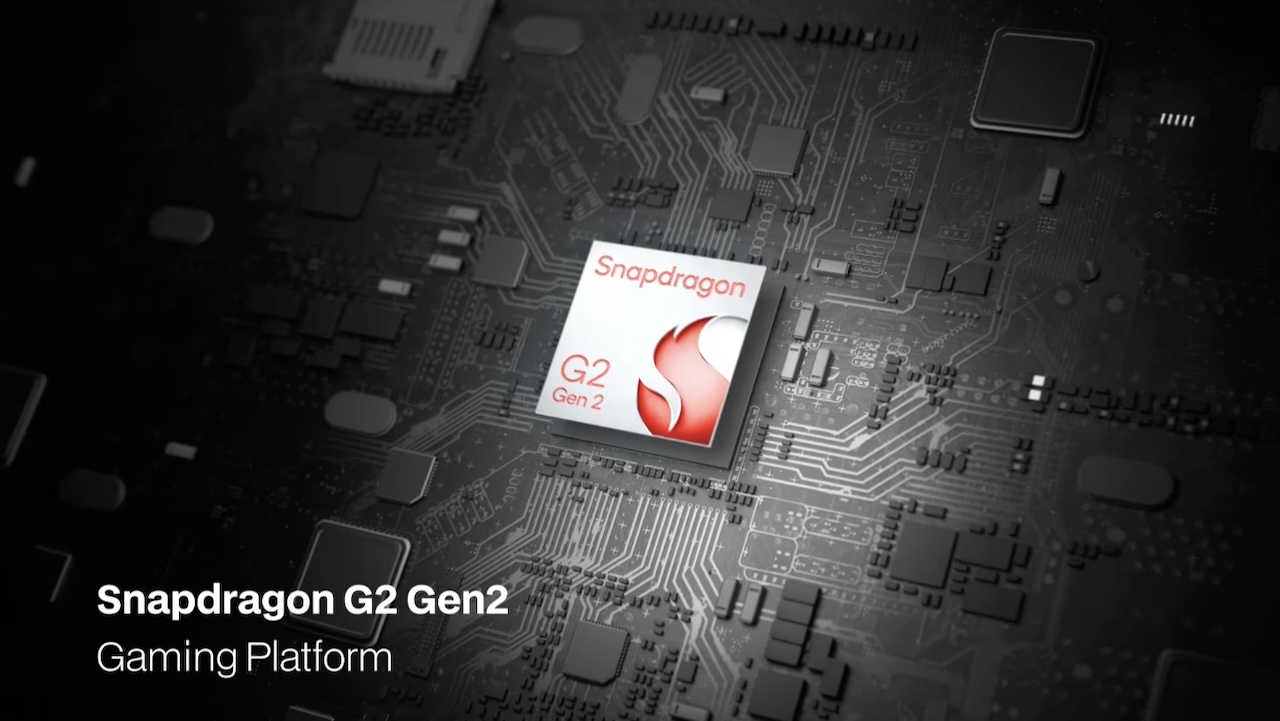 Qualcomm designed the G2 Gen 2 for mobile and cloud gaming, with an eight-core Kryo CPU and Adreno A22 GPU. ARC also uses active cooling with a centrifugal fan, rear intake, and top exhaust. That could help maintain performance during longer sessions, but fan noise, temperatures, and sustained performance will need to be measured on production hardware.
A 7-Inch 120Hz Display Targets Widescreen Games
The X1 has a 7-inch, 1920 x 1080 LTPS TFT LCD with a 16:9 aspect ratio and a refresh rate of up to 120Hz. ARC specifies more than 500 nits of brightness and a 1000:1 contrast ratio, with Gorilla Glass protecting the panel.
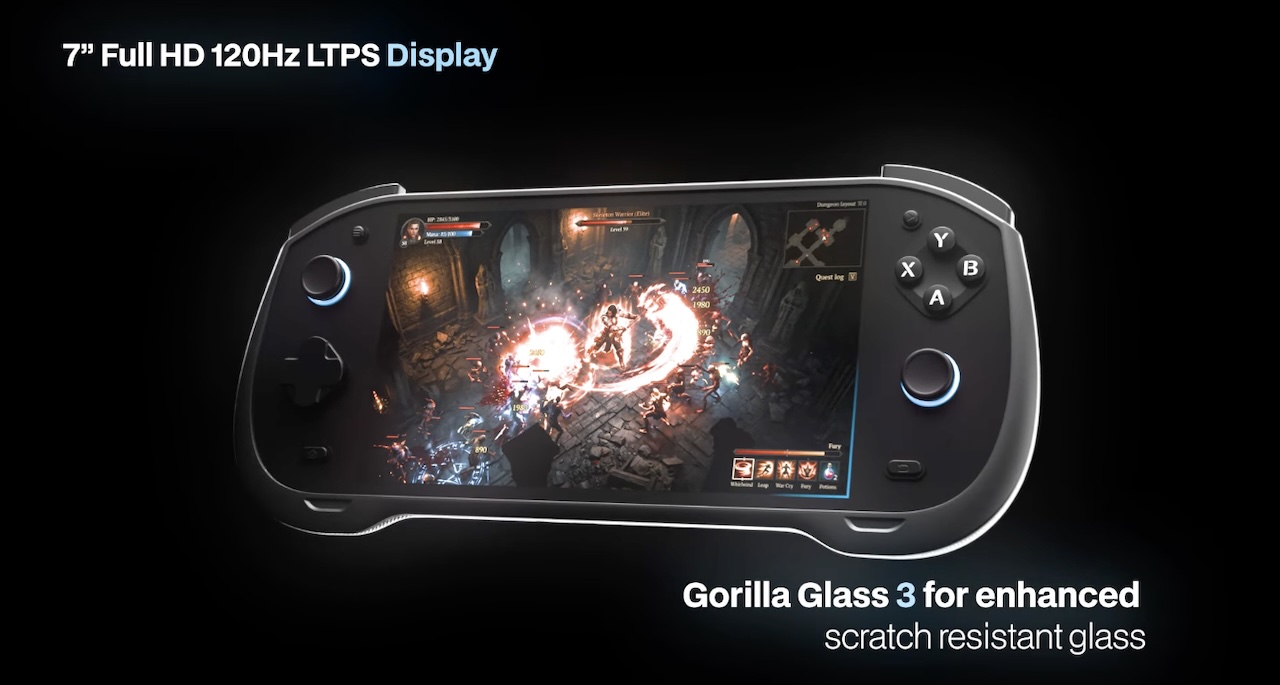 Those specifications suit Android games, cloud streaming, and widescreen content, but a 120Hz display should not be confused with guaranteed 120 fps gaming. Actual frame rates will depend on the game, graphics settings, processor load, cooling, and software optimization.
OwlOS Could Be Just as Important as the Hardware
ARC’s OwlOS is built on AOSP and aims to provide a controller-first interface instead of a conventional Android tablet experience. ARC lists a unified game library, controller mapping, per-game performance profiles, resolution scaling, an FPS overlay, cloud gaming support, and Quick Resume among its features.
 Those additions could reduce the setup friction associated with Android handhelds, especially for users switching between native games and streaming services. Software quality cannot be determined from a specification sheet, though, and the reliability of those features will need hands-on testing once production devices arrive.
TMR Sticks Lead a Comprehensive Control Setup
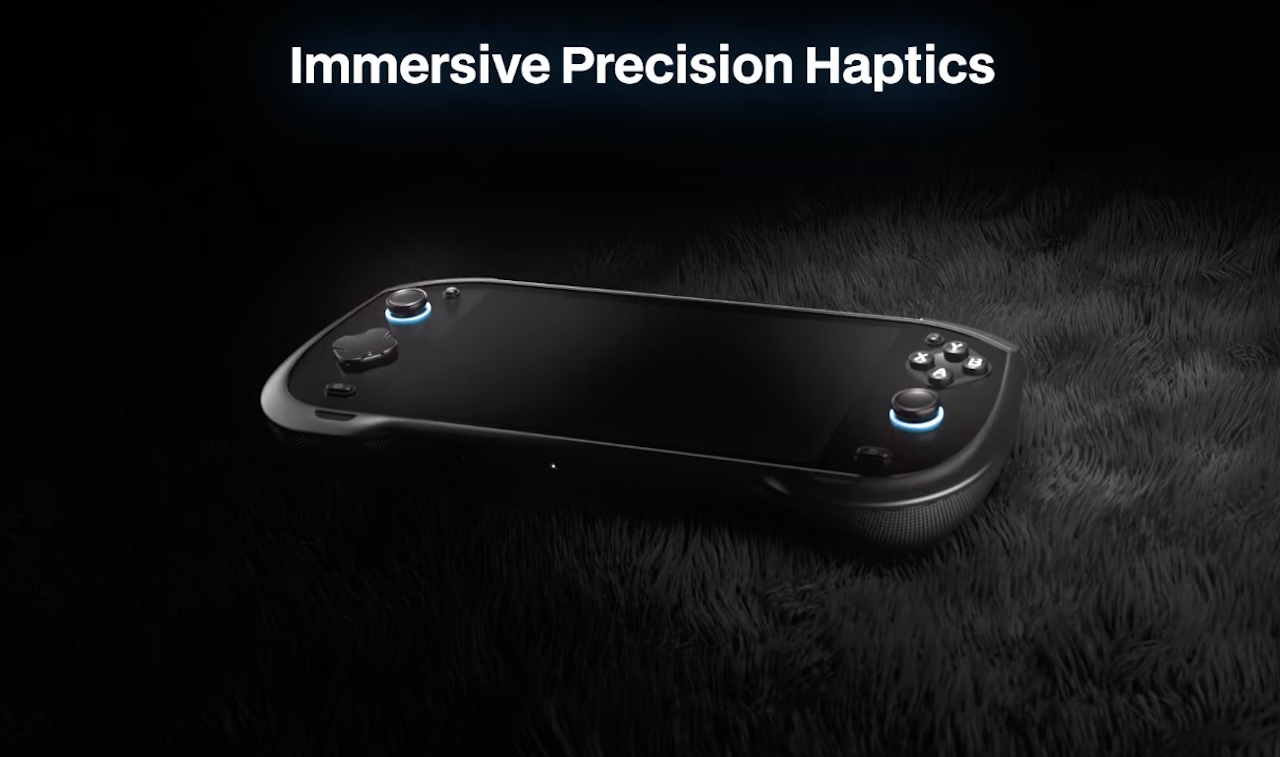
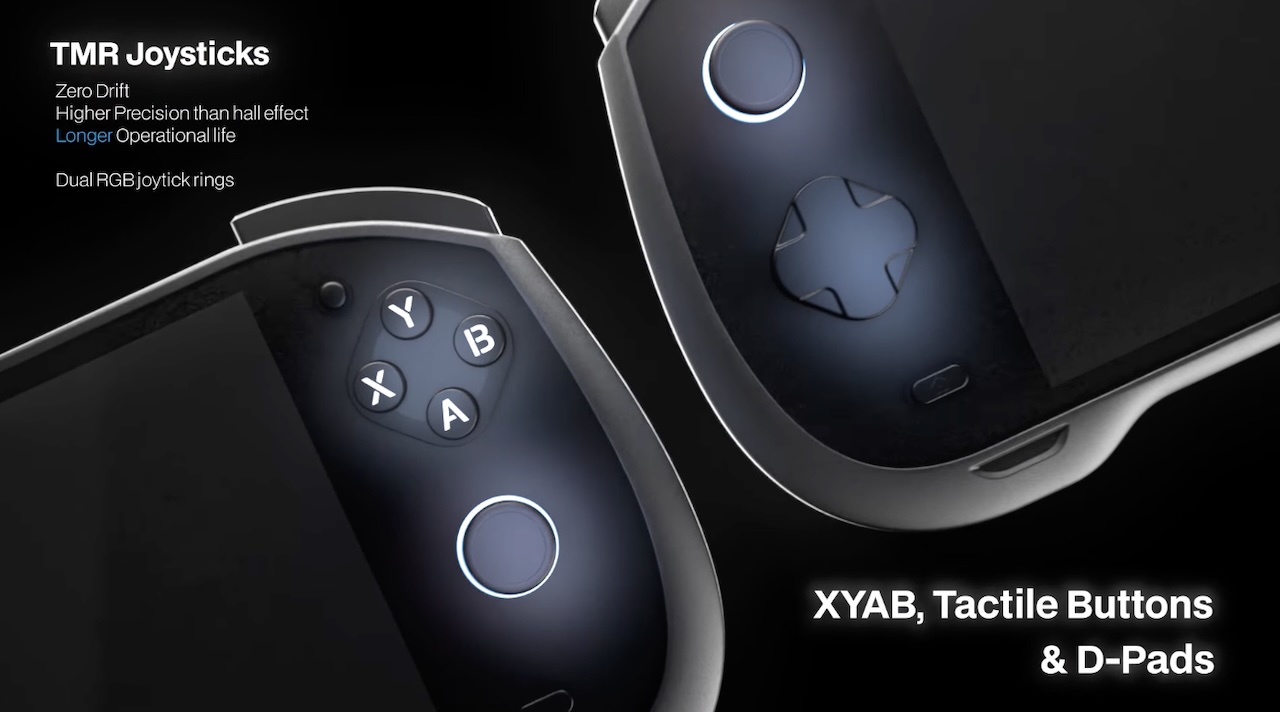
ARC uses TMR analog sticks, microswitch ABXY buttons and D-pad, two programmable rear buttons, six-axis motion controls, Hall-effect analog triggers with mechanical locks, and dual LRA vibration motors.
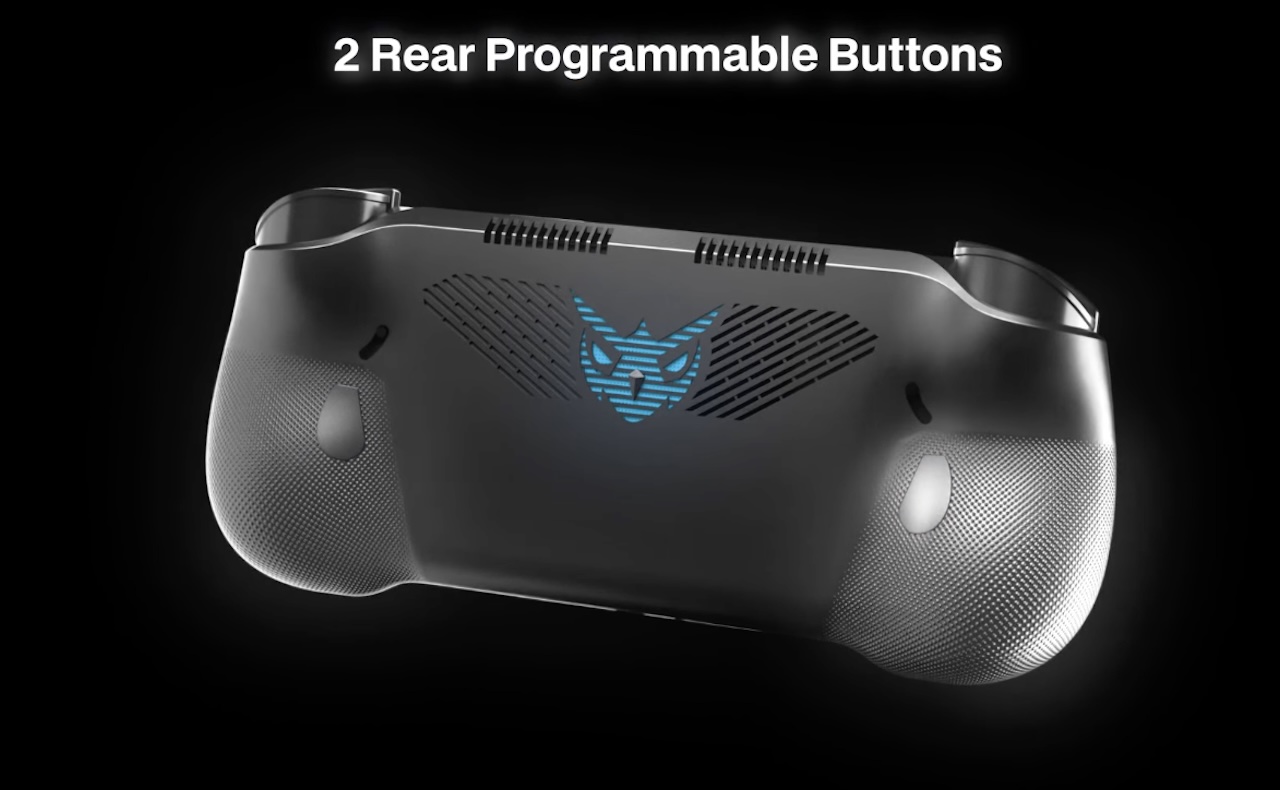 The company describes its TMR sticks as offering “zero drift,” greater precision, lower power consumption, and better longevity than Hall-effect alternatives. Those comparative benefits remain manufacturer claims. TMR uses magnetic position sensing rather than the contact-based sensing found in traditional potentiometer sticks. ARC also claims controller latency below 4ms, another figure that will need independent measurement.
The 9,300mAh Battery Stands Out
One of the X1’s most interesting specifications is its 9,300mAh battery. ARC claims more than eight hours of gaming and up to 10 days of standby time, along with 27W USB Power Delivery charging. Actual endurance will vary considerably depending on brightness, refresh rate, wireless use, processor load, cooling, and the games being played.
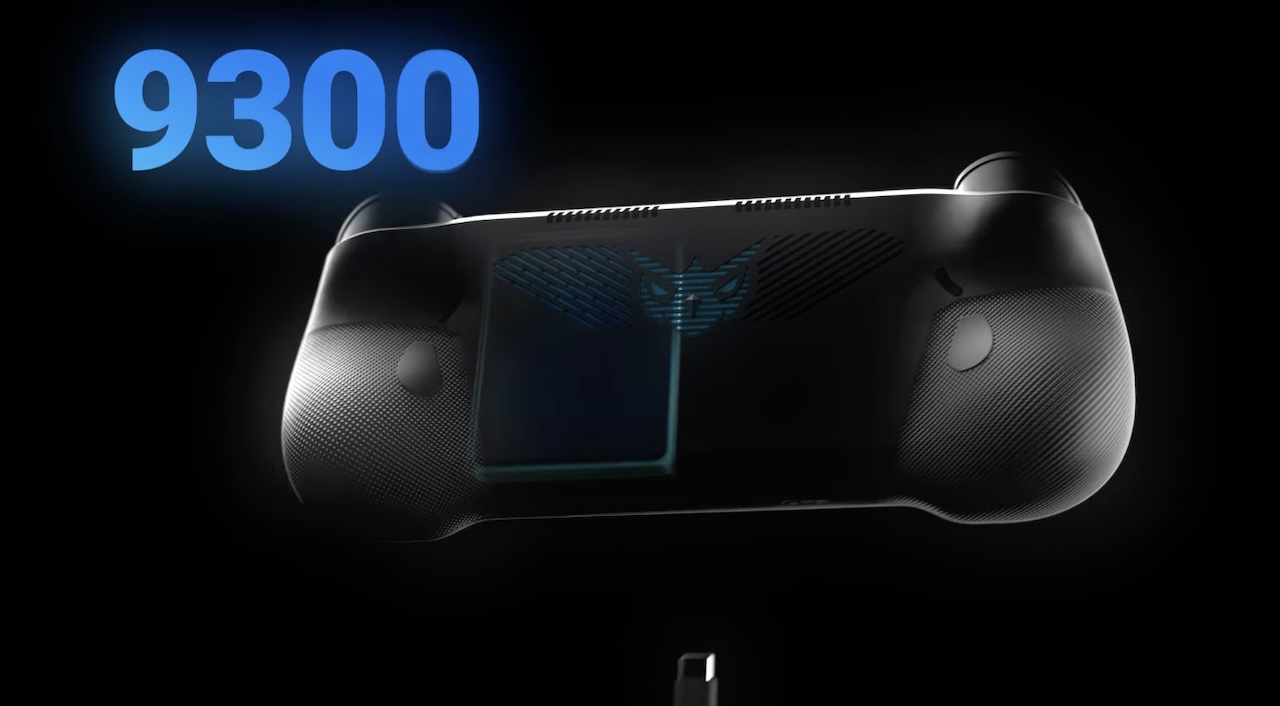 ARC also lists the battery and joysticks as replaceable, and it uses modular daughterboards. The company says spare parts will be available, potentially making worn components easier to address without replacing the entire handheld. Parts availability, pricing, documentation, and long-term support remain unproven until the product reaches customers.
Buyer Fit: Promising Hardware With Early-Adopter Risk
The ARC X1 costs ₹29,500 for the Community Batch Drop, while the regular price is listed at ₹33,500. A ₹999 token secures a reservation, with Batch 01 scheduled to open October 2. Initial preorders and deliveries are limited to India, and the first batch is currently targeted for Q1 2027.
On paper, the X1 combines a Snapdragon G2 Gen 2 platform, a 1080p 120Hz display, a large battery, active cooling, TMR controls, expandable storage, and replaceable components at an interesting price. The bigger questions concern execution: ARC still has to demonstrate OwlOS stability, real battery endurance, sustained performance, thermals, controls, and reliable support.


Price: ₹29,500 ($309)
Join Waitlist: Arc
That makes the ARC X1 most relevant to Android gaming, emulation, and cloud-streaming enthusiasts comfortable with early-adopter risk. Buyers who prefer an established platform have good reason to wait for production hardware and independent testing. The X1 has the specifications to be interesting, but its real value will depend on whether ARC can turn that hardware into an equally convincing everyday gaming experience.
