
Lenovo’s Project Swan starts as a 14-inch notebook, then rolls out into a 17-inch display when you need more space. It’s an ambitious answer to a familiar request: give me more room to work without making me carry a bigger laptop everywhere.
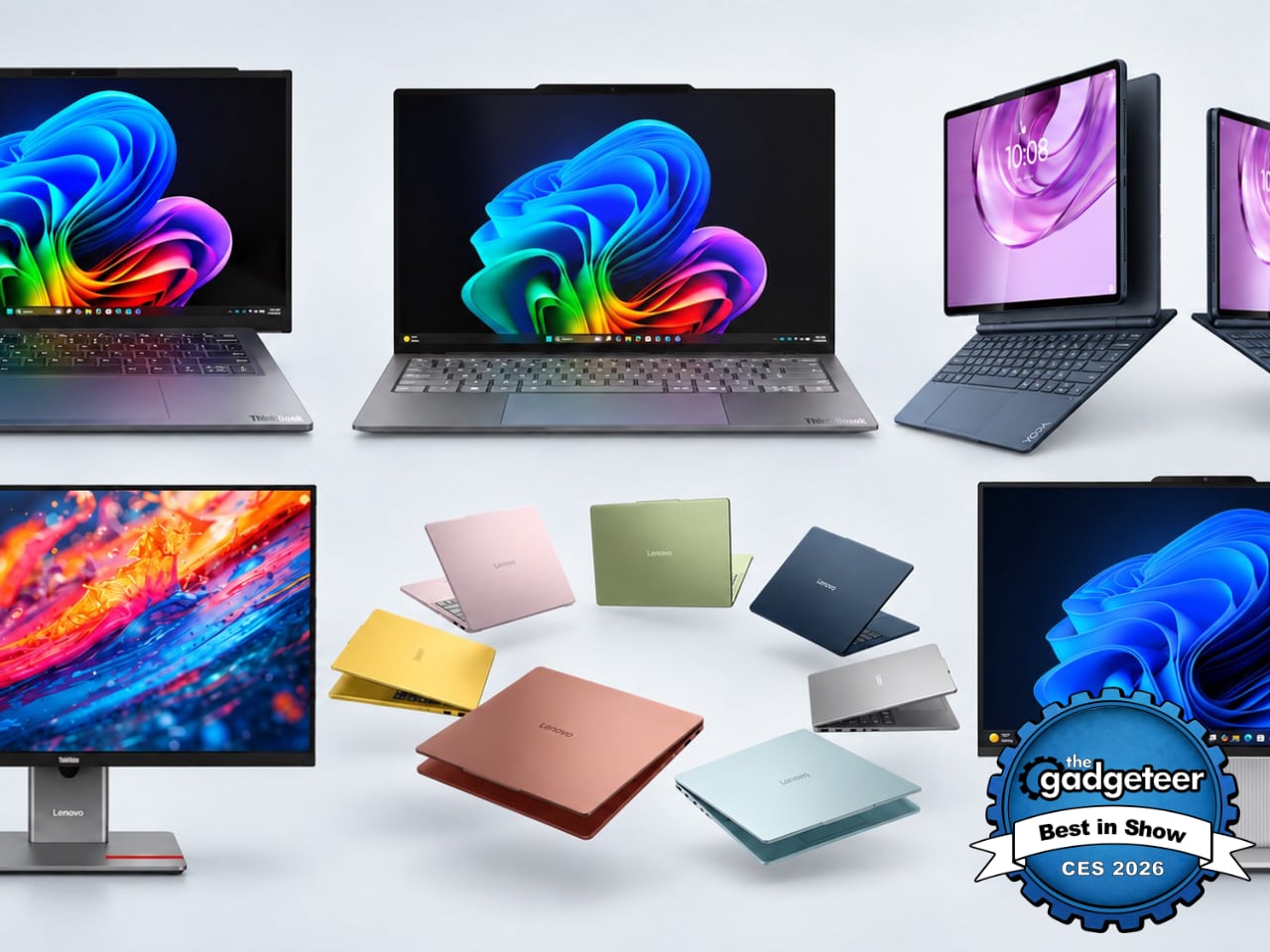
That connection between a design and an everyday task runs through our six Lenovo picks for The Gadgeteer’s Best of IFA 2026 awards. Swan and Project AeroBlade explore where laptops could go next. The Yoga Tab Plus Gen 2, ThinkVision P27UL-40, IdeaCentre AIO i and IdeaPad Vibe bring their own ideas to announced tablets, monitors, desktops and laptops.
Project Swan gives a portable laptop room to grow
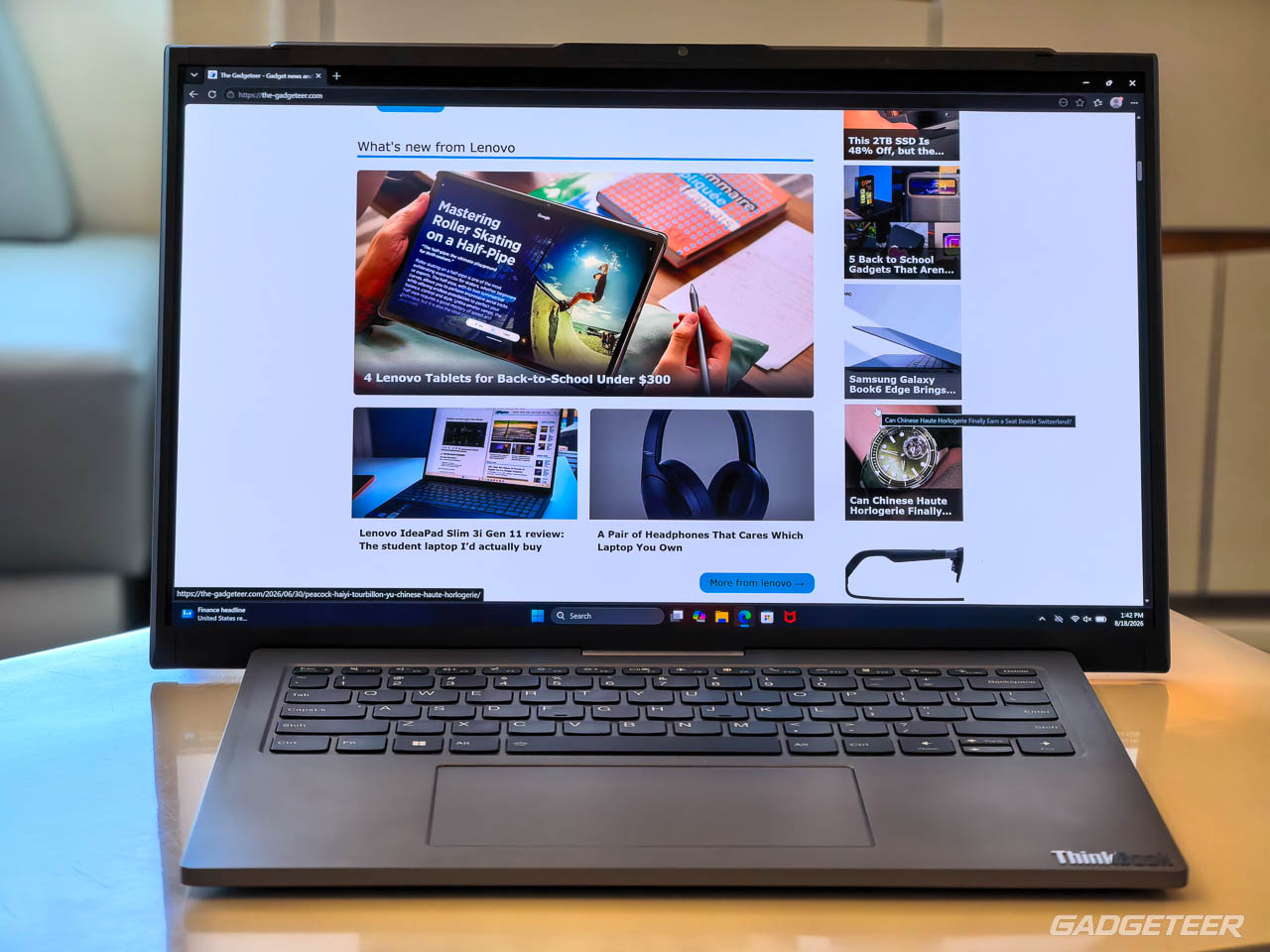
Swan’s appeal is easy to understand if you’ve ever tried to write while keeping a source document open beside you. On a small screen, you can end up narrowing both windows until neither feels comfortable, or switching back and forth to check a detail. Lenovo’s concept makes the display itself wider when you need that second window.
In its compact state, Swan functions as a 14-inch notebook. Roll-out mode expands it into one continuous 17-inch, 16:9 display. For a writer, that could mean keeping interview notes beside a draft. For someone preparing a presentation, it could mean leaving the source spreadsheet visible while building the slides. These are the side-by-side workflows Lenovo has designed the concept around, and they’re a more tangible reason for an expanding screen than the transformation alone.

You could spread two documents across Swan’s expanded display without setting up another screen. At a desk, you’d have the wider canvas; when it’s time to move, the display returns to its compact form. The concept measures 17.9mm thick and weighs 1.6kg, giving the idea a notebook-sized form that you can relate to the computer already in your bag.
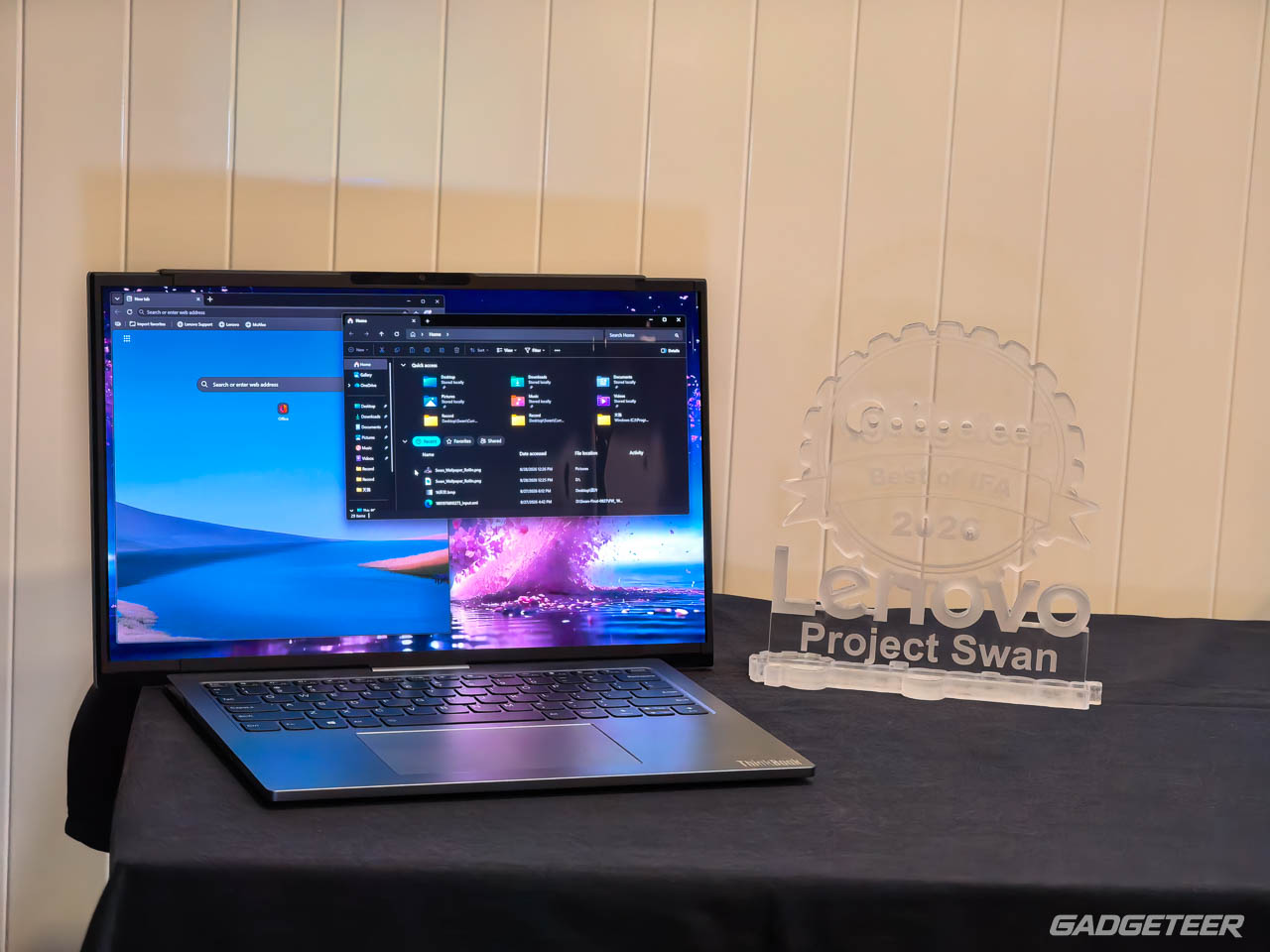
That flexibility earns Swan its place here. You could choose a smaller workspace for a quick email, then expand it for a longer session with notes, documents or slides. There’s no announced price or release date yet. Swan is a concept award, recognizing the design’s potential rather than a finished laptop’s durability or performance.
Project AeroBlade rethinks what goes inside a thin laptop
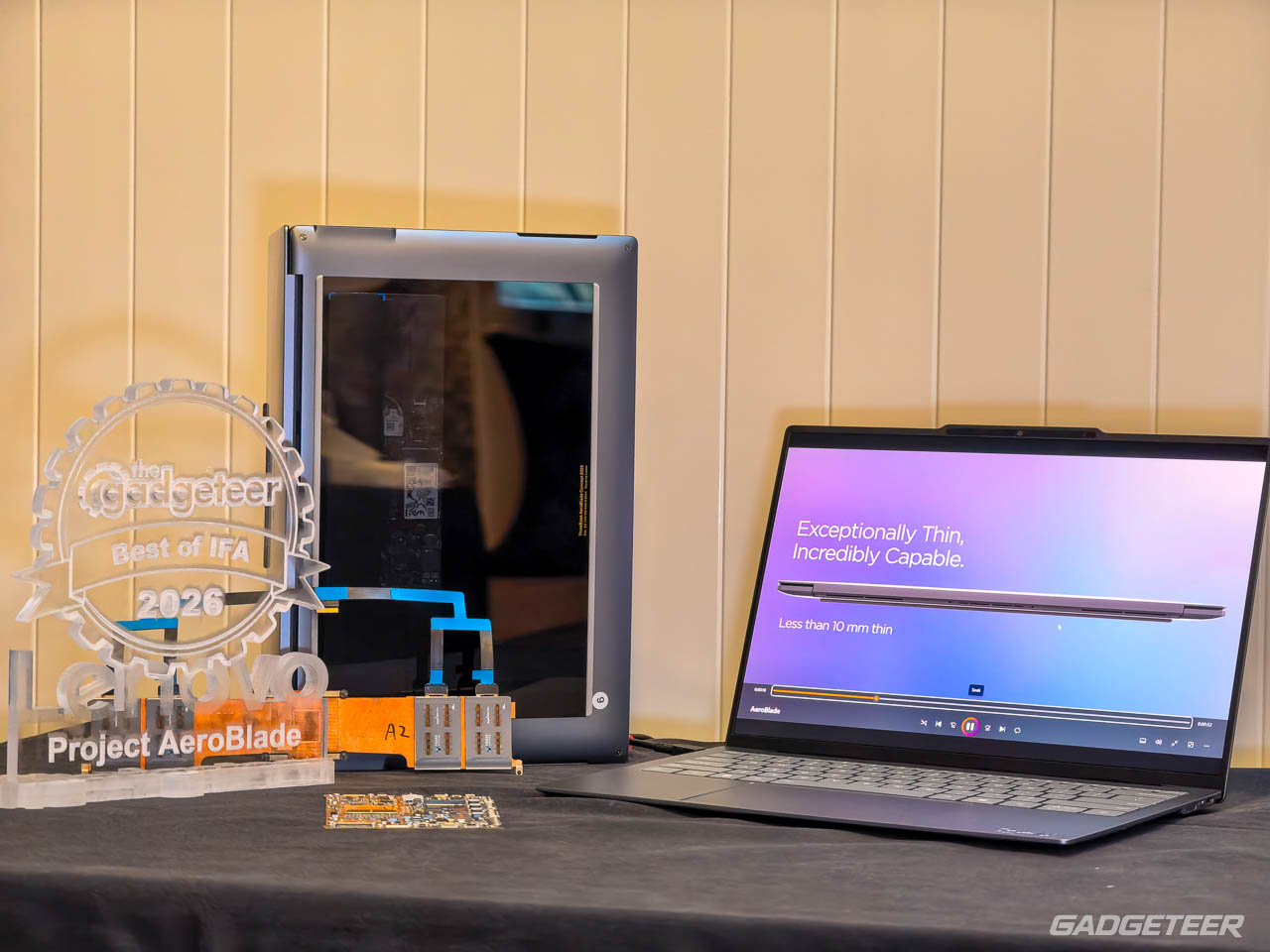
Project AeroBlade’s headline numbers are under 830 grams and less than 10mm thick. For a 14-inch OLED notebook concept, that’s a compelling starting point for anyone who carries a computer all day.
The reason to look closer is its cooling. Lenovo’s Active Flow system replaces a conventional fan with solid-state AirJet cooling developed with Frore Systems. The aim is to sustain AI performance while reducing noise, dust intake and mechanical complexity. Those are Lenovo’s goals, not thermal or acoustic results we’ve measured. But the approach makes AeroBlade more interesting than a thinner case alone: active cooling is central to the concept, alongside its magnesium-aluminum chassis, Thunderbolt 4 and Wi-Fi 7.
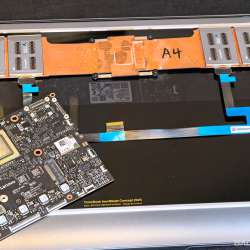
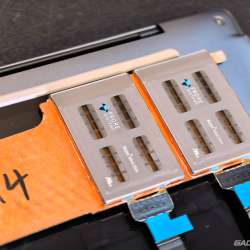
AeroBlade has no announced price or release date.
Yoga Tab Plus Gen 2 makes more of the pen
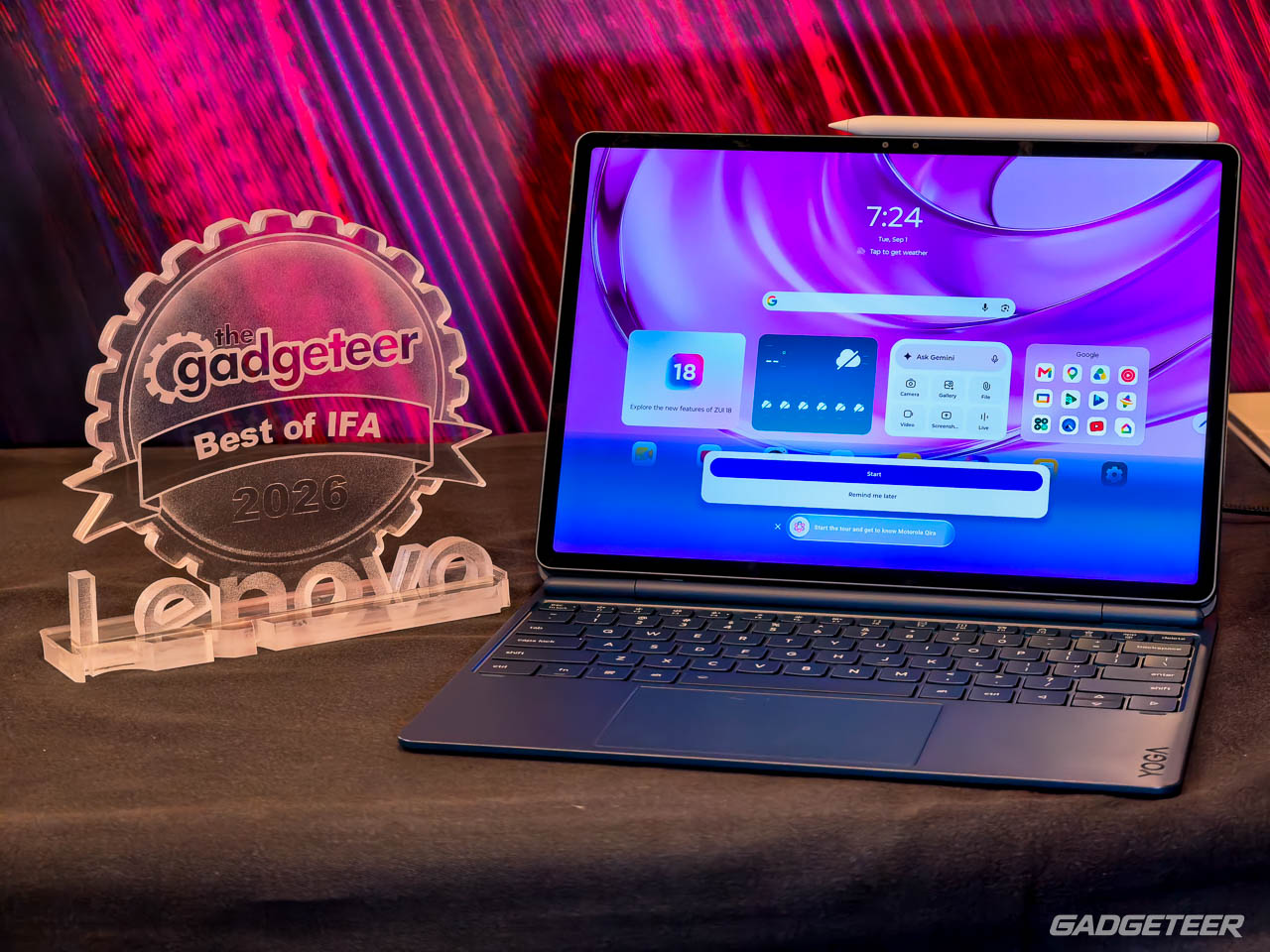
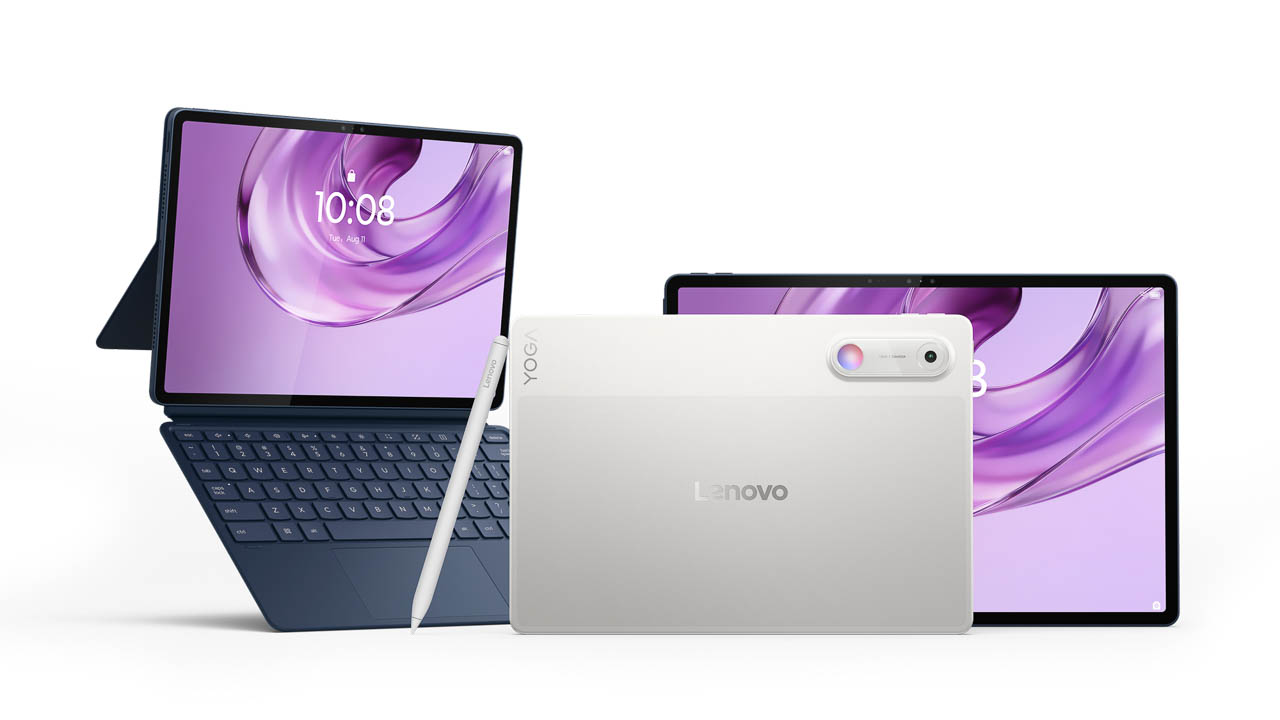
Pick up a pen to capture an idea, and reaching back to a toolbar can interrupt the flow. The Tab Pen Pro 2 has shortcuts for drawing, recording and erasing, putting those controls in the pen you’re already holding. Paired with the Yoga Tab Plus Gen 2’s 13-inch, 3:2 display, that’s the part of the tablet that makes the strongest case for a place here.


The screen has a 3840-by-2560 resolution and refresh rates up to 144Hz. When the task calls for more typing, there’s an optional magnetic keyboard; microSD expansion up to 2TB provides room for more files. Lenovo announced a September 2026 launch window and an expected starting price of $999.99.
ThinkVision P27UL-40 puts text clarity in focus
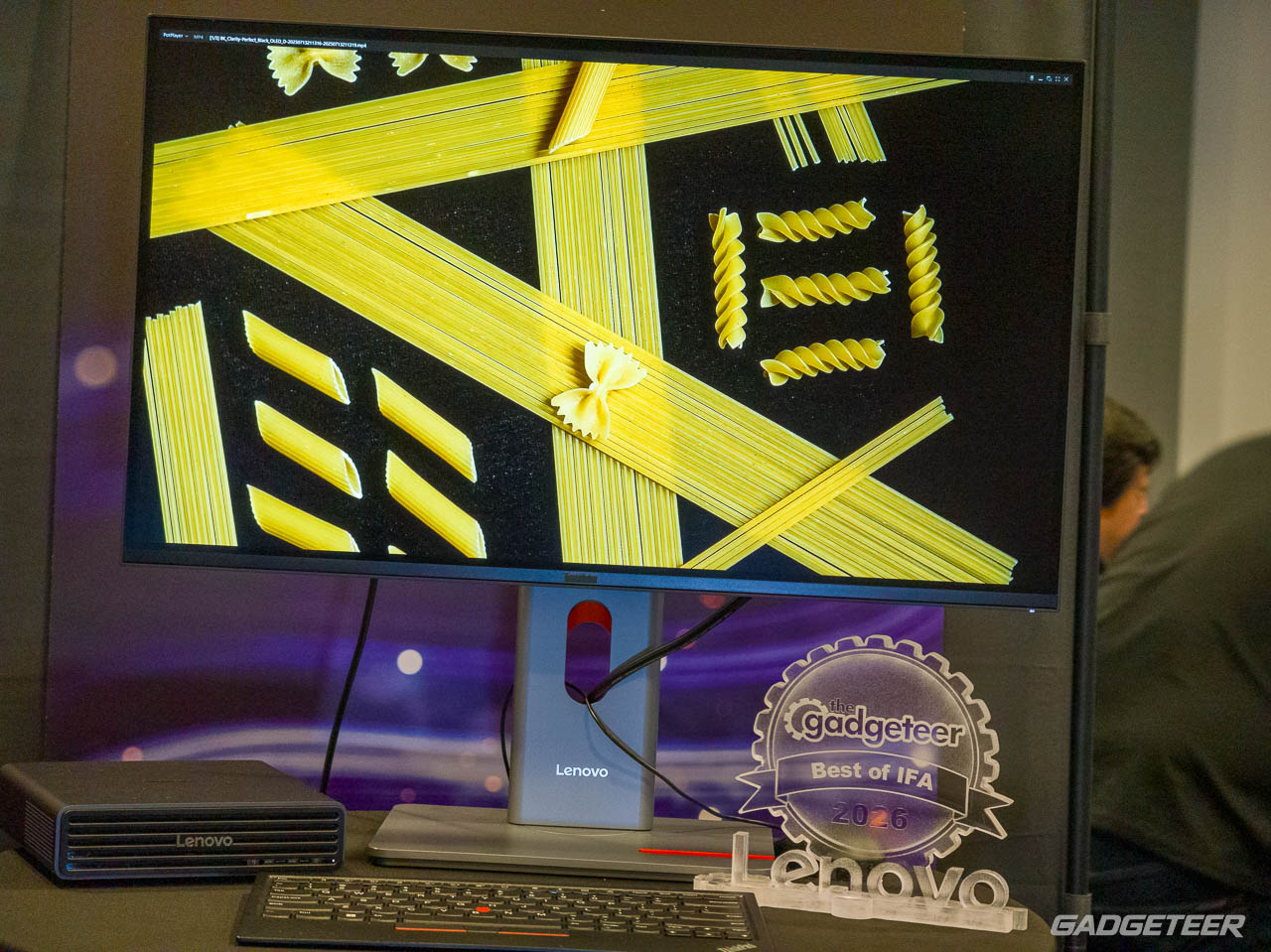
An OLED work monitor spends a lot of its day showing words: email, documents, spreadsheets and the small labels throughout an app. The ThinkVision P27UL-40 takes that use seriously with an RGB pixel layout designed to reduce color fringing around text. That’s the part of Lenovo’s display design that stands out here, especially if you’re reading from a screen for hours.
Due in March 2027 at an expected starting price of $1,299, the 27-inch UHD monitor uses InkJet Printing OLED technology. Its rated 99% DCI-P3 and 100% sRGB coverage, DisplayHDR True Black 500 certification and automatic OLED maintenance round out the display hardware. It also carries TÜV Rheinland Eye Comfort 5-star certification.
One feature has a software dependency: circadian-friendly adjustments require Lenovo software, which may be preloaded or made available for download later. Text clarity and comfort remain benefits to evaluate on the finished monitor.
IdeaCentre AIO i makes a shared screen more adjustable
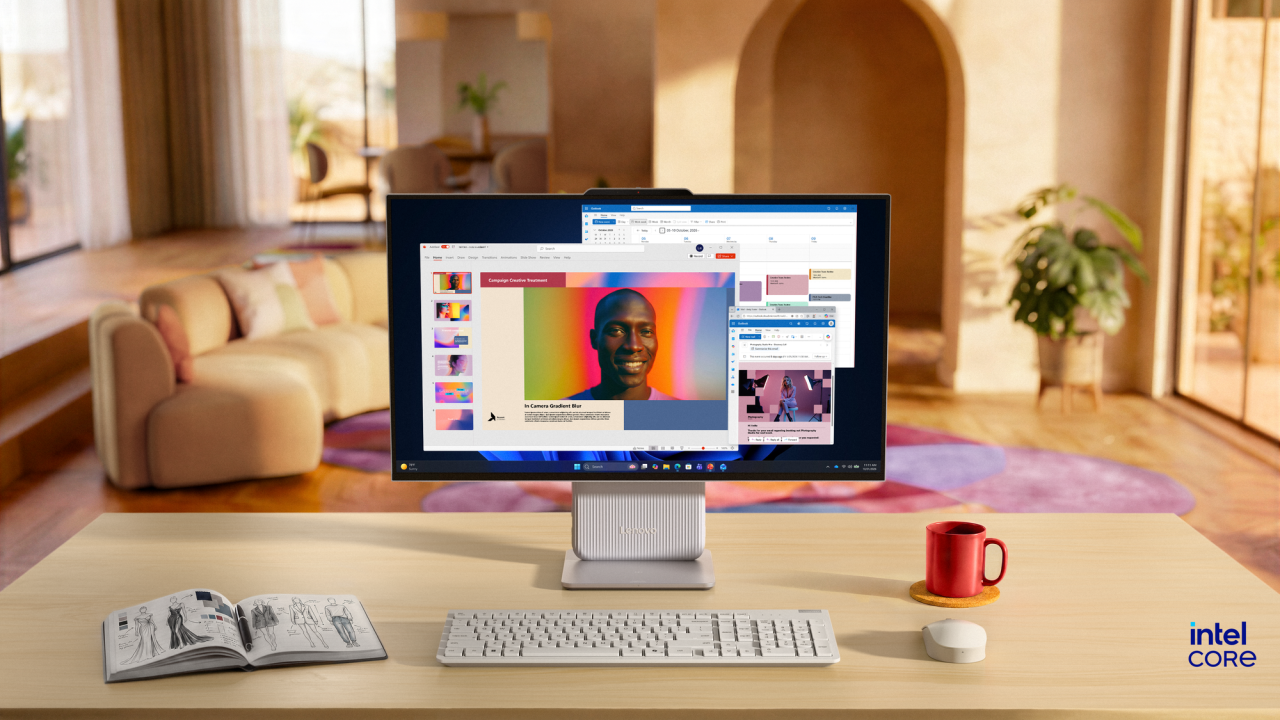
A shared home computer has to suit whoever sits down next. The IdeaCentre AIO i gives you 30mm of height adjustment and a tilt range from minus 5 to 15 degrees, so you can change the screen position without moving the whole computer. It’s a modest adjustment range, but a practical addition to a family desktop. The 23.8-inch and 27-inch Full HD versions support refresh rates up to 120Hz.
The larger model can be configured with up to 32GB of LPDDR5x memory. Dual SSD slots, six USB ports and an HDMI input/output combo port give the desktop ways to accommodate storage and other connected devices; an optional camera goes up to 5MP with IR and a physical shutter.
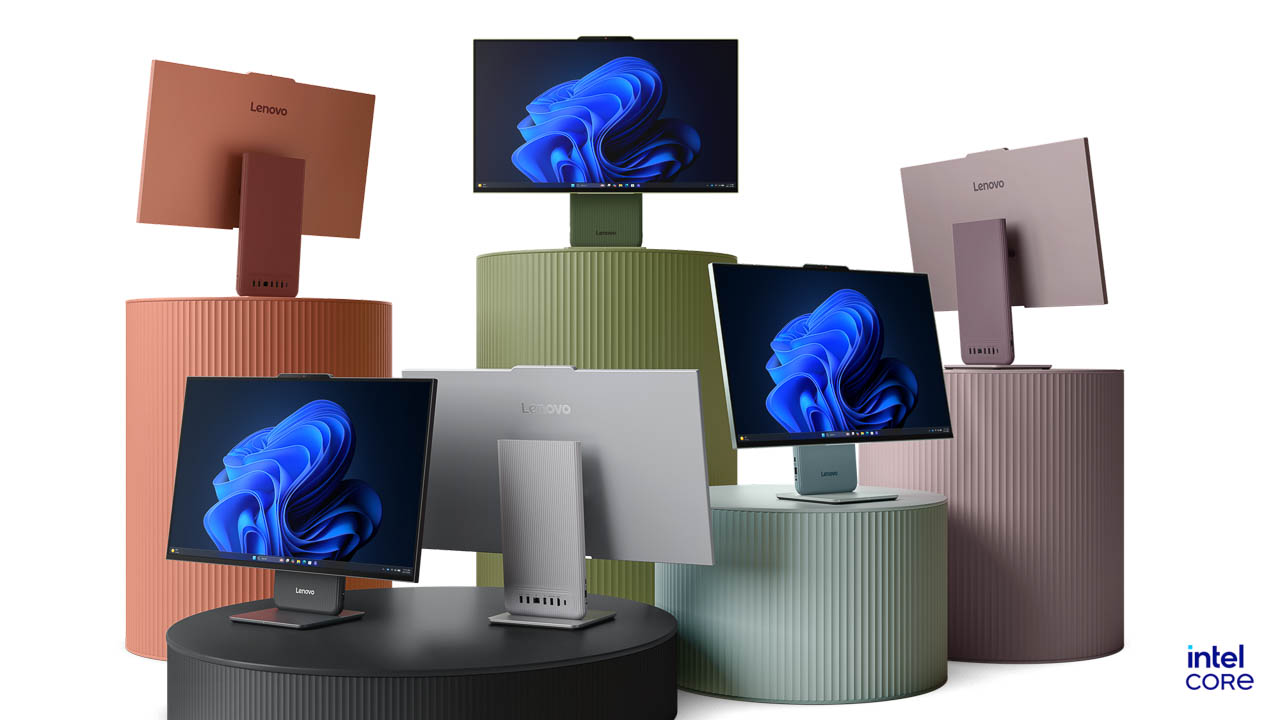
Adaptive Lighting is planned through a future software update, with timing varying by device and region. Lenovo expects November 2026 availability, starting at an estimated $939.99 for the 24-inch model and $1,149.99 for the 27-inch model.
IdeaPad Vibe brings color and room to grow
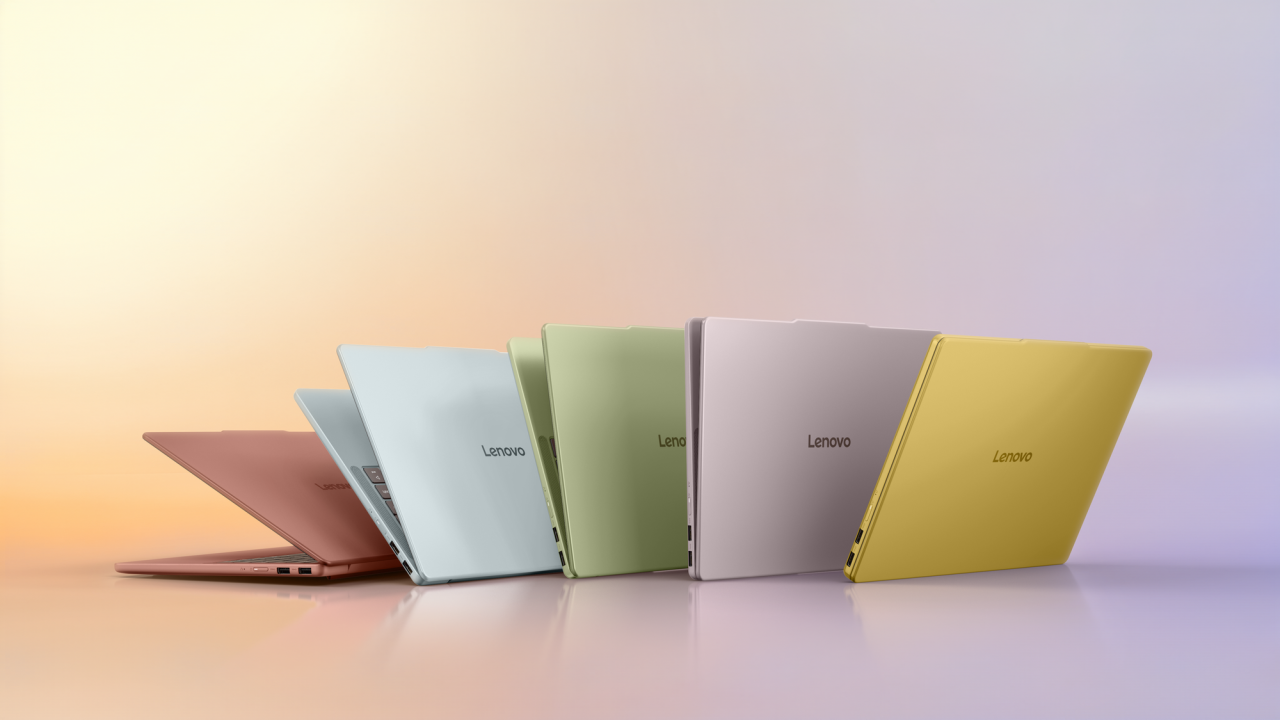
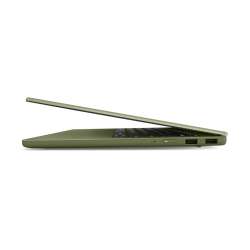
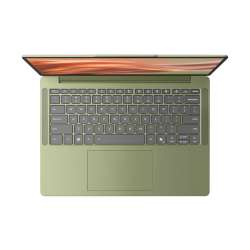
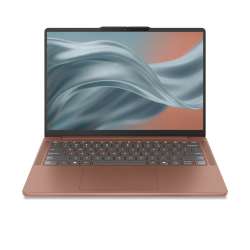
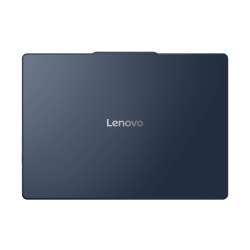
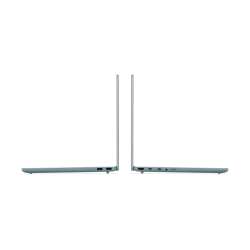
Dreamy Violet, Spicy Gold and Zen Green give you an idea of where Lenovo’s going with the IdeaPad Vibe. The family has seven colors, with optional customizable keycaps carrying that personality onto the keyboard.
The AMD versions also give you something less visible: upgradeable memory, up to 32GB.
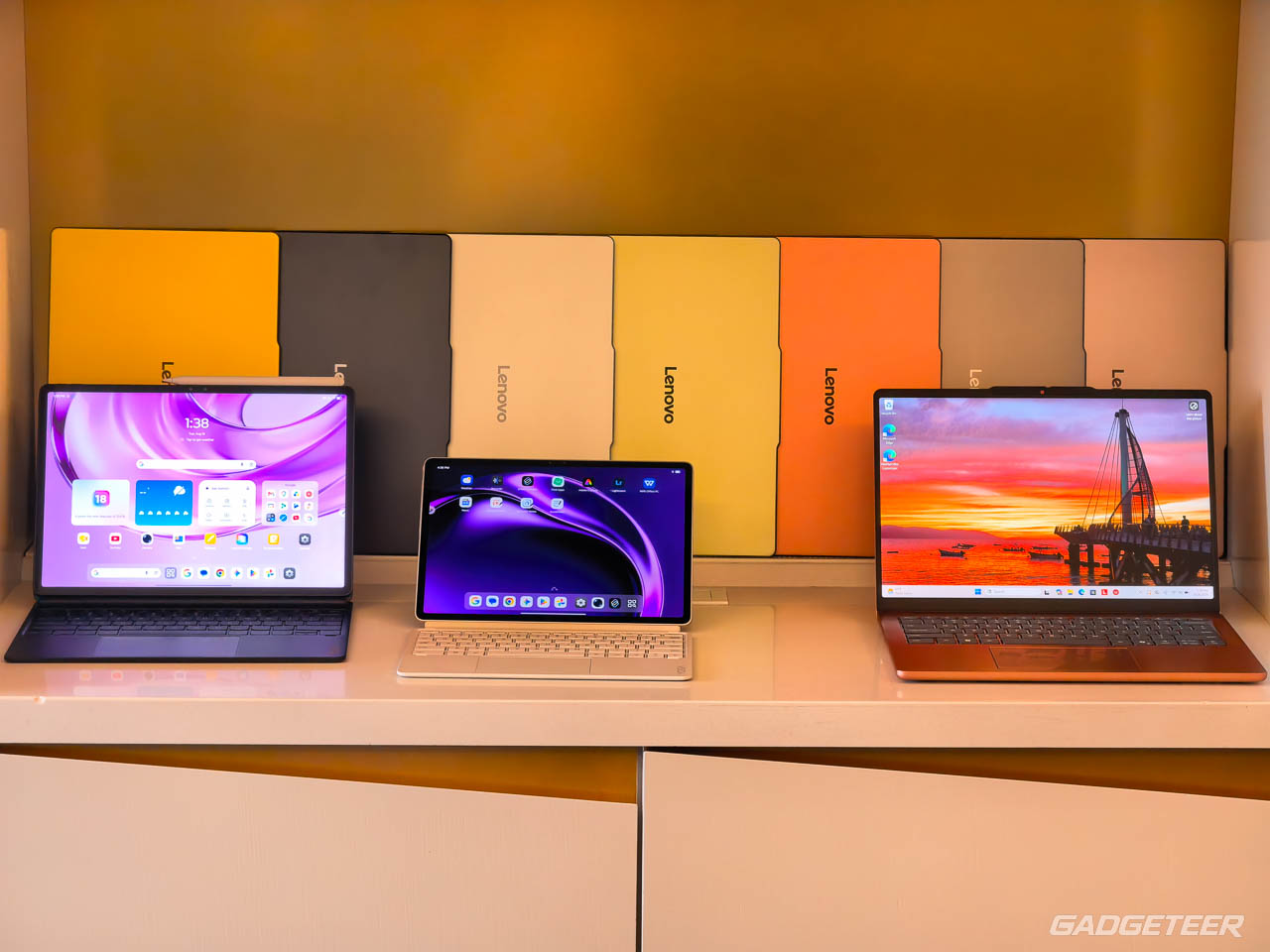
That’s useful room to grow if you’re choosing a laptop you intend to keep for several years. The 14-inch and 15-inch family includes AMD and Snapdragon configurations, with Intel versions planned later. Starting weights are 1.3kg and 1.5kg respectively, and Lenovo expects AMD and Qualcomm models to start at $699.99. AMD availability is planned for October 2026, followed by Qualcomm in November.
The finish is only part of the choice. Displays, colors and other specifications vary by configuration and market, so check the exact model behind the color you like.

Swan is the boldest expression of what connects these picks: let the hardware adapt to the task. An expanding screen is one way to do that. A more adjustable desktop or an upgradeable laptop takes a smaller step toward the same goal. These six awards recognize ideas with a clear use in mind, while leaving the finished products to prove how well they deliver.
