Apple Watch upgrades can sometimes feel like a collection of small improvements wrapped around the same familiar device. A new chip, another health metric, slightly better battery life, and a fresh case finish are all welcome, but they do not necessarily change how you use the watch.
Price: From $399
Where to Buy: Apple
The Apple Watch Series 12 and Ultra 4 are more interesting because their biggest improvement happens in the background. Apple has redesigned how frequently the watches collect heart-rate and heart-rate-variability data, then built new Readiness and daytime-vitals features around that denser stream of information. The practical leap is not simply having more numbers. It is having the watch pay closer attention throughout the day and try to turn those measurements into useful guidance.
Heart Rate Tracking Gets Much More Frequent
Previous Apple Watches already monitored heart rate throughout the day, but Series 12 and Ultra 4 dramatically increase how often that happens. Apple says the new Health Sensing System uses redesigned optical and electrical heart sensors, with heart rate measured every five seconds throughout the day and HRV measured up to 24 times more frequently.
That matters because a wearable can only analyze the data it actually captures. More frequent sampling gives the watch more opportunities to notice changes between workouts, during stressful periods, or while you are simply moving through a normal workday.
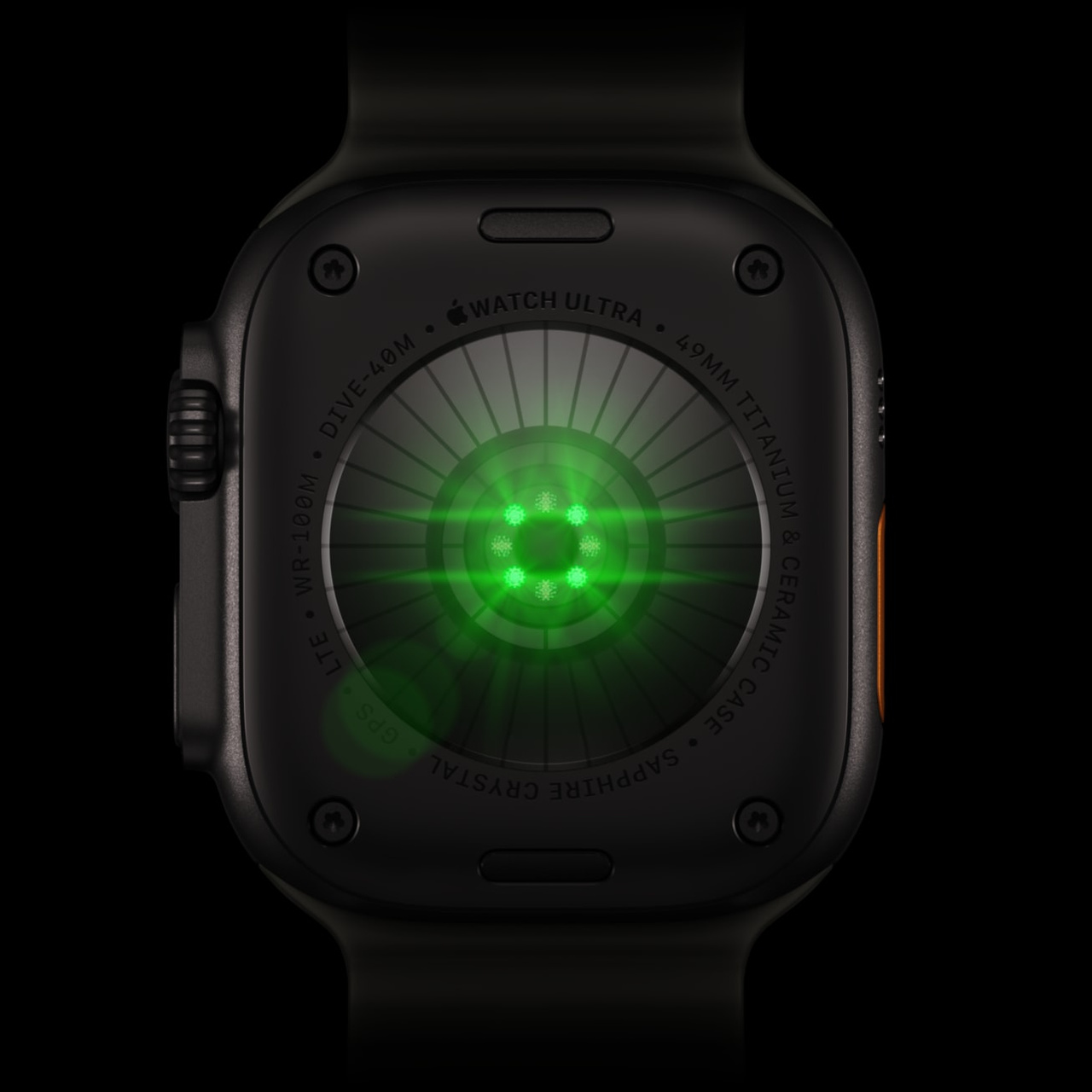
Apple says its new system delivers the most accurate heart-rate sensing in a wearable, based on a study of more than 1,000 people comparing Apple Watch with competing devices. That is evidence from Apple’s own study, not independent proof that Series 12 and Ultra 4 will outperform every competing wearable in every situation. The confirmed hardware leap is the much higher sampling frequency and redesigned sensor system.
Readiness Turns Health Data Into Guidance
Collecting more health information is not automatically useful if the end result is another graph you have to interpret yourself. That is why the new Readiness feature may be the most important practical upgrade.
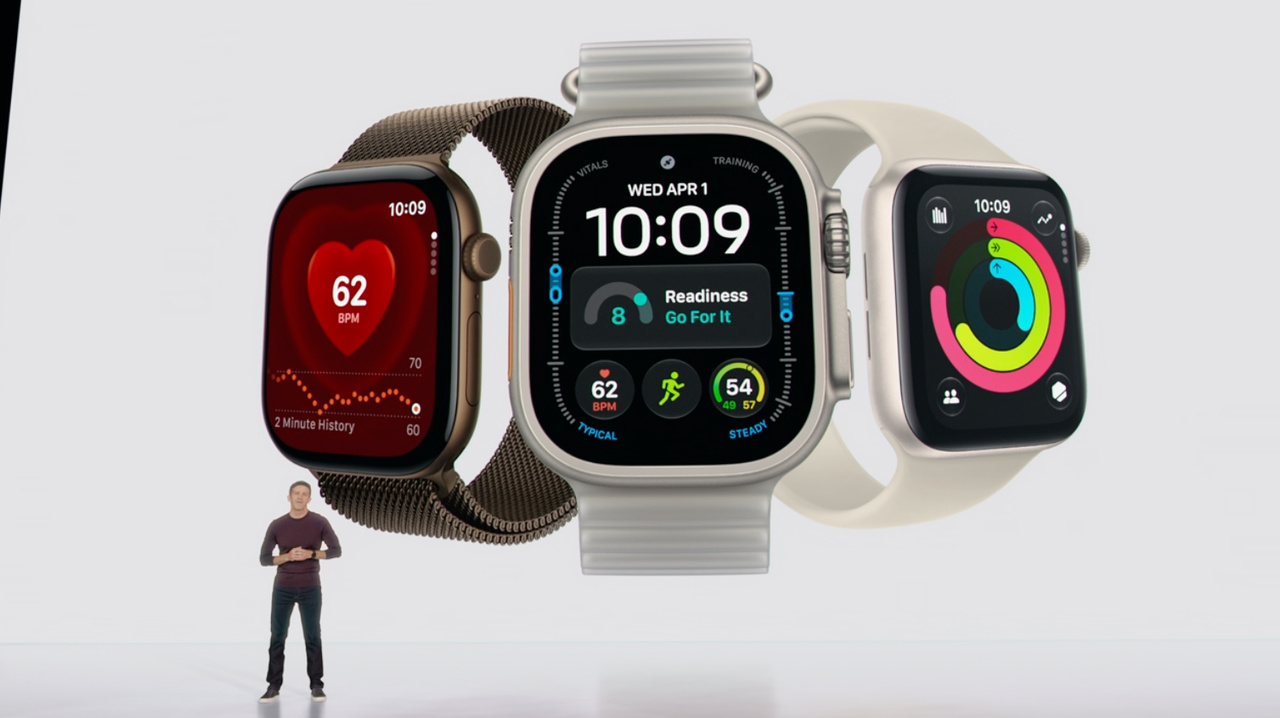
Series 12 and Ultra 4 analyze recent activity, training load, vitals, and sleep score, then generate a daily score from 0 to 10. The watch translates that into one of four recommendations: Recover, Pace Yourself, Ready, or Go For It.
The useful part is that Readiness is not frozen until the next morning. Apple says the score can update throughout the day as new information arrives. A demanding workout or a shift in daytime vitals can change the recommendation.

That moves Apple Watch closer to the recovery-focused approach that has become familiar on platforms such as Garmin, Whoop, and Oura. Instead of only telling you what you did, the watch is trying to help answer what you should do next.
Daytime Vitals Fill the Gap Between Sleep and Workouts
Apple has relied heavily on overnight measurements because sleep provides a relatively stable period for collecting health data. The weakness of that approach is obvious: your body does not stop changing when you wake up.
The new daytime-vitals view uses the higher-frequency heart-rate and HRV readings to show how your measurements change while you are awake. Apple says it can potentially identify shifts before they appear in overnight data.

That wording is important. This is not the watch diagnosing an illness because your afternoon heart rate looks unusual. Apple is positioning it as a wellness feature that compares current measurements with your personal baseline and flags changes worth noticing; it is not medical advice or a diagnostic tool.
For most people, that may be more useful than another isolated health metric. A wearable does not always need to explain exactly what is wrong. Sometimes showing that today looks meaningfully different from your normal pattern is enough to make the data actionable.
Ultra 4 Delivers the Bigger Battery Upgrade

Both watches receive the new health platform, but the Ultra 4 gets the more substantial endurance upgrade.
Apple rates Ultra 4 for up to 50 hours of everyday use, compared with 42 hours for the Ultra 3. Low Power Mode stretches that to 84 hours. Extended Workout mode delivers up to 25 hours while maintaining full GPS and heart-rate readings, while Max Extended Workout mode can track outdoor runs, walks, and hikes for up to 45 hours while still taking GPS readings every second.
 Those extended-workout numbers are specialized, but the 50-hour everyday figure matters even if you never run an ultramarathon. More than two days of rated battery life gives you more freedom over when you charge, particularly if you want to keep the watch on overnight for sleep and recovery tracking.
Charging is also faster. Apple says 15 minutes on the charger can provide up to 18 additional hours of use.
The S11 Chip Enables More Than Faster Apps
The new S11 chip powers the Health Sensing System, but Apple is also using it for a new class of Audio Intelligence features.
Sound Recognition can alert the wearer to sounds such as alarms, sirens, doorbells, or a baby crying. Live Rewind, arriving later in 2026 in beta, shows a text snippet of the previous 15 seconds of speech after the wearer double-presses the Digital Crown. Siri Recap, also a later beta feature, can create high-level summaries of opted-in conversations for later reference.
Live Rewind and Siri Recap will initially be available in English and require a compatible Apple Intelligence-enabled iPhone. Sound Recognition and automatic Shazam music recognition have different availability and device requirements. Apple also cautions that AI-generated snippets and summaries may be incomplete or inaccurate, so neither feature should be treated as a dependable record of an important conversation.

So What Is the Real Leap?
Series 12 and Ultra 4 do not reinvent the Apple Watch visually. The bigger shift is how persistently Apple wants the watch to monitor your body and interpret what it sees.
Heart rate every five seconds, much more frequent HRV readings, daytime vitals, and Readiness all point in the same direction. Apple Watch is moving beyond recording workouts and closing rings toward explaining how prepared your body may be for the next workout, workday, or recovery period.
For Series 11 or recent Ultra owners, that may not automatically justify an upgrade unless the new health features matter to you. The basic smartwatch experience remains familiar.
The clearer buyer fit is someone who cares about recovery, training, sleep, and longer-term health trends but wants those features inside Apple’s ecosystem. Series 12 is the mainstream route into that new health platform. Ultra 4 makes more sense for outdoor athletes and heavy users who will benefit from the longer battery life and extended-workout modes.
Price: From $399
Where to Buy: Apple
The leap is not a new shape or another button. It is Apple turning the watch into a much more persistent health-monitoring device and doing more with the information it collects.