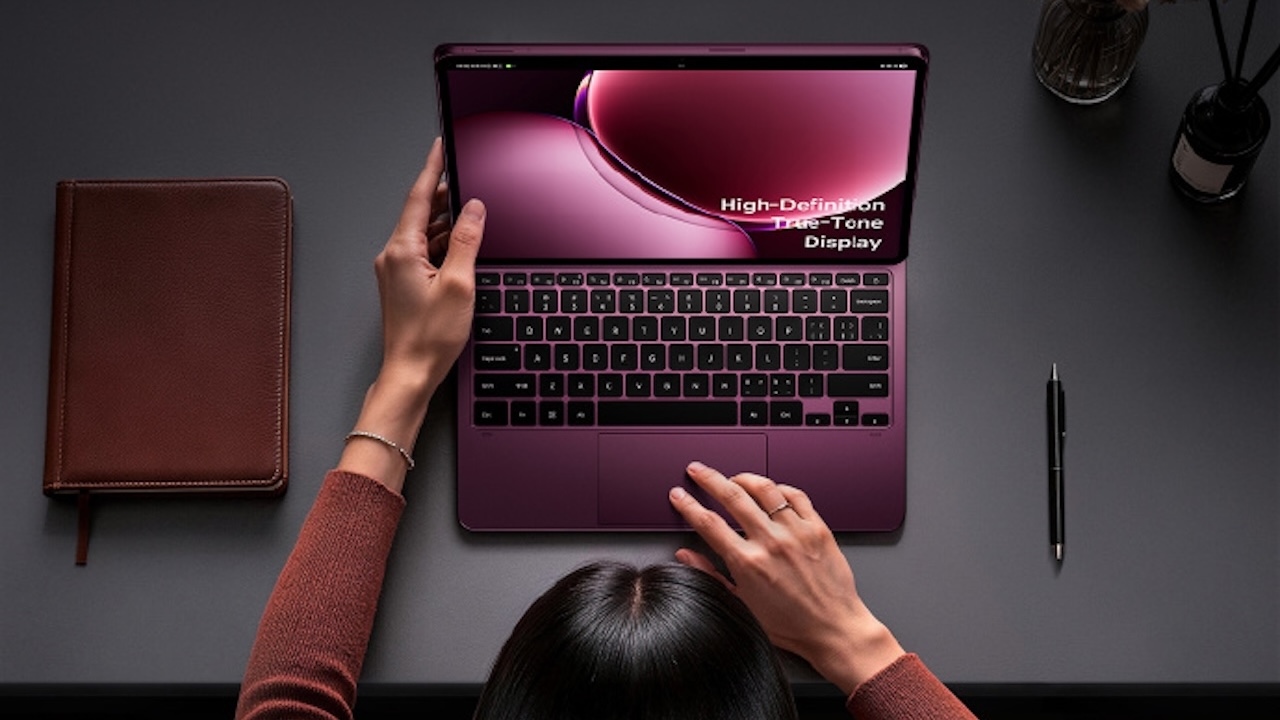
A 13-inch tablet has to justify the space it takes up in your bag before you even turn it on. Smaller tablets are easier to carry than laptops, while larger models compete more directly with notebooks for weight, desk space, and attention. If a big tablet only runs the same mobile apps on a larger screen, that extra size can be hard to justify.
Price: From $500
Where to Buy: Xiaomi
The upcoming Xiaomi Pad 9 Pro Max has a more practical answer. Xiaomi is building the tablet around a 13.3-inch display, its new Xring O3 processor, and HyperOS 4, but the screen does not have to remain confined to Android. Through USB-C, Xiaomi says the tablet can also work as an external monitor for a computer or a larger display for compatible gaming hardware.
That gives the Pad 9 Pro Max a potentially useful second role whenever its own apps are not the best tool for the job.
A 13.3-inch screen changes the equation
Xiaomi has confirmed a 13.3-inch LCD touchscreen with a 3.4K resolution, a 3:2 aspect ratio, up to 1,000 nits of peak brightness, and a claimed Delta E color-accuracy figure of about 0.47.
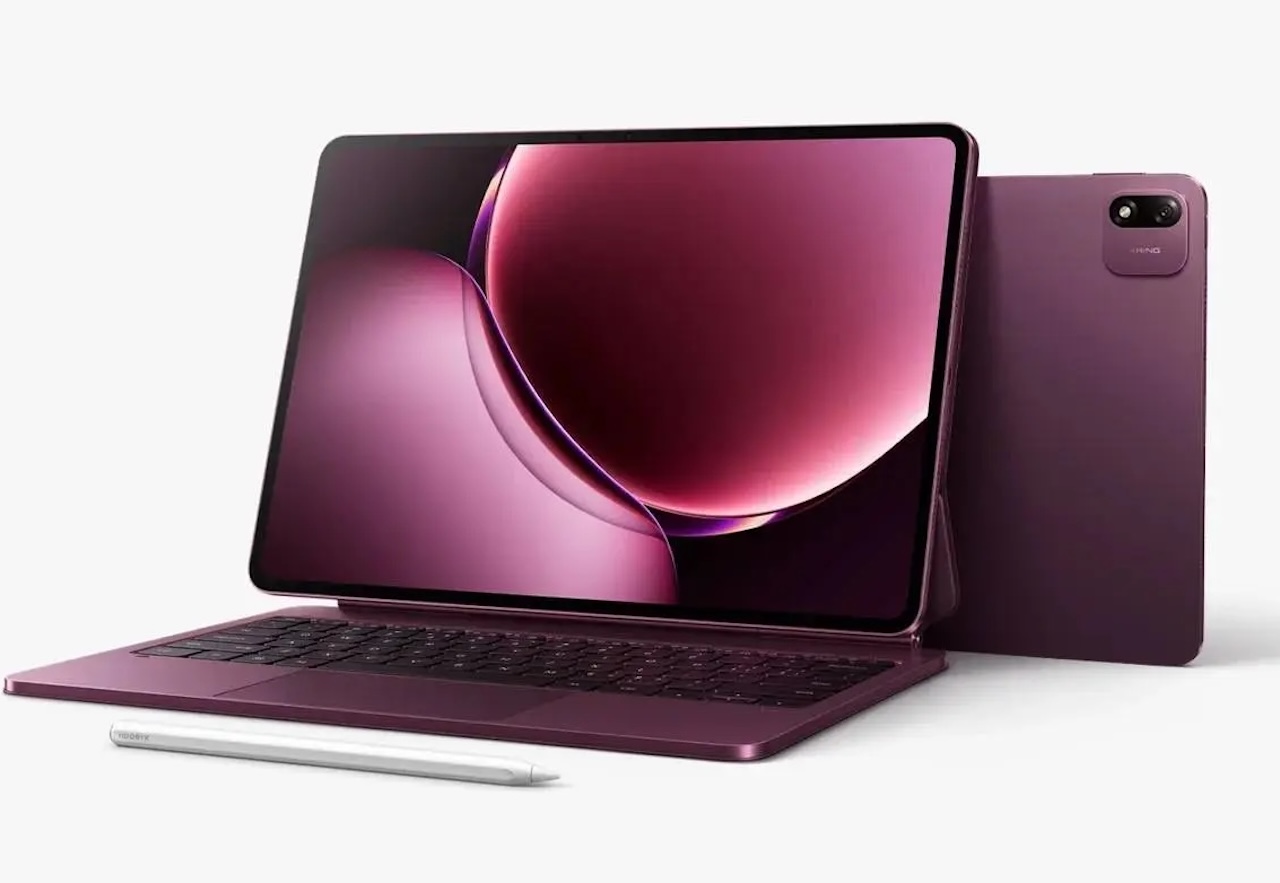 The 3:2 ratio could be particularly useful for productivity. Compared with wider, entertainment-focused screens, it provides more vertical room for documents, web pages, spreadsheets, and side-by-side apps. At 13.3 inches, it also gives Xiaomi enough display area to make keyboard-based work more plausible without forcing users into unusually small windows.
The brightness and color-accuracy figures come from Xiaomi and should be treated as manufacturer specifications. A Delta E figure below 1 would indicate extremely accurate color under the company’s stated test conditions, but it does not by itself describe every viewing mode, brightness level, or real-world environment.
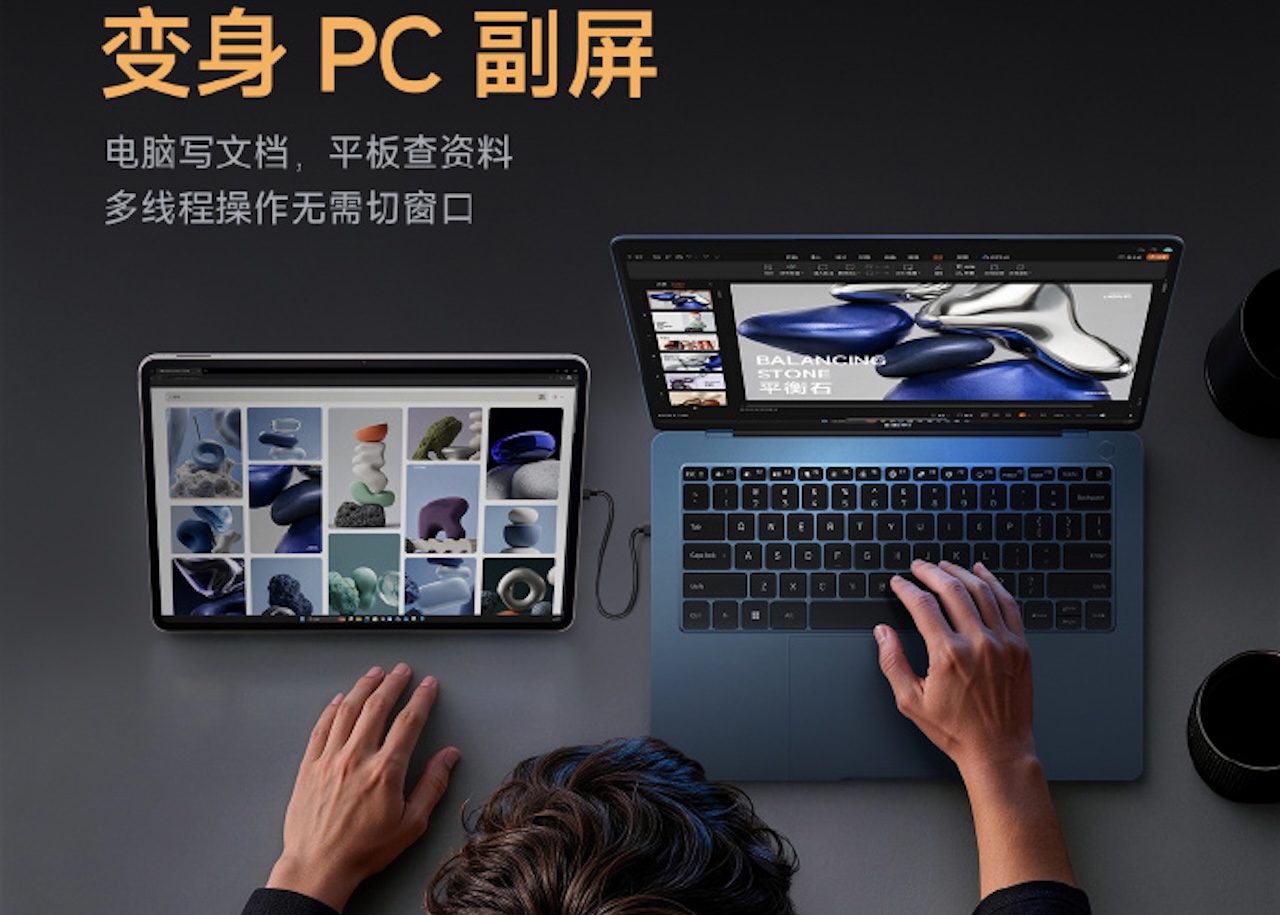
USB-C makes the display reusable
The Pad 9 Pro Max’s most compelling feature may be its full-featured USB-C port. Xiaomi has shown the tablet accepting a video signal, allowing it to serve as a second screen rather than merely outputting its own display to another monitor.
That matters because portable monitors solve a real problem but add another device to your bag. Someone already carrying the Pad 9 Pro Max and a laptop could use the tablet for reading or entertainment on its own, then connect it to the laptop when extra desktop space is more useful.
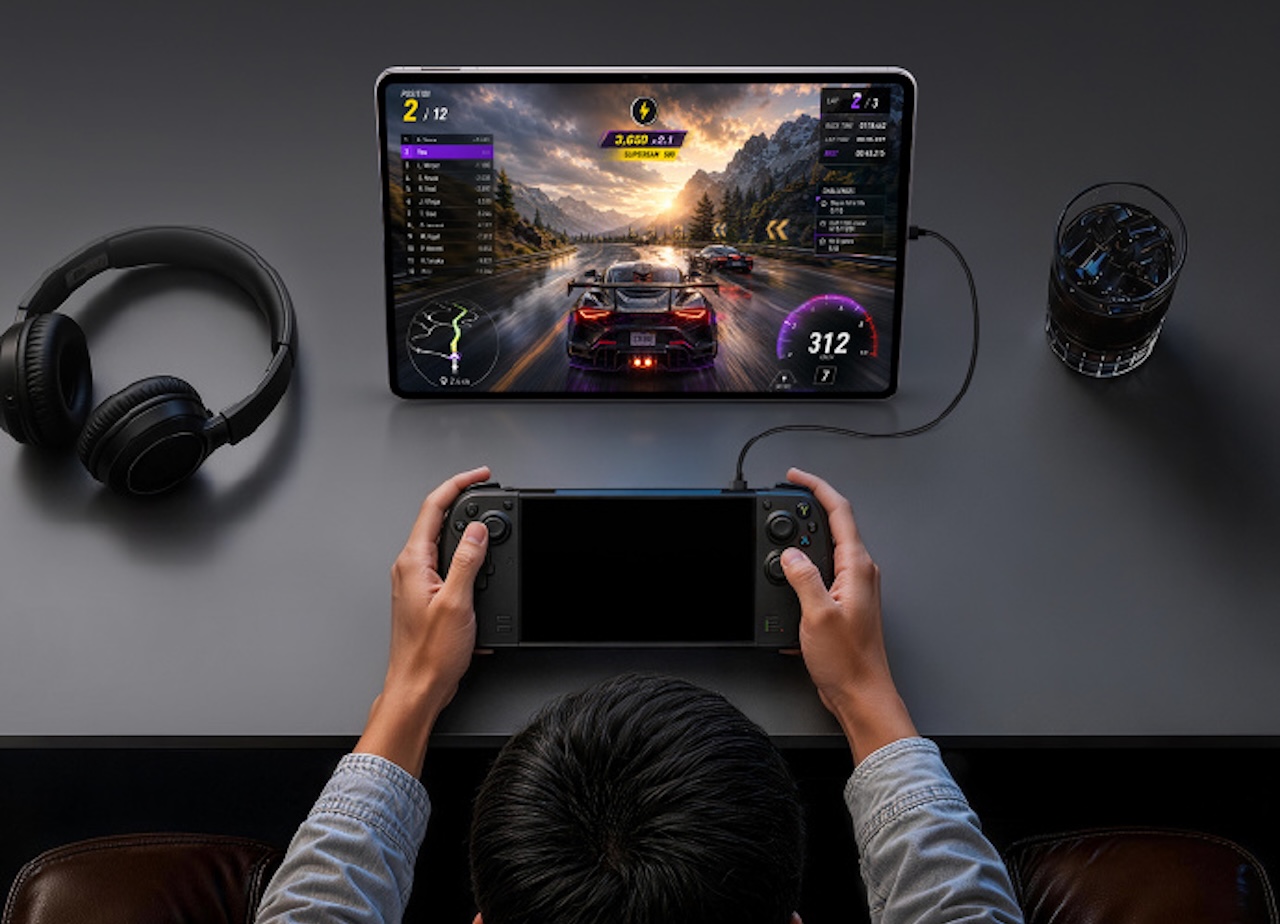
 Xiaomi has also shown the large display being used with gaming hardware and promoted drawing-oriented scenarios involving stylus input. Those demonstrations suggest that the company intends the USB-C feature to do more than basic screen mirroring.
The practical value is flexibility. Instead of making the tablet useful only when Android apps are enough, Xiaomi is giving its 13.3-inch panel a role alongside another computer, game system, or creative setup.
Xring O3 brings big performance claims
The Pad 9 Pro Max will be Xiaomi’s first tablet to use the company’s Xring O3 processor. The chip uses a 10-core CPU configuration with speeds reaching roughly 4.35GHz and a 16-core G2-Ultra NX-class GPU.
Xiaomi is making aggressive claims for the graphics hardware, including major performance gains and lower power consumption compared with its previous Xring generation. Those comparisons come from Xiaomi, so they are best understood as company performance claims rather than independently established results.
 Early Geekbench listings suggest that the chip is targeting flagship-class performance. Scores vary between runs, but they are consistent with Xiaomi positioning the device as a high-performance tablet rather than a basic media slate.
That matters because a screen this large invites heavier workloads. Multitasking, drawing, desktop-style apps, gaming, and external-display use all make more sense when the processor has enough headroom to keep the experience responsive.
HyperOS 4 has work to do
Xiaomi is pairing the hardware with HyperOS 4, which it says has been optimized for larger displays and PC-style applications. That matters because hardware alone does not make a large tablet productive.
A 13.3-inch screen is most useful when apps take advantage of the extra room. Better window management, keyboard and pointer support, and desktop-style layouts could make the Pad 9 Pro Max more useful for writing, research, image work, and multitasking.
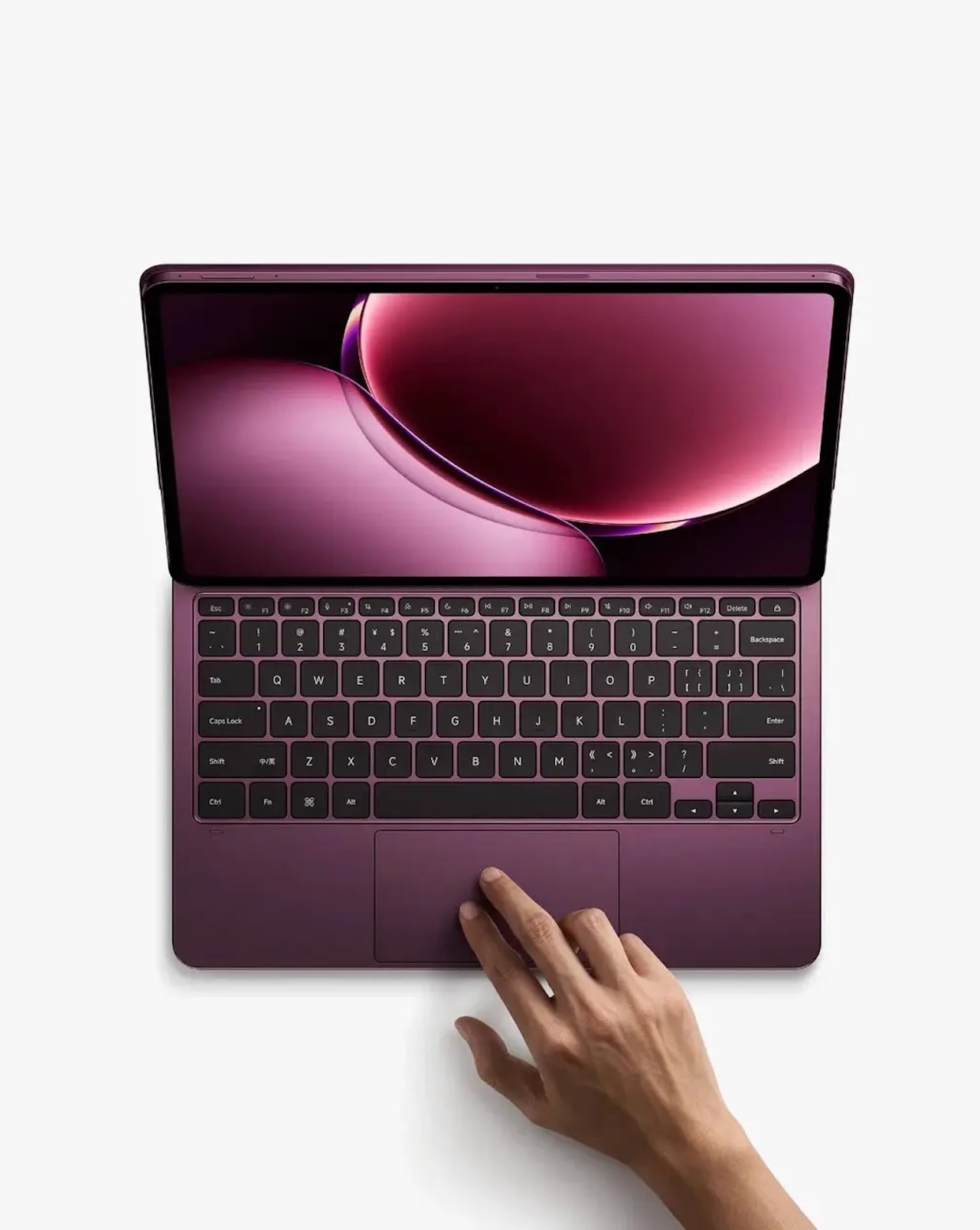 Xiaomi’s approach appears broader than simply stretching Android across a larger panel. The tablet is being positioned as a device that can shift among standalone tablet use, keyboard-based productivity, stylus work, and second-screen duty depending on the situation.
That multi-role approach gives the Pad 9 Pro Max a stronger identity than simply being Xiaomi’s biggest tablet.
Who should consider it?
The Pad 9 Pro Max looks most promising for people who can give its display several jobs. A student or remote worker could use it independently for lighter work, then connect it as a second laptop display at a desk.
Artists, photographers, and frequent travelers may find its large touchscreen, stylus support, and potential portable-monitor role especially useful. Someone looking mainly for a lightweight couch or streaming tablet should probably consider a smaller model; at 13.3 inches, portability is no longer the obvious advantage.

Price: From $500
Where to Buy: Xiaomi
Xiaomi will formally launch the Pad 9 Pro Max in China on September 7, 2026, with pricing, final configurations, and international availability still to be confirmed. For now, its most interesting feature is not a claimed battery number or a headline benchmark, but the possibility of making a very large tablet display useful even when another computer is doing the main work.