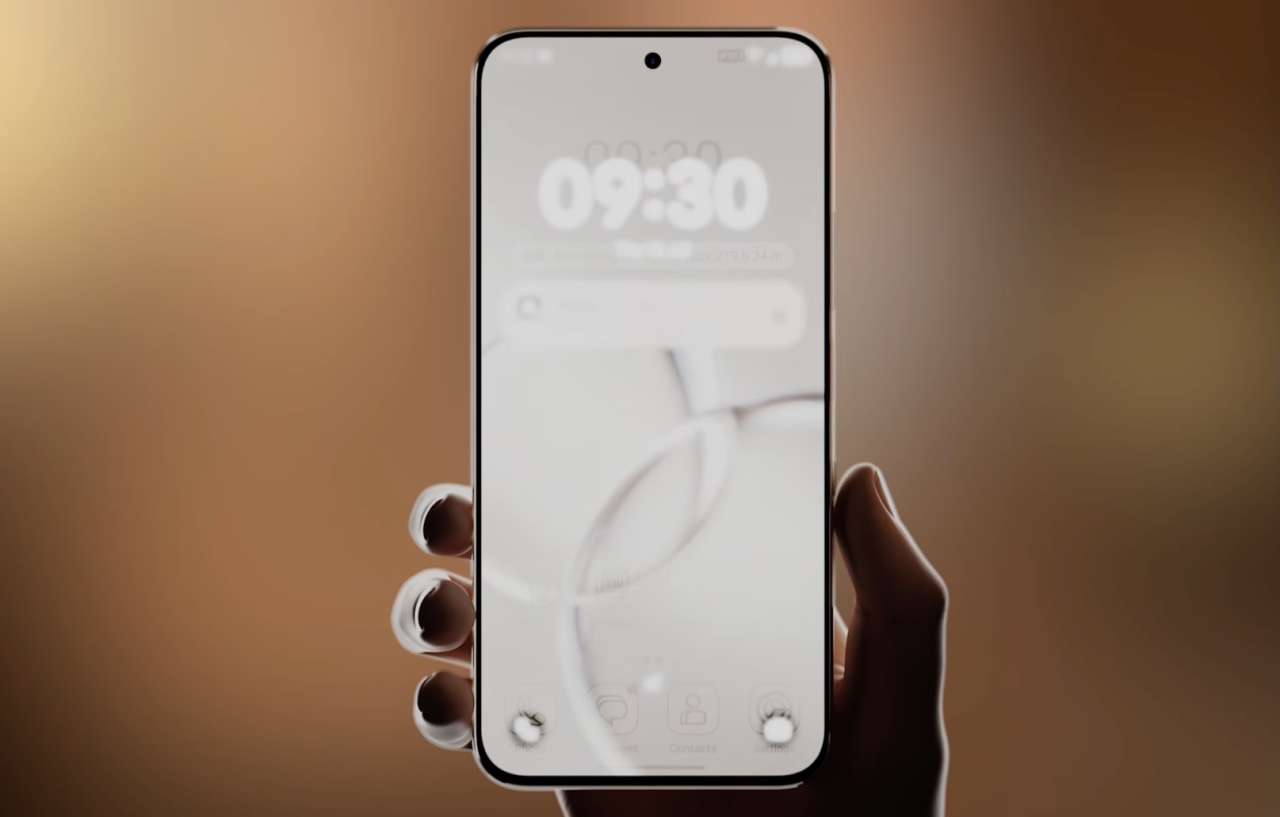
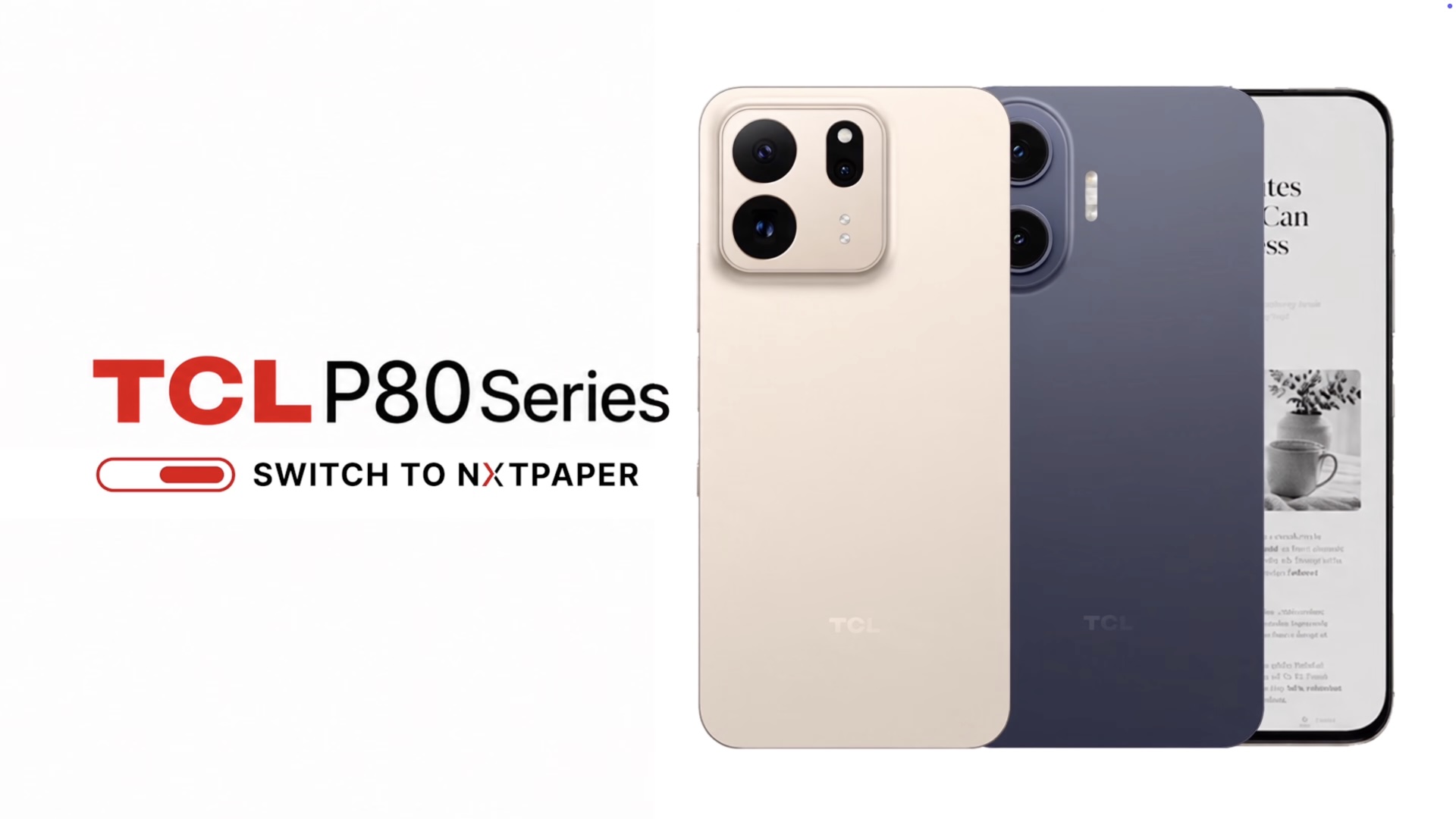
Choosing a phone display usually means accepting a compromise. AMOLED panels deliver deep blacks, strong contrast, and vivid color, but reflections can still be distracting and long reading sessions are not always pleasant. TCL introduced NXTPAPER AMOLED technology at MWC 2026, and the new TCL P80 Series is the first phone lineup to put it into consumers’ hands. The P80 Ultra and P80 Pro combine TCL’s paper-inspired display technology with AMOLED, while the regular P80 uses a conventional AMOLED panel.
The lineup includes the TCL P80 Ultra, P80 Pro, and P80. The Ultra and Pro pair NXTPAPER technology with a 6.83-inch 1.5K AMOLED display, while the standard P80 keeps the same basic screen size and resolution without NXTPAPER. That makes the buying decision less about display specifications alone and more about whether TCL’s paper-inspired treatment improves how you actually use a phone.
NXTPAPER finally meets AMOLED
The P80 Ultra and P80 Pro use 6.83-inch 1.5K AMOLED displays with a 120Hz refresh rate, up to 3,200 nits of peak brightness, and up to 100% DCI-P3 coverage. TCL adds a nano-etched anti-glare surface, circularly polarized light, circadian color adjustment, DC dimming at higher brightness, and 3840Hz PWM dimming at lower brightness.
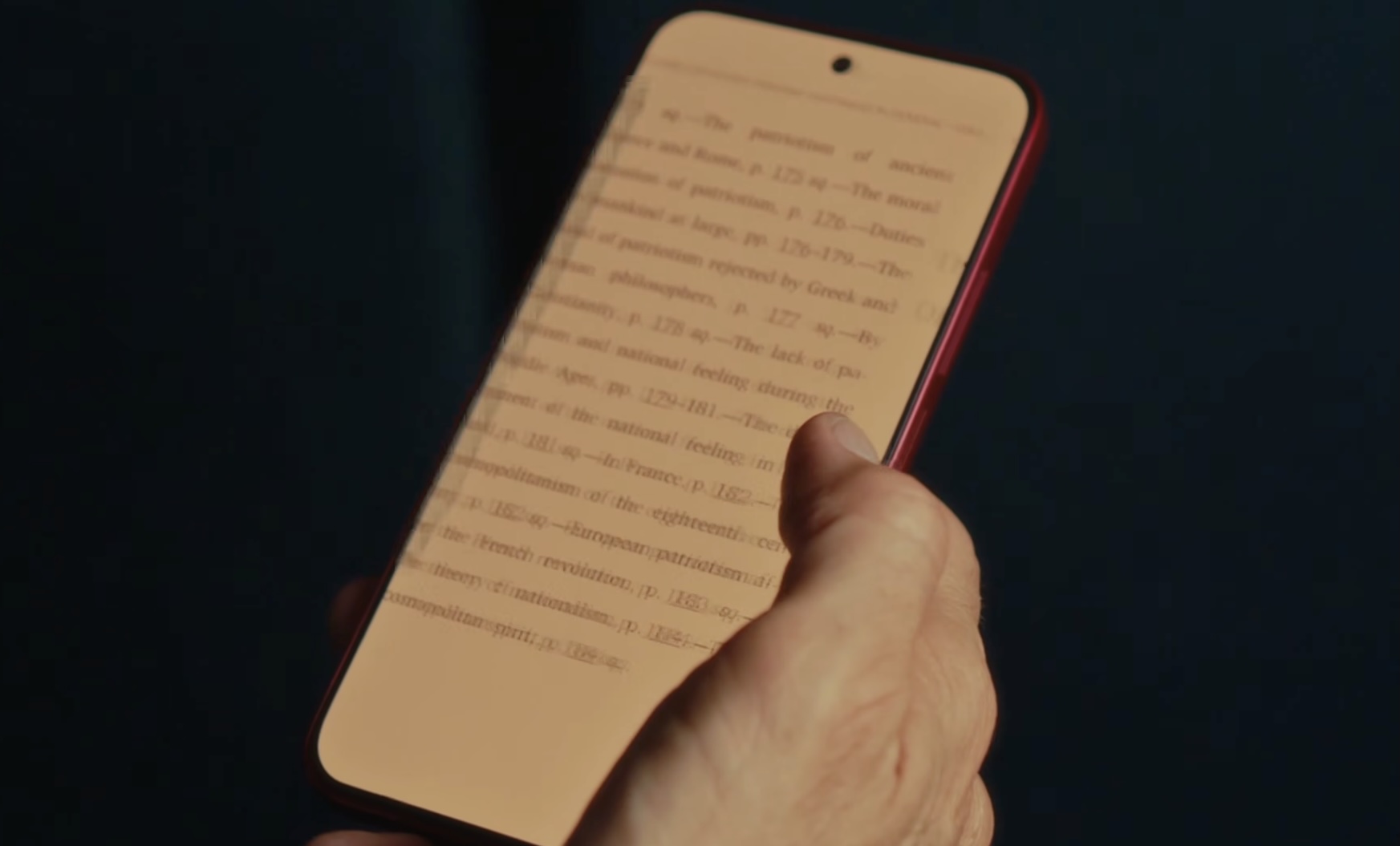 Those specifications tell us more than simply calling the displays easier on the eyes. The anti-glare treatment addresses reflections, while the dimming and color-management technologies target other aspects of viewing comfort. TCL also points to third-party certifications covering some display characteristics, but those do not prove everyone will experience less eye fatigue. Whether NXTPAPER AMOLED feels substantially more comfortable after several hours requires hands-on comparison with a conventional AMOLED phone.
The distinction matters because the regular P80 also gets a 6.83-inch 1.5K AMOLED display with a 120Hz refresh rate and up to 3,200 nits of claimed peak brightness. Buyers who skip NXTPAPER are not automatically getting an inferior basic display.
The NXTPAPER key makes it more of a reader
TCL gives the Ultra and Pro a dedicated NXTPAPER key for switching into paper-oriented viewing modes, including Paper Mode and Max Ink Mode. For anyone who spends significant time reading articles, ebooks, emails, or documents, that provides a quick way to move away from the phone’s normal full-color presentation.
 TCL says Max Ink Mode can dramatically extend battery life, with launch materials describing endurance stretching into multiple days under appropriate conditions. That should not be confused with normal smartphone battery life because a restricted, reading-focused mode is not equivalent to running cameras, navigation, video, social apps, and a bright color display. The more practical benefit may be having an e-reader-like mode available when traveling or settling in for a long reading session.
The P80 Ultra has the camera advantage
The P80 Ultra separates itself from the Pro with a 50MP 3x periscope telephoto camera featuring optical and electronic stabilization. It joins a 50MP main camera with a 1/1.56-inch sensor, an 8MP autofocus ultrawide, and a 32MP front camera.
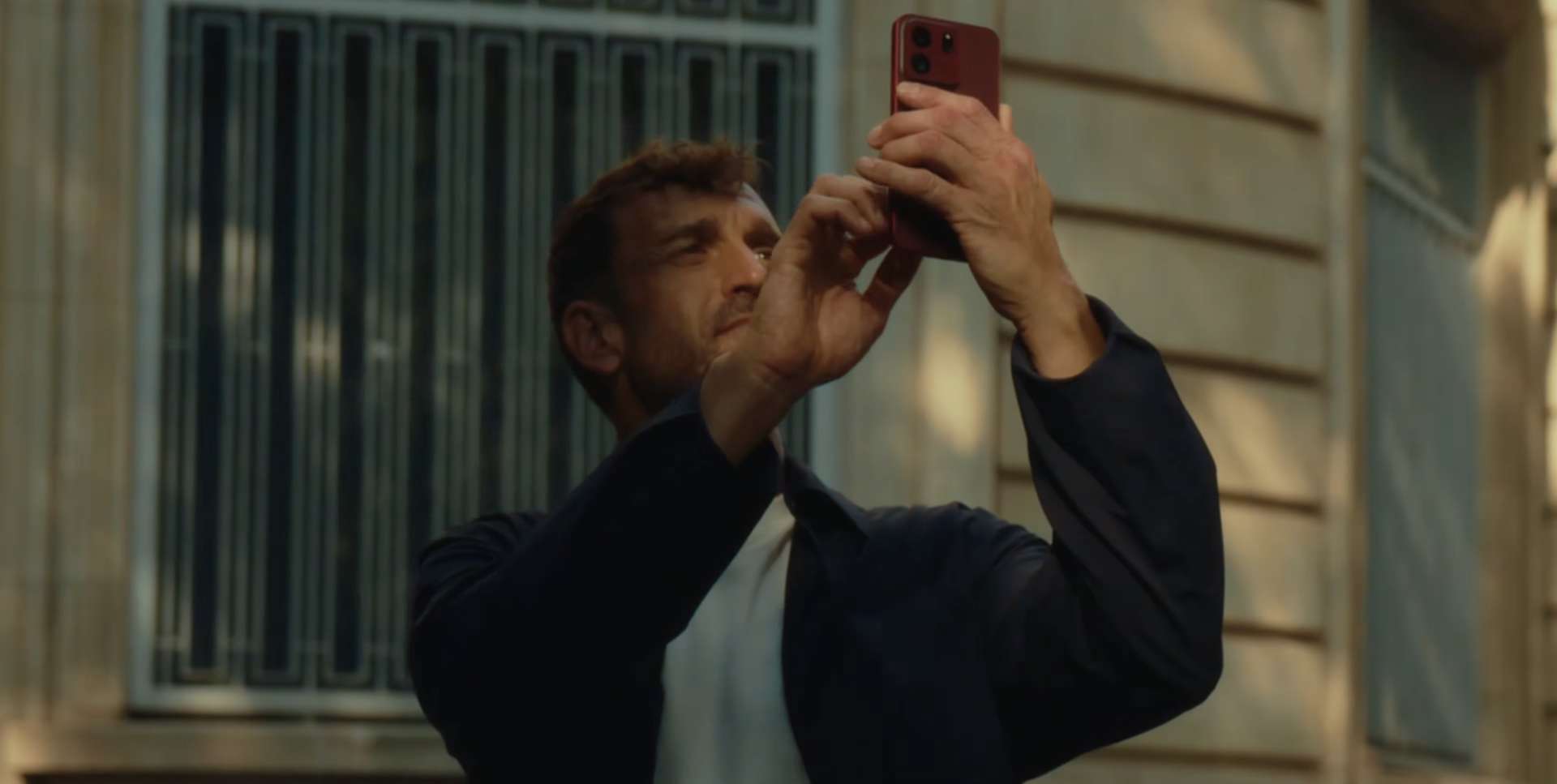 That dedicated 3x camera should give the Ultra more flexibility for portraits, travel, concerts, and subjects you cannot physically approach. TCL also advertises 6x “lossless” zoom, but that does not mean the phone contains a native 6x optical lens. Processing and sensor cropping contribute to that claim, so image quality at 6x needs independent testing before we know how close it comes to optical-quality results.
The P80 Pro keeps the 50MP main, 8MP ultrawide, and 32MP selfie cameras but drops the periscope. If you rarely use telephoto cameras, the Pro lets you keep NXTPAPER without paying for that additional hardware.
Most performance hardware is shared
The P80 Ultra uses MediaTek’s Dimensity 7400 Elite, while the P80 Pro uses the lower-tier Dimensity 7300. Both models include 8GB of RAM, virtual-memory expansion, and up to 512GB of storage. Storage reaches 512GB, and both phones have a 5,800mAh battery with 45W USB-C charging.
TCL promotes faster app launches, improved AI capabilities, and what it calls “5-year smoothness.” The hardware specifications are verifiable, but five years of sustained performance obviously are not. That should be treated as a manufacturer longevity claim rather than evidence that a P80 bought today will perform identically years from now. The same applies to battery endurance, where real results will depend on display use, cellular conditions, software, cameras, and individual habits.
 The regular P80 keeps the big screen
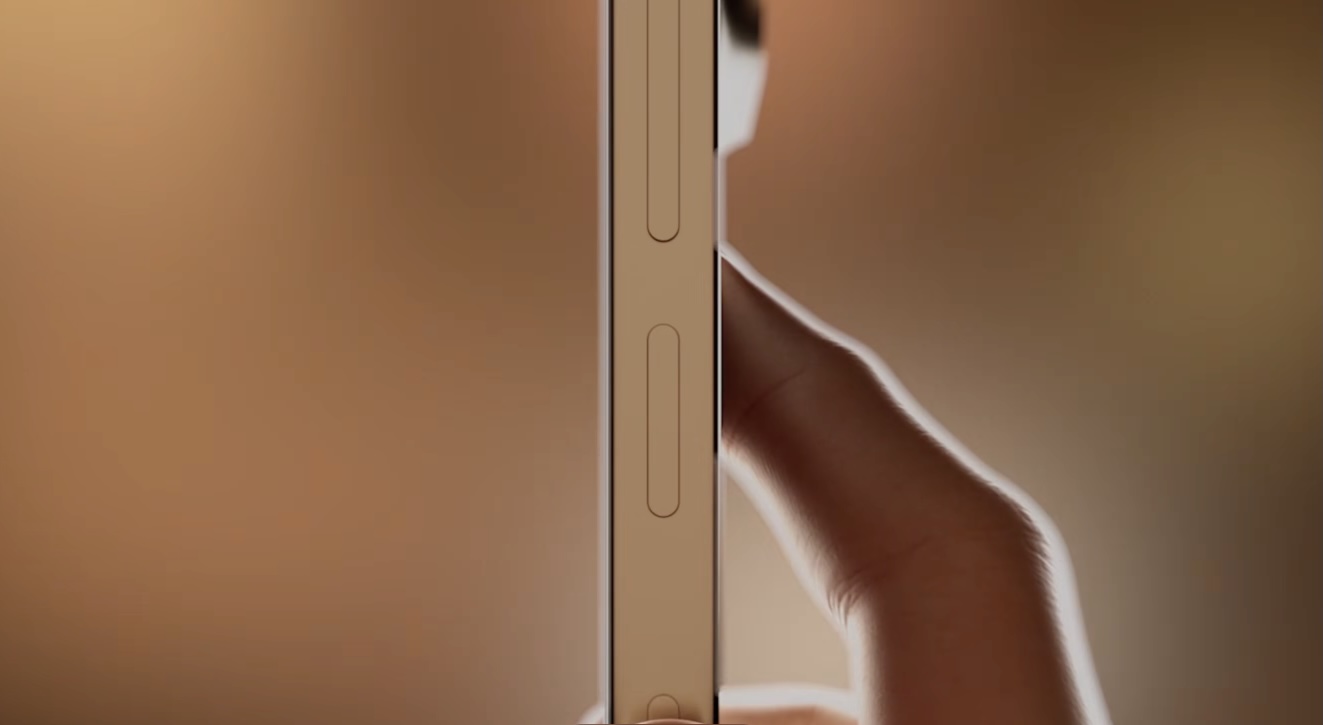
The standard P80 retains the 6.83-inch 1.5K 120Hz AMOLED display but removes NXTPAPER. It also gets a 50MP main camera, 8MP ultrawide, and 32MP selfie camera, with storage reaching 256GB.
Battery capacity drops to 5,000mAh, although 45W charging remains. TCL lists the phone at approximately 7.5mm thick and 178g, giving buyers who do not need NXTPAPER a relatively slim route into the P80 family.
That creates a straightforward progression. The P80 provides the core AMOLED experience, the Pro adds NXTPAPER and a larger battery, and the Ultra adds the dedicated periscope telephoto.
 Who should buy the TCL P80 Series?
Choose the P80 Ultra if NXTPAPER interests you and you regularly use telephoto cameras. Its 3x periscope is a tangible hardware advantage, even if TCL’s 6x lossless claim still needs real-world testing.
The P80 Pro makes more sense for readers and heavy screen users who want NXTPAPER but do not need dedicated optical zoom. The regular P80 is the practical option if the paper-style viewing modes do not solve a problem you currently have.
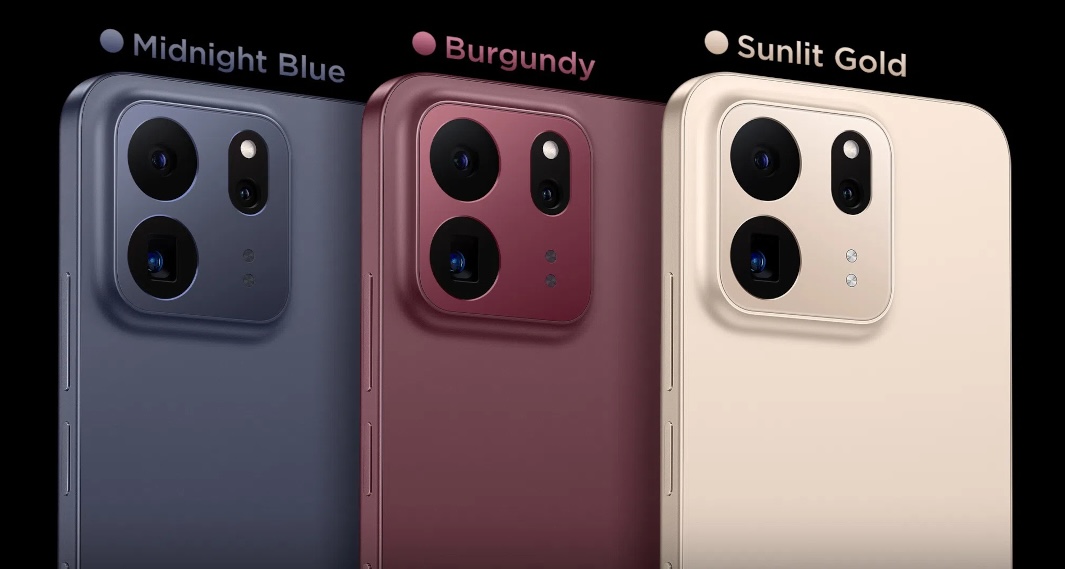
TCL has made the lineup relatively easy to understand: buy the P80 for the core big-screen experience, move to the Pro for NXTPAPER, and choose the Ultra if you want NXTPAPER plus a telephoto camera. Independent testing still needs to show whether bringing NXTPAPER to AMOLED makes enough of a difference in everyday viewing to justify paying more for it.