Most people don’t need another lecture about brushing and flossing. They need an oral-care routine they will actually complete every day.
Price: $499.99
Where to Buy: Amazon
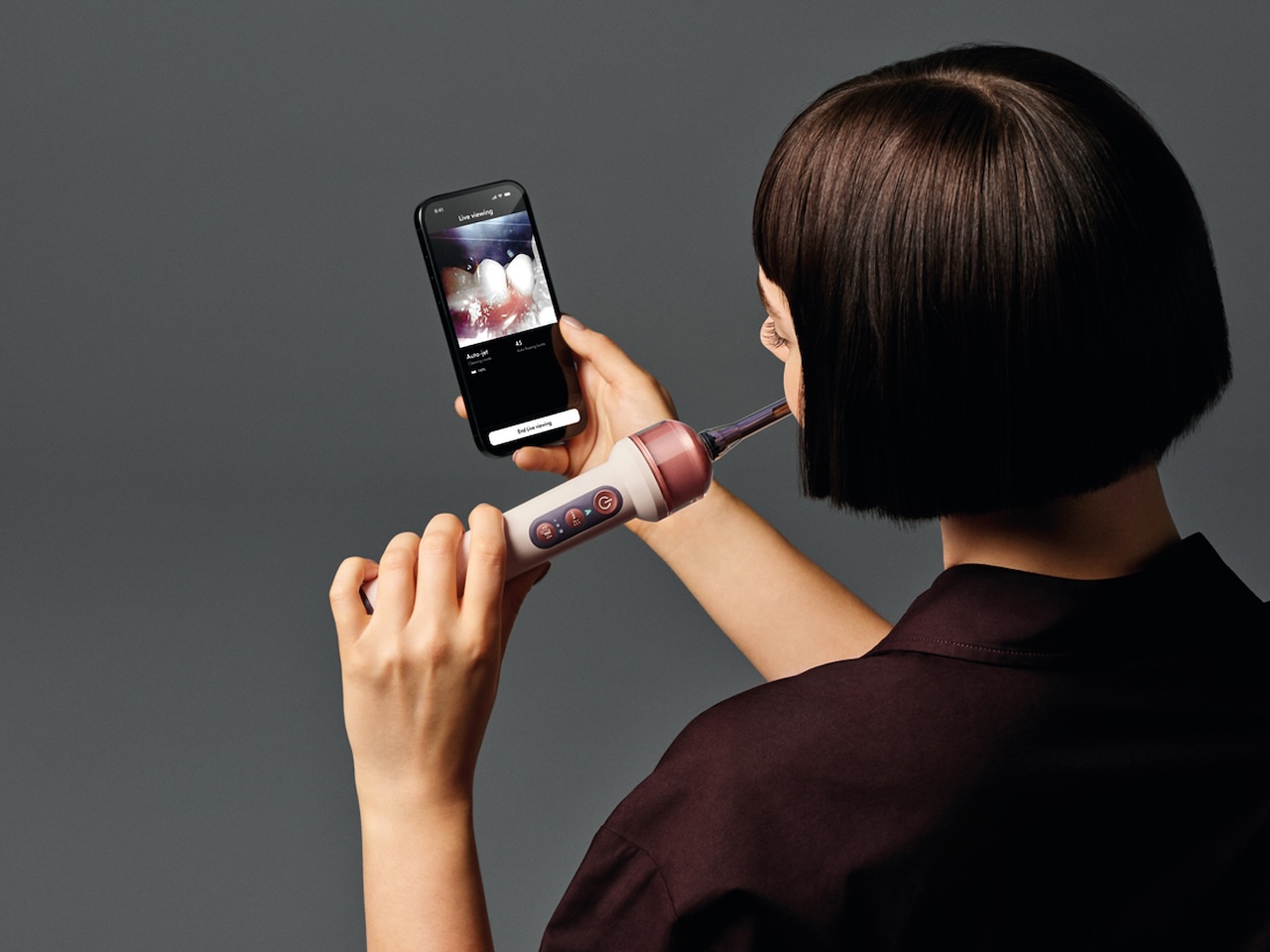
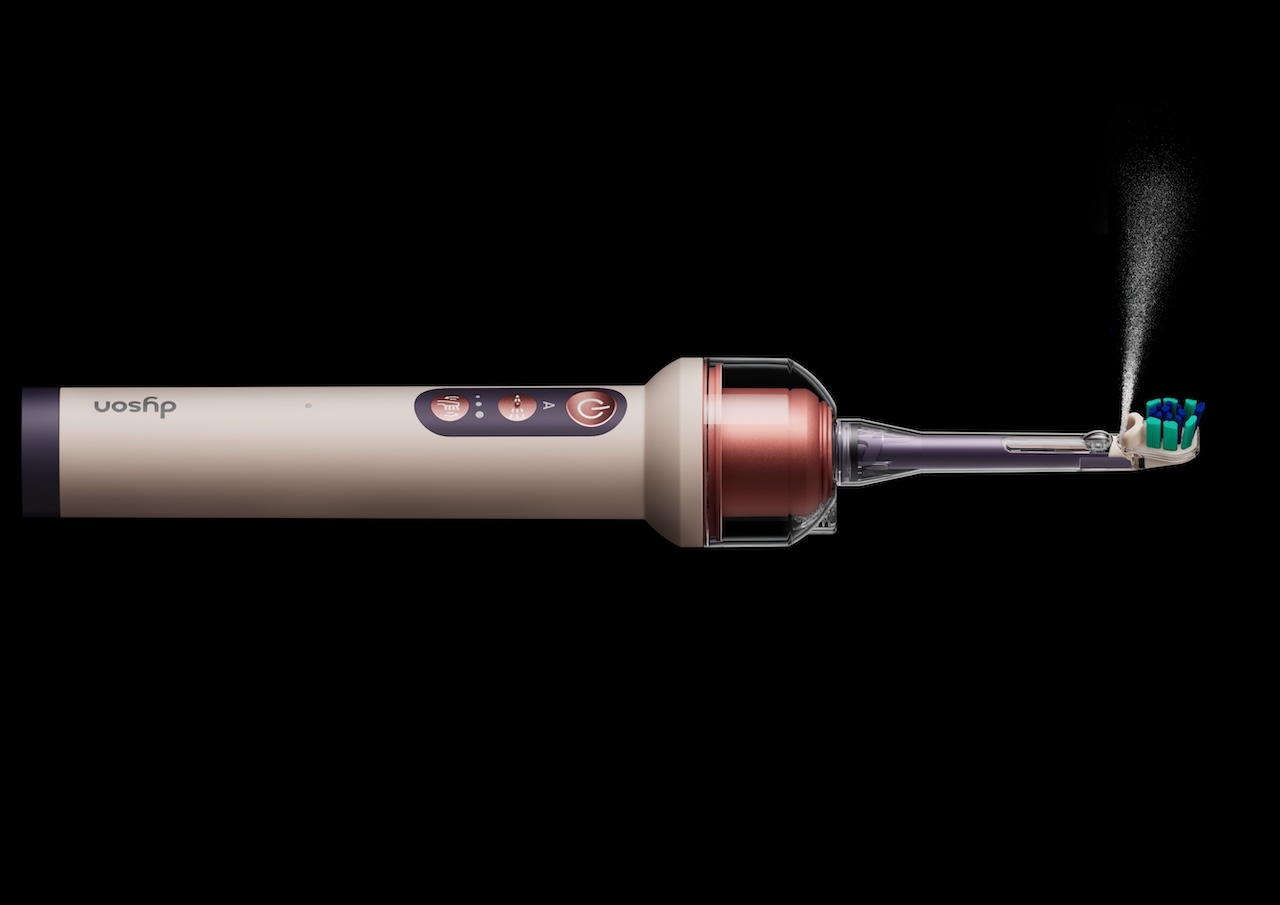
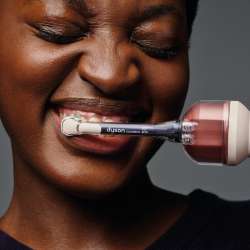
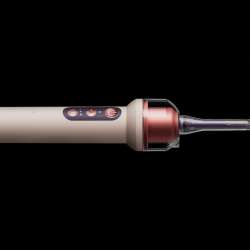
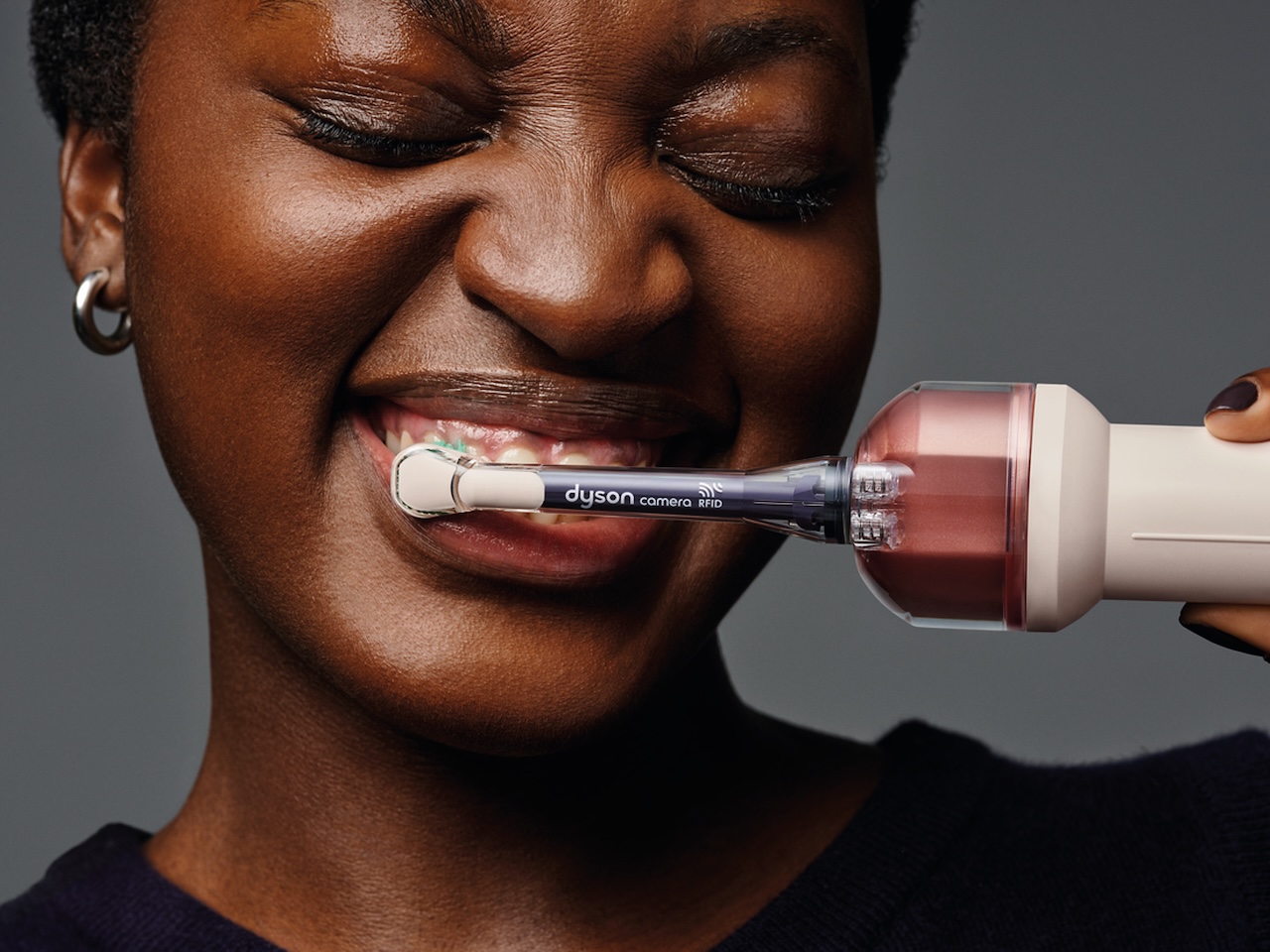
That’s the problem behind the new Dyson CameraJet. Instead of asking you to brush, put the toothbrush down, pick up another device, and clean between your teeth separately, Dyson combines an electric toothbrush, an intraoral camera, and a targeted liquid jet in one $499.99 device.
The interesting question isn’t whether Dyson managed to fit more technology into a toothbrush. It clearly did. The question is whether all that engineering removes enough friction from the routine to make people clean between their teeth more consistently.
The Camera Isn’t There to Take Dental Selfies
Just below the CameraJet brush head is a tiny camera that Dyson describes as having a 100k-pixel macro lens.
It powers a system called Gap Optical Targeting. Dyson says the camera analyzes 28 images every second while a machine-learning algorithm looks for spaces between teeth. When the system identifies a gap, it can trigger a targeted burst of mouth rinse.
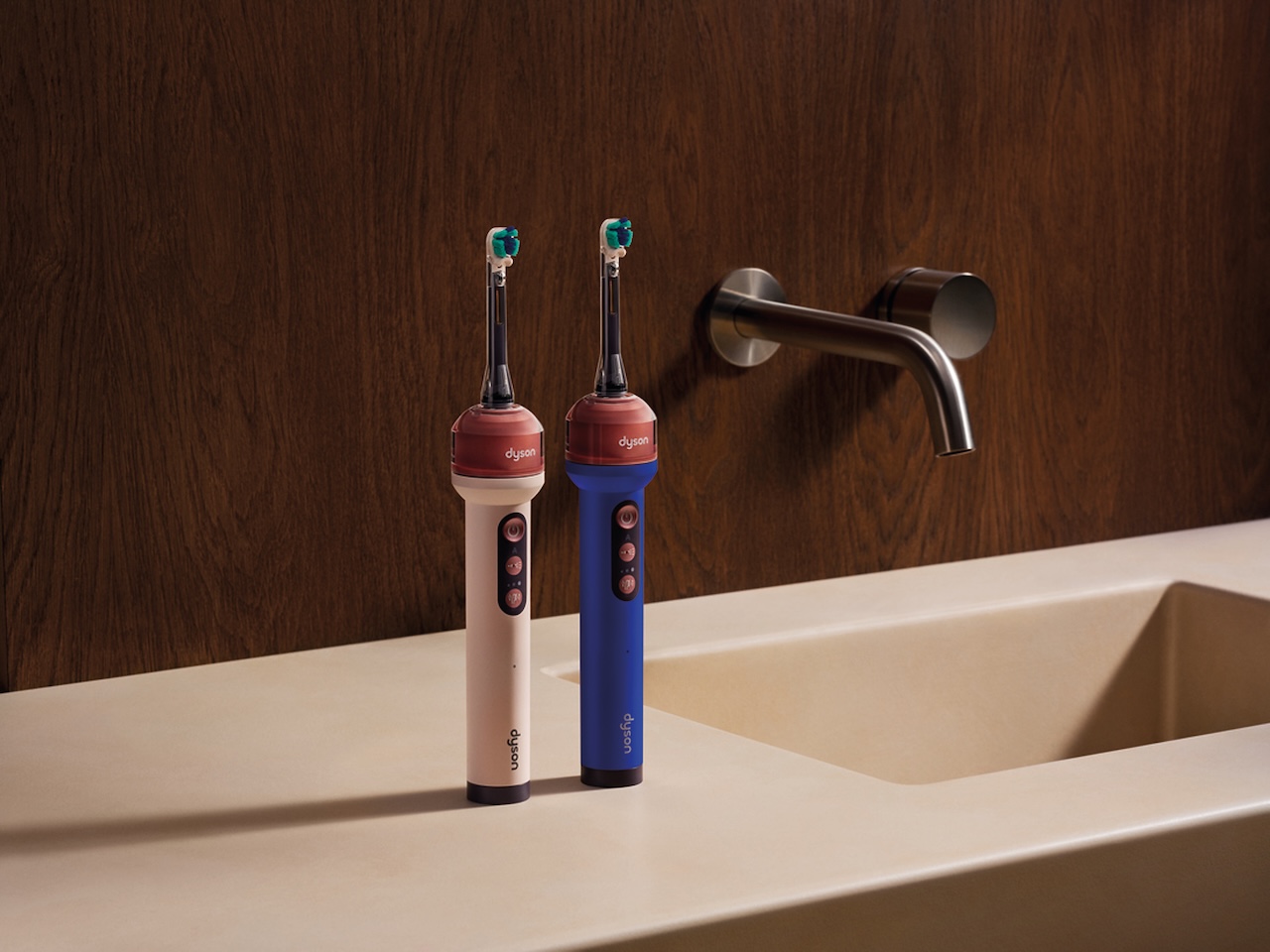 Dyson says the diaphragm pump can deliver that jet in as little as one-tenth of a second, with each conical burst dispensing up to 0.15 ml of liquid.
The company says this approach removes plaque while remaining gentle on gums and enamel. That’s a manufacturer performance claim, not an independent conclusion. What’s easier to establish is the practical purpose: CameraJet tries to recognize interdental spaces for you instead of relying entirely on you to find and clean every gap separately.
You can brush and automatically jet at the same time or use either function independently.
Now You Can See What the Toothbrush Sees
The same camera that looks for gaps can provide a live view inside your mouth through the MyDyson app.
The more important feature is what Dyson does with that information. The app provides guided cleaning, coverage mapping, and brushing and flossing feedback intended to identify areas you may be missing. Onboard sensors can also alert you when you’re applying too much pressure or need to adjust your technique.
A camera inside a connected bathroom product creates an obvious privacy question. Dyson says images from the camera stay on the toothbrush and are not accessed by Dyson. As with other connected products, however, users should still review Dyson’s MyDyson privacy terms before connecting the device.
That makes the camera less of a novelty than it initially sounds. It’s effectively another sensor, except this one can guide the jet and let you inspect what’s happening inside your mouth.
Dyson Didn’t Ignore the Actual Brushing
CameraJet could have been a clever flosser attached to an otherwise ordinary electric toothbrush. Dyson also redesigned the brushing system.
Its variable sonic oscillation motor oscillates 245 times per second. Dyson says the brushing action prevents the bristles from stalling against teeth so they remain in motion.
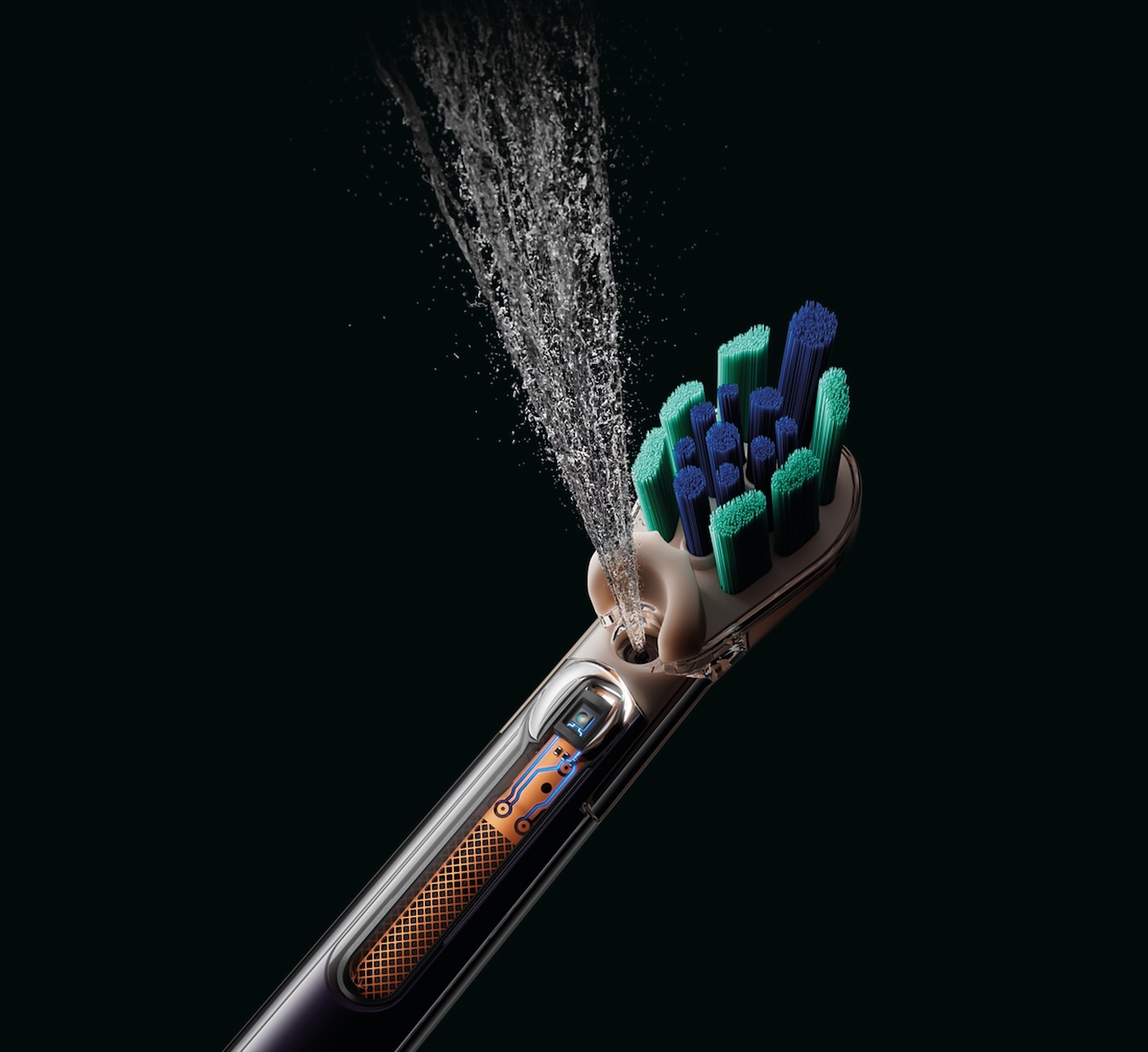 The contoured head combines softer outer bristles intended for the gumline with firmer inner bristles designed to lift surface stains. An RFID tag tracks brush-head use and can alert you when replacement is due.
There are Gentle, Variable, and Deep Clean brushing intensities. Dyson rates battery life at up to 10 days under its specified usage conditions, and the lithium-ion battery is swappable.
That last detail matters on a $499.99 appliance. Being able to replace an aging battery could extend the useful life of the toothbrush instead of making battery degradation the end of the entire device.
The supplied dock handles storage, charging, and mouth-rinse refilling.
A 69% Plaque Number Doesn’t Tell the Whole Story
CameraJet arrives with an attention-grabbing statistic.
Dyson says its variable sonic oscillation removes up to 69% more plaque than market-leading premium electric toothbrushes in hard-to-reach areas.
Read the qualification before the percentage.
Dyson says that result comes from laboratory testing in brush-only Variable mode and applies specifically to hard-to-reach areas. It doesn’t demonstrate that CameraJet removes 69% more plaque throughout your entire mouth during ordinary use.
 Dyson also says CameraJet has been clinically shown to improve gum health compared with a manual toothbrush. The company has published clinical-study references supporting that claim, although its current CameraJet pages describe different study populations and durations.
The more important limitation for buyers is the comparator. A manual toothbrush isn’t the same purchasing alternative as another premium electric toothbrush plus conventional floss or an interdental cleaner.
Independent testing is only beginning. Allure’s editors were impressed during brief hands-on use but couldn’t determine whether CameraJet was more effective than a considerably cheaper electric toothbrush paired with string floss. TechRadar’s reviewer found the system promising after using it for a week but wasn’t ready to abandon dental tape.
So the hardware is real. The convenience is plausible. How much better the complete system performs than significantly cheaper alternatives is still the part that needs more independent evidence.
Even the Toothpaste Had to Change
Putting a camera beside a toothbrush creates a problem most toothbrush designers never have to consider: foam can block the view.
Dyson’s answer is a non-foaming toothpaste, along with Dyson’s low-foaming rinse and compatible low-foaming products. For best performance, Dyson recommends SLS-free, non-foaming toothpaste and mouth rinse because excessive foam can interfere with operation.
That doesn’t necessarily mean you’re locked into buying Dyson-branded oral-care products. But it does mean you’ll want to pay attention to the formulation of whatever you use with CameraJet.
It’s a small detail that reveals how interconnected the system is. Change the toothbrush enough and suddenly toothpaste foam becomes part of the hardware equation.
Who Should Buy the Dyson CameraJet?
CameraJet makes the most sense if your problem isn’t knowing that you should clean between your teeth. It’s actually remembering or bothering to do it after brushing.
That’s where Dyson’s $499.99 proposition becomes more interesting. The camera, automatic targeting, liquid jet, app guidance, and refill dock all attempt to reduce the number of separate steps in the routine. If that convenience makes someone clean between their teeth more consistently, it could matter more than another brushing mode or motor specification.
But convenience is expensive here. A capable electric toothbrush plus conventional floss or another interdental cleaner costs substantially less, while CameraJet’s strongest comparative performance claims currently come from Dyson’s own testing.
Price: $499.99
Where to Buy: Amazon
Buyer fit: Consider the Dyson CameraJet if interdental cleaning is the part of your routine you repeatedly skip and you’re willing to pay $499.99 to make that step harder to avoid. Wait if you’re already disciplined about brushing and flossing or simply want an excellent electric toothbrush. CameraJet solves an interesting behavior problem with unusually sophisticated hardware, but it still needs broader independent evidence to prove that solving it this way is worth the premium.