Most audio upgrades promise to solve every problem at once. They add Bluetooth, streaming, a DAC, a phono stage, room correction, HDMI ports, apps, and remote control. That sounds convenient until you realize you have bought a small computer that happens to power speakers.
Price: From $659.99
Where to Buy: FIIO
The FiiO EA13 takes the opposite approach. It is a full-size, all-analog tube amplifier for listeners who already have, or are happy to build, a simple stereo system around separate components. Its appeal is not that it does everything. It is that it deliberately leaves many things out.
For the right buyer, that can be refreshing. For the wrong buyer, it can turn a seemingly affordable amplifier into the center of a more expensive and complicated setup.
It is designed for a more deliberate listening routine
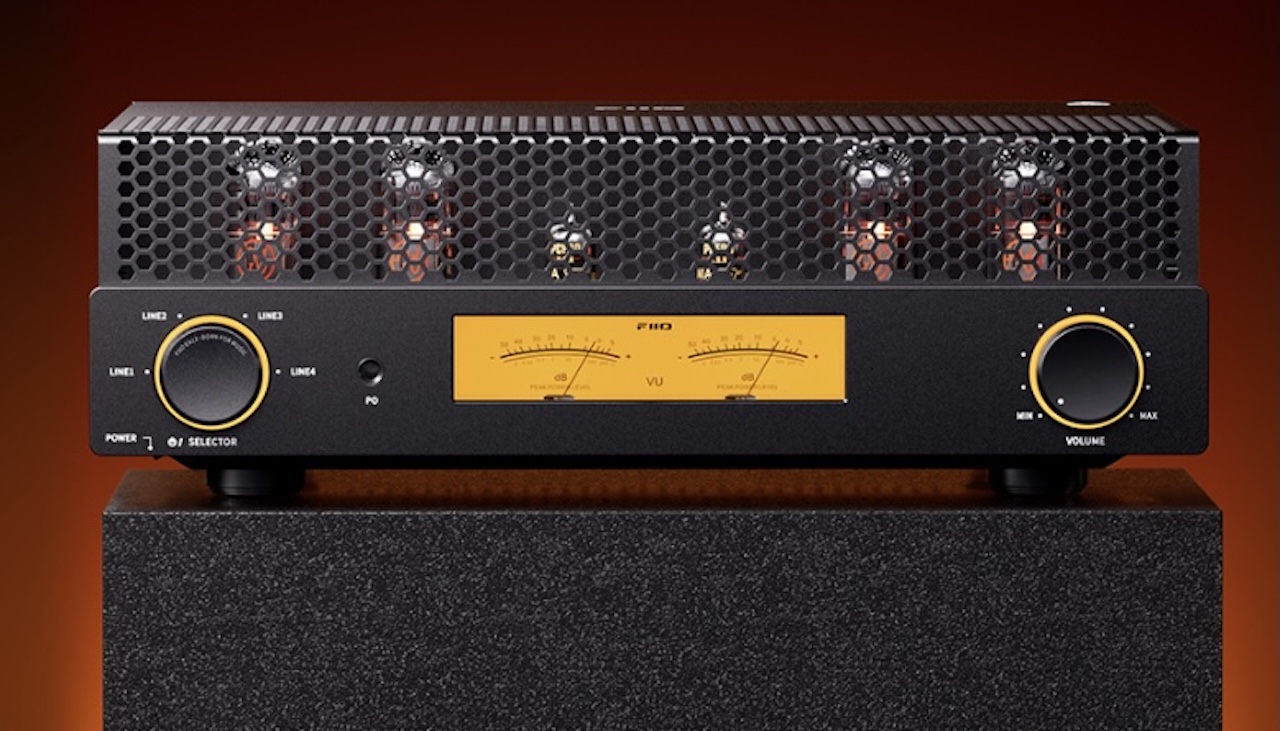
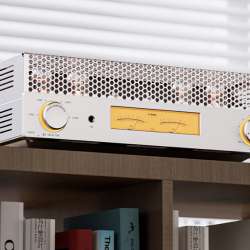
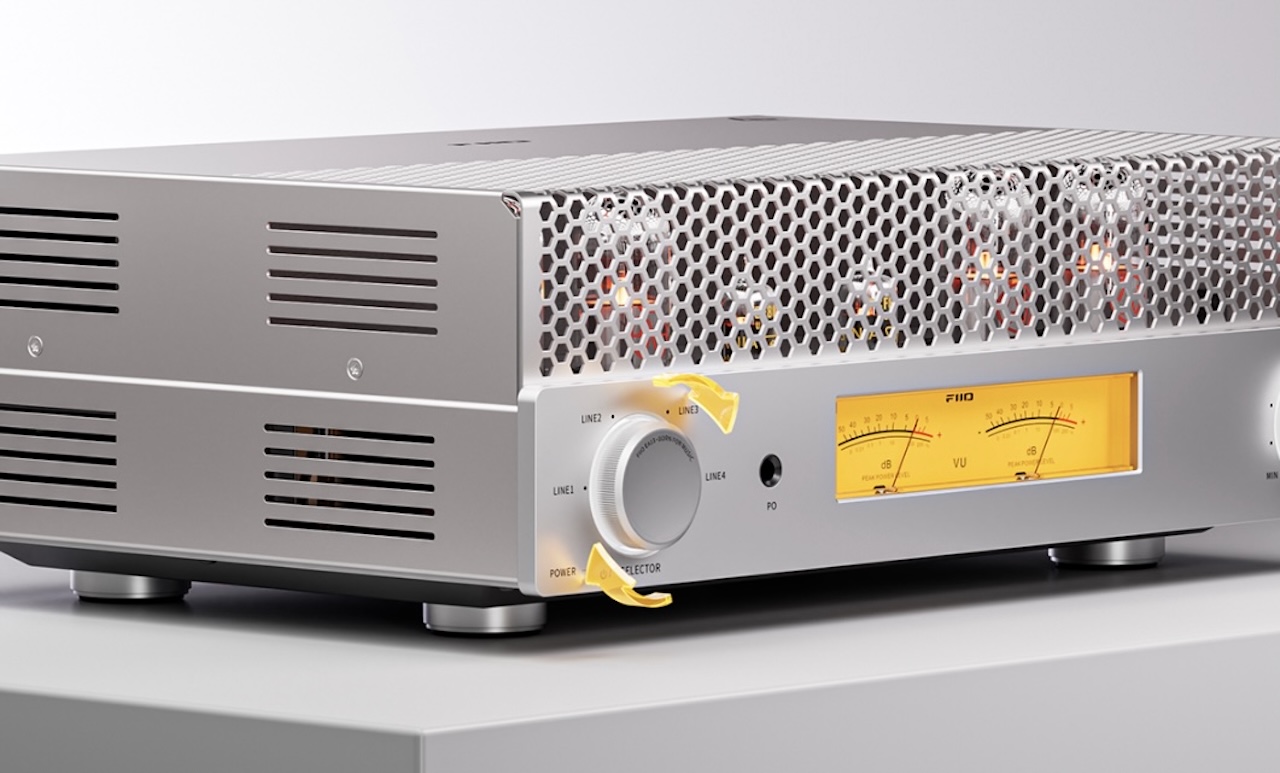
The EA13 has four RCA analog audio inputs, 4-ohm and 8-ohm speaker outputs, a 6.35mm headphone jack, a four-position input selector, and a volume control. Its visual centerpiece is a set of mechanical VU meters framed by six vacuum tubes.
The EA13 has no digital inputs, built-in streaming or Bluetooth, phono stage, app control, or remote control. You supply the source components, and the EA13 handles analog amplification for a pair of passive speakers.
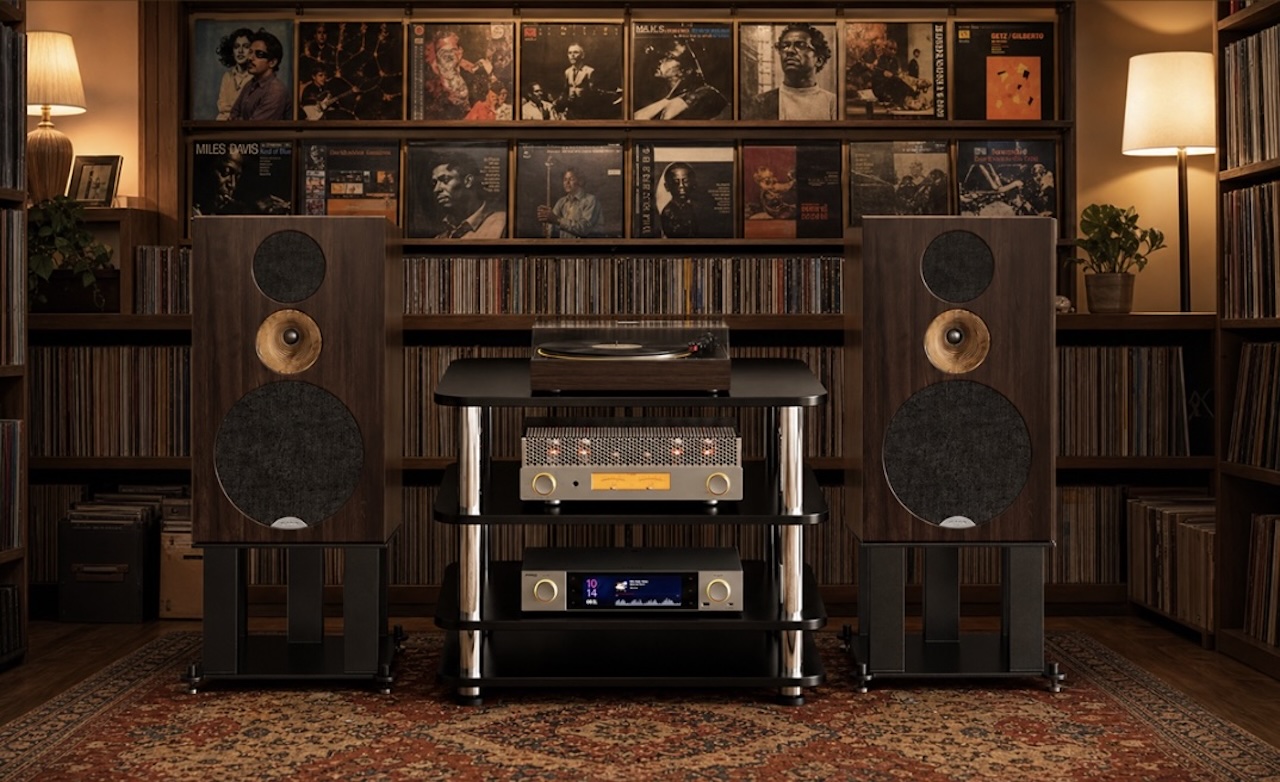 The practical impact is simple: this is not the one box you buy to connect a TV, a phone, a turntable, and every future gadget. It is the amp you buy after deciding that physical source switching, speaker placement, and choosing compatible components are part of the fun.
A streamer, DAC, CD player, cassette deck, or other source with line-level RCA outputs can connect directly. So can a CD player, cassette deck, or another component with a line-level analog output. A turntable is possible too, but most turntables will need a separate phono preamp before connecting to the EA13. That is not a flaw, but it is an important cost and setup consideration.
The tubes are the point, not decoration
FiiO uses two vintage Sylvania NOS PCF80 tubes in the preamp stage and four JJ Electronic EL34 tubes in the output stage. The amplifier uses a Class A push-pull design and includes a removable protective cover.
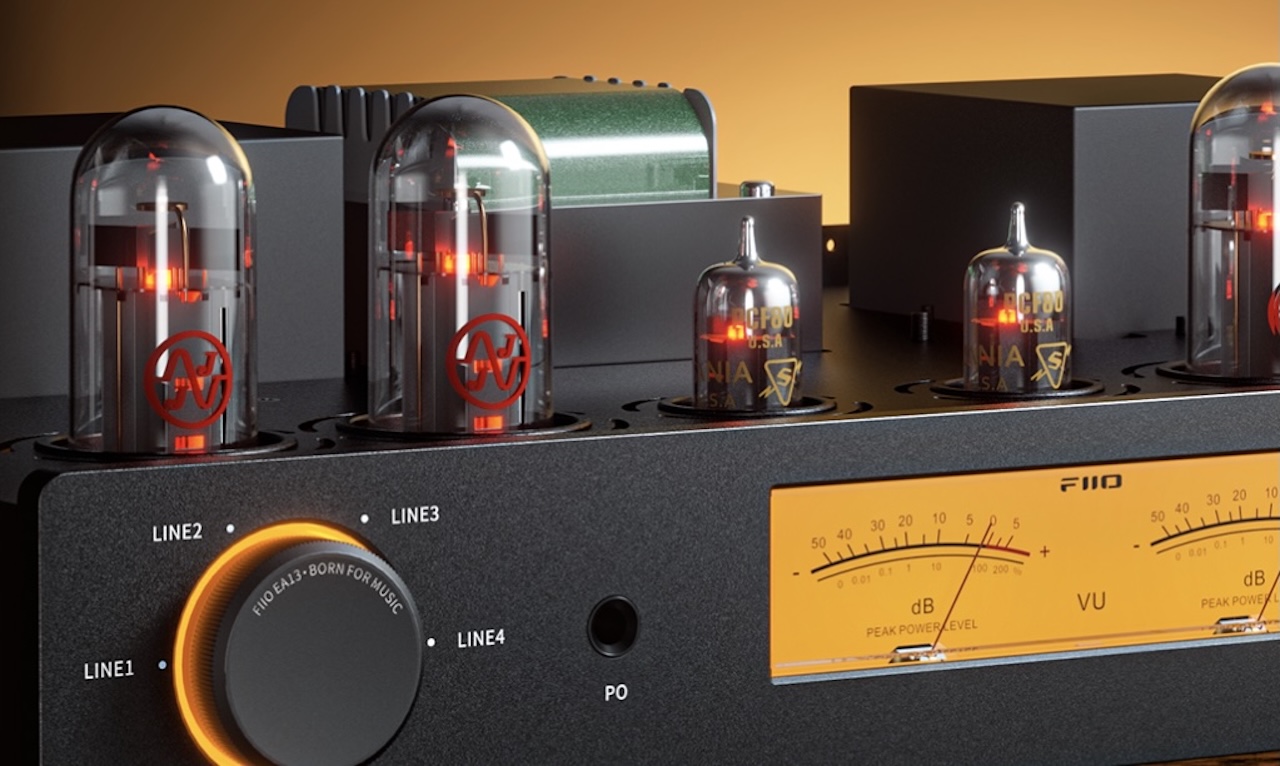 Tube amplifiers appeal to people for more than nostalgia. They make a system feel tangible. You can watch the VU meters move, select a source with a physical control, and interact with a component that looks more like hi-fi furniture than an anonymous black box.
FiiO says the Class A push-pull circuit is designed for low distortion. It also describes the sound as open, warm, full-bodied, and smooth. Those are reasonable goals for an EL34-based amplifier, but they remain manufacturer descriptions, not universal facts. “Warm,” “open,” and “musical” describe listening preferences, not measurements that guarantee what you will hear with your speakers, room, source gear, and music.
Its power rating requires speaker matching
FiiO’s product page emphasizes output of up to 28 watts per channel into 8-ohm speakers. A detailed specifications table reproduced by Music For The Masses lists the same 28-watt figure into both 4-ohm and 8-ohm loads at 5% total harmonic distortion plus noise. That source also lists 18 watts per channel into either load at under 1% THD+N.
The distinction matters. The higher figure shows available output under a relatively permissive measurement condition. The 18-watt figure is the more conservative reference point. Neither makes the EA13 weak, nor does it make it suitable for every speaker.
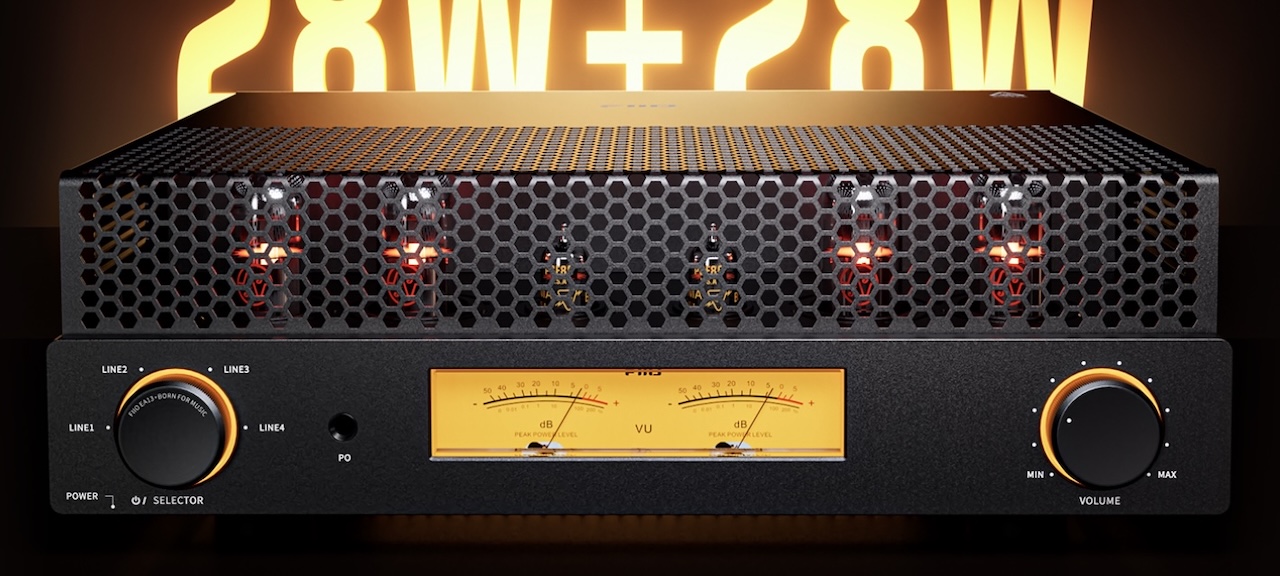 Tube amplifiers can work well with efficient, easy-to-drive bookshelf speakers and some compatible floorstanders. FiiO says the EA13 can drive most bookshelf speakers and selected floorstanding models. Treat that as a manufacturer claim that deserves speaker-by-speaker scrutiny.
Check a speaker’s nominal impedance, sensitivity rating, and manufacturer amplifier recommendation. Consider your room size and how loudly you listen. A small to medium room with reasonably sensitive speakers is a more natural home for this amplifier than a huge open-plan space or low-sensitivity speakers that demand substantial current and headroom.
The EA13 provides separate 4-ohm and 8-ohm outputs, giving you an appropriate connection option for speakers in those categories. It does not remove the need to choose carefully.
Expect heat, weight, and a more hands-on setup
This is not a compact desktop amp. Independent reviewers put the EA13 at roughly 18 kg, so it deserves a stable, well-ventilated surface. Expect significant heat in operation, as is typical of a Class A tube design; provide generous ventilation.
It should not be tucked into a sealed cabinet or placed close to heat-sensitive items. The removable tube cover offers some physical protection, but households with curious children or pets should think seriously about placement.
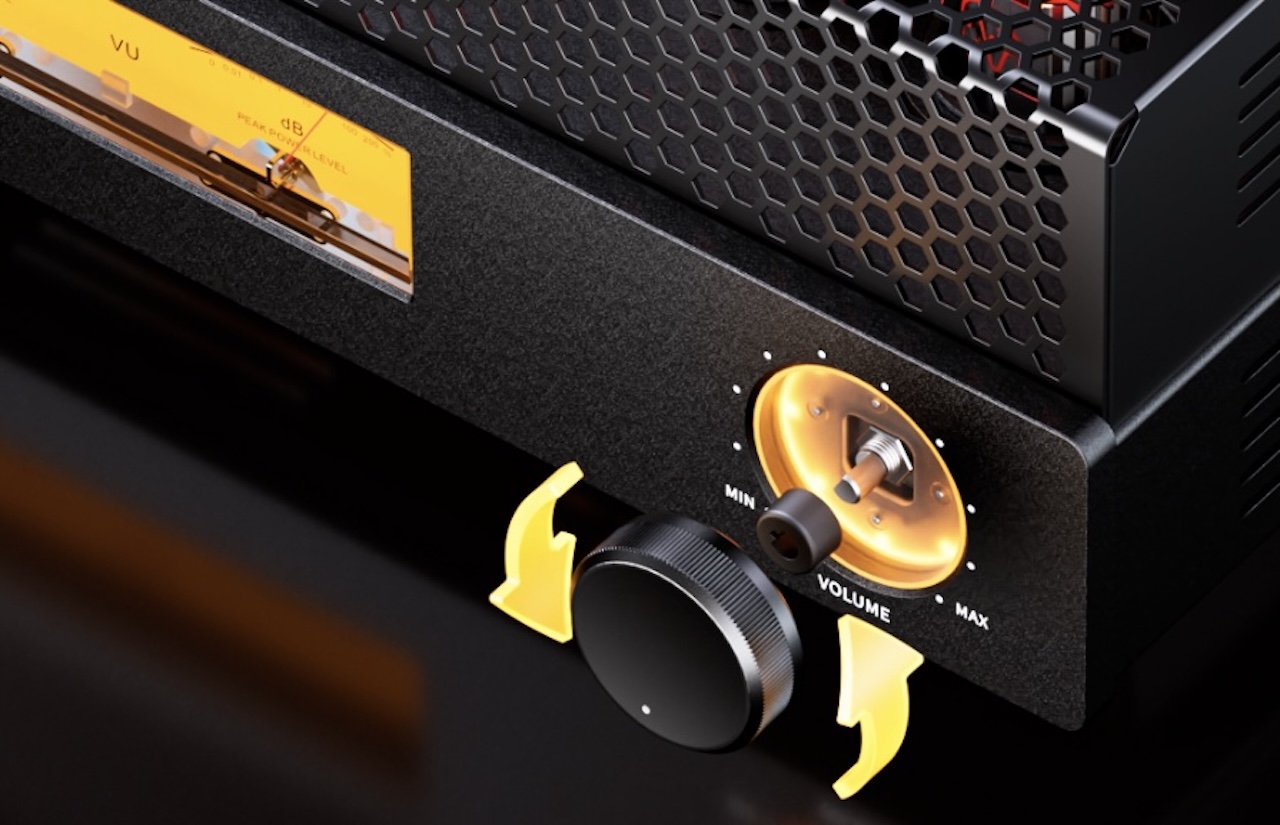 The headphone output is a welcome extra, although the EA13 is primarily a speaker amplifier. FiiO’s published headphone-use guidance, also documented by independent reviewers, says to disconnect speakers before using headphones and recommends matching dummy loads at the speaker terminals. Buyers who mainly listen through headphones should consider a dedicated headphone amplifier instead.
The EA13 can enter standby after 30 minutes without an input signal, its control lighting can be changed or turned off, and a 12V trigger can coordinate power with compatible equipment. Still, convenience is not its main story.
Buyer fit
The FiiO EA13 makes sense for a listener who wants a two-channel hi-fi system with real visual character, already owns line-level source gear, and has compatible passive speakers. It is especially appealing if you enjoy a slower, more intentional routine: choosing a source, starting a record or playlist, and sitting down to listen.
Skip it if you need HDMI, wireless streaming, a built-in DAC, direct turntable support, or easy headphone switching. Also skip it if your speakers are difficult to drive, your room is large, or you simply want maximum output, low heat, and minimum fuss.
Price: From $659.99
Where to Buy: FIIO
The EA13 is not trying to replace a modern all-in-one amplifier. It is trying to make a focused analog system feel special. For buyers who want that experience and do the speaker matching first, it could be one of FiiO’s most distinctive moves into home audio.