
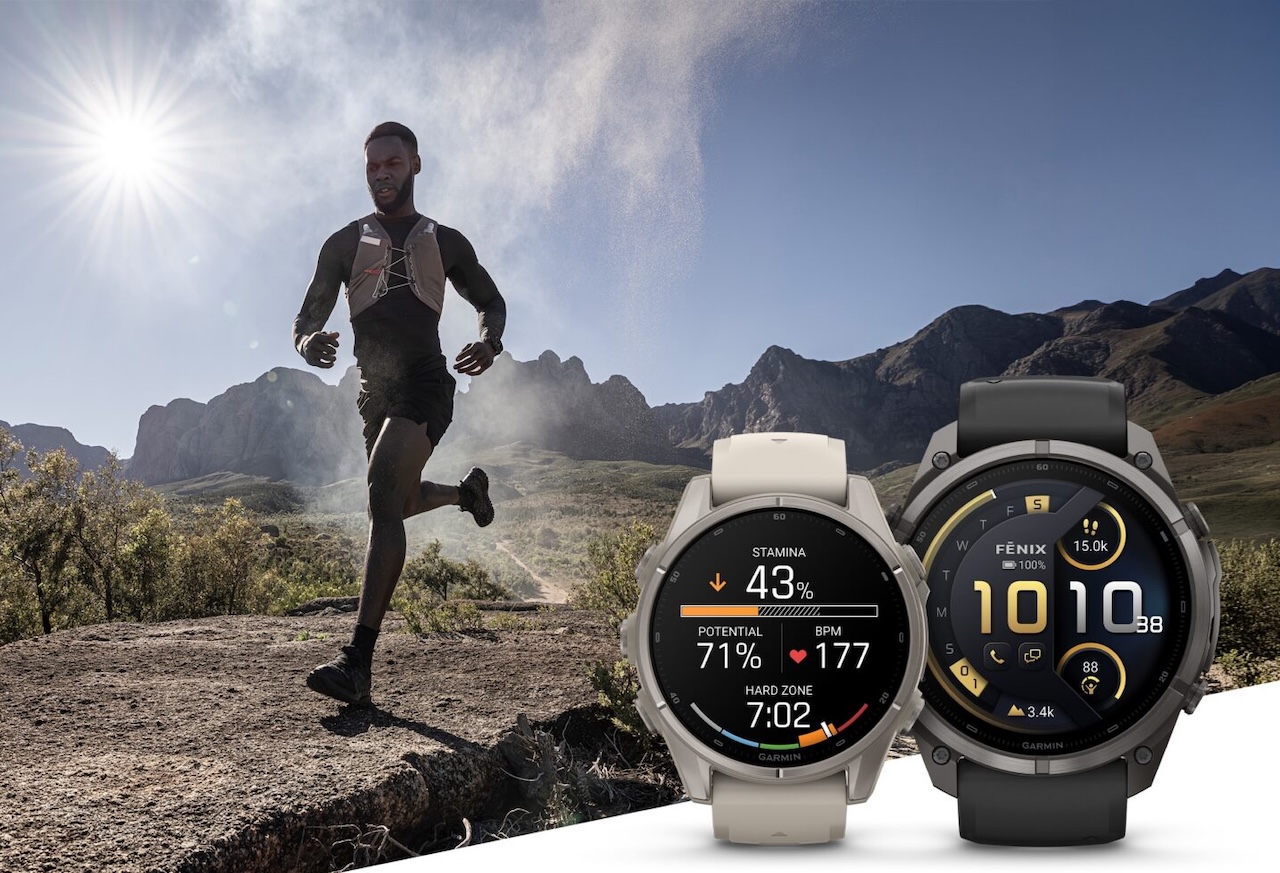
A $1,000 outdoor smartwatch already does a lot. So when Garmin asks at least another $100 for the Fenix 9 Pro, the useful question isn’t whether the Pro has more features. Of course it does. The question is whether any of those extras will change what you can actually do.
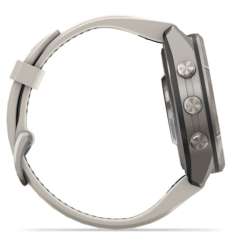
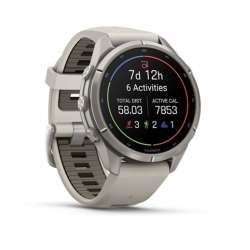
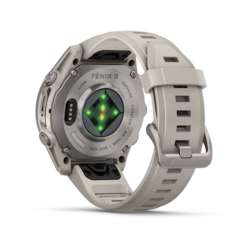
The Garmin Fenix 9 starts at $999.99, while the Fenix 9 Pro starts at $1,099.99 in the US. Both are high-end multisport GPS watches available in 43mm, 47mm, and 51mm sizes. The Pro adds a titanium case, brighter AMOLED options, available solar charging, additional flashlight functionality, and select configurations with LTE and satellite inReach connectivity.
That’s a lot to put on a comparison chart. On your wrist, however, only a few of those differences may matter.
Faster maps could matter more than another workout metric
The standard Fenix 9 is hardly the consolation prize.
It gets an AMOLED display that Garmin says is twice as bright as its predecessor, along with a sapphire lens, leakproof buttons, 10 ATM water resistance, and dive capability to 40 meters.
One of its more interesting upgrades is hidden inside.
Garmin says the Fenix 9 has 50% more RAM than the Fenix 8, 64GB of memory, and a new map engine capable of panning up to 30% faster. A perspective view is also designed to give you a better look at what’s nearby and farther along a route.
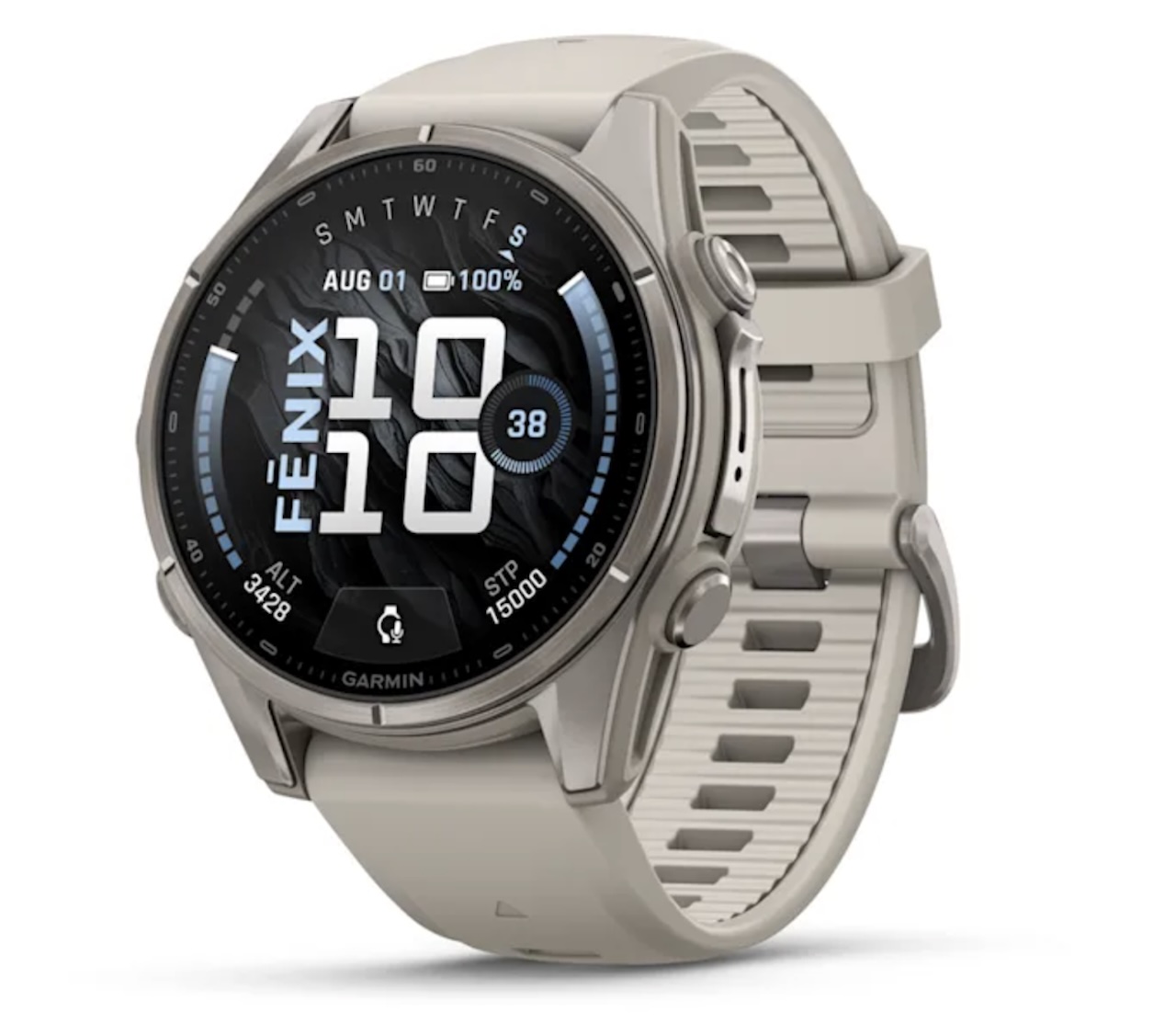
According to Garmin, the 64GB capacity provides room for twice as many downloaded maps as the Fenix 8, plus as many as 7,000 songs.
Those numbers need some separation from experience.
Garmin has documented the hardware changes and makes the 30% performance claim. That does not prove every owner will perceive map navigation as 30% faster.
The practical potential is nevertheless easy to understand. When you’re standing at a trail junction trying to inspect a route on a small screen, waiting for a map to catch up matters more than how quickly another training graph appears.
Epic recognizes that an adventure doesn’t always fit into one workout
Garmin’s new Epic feature addresses another problem: sometimes the thing you want to remember isn’t a single activity.
Epic can group activities recorded across days, weeks, or months into one story inside Garmin Connect. Health and performance information can be combined with photos and shared with friends and family.
A multi-day backpacking trip is an obvious example. Instead of ending up with several disconnected hikes, Epic can organize them around the trip they were actually part of.
 Garmin is also introducing stamina zones and stamina curve, which the company says can show how endurance changes with fitness and training history.
Rucking support expands too, including the ability to change pack weight during an activity and follow GORUCK workouts. Indoor rowing gets VO2 Max and power-curve information when used with compatible power-meter-equipped equipment.
These additions will not matter equally to everyone.
And that’s an increasingly important part of evaluating a Fenix. Garmin has accumulated so many specialized functions that counting features is less useful than finding the handful relevant to what you actually do.
The strongest reason to consider the Pro isn’t titanium
A titanium case sounds premium. Satellite communication can change what the watch is capable of doing.
Select Fenix 9 Pro configurations add inReach connectivity, allowing phone-free communication through LTE or, where supported, satellite. An active inReach plan is required, and availability varies by region.
Over LTE, the watch can support Garmin Messenger-based calling, messaging, and LiveTrack location sharing. Satellite is more limited: after you establish a connection, it supports two-way messaging, location check-ins, and interactive SOS, but not LiveTrack. Garmin’s watch satellite coverage is limited to the continental U.S., parts of Canada, and most of Europe, not worldwide.
That context matters far more than simply putting “satellite” on the specifications list.
If your Fenix spends most of its life tracking runs around the neighborhood with your phone nearby, paying extra for inReach may accomplish very little.
If your activities regularly take you beyond conventional coverage, the calculation changes.
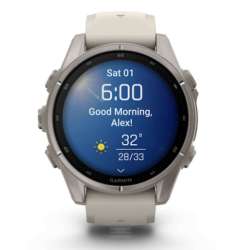
Garmin Fenix 9 Pro
Price: $1,099.99
Where to Buy: Garmin
The Pro hardware still brings some interesting choices
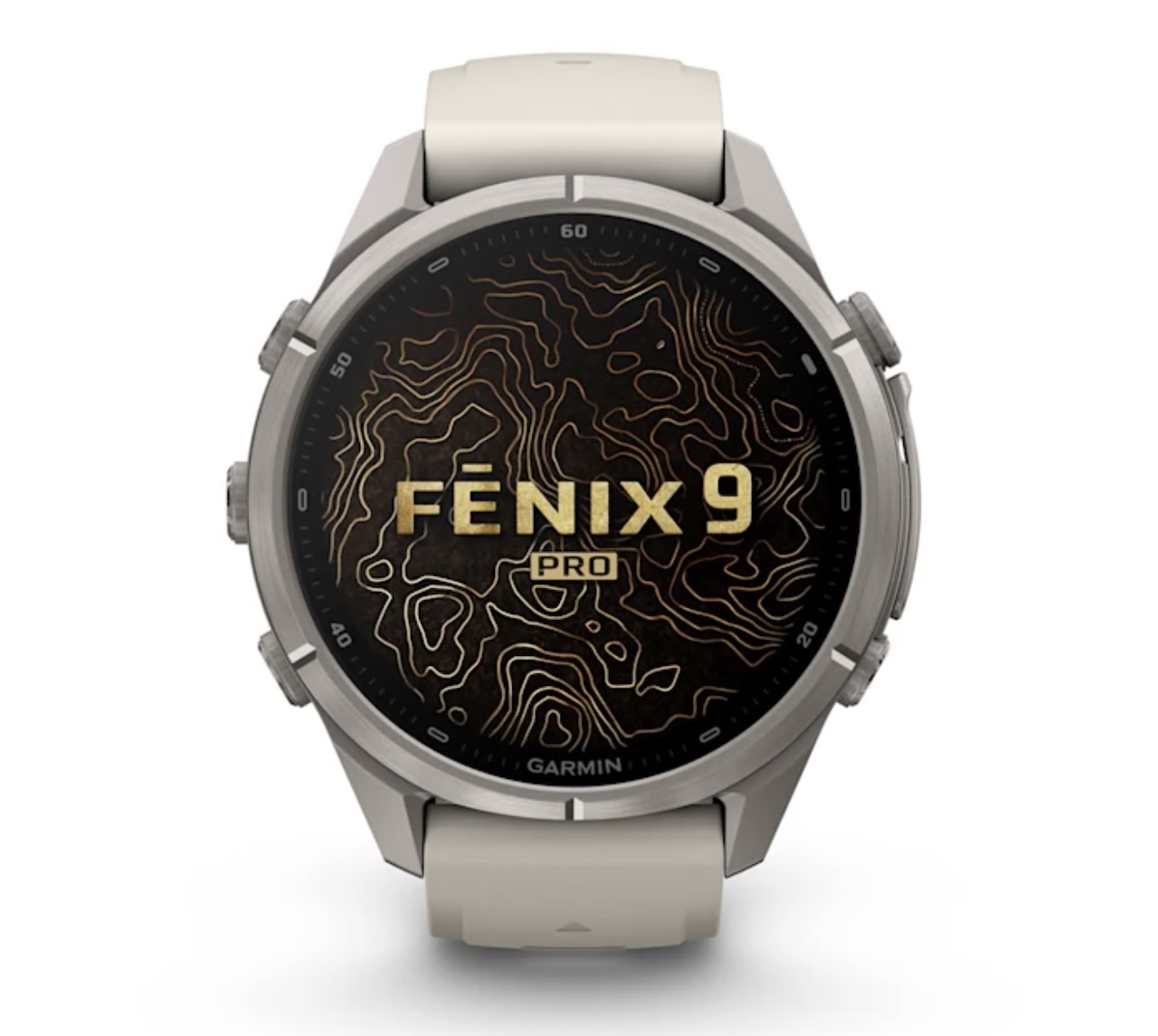
Garmin calls the Fenix 9 Pro its first Fenix smartwatch with a titanium watch case.
The company uses nano-molding technology to combine metal and plastic and says the construction helps reduce thickness while keeping the watch lightweight.
That’s Garmin’s description, not evidence that everyone will find the Pro noticeably lighter or more comfortable.
AMOLED Pro models reach a claimed 3,000 nits of brightness. The 51mm version gets Garmin’s first 1.5-inch AMOLED Fenix display, providing 15% more display area than the Fenix 8 without increasing the case size.
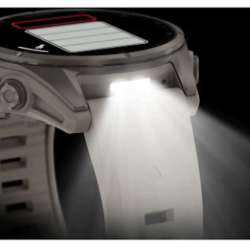
Select 47mm and 51mm Pro configurations also offer solar charging. The integrated flashlight gains a green-light mode intended to help preserve night vision.
None of those upgrades is filler. But neither is any one of them automatically worth paying for.
That 57-day battery number has conditions attached
Battery life is where the specification sheet becomes especially tempting.
Garmin rates the 51mm Fenix 9 for up to 29 days in smartwatch mode. The 51mm Fenix 9 Pro AMOLED reaches a claimed 31 days.
The 51mm Fenix 9 Pro Solar can reach up to 57 days. But that last figure does not mean you can charge the watch, disappear for nearly two months, and expect the same result regardless of how you use it.
Garmin bases the estimate on all-day wear with three hours per day outside in 50,000-lux conditions. Features such as GNSS, sensors, notifications, music, and connectivity can change actual runtime. Connectivity can make a particularly large difference. Garmin’s own battery table rates the 51mm Pro AMOLED at up to 56 hours in its normal activity mode but up to 27 hours when using LTE LiveTrack.
So the Pro feature that helps you leave your phone behind can also become one of the things consuming the watch’s battery. That’s the sort of tradeoff worth knowing before choosing a configuration.
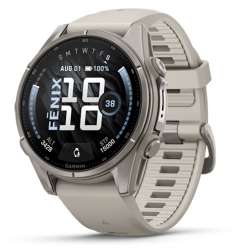


Garmin Fenix 9
Price: $999.99
Where to Buy: Garmin
Who should buy the Fenix 9 or Fenix 9 Pro?
The Fenix 9 is already an exceptionally well-equipped outdoor smartwatch. It makes the stronger value argument if what you want is Garmin’s new mapping hardware, training features, sapphire protection, dive capability, and long battery estimates.
The Fenix 9 Pro makes sense when you can identify the feature you’re paying extra to get.
Maybe that’s inReach because you routinely travel beyond cellular coverage. Maybe it’s solar because time between charges matters more than having an AMOLED display. Maybe the larger 51mm AMOLED screen is genuinely useful for the way you navigate.
If you’re upgrading from a Fenix 8, the same rule applies. Garmin has documented new hardware and features, but a longer specification sheet isn’t evidence that your current watch has suddenly become inadequate.
Don’t buy the Fenix 9 Pro because “Pro” sounds like the one you’re supposed to want. Buy it because you can point to one of its extras and say exactly where, when, and why you’ll use it. Otherwise, the already formidable Fenix 9 may be the smarter Gadgeteer choice.



Gadgeteer Comment Policy - Please read before commenting
thank you. this is what i was looking for 🙂 how to decide whether the Pro version is worth or not. as with previous Fenix it was a matter of when you buy it (kind of) but here its the “base” and the Pro at the same time.