A student backpack can turn into a junk drawer surprisingly quickly.
The temptation is to prepare for everything: extra screens, multiple chargers, backup devices, cables for devices you barely use, and enough electronics to make a short walk across campus feel like airport security.
A better student everyday carry solves the problems that actually repeat. You need somewhere comfortable to put your gear, a way to handle an inconvenient outlet, something for handwritten notes, protection from a noisy library, and a few small tools that keep minor problems from becoming lost study time.
This list stays deliberately portable. Everything here can reasonably live in a backpack every day, and none of the products repeat the 10 items from our Back-to-School Tech Picks for College Students in 2026.
1. Peak Design City Backpack 15L: Carry Less, but Carry It Better
The first EDC problem is the bag itself.
Peak Design’s City Backpack 15L is intentionally smaller than oversized backpacks that encourage you to haul half your dorm room to class. It includes dedicated laptop and tablet protection, streamlined daily organization, side pockets, a wide U-zip opening, and Peak Design’s BagLev hook, which lets you hang the backpack from a suitable table or counter instead of putting it on the floor.
The 15L model is designed around laptops up to 14 inches. If you routinely carry a larger computer, the bigger City Backpack is the safer choice.
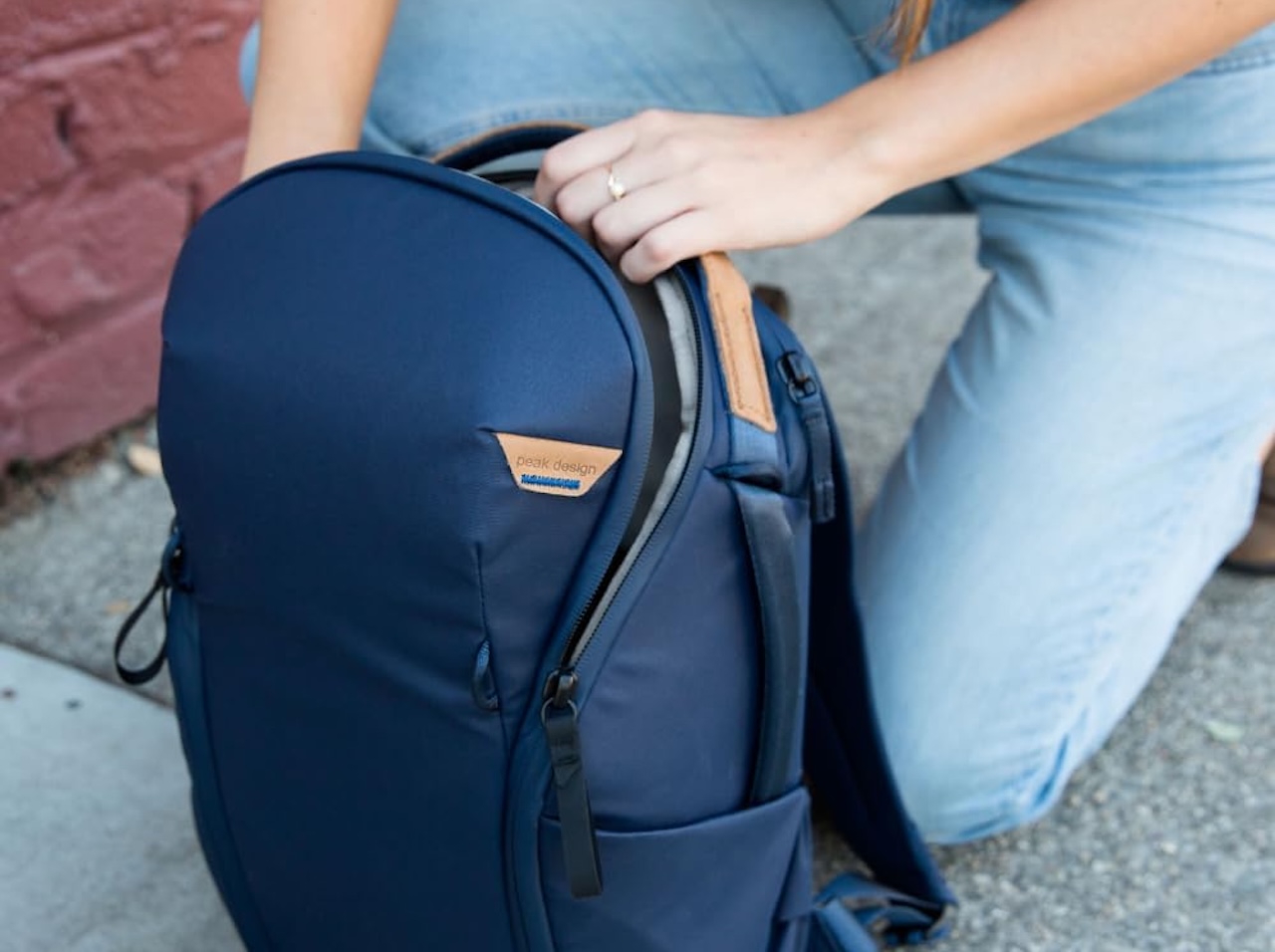
Buyer fit: Students who want a compact daily bag and are willing to edit what they carry instead of preparing for every imaginable scenario.
Price: $159.96
Where to Buy: Amazon
2. Anker Nano 45W Smart Display Charger: One Charger That Barely Takes Up Space
Campus outlets are unpredictable, but carrying a giant charging brick every day isn’t much fun either.
The Anker Nano Charger (45W, Smart Display) delivers up to 45W through USB-C in a compact body with foldable prongs. Its built-in display provides charging information without requiring another app.
Anker also promotes a TÜV-certified Care Mode designed to reduce charging temperature. Those battery-health benefits come from Anker’s testing, so they shouldn’t be treated as independent evidence that the charger will extend the lifespan of every device.
The straightforward benefit is simpler: 45W USB-C charging from an adapter small enough to leave in your bag.
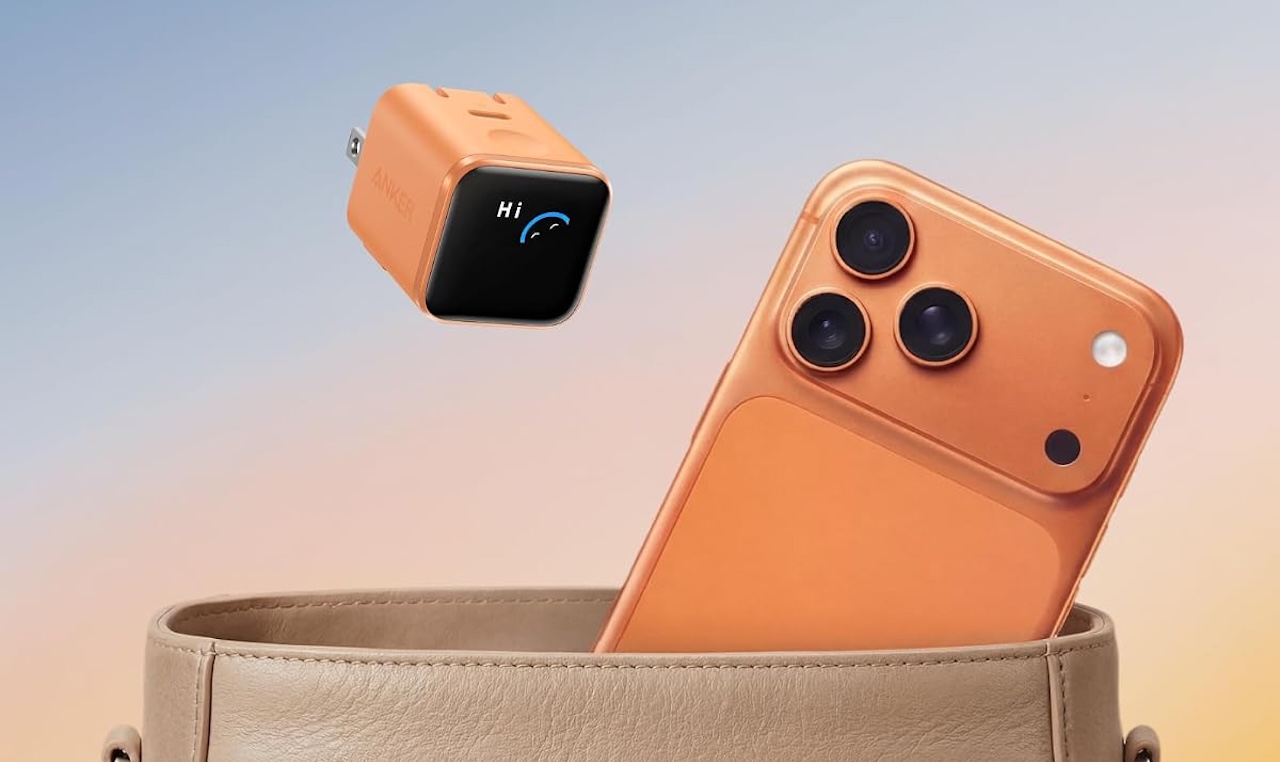
Buyer fit: Students who regularly charge phones, tablets, and compatible USB-C devices between classes.
Price: $25.99
Where to Buy: Amazon
3. Satechi 4-in-1 USB-C Hub: For the Port Your Laptop Forgot to Include
Thin laptops are excellent until you need a connection your machine doesn’t have.
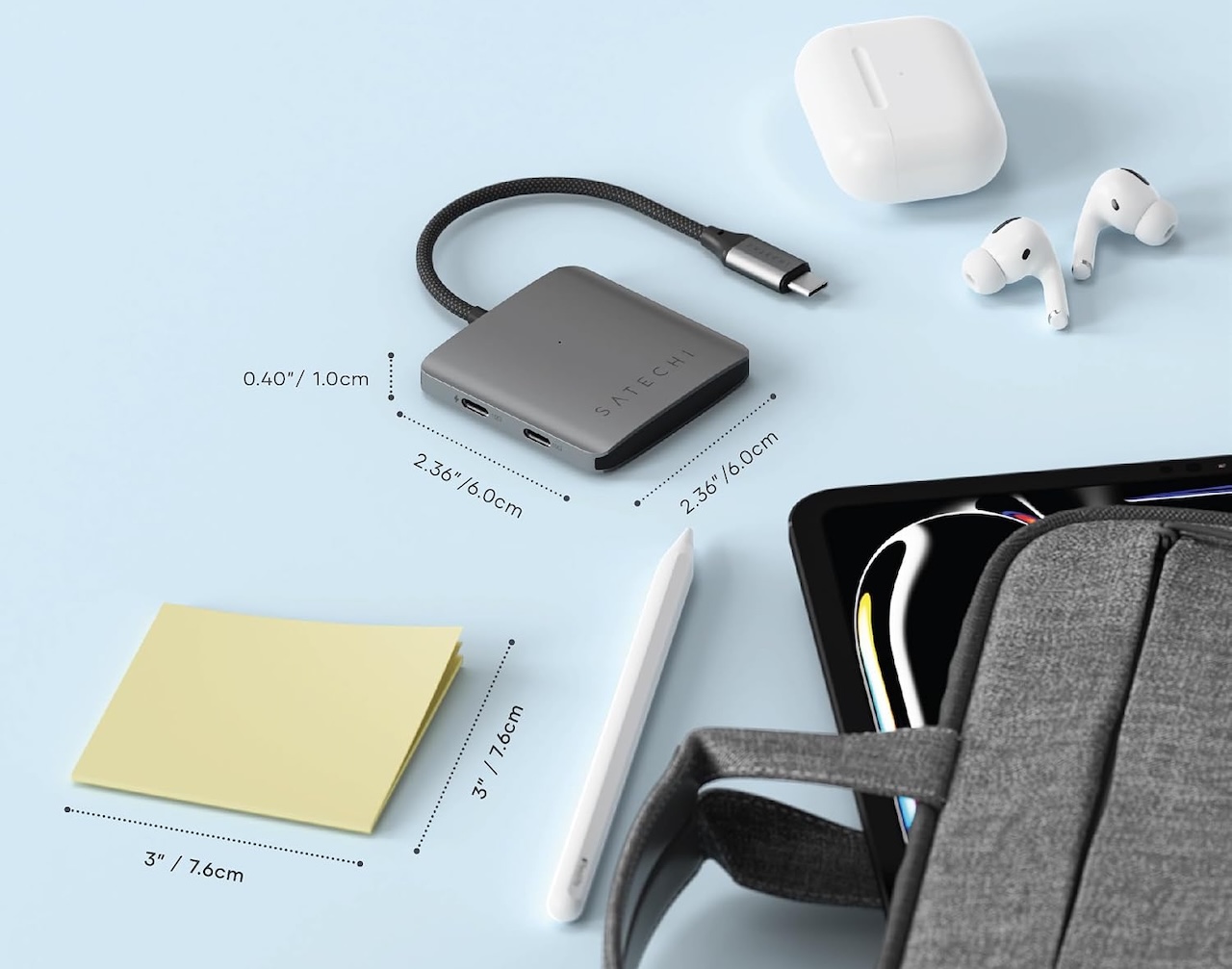
Satechi’s 4-in-1 USB-C Hub with 2.5 Gigabit Ethernet weighs 57 grams and adds three USB-C data ports rated up to 10Gbps plus 2.5Gb Ethernet.
There is an important limitation: those USB-C ports are for data. They don’t provide video output or USB-C Power Delivery.
That makes this a specialist rather than universal hub, but for students using external storage, wired campus networks, or multiple compatible USB-C data accessories, it can solve a real connectivity problem without occupying much backpack space.
Buyer fit: Students whose coursework regularly exposes the limitations of a thin laptop’s small port selection.
Price: $39.99
Where to Buy: Amazon
4. Rocketbook Core Executive: Handwritten Notes Without Another Semester of Paper
Paper notebooks remain excellent for lectures. The annoying part is finding an important note three months later.
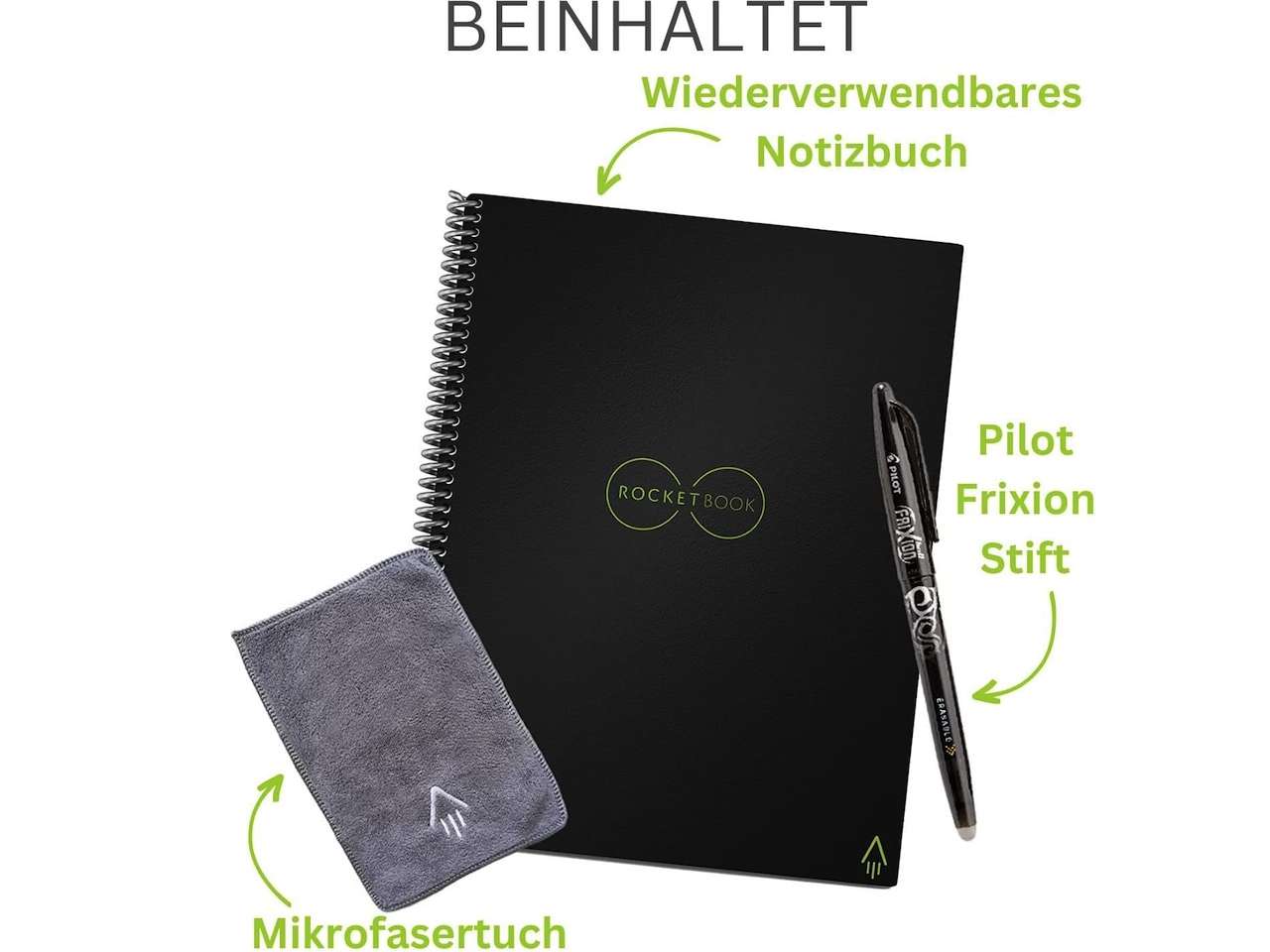
The Rocketbook Core Executive provides 36 reusable pages in a compact 6 x 8.8-inch format and is designed for use with Pilot FriXion pens.
The Rocketbook app can digitize and organize handwritten notes, giving students a way to move reusable handwritten pages into a digital workflow.
There is a tradeoff. FriXion ink needs time to dry, and writing on reusable synthetic pages isn’t identical to writing on ordinary paper.
 But for students who still think better with a pen, it offers a practical middle ground between paper notes and digital organization.
Buyer fit: Students who like handwriting notes but hate accumulating notebooks.
Price: $25.99
Where to Buy: Amazon
5. LAMY Safari: Because a Good Pen Still Earns Its Place
Not every smart EDC item needs Bluetooth.
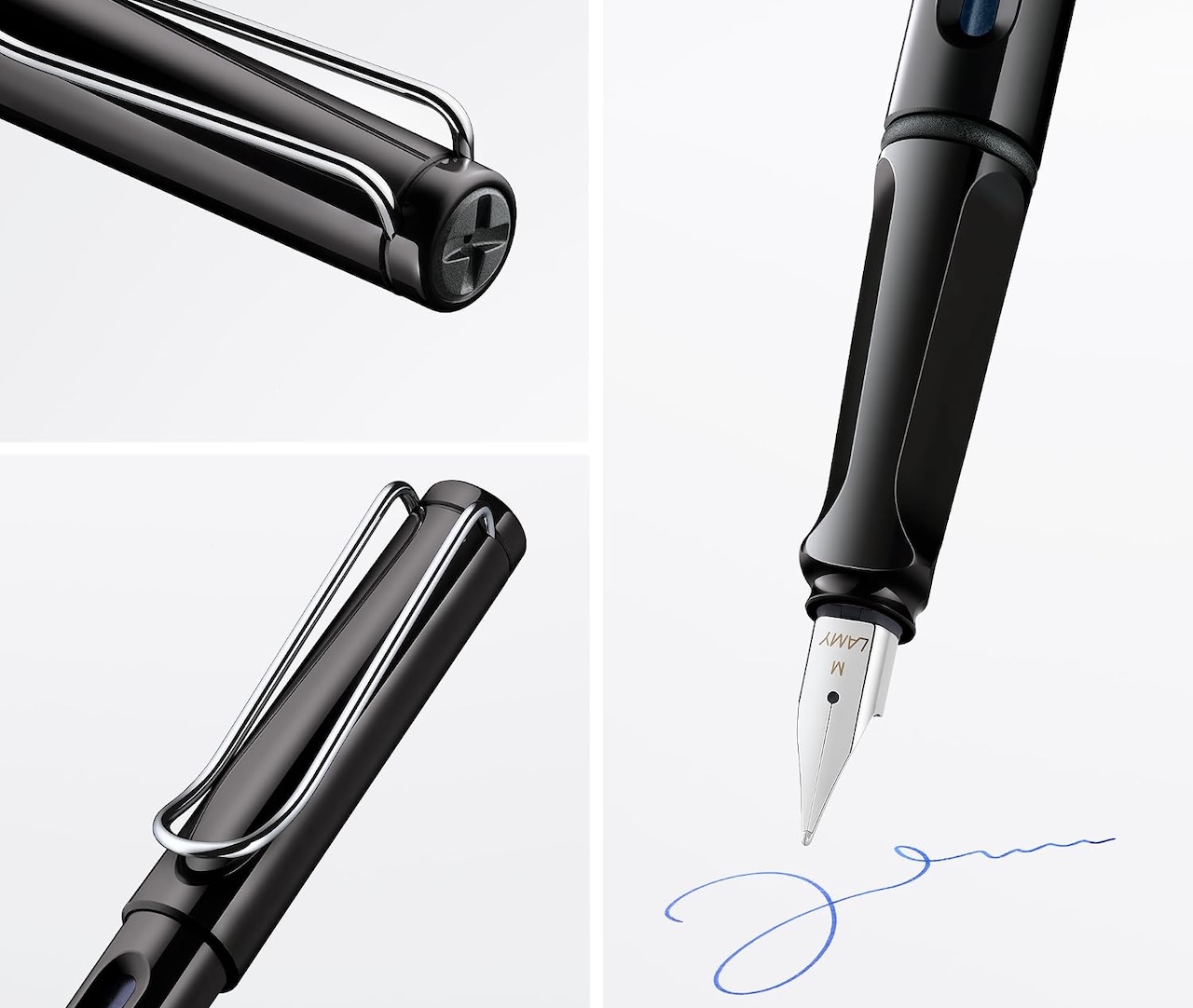
The LAMY Safari fountain pen uses a durable plastic body, ergonomic grip, replaceable stainless-steel nib, and refillable ink system. It accepts LAMY T10 cartridges or can use bottled ink with a compatible converter.
LAMY offers different nib widths, including a left-handed nib option. That doesn’t mean every Safari comes configured for left-handed writing, so choose the nib you need when buying.
It won’t improve your handwriting automatically, and fountain pens require more attention than disposable ballpoints.
 The appeal is simpler: it’s a refillable writing tool designed for repeated use instead of another cheap pen that disappears after two weeks.
Buyer fit: Students who take substantial handwritten notes and want one pen they actually enjoy using.
Price: $29
Where to Buy: Amazon
6. TI-84 Plus CE Python: A Calculator That Won’t Tempt You With Notifications
A phone can calculate almost anything, right up until the professor says phones aren’t allowed.
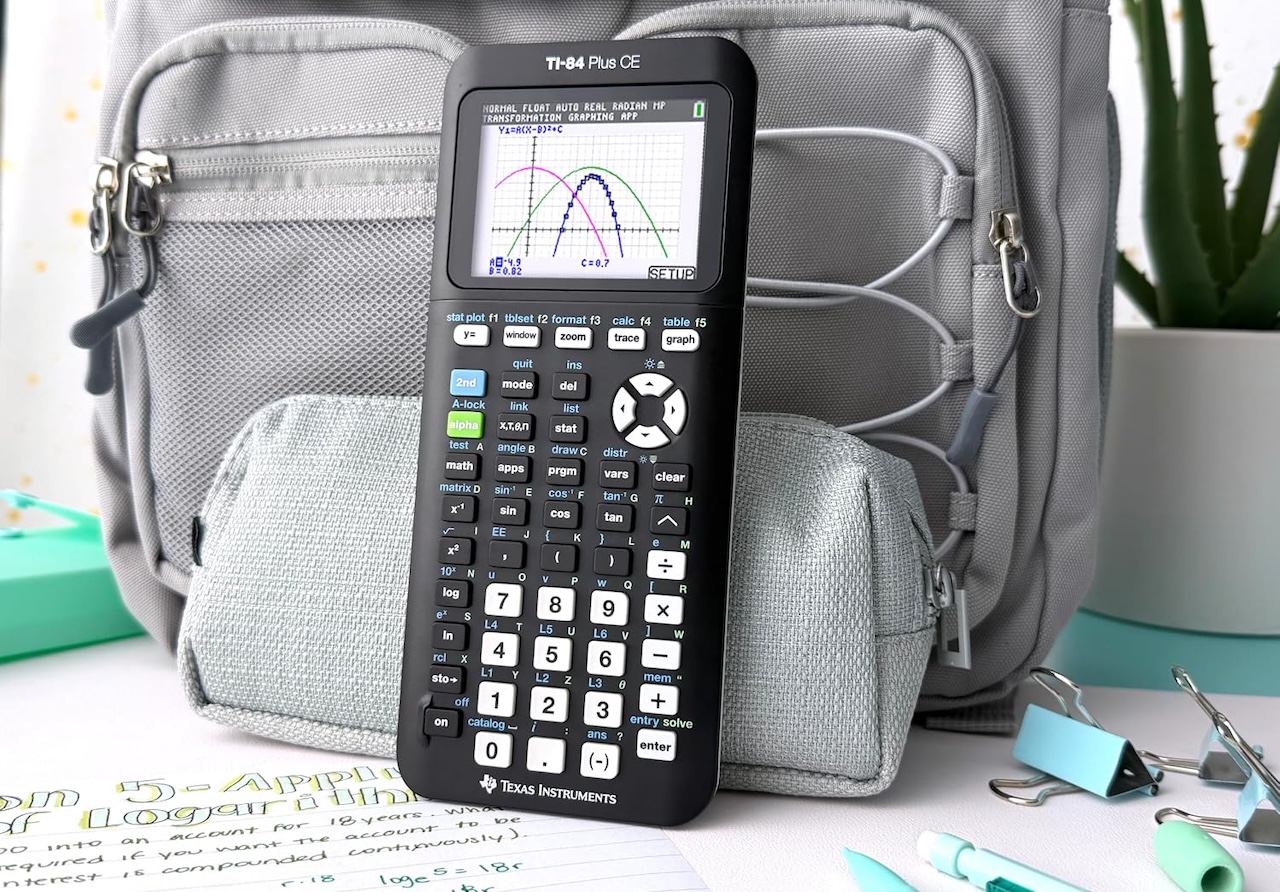
The TI-84 Plus CE Python combines a color graphing calculator with a rechargeable battery and built-in Python programming environment. Texas Instruments positions it for subjects including algebra, calculus, statistics, chemistry, physics, and other college math and science courses.
The important caveat is course compatibility. Don’t buy an expensive graphing calculator simply because it appears on a student gear list. Check what your department, professor, and relevant exams permit first.
Buyer fit: STEM and quantitative-course students whose classes specifically benefit from or require a dedicated graphing calculator.
Price: From $149
Where to Buy: Amazon
7. Kindle Paperwhite 12th Generation: Carry More Reading Without Carrying More Weight
Textbooks are heavy. Assigned reading isn’t always.
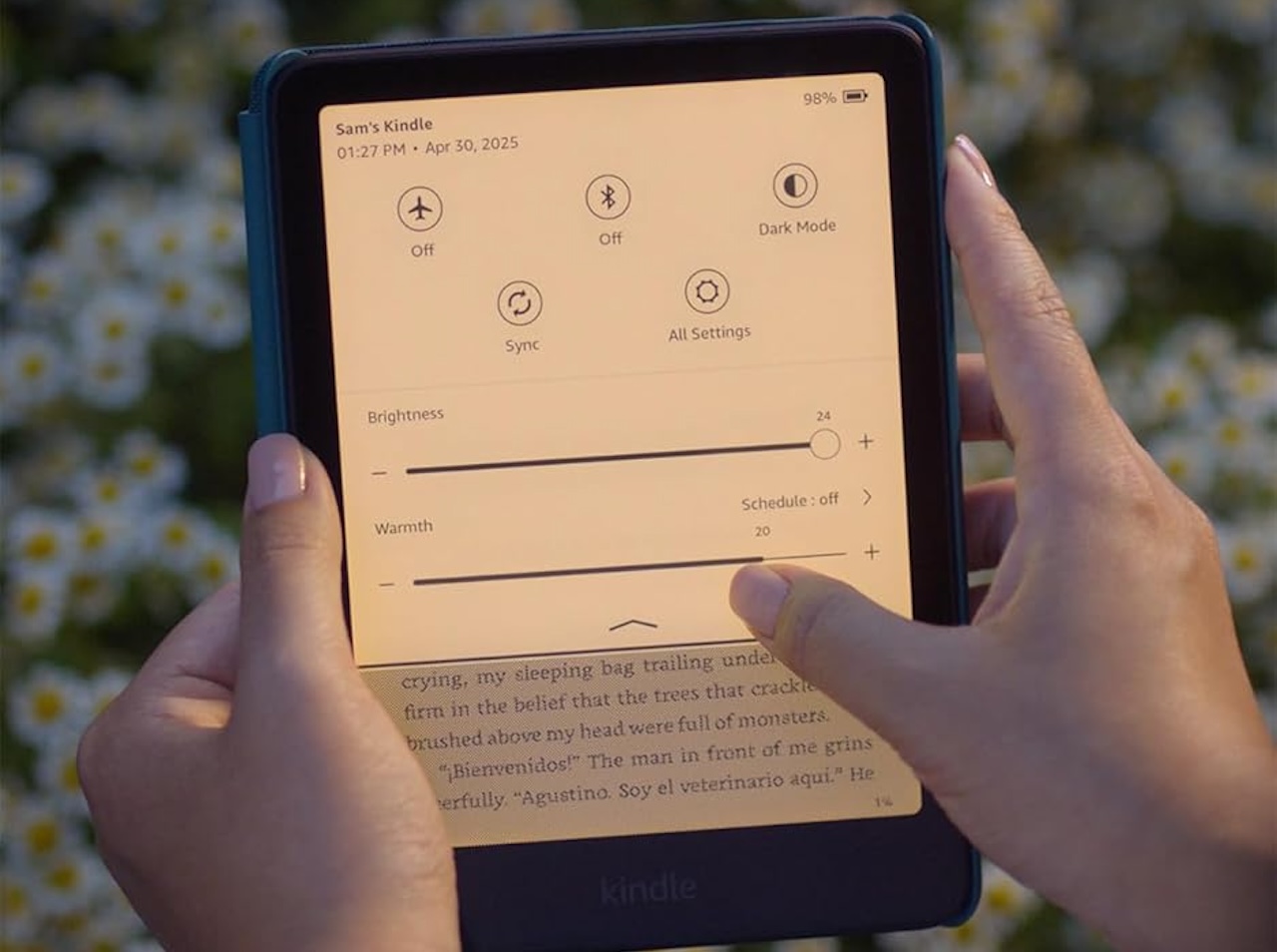
The 12th-generation Kindle Paperwhite, introduced in 2024, uses a 7-inch display and is available with 16GB of storage. Amazon rates the Paperwhite for water resistance and says its battery can last weeks rather than hours under specified usage conditions.
Those manufacturer battery estimates depend heavily on brightness, wireless use, and reading habits.
A Kindle also won’t replace specialist textbooks that depend on large layouts, color diagrams, or proprietary course platforms.
For novels, articles, reference reading, and compatible ebooks, however, an e-reader can replace a surprising amount of paper without becoming another general-purpose screen full of notifications.
Buyer fit: Humanities students and heavy readers who already carry too many books.
Price: $159.99
Where to Buy: Amazon
8. Loop Quiet 2: Silence Without Another Battery to Charge
Sometimes you need quiet, not music.
The Loop Quiet 2 reusable silicone earplugs provide up to 24 dB SNR of certified noise reduction and include four silicone tip sizes plus a carry case.
That doesn’t mean every sound becomes 24 dB quieter. Loop notes that the amount of noise you experience depends on fit and your surroundings.
 Unlike active-noise-canceling electronics, however, they don’t need charging and occupy almost no room in a backpack.
Buyer fit: Students who want a tiny library, commute, or study-session noise solution without carrying another electronic device.
Price: $24.95
Where to Buy: Amazon
9. Owala FreeSip 24 oz: Hydration Shouldn’t Require a Campus Detour
The least glamorous EDC failure may be realizing you’ve had nothing to drink since breakfast.
The 24-ounce Owala FreeSip uses an insulated stainless-steel bottle with its distinctive FreeSip spout, which lets you drink through the built-in straw or tilt the bottle and use the wider opening.
There’s no productivity magic here. The value is having enough water in your bag that you aren’t repeatedly buying drinks or detouring to find one between classes.
One practical note: this is a cold-drink bottle, not a thermos for hot coffee.
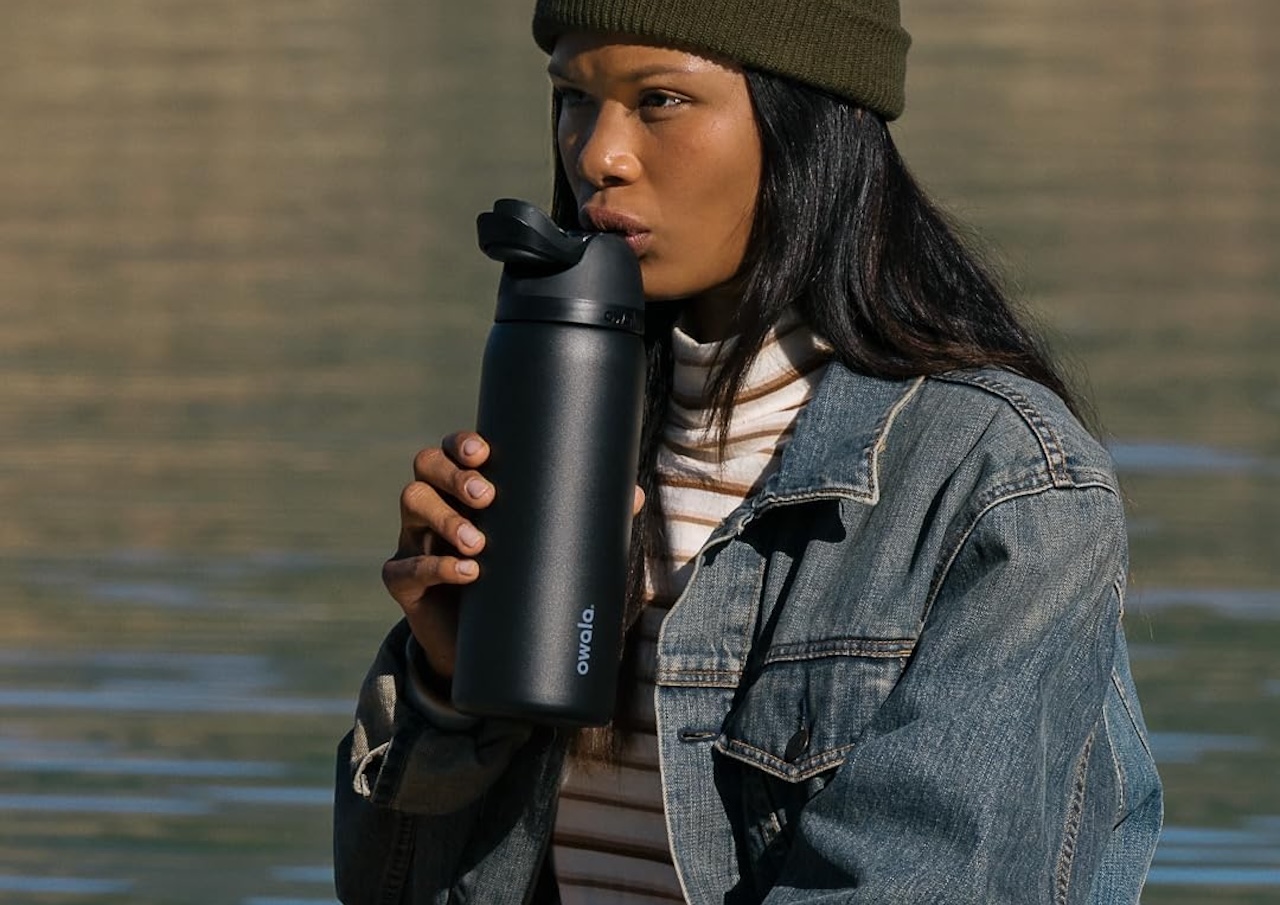 And unlike another electronic accessory, it doesn’t need a charger, app, or firmware update. (And yes, this is my choice of water bottle for the whole family. We have six Owala bottles already that we’ve been using for over two years).
Buyer fit: Almost everyone, assuming your backpack has a usable bottle pocket.
Price: $29.97
Where to Buy: Amazon
10. Davek Mini: The Thing You Forget Until It Starts Pouring
An umbrella doesn’t feel like essential EDC on a clear morning. That’s exactly why compactness matters.
The Davek Mini closes to about 17 cm and weighs roughly 225 grams while opening to an 86 cm straight-diameter canopy.
Its smaller canopy provides less coverage than a full-size umbrella, so this isn’t the pick for comfortably sheltering two people.
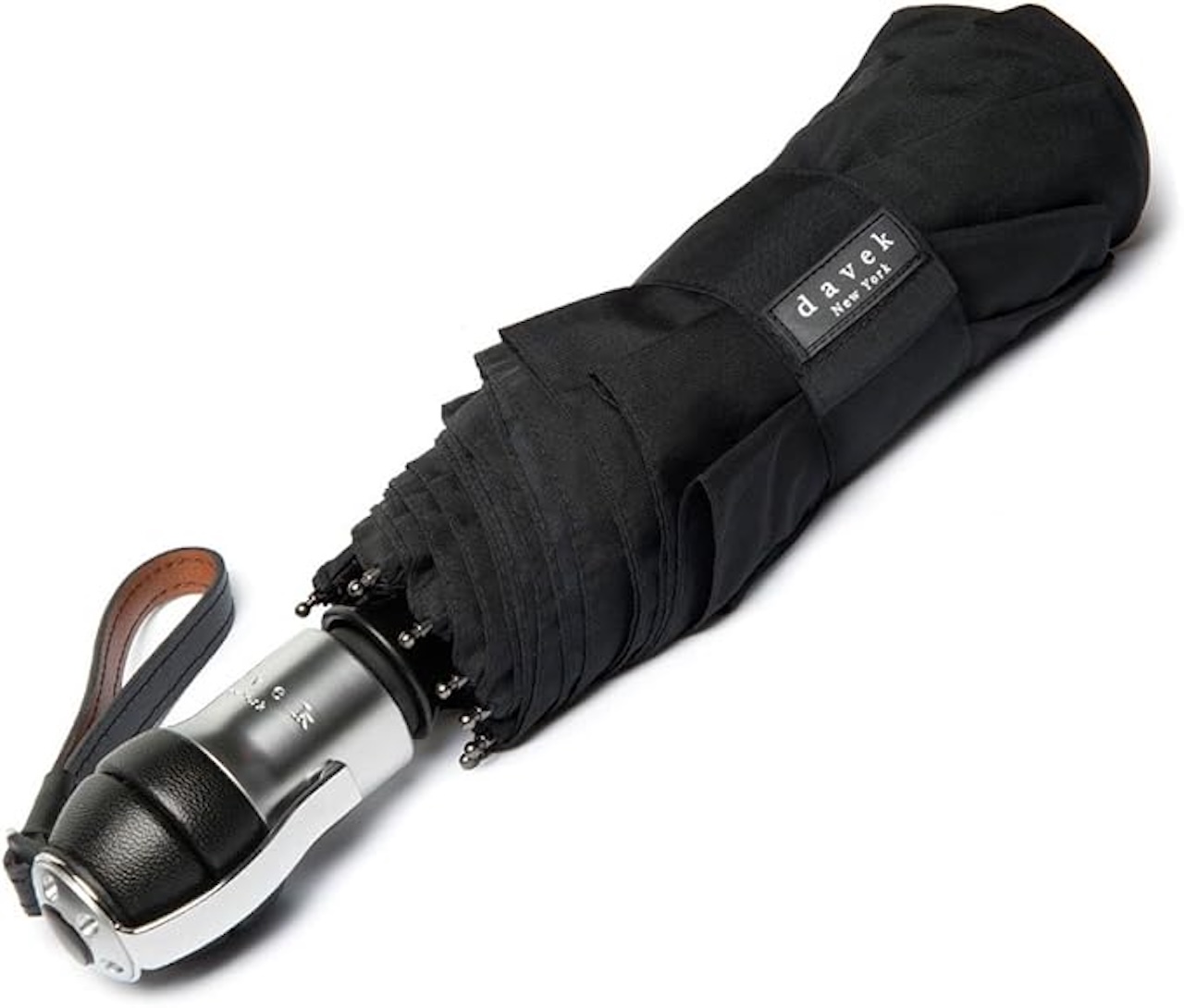 Its advantage is that it’s small enough to stay in the backpack instead of being left at home when the forecast looks harmless.
Buyer fit: Commuters and students walking between buildings in unpredictable weather.
Price: $120
Where to Buy: Amazon
Buyer Fit: Build Around Your Actual Day
A smart student everyday carry isn’t the backpack containing the most gadgets. It’s the one where nearly everything gets used.
A STEM student might consider the calculator essential and leave the Kindle at home. A literature major may make the opposite choice. Someone living five minutes from campus may rarely need an umbrella, while a commuter could consider it non-negotiable.
Start with the recurring failures in your own routine: dead battery, missing port, noisy study space, heavy books, scattered notes, thirst, rain.
Then carry the smallest tool that fixes each one. That’s a much smarter loadout than spending the semester hauling around ten pounds of gear you bought because somebody called it essential.