Most gadget launches ask you to care about one louder number. More megapixels. More cores. More brightness. More battery.
The more interesting July drops went the other way. A camera-free pair of smart glasses made privacy the feature. A minimalist flip phone made doing less cheaper. A pocket gimbal, a screen-free Garmin band, a wire-free mower rated for 42 degree slopes, and a mouse with a fan all tried to solve very specific problems instead of chasing the same old upgrade ladder.
At a Glance
These are the ten tech drops from last month’s TG coverage that stood out because each one had a clear point of view.
- Xtra Muse 2 Pro: a dual-lens pocket gimbal with a 1-inch main sensor
- Halliday G2: camera-free smart glasses built for meetings
- OneXPlayer X2 Mini Pro: an OLED handheld with Strix Halo silicon
- Kodak EC35: a $34.99 full-frame 35mm film camera for beginners
- Garmin CIRQA: a screen-free fitness band with no subscription
- Light Flip: a $299 minimalist flip phone with modern basics
- Pulsar x Noctua Feinmann F01: a gaming mouse with a real cooling fan
- Viltrox AF 26mm F2.8 EVO: a tiny full-frame lens with two control rings
- GOKO M6: a wire-free 4WD robot mower rated for 42 degree slopes
- Lenovo IdeaPad Slim 3i Gen 11: a $899.99 student laptop with a 120Hz touchscreen
1. Xtra Muse 2 Pro: A Pocket Gimbal With a Real Creator Pitch
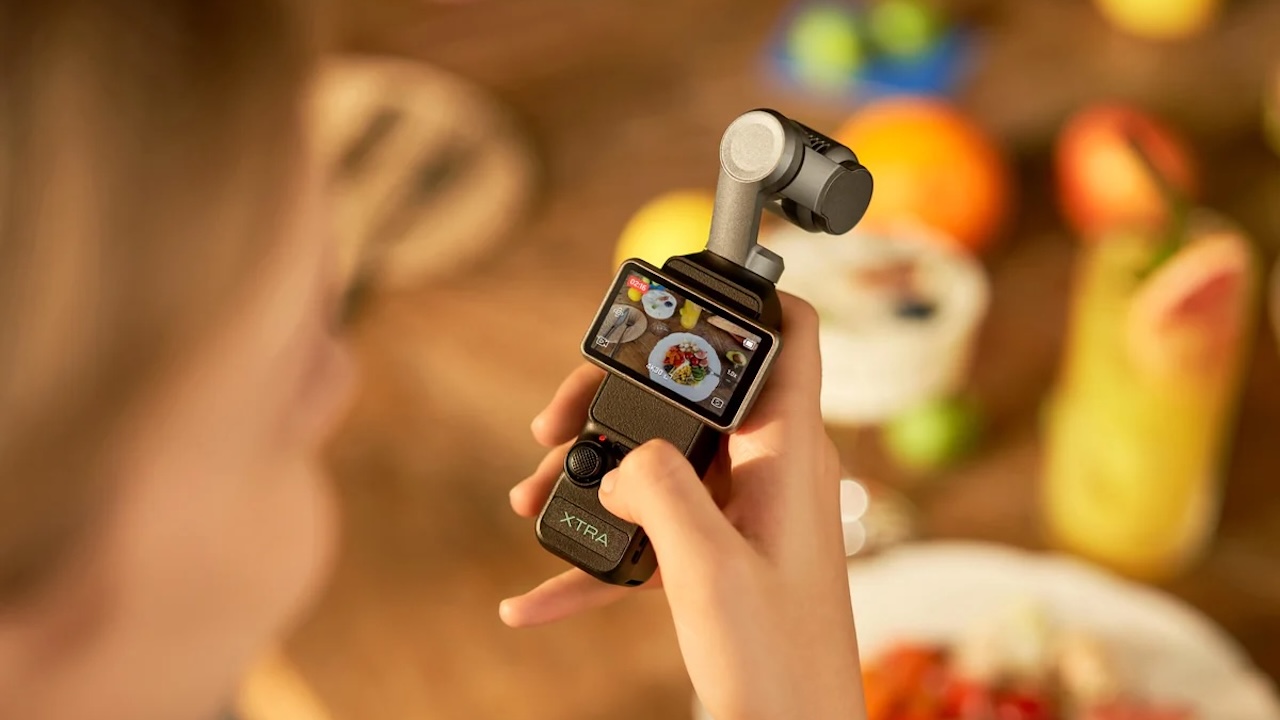
Pocket gimbals usually sell convenience first and image quality second. The Xtra Muse 2 Pro flips that expectation by putting a 1-inch main sensor and a second zoom camera into a compact 3-axis gimbal body. Xtra says the main camera shoots 4K video at up to 240fps in a 10-bit X-Log 3 profile, with a 20mm-equivalent wide lens and a 60mm-equivalent telephoto lens.
The clever part isn’t only the sensor stack. Xtra built a flip-out touchscreen that can swing left or right, which makes the camera friendlier for left-handed and right-handed shooters. The company is targeting a Q3 2026 US launch, with a refundable $20 early-access deposit tied to a $60 launch coupon.
 There are still real reasons to wait. Xtra hasn’t posted a final price beyond saying it should land under $700, and the units in the wild are still pre-production. Image quality, battery life, and the telephoto camera’s real-world usefulness all need full testing before anyone treats this as a sure thing.
Xtra Muse 2 Pro
Price: Under $700
Where to Buy: Xtra
2. Halliday G2: Smart Glasses That Leave the Camera Out
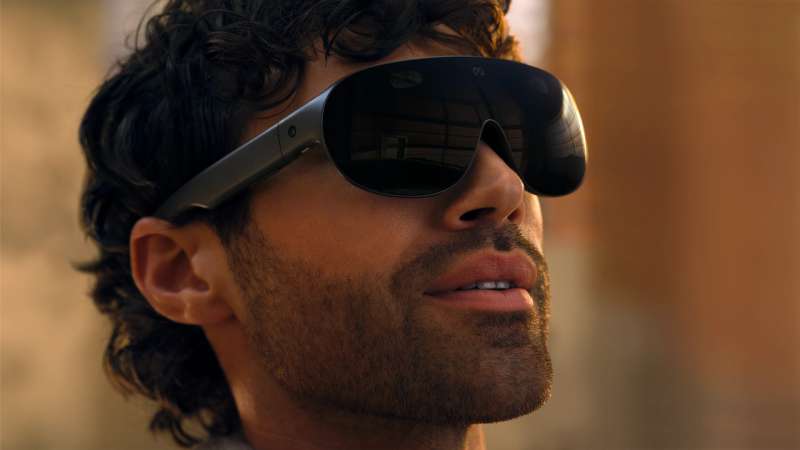
Most smart glasses are racing toward cameras, social clips, and always-on capture. The Halliday G2 takes the opposite route. It has no camera at all, which makes its AI meeting pitch easier to take seriously in a conference room.
Halliday lists a $599 price, a 12-hour battery, dual MicroLED optical engines, and a 600 by 300 resolution per eye. The display floats information above your eyeline, while Meeting Flow can surface captions, decisions, commitments, and follow-ups during a conversation. Halliday says the microphones stay off until you start a meeting, trigger a voice command, or take a call.
 The subscription model is the part to watch. A free tier caps recording at 120 minutes, and paid plans range from $10 to $99 a month. That means the hardware price is only the start if the best AI features live behind the higher tiers.
Halliday G2
Price: $599
Where to Buy: Halliday
3. OneXPlayer X2 Mini Pro: A Handheld That Costs Like a Laptop
The OneXPlayer X2 Mini Pro isn’t trying to be the cheap gaming handheld in the room. It starts at $2,499, ships as a direct pre-order, and aims at buyers who want a handheld, tablet, and tiny laptop in one device. That makes it less of a Steam Deck rival and more of a portable enthusiast PC with controllers attached.
The spec sheet is loud. You get an 8.8-inch OLED display at 1,920 by 1,200, 144Hz refresh, variable refresh, HDR, AMD Ryzen AI Max+ 388 silicon, Radeon 8060S graphics, at least 48GB of LPDDR5X memory, and storage up to a 2TB M.2 2280 PCIe 4.0 SSD. The controllers detach, and a magnetic keyboard turns the screen into a small laptop setup.
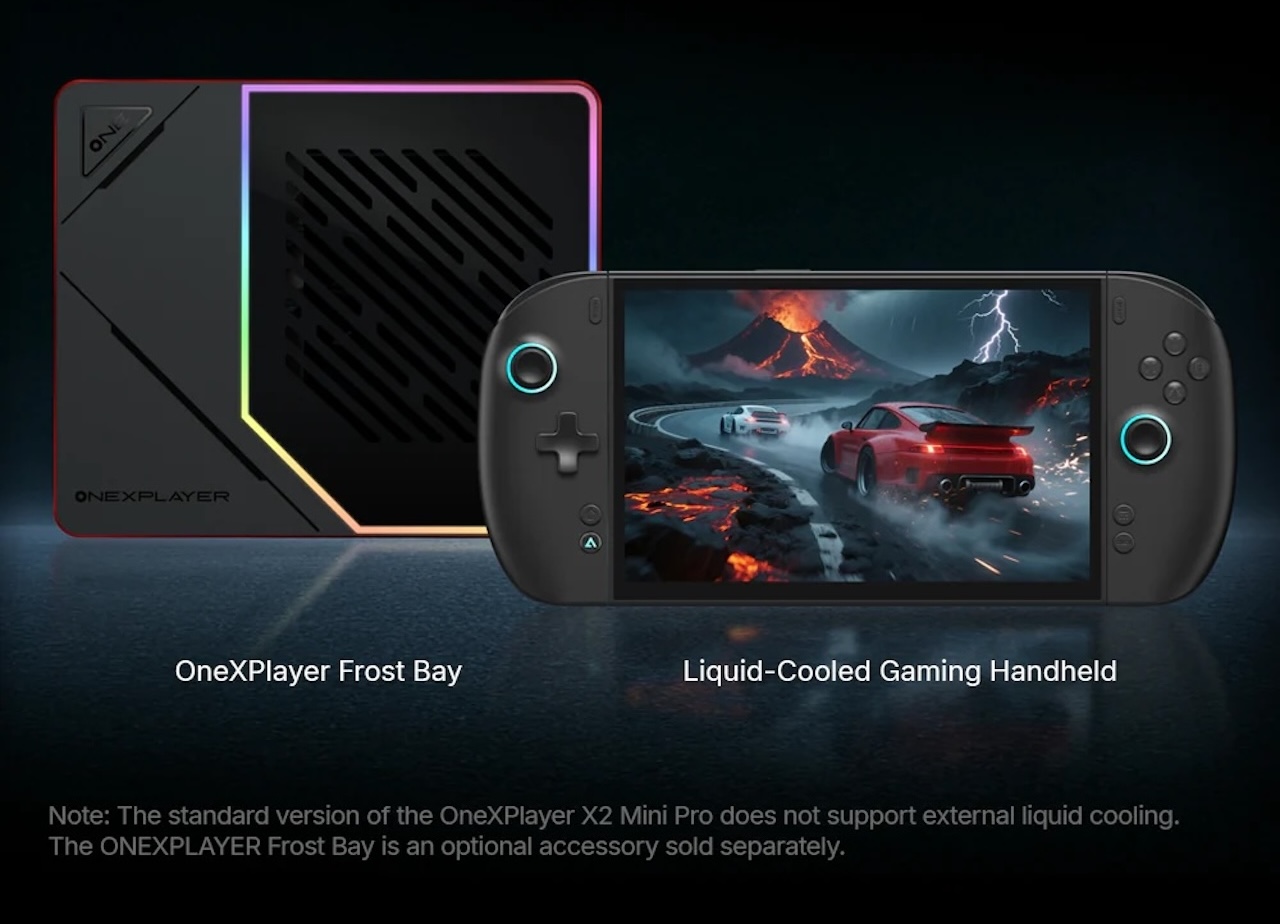 The catch is the chip story. OneXPlayer originally teased the device with the Ryzen AI Max+ 395, but the shipping version uses the 8-core, 16-thread 388 instead. Both chips share the same Radeon 8060S graphics, but buyers who expected 16 CPU cores should understand the change before spending flagship-laptop money.
OneXPlayer X2 Mini Pro
Price: From $2,499
Where to Buy: OneXPlayer
4. Kodak EC35: A $35 Film Camera With No Settings to Fumble
The Kodak EC35 stands out because it doesn’t try to make film photography smarter. It does the opposite. The Reto-made camera strips the experience down to a fixed 25mm f/10 lens, a 1/100 second shutter, manual wind and rewind, an optical viewfinder, and a built-in flash powered by one AA battery.
At $34.99, the EC35 is more about lowering the barrier than chasing sharpness. It shoots full-frame 35mm, weighs 102 grams, and uses a sliding lens cover that also locks the shutter so you don’t waste blank frames in a bag. Seven colorways are available at launch, including midnight black, vanilla white, butter yellow, lavender, powder blue, blush pink, and avocado green.
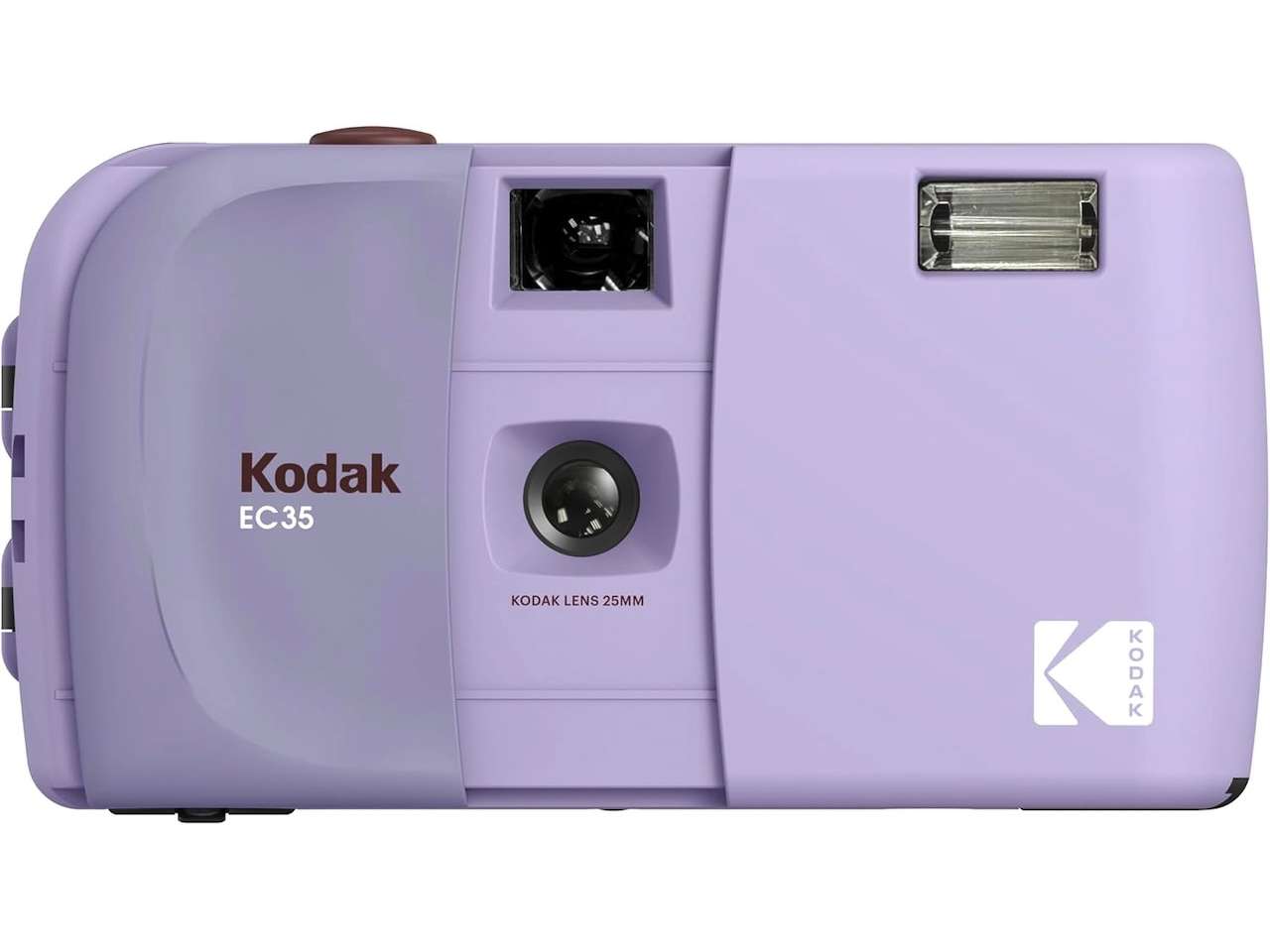 The limits are part of the deal. There’s no autofocus, no light meter, no exposure control, and no weather protection. For someone who wants one full-frame shot per press and no menu anxiety, that’s the charm.
Kodak EC35
Price: $34.99
Where to Buy: Amazon
5. Garmin CIRQA: A Fitness Band Without a Screen or Monthly Bill
Garmin’s CIRQA Smart Band is a quiet shot at recovery wearables that make the subscription feel mandatory. It has no screen, costs $199.99, runs up to 10 days per charge, and Garmin says its advanced fitness and wellness features don’t require a subscription.
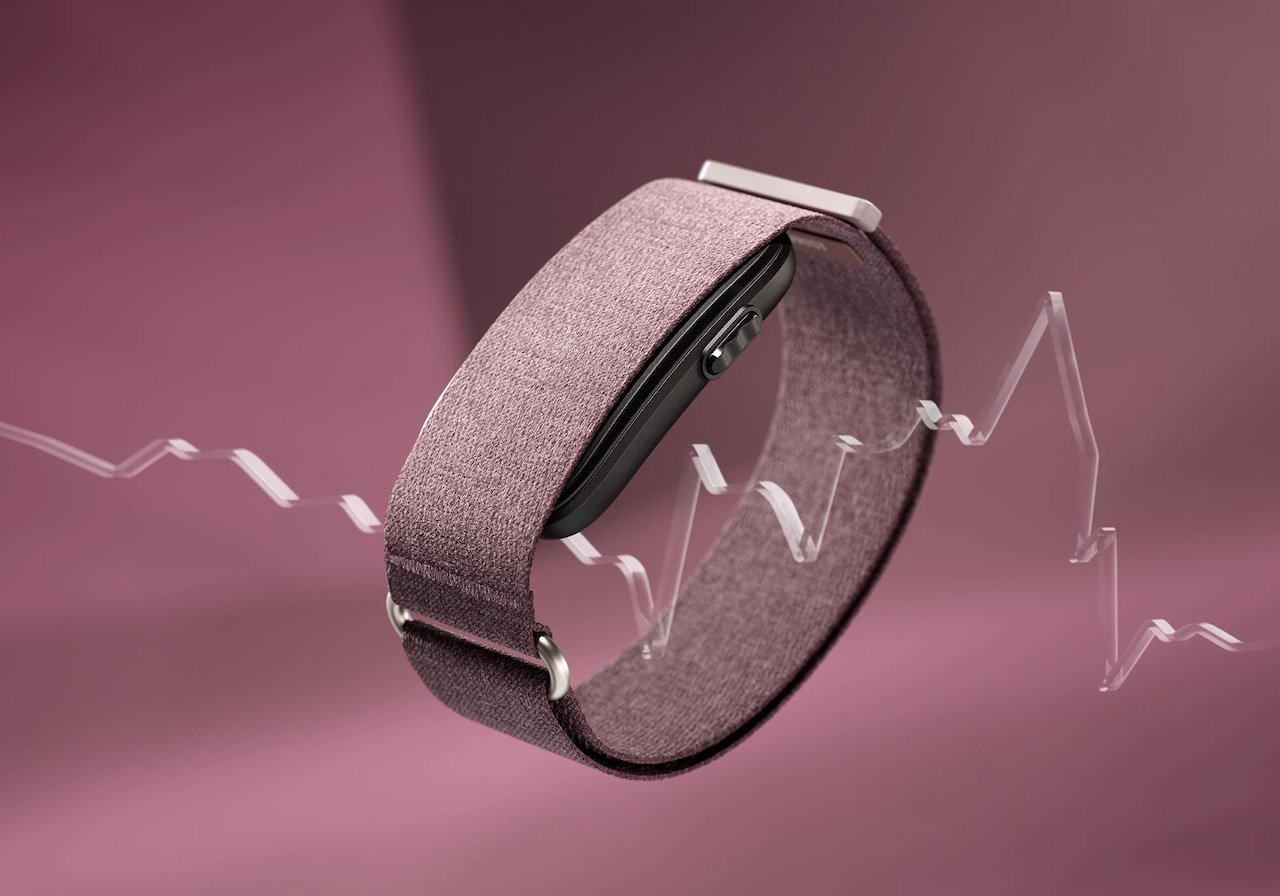 Tracking covers wrist-based heart rate, Body Battery, Pulse Ox, stress, skin temperature, sleep stages and score, HRV, breathing rate, naps, and more than 80 activities, plus phone GPS for outdoor routes and LiveTrack for sharing your location. You can wear it on a wrist or an arm, and the fabric band comes in seven colors. The screen-free design is either the reason to buy it or the reason to skip it.
Garmin CIRQA Smart Band
Price: $199.99
Where to Buy: Amazon
6. Light Flip: A Minimalist Phone That Finally Hits $299
Minimalist phones usually lose the argument at checkout. The Light Flip changes that by bringing Light’s distraction-free idea to a $299 clamshell instead of a $699 slab. It keeps the premise strict: no social media, no browser, no email, no news, and no ad-driven app feed.
The hardware is more modern than the minimalist label suggests. The Light Flip has a 2.8-inch matte OLED, a T9 numberpad, a D-pad, 5G, 4G LTE, nano-SIM and eSIM support, Wi-Fi, Bluetooth, USB-C, stereo speakers, two microphones, a 3.5mm headphone jack, and a 50MP rear sensor that outputs 12MP photos. The 1,800mAh battery is user-replaceable, and the plastic body carries an IP54 rating.
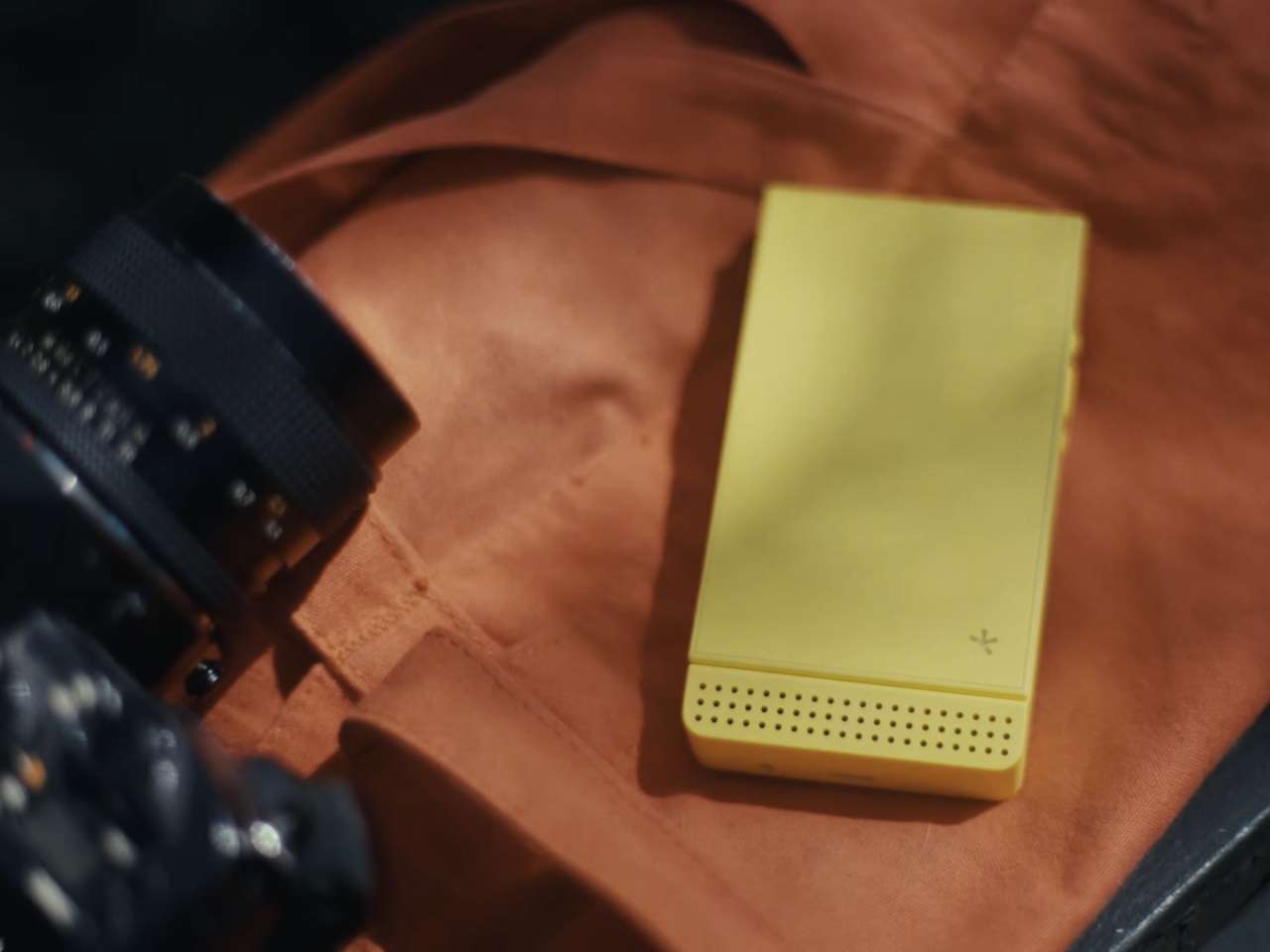 The trade is clear. You lose NFC, a touchscreen, a full smartphone camera experience, and instant availability, since the first batch ships in April 2027. Still, at $299, the Light Flip makes the minimalist-phone experiment easier to try and easier to recommend as a first phone, weekend phone, or digital-detox device.
Light Flip
Price: $299
Where to Buy: Light Phone
7. Pulsar x Noctua Feinmann F01: The Gaming Mouse That Cools Your Palm
Gaming mice have been stuck in a weight race for years. Pulsar and Noctua found a stranger angle: palm airflow. The Feinmann F01 Noctua Edition puts a real Noctua NF-A4x10 40mm fan inside a perforated carbon composite shell, blowing air toward your hand during long sessions.
The rest of the mouse still reads like a flagship esports model. It weighs 73 grams with the fan installed, uses Pulsar’s XS-2 sensor rated for 42,000 DPI and 800 IPS tracking, supports 8,000Hz polling through the bundled wireless dongle, and uses optical switches rated for up to 100 million clicks. You can run the fan across four speed levels through onboard controls or Pulsar’s browser-based driver.

This is one of those products that sounds silly until you picture the exact buyer. If sweaty palms don’t affect your aim, $179.99 buys plenty of excellent mice without a tiny fan. If they do, this solves a problem most gaming brands pretend doesn’t exist.
Pulsar x Noctua Feinmann F01
Price: $179.99
Where to Buy: Pulsar
8. Viltrox AF 26mm F2.8 EVO: A Pancake Lens That Keeps the Controls
Small full-frame lenses often make you give something up. Viltrox’s AF 26mm F2.8 EVO tries to keep the carry-friendly size without stripping the lens down to a blank barrel. The Sony E version measures about 23.8mm long and weighs about 130 grams, while the Nikon Z version measures about 25.8mm long and weighs about 170 grams.
The unusual part is control. Viltrox fit both a clicked aperture ring and a separate focus ring onto the slim barrel. The lens focuses as close as 0.2m, reaches 0.2x maximum magnification, uses an eight-element, six-group optical design, and takes 43mm filters through the included hood. A USB-C port supports firmware updates through Viltrox software.
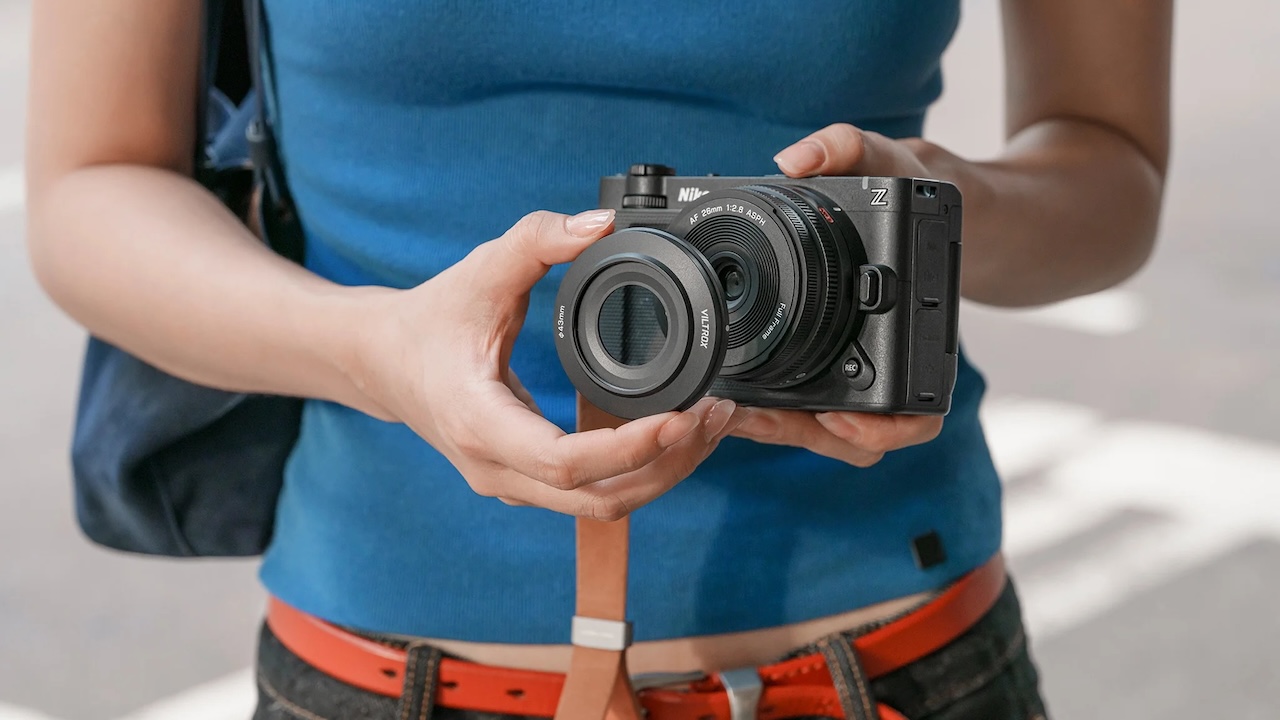 There are caveats for video shooters and careful buyers. The aperture ring doesn’t de-click, the gear-type STM may make a faint sound, there’s no optical stabilization, and both mounts were out of stock on Viltrox’s store when TG checked. At $299, it’s a lens to watch if your full-frame camera keeps staying home because the kit feels too big.
Viltrox AF 26mm F2.8 EVO
Price: $299
Where to Buy: Viltrox
9. GOKO M6: A Robot Mower Built for Hills Push Mowers Hate
Wire-free mowers usually quit before the steepest part of a yard. GOKO rates the M6 at a 90 percent slope, or 42 degrees, where TG notes wheeled rivals typically stop near 40. Four-wheel drive with active front steering replaces the skid steering that drags wheels across turf in turns, and adaptive suspension keeps all four wheels down over bumps. Obstacles up to 3 inches high don’t stop it.
 Navigation fuses RTK, visual SLAM, an IMU, and wheel odometry, with VSLAM covering up to 10 minutes or 150 square meters when RTK drops. Four cameras handle recognition for more than 200 object types, including people and pets. Pricing sits at the premium end: $2,599 with a 12 Ah pack for about 120 minutes, or $2,799 with 24 Ah for about 240, on lawns from 0.25 to 2.5 acres. Two caveats worth weighing are that 4G reliability depends on your carrier signal, and the navigation software still has to prove itself on customer lawns.
GOKO M6
Price: $2,599 (single battery) or $2,799 (dual battery)
Where to Buy: GOKO
10. Lenovo IdeaPad Slim 3i Gen 11: A Student Laptop That Skips the Usual Cuts
Cheap 15-inch laptops normally save money on the screen or the memory. The configuration TG reviewed does neither, pairing a 15.3-inch 1920 by 1200 IPS touchscreen at 120Hz with 16GB of DDR5-5600, a 512GB PCIe 4.0 SSD, and an Intel Core 7 350. The catch is that the review unit shipped with Windows set to 60Hz, so the panel most buyers paid for stays hidden until someone flips the toggle.
Battery life held up better than a 50Wh pack suggests. TG measured about 9 hours and 40 minutes at 120Hz and roughly 11 hours and 15 minutes at 60Hz across one run at each setting, which is an observed difference rather than a controlled test. Fifteen minutes on the included 65W adapter brought an empty battery back to about 28 percent. The port list also beats most thin laptops here: two USB-A, one USB-C with Power Delivery and DisplayPort, HDMI 1.4, a full-size SD reader, and a headphone jack.
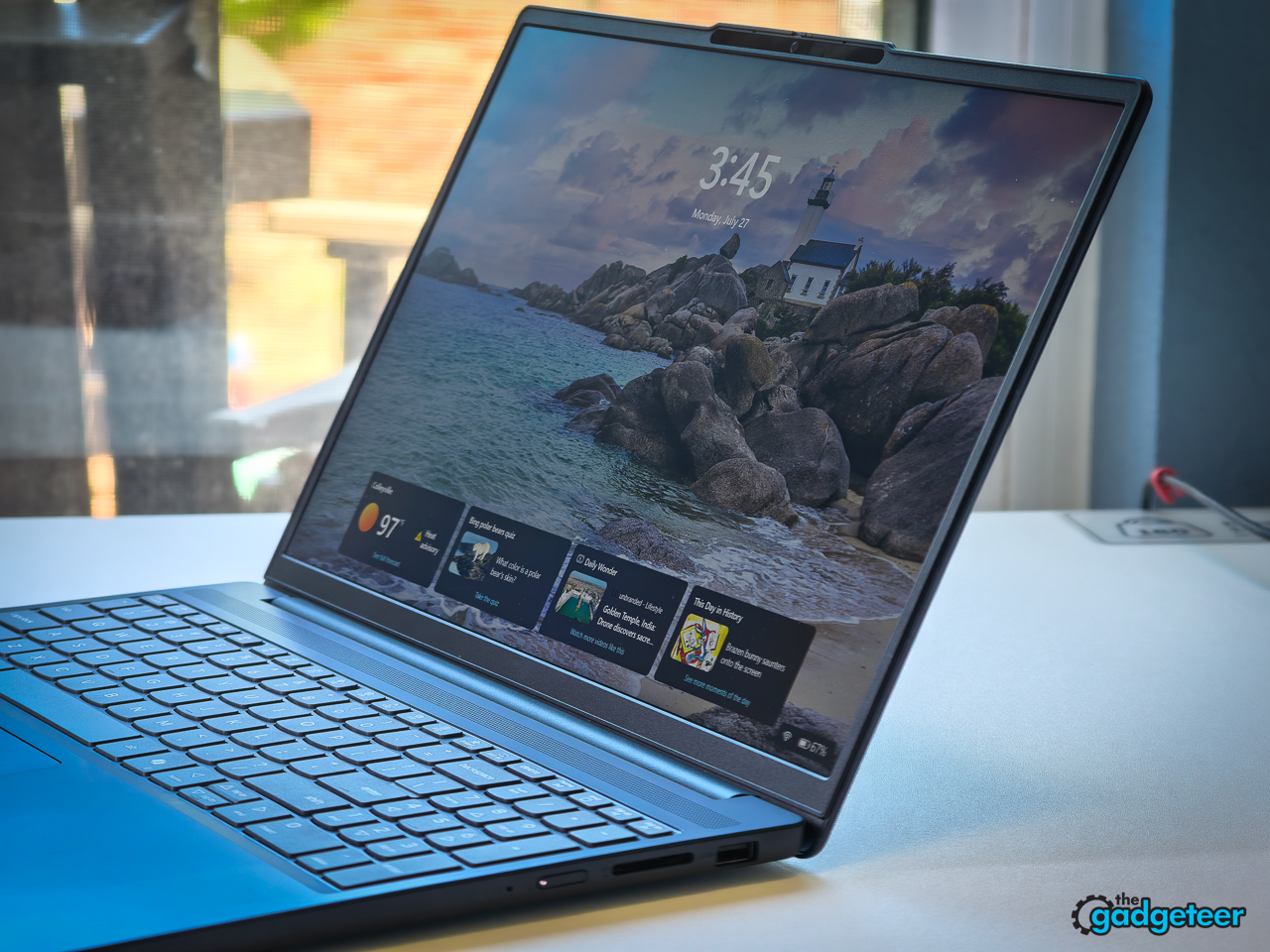 The misses are the ones you’d expect at this price. There’s no keyboard backlight, the webcam is a 720p unit with a physical shutter, and HDMI 1.4 caps out at 4K at 30Hz, so a 4K monitor should run off USB-C instead. Memory sits in a single SODIMM slot with a 32GB ceiling, which at least leaves a real upgrade path later.
Lenovo IdeaPad Slim 3i Gen 11
Price: $899.99
Where to Buy: Lenovo
The Bottom Line
The best part of this batch is how little it feels like one trend. These ten products don’t point in the same direction. They point away from the idea that progress always means adding more.
A camera can get more serious without getting bigger. Smart glasses can get more useful by removing the camera. A phone can become more interesting by doing less. That’s why these July drops worked: each one had a sharper answer to why it exists.