
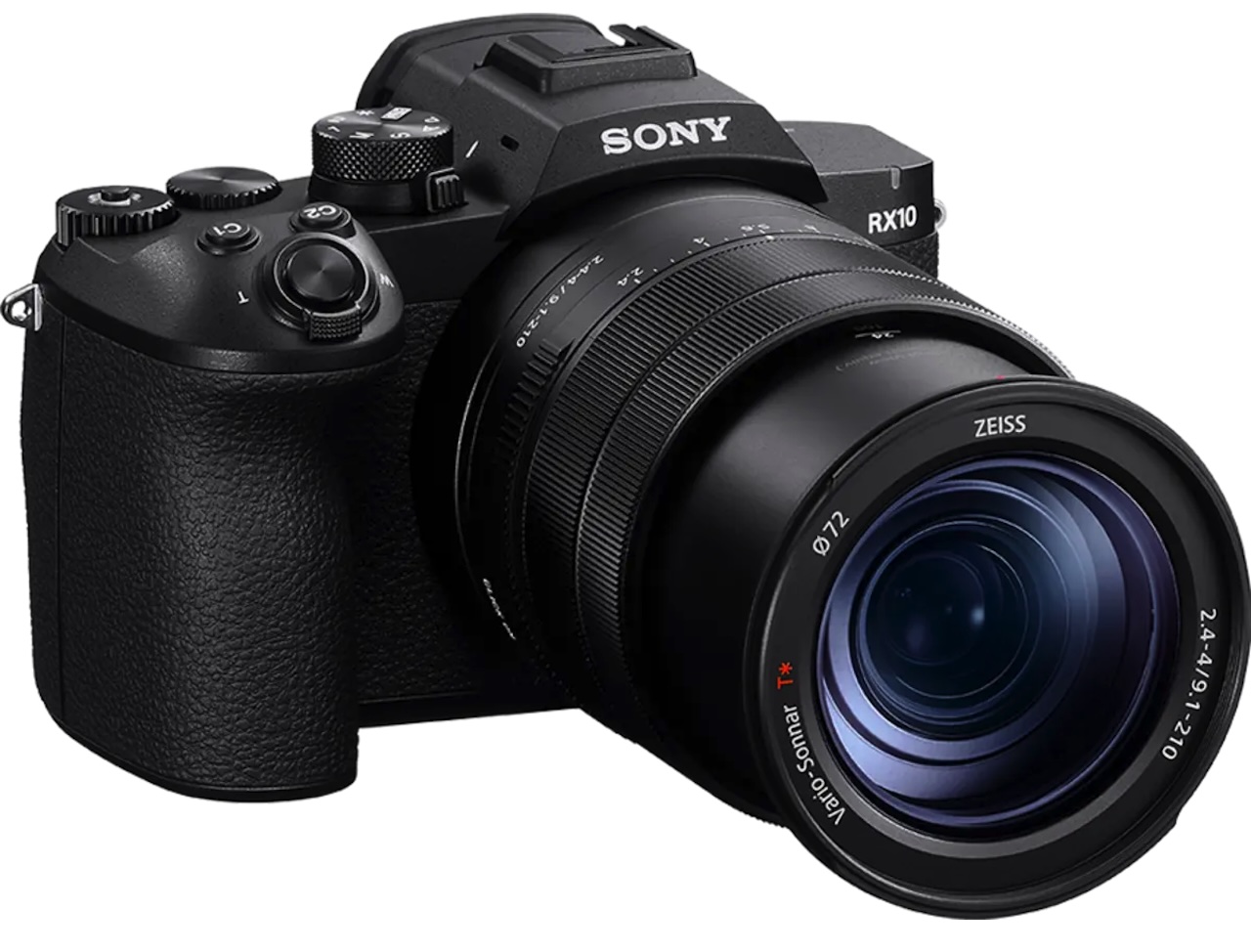
A 24mm to 600mm lens usually means carrying several lenses. The Sony RX10 V puts that full range into one fixed-lens camera. It also adds AI subject recognition, 30fps shooting, and 4K 120p video.
Price: $2,299.99
Where to Buy: Sony
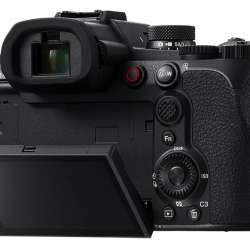
Sony announced the RX10 V in July 2026. It will be available in early August for $2,299.99. It isn’t trying to beat your phone. It’s trying to make your camera bag feel optional.
The RX10 V Is Still a Bridge Camera, but It Got Smarter
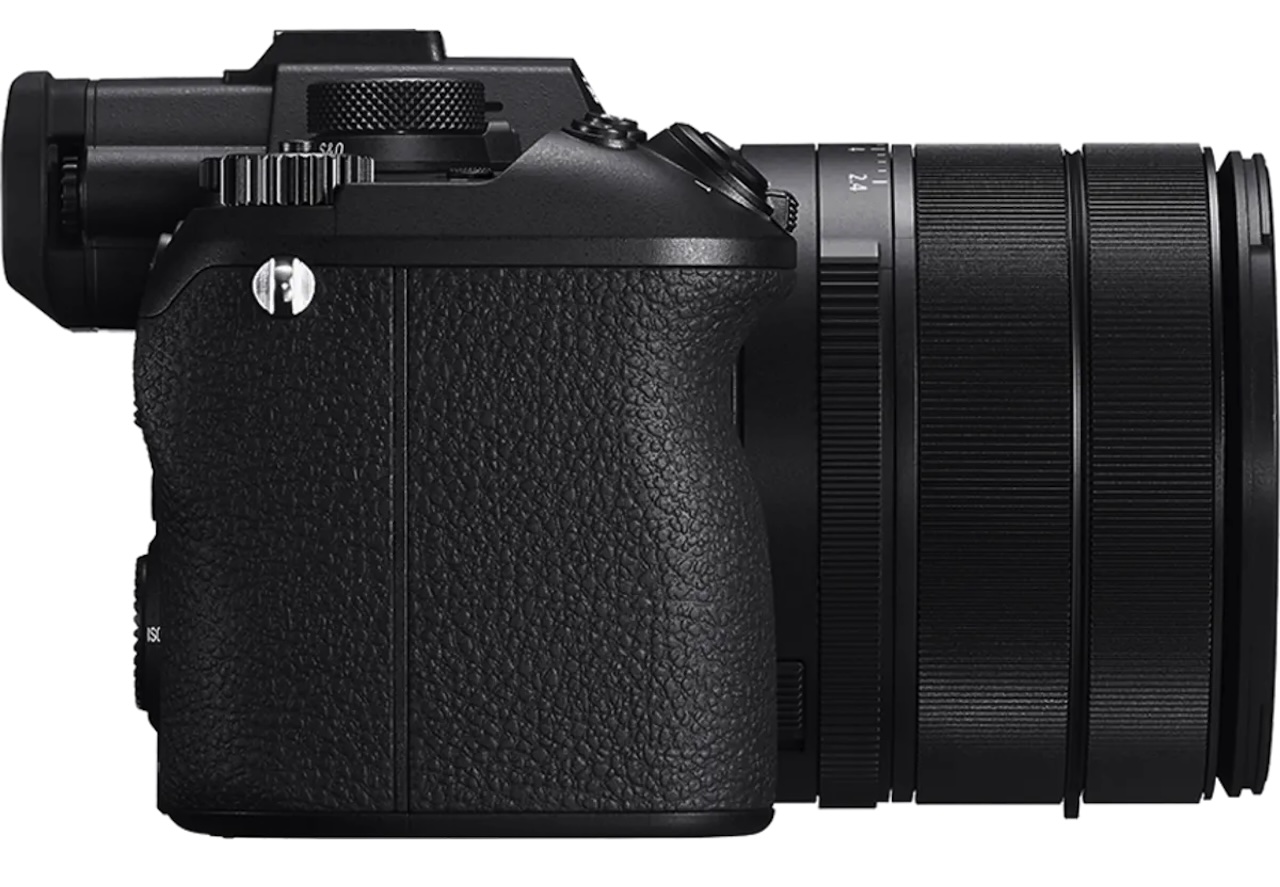
Bridge cameras have always had a simple goal: one body, one lens, and lots of zoom. The RX10 V keeps that idea with a ZEISS Vario-Sonnar T* lens for wide shots, portraits, school sports, wildlife, and faraway details.
The bigger change is inside. Sony pairs a 20.1MP 1.0-type stacked Exmor RS sensor with the BIONZ XR processor and a dedicated AI chip. That means this update is more about focus, tracking, speed, and video than raw resolution.
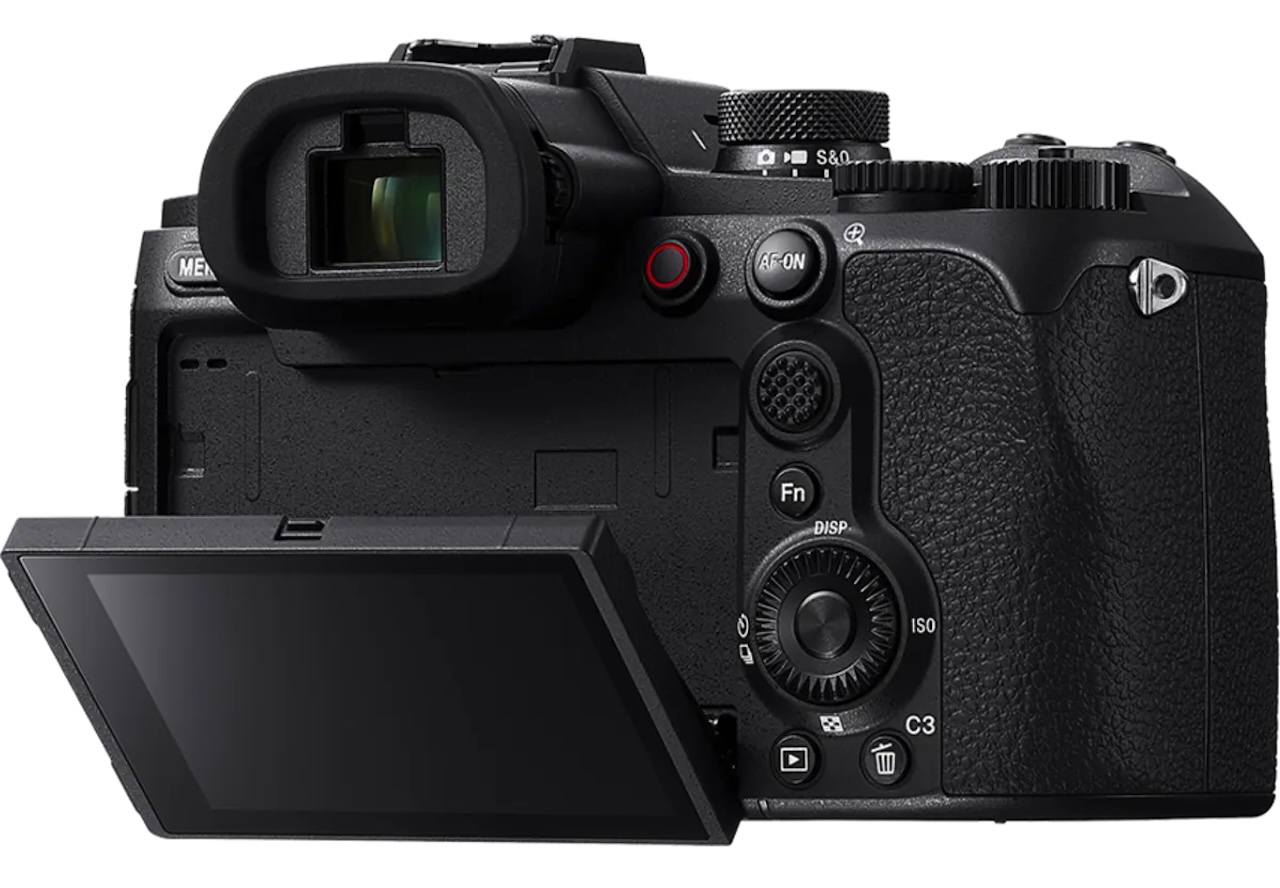 According to Sony’s product page, Real-time Recognition AF can detect people, animals, birds, insects, cars, trains, and airplanes. Auto mode can choose the subject type. Human pose estimation is meant to keep tracking people even when faces are turned away or partly blocked.
What Changed From the RX10 IV
The RX10 V’s biggest updates show up when the subject moves. Sony lists a BIONZ XR processor, a dedicated AI chip, updated Real-time Recognition AF, 4K 120p video with a crop, and the higher-capacity NP-FZ100 battery.
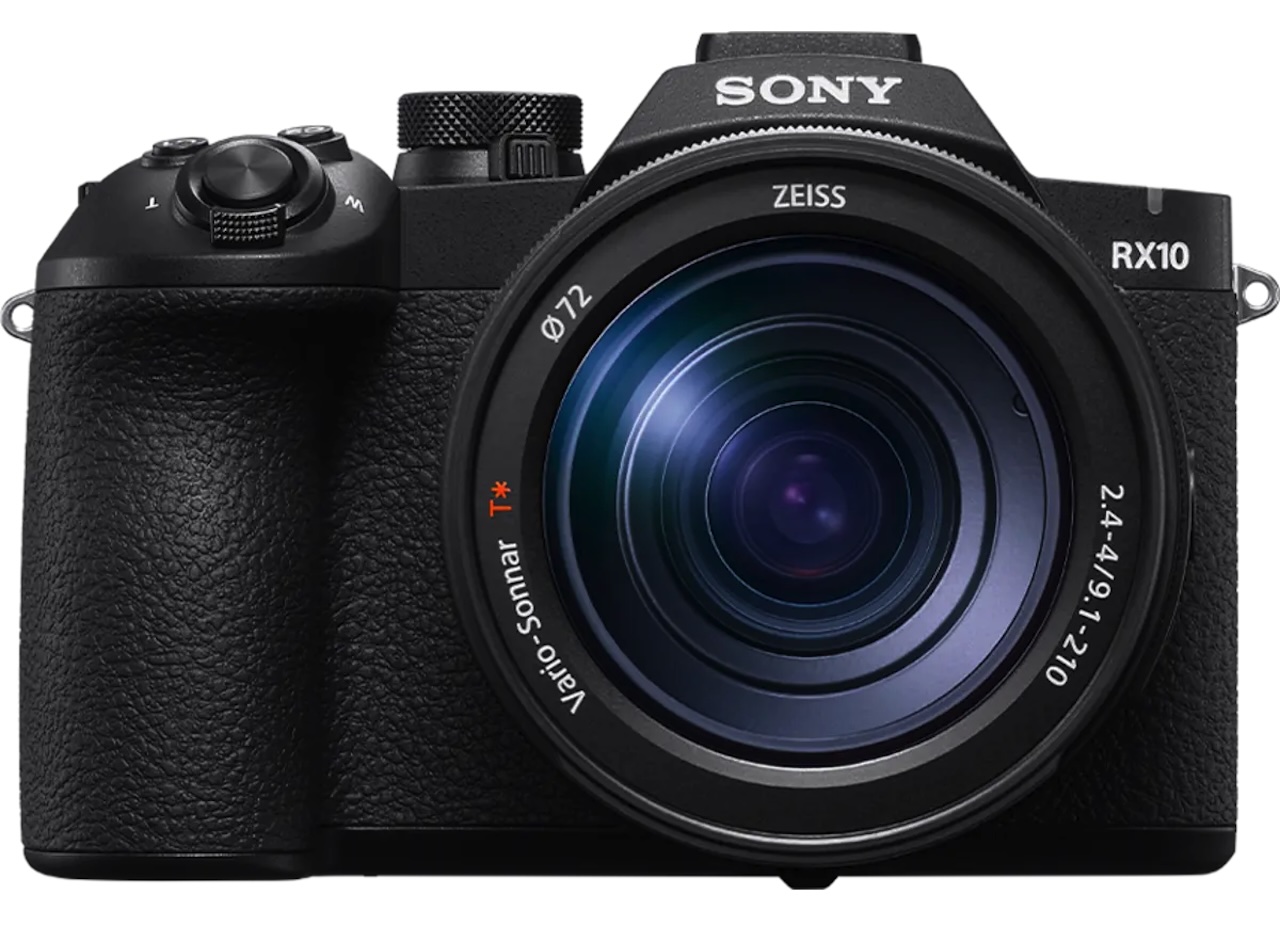 That matters because a long-zoom camera has to keep up with action. Sony is bringing newer autofocus, subject recognition, video, and battery upgrades into the superzoom body instead of just bringing back an old bridge-camera idea.
A 24mm to 600mm Lens Is the Whole Point
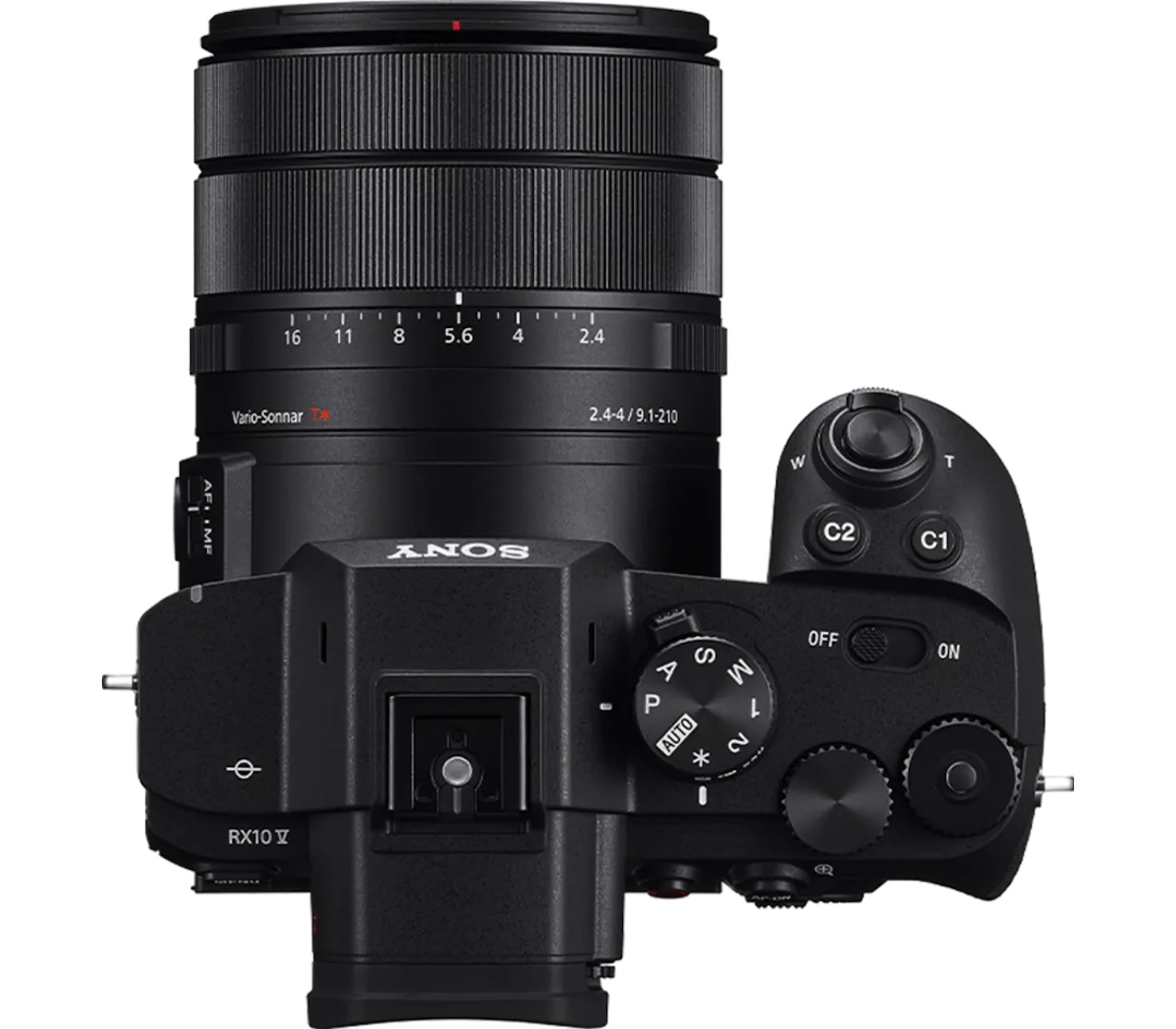
The RX10 V’s biggest selling point is right in the spec sheet: 24mm to 600mm equivalent coverage at F2.4 to F4. That range lets you shoot a wide vacation scene, a kid running across a field, a bird on a branch, and a close detail without changing lenses.
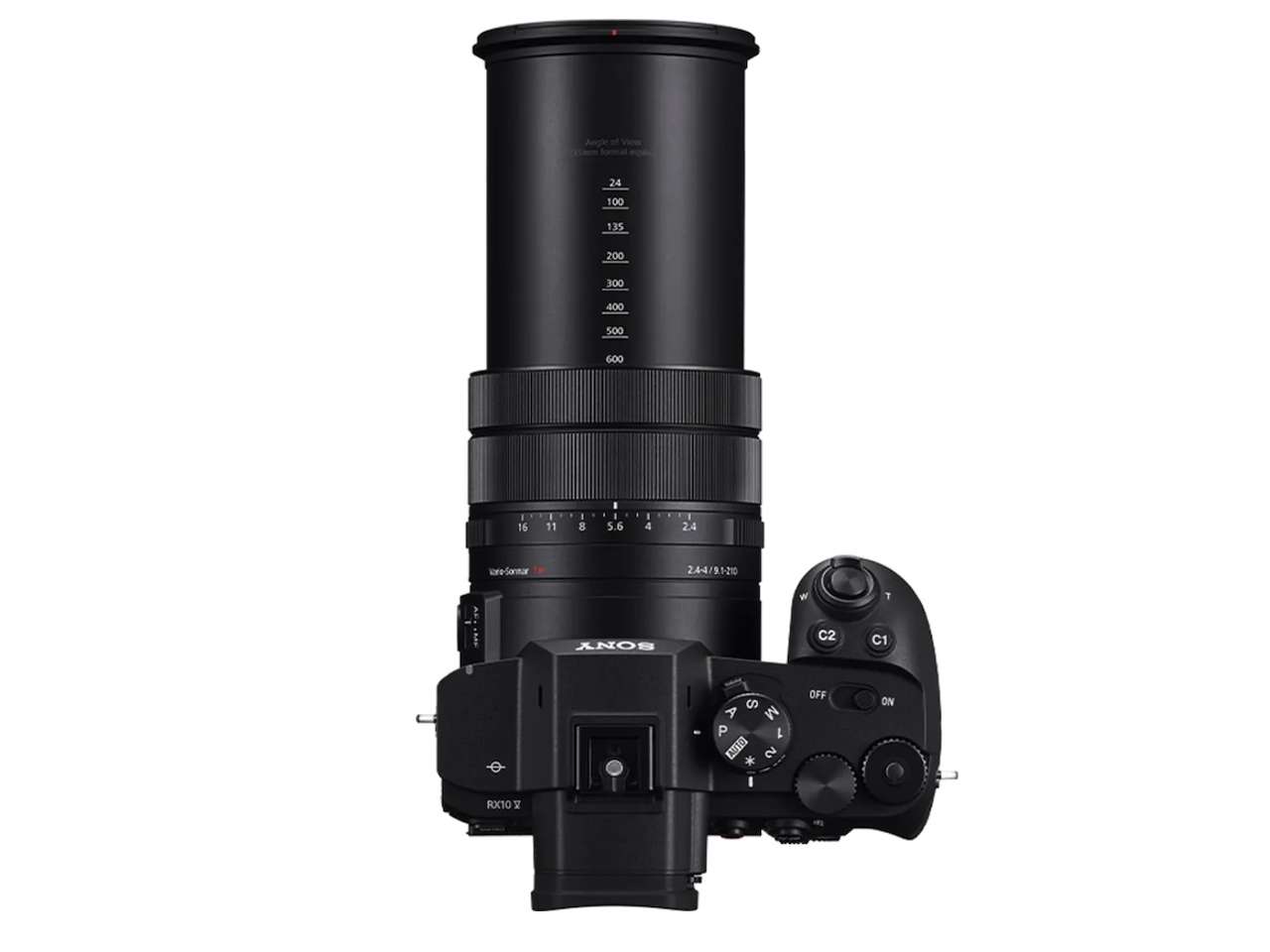 Depending on the body and lenses, a mirrorless setup can beat the RX10 V in image quality, low-light use, and lens choice. But matching this zoom range with separate lenses gets expensive and bulky fast. The RX10 V is for people who value ready-to-go reach more than a larger sensor.
Sony also lists close focus down to 3cm at the wide end and 72cm at the telephoto end. That gives it a useful close-up mode for small objects, flowers, gear details, and travel textures.
Speed and Video Are the Real Upgrade
Long zoom sounds great until the subject moves. The RX10 V can shoot blackout-free bursts at up to 30fps with the electronic shutter, plus up to 60 AF/AE calculations per second. Sony notes that the top burst rate depends on camera settings and shooting conditions.
 The Continuous Shooting Speed Boost function can raise burst speed for a short time during a sequence. Sony positions this for key moments, which makes sense for birds, sports, pets, and family action.
The RX10 V also records 4K 60p using the full sensor width and 4K 120p with a narrower view. It supports Full HD up to 240p, S-Cinetone, S-Log3, and USB-C livestreaming up to 4K 30p while recording at the same time.
Battery Life Gets a Practical Upgrade
One of the quieter upgrades is the move to Sony’s NP-FZ100 battery. Sony rates the new camera at 630 LCD shots or 570 EVF shots. It says this is more than a 50% improvement over the RX10 IV.
That matters on a travel camera because the goal is to carry one setup and stop worrying about accessories all day. USB power support helps too, though Sony says you’ll need a compatible USB-PD power adapter and USB-C cable.
 Who Should Care, and Who Should Skip It
The RX10 V makes the most sense for travelers, parents, wildlife watchers, school-sports shooters, and people who shoot both stills and video. If you hate changing lenses and carrying a second bag, this is one of Sony’s stronger recent arguments for the bridge-camera format.
It makes less sense if you already own a mirrorless body and lenses you like. It also may not be the best fit if you shoot mostly indoors, want maximum background blur, need full-frame image quality, or enjoy building a lens kit over time.
The $2,299.99 price is the hard part. That’s a lot for a fixed-lens camera, but the RX10 V isn’t priced like a simple point-and-shoot. It’s priced like an all-in-one system for people who know why 24mm to 600mm in one body would make life easier.
The Bottom Line
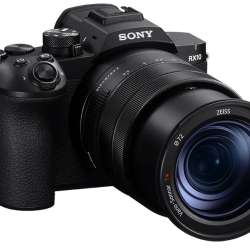
The Sony RX10 V makes more sense when you compare it with the camera bag it can replace. A 20.1MP 1.0-type stacked sensor, 24mm to 600mm ZEISS lens, AI subject recognition, 30fps blackout-free shooting, 4K 120p video, and the NP-FZ100 battery give it a clear job.
Price: $2,299.99
Where to Buy: Sony
Buy it if your dream camera is the one you can keep around your neck all day without wondering which lens you should have packed. Skip it if you want the flexibility, depth control, and upgrade path of a mirrorless system. The RX10 V is trying to be the one camera you actually bring.
