Camera glasses get harder to police when they stop looking expensive.
Price: $89 AUD ($63)
Where to Buy: KSmart
For years, camera glasses felt like a Silicon Valley problem. They were pricey, visibly branded, and easy to file away as something early adopters would argue about before the rest of us had to care.
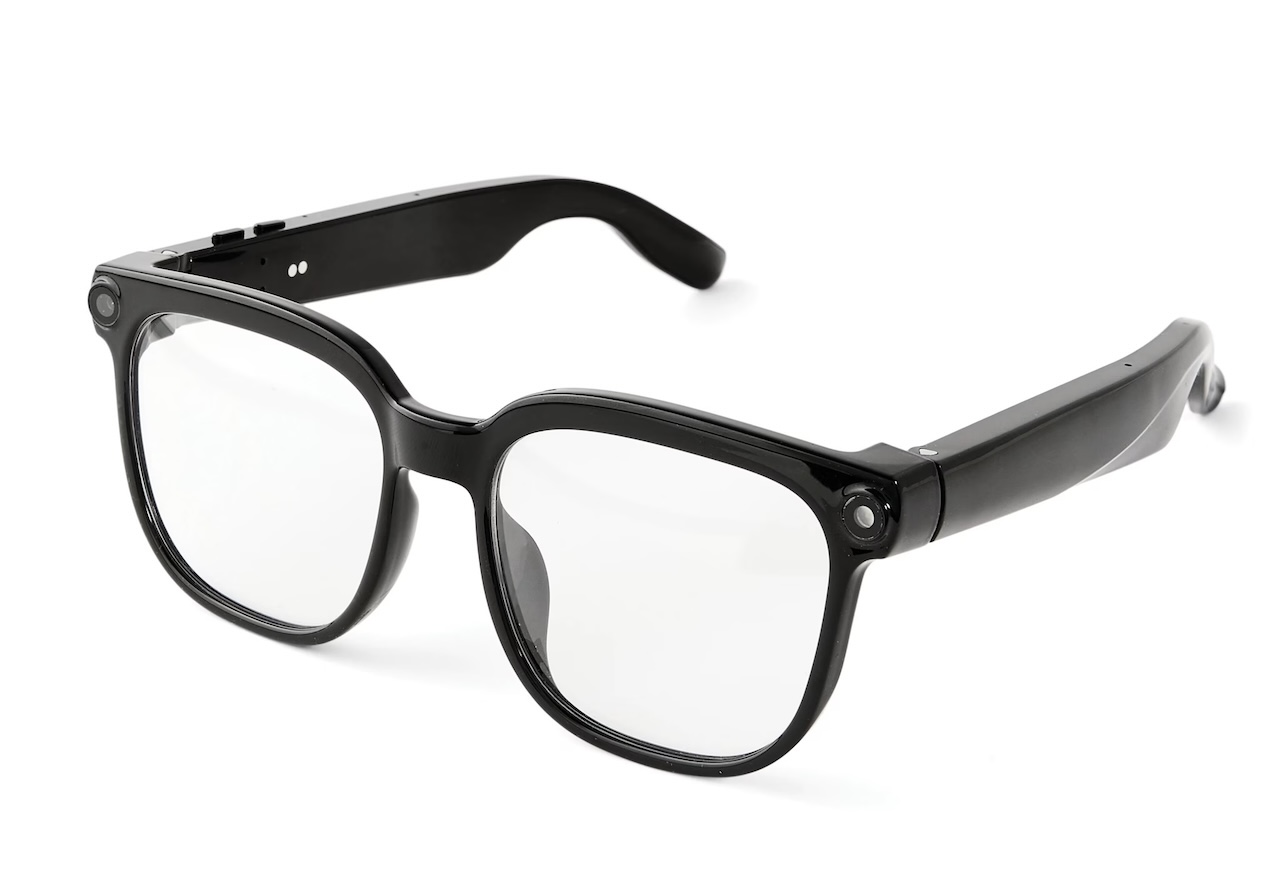
The KSmart Camera Glasses make that argument harder to ignore. At A$89 ($63), these are no longer a premium experiment sitting behind a luxury eyewear logo. They’re cheap enough to land in a cart next to school supplies, Bluetooth speakers, and a replacement phone charger.
The Price Is the Real Story
Kmart lists the Camera Glasses at A$89 ($63). That is the kind of price that changes how people think about a category.
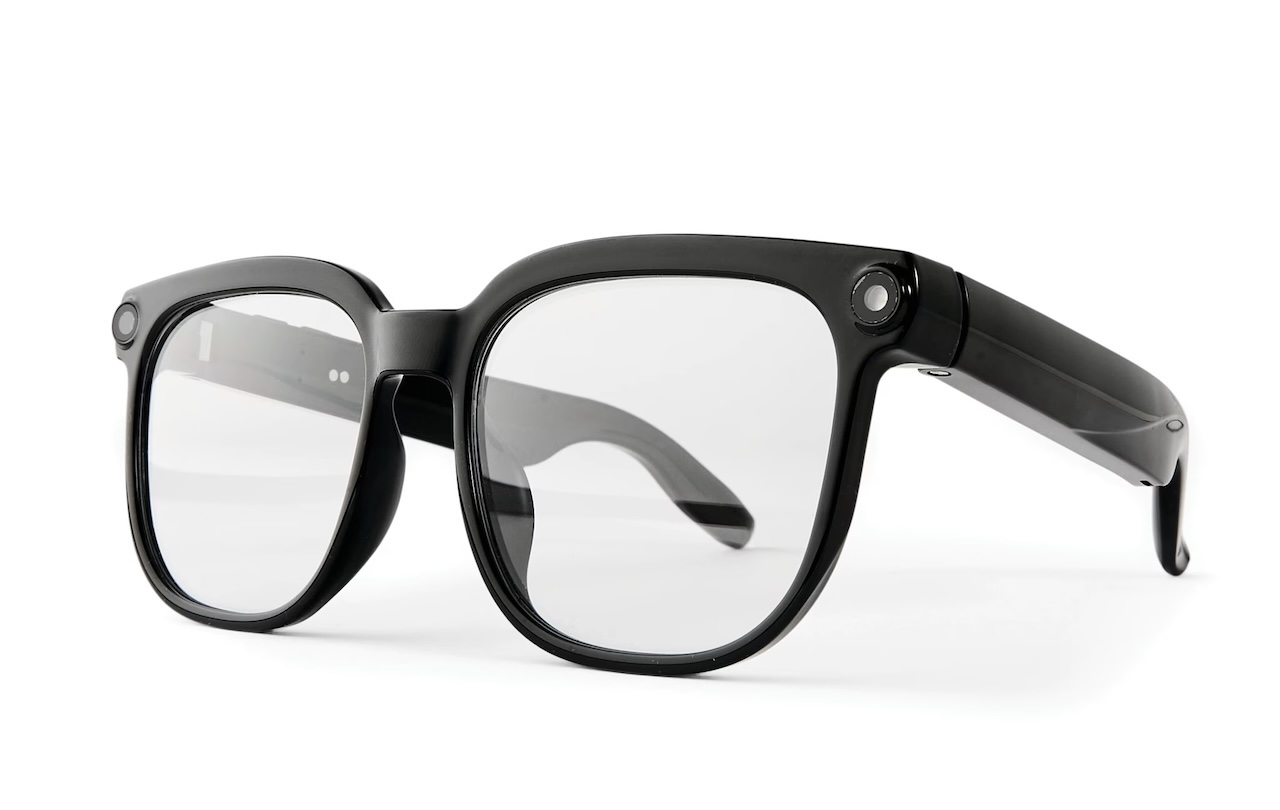
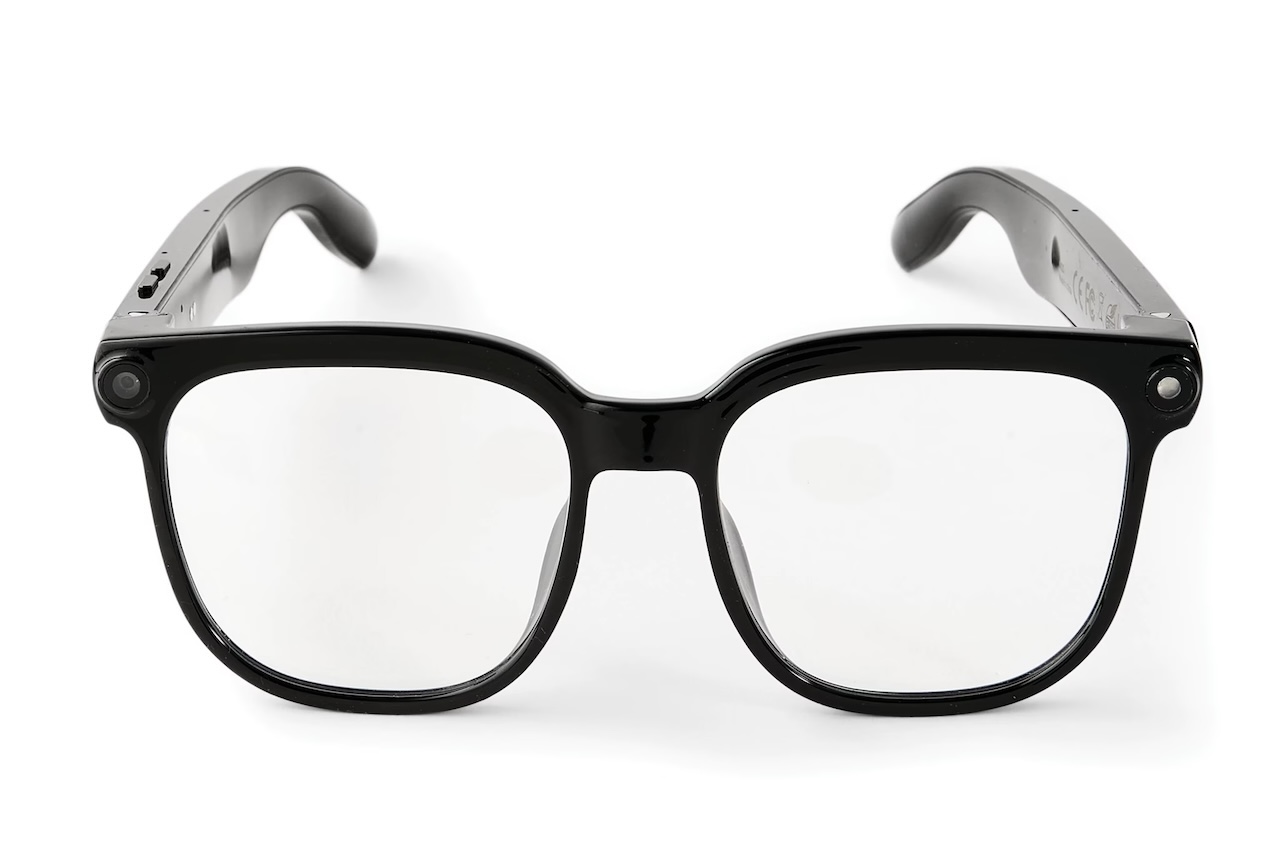
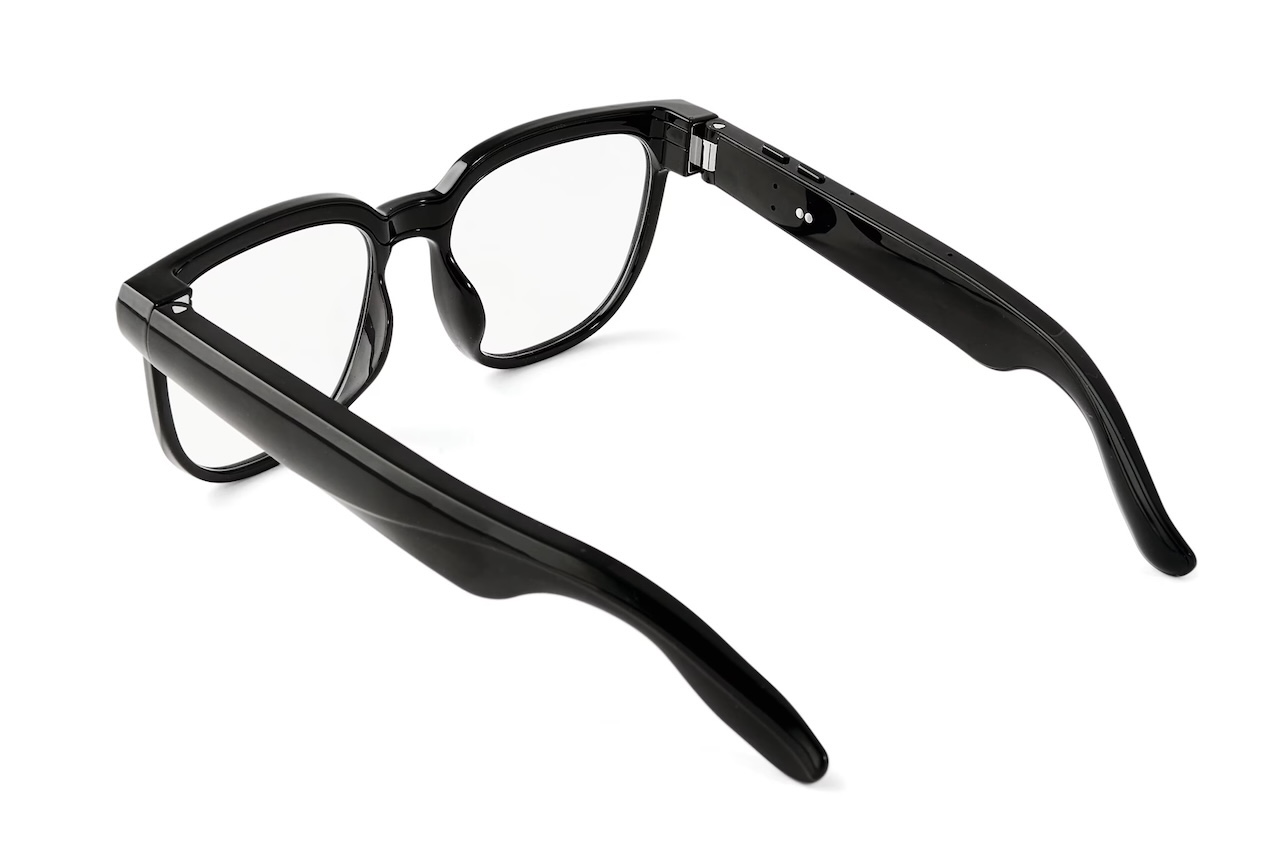 Smart glasses with cameras have usually been framed around flagship names, app ecosystems, and early-adopter curiosity. This pair strips that down to a much simpler pitch: camera, Bluetooth audio, calls, and app-connected AI features in a mass-market frame.
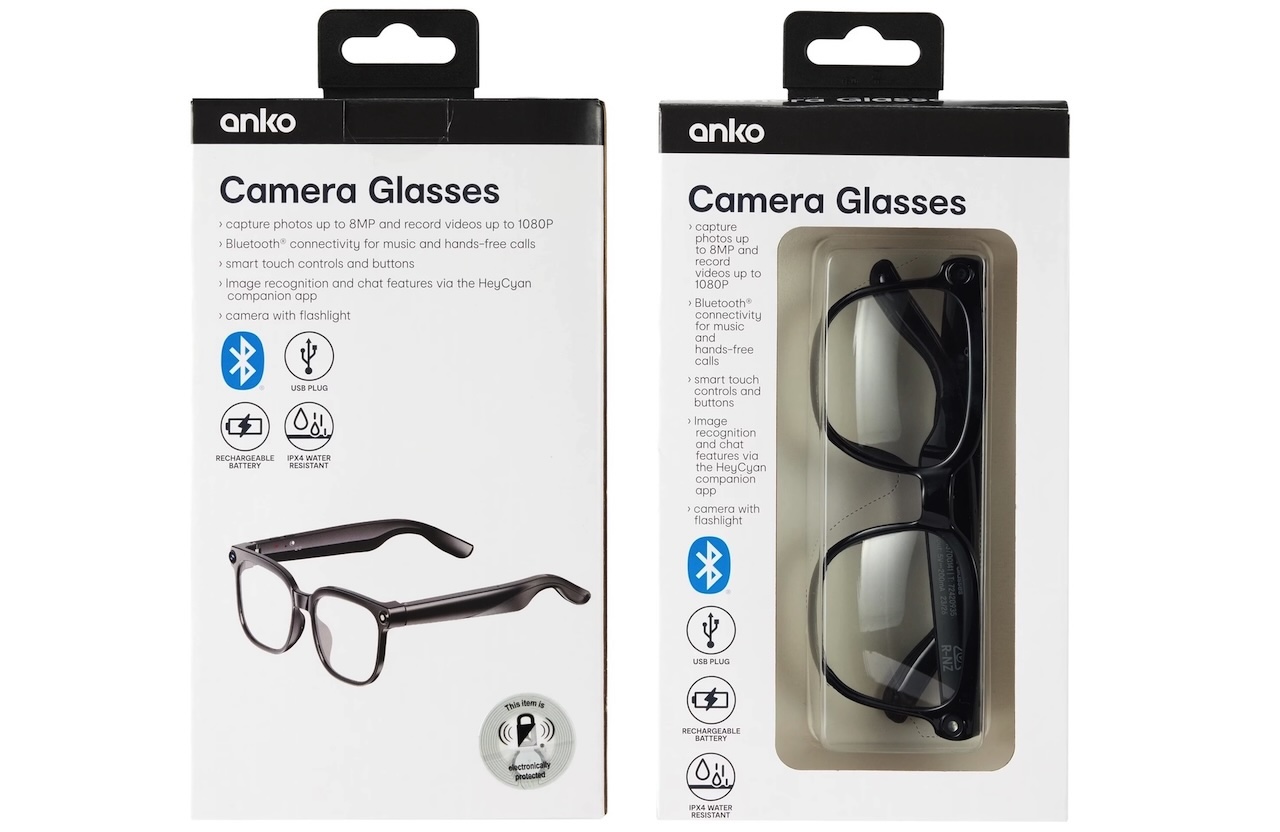
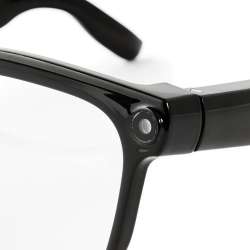
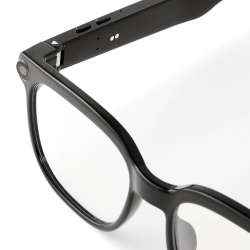
The product itself isn’t framed like a developer toy. Kmart’s listing says the glasses can capture photos up to 8MP, record videos up to 1080P, play music over Bluetooth, handle hands-free calls, and use smart touch controls.
What You Actually Get for A$89
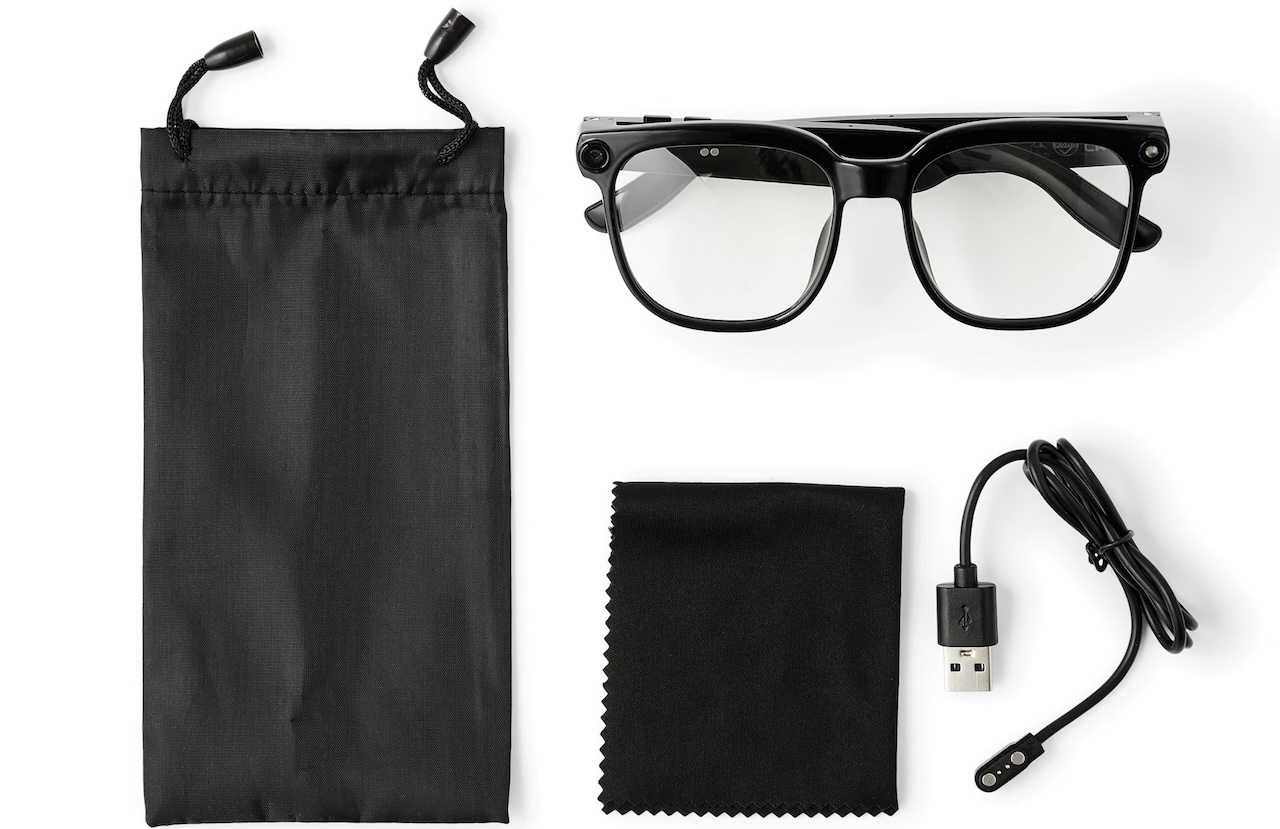
The box includes the Camera Glasses, a 2-pin charging cable, a cleaning cloth, an eyeglass pouch, and an instruction manual.
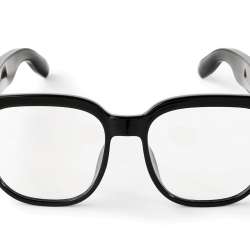
Kmart lists the dimensions at 14.6cm high, 16cm wide, and 5.3cm deep. This is still recognizably a pair of glasses rather than a tiny action camera strapped to your face.
 The battery is a non-replaceable 290mAh rechargeable lithium-ion pack. Kmart lists about 3.5 hours of working time at 80 percent volume, with a 2-hour charging time.
The manual also lists IPX4 water resistance and a 10m working distance with no obstacles. That puts the glasses closer to everyday connected eyewear than rugged outdoor gear.
The Camera Changes the Social Contract
A camera on your phone is obvious. A camera on your glasses is not always obvious, even when a manufacturer adds a light or indicator.
Kmart’s own warning is clear: the product can capture images, video, and audio. Users must comply with privacy, surveillance, recording, and consent laws.
 The manual repeats that warning and adds that recording may be prohibited in certain locations or situations. It also warns users not to operate the camera, recording functions, voice assistant, or mobile app while driving, cycling, operating machinery, or doing anything that needs full attention.
The AI Features Are the Wild Card
The product page says the glasses support image recognition and chat features through the HeyCyan companion app.
The manual says a double press of the rear button activates AI image recognition. Pressing the rear button once or saying “Hey Cyan” activates the voice assistant.
 The small print is where this gets more interesting. The manual says the AI experience service ends 6 months after the app is connected and activated, and that continued use may be charged through the app.
Basic functions described as unaffected. That’s a familiar connected-device move: the hardware is cheap, but the service layer may not stay free forever.
The Sellout Makes the Privacy Debate Harder to Dismiss
SBS News reported that KSmart Camera Glasses sold out within a week of their July 28 release. The report also said Attorney-General Michelle Rowland then asked the Office of the Australian Information Commissioner to give the privacy implications of smart glasses priority consideration, citing safety concerns for women and children.
 That is the clearest sign that the story has moved beyond a novel budget gadget. People aren’t only asking whether the glasses are good.
They’re asking what happens when wearable cameras become cheap, casual, and easy to miss.
For context, The Gadgeteer has already looked at why camera-free smart glasses keep winning with people who want wearable tech without turning every room into a recording surface. Kmart’s glasses push the opposite question. If the camera version gets cheap enough, does the market normalize the privacy tradeoff anyway?
Who Should Skip These
Skip these if you want safety eyewear, UV protection, or industrial-rated glasses. Kmart’s manual says the glasses are not designed to provide impact protection, eye protection, industrial protection, UV protection, or safety eyewear certification unless specifically stated on the product.
Also skip them if you mainly want the AI features and don’t want another app-based service question.
The basic Bluetooth, camera, and recording functions may keep working, but the connected intelligence piece needs a closer look before anyone treats it as a long-term free feature.
The Bottom Line
Kmart’s Camera Glasses aren’t interesting because they beat premium smart glasses on specs. They’re interesting because they make camera glasses feel ordinary.
At A$89 ($63), the barrier drops from “Should I buy into smart eyewear?” to “Should I try this because it’s cheap?”
That’s a different kind of wearable tech question, and it is much messier.
Price: $89 AUD ($63)
Where to Buy: KSmart
Once cameras are cheap enough to blend into everyday eyewear, the real test is not just whether the product works. It is whether the people around the wearer get any meaningful say in being recorded.