
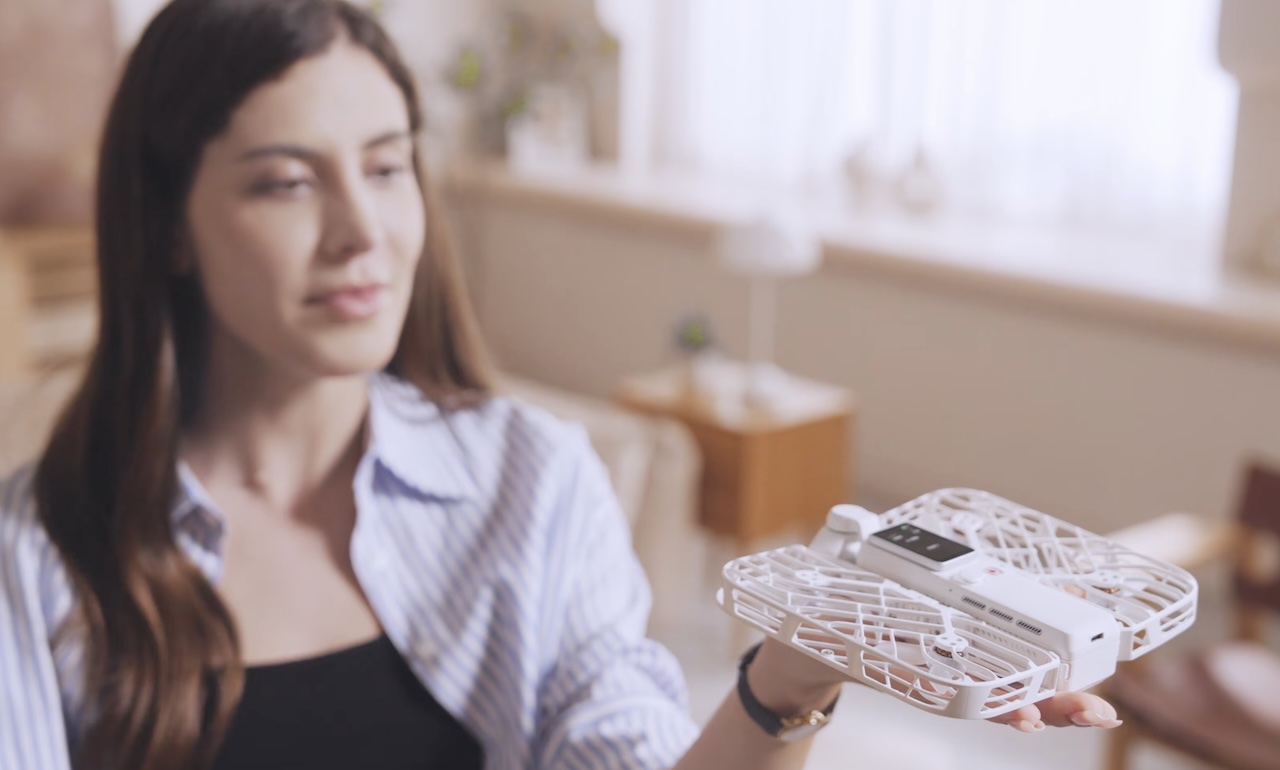
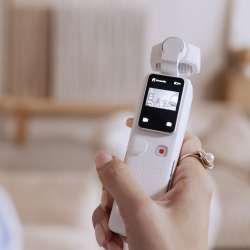
You hold it like a gimbal. Then you snap wings onto it and let go, and it keeps filming you from the air. That is the entire pitch for HOVERAir VERSA, and it is a much weirder idea than another tiny drone.
HOVERAir describes VERSA as a pocket camera that flies, a single device that merges handheld stabilization with autonomous flight. We have covered plenty of pocket gimbal cameras that nail stabilization in the hand, but none of them leave it. VERSA wants both jobs from one body.
The catch is that the official page still leaves out price, sensor details, battery life, launch timing, and video resolution, so treat this as an early look rather than a buying decision.
What HOVERAir Has Announced So Far
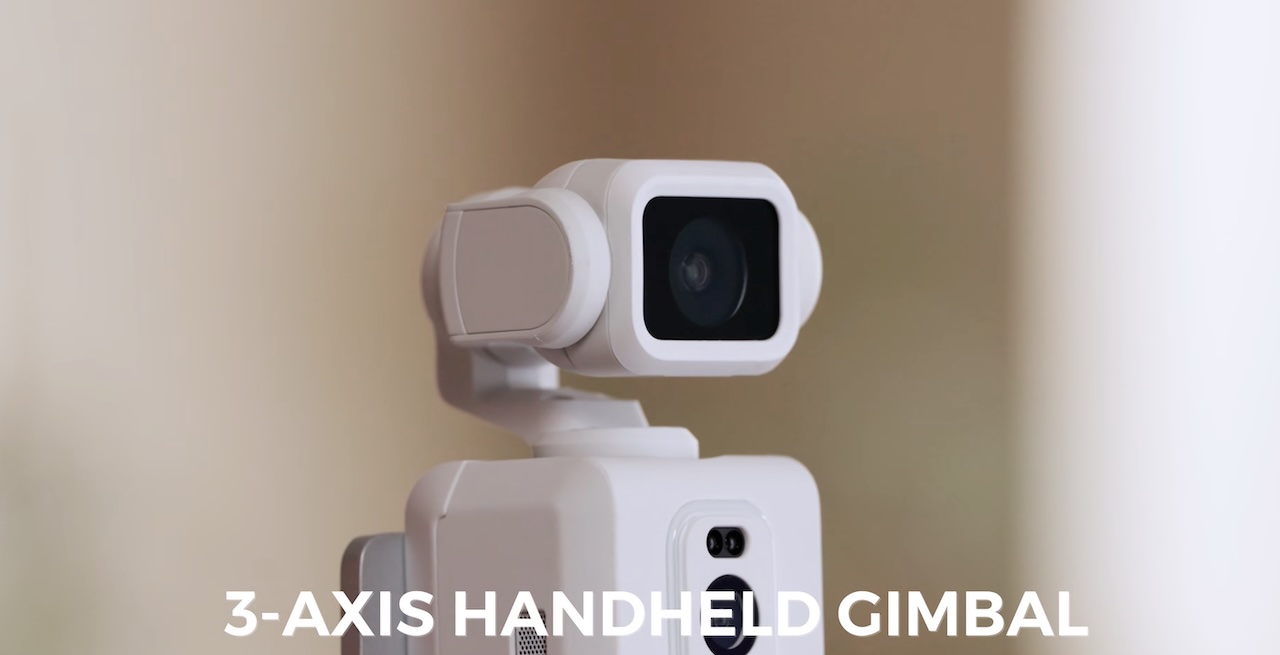
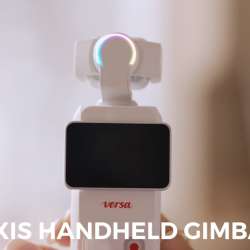
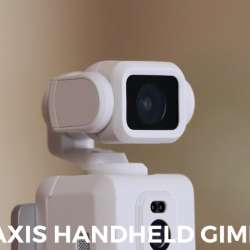
VERSA starts as a handheld camera with a 3-axis gimbal, which is the ground-mode half of the pitch. HOVERAir says that gimbal delivers smooth, stable footage, and pitches the device as pro-grade hardware shrunk to pocket size, aimed at turning daily adventures into footage that looks directed. The company also credits an industry-leading image processor for wide dynamic range and clean low-light footage, which is the closest thing to a camera-quality claim on the page.
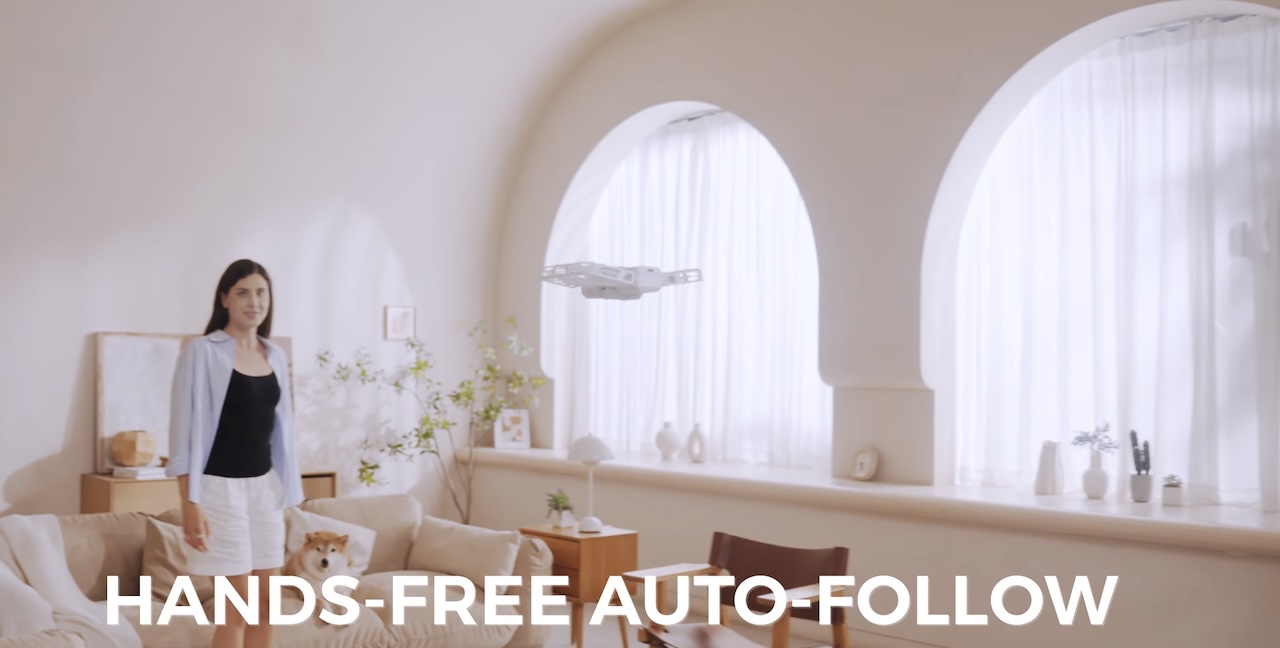
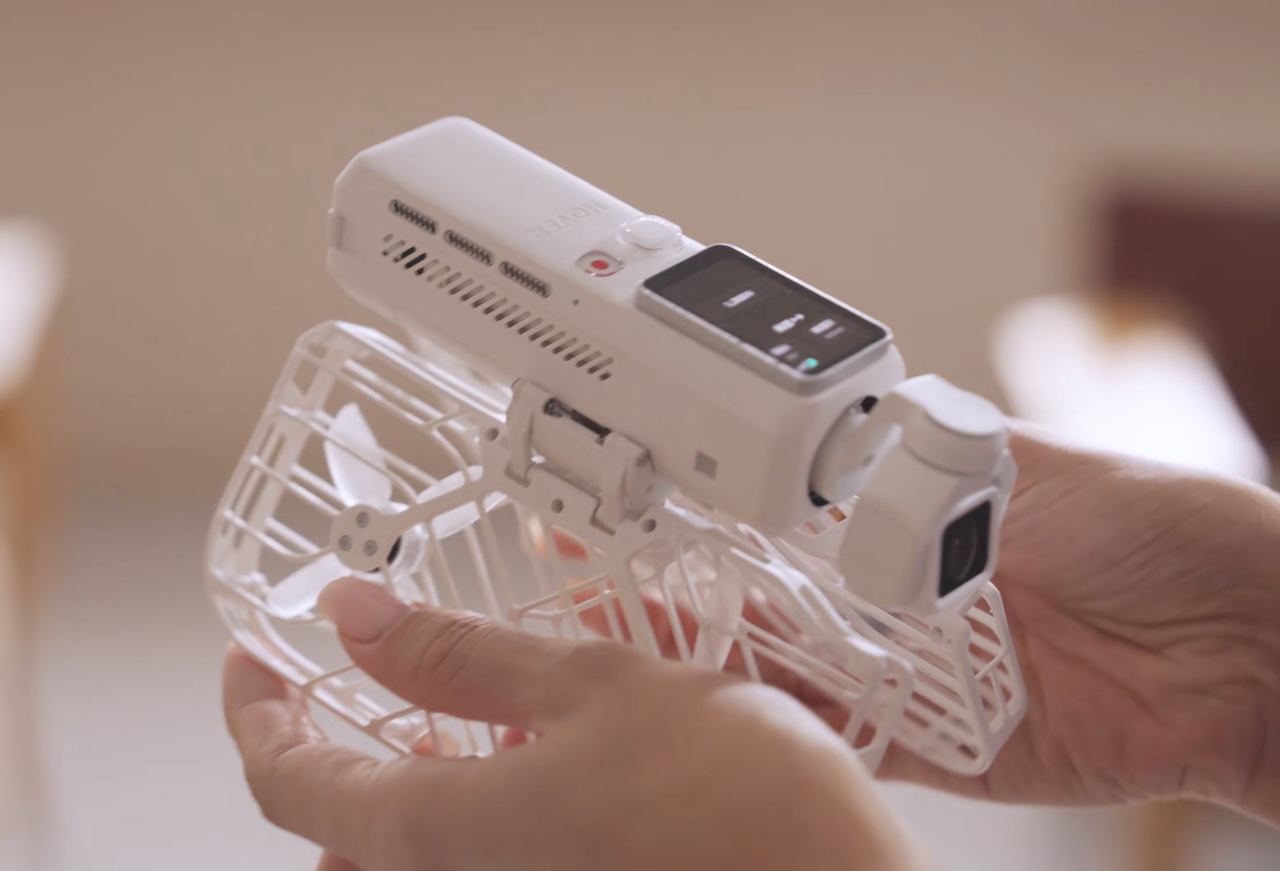
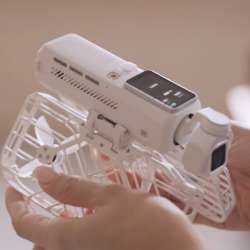
The stranger half arrives once the wings go on. At that point, according to HOVERAir, there is nothing to fly: no remote is involved, and the company says no piloting experience is expected of the owner. It credits an AI tracking engine with keeping up with the subject, and counts more than ten intelligent flight modes.
That matters because HOVERAir’s lane has never been traditional drone piloting. The brand is selling the idea of a personal cameraman that launches quickly, tracks the subject, and handles the camera movement without asking the user to think like a pilot.
Why This Is Different From a Normal Pocket Gimbal
A pocket gimbal is useful until you want a shot that needs distance, height, or motion you can’t create with your arm. A small drone solves that, but most drones still bring setup friction, controls, airspace concerns, and a different kind of attention. That gap is why the small camera drone category keeps selling even to people who never wanted to learn to fly.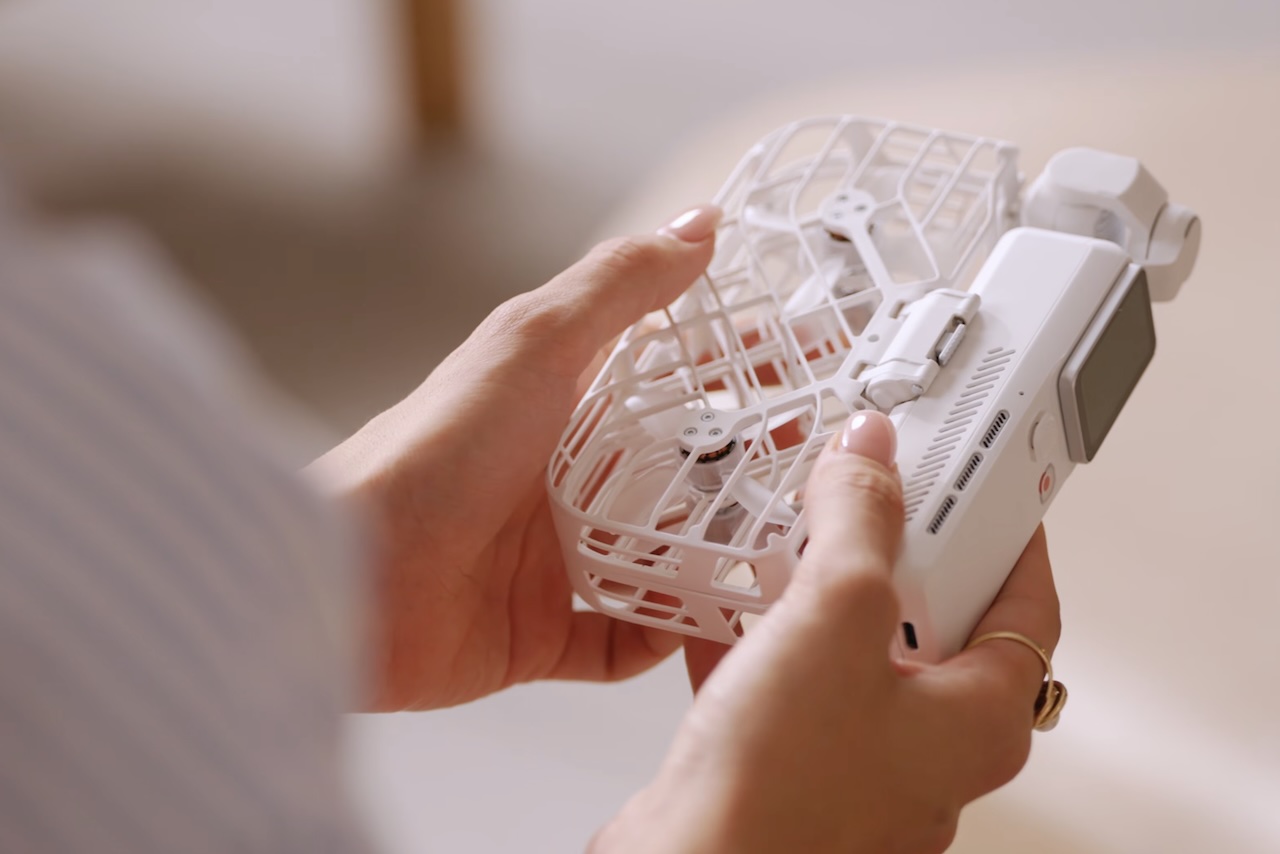
VERSA tries to collapse those two modes into one device. On the ground, it is a stabilized pocket camera. In the air, HOVERAir says it becomes an autonomous flying camera that can follow and frame the user without a controller.
The source page does not say how the wing attachment works mechanically, how long the changeover takes, or what the camera weighs in either mode. Those details will decide whether VERSA feels like a clever everyday camera or a concept that still has too many moving parts.
AI Framing Is the Quietly Important Feature
Beyond keeping you in the shot, HOVERAir claims VERSA has opinions about where the camera should sit. Per the company, it reads the surrounding scene, proposes a shooting position, and then trims the frame on its own to keep things balanced.
Put that way, it is a larger promise than tracking. Tracking stops you from wandering out of frame. Picking the angle and tightening the crop is closer to the work a person behind the camera does, and it is the part that would actually show up in the finished clip.
None of that can be judged from an announcement page. HOVERAir does say the framing stays something you control, but not how that control works: there is no indication of how often the system steps in, how you decline a suggestion, or what the automatic crop costs in resolution. Those are hands-on questions.
3D Worlds Could Be the Feature That Makes It Feel New
The oddest item on the announcement page is a capture mode HOVERAir calls 3D Worlds. As the company describes it, VERSA flies a controlled circle around whatever you point it at, and the result is rebuilt into a scene you can spin and inspect from other angles on ordinary devices.
Functionally that reads as spatial capture rather than a drone orbit, and it is the one mode that genuinely needs the flying half of this product. A camera in your hand cannot walk a clean circle around a statue at head height.
The gaps here are wide. Nothing has been said about what file you end up with, how long processing takes, how the result gets shared, which apps can display it, or whether it needs open space and cooperative light. File it under interesting, unproven.
Where VERSA Fits in the HOVERAir Lineup
HOVERAir frames VERSA as the next step in a line that started with the Hover Camera Passport in 2016, moved through HOVERAir X1 in 2023, X1 PRO and PROMAX in 2024, and AQUA in 2025. The company says the X1 was made for daily vlogs, travel, and family moments, while the X1 PRO and PROMAX focused more on action and photography.
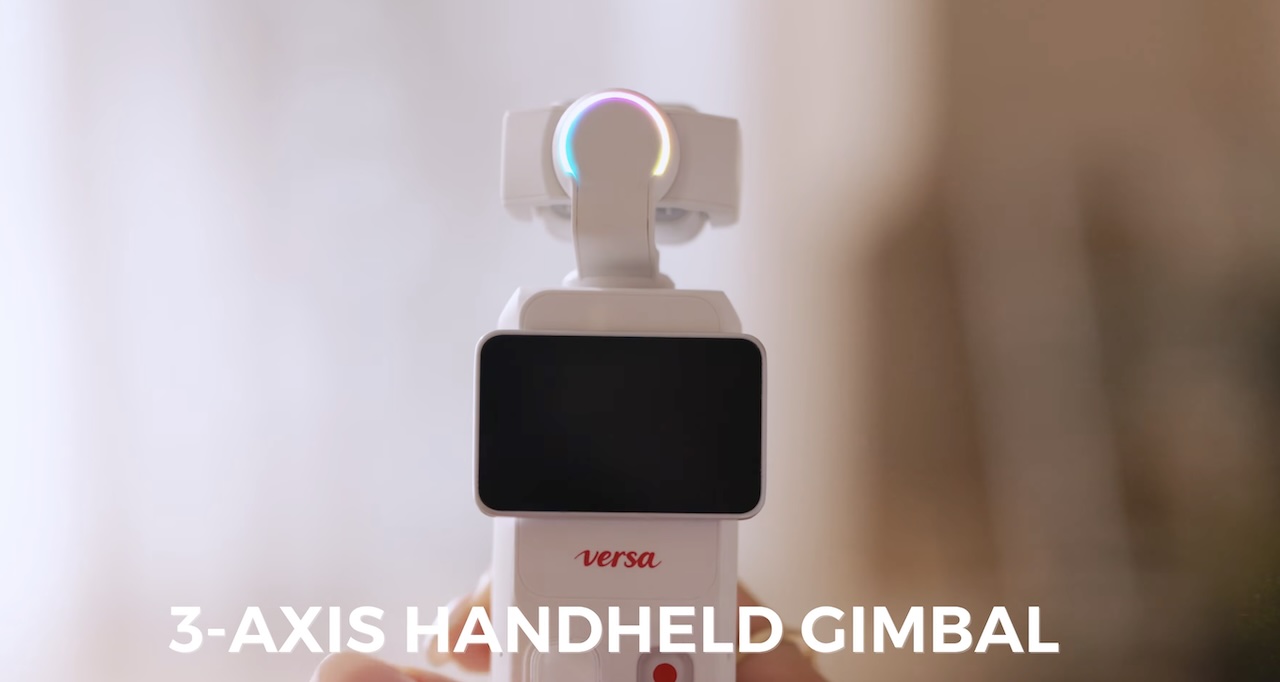
VERSA appears to be the all-around creator model. It is not described as waterproof like AQUA, and the page does not position it as the top sports option like the X1 PRO and PROMAX. Instead, the hook is modular perspective: handheld stabilization when you are close to the subject, autonomous flight when the shot needs separation.
That makes the audience specific. VERSA is for people who already understand why a phone, selfie stick, pocket gimbal, and small drone each solve different problems, but do not want to carry all of them.
What We Still Need to Know
The official VERSA page leaves out the numbers that usually decide whether a creator camera is practical. Price is still missing. So are battery life, weight, camera resolution, sensor size, storage, microphone support, charging details, wind resistance, flight range, availability, and accessory pricing.
 Those gaps matter more here than they would on a normal camera. If the flying mode is short, the device becomes a neat trick. If the handheld mode has limited camera specs, it becomes a drone-first product pretending to replace a gimbal. If pricing lands too close to buying separate dedicated devices, the whole “one device” argument gets harder.
For now, VERSA is best treated as a watch-list product. The concept is strong, but the buying decision should wait until HOVERAir publishes the full spec sheet and reviewers can test the camera in both modes.
The Bottom Line
HOVERAir VERSA is one of the more interesting creator-camera ideas of 2026 because it does not just shrink a drone or add a gimbal to a camera. It tries to make handheld and flying footage feel like two modes of the same object.
Price: TBD
Where to Buy: HoverAir
That is the right problem to attack. The unanswered question is whether HOVERAir can make the transformation fast, the camera quality strong, and the flight mode useful enough that creators actually leave other gear at home.
