
April Fools is the one day a year where tech companies try to out-prank each other with fake product announcements. Google’s smell-search. Tesla’s fake bankruptcy tweet. The problem is that real consumer tech has gotten so genuinely weird that the line between prank and product barely exists anymore. Every one of these funny gadgets sounds like it belongs in a satirical press release, complete with the kind of premise that would make you close the browser tab. They’re all real, they’re all buyable, and a few of them are actually kind of brilliant once you get past the absurdity.
Some of these started as crowdfunding moonshots and turned into legitimate product categories. Others remain gloriously niche unusual gadgets, purchased mostly by people who enjoy explaining their weird purchases to confused friends. Whether you’re hunting for funny tech gifts or just proof that we live in the strangest timeline, this list delivers.
The tech world loves solving problems nobody asked to have solved, and that instinct has produced some delightfully strange hardware along the way. What follows are seven weird tech gadgets sitting right on the line between genius and absurdity.
Pavlok 3: The bracelet that shocks you out of bad habits
Pavlok built its brand around a concept that sounds like a dystopian punishment device: a wristband that delivers a mild electric shock whenever you engage in a habit you’re trying to break. Smoking, nail-biting, doomscrolling. The company says the mild shock creates an aversive association, gradually training your brain to stop reaching for the behavior. It sounds like something a villain would invent, and the marketing leans fully into that energy.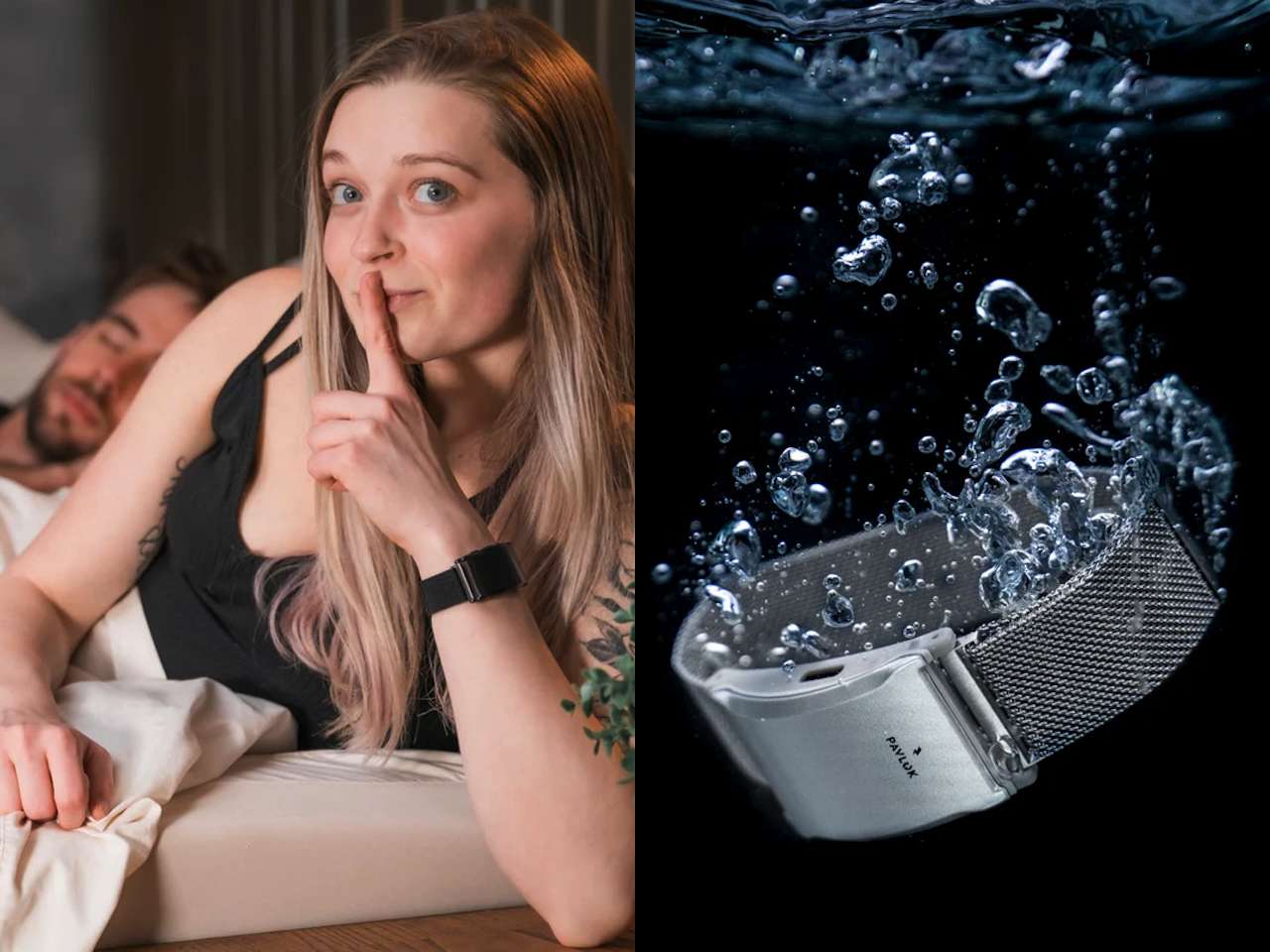
The companion app lets you set target habits and trigger the zap manually, or use it alongside app-based habit triggers you configure yourself. You can also opt for vibration and beep alerts if you want the accountability without the voltage. That addition to the third-generation model feels like a concession to the fact that not everyone wants to electrocute themselves into self-improvement.
Price: $179.99
Where to Buy: Amazon
The Bob Ross Toaster burns a portrait onto your bread
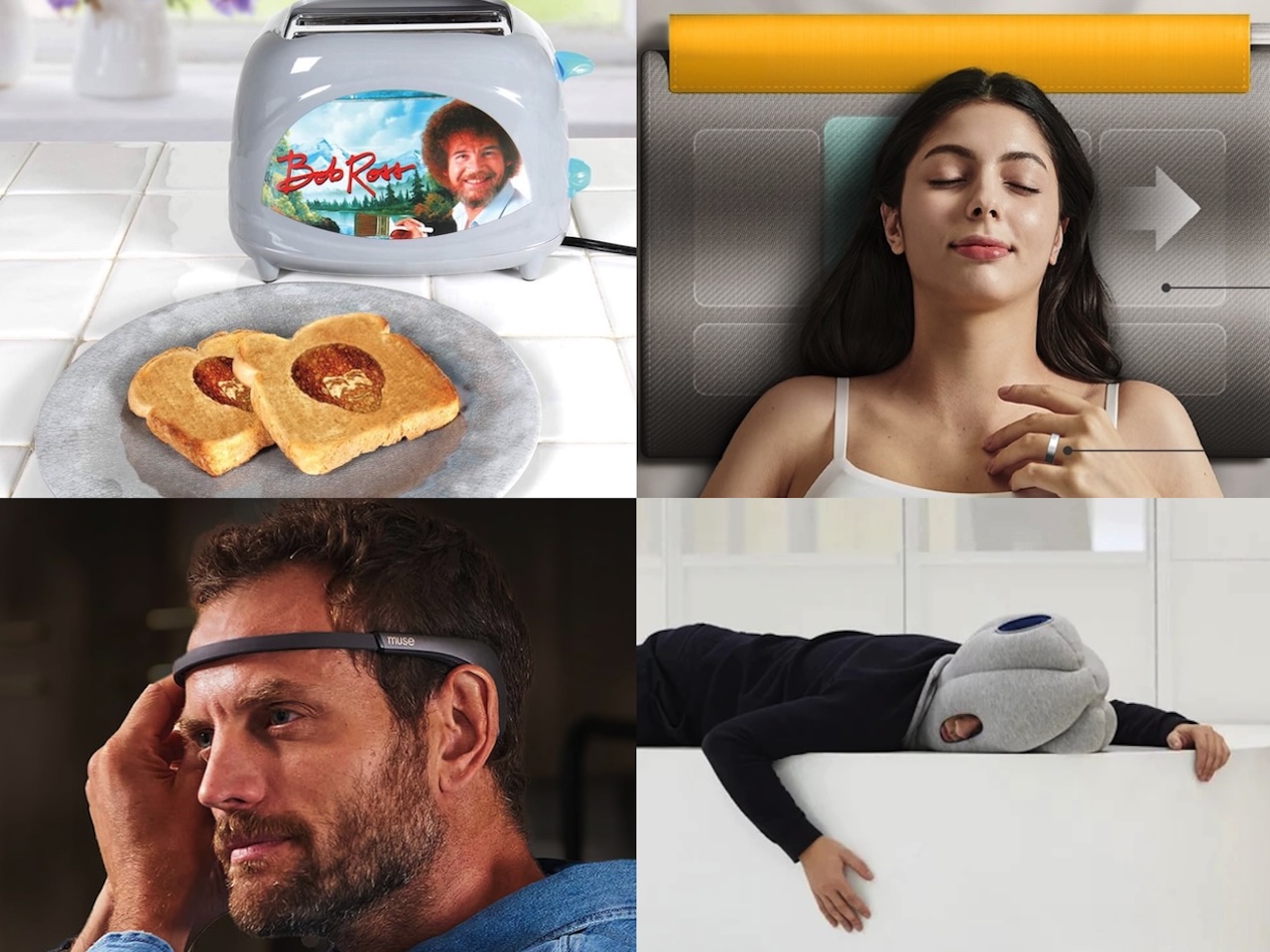
Uncanny Brands took the most wholesome painter in television history and turned him into a kitchen appliance. The Bob Ross Toaster stamps his iconic face and unmistakable hair onto every slice of bread it touches. You’re not customizing anything here. It’s Bob or nothing, and honestly that’s the correct choice.
Stamped aluminum plates inside create hot and cool zones that produce a surprisingly recognizable portrait through differential toasting. The outside of the toaster features a colorful illustration of Ross and his paintings, so the thing doubles as kitchen decor even when it’s not making happy little toast.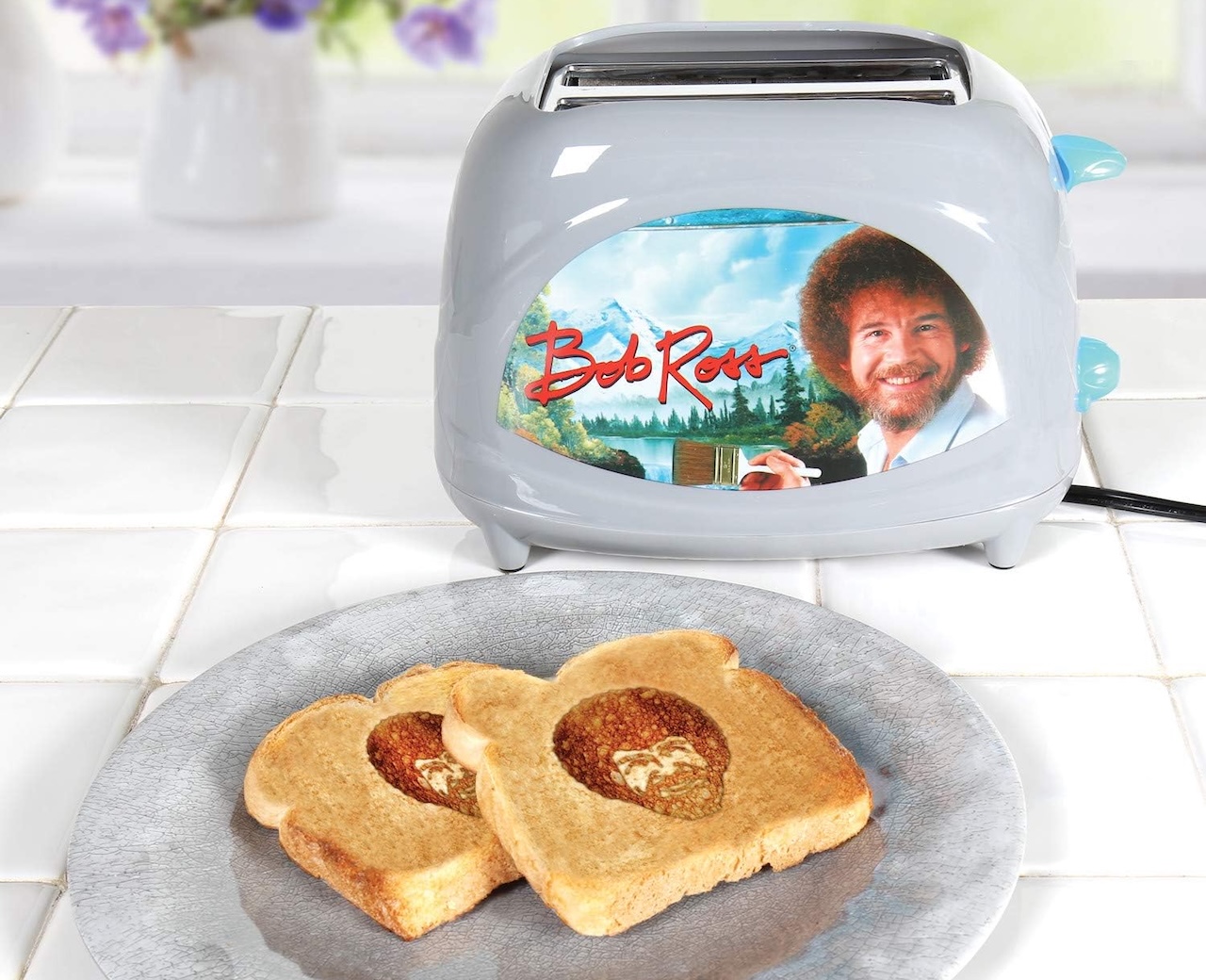
Two slots, adjustable thermostat, reheat, defrost, and quick-stop functions. It handles the basics fine for a novelty appliance, and the lightweight polypropylene housing cleans up easier than you’d expect. Pop tarts work too, according to owners who’ve tested the limits.
The fact that this exists at all feels like peak internet, but it’s been selling steadily for years. Breakfast art featuring a beloved PBS painter sits in a market category nobody predicted and apparently nobody wants to leave.
Price: $39.99
Where to Buy: Amazon
The Ostrich Pillow is designed to swallow your entire head
Ostrich Pillow doesn’t look like a pillow. It looks like a soft alien pod designed to absorb a human head. The original covers your entire head in padded fabric with one opening for your face and two smaller openings for your hands, creating a cocoon of darkness that blocks out light, sound, and the judgment of everyone around you. If you’ve ever wanted to nap in an airport terminal without caring what strangers think, this is your product.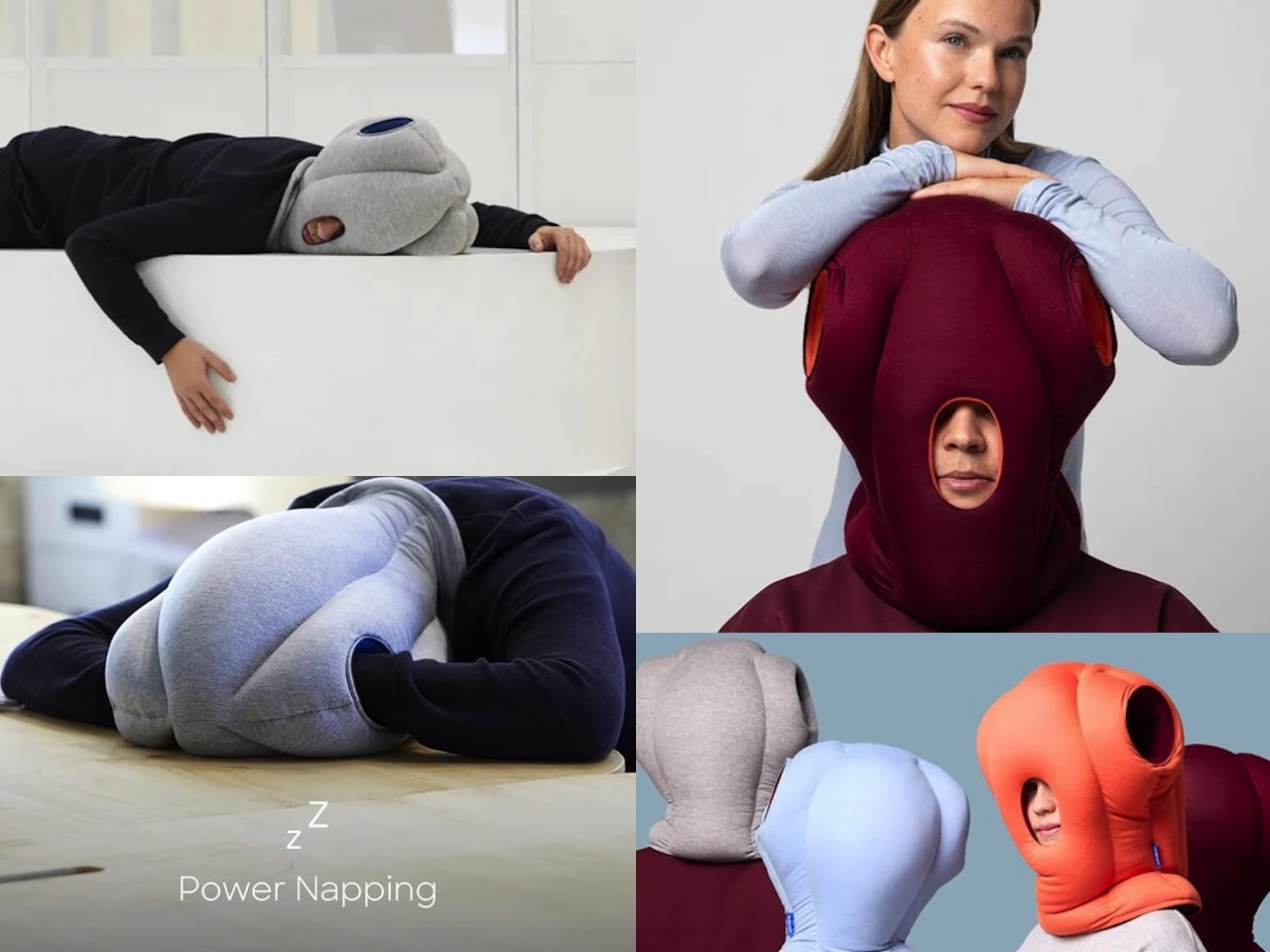
Studio Banana Things launched it through a Kickstarter that went viral because the product photos looked so absurd that everyone assumed it was a joke. The microbead-filled interior genuinely creates a cozy micro-environment for quick naps, and the brand built an entire product line around immersive rest after the campaign took off. The tradeoff is looking like you’re being slowly consumed by sentient furniture, which is either a dealbreaker or the entire appeal.
Price: $99.99 (Discounted from $135)
Where to Buy: Amazon
HidrateSpark PRO is the water bottle that glows at you until you drink
HidrateSpark built a smart water bottle that tracks intake, syncs with a fitness app, and glows in customizable LED colors when you fall behind. The sensor-equipped base measures consumption against your personalized goal and lights up the entire bottle like a neon sign when you’re slacking. Your water bottle is now your accountability partner, and it isn’t subtle.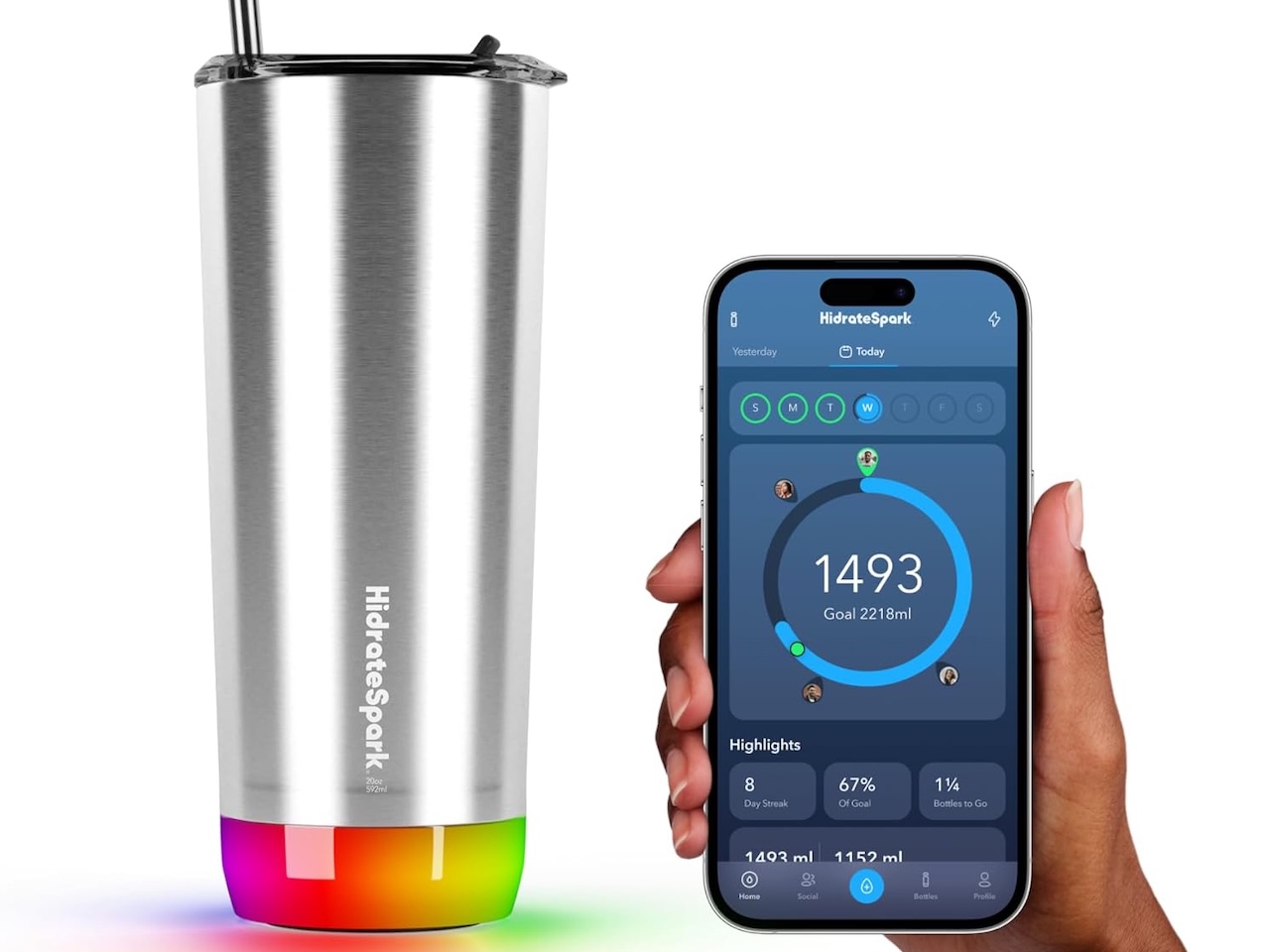
The app pulls activity data from Apple Health and Fitbit and factors in local weather to adjust your target automatically, which is a genuinely smart feature for something that’s essentially a glowing cup. A hot day with a long run sets a higher goal than a sedentary afternoon indoors.
The PRO model keeps water cold for 24 hours. HidrateSpark claims to have helped over a million people drink more water, suggesting that passive-aggressive hydration reminders from a neon cylinder work for a surprising number of people.
Price: $49 (From $69.99)
Where to Buy: Amazon
The Muse 2 headband reads your brainwaves and turns them into weather
Muse 2 is an EEG-powered meditation headband that monitors brain activity in real time and translates it into audio. Calm mind, gentle weather and birdsong. Racing thoughts, storms. Your brain controls a tiny weather system inside your headphones, which is either the most zen concept imaginable or deeply unsettling.
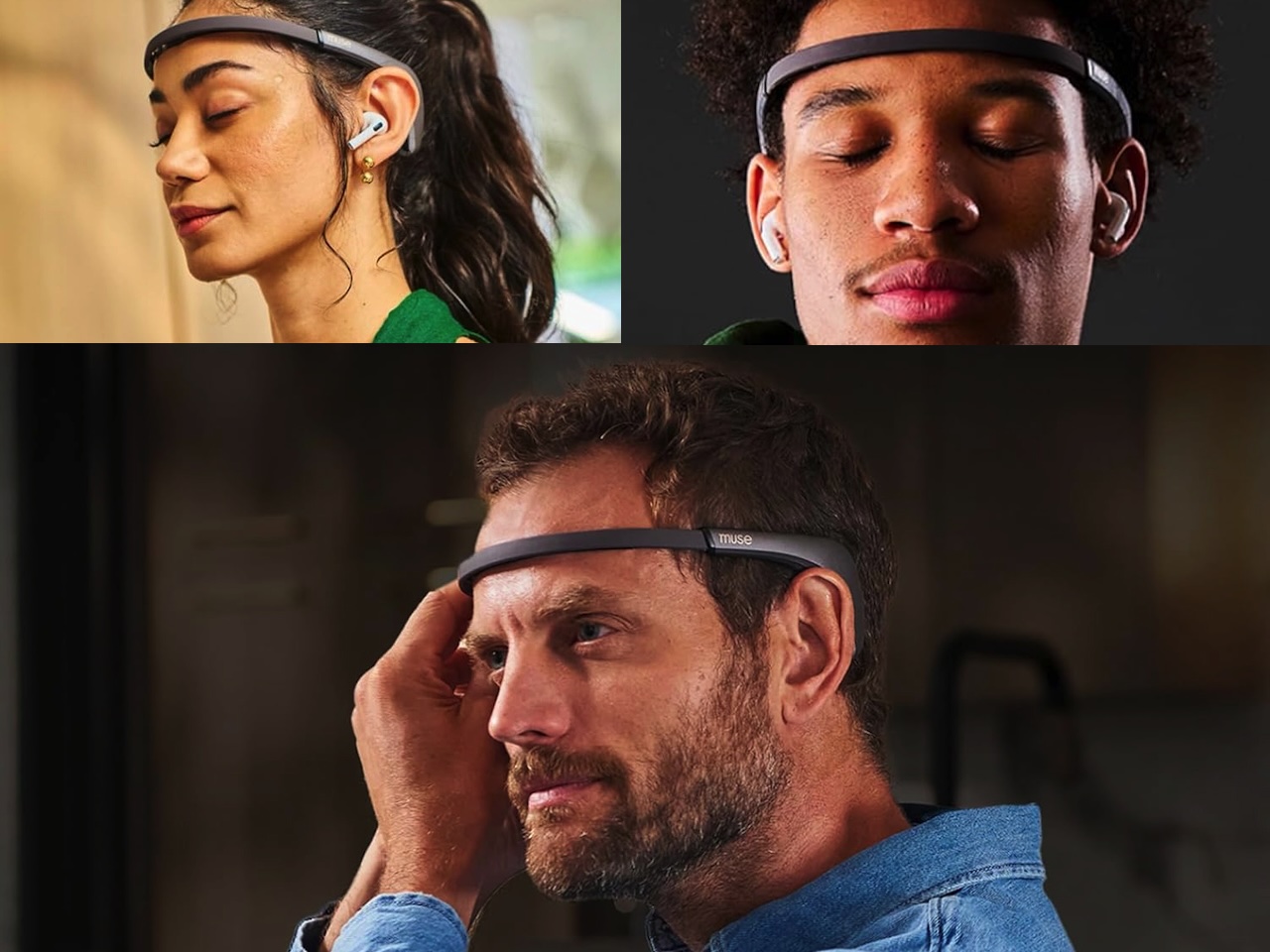 Its sensor array — four EEG electrodes, a PPG heart-rate sensor, an accelerometer, and a gyroscope — tracks brain activity, heart rate, breathing, and body movement. You notice it fast: the moment your attention drifts, the soundscape shifts, and that immediacy makes the technology feel less like a gadget and more like a mirror. The companion app maps sessions over time, graphing calm versus active periods across weeks. Muse positions the headband as a training tool rather than a medical device, and the slim design draws significantly less public attention than the Ostrich Pillow.
Price: $249.99
Where to Buy: Amazon
The Woojer Vest 4 lets you physically feel music and explosions
Woojer’s Vest 4 converts audio into physical vibrations using multiple transducers across your chest and back. The system creates directional haptic feedback, meaning you can feel where a sound originates. That spatial accuracy is better than you’d expect from a wearable.
A helicopter in a game vibrates across your shoulders. A bass kick hits your chest. An explosion behind you pulses through your back. The effect is immediate and surprisingly precise.
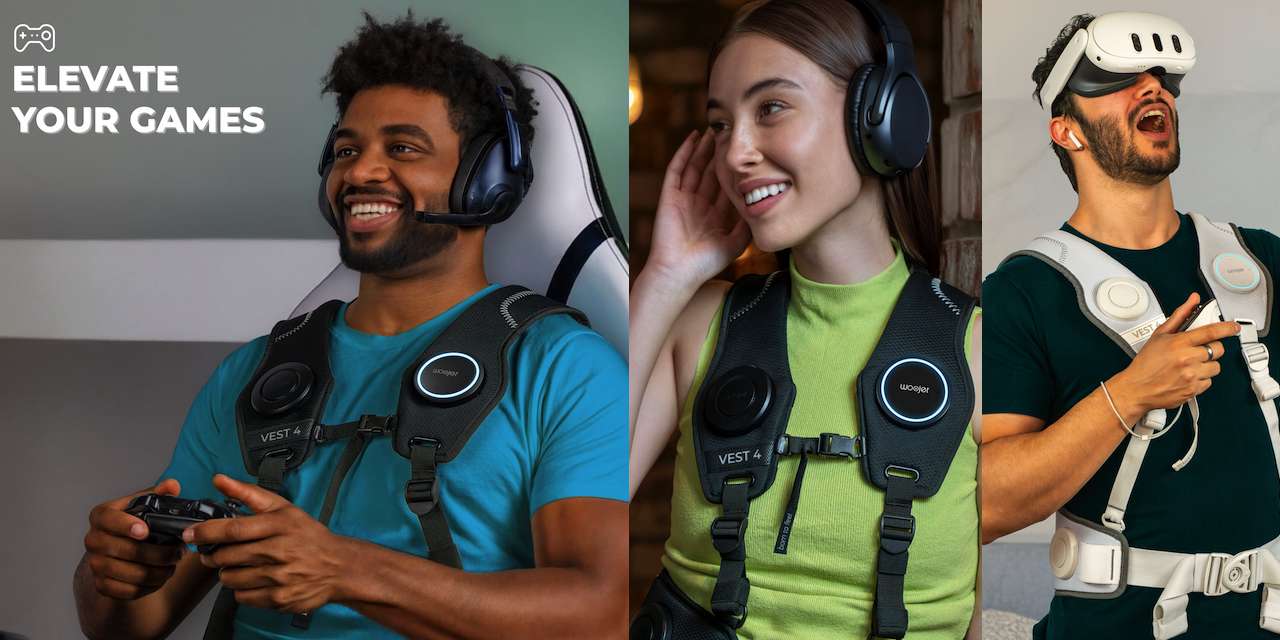 It connects via Bluetooth or 3.5mm and works with any audio source. The vest doesn’t replace headphones; it adds a physical layer that turns passive listening into a full-body experience.
The immersion is impressive once you get past wearing a vibrating vest in front of other humans. Concert-level bass response without hearing damage, wrapped in something that looks like lightweight tactical gear.
Price: From $359
Where to Buy: Woojer
Motion Pillow uses an airbag to move your head when you snore
Motion Pillow solved snoring in the most aggressively engineered way possible: a separate bedside unit called the Motion System uses an AI-powered microphone to detect your snoring, then signals inflatable airbags inside the pillow to gently tilt your head and open your airway. When the system hears you, the pillow inflates a specific section to nudge your position, then deflates once the snoring stops. Your pillow is now an autonomous head-repositioning system.
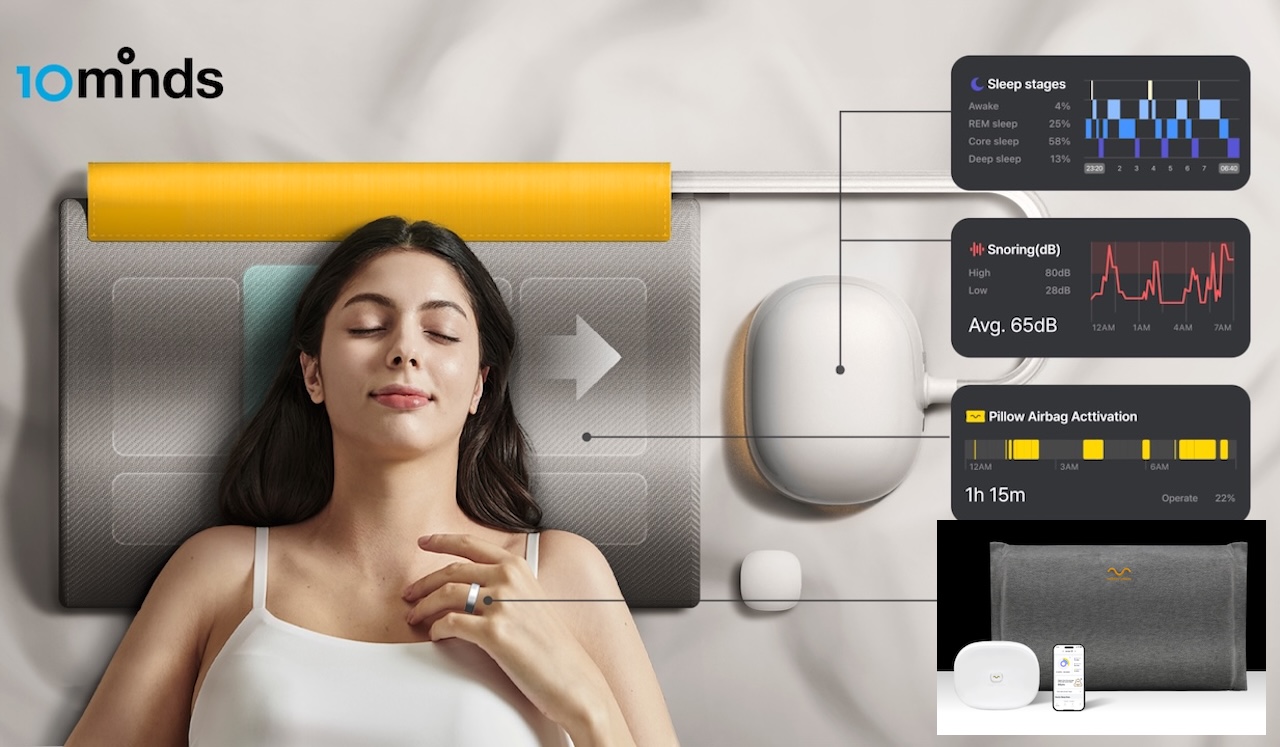 The Motion System picks up patterns wirelessly and learns to distinguish your snoring from ambient noise over time. The inflation is gradual enough to avoid waking you while still changing head position meaningfully, and the balance between intervention and sleep disruption is handled better than you’d expect.
The app tracks when you snored, how long episodes lasted, and how often the pillow intervened. Genuine buzz from the sleep community suggests this is one of the more legitimately useful gadgets on the list. It also means your pillow makes autonomous decisions about your head while you’re unconscious, which is either comforting or terrifying depending on your relationship with sentient bedding.
Price: From $349
Where to Buy: Motion Pillow
The line between joke and product keeps moving
Every gadget on this list exists because someone looked at a ridiculous premise and decided to build it anyway. Some of them work better than they have any right to. Some of them are mostly just conversation pieces. All of them are real, available right now, and more fun to own than a normal version of the same category would ever be.
The weird tech gadgets that stick around usually solve something genuine, even if the solution looks absurd from the outside. A bracelet that shocks you is still a habit tracker. A glowing water bottle is still a hydration reminder. A snore-detecting airbag pillow is still a sleep tool. The joke is the packaging. The function is real. That combination is harder to pull off than it looks, and the products that land it tend to hold their audience for a long time.

(as of March 31, 2026 20:45 GMT -05:00 - More infoProduct prices and availability are accurate as of the date/time indicated and are subject to change. Any price and availability information displayed on [relevant Amazon Site(s), as applicable] at the time of purchase will apply to the purchase of this product.)

