
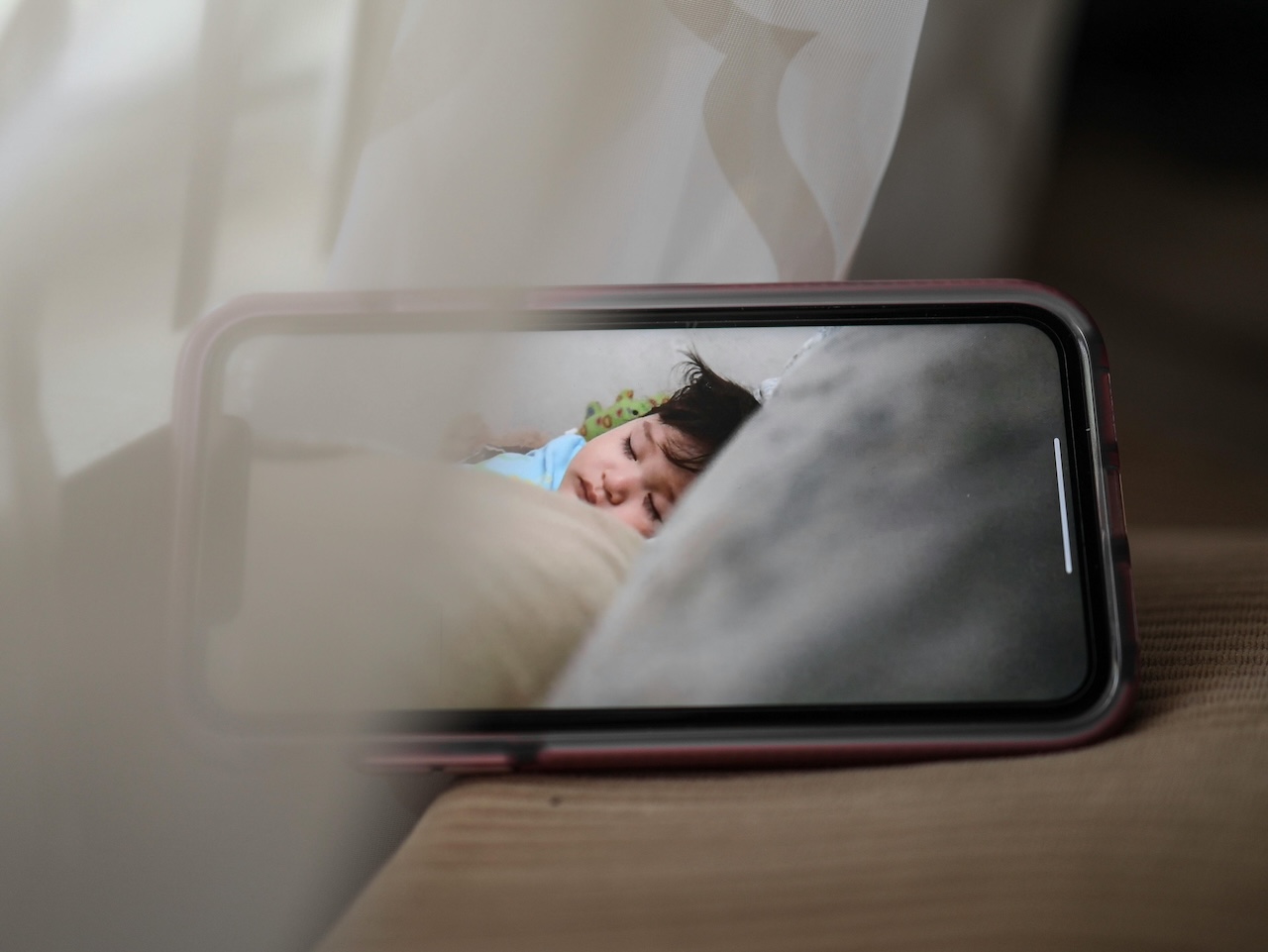
 The baby monitor aisle used to be simple. You picked up a box with a camera and a screen, maybe debated whether you needed night vision, and called it a day. That version of the market still exists, technically. It just happens to sit inside a category that Renub Research now values at $1.22 billion and projects to hit $2.62 billion by 2033, growing at 8.88 percent annually.
Price: Varies
Where to Buy: Amazon
The shift happened gradually, then all at once. Video monitors overtook audio-only models as the dominant segment years ago. But the current generation of smart baby monitors does things that would have sounded absurd a decade ago: AI-powered cry analysis, sleep pattern tracking, breathing monitoring through camera-based algorithms, and real-time health metrics streamed to a parent’s phone from a wearable sock sensor the size of a grape.
What is actually driving the growth
Two trends converged at exactly the right moment. The rise of dual-income households created a generation of parents who want constant visibility into their nursery, even when they can’t physically be in the next room. And the maturation of IoT hardware made it possible to pack HD video streaming, two-way audio, temperature sensors, and motion detection into devices that cost less than a decent pair of headphones.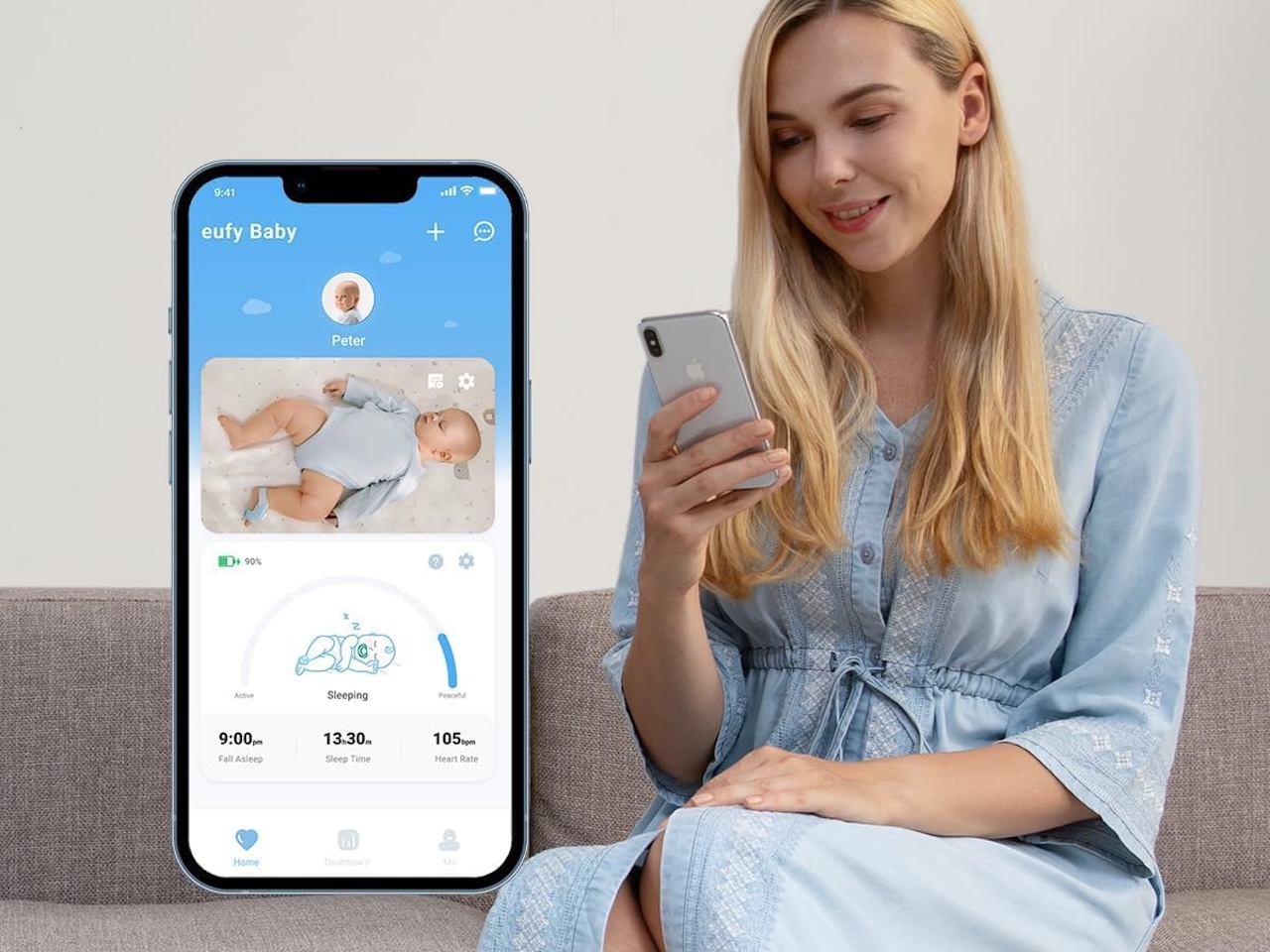
WiFi-connected monitors now lead the wireless segment by a wide margin. Cloud storage, remote access through mobile apps, and integration with voice assistants like Alexa and Google Home turned baby monitors into nodes in the broader smart home ecosystem. Parents aren’t just watching their kids sleep anymore. They’re getting push notifications when the room temperature drops, reviewing time-lapse sleep summaries in the morning, and asking their monitor to play white noise through a voice command while they’re downstairs making dinner.
The AI factor changed the conversation
Artificial intelligence is the feature that separated the current generation from everything that came before it. Cry detection algorithms can now distinguish between hunger cries, discomfort, and overtiredness. Face-covered alerts trigger automatically when a blanket shifts. Rollover detection catches position changes that might not be visible on a standard video feed.
These features are not theoretical capabilities buried in marketing copy. CuboAi documents covered-face and rollover detection as app-enabled features in its own support materials. Nanit built its entire brand around sleep tracking algorithms that analyze movement patterns through the camera, no wearable required. The technology has moved past the early-adopter phase and into the mainstream nursery.
Privacy is the trade-off nobody wants to talk about
The same connectivity that makes smart monitors useful also makes them a target. Stories about WiFi baby monitor hacking and privacy issues circulate widely in parenting communities, and the concerns are legitimate. Any internet-connected camera in a child’s room carries inherent risk, and not every manufacturer handles encryption and data storage with equal rigor.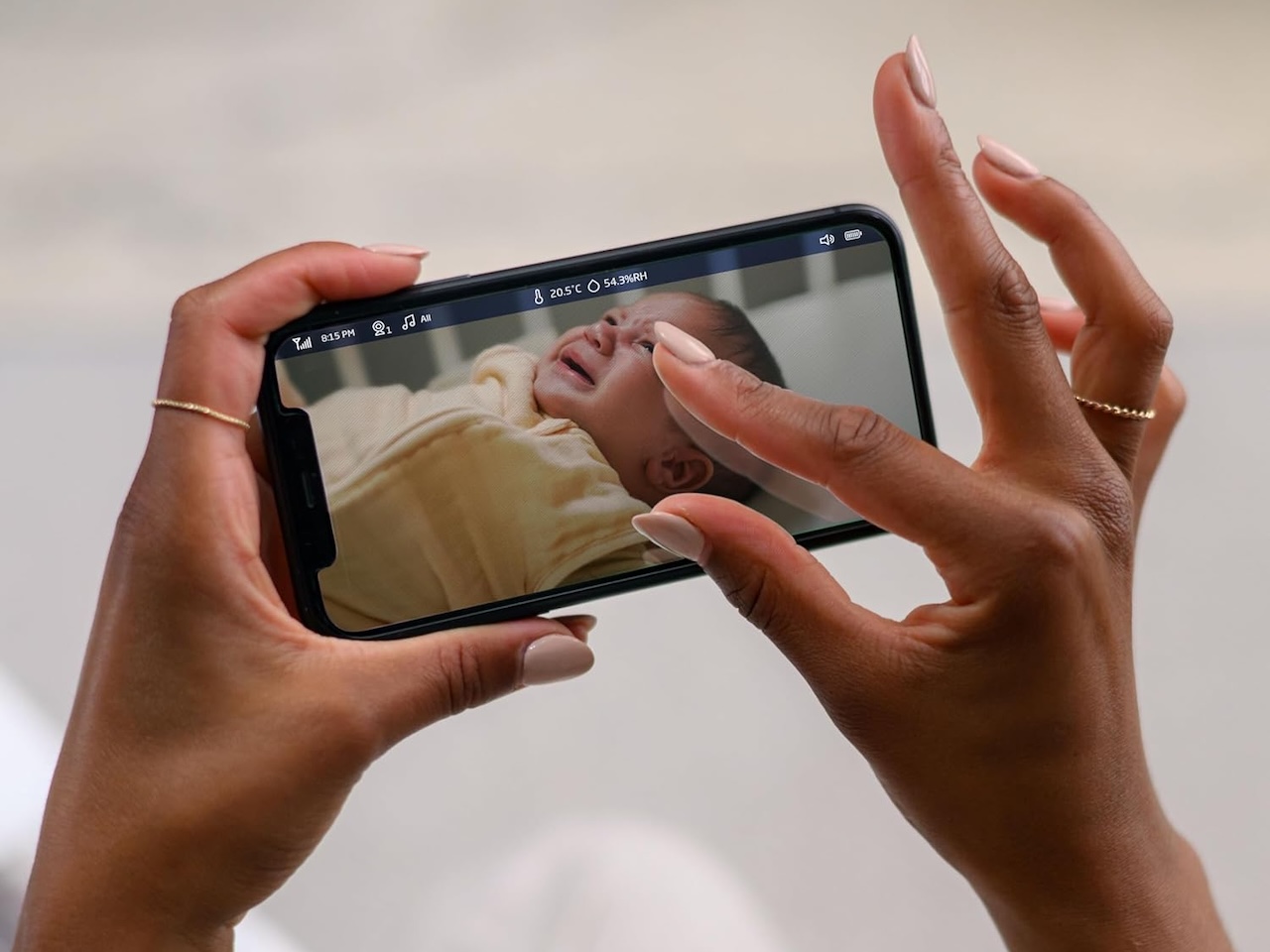
That tension explains why non-WiFi monitors haven’t disappeared. Infant Optics built a loyal following with the DXR-8 Pro, a dedicated monitor that operates on its own encrypted frequency without ever touching the internet. For parents who want video quality without cloud exposure, closed-circuit systems remain a valid choice. The market is growing in both directions simultaneously, which says something about how differently families weigh convenience against security.
Where the money is going next
Many market reports peg online retail as the fastest-growing sales channel for baby monitors, as parents increasingly research and purchase nursery tech the same way they buy everything else.
The companies shaping this space read like a cross-section of consumer electronics and baby gear. Nanit, Owlet, eufy, and CuboAi compete on AI and software. Samsung, Panasonic, and Philips bring consumer electronics scale. VTech and Infant Optics hold ground with families who prioritize reliability and simplicity over connected features. The competitive field is deep, and the $2.62 billion projection suggests there is room for all of them.
5 Best Smart Baby Monitors that show where the market is heading
The following monitors represent the range of what is available in 2026, from AI sleep tracking to health-sensing wearables. Each one reflects a different bet on what parents actually want from nursery technology.
Nanit Pro Smart Baby Monitor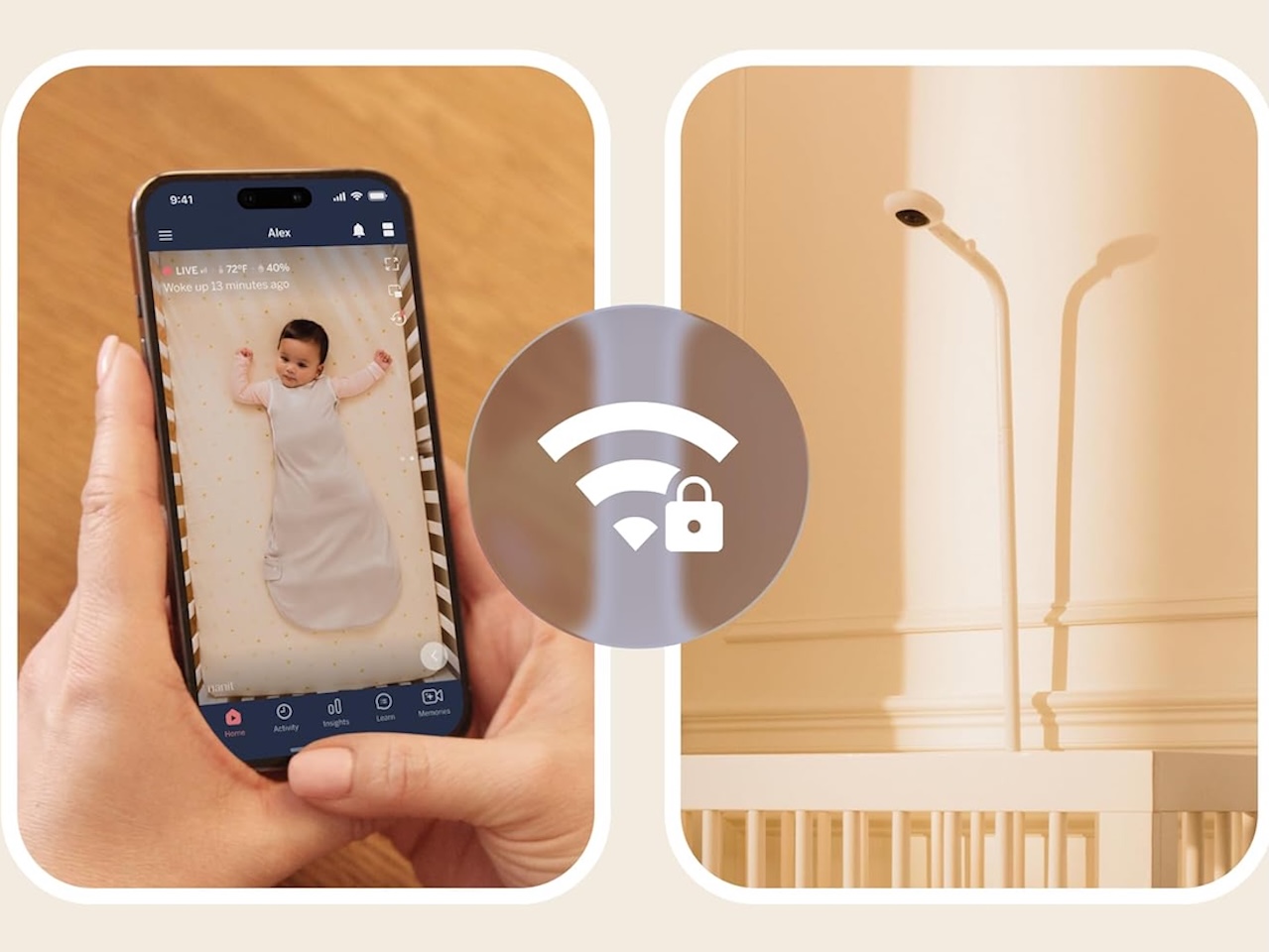
Price: $289.99
Where to Buy: Amazon
Often listed around $289.99, it built its reputation on camera-based sleep and breathing analysis. The 1080p HD camera tracks movement patterns and generates detailed sleep reports without requiring any wearable on the baby. It connects over WiFi, works with a dedicated app, and it’s been recommended by outlets like Wirecutter and WIRED.
CuboAi Plus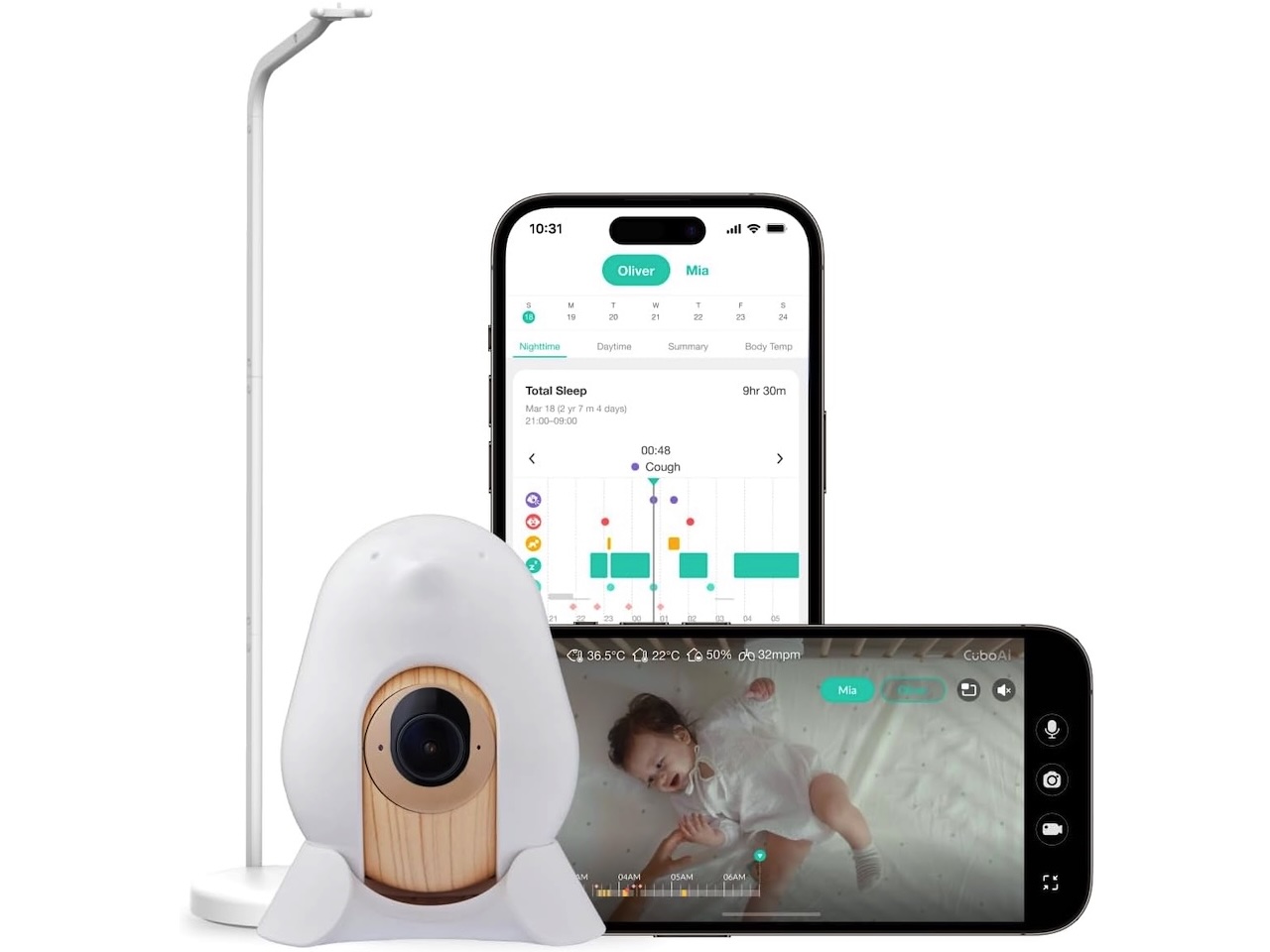
Often seen on sale around $239, it focuses on AI-powered safety alerts. The system detects covered faces, rollovers, and danger zone events in real time. The monitor includes a temperature and humidity sensor alongside its 1080p camera. It has quietly become one of the more capable options for parents who want active hazard detection rather than passive video watching.
Price: $239.00
Where to Buy: Cubo
Owlet Dream Duo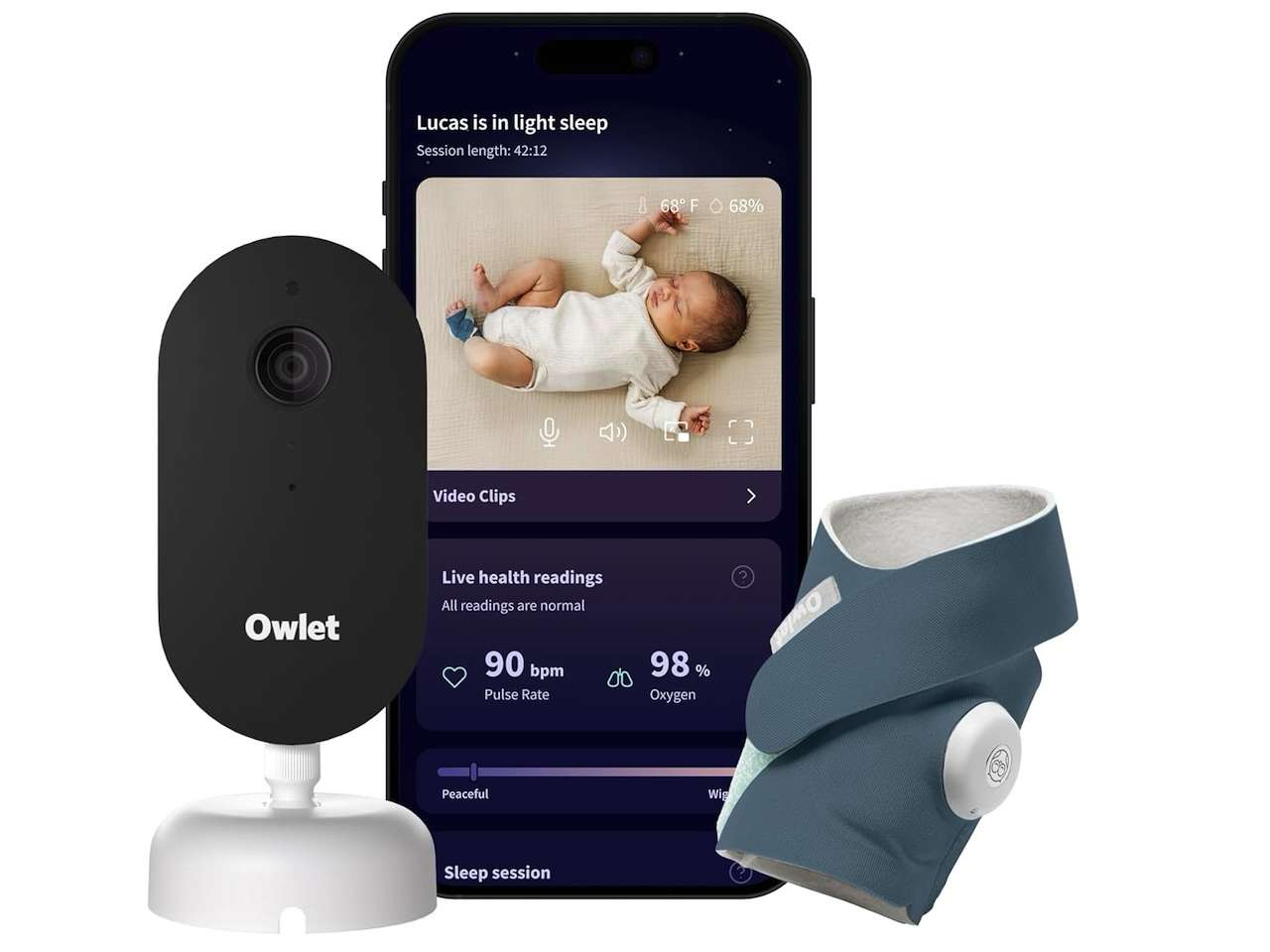
At $379.99, it pairs a smart sock with a camera to track heart rate, blood oxygen levels, and sleep trends alongside standard HD video monitoring. The sock is designed for newborns through 18 months and communicates readings to the parent unit and phone app simultaneously. It occupies the premium end of the market and appeals to parents who want health data as part of their monitoring setup.
Price: $356.49 (Discounted)
Where to Buy: Amazon
eufy Smart Sock S340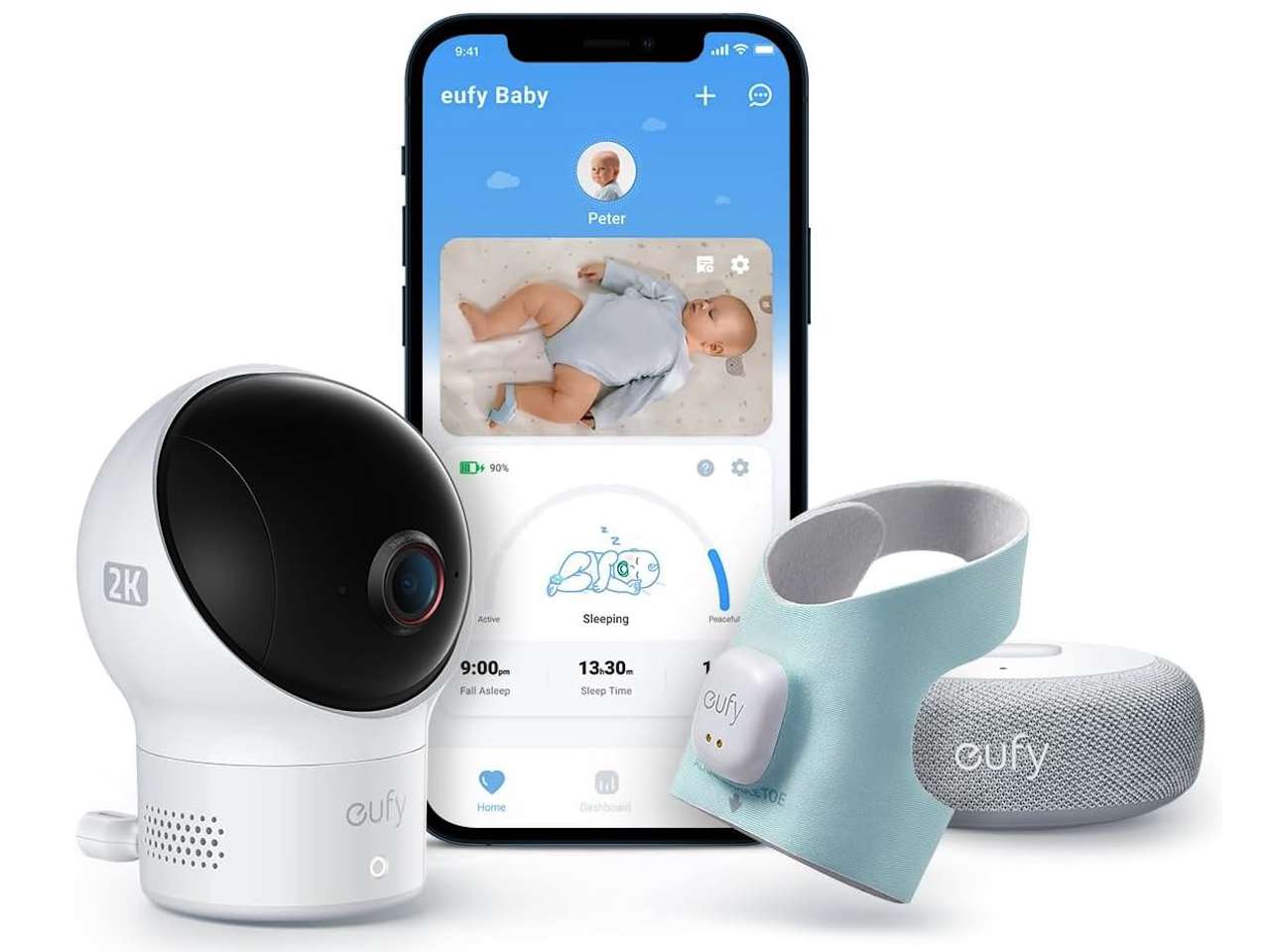
Sometimes priced as low as $149.99, it takes a similar approach to the Owlet Duo but at a lower price point. It combines a wearable health sensor with a 2K camera, tracking heart rate and blood oxygen alongside video. The eufy ecosystem doesn’t require a subscription for basic features, which distinguishes it from competitors that gate advanced analytics behind monthly plans.
Price: $299.99
Where to Buy: Amazon
Maxi-Cosi See Pro 360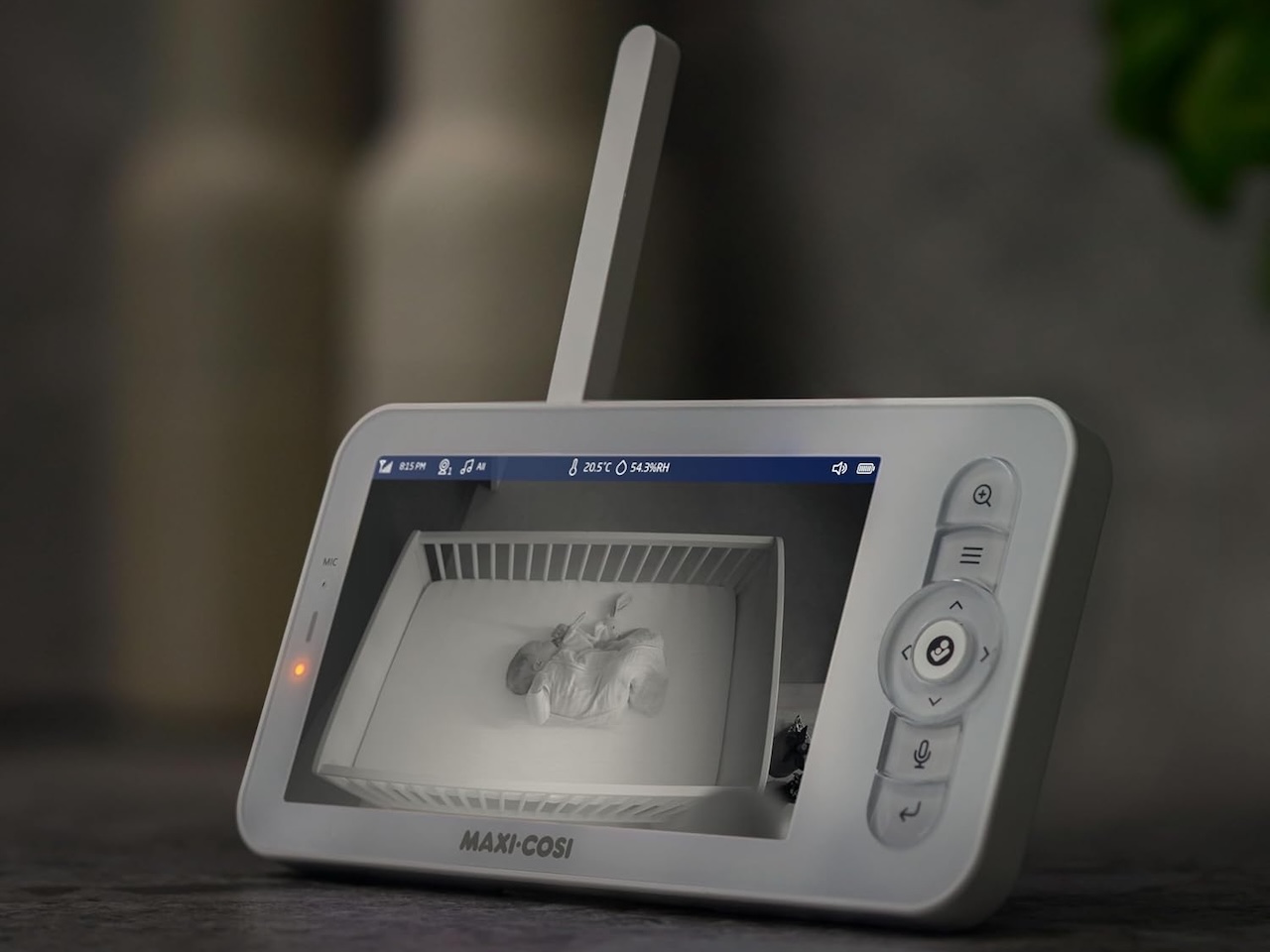
Maxi-Cosi positions it as a 2K ultra-HD system with remote-controlled pan, tilt, and zoom, plus CryAssist for AI-based cry translation. Pricing varies by retailer and promos, so it’s better treated as a range rather than a fixed number. The camera quality sits at the top of the current crop, and the motorized tracking means parents don’t have to reposition the camera as the baby moves.
Price: $299.99
Where to Buy: Amazon
Wrap up
Smart baby monitors have gotten better at spotting patterns and surfacing alerts, but they still can’t replace basic judgment or safe sleep habits. If you want simple and private, a non WiFi monitor is still a clean choice. If you want data and remote check ins, the app driven models can be worth the trade off as long as you’re picky about security and subscriptions.

INIU Mini Portable Charger, Small 45W PD Power Bank, 10000mAh USB C in&Out Fast Charging Pocket Size Battery Pack, Travel Essentials Powerbank for iPhone 17 16 15 14 Pro Air, Xiaomi, Samsung S24 etc
(as of March 25, 2026 18:34 GMT -05:00 - More infoProduct prices and availability are accurate as of the date/time indicated and are subject to change. Any price and availability information displayed on [relevant Amazon Site(s), as applicable] at the time of purchase will apply to the purchase of this product.)