
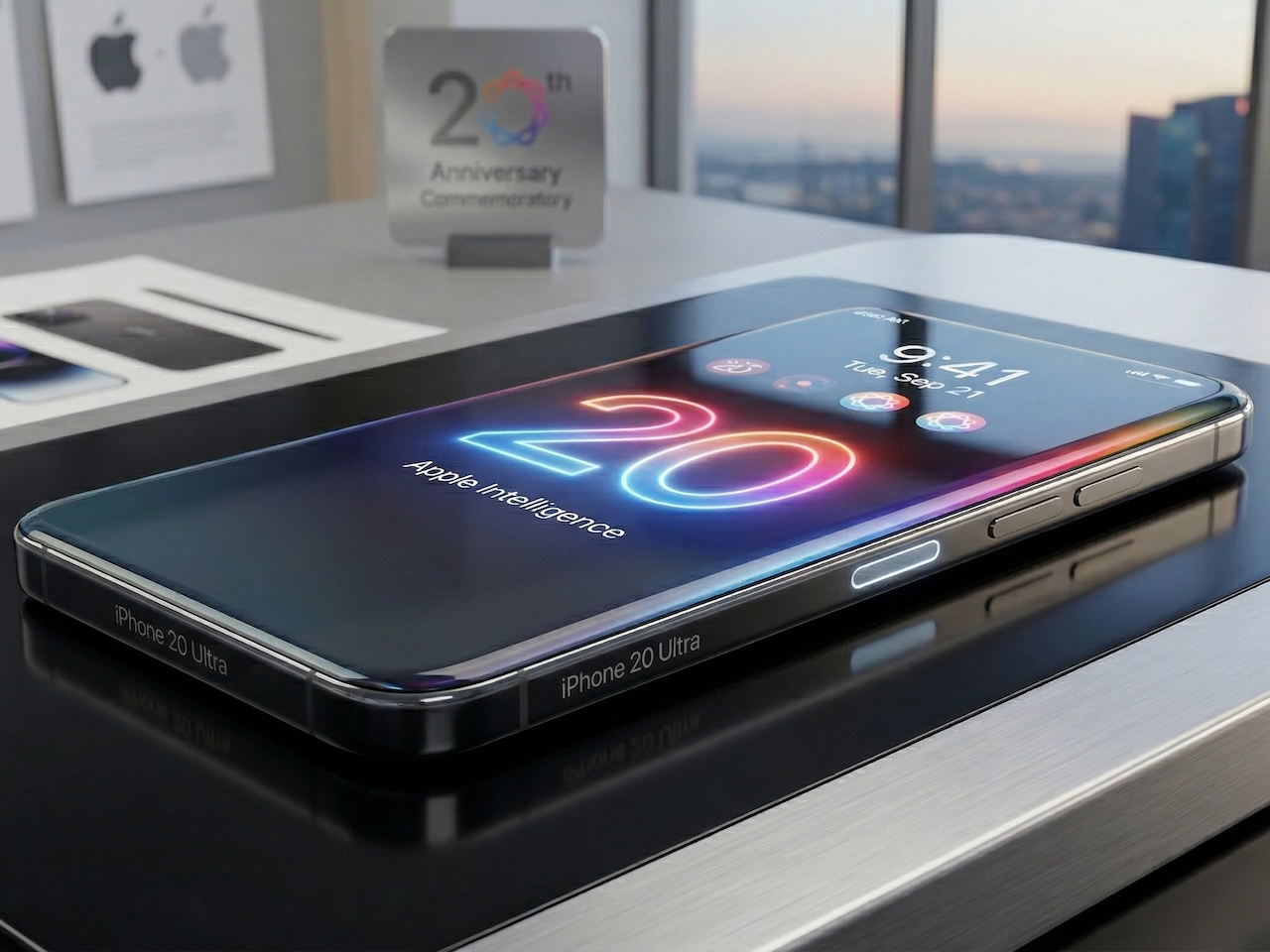
Apple hasn’t said a word about the iPhone 20. That hasn’t stopped the rumor mill from putting together one of the clearest early pictures we’ve seen this far ahead of a launch. Between supply chain leaks, analyst predictions, and a few well-placed Bloomberg reports, the iPhone 20 is shaping up to be the most significant iPhone redesign since the iPhone X. None of this is confirmed, and everything here comes from rumors and early industry talk. But that’s part of what makes this fun. It’s exciting to imagine where Apple might take the iPhone for its 20th anniversary. Here’s everything the leaks are telling us so far.
Will Apple actually skip the iPhone 19?
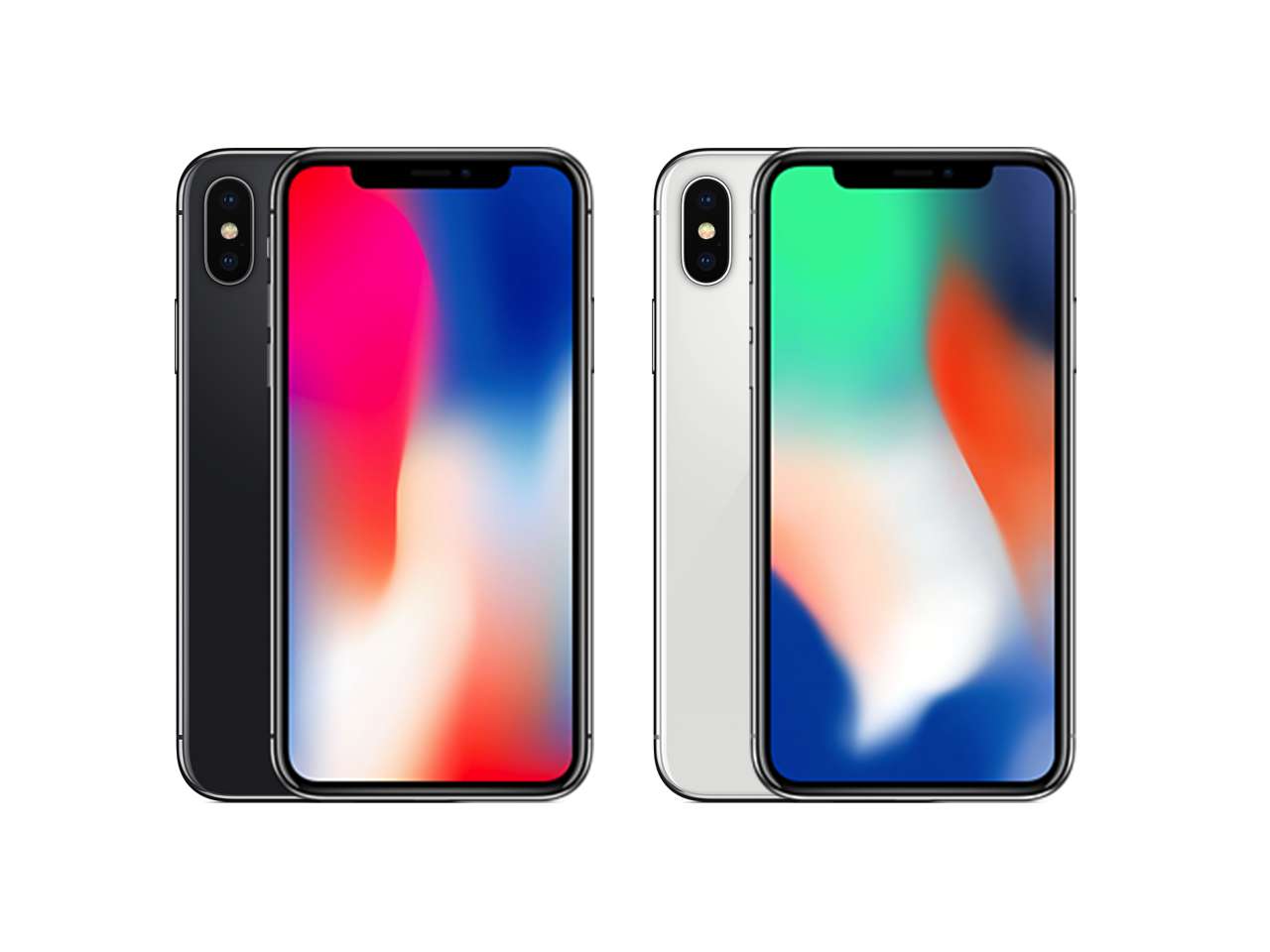
The biggest question surrounding the iPhone 20 isn’t about specs or design. It’s about whether Apple will skip the iPhone 19 entirely and jump straight to 20. The company did this before, leaping from iPhone 8 to iPhone X in 2017, and the reasoning this time would be even stronger. The iPhone 20 would arrive in 2027, the 20th anniversary of the original iPhone. Multiple supply chain analysts suggest Apple is seriously considering the move, and the name iPhone XX has surfaced in several leaks, echoing the Roman numeral approach from the tenth anniversary.
But will there be an iPhone 18?
Before the iPhone 20 conversation starts, Apple still has a full product cycle ahead. The iPhone 18 Pro and iPhone 18 Pro Max are expected to launch in September 2026, alongside what could be Apple’s first foldable iPhone. Around March 2027, a standard iPhone 18, iPhone 18e, and second-generation iPhone Air are rumored to follow. The iPhone 18 Pro matters here because it’s expected to debut some of the building blocks for the iPhone 20, including the A20 chip on TSMC’s 2nm process and under-display Face ID elements. Think of it as Apple’s testing ground before going all in with the anniversary device.
When is the iPhone 20 coming out?
If Apple follows its established September cadence, the iPhone 20 release date lands in September 2027. Nothing in the current rumor cycle points to a different timeline. A 2027 launch gives Apple roughly two and a half years to finalize the redesign that supply chain sources have been describing, which tracks with reports that the iPhone 20 represents a complete rethink rather than a polished version of what iPhones look like today.
An all-glass, buttonless design
Multiple sources, including Bloomberg’s Mark Gurman, describe an all-glass enclosure with no physical buttons. The volume controls, power button, and silence toggle would all become touch-sensitive or pressure-based zones built into the glass. A fully sealed body would improve water resistance significantly and open the door to wireless-only data transfer, though reports disagree on whether Apple will actually drop the USB-C port this generation. Some leakers call it the “Jony Ive dream phone,” a nod to the former design chief’s vision of a phone that feels like one smooth, unbroken piece of material.
A borderless waterfall display
Leaks describe a curved display that wraps around all four edges, eliminating the flat bezels that have defined iPhones since the iPhone 12. Apple is reportedly working with Samsung Display on a COE (Color Filter on Encapsulation) panel that rearranges the screen’s internal layers so light passes through more efficiently. The result is a brighter display that uses less power, packed into a thinner build. You’d notice the difference the moment you pick it up.
What about iPhone 20 colors?
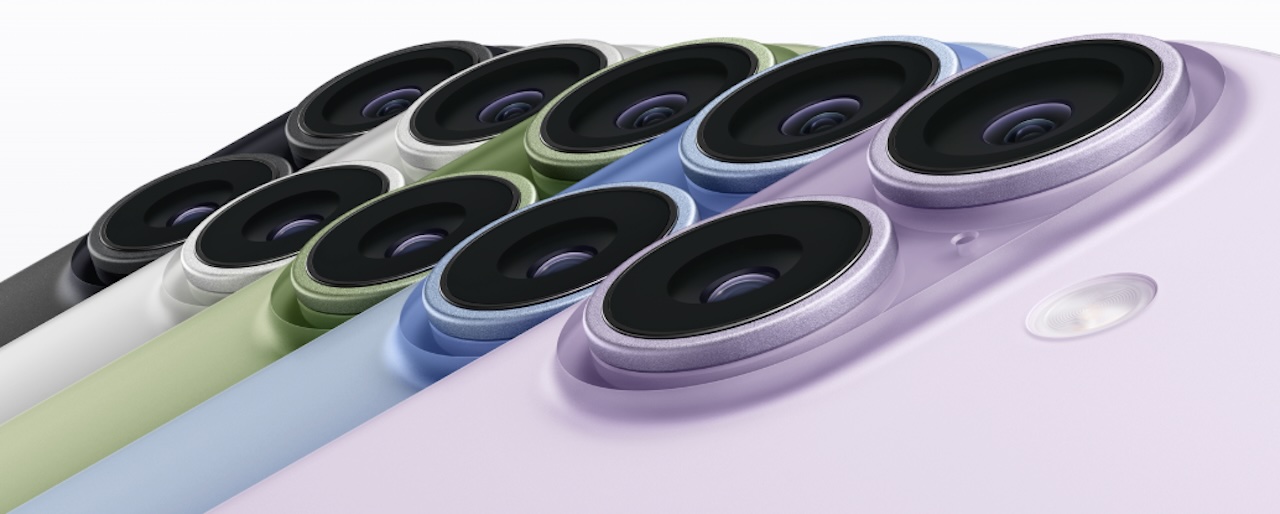
No credible color leaks have surfaced for the iPhone 20 yet, but the all-glass body changes the equation entirely. Apple’s current titanium frames limit color options to surface treatments on metal, which is why recent Pro models have stuck with muted Natural, Desert, and White Titanium finishes. An all-glass enclosure opens the door to deeper, richer color saturation across the entire device. Apple introduced Cosmic Orange with the iPhone 18 Pro and reportedly plans a deep red option alongside it, suggesting the company is getting bolder with its Pro color palette heading into 2027. If that trajectory holds, the iPhone 20 could arrive with the most visually striking color lineup Apple has ever offered on a flagship. The glass itself becomes the canvas, and that’s a meaningful shift from painting a metal rail.
Under-display Face ID and cameras
The Dynamic Island has had a solid run, but the iPhone 20 could kill it. Multiple reports point to under-display Face ID and front-facing camera tech that would eliminate any visible cutout entirely. The TrueDepth system uses three separate sensors to map your face in 3D, and all three would need to work through the display without losing accuracy. No manufacturer has pulled this off with a full 3D face authentication system yet.
Not everyone agrees on the timeline. Display analyst Ross Young has outlined a more gradual roadmap: partial under-panel Face ID in 2026, full Face ID under the display by 2028, and the selfie camera following around 2030. That conflicts directly with Gurman’s more aggressive projection for a fully clean screen by 2027.
A 2nm chip built for on-device AI
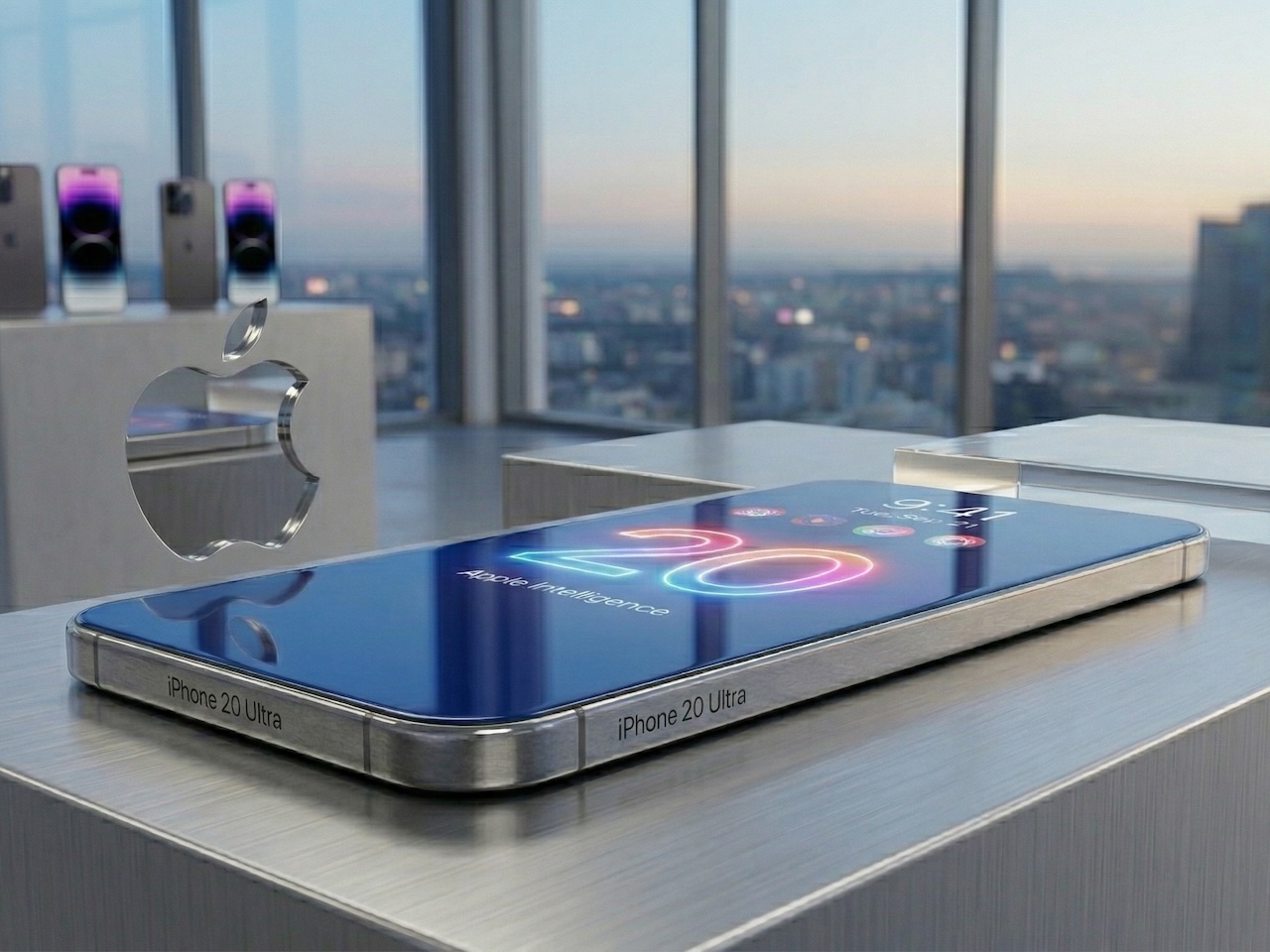
The iPhone 20’s processor is expected to build on TSMC’s 2nm process, which Apple first brings to the iPhone 18 Pro in 2026. The bigger story is HBM, or High-Bandwidth Memory, reportedly joining the silicon package. HBM has traditionally lived in data center hardware, where the extra memory speed lets AI models crunch huge amounts of data at once. Putting it in a smartphone would let the iPhone 20 run powerful AI tools entirely on-device, without sending anything to the cloud. That’s a real shift for Apple Intelligence, with clear benefits for both speed and privacy.
Silicon anode batteries could change everything
Reports point to silicon anode battery cells that could push capacity to roughly 6,000 mAh in the Pro Max, up from 4,823 mAh in the current iPhone 17 Pro Max. That’s roughly a 25 percent jump in raw capacity. Silicon stores more energy than traditional graphite in the same space, and recent breakthroughs have fixed the durability issues that held the tech back for years. If those numbers hold, multi-day battery life becomes a real possibility for average users, which would be a first for any iPhone.
iPhone 20 camera upgrades worth watching
The iPhone 20 Pro models are expected to keep the triple-camera setup, with improvements focused on sensor size and software-driven processing. Supply chain leaks point to a new periscope telephoto lens that could reach 10x optical zoom on the Pro Max. Combined with HBM-powered on-device AI, the camera could process scenes in real time in ways current hardware can’t touch. Apple has always leaned on its chip advantage to close camera gaps through software, and the iPhone 20 looks positioned to push that further than ever.
What the iPhone 20 might cost
No credible pricing leaks have surfaced, but the cost of all those new components points toward a higher price tag than anything Apple currently sells. If the company follows the trajectory set by the iPhone X, which introduced the $999 starting price in 2017, the Pro Max could push well past the current $1,199. The base model might land somewhere in the $899 to $999 range, though it’s too early to say for sure. Either way, iPhone 20 pricing is one of the biggest open questions heading into 2027.
Apple’s custom modem comes of age
The iPhone 20 is expected to carry a mature version of Apple’s custom cellular modem, building on the C1 chip from the iPhone 16e. Building it in-house lets Apple connect the radio more tightly with the main chip, improving battery life and response times for AI features that need a connection. It also cuts reliance on Qualcomm, something Apple has been working toward for close to a decade. The modem won’t grab headlines the way the design will, but it’s one of the most important engineering shifts inside the phone.
What it all adds up to
The iPhone 20 is shaping up to be the kind of device that resets expectations. An all-glass body, borderless display, under-display Face ID, 2nm silicon with HBM, and silicon anode batteries would collectively represent the biggest single-generation leap in iPhone history. We’re still more than a year from launch, and some features may slip. But the direction is consistent across enough sources that the broad strokes feel reliable. Apple is building something ambitious, and 2027 is looking like a year worth paying attention to.

ESR for MagSafe Wallet, 5 Card Holder with RFID Blocking, MagSafe Sticker Included, Slim Magnetic Wallet for iPhone 17e/17/16/15/14/13/12 Series and Selected Samsung Devices, Not for 13/12 Mini, Black
(as of March 22, 2026 23:11 GMT -05:00 - More infoProduct prices and availability are accurate as of the date/time indicated and are subject to change. Any price and availability information displayed on [relevant Amazon Site(s), as applicable] at the time of purchase will apply to the purchase of this product.)
