
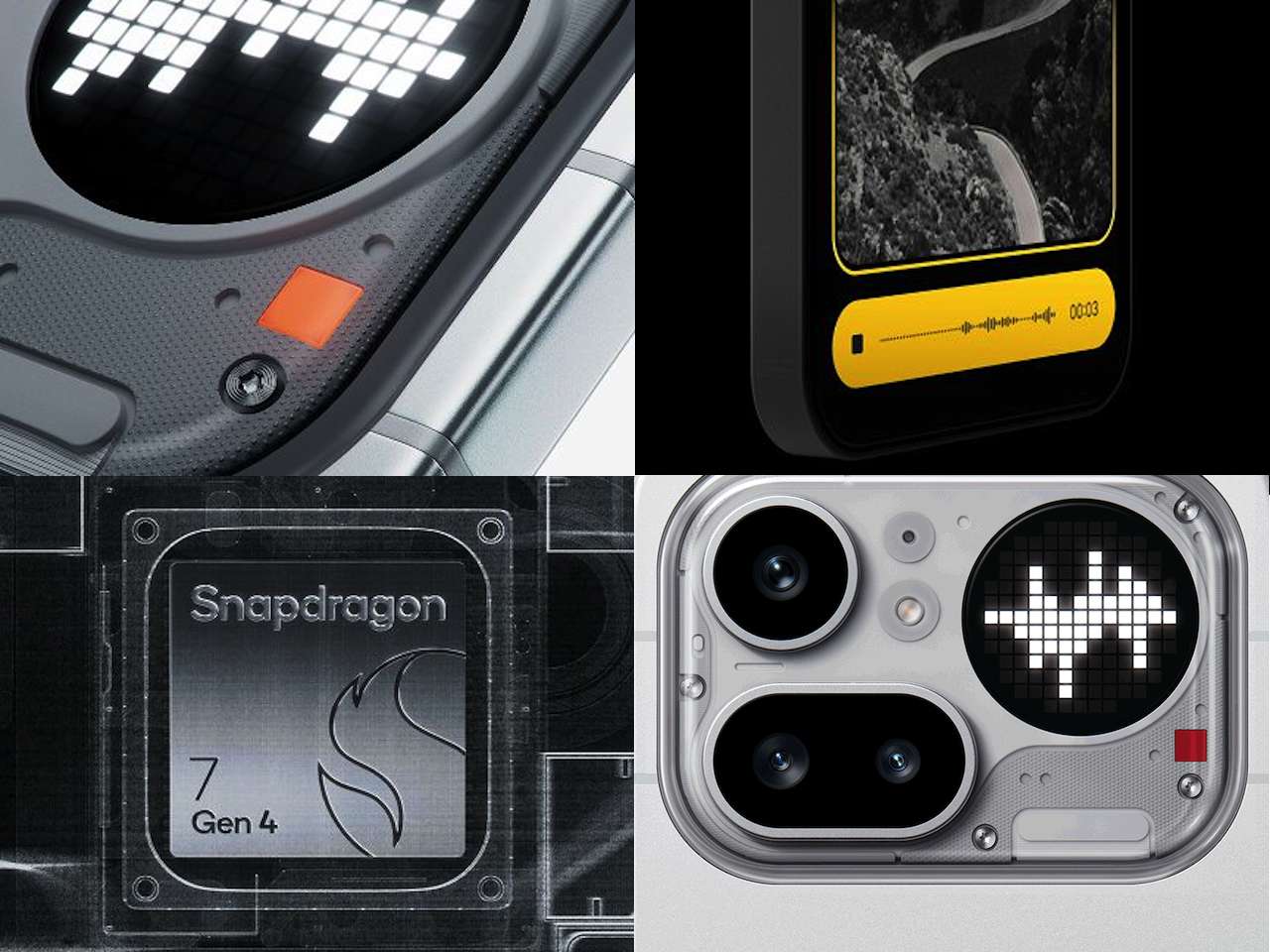
Nothing built its entire identity on transparency. Every phone the company has released since 2022 carried a clear back panel with visible internals, turning circuit boards and wireless charging coils into design statements. At MWC 2026, the company rewrote that entire playbook with the Phone (4a) Pro and standard Phone (4a), and the changes go well beyond aesthetics. Here are the seven biggest shifts worth knowing.
Price: From $499
Where to Buy: Nothing
1. Nothing abandoned its transparent design for the first time
The Phone (4a) Pro wraps itself in an aluminum unibody chassis, available in black, silver, and pink. No transparent back panel, no visible internals, no X-ray aesthetic. It’s the first Nothing phone to completely walk away from the design language that made the brand famous.
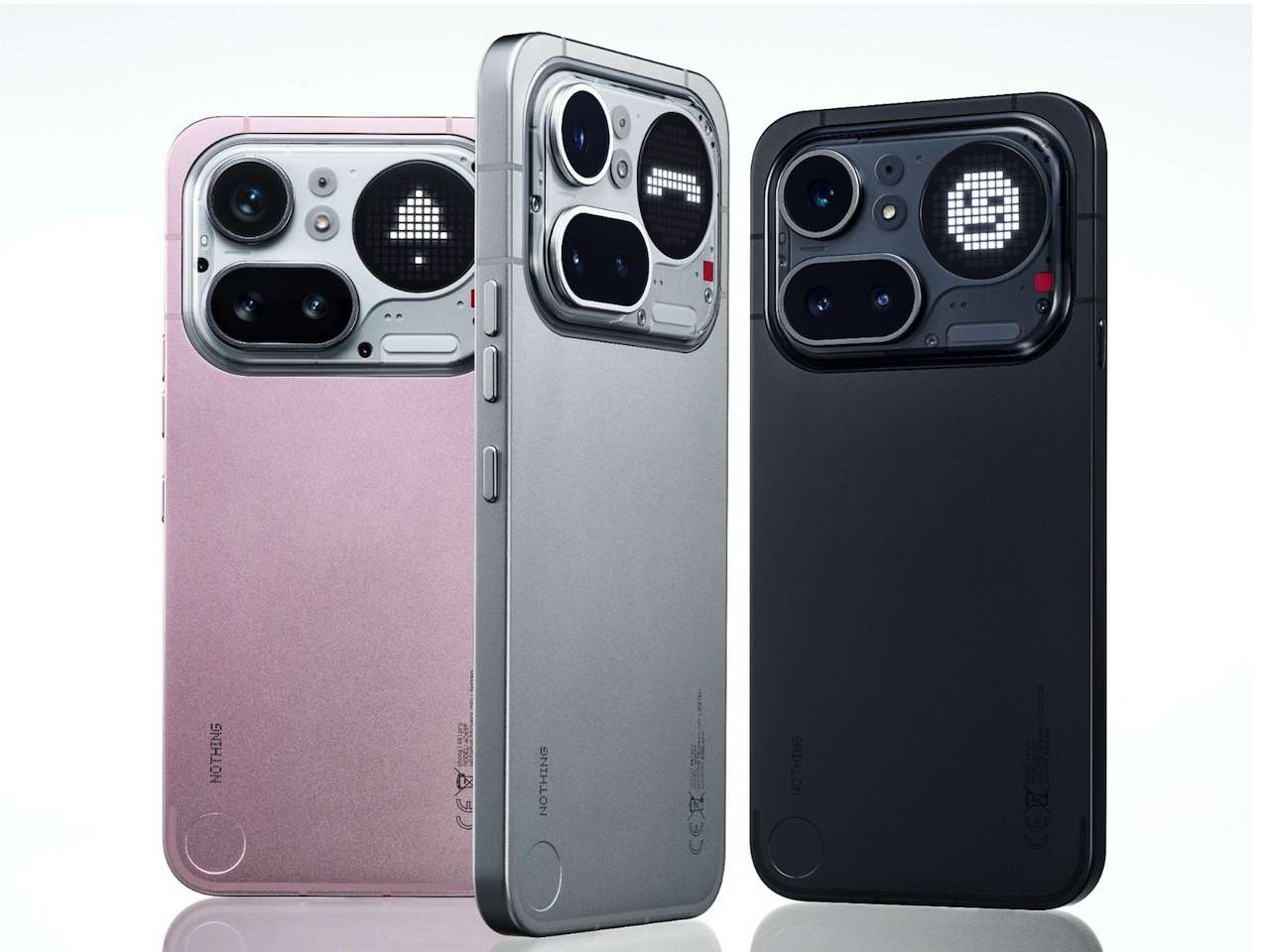
Where previous models let you peer through glass at glowing components, the (4a) Pro covers everything in metal. At sub-8mm thickness, it’s the slimmest phone the company has ever made, and the build feels like a deliberate move from a brand that grew past its signature trick.
2. The Glyph Matrix lighting survived the redesign
Nothing didn’t abandon personality entirely with the move to metal. The Glyph Matrix lighting system still lives on the back, redesigned for the new aluminum housing, and it’s larger and brighter than before. Notifications and custom light patterns still work through cutouts in the aluminum, but the effect feels different when the glow comes through metal rather than shining beneath glass.
The camera module also retains a see-through element. It’s a small nod to the brand’s roots sitting inside an otherwise opaque body, and it suggests Nothing views transparency as a design accent rather than a defining constraint going forward.
3. A 140x zoom periscope camera at $499 is the headline spec
The Phone (4a) Pro carries a 50MP periscope telephoto lens with 140x zoom range, sitting alongside a 50MP wide sensor, an ultrawide, and a 32MP selfie camera. Periscope telephoto lenses have traditionally lived in phones costing $800 to $1,000, and Nothing is using the camera as the feature that justifies the design departure.
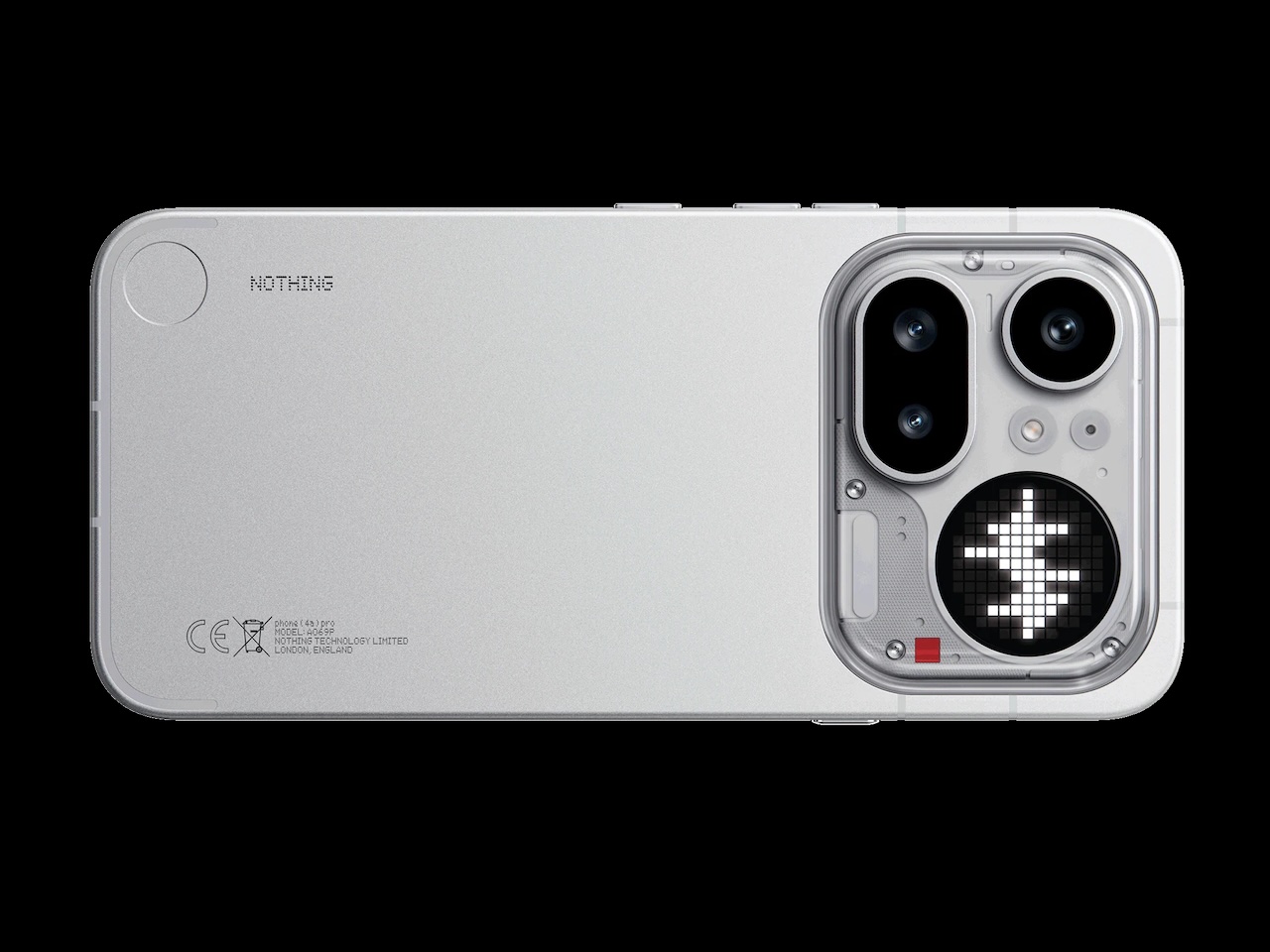
For a mid-range phone, that’s an aggressive camera stack. Nothing isn’t competing with other $499 devices here. The company is reaching upward, betting that the zoom capability alone will drive purchase decisions and comparison coverage for months to come.
4. The display and chip compete well above the price bracket
The 6.83-inch AMOLED display pushes 144Hz and peaks at 5,000 nits, landing in territory that Samsung and OnePlus usually reserve for phones at significantly higher price points. Qualcomm’s Snapdragon 7 Gen 4 handles processing, paired with either 8GB of RAM and 128GB of storage at $499 or 12GB and 256GB at $599.
A 5,080mAh battery backs everything up with a claimed 17 hours of use per charge. IP65 water and dust resistance means it’ll handle rain and dusty pockets, though submerging it remains off limits.
5. The standard Phone (4a) keeps the see-through look alive
Nothing didn’t abandon transparency across the board. The standard Phone (4a) keeps the company’s familiar see-through design with its Glyph Bar lighting system running 63 mini-LEDs at 3,500 nits. It’s the Pro that went metal. The regular (4a) stays on brand.
The (4a) runs a 6.78-inch AMOLED at 120Hz with 4,500 nits peak brightness and a Snapdragon 7s Gen 4, a step below the Pro’s chip. Its camera setup differs from the Pro: a 50MP wide sensor with Samsung’s GN9 (capturing 64 percent more light than its predecessor), a 50MP tetraprism periscope offering 3.5x optical zoom, 7x lossless, and up to 70x ultra zoom, plus an 8MP ultrawide and 32MP selfie camera. Gorilla Glass 7i protects the front, 50W wired charging hits 50 percent in 22 minutes, and it carries IP64 resistance. Pricing starts at £349 or €349, with pre-orders open and sales beginning March 13.
6. Only the Pro is coming to the US
One important detail for American buyers: Nothing isn’t selling the standard (4a) stateside. Only the Phone (4a) Pro will be available through US channels, with pre-orders opening March 13 and general availability starting March 27 through nothing.tech. At $499, it’s positioned directly against Samsung’s Galaxy A-series and Google’s Pixel 10a, but carrying a camera system and display that compete well above that bracket.

India gets a slightly different deal with a 5,400mAh battery variant of the Pro, a regional tweak that suggests Nothing is paying close attention to market-specific demands.
7. There’s no flagship Nothing Phone 4 this year
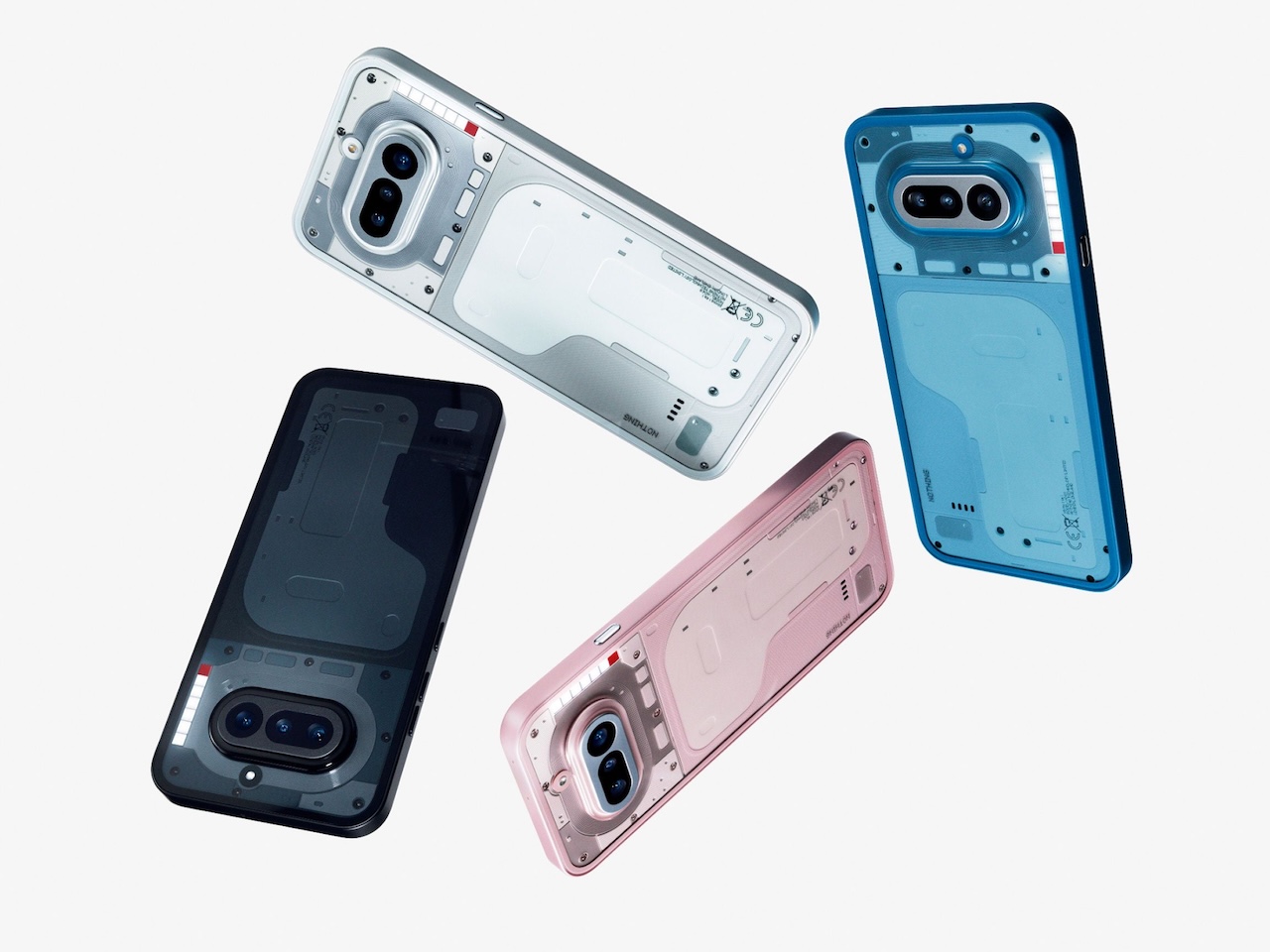
The company confirmed there won’t be a flagship Phone 4 in 2026. Nothing made that clear back in January, and MWC reinforced the message. The (4a) line is the entire 2026 phone strategy, so anyone holding out for a transparent flagship successor to the Phone 2 will need to keep waiting.

Both phones ship with Nothing OS 4.1 built on Android 16, with three Android version updates and six years of security patches. That tracks with what most mid-range competitors offer but falls short of Samsung’s seven-year pledge and Google’s Pixel commitments. Nothing also used MWC to launch the Nothing Headphone A, priced roughly $100 below the existing Headphone 1, signaling a continued push into building a product ecosystem beyond smartphones.
Price: From $499
Where to Buy: Nothing
Whether the metal design wins over fans who fell for the transparency remains the open question. Nothing is betting that what the phone can do matters more than what you can see through the back.

NetumScan Book & Document Camera, Multi-Language OCR and English Article Recognition by AI Technology, Real-time Projection, Video Recording, Foldable & Portable, Capture, Windows/MAC/Linux- NS-800NC
(as of March 5, 2026 17:54 GMT -06:00 - More infoProduct prices and availability are accurate as of the date/time indicated and are subject to change. Any price and availability information displayed on [relevant Amazon Site(s), as applicable] at the time of purchase will apply to the purchase of this product.)