
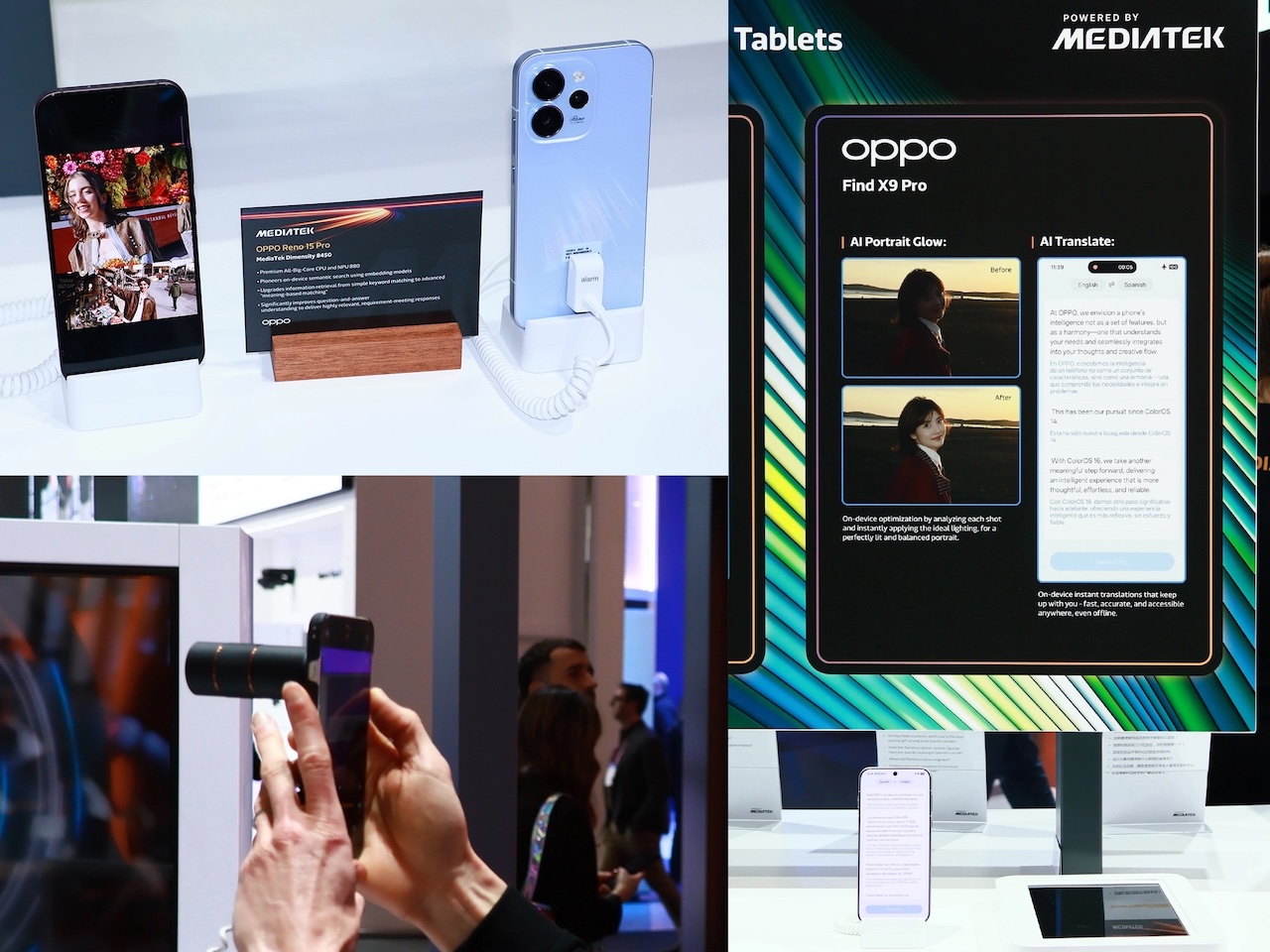
ARTICLE – OPPO and MediaTek showed up at MWC 2026 in Barcelona this week with on-device AI features that feel ahead of schedule. Their work runs on MediaTek’s Dimensity 9500 chip, and it brings tools that usually need a cloud connection straight to the phone. The biggest reveal is an AI model called Omni that can handle voice, video, and text all at once. But the update that’ll matter most to everyday users is simpler: OPPO’s Find X9 series is getting native file sharing with iPhones and Macs, no extra apps needed.
An AI model that watches the world with you
Omni is what OPPO and MediaTek call the first on-device full-modal AI model, and the name matches the ambition. Point your phone’s camera at something, ask a question out loud, and Omni reads the video feed, your voice, and any text on screen to give you an answer. OPPO says the model runs on-device, keeping processing local rather than routing through cloud servers.
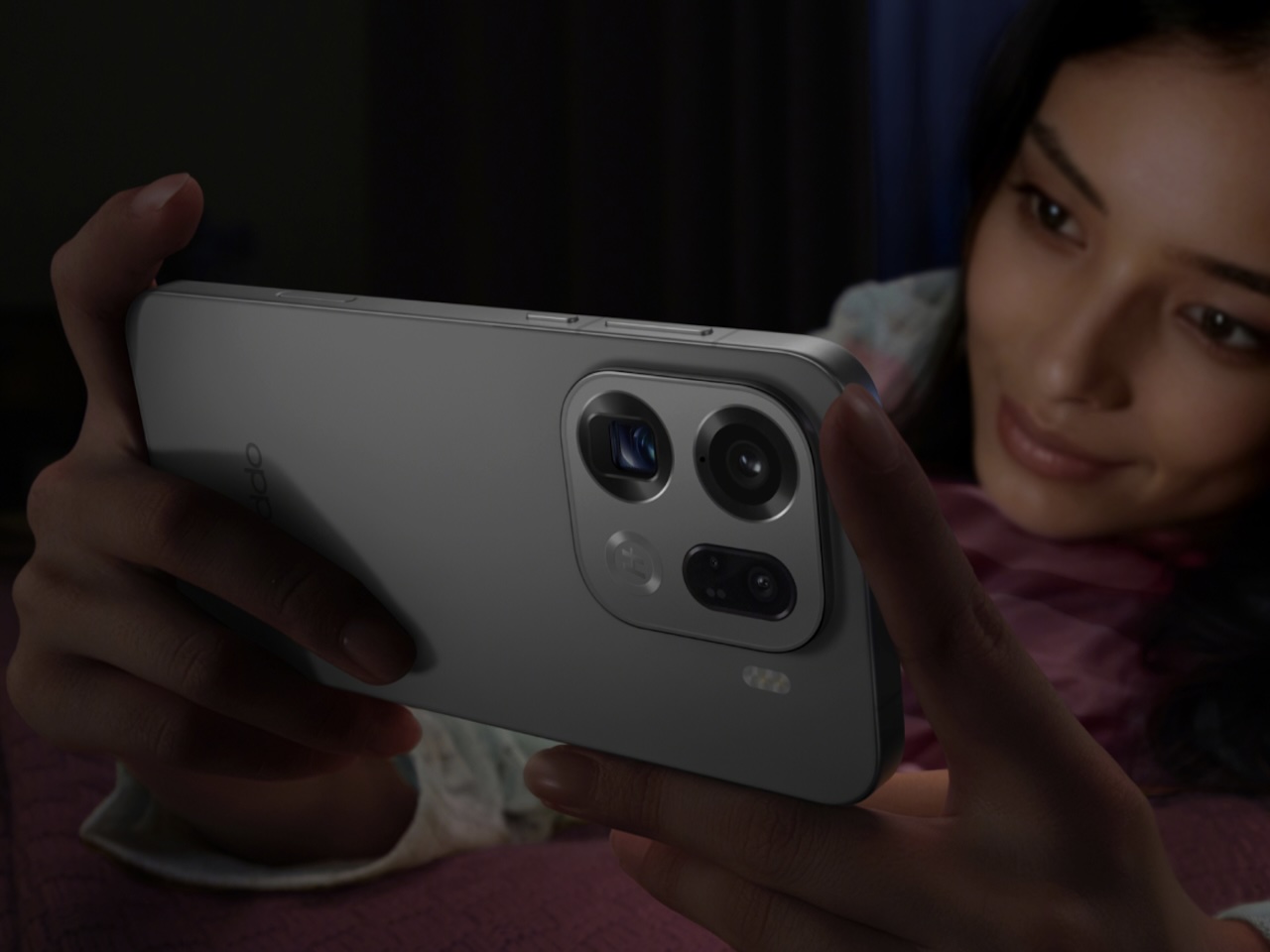
The real-world uses are easier to picture than most AI demos. You could hold your phone up to a restaurant menu in another language and ask which dishes are spicy. You could aim it at a piece of furniture and ask how to put it together. Keeping everything on-device means faster responses than cloud-based tools, and the whole thing still works when your signal drops.
Jason Liao, President of the OPPO Research Institute, described the approach as “On-device Compute” at the center of OPPO’s AI strategy. The logic is simple: if the phone handles processing locally, it can be faster, more private, and more reliable than sending data to a server far away.
Translation and portraits that skip the cloud
Two features coming through a ColorOS 16 update show what on-device processing looks like in daily use. The first is AI Translate, which OPPO says hits 15% better accuracy than standard translation methods while running entirely on the phone. It handles multiple languages in real time and keeps working in airplane mode, underground, or anywhere your signal drops out. That last part is the real win. Cloud translation tools work fine until you’re standing in a foreign transit station with one bar of signal and a train pulling in.
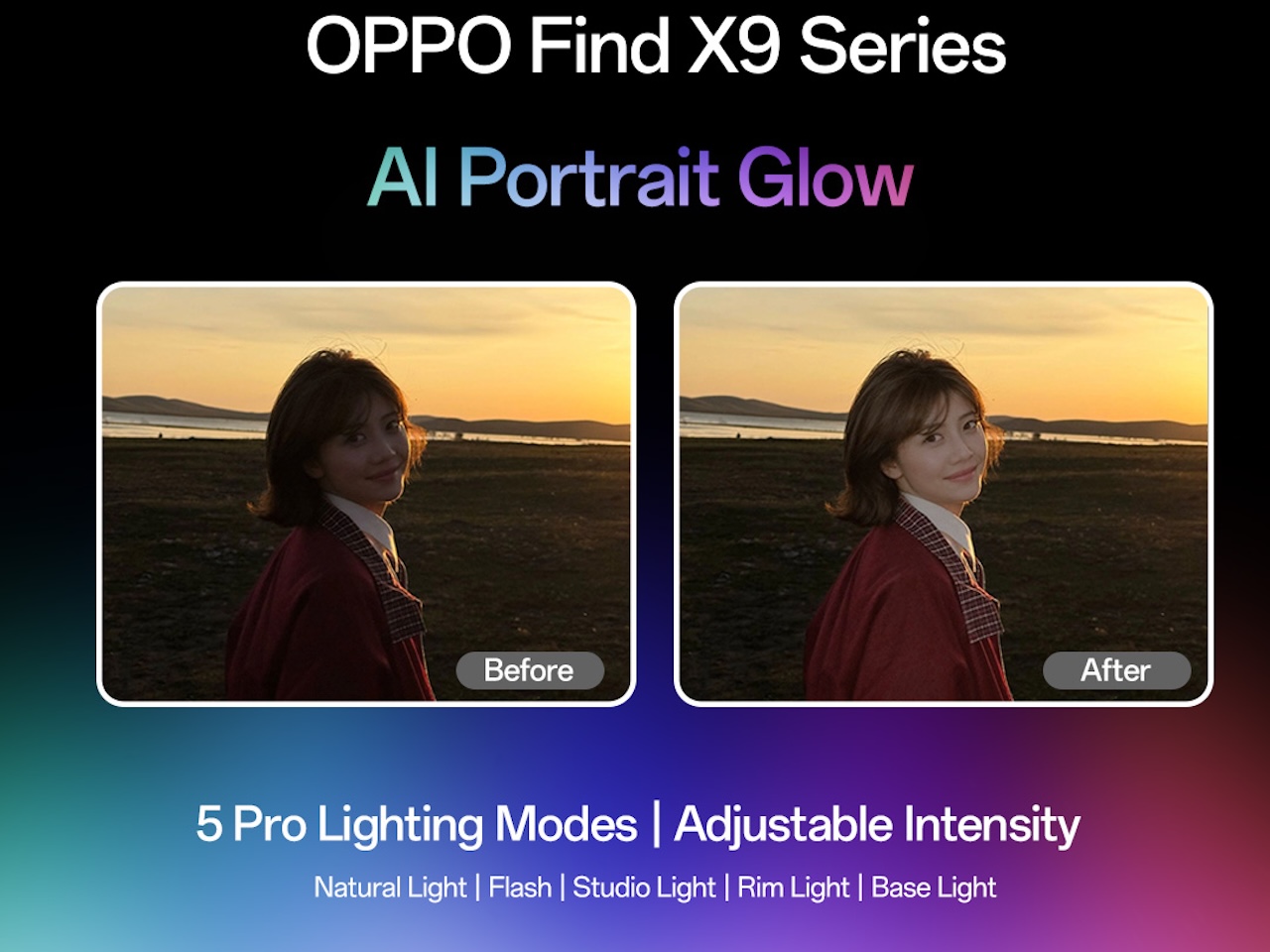
The second is, which tackles the old headache of portrait photos in bad lighting. The system reads the scene and rebuilds the lighting to fix shots taken in dim or backlit conditions. OPPO showed the feature at MediaTek’s booth alongside the Find X9 Pro’s Hasselblad Teleconverter lens, and the results handled harsh backlighting while keeping the results natural, not waxy or over-processed.
Quick Share crosses the platform divide
This might be the announcement that quietly changes how people think about OPPO phones in mixed-device households. The Find X9 series is getting Android Quick Share support that works with iOS, iPadOS, and macOS devices, built with MediaTek and Google. No extra apps, no workarounds, no emailing yourself files.
 The feature is expected to roll out through a software update starting in March, and it fixes one of the oldest frustrations in the phone world. If you’re the Android user in a group of iPhone owners, sharing photos from dinner or sending a file has always taken more steps than it should. Quick Share to Apple devices won’t tear down every ecosystem wall, but it removes the one that shows up most in daily life.
Find X9 Pro picks up a GLOMO nod
While the AI features got most of the attention, OPPO’s Find X9 Pro also landed on the shortlist for the GLOMO Awards’ “Best Smartphone” category at MWC 2026. The nod covers performance, imaging, and AI features, and it puts the phone in a category that typically favors the industry’s biggest names.
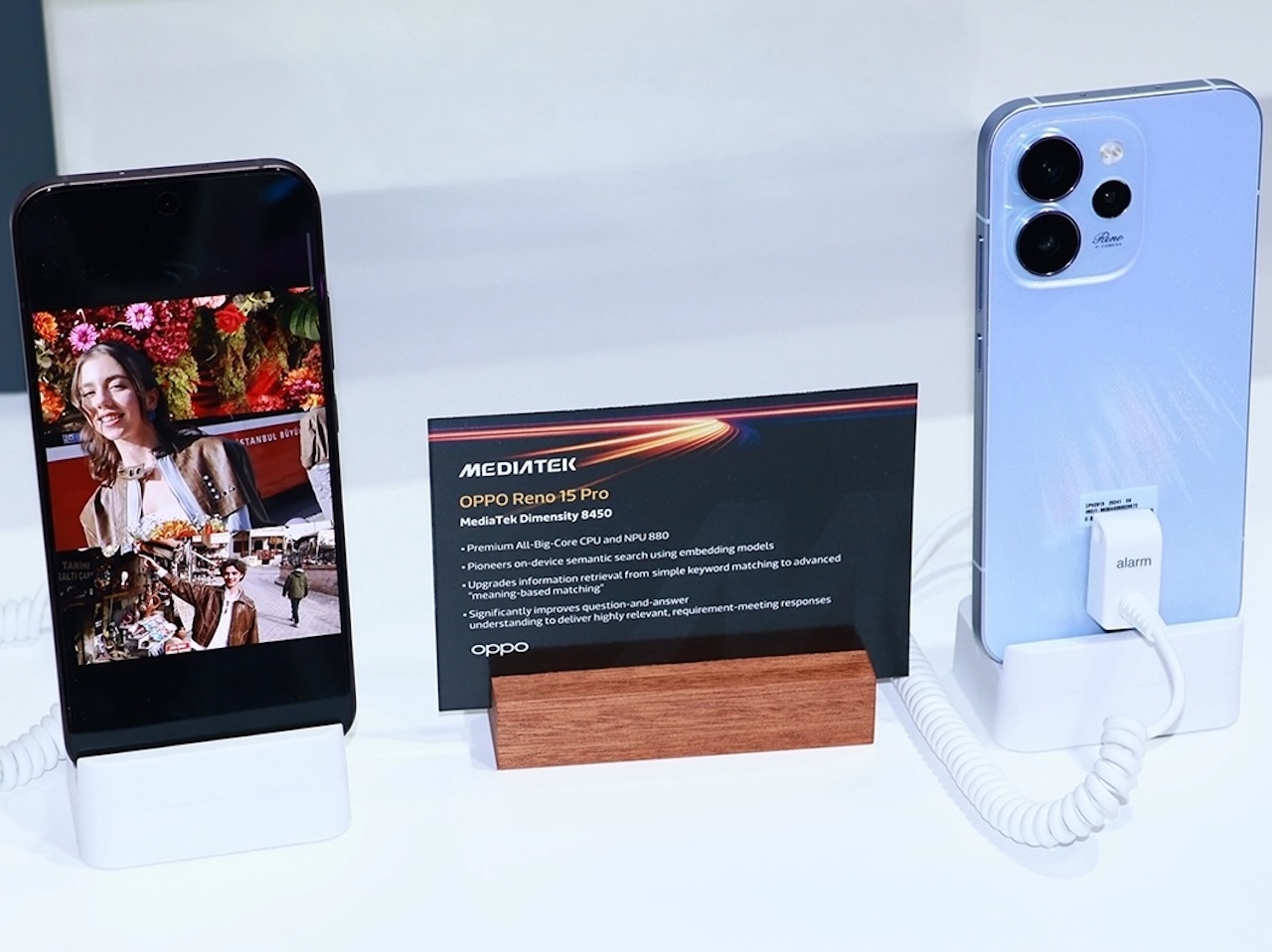
The Reno15 Pro also showed up at the MediaTek booth with creative AI imaging tools like AI Motion Photo Eraser and AI Flash Photography. OPPO isn’t keeping the on-device AI push to its flagship line, which suggests these tools could reach more of its phone lineup over time.
What comes next
OPPO and MediaTek framed the MWC showing as a starting point, not a finished product. The Omni model is still in technology preview, so the full-modal AI shown on stage hasn’t reached consumer devices yet. When it does, it’ll arrive through ColorOS updates on the Find X9 series, likely powered by the same Dimensity 9500 chip that already runs the translation and portrait features.
The bigger takeaway from Barcelona is that on-device AI is moving from a talking point to something you can feel in daily use. OPPO isn’t the only company pushing this way, but the mix of a truly multimodal AI model, practical offline features, and cross-platform file sharing is hard to find in a single software update from anyone else right now.

Loccor 7x5ft Fabric News Broadcast Backdrop Breaking News Report 3D Virtual News Studio Photography Background for Newscaster Record News Report Conference Photo Studio Props
(as of March 4, 2026 18:37 GMT -06:00 - More infoProduct prices and availability are accurate as of the date/time indicated and are subject to change. Any price and availability information displayed on [relevant Amazon Site(s), as applicable] at the time of purchase will apply to the purchase of this product.)
