
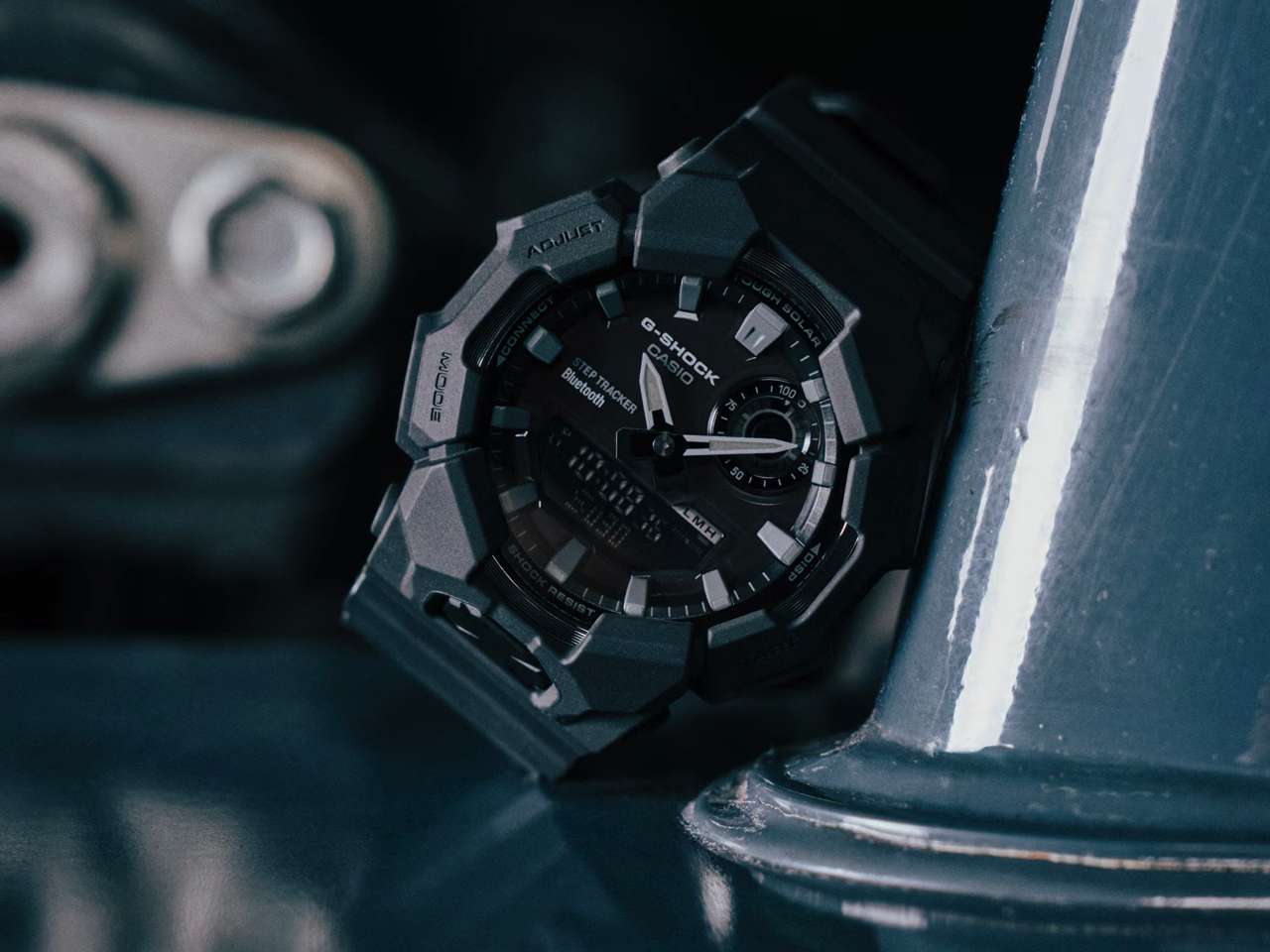
Fitness trackers made everyone count steps, but they also made everyone charge gadgets every other night. Casio’s G-Shock GAB010 sidesteps that ritual by putting a step counter inside a solar-powered watch that runs on light and takes a beating. There’s no nightly charging, no battery anxiety, and no touchscreen to crack. It’s step tracking stripped of the parts most people tolerate rather than want.
Price: $180
Where to Buy: Casio | Amazon
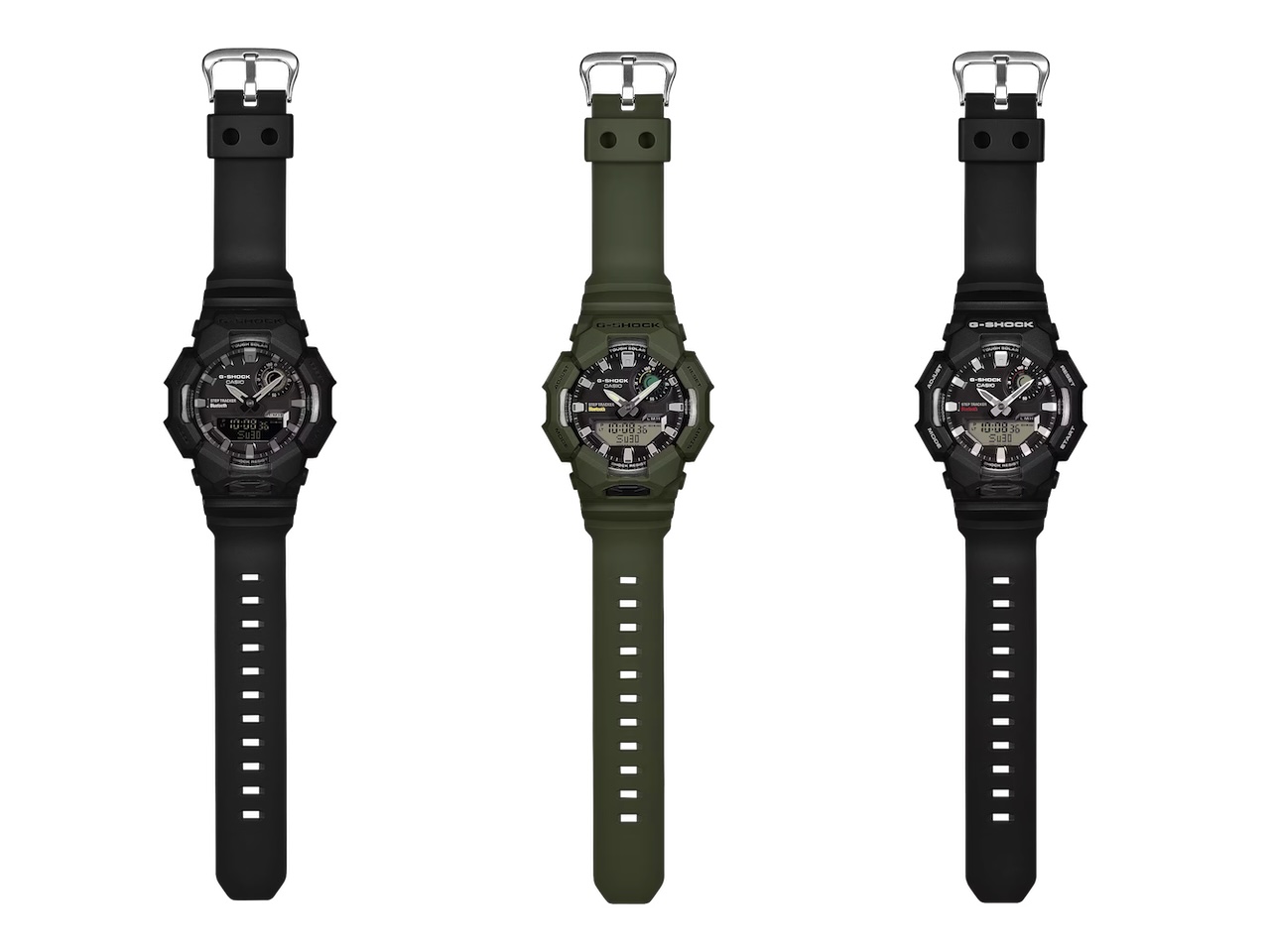
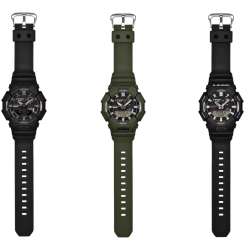
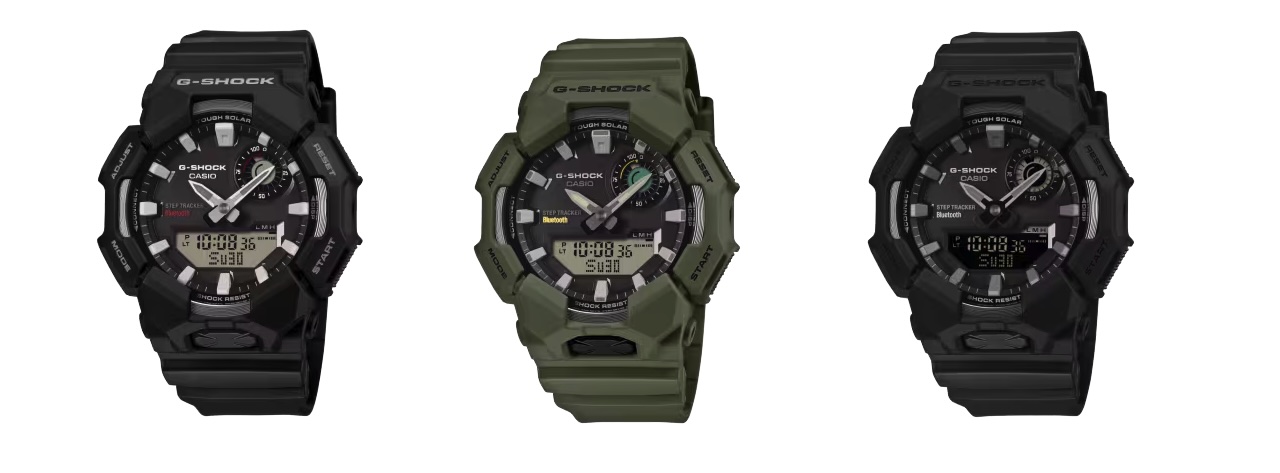
The GAB010 launched in Japan last November and just arrived in the US at $180. Three colorways are available through Casio and Amazon: GAB010-1A in black with a positive display, GAB010-1A1 in black with a negative display, and GAB010-3A in blue. Casio positioned this as a G-Shock first and a fitness tool second. The restraint is deliberate.
So the real question is: can a step counter work inside a watch that doesn’t act like a smartwatch?
What It Is
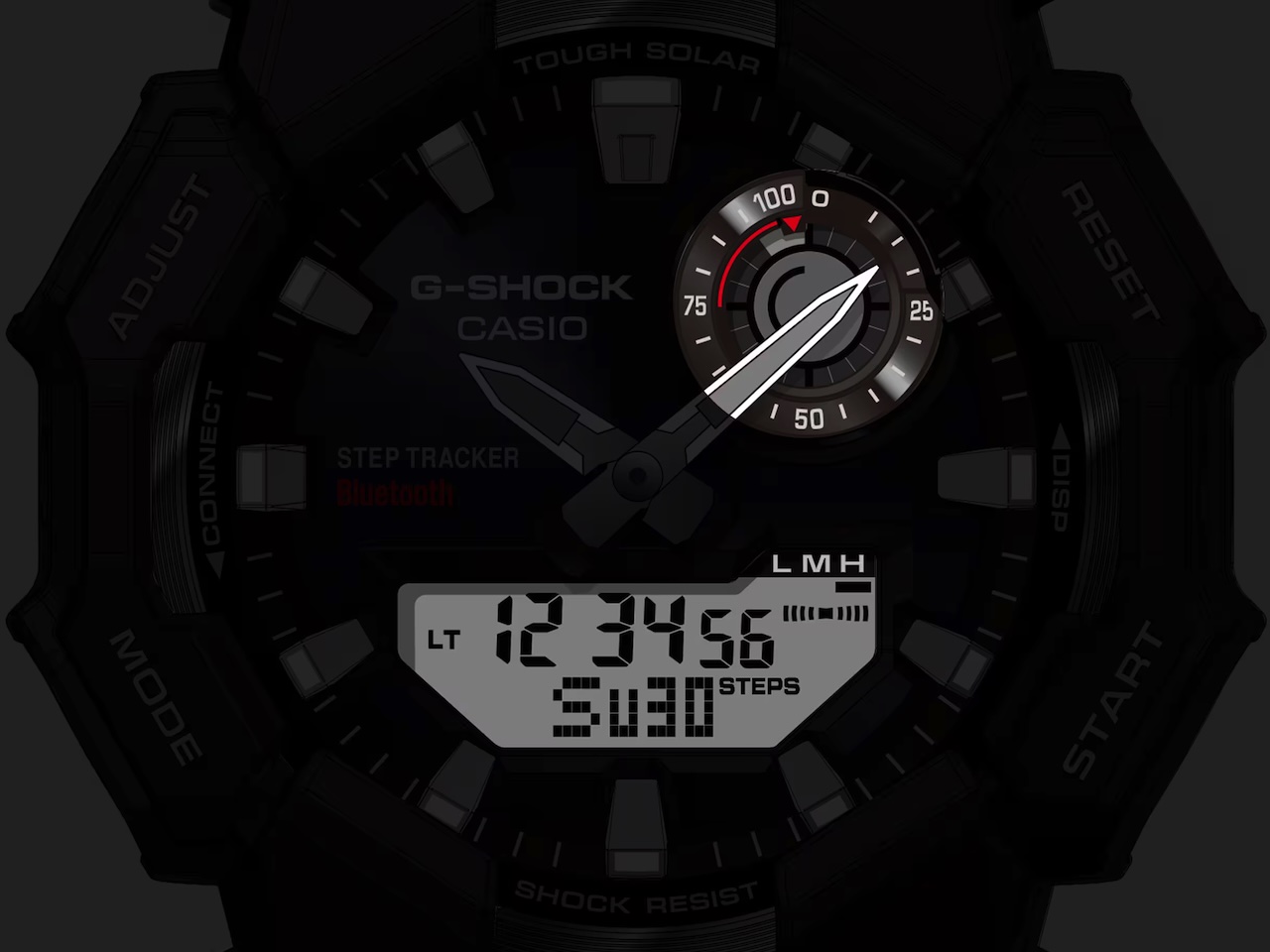
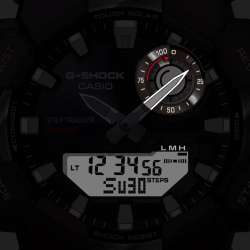
The Casio G-Shock GAB010 isn’t a fitness watch trying to look like a G-Shock. It’s a G-Shock with a step counter, and that order matters. The LCD sub-display shows your daily step count alongside a progress indicator. Step data syncs to the Casio Watches app via Bluetooth. The app handles time adjustments and includes a phone finder, but that’s where the smart features end.
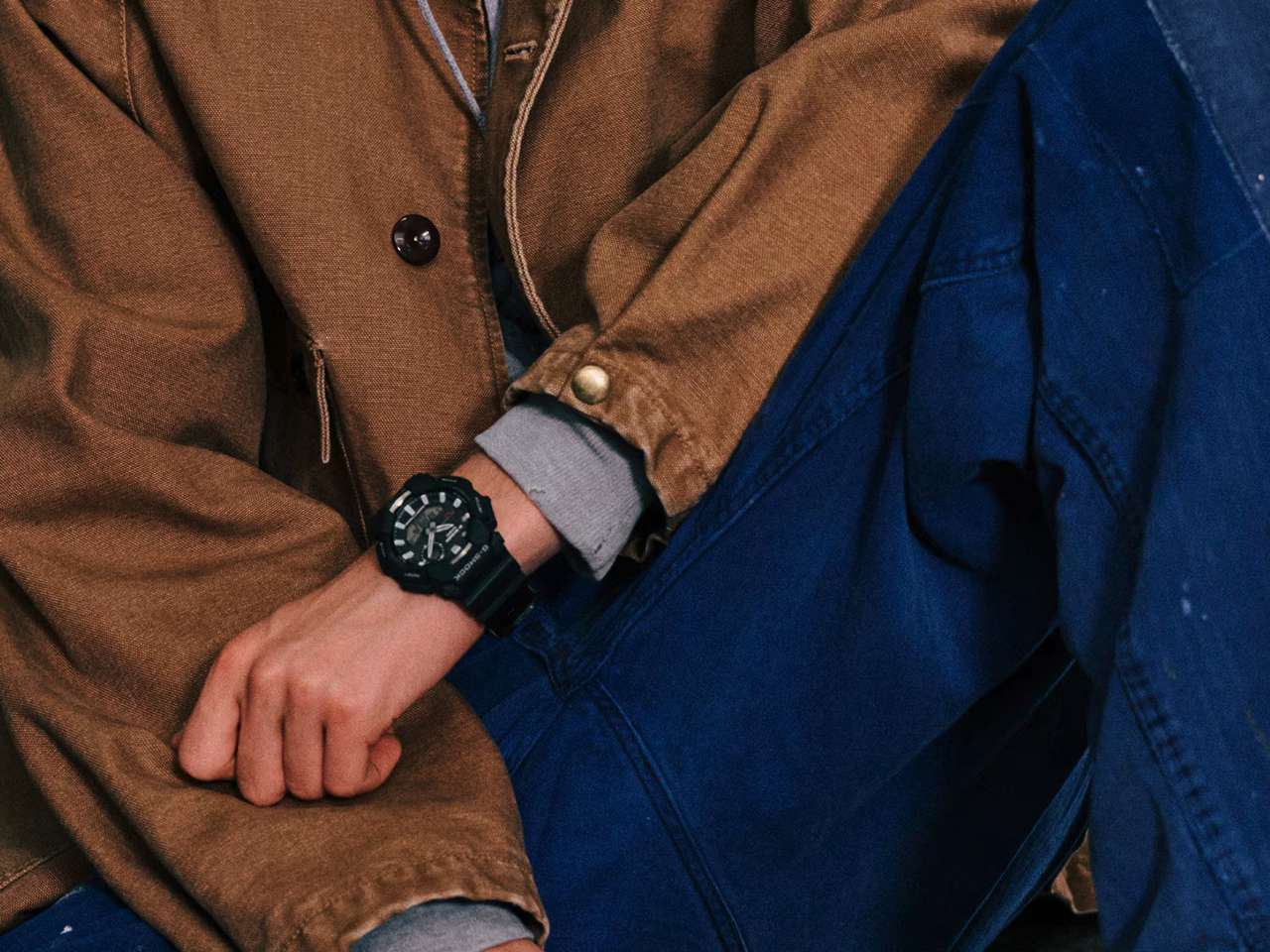
What separates this from typical fitness trackers is what Casio left out. There’s no heart rate monitor, no GPS, no sleep tracking, and no notification mirroring. The step counter sits alone as a single fitness feature, not as a smartwatch competitor. For users who want activity awareness without the distractions of a full smart ecosystem, that restraint is the point. You get movement data without the constant buzzing and app sprawl.
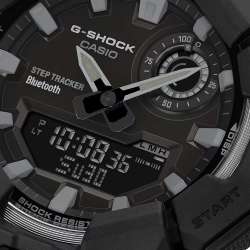
The watch runs on a new solar module that Casio says consumes 40 percent less power than its predecessor. That means it functions indefinitely with occasional light exposure. Two analog hands sit on a sun-ray finished dial with a metal accent on the inset sub-dial, giving the watch a more refined look than entry-level G-Shocks. The finish catches light at different angles, adding texture without complicating the design.
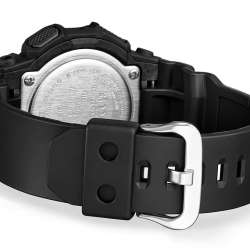
Standard G-Shock durability throughout. Resin case and strap, shock resistance, 52.3 x 49.3 x 15.2 mm dimensions. Mid-size, neither compact nor bulky. World time zones, stopwatch, countdown timer, and five daily alarms sit in the background, adding utility without clutter.
How Step Tracking Works
The step counter feeds data to the LCD sub-display. You see your count without pulling out a phone. The progress indicator fills throughout the day, offering a quick visual check. It’s basic feedback that doesn’t require interaction beyond glancing at your wrist. Casio designed this for passive awareness, not active coaching.
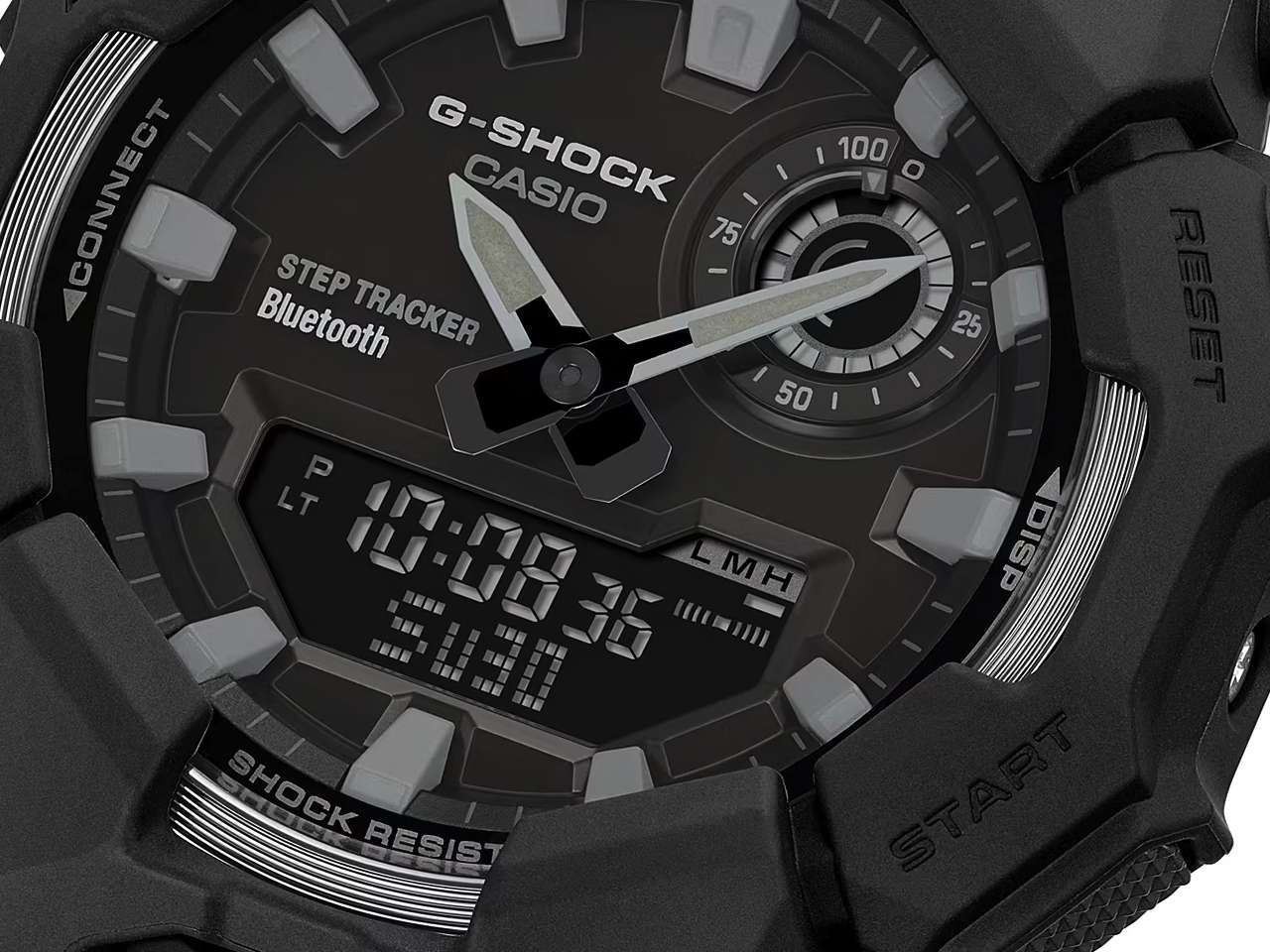
Bluetooth syncing moves data to the Casio Watches app, where it builds a timeline of daily activity. The app logs steps consistently and lets you review trends. If you’re looking for coaching or advanced metrics, this isn’t the tool. If you want a passive record of movement, it works. The app stays in the background, keeping the watch from becoming another notification source.
Casio strips step tracking to its core: counting movement and displaying the result. No gamification, no achievement badges, no social sharing, no algorithmic nudges. The watch counts steps, syncs them to your phone, and that’s it. For users tired of fitness apps that try to be life coaches, this minimalism is a welcome shift.
Solar Power and Construction
Casio’s solar module powers the entire watch, including step tracking and Bluetooth. The company reports a 40 percent reduction in power consumption, extending runtime without increasing case size. Occasional light exposure keeps it running indefinitely. This makes the GAB010 practical for outdoor use or travel, where charging infrastructure isn’t always available. Solar charging removes the nightly ritual of plugging in a device, one of the main friction points that keeps people from adopting wearables.
The dial uses a sun-ray finish that catches light at different angles. A metal accent on the inset sub-dial breaks up the resin aesthetic. It’s a small detail, but it shifts the watch away from pure utility. You notice it when the light hits the dial at certain angles, giving the watch a subtle depth that entry-level G-Shocks often lack.
Resin dominates. Case and strap are molded from the same material, keeping weight low and durability high. The watch measures 52.3 x 49.3 x 15.2 mm, placing it mid-size. It’s not a compact dress watch, but it’s not a bulky outdoor tool either.
Shock resistance is built in. You can knock it against doorframes, drop it on concrete, or wear it through rough conditions without worrying about damage. World time zones, stopwatch, countdown timer, and five daily alarms are all present, sitting in the background until you need them.
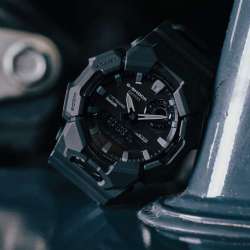
The watch feels solid without feeling heavy. The resin strap flexes comfortably, and the analog hands move with smooth precision. If you’re used to wearing a G-Shock, this one fits naturally. The weight distribution is balanced, and the strap doesn’t dig in during extended wear. For users who value durability over features, the focus is clear.
Who Should Skip This
If you want comprehensive fitness tracking, this watch won’t deliver. There’s no heart rate monitor, no sleep analysis, no GPS, and no workout modes. The GAB010 counts steps and syncs data. It doesn’t coach, analyze, or provide detailed metrics. Serious athletes or users who rely on granular health data should look elsewhere.
If you prefer touchscreens, app ecosystems, or smartwatch notifications, this watch will feel limited. It doesn’t mirror texts, handle emails, or run third-party apps. If you want your watch to replace your phone for quick tasks, this isn’t designed for that.

Who This Is For
G-Shock loyalists who’ve resisted smartwatches but still want basic activity data will find the GAB010 fills a narrow gap. It delivers step tracking without the compromises of a full fitness watch: no charging cables, no fragile displays, no subscription services. Users who’ve avoided wearables because of maintenance overhead will appreciate how little attention this watch demands. You wear it, it counts steps, and it syncs data when you want to check trends.
Users who value durability over features will appreciate the focus. It’s built to take hits, run for years without a battery replacement, and operate in conditions where touchscreen fitness trackers would struggle. The G-Shock platform brings shock resistance, water resistance, and proven reliability. Adding a step counter doesn’t compromise any of that.
The $180 price sits above entry-level G-Shocks but below most fitness smartwatches. You’re paying for solar power, step tracking, and Bluetooth inside a case that can handle rough conditions. For users who want basic activity awareness without adopting a full smart ecosystem, that combination offers utility without requiring a lifestyle change. Casio didn’t try to compete with Apple Watch or Garmin. It built a G-Shock that happens to count steps.
Price: $180
Where to Buy: Casio | Amazon
This watch works best for people who already like G-Shocks and want one additional data point. If you’re looking for a fitness device that can survive construction sites, camping trips, or daily wear without special care, the GAB010 delivers without pretending to be something it’s not. The restraint is the selling point.

GOLDEN HOUR Kids Digital Sport Watches with Fitness Tracker, Alarm Clock, Stopwatch, No App Waterproof Birthday Gifts for Girls and Boys Ages 4-12 in White
(as of March 27, 2026 18:48 GMT -05:00 - More infoProduct prices and availability are accurate as of the date/time indicated and are subject to change. Any price and availability information displayed on [relevant Amazon Site(s), as applicable] at the time of purchase will apply to the purchase of this product.)
