
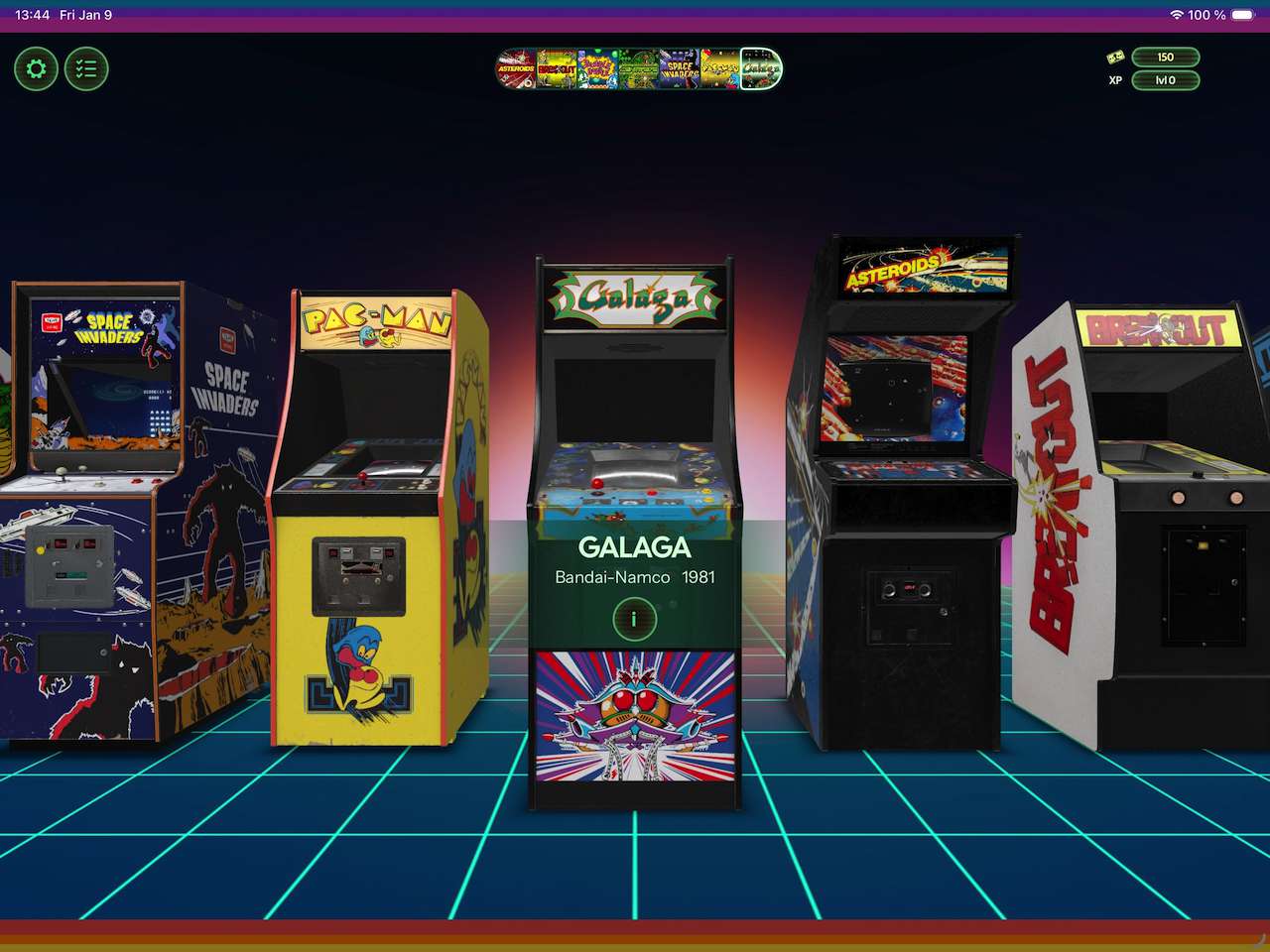
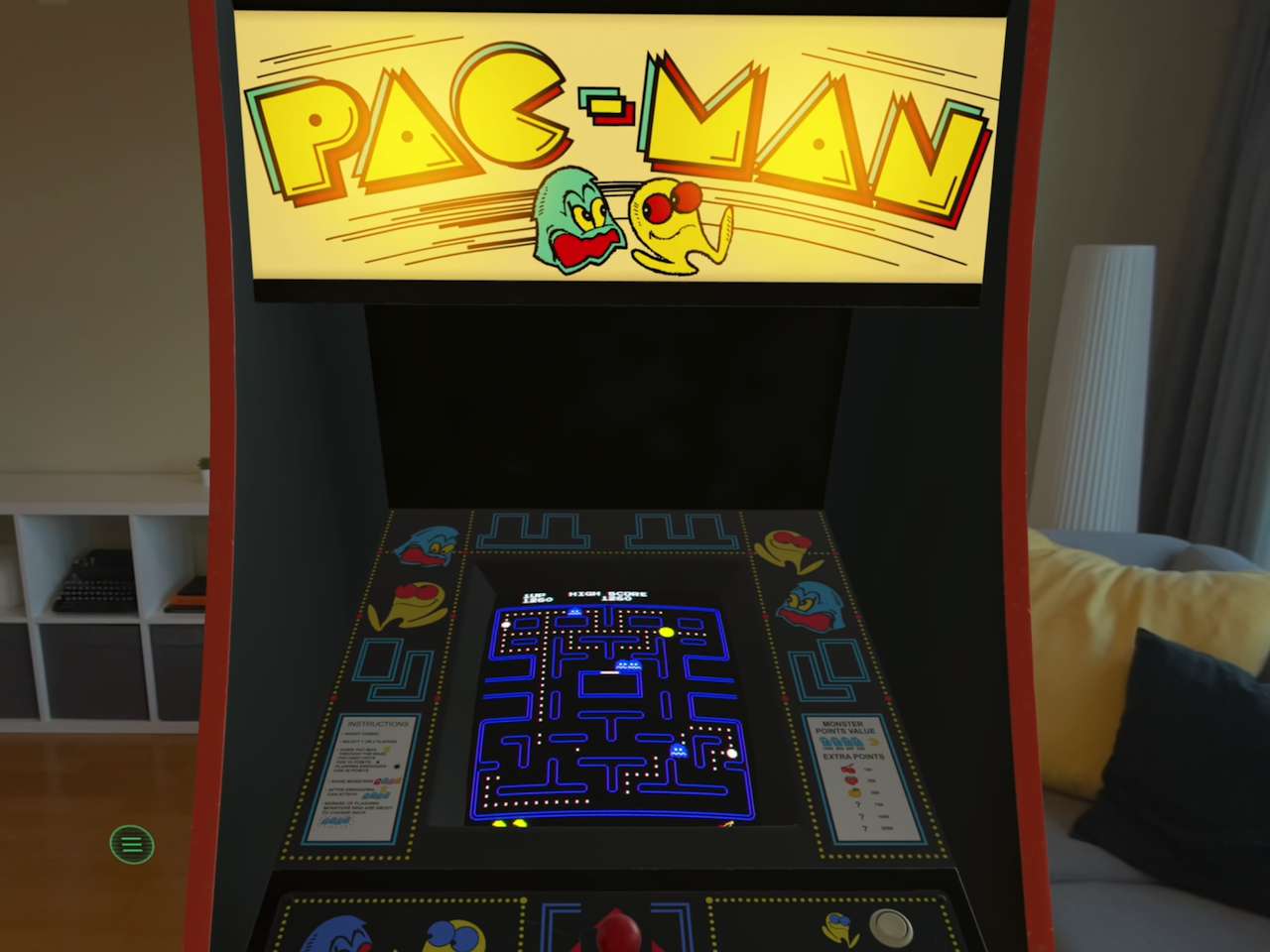
ARTICLE – Apple Arcade subscribers with Vision Pro headsets can play seven classic arcade games starting February 5, when Retrocade launches as part of the monthly subscription. Resolution Games built the app to recreate the physical arcade experience in VR, complete with cabinet artwork you can walk around and inspect before dropping into gameplay.
What You’re Actually Getting
The game library pulls from the late 1970s through the mid-1980s: Asteroids, Bubble Bobble, Breakout, Centipede, Galaga, Pac-Man, and Space Invaders. These aren’t reconstruction attempts or spiritual successors. They’re the original ROMs running in emulation, wrapped in virtual arcade cabinet shells that mimic how these games appeared in their original context.
Each cabinet shows period-accurate artwork, control panel layouts, and cabinet styling. You can move around the virtual space to inspect the details. The side art, marquees, and cabinet construction all appear before you start a game.
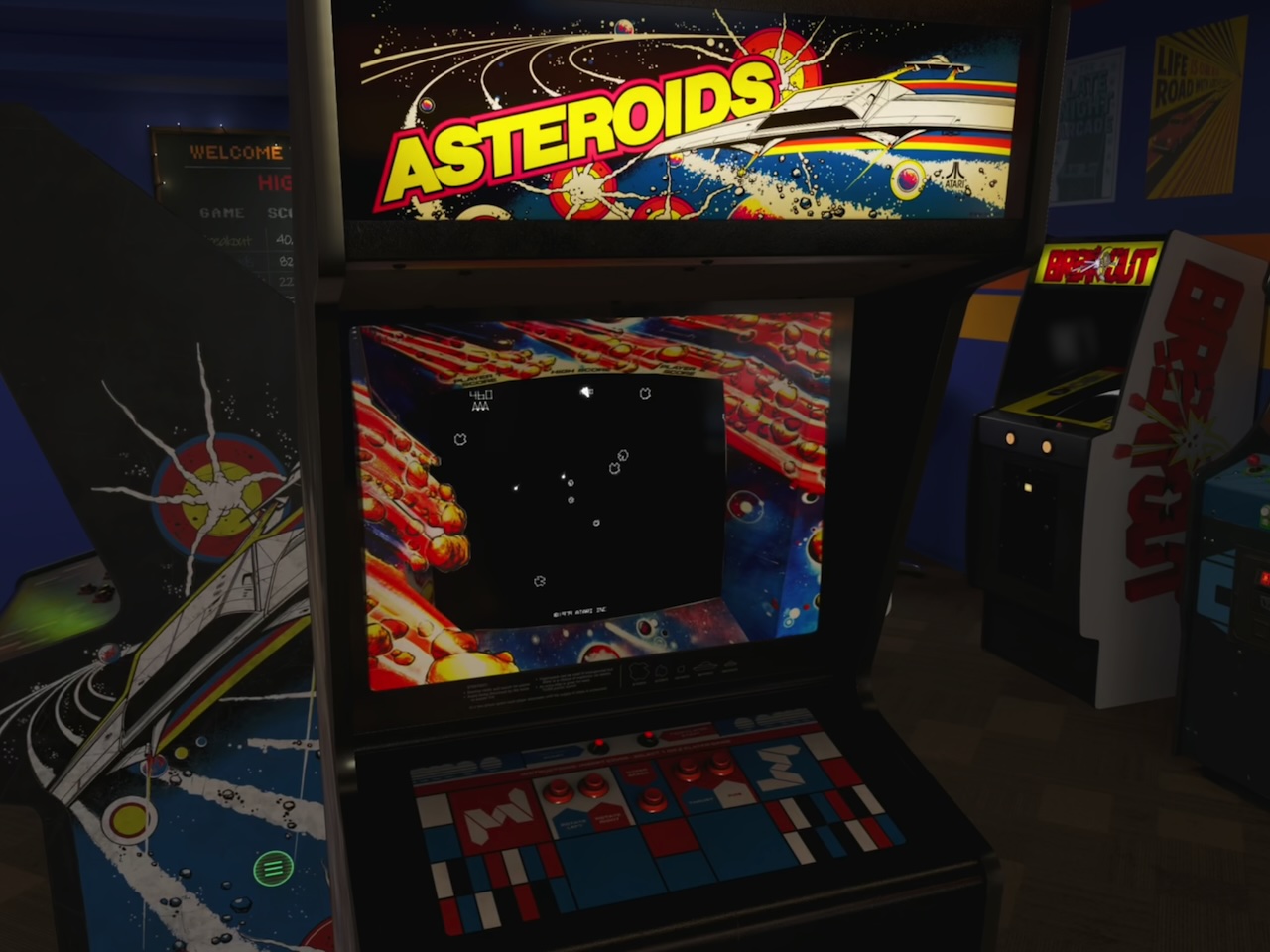
The Vision Pro’s passthrough mode lets you place these cabinets in your actual room, or you can load into a dedicated arcade environment if you’d rather separate the experience from your physical space.
On iPhone and iPad, Retrocade presents the games in a more traditional emulator-style interface. You get the same ROM set and feature access, but without the spatial cabinet inspection that defines the Vision Pro version. Bluetooth controller support works across all three platforms, which matters more for games that originally used joysticks and buttons rather than the touch-adapted controls mobile versions sometimes force.
The Actual Arcade Part
Achievement systems and global leaderboards sit on top of the original gameplay. Every game tracks specific milestones tied to score thresholds, survival duration, or level completion. Leaderboards rank players worldwide, which adds a competitive layer these games didn’t originally support beyond whatever high score list existed on a single cabinet in a specific location.
This changes how the games function in practice. Original arcade releases were designed around quarter-fed attempts with no save states, no rewind features, and no achievement notifications breaking your concentration mid-game. Retrocade maintains the core difficulty and progression systems but adds modern scaffolding that shifts the experience from pure skill demonstration to structured goal completion.
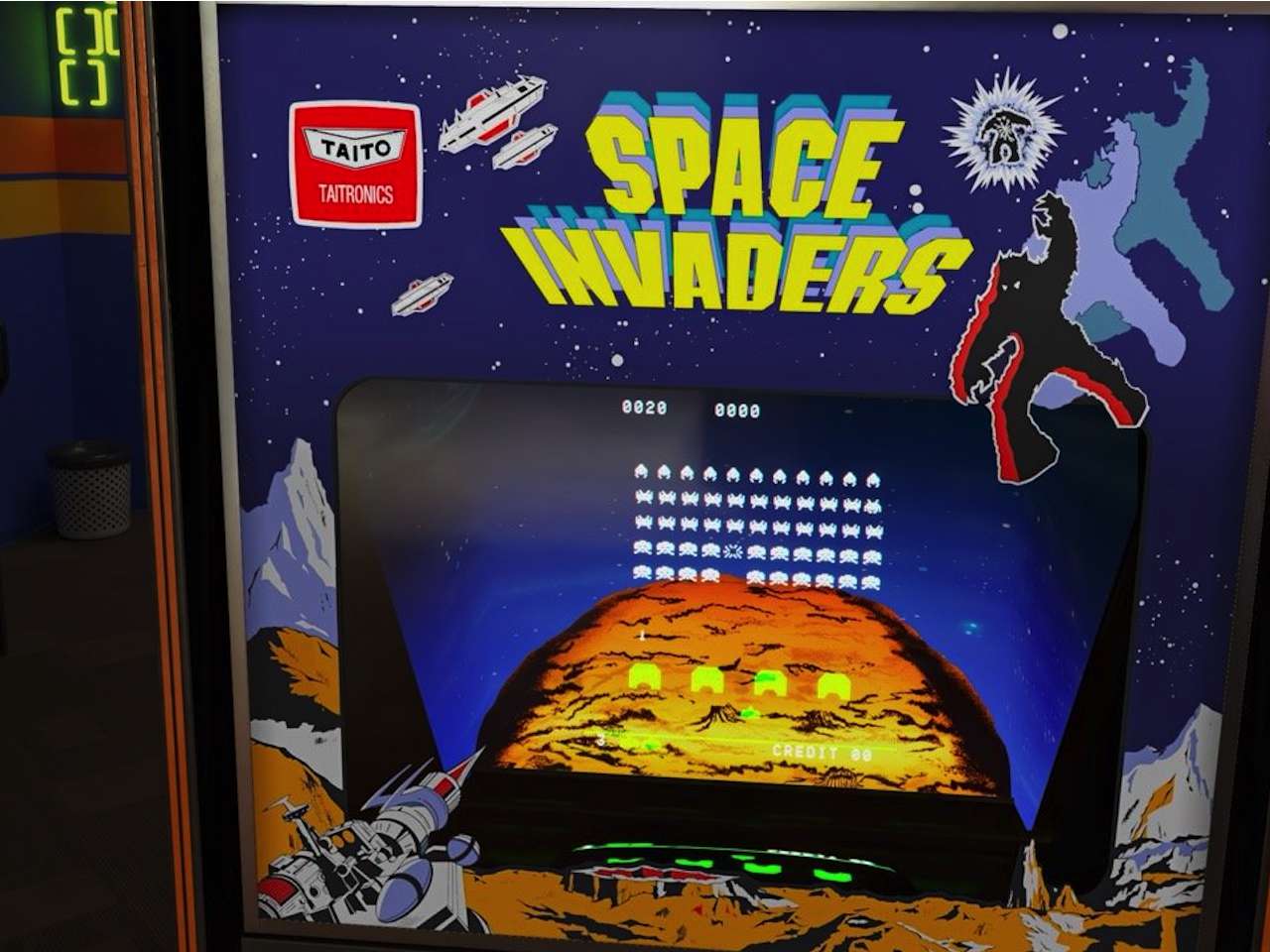
The emulation handles timing and collision detection accurately enough that muscle memory from original hardware transfers cleanly. Pac-Man’s ghost AI behaves as expected, Galaga’s dive-bombing patterns match the original release, and Asteroids’ physics maintain the momentum and inertia that defined its control scheme. If you learned these games on real cabinets, you won’t need to relearn movement or enemy behavior patterns here.
What This Replaces and What It Doesn’t
Apple loosened App Store emulator restrictions in April 2024, which opened the door for ROM-based retro gaming apps on iOS. That policy change made Retrocade possible, but it also created a landscape where users can build their own classic game libraries using open-source emulators and legally obtained ROM files.
Retrocade offers convenience in exchange for library limitations. You get seven games, officially licensed and pre-configured, with no ROM sourcing required. If those seven games align with what you want to play, the $6.99 monthly Apple Arcade fee is lower friction than hunting down ROM files and configuring standalone emulators. If you want deeper 1980s arcade coverage or prefer games outside this specific selection, you’ll get more value from dedicated emulator apps that let you load custom ROM libraries.
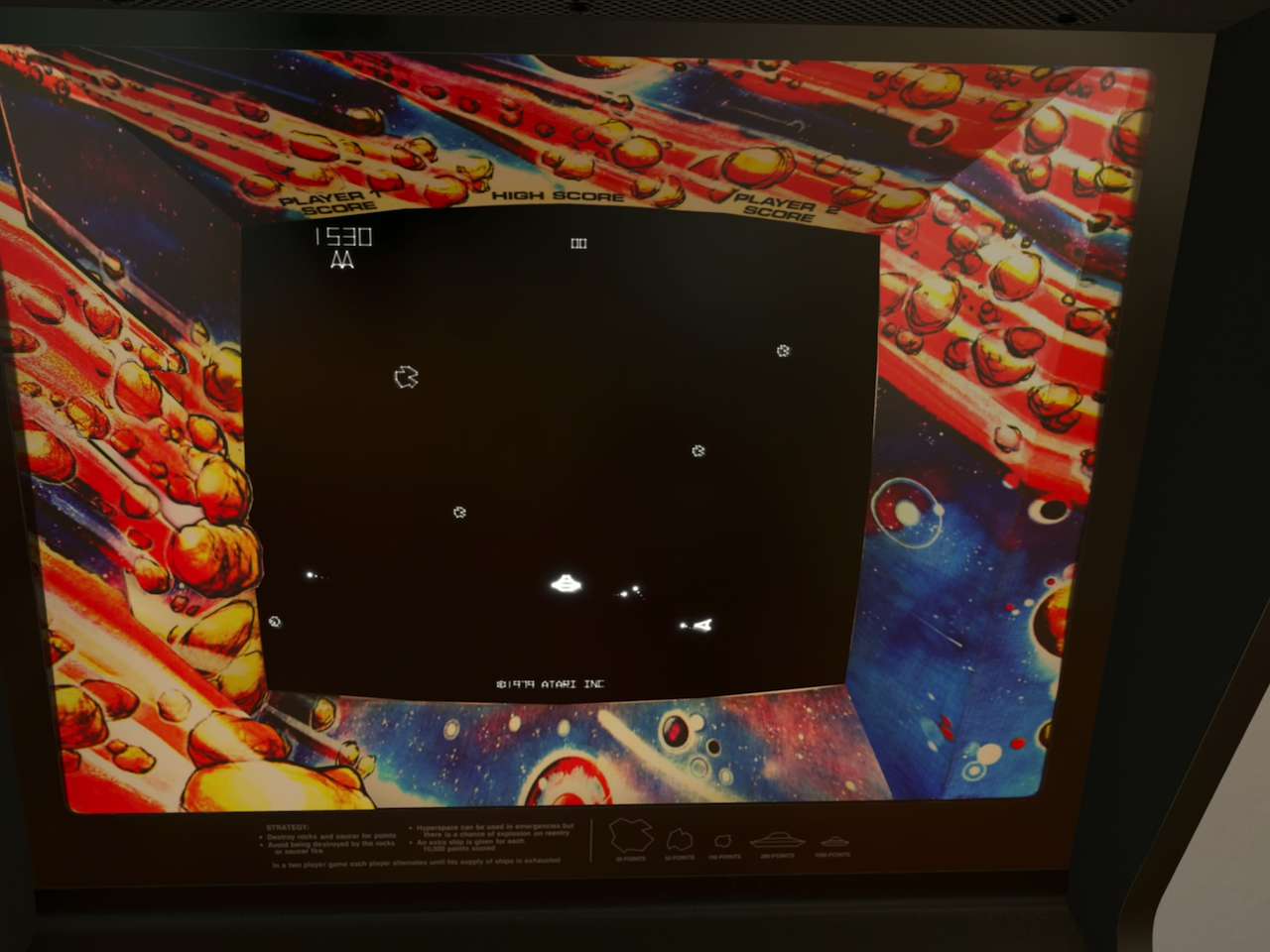
The Vision Pro’s spatial presentation is the differentiator here. Emulators can run these same games on headset hardware, but they won’t recreate the cabinet inspection experience or the physical sense of standing in front of an arcade machine. That’s either worth the subscription cost or it isn’t, depending on whether the virtual arcade context adds meaningful value beyond gameplay access.
The M2 and M4 chips in current Apple devices handle these 1980s arcade ROMs without performance issues. Emulation accuracy is high enough that frame pacing, audio timing, and input lag stay within acceptable ranges for casual and competitive play. Resolution Games hasn’t specified exact emulation cores or accuracy targets, but gameplay footage suggests solid implementation without obvious timing glitches or control response problems.
Who This Targets and Who It Skips
If you already own a Vision Pro and maintain an active Apple Arcade subscription, Retrocade adds seven games to your library at no additional cost. The value calculation is straightforward: you’re paying for Apple Arcade’s broader catalog, and Retrocade is part of that package. Whether you use it once or play through every achievement doesn’t change your monthly fee.
For users considering Apple Arcade specifically for Retrocade, the math gets tougher. Seven games don’t justify a recurring subscription unless you’re actively using other Apple Arcade titles or you place high value on the Vision Pro’s spatial cabinet features. Retrocade isn’t a destination app that carries a subscription on its own.
Vision Pro owners who grew up in arcades during the 1980s are the clearest target. The cabinet inspection feature trades on nostalgia for the physical arcade experience, which means nothing to players who first encountered these games through home console ports, emulators, or compilation releases. If your reference point for Pac-Man is Namco Museum on PlayStation rather than a stand-up cabinet at a pizza restaurant, the virtual arcade framing won’t resonate the same way.
The seven-game selection skips deeper cuts and focuses on universally recognized titles. That’s a safe approach for broad appeal but limits the discovery factor. Arcade enthusiasts looking for obscure releases or genre-specific deep dives won’t find that here. Retrocade aims for the center of the retro gaming audience rather than the edges.
Apple Arcade costs $6.99 per month as a standalone subscription, or it’s included in Apple One bundles starting at $19.95 monthly. The bundle route makes more sense for households already using multiple Apple services, since the incremental cost for Arcade access drops to effectively zero once you’re paying for iCloud storage, Apple Music, and other services in the package.
Retrocade arrives February 5 through Apple Arcade on Vision Pro, iPhone, and iPad. The Vision Pro version is where the concept makes the most sense. The mobile versions function as standard emulator interfaces, which puts them in direct competition with free alternatives that offer broader game libraries and more configuration control.

NetumScan Book & Document Camera, Multi-Language OCR and English Article Recognition by AI Technology, Real-time Projection, Video Recording, Foldable & Portable, Capture, Windows/MAC/Linux- NS-800NC
(as of March 20, 2026 19:02 GMT -05:00 - More infoProduct prices and availability are accurate as of the date/time indicated and are subject to change. Any price and availability information displayed on [relevant Amazon Site(s), as applicable] at the time of purchase will apply to the purchase of this product.)
