
ARTICLE – Most pocket knives marketed as “modern classics” just swap out the handle material and call it progress. The actual mechanism stays exactly what it was in 1950, which works until you realize modern steel exists for a reason.
Price: $124.99
Where to Buy: Case
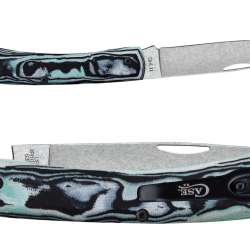
Case’s new Crossroads series takes the opposite approach. The XR Sod Buster Jr keeps the slip joint frame you’d recognize from decades ago but rebuilds what’s inside it: S35VN blade steel instead of the usual stainless, burlap laminate G-10 instead of traditional scales, and screw-together construction instead of pins. The Seafoam Green Burl version shows the clearest version of this shift.
So the real question is: does combining Bradford-made heritage with premium materials make sense, or is this just expensive nostalgia?
What Actually Changed From the Original
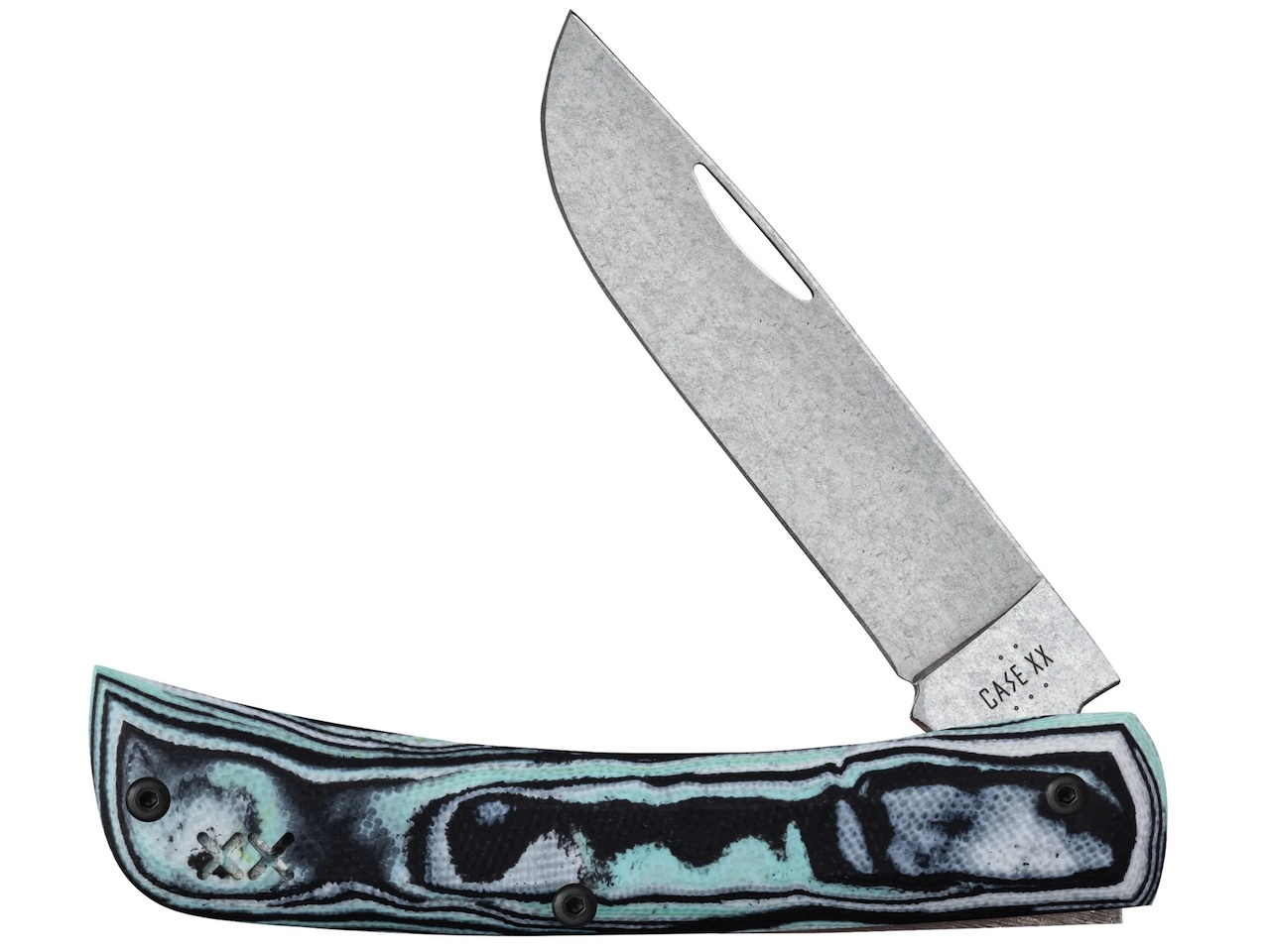
The blade moves from Case Tru-Sharp stainless to S35VN, which is the same steel you’d find on knives costing twice this. Edge retention jumps considerably. S35VN holds an edge longer than standard stainless while maintaining the toughness you need for everyday cutting tasks. The stonewash finish hides scratches better than satin, which matters if you’re actually using this daily instead of keeping it in a display case.
That steel upgrade isn’t subtle. Traditional Case stainless works fine for occasional use, but S35VN sits in a different performance tier entirely. It’s the steel Benchmade and Spyderco use on their premium folders, so seeing it on a slip joint signals Case is taking this seriously.
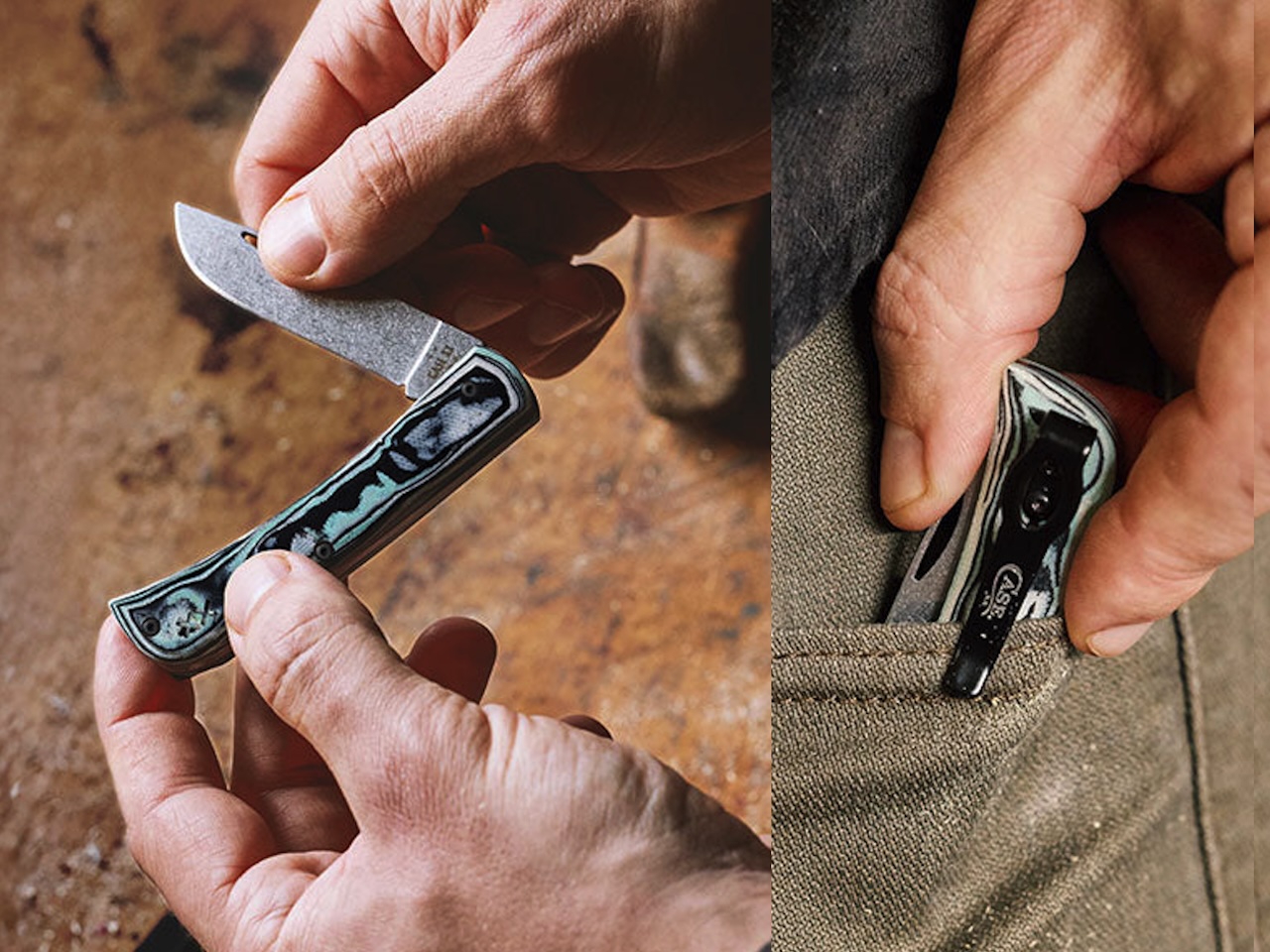
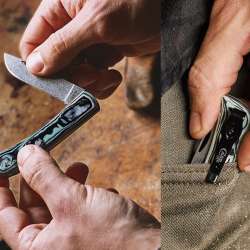
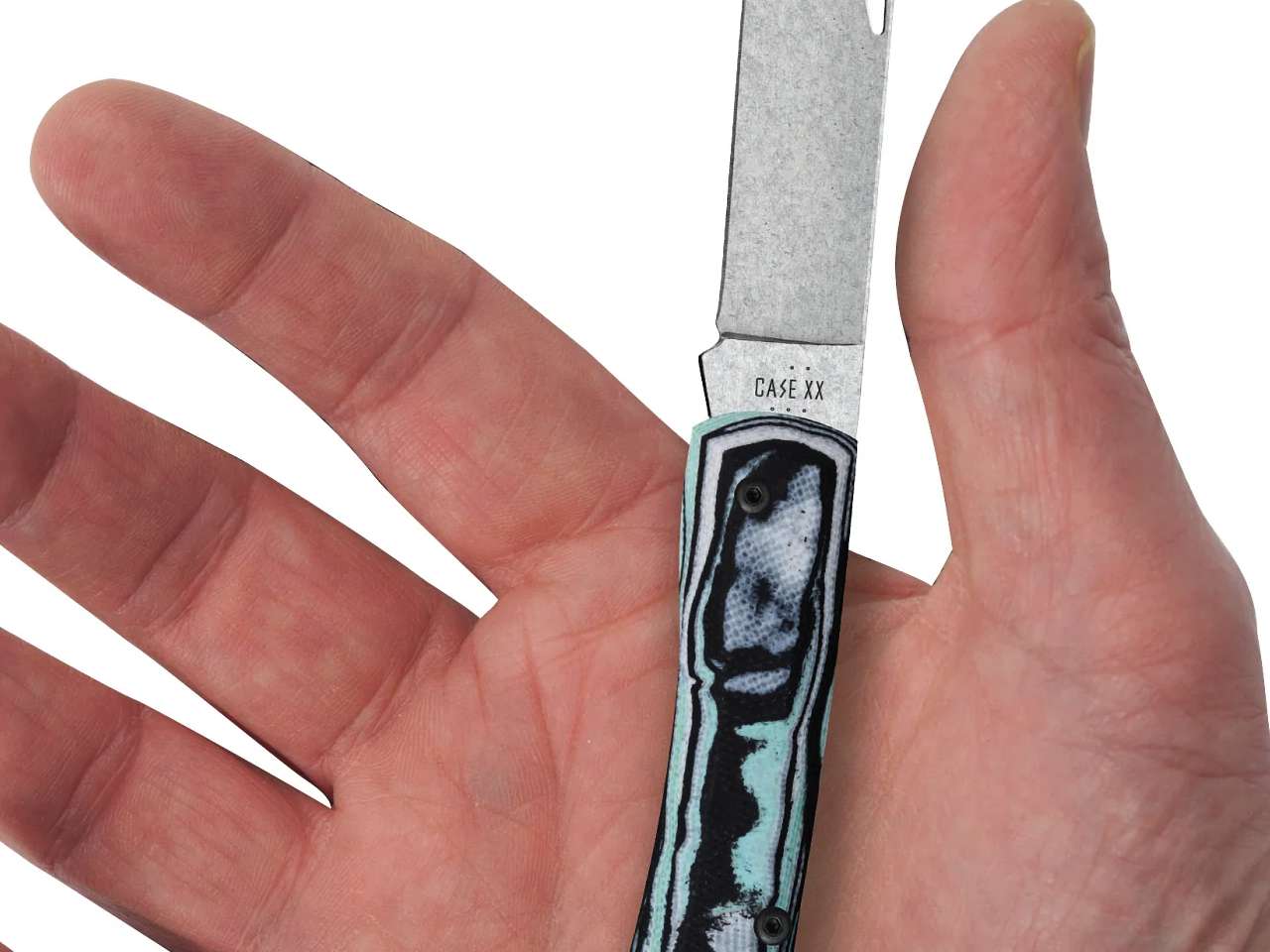
Handle construction shifts to burlap laminate G-10 with a seafoam green burl pattern. The texture catches your thumb slightly when you open it, giving grip without being aggressive. It’s not as smooth as wood or bone, but that texture means you’re less likely to drop it when your hands are wet or gloved. Weight stays at 2.1 ounces, light enough for front pocket carry but substantial enough that you know it’s there.
The screwed-together build replaces traditional pinned construction. That’s the detail that signals this isn’t just a cosmetic update. Pinned knives require factory service if anything goes wrong. Screwed construction means you can disassemble it yourself, clean the pivot, oil the spring, and reassemble without shipping it to Pennsylvania. Assuming you don’t lose the tiny screws, which is the real risk.
The skinner blade shape stays unchanged, which is either faithful or stubborn depending on your perspective. It’s a belly-heavy design optimized for slicing curves rather than straight cuts. Not ideal for breaking down cardboard, but handles food prep and outdoor tasks without fighting you.
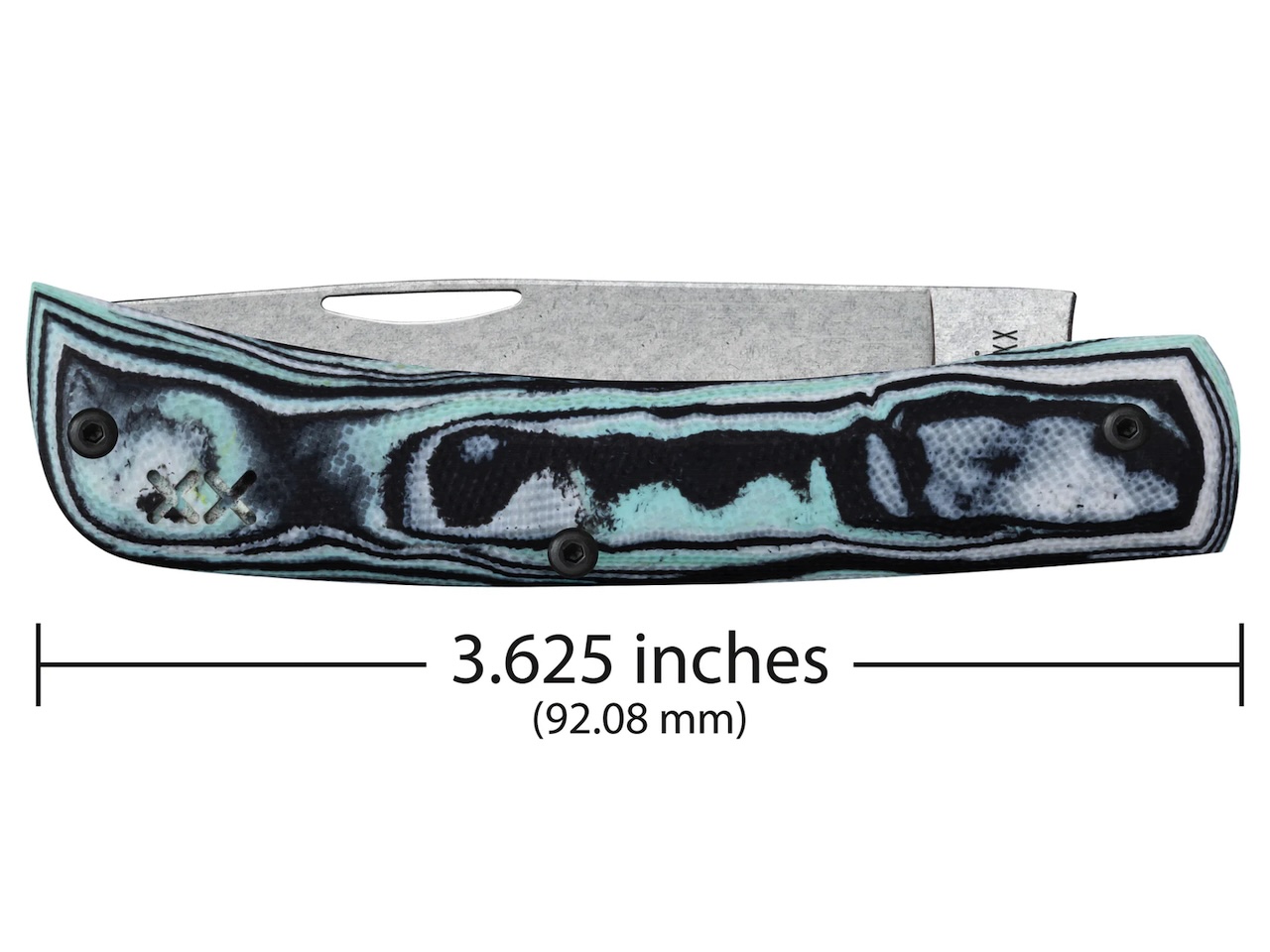
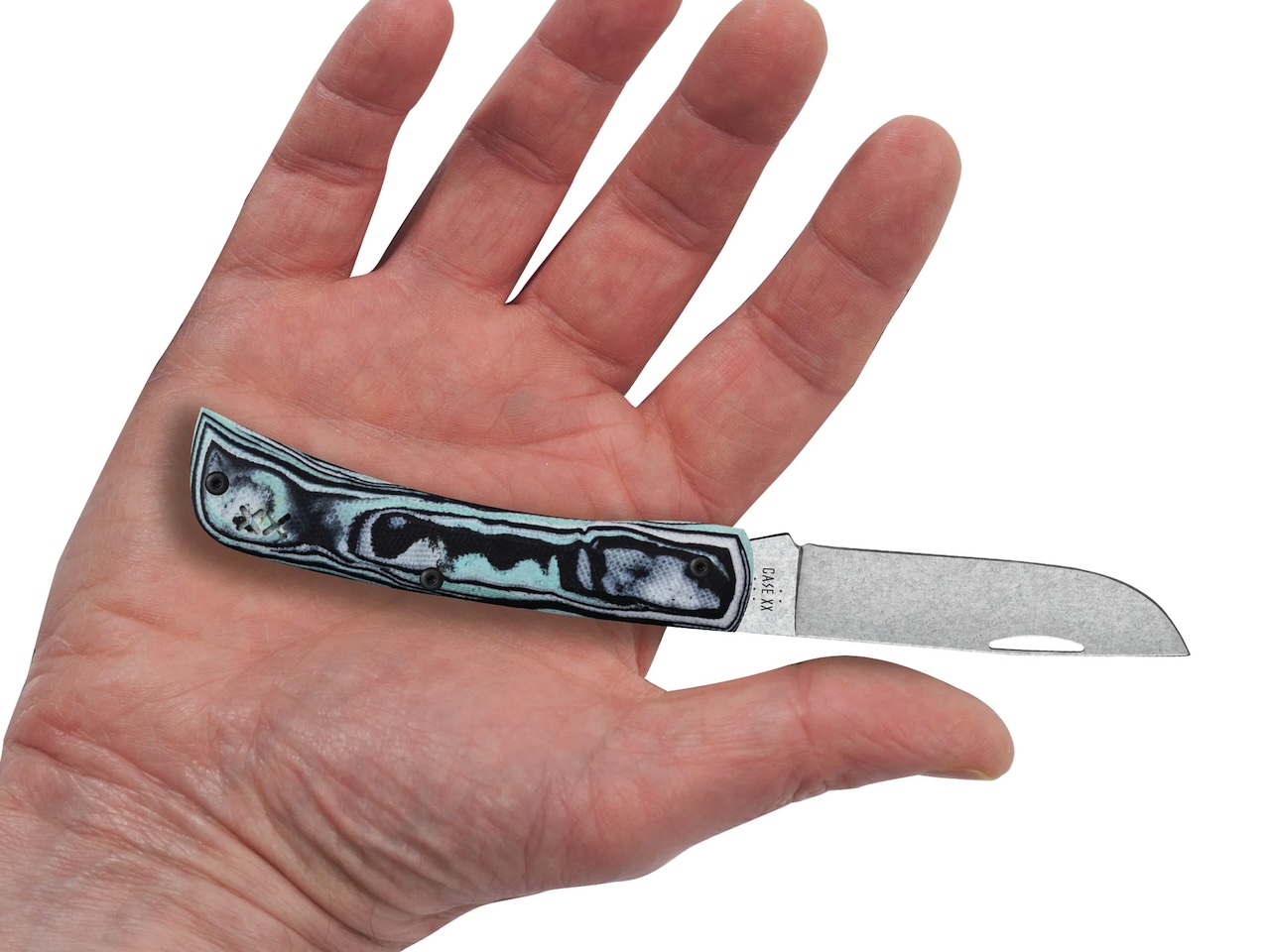
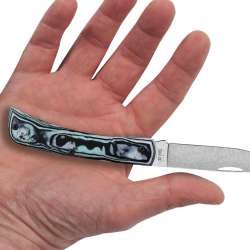
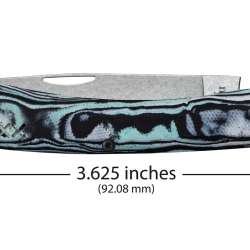
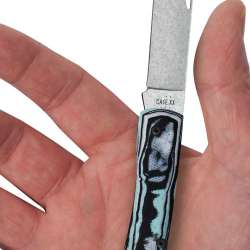
Closed length sits at 3.625 inches, making this the smaller Sod Buster variant. It’s noticeably more compact than the standard version, which runs closer to 4.5 inches closed. The size reduction doesn’t compromise the blade length much, but it does make the knife feel more pocketable for daily carry rather than occasional field use.
Why the Crossroads Series Exists
Case has watched the EDC market shift toward premium materials and user-serviceable construction for years. Brands like Benchmade, Spyderco, and even budget manufacturers have normalized S30V-level steels and modular designs. Meanwhile, Case kept building traditional folders with traditional materials, which worked fine until younger buyers started asking why they’d pay heritage pricing for 1970s specs.
The Crossroads series is Case’s answer without abandoning what made them recognizable. They’re not trying to build a modern tactical folder. They’re upgrading the internals while keeping the silhouette and mechanism that defined their reputation. It’s a careful balance between honoring legacy customers and acknowledging that steel technology improved dramatically over the past three decades.
Who This Makes Sense For
This works if you want S35VN performance in a slip joint form factor. Slip joints don’t lock, which means the blade stays open through spring tension and your grip rather than a mechanical lock. Some workplaces and regions actually prefer non-locking knives for legal or policy reasons, making this a practical choice rather than just a stylistic one.
The pocket clip is a welcome addition that traditional Sod Busters lacked. Original versions just lived loose in your pocket, which meant they’d settle at the bottom under your keys and phone. You’d spend time fishing for them when you actually needed to cut something. Clip carry solves that problem without changing the knife’s profile or adding bulk.
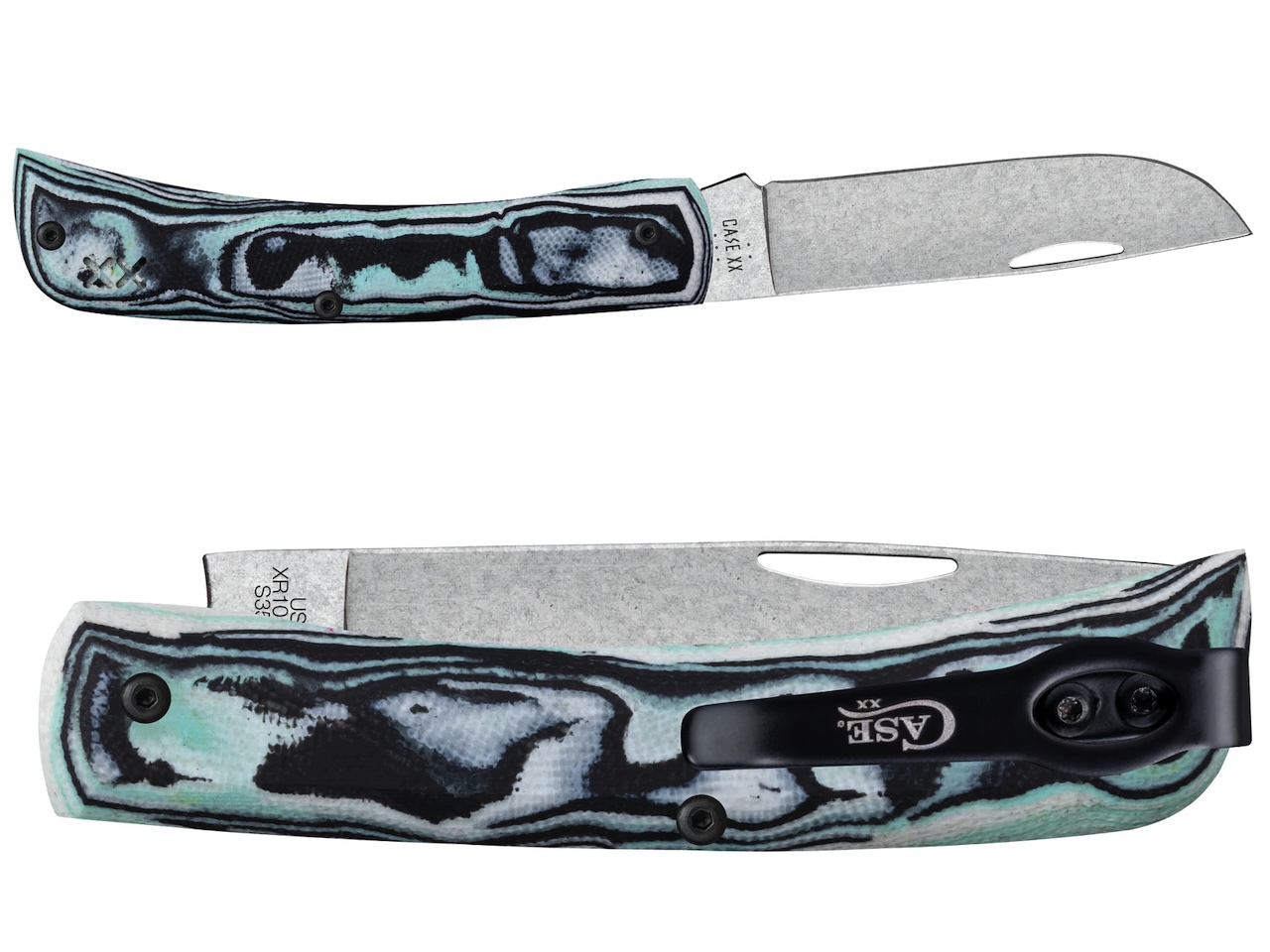
Case’s XX quality stamp appears on the handle, marking it as meeting their traditional quality standards. The limited lifetime warranty applies, though hand-crafted construction means yours might not match the product photos exactly. Natural materials vary in grain and color, which is either charming or annoying depending on whether you value uniformity or uniqueness. If you already carry traditional slip joints and appreciate the operation but wish the steel performed better, this delivers exactly that upgrade. The opening action feels familiar, the blade shape handles the same tasks, but edge retention improves enough that you’ll notice the difference between sharpenings.
The Bradford, Pennsylvania manufacturing matters to some buyers. Case is one of the few knife manufacturers still producing domestically, though they source some materials internationally. That manufacturing location comes with higher labor costs, which shows in the pricing, but also means quality control happens in-house rather than through overseas contractors.
Who Should Skip This
If you need a locking blade, this isn’t it. Slip joints rely on spring tension and your grip, which works fine for controlled cuts but feels wrong if you’re used to frame locks or liner locks. The blade can close on your fingers if you lose grip or apply pressure incorrectly. That’s not a design flaw, it’s inherent to slip joint mechanisms, but it means this knife requires more attention during use than a locking folder.
The 3.63-inch closed length sits between keychain-small and full-size. It’s not as pocketable as a Swiss Army Classic but not as capable as a four-inch folder. If you already carry a dedicated EDC blade with modern steel and a lock, this becomes a backup or a weekend knife rather than your primary tool. It occupies an awkward middle ground that works better as a supplement than a replacement.
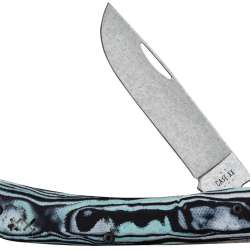
The skinner blade profile limits versatility. That curved belly excels at slicing tasks but struggles with piercing or detail work. If you regularly open packages or need to make precise cuts, a drop point or clip point blade would serve you better. The skinner shape is optimized for specific tasks, which means it’s less adaptable to general EDC demands.
Pricing sits at the upper end for Case production knives, justified by the S35VN steel but still a consideration if you’re comparing pure cutting performance per dollar. You can find folders with similar or better steel for less money, but they won’t carry Case’s heritage or American manufacturing. You’re paying for Pennsylvania craftsmanship and the Crossroads upgrade package together, not just blade performance.
If you prefer modern ergonomics, this won’t satisfy you. The handle shape follows traditional patterns that prioritize manufacturability and classic aesthetics over contoured grip. It works fine in hand, but it doesn’t mold to your palm the way modern folders do. Case designed this to look and feel like a traditional knife, which means modern comfort features didn’t make the cut.
Where to Get It
The Crossroads series launched with the XR Sod Buster Jr in multiple handle materials beyond the Seafoam Green Burl G-10. You’ll find versions with natural wood and other G-10 color options, letting you choose between natural variation and synthetic consistency. The Seafoam Green Burl version is available now through Case dealers and their direct site.
Expect the usual Case quality control, which sits solidly in the “they’ll make it right if something’s wrong” category. Their customer service handles warranty claims and defects without making you fight for coverage, though turnaround times can stretch longer during busy seasons.
Price: $124.99
Where to Buy: Case
The series signals Case responding to the EDC market’s shift toward better steel and user-serviceable construction while keeping the slip joint mechanism that built their reputation. Whether that combination finds an audience depends entirely on how many people want classic operation with modern materials. It’s a bet that tradition and performance can coexist without one compromising the other.

INIU Mini Portable Charger, Small 45W PD Power Bank, 10000mAh USB C in&Out Fast Charging Pocket Size Battery Pack, Travel Essentials Powerbank for iPhone 17 16 15 14 Pro Air, Xiaomi, Samsung S24 etc
(as of March 20, 2026 18:25 GMT -05:00 - More infoProduct prices and availability are accurate as of the date/time indicated and are subject to change. Any price and availability information displayed on [relevant Amazon Site(s), as applicable] at the time of purchase will apply to the purchase of this product.)
