
ARTICLE – Every foldable phone ships with the same compromise. No matter how premium the materials, no matter how smooth the hinge, there is always a crease running down the center of the display. You can see it. You can feel it. Samsung has spent years refining the Z Fold line, and the crease is still there. It is the tax you pay for a screen that bends. Every foldable owner knows it.
Apple, according to leaker Jon Prosser, thinks it can eliminate the crease entirely.
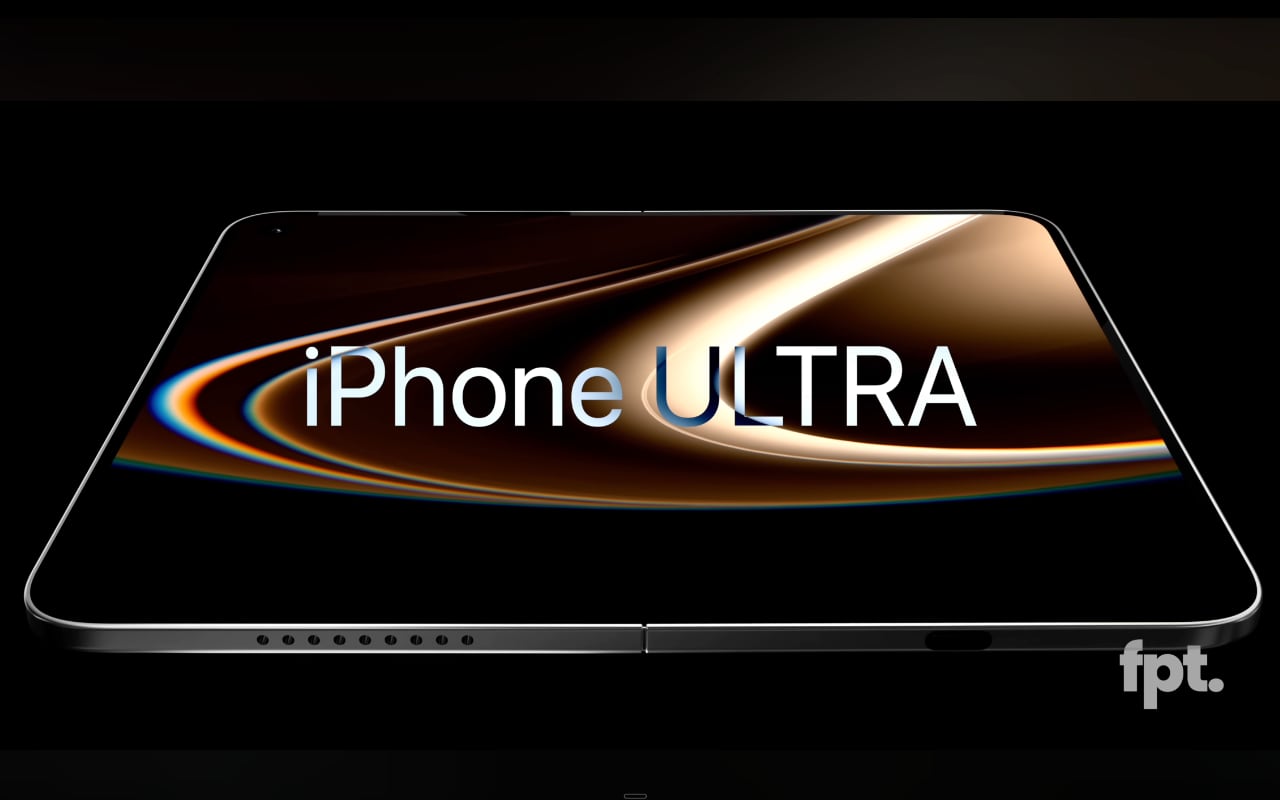
Prosser dropped a detailed video on Christmas Eve showing what he claims is Apple’s foldable iPhone, expected to launch alongside the iPhone 18 Pro and 18 Pro Max in Fall 2026. The timing is pointed: Apple sued Prosser in July for leaking iOS 26 and Liquid Glass details, and his response appears to be leaking even more. The renders show a book-style foldable with a 5.5-inch external display that unfolds into a 7.8-inch internal screen. According to Prosser, the internal display has no visible crease. That’s the kind of claim that sounds impossible until it suddenly isn’t.
Why This Claim Matters
The crease is not a bug. It is what happens when you take an OLED panel and bend it repeatedly. The plastic substrate deforms. The layer stack compresses unevenly. Every foldable manufacturer has tried to minimize it, and every foldable manufacturer has failed to eliminate it. If you have used a Galaxy Z Fold, you know the feeling: that slight ridge under your finger when you swipe across the center of the screen, the way light catches the fold line at certain angles. It works, but it never quite disappears. You learn to ignore it. You never stop noticing.
Prosser claims Apple is using a metal plate that disperses bending pressure across the display, combined with a liquid metal hinge mechanism. The goal is durability and seamlessness. Whether Apple has actually solved a materials science problem that Samsung, Google, and every other foldable maker has struggled with for years is the open question. Prosser is confident. The renders look clean. But renders are not production hardware.
What Prosser’s Leak Shows
The foldable iPhone, as depicted, measures 9mm thick when closed, which would make each half roughly 4.5mm. For context, that is thinner than the iPhone Air, which already feels impossibly thin at 5.6mm. When unfolded flat, the device sits at 4.5mm total. That’s thin. Prosser describes it as “kind of crazy,” and the dimensions, if accurate, would make this one of the thinnest foldables ever produced.
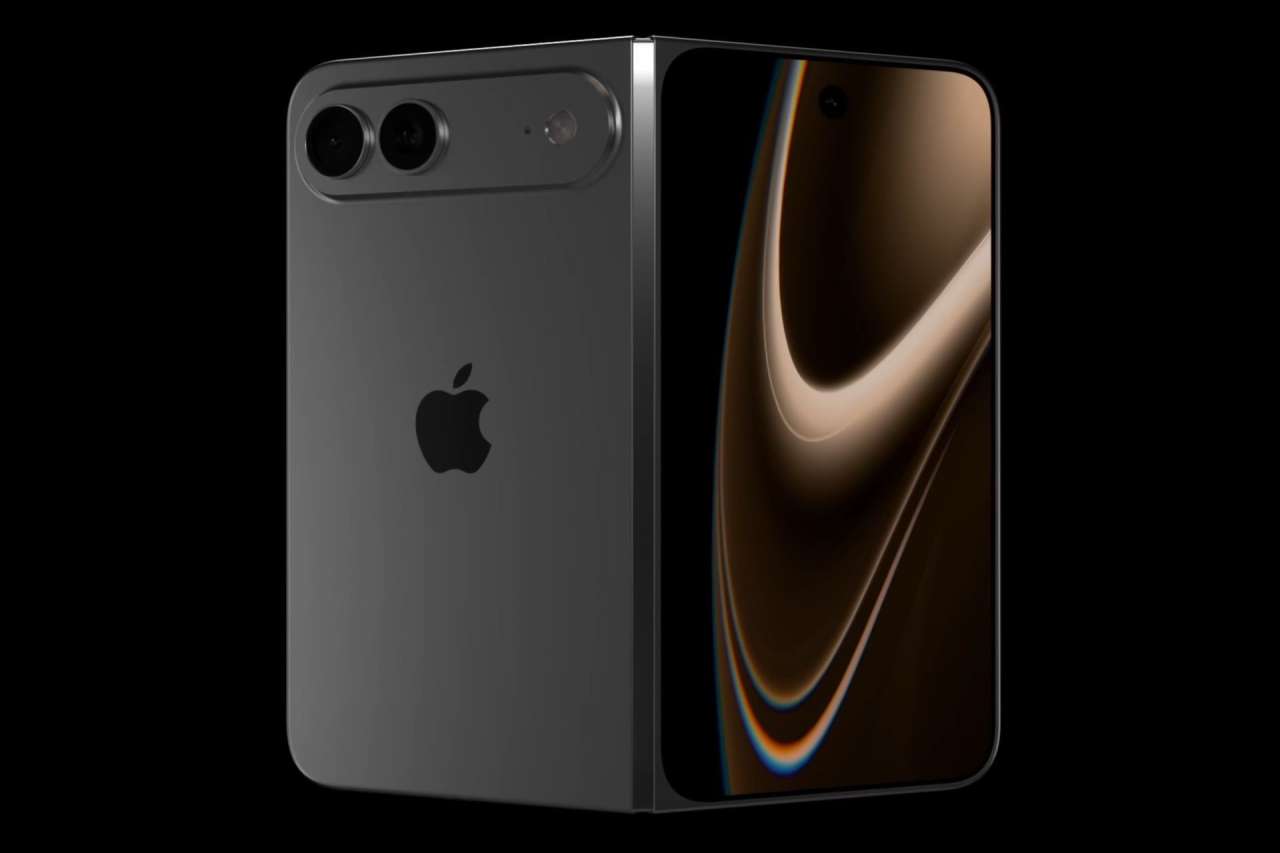
The external display looks like a standard iPhone. The internal display has an iPad-like aspect ratio. Four cameras total: one on the external screen, two rear-facing, one on the internal display. Face ID is gone, replaced by Touch ID in the power button, which returns to the top of the device. Prosser says Apple is using its second-generation in-house modem, the C2, and high-density battery cells made possible by a slimmer display driver.
Colors will be limited to black and white. Classic Apple restraint. Price will land somewhere between $2,000 and $2,500, according to Prosser, though even he hedges on the exact figure. That’s where it gets interesting.
What We Do Not Know Yet
The crease claim is the most important detail, and it is also the least verifiable. Previous reports have suggested Apple figured out how to minimize the crease. The latest leaks suggest that might not be the case after all. Prosser’s renders show a seamless display, but renders can show anything. This is where most leaks fall apart. Until someone folds and unfolds a production unit under varied lighting conditions, the crease question remains open.
The under-display camera situation is also unclear. Other reports have suggested Apple would use an invisible under-panel camera for the internal display. Prosser’s renders show a hole-punch camera in the upper left corner. These details conflict.
Pricing is speculative. Apple has never launched a foldable, so there is no baseline. The $2,000 to $2,500 range would position this above the Galaxy Z Fold 6, which starts at $1,899. Apple typically commands a premium, but the iPhone Air’s reported sales struggles suggest there are limits to what consumers will pay for form factor innovation. The foldable will test exactly where that line sits.
Who Should Skip This
If you are waiting to buy a foldable that exists today, this is not it. The foldable iPhone is at least nine months away, and everything here is based on leaks, not official announcements. If you are skeptical of Prosser’s track record, that skepticism is reasonable: he has been right on some calls and wrong on others. Apple suing him adds an interesting wrinkle, but lawsuits do not guarantee accuracy. Neither does confidence.
If you own a Galaxy Z Fold and are happy with it, there is no reason to wait. Samsung’s foldables work well, crease and all. The foldable iPhone might be better. It might also arrive with the same compromises everyone else has.
For everyone else, this is the most detailed look yet at what Apple is building. A foldable iPhone with no crease, if real, would be a genuine technical achievement. Whether Apple has actually pulled it off is the question that will define this product. We’ll know in Fall 2026. Until then, this is the best look anyone has.

Gerber Gear Suspension 12-in-1 EDC Multi-Plier Multitool with Pocket Knife, Needle Nose Pliers, Wire Cutters and More, Gifts for Men, Camping and Survival, Grey
(as of March 26, 2026 18:41 GMT -05:00 - More infoProduct prices and availability are accurate as of the date/time indicated and are subject to change. Any price and availability information displayed on [relevant Amazon Site(s), as applicable] at the time of purchase will apply to the purchase of this product.)
