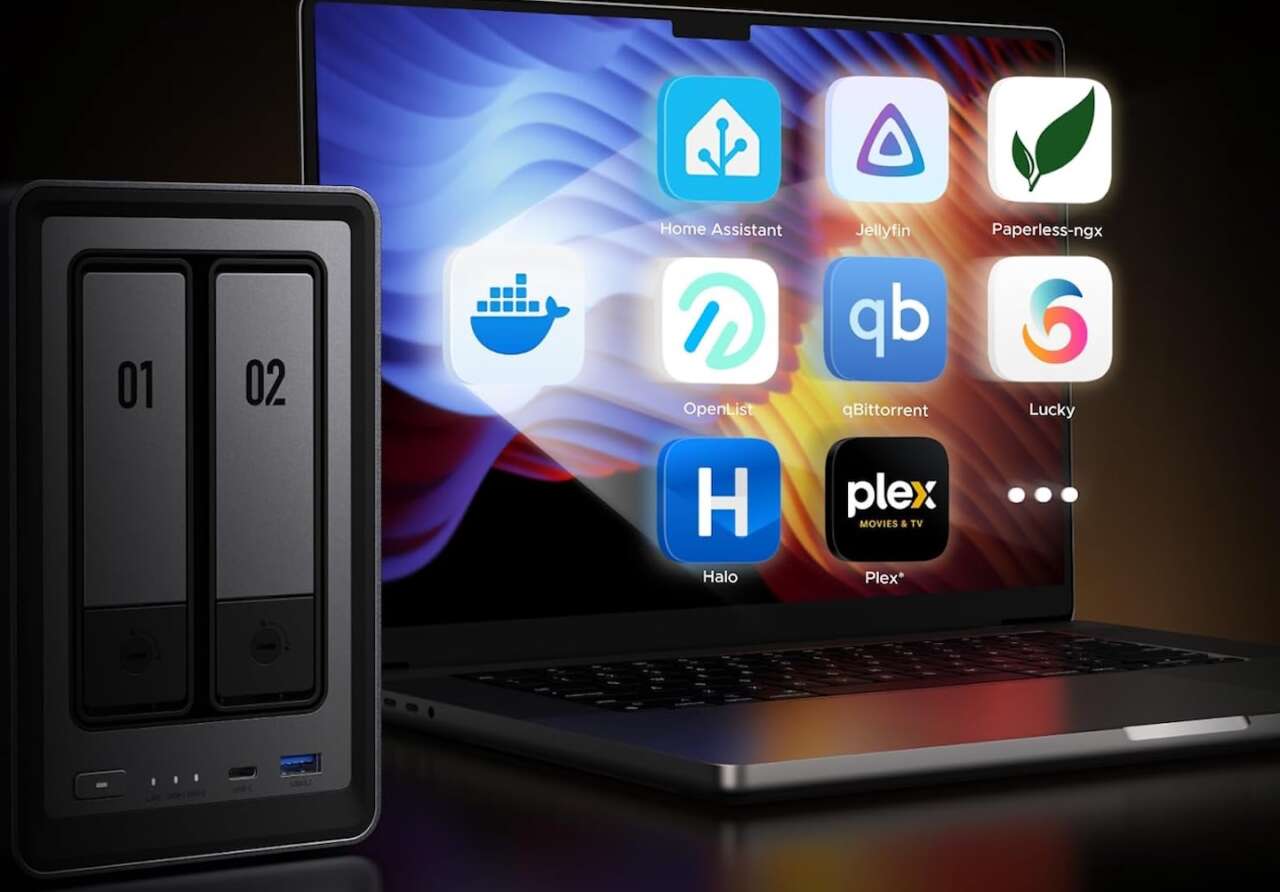
Cloud storage is convenient until it becomes another permanent bill. Photo libraries grow, video files multiply, several computers need backups, and an external drive starts to feel like an unreliable single point of failure. A network-attached storage device, or NAS, can centralize those files at home and give you more control over where they live.
But a NAS is not a magical backup box. You must buy drives separately, configure the device, maintain it, and keep another copy of irreplaceable data somewhere else. RAID can help protect against a drive failure, but it cannot save you from accidental deletion, ransomware, theft, fire, or every other kind of disaster.
That makes the model choice more important than the discount percentage. UGREEN’s October Prime Big Deal Days offers put three NAS devices in front of very different buyers: first-time users who need a straightforward home backup plan, enthusiasts who need faster networking, and creators or families who need more room to grow.
The deal prices in this article were observed in Amazon US listing snapshots on October 6, 2026. At that time, each selected model was gray, diskless, available, sold by UGREEN GROUP LIMITED, and shipped by Amazon.com. The promotion was identified as running October 6 through October 11, but the exact cutoff time, membership eligibility, and checkout conditions were not established. Confirm the live price, seller, stock, and diskless configuration before purchasing.
The quick answer
- Choose the UGREEN NASync DXP2800 if you want a first NAS for backups, photos, files, and a modest home media library.
- Choose the UGREEN NASync DXP2800 GT if two drive bays are enough but 10GbE networking and more hardware headroom matter.
- Choose the UGREEN NASync DXP4800 Plus if you need four drive bays, broader RAID options, and a system that can grow with a larger archive.
Remember that the enclosure price is only the opening cost. All three models are diskless. Your total needs to include compatible drives and a separate backup destination.
1. UGREEN NASync DXP2800: Best for a first NAS
The UGREEN NASync DXP2800 is the most sensible starting point for someone graduating from external drives or paid cloud storage.
UGREEN specifies two SATA drive bays, two M.2 SSD slots, an Intel N100 processor, 8GB of DDR5 memory, a 2.5GbE Ethernet port, and 4K HDMI output. It supports JBOD, Basic, RAID 0, and RAID 1. That last option is particularly relevant for beginners: two matching drives in RAID 1 mirror the same files, so one drive can fail without automatically taking the whole array down.
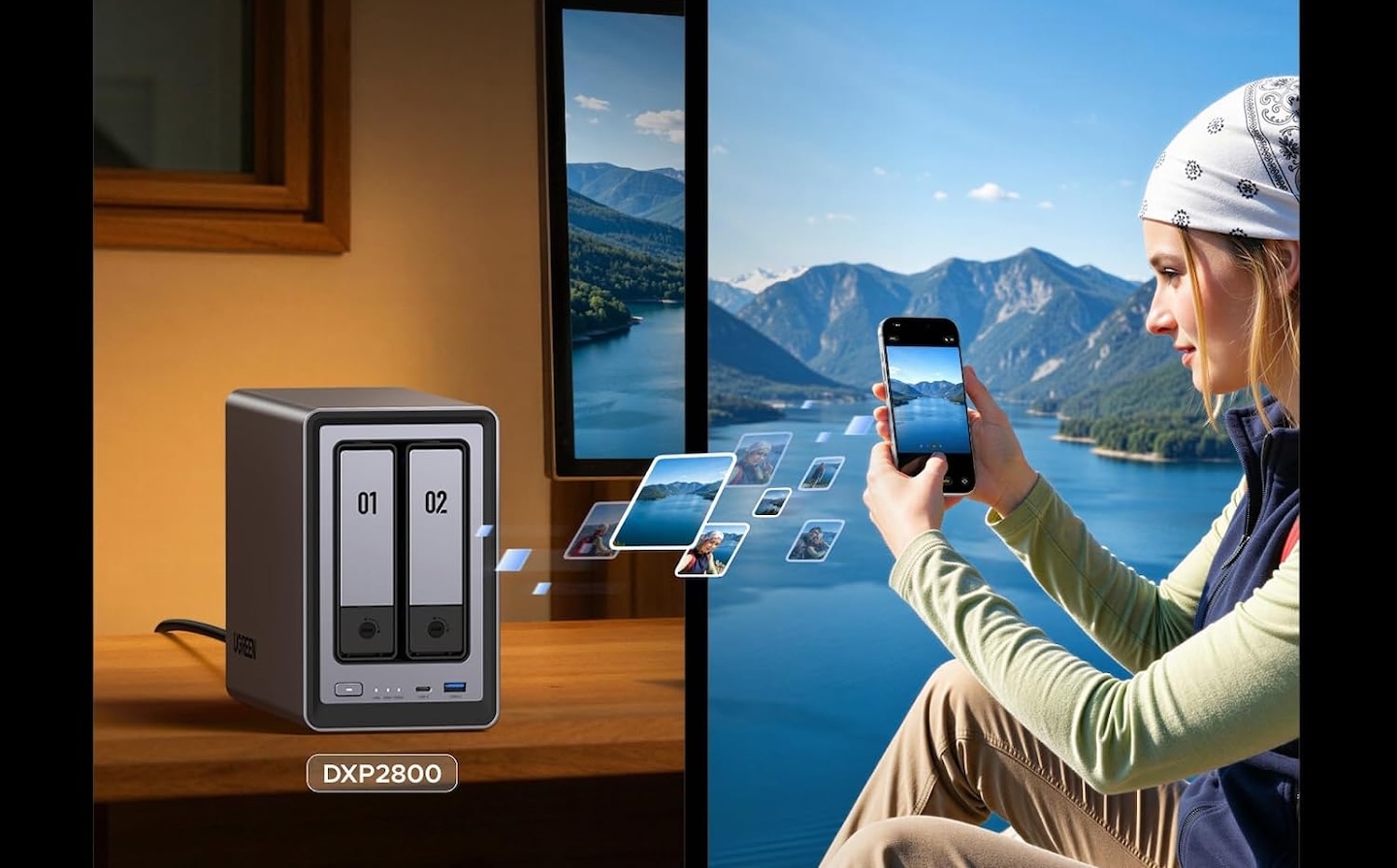
Price: $399.99
Where to Buy: Amazon
The practical benefit is centralized storage for computer backups, family photos, documents, and a manageable media collection. Its two M.2 slots can add SSD storage or caching options, depending on how the device is configured.
There are limits. Two bays mean a smaller expansion path, and a mirrored RAID 1 array gives you the capacity of only one drive. Two 8TB drives provide roughly 8TB of usable mirrored space, not 16TB. To see the advantage of 2.5GbE, your computer and network also need compatible hardware.
The Gadgeteer’s Julian Perry reviewed this exact DXP2800 model in 2025. That hands-on review is relevant context for the standard DXP2800, not the newer GT model.
Buyer fit: Buy the DXP2800 if you want capable personal storage without jumping immediately to a more expensive four-bay system. It is the right choice for a household whose backup plan is unlikely to outgrow two drives soon.
2. UGREEN NASync DXP2800 GT: Best for a faster two-bay setup
The DXP2800 GT is not simply a renamed DXP2800. Both are two-bay, diskless NAS devices, but the GT is aimed at buyers who care more about network speed and expandability.
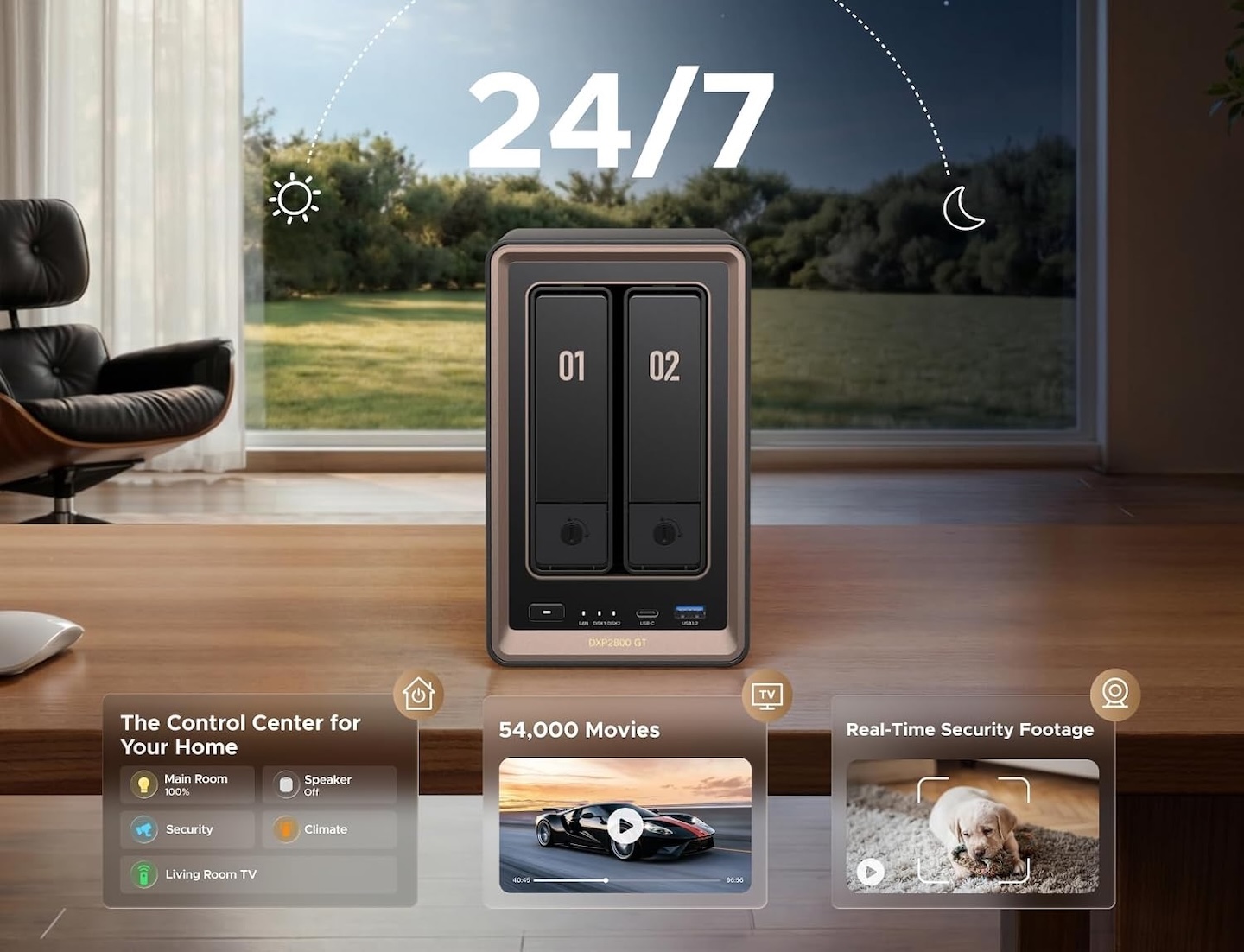
Price: $399.99
Where to Buy: Amazon
UGREEN lists an AMD Ryzen Embedded R2514 processor with four cores and eight threads, 8GB of DDR4 memory expandable to 64GB, two M.2 NVMe slots, and one 10GbE Ethernet port. On paper, 10GbE is the defining upgrade over the standard DXP2800’s 2.5GbE connection.
That upgrade is valuable only when the rest of your setup can use it. A 10GbE NAS connected to a standard 1GbE router, switch, or computer connection will still be limited by the slower link. Buyers may need a 10GbE switch, compatible network adapters, and suitable cabling to realize the hardware’s potential.
The GT still has only two SATA bays, so it supports JBOD, Basic, RAID 0, and RAID 1 rather than the broader RAID choices available on a four-bay system. It is a performance-focused two-bay NAS, not a capacity-focused replacement for the DXP4800 Plus.
Buyer fit: Choose the DXP2800 GT if your storage capacity needs are modest but you move large files, run more demanding services, or already have 10GbE networking. For ordinary home backups on a typical network, the standard DXP2800 remains the better value.
3. UGREEN NASync DXP4800 Plus: Best for long-term growth
The UGREEN NASync DXP4800 Plus is the most logical choice for buyers who already know two bays will not be enough.
UGREEN specifies four SATA drive bays, two M.2 SSD slots, an Intel Pentium Gold 8505 processor, 8GB of DDR5 memory expandable to 64GB, a 10GbE port, a 2.5GbE port, SD card reader, and 4K HDMI output. It also supports RAID 5, RAID 6, and RAID 10, along with JBOD, Basic, RAID 0, and RAID 1.
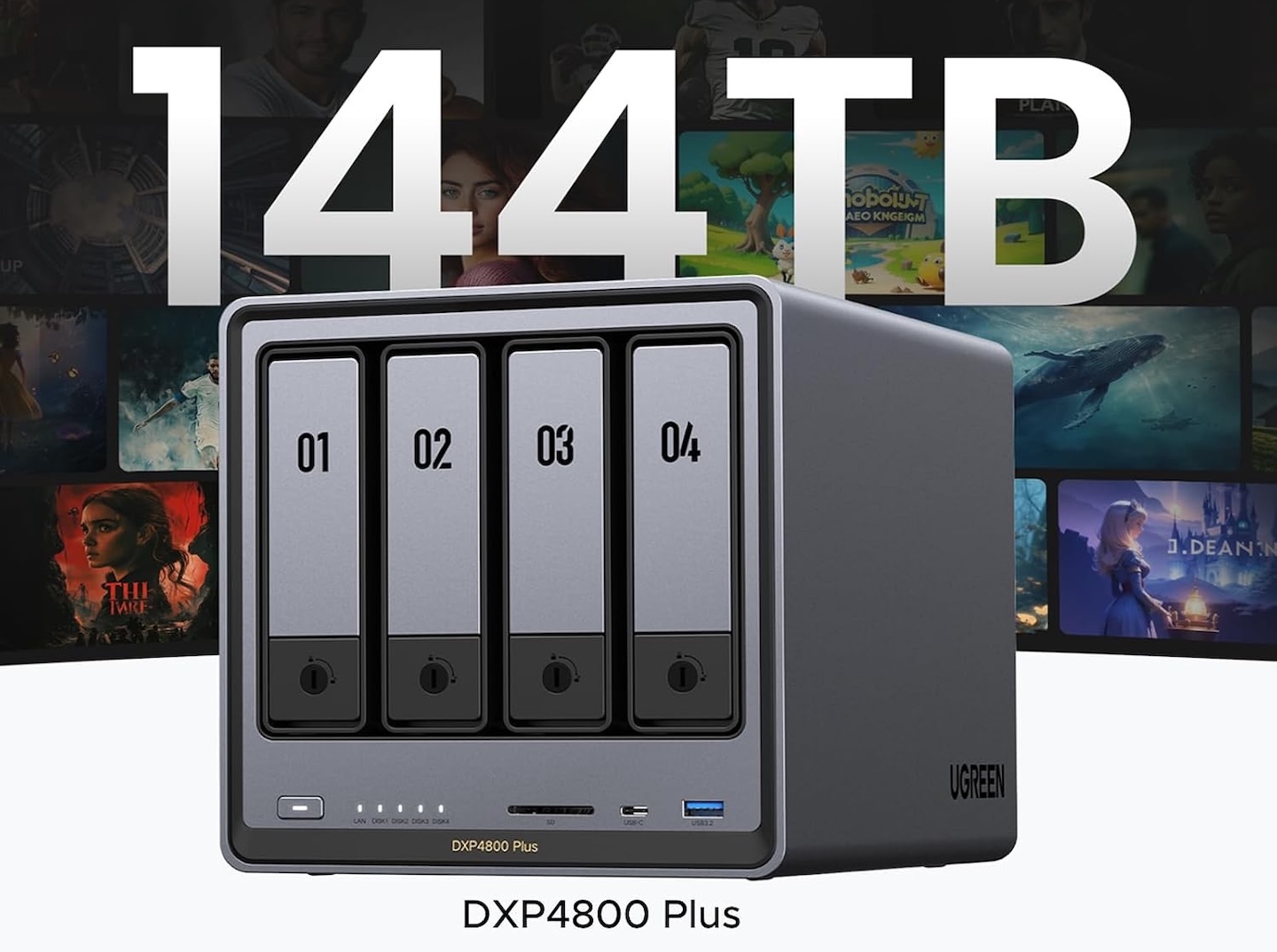
Price: $583.99
Where to Buy: Amazon
Those extra bays change the ownership experience. A four-bay system can provide more capacity without forcing you to replace the enclosure as soon as a two-drive setup fills up. RAID 5, for example, can tolerate one drive failure while using more of the installed capacity than a basic two-drive mirror. It still is not a replacement for a separate backup.
The full cost is correspondingly higher. You need more drives, more planning, and likely more power over time. That makes this the model to buy when you have a credible need for growth, not merely because it has the longest specification list.
Julian Perry reviewed the exact DXP4800 Plus for The Gadgeteer in 2024, including its drive access, ports, setup, and 10GbE use. That experience is model-specific, though software features and behavior can change with later updates.
Buyer fit: Buy the DXP4800 Plus if you expect a rapidly growing media archive, shared family backups, large creative projects, or a multi-user setup. It is more than most first-time buyers need, but it can prevent an expensive replacement later.
What these prices do and do not prove
The observed offer prices are useful shopping information. They do not prove that these are all-time lows, because a seller’s displayed reference price is not price-history evidence. They also do not guarantee that every shopper will see the same price after a promotion changes, stock moves, or account-specific conditions apply.
The more meaningful calculation is total ownership cost. Add NAS-rated drives, consider a battery backup if your power is unreliable, and decide where the second copy of your most important data will live.