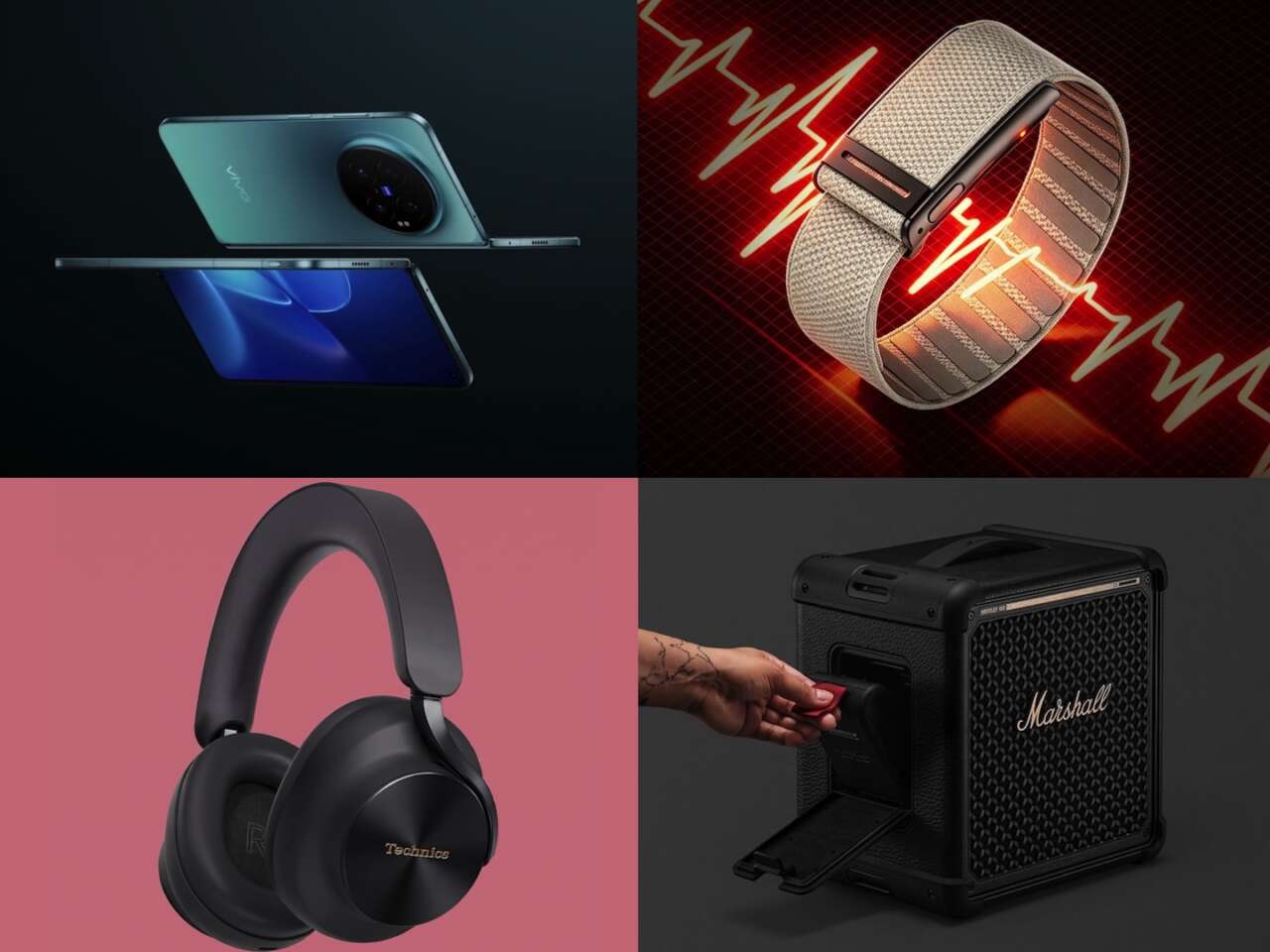
The problem with new-gadget coverage is not a lack of products. It is sorting out which announcements might solve a real daily irritation and which ones are only interesting until the next launch lands.
These ten recent announcements tackle familiar frustrations: working without a laptop, finding misplaced gear, photographing small objects, and listening without another charging case. Some are available now; others are still on preorder or awaiting release. Several of their most appealing features also remain manufacturer claims until independent testing catches up.
Think of this as a radar list, not a shopping list.
1. Samsung Galaxy Tab S12 Ultra and S12+ aim at laptop-lite work

Price: From $1,199
Where to Buy: Samsung
Samsung’s Galaxy Tab S12 Ultra and S12+ are for people who want a large screen for notes, research, drawing, and multitasking without carrying a conventional laptop. The Ultra starts at $1,399.99 with a 14.6-inch display, while the S12+ starts at $1,199.99 with a more portable 12.6-inch screen.
Samsung says both models use the Dimensity 9500 processor, include an S Pen, support microSD storage, and run Samsung DeX for a desktop-style Android workspace. The Ultra’s huge display is the practical difference if you regularly keep several apps open.
Samsung’s performance numbers are manufacturer figures, not independent benchmarks. Optional keyboards also cost extra, so the laptop-replacement pitch quickly becomes expensive.
Buyer fit: Put the Tab S12 series on your radar if your work already fits Android apps and web tools. Keep a laptop if you rely on desktop-only software, specialized peripherals, or complex file management.
Read the full Galaxy Tab S12 coverage.
2. Samsung Galaxy SmartTag3 expands tracker compatibility
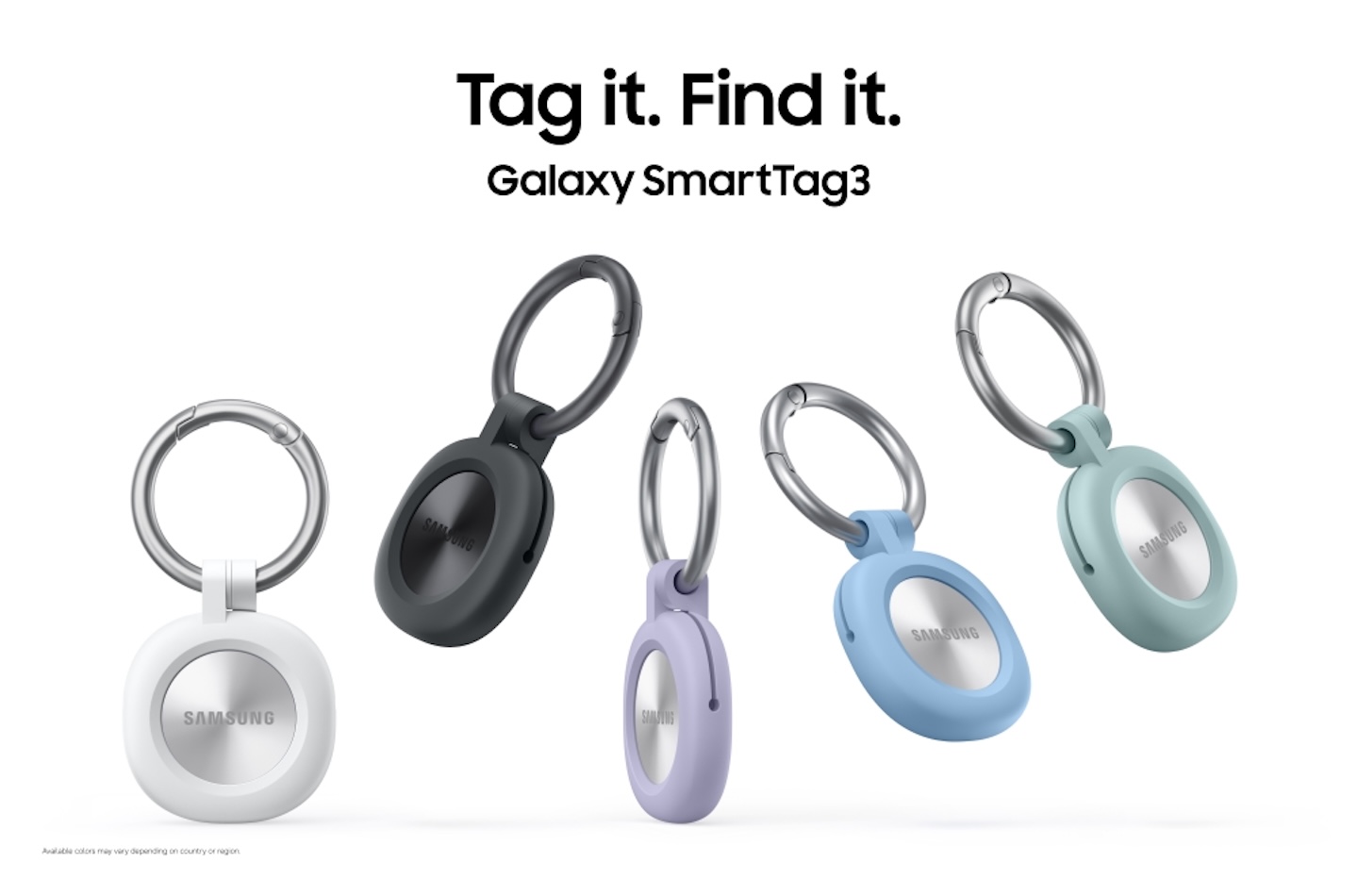
The Galaxy SmartTag3 is aimed at people who regularly misplace keys, bags, luggage, or other everyday gear. Samsung says it is smaller and lighter than the SmartTag2, has an IP67 rating, and uses a replaceable CR2032 battery.
The bigger change is compatibility. Samsung says the SmartTag3 will reach the U.S. by early November 2026. The linked coverage gives a $29.99 single-tag price. Samsung says the tracker works with Galaxy and iOS devices through SmartThings, though the experience remains Galaxy-first. Compass View, Ring Phone, and Left Behind Alert are unavailable on iPhone.
Price: TBD
Where to Buy: SAMSUNG
Samsung says the Galaxy Find Network uses more than 900 million participating Galaxy devices. That can update a tag’s location when another participating device passes nearby. It is not live GPS, however. The SmartTag3 has no cellular connection, so updates depend on nearby devices and conditions.
Buyer fit: It is worth watching for Galaxy households and mixed-device families using SmartThings. Skip it if you need live GPS or full iPhone feature parity.
Read the full Galaxy SmartTag3 coverage.
3. vivo X Fold6 wants to reduce foldable compromises
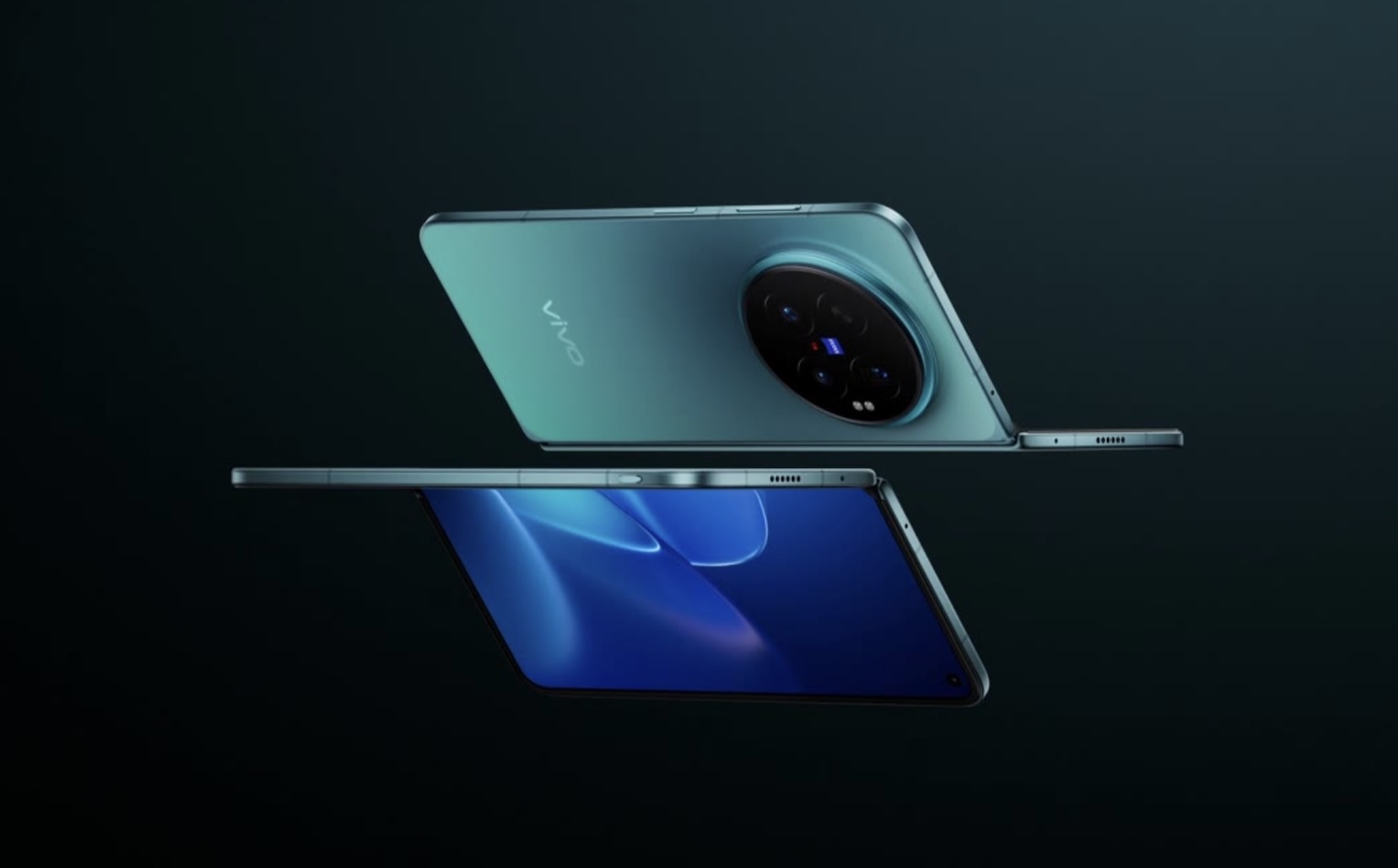
Foldables promise a phone and small tablet in one device, but often compromise on cameras, battery life, or durability. vivo’s X Fold6 is designed to make fewer of those trade-offs.
vivo lists an 8.02-inch inner display, a 6.51-inch cover screen, a 200MP ZEISS main camera, an equivalent 6,900mAh dual battery, and a Dimensity 9500 Super Edition processor. Its camera system also includes a 50MP 3x periscope telephoto and a 50MP ultrawide camera.
Price: From $1,299 USD
Where to Buy: Vivo
Those specifications are ambitious, but a launch sheet cannot establish real camera quality, sustained performance, battery life, hinge durability, or software reliability. Those require independent testing.
Buyer fit: Watch the X Fold6 if you want a large-screen foldable without accepting a basic camera system. Confirm local availability, warranty coverage, and independent reviews before importing one.
Read the full vivo X Fold6 coverage.
4. Laowa Acris 35mm Macro gives close-ups more context
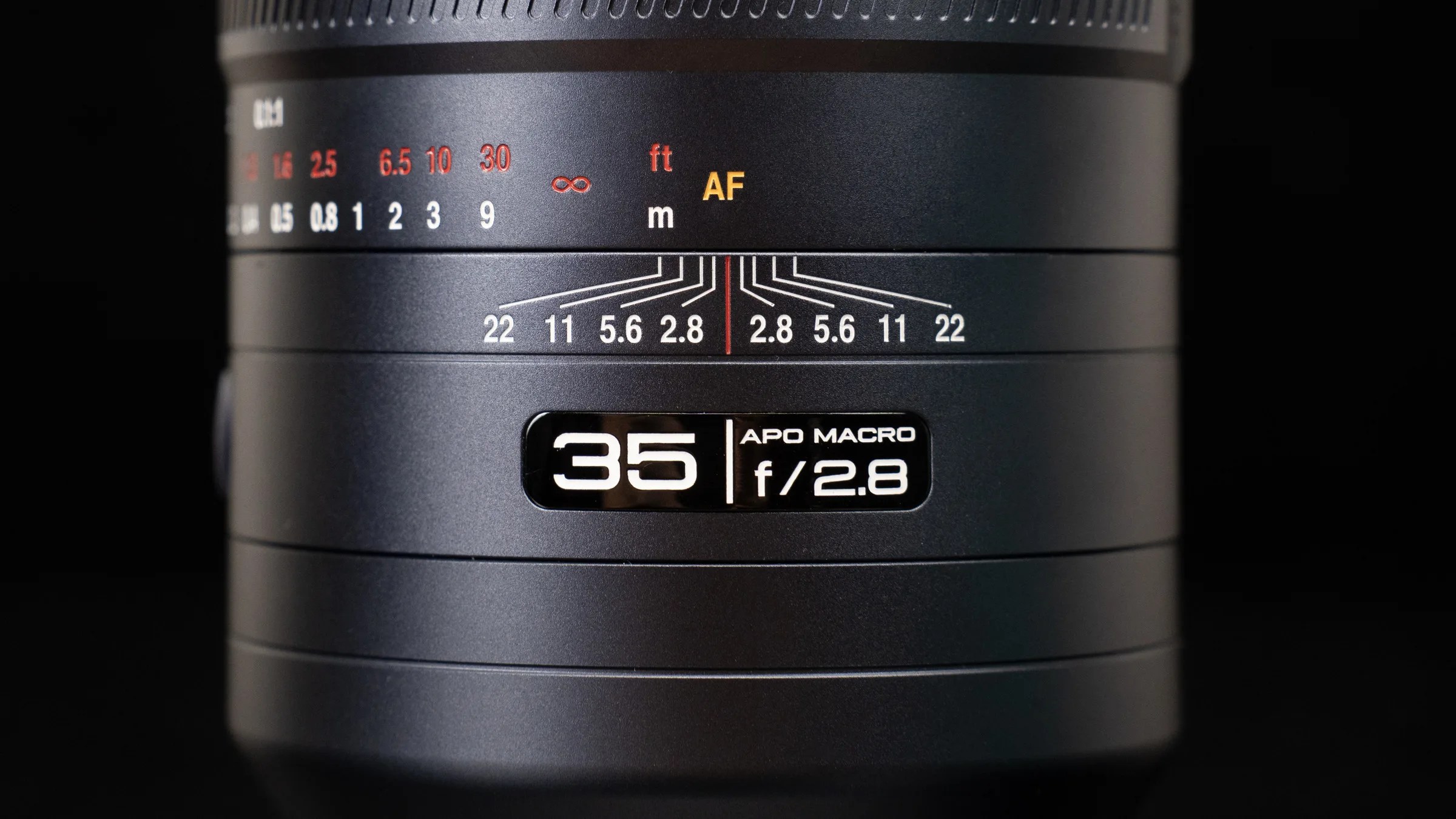
Macro photography can make tiny objects look dramatic, but longer macro lenses can remove the setting around them. The $449 Laowa Acris 35mm f/2.8 1X Macro APO aims to capture a watch dial at life size, then pull back enough to show the entire workbench.
Laowa lists 1:1 macro magnification on this full-frame 35mm prime. Autofocus on Sony E, Nikon Z, and Canon EF versions works from 0.5 meters to infinity; closer focusing is manual. Canon RF and L-mount versions are manual-focus only.
Price: $449
Where to Buy: Laowa
The practical appeal is versatility. One lens can photograph tools, food, flowers, tabletop scenes, and small products without forcing the photographer into an ultra-tight crop. The trade-off is a closer working distance than a longer macro lens offers.
Buyer fit: This is for product photographers, collectors, and creators who want detail shots with environmental context. Confirm your camera mount’s autofocus support before ordering.
Read the full Laowa Acris 35mm coverage.
5. ACEMAGIC RX16 looks beyond the AI-laptop label
“AI laptop” can be an empty label if the everyday hardware is weak. The ACEMAGIC RX16 is more interesting because its stated baseline specifications are substantial: Intel’s Core Ultra X7 358H processor, Arc B390 graphics, 24GB of memory, a 1TB SSD, and a 50-TOPS NPU.
The NPU may help with supported local AI features, but memory, storage, display quality, ports, cooling, battery life, and sustained performance will matter more to most buyers.

Price: £1,039.00 (About $1,380)
Where to Buy: Acemagic
ACEMAGIC lists the RX16 at £1,039 in the UK. The “flagship” label is company marketing, not an independent ranking, and the fixed memory and 60Hz display are important trade-offs at this price.
Buyer fit: Consider it if you want a well-equipped Windows laptop for productivity, creative work, and occasional gaming. Wait for testing if fan noise, display quality, battery life, and long-term support matter to your decision.
Read the full ACEMAGIC RX16 coverage.
6. Technics EAH-A1000 adds magnetic-fluid drivers
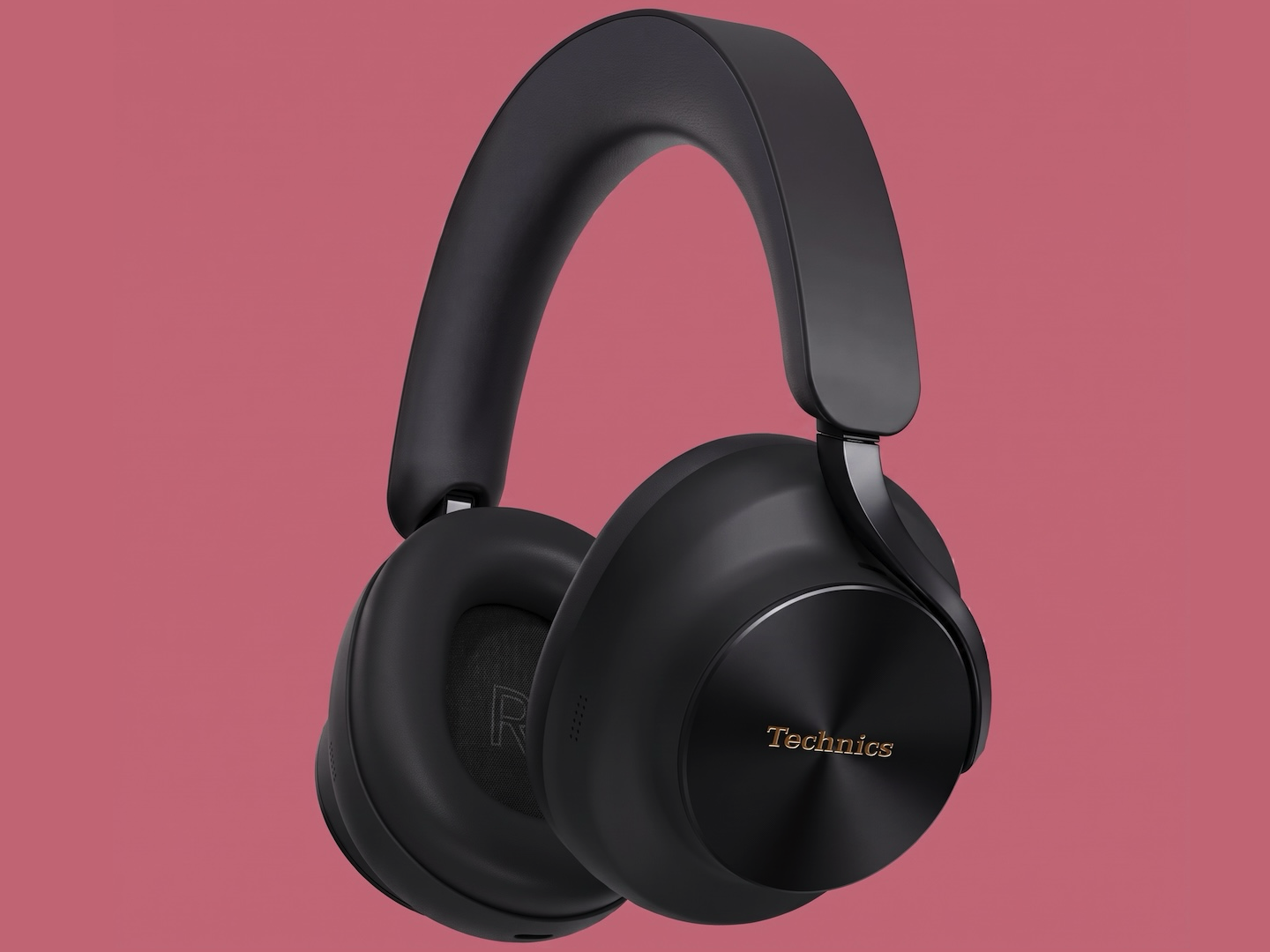
At $449.99, Technics’ EAH-A1000 headphones need more than a familiar premium-audio feature list. Their main technical story is a 40mm Magnetic Fluid Driver, which uses magnetic fluid to help control driver movement and reduce unwanted vibration.
Technics also lists adaptive noise cancellation, LDAC Bluetooth, USB audio, three-device multipoint, Dolby Atmos optimization with head tracking, and up to 45 hours of rated battery life with ANC on.
Price: $449.99
Where to Buy: Amazon
The driver design is interesting, but it does not prove superior sound on its own. Comfort, tuning, ANC performance, microphone quality, and connection stability all need independent listening tests.
Buyer fit: Keep the EAH-A1000 on your list if USB listening, long battery life, and multipoint support matter. Compare it against competing flagship headphones before spending premium money.
Read the full Technics EAH-A1000 coverage.
7. UGREEN ClipBuds Pro2 puts translation in open-ear earbuds
Open-ear earbuds make it easier to hear traffic, coworkers, and announcements, but that same open fit lets more noise interfere with music and calls. UGREEN’s $79.99 ClipBuds Pro2 tries to make that compromise more useful with app-based transcription, meeting tools, and translation features.
Price: $79.99
Where to Buy: Amazon
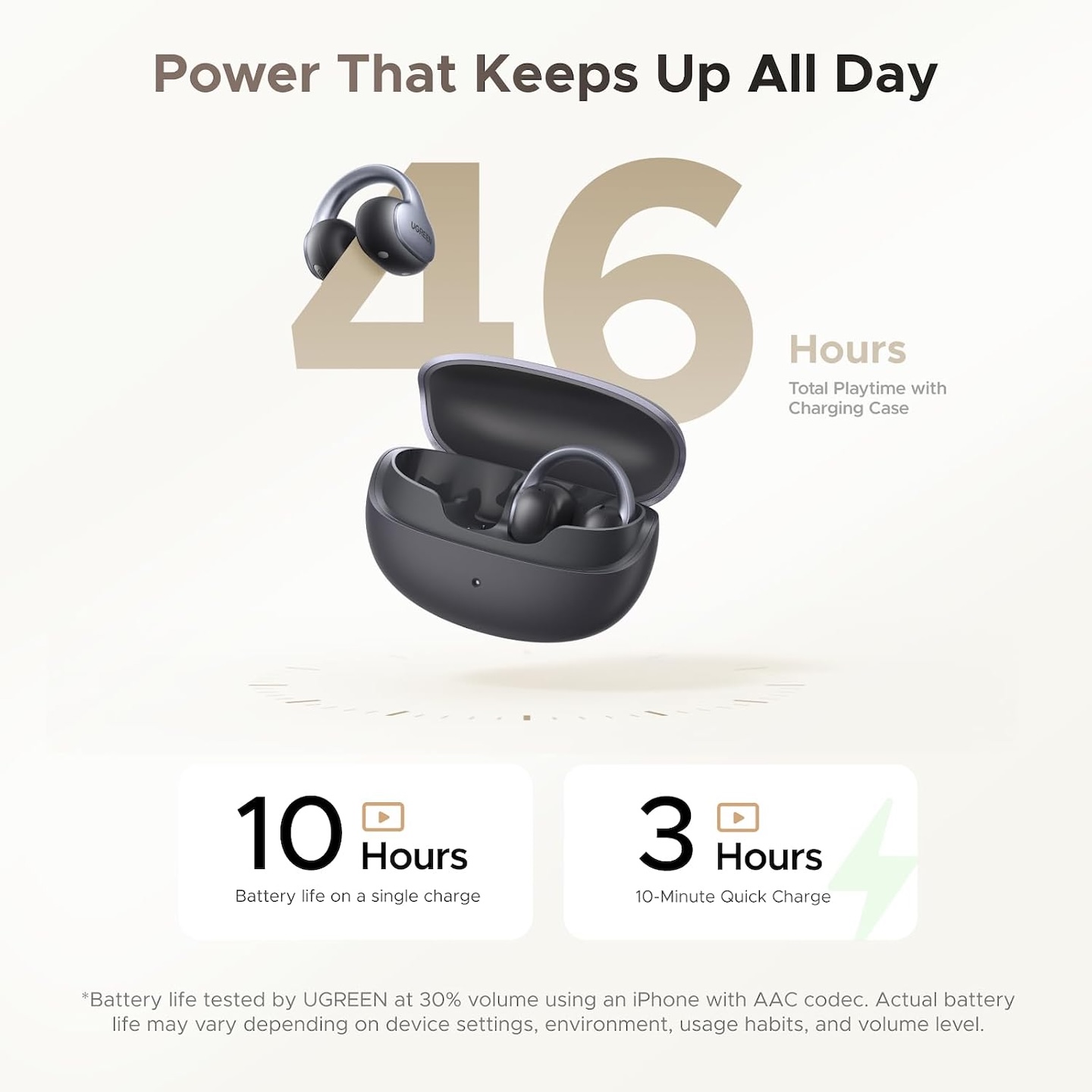
UGREEN lists 11mm drivers, LDAC, four microphones and two voice-pickup sensors across the pair, 6-gram earbuds, Bluetooth 6.1, IP56 protection, and up to 46 hours of total battery life with the case.
The AI tools are the attention-grabber, but their usefulness depends on language support, internet access, latency, accents, app quality, and background noise. Those capabilities should be treated as manufacturer features until they receive independent testing.
Buyer fit: Consider them if situational awareness matters more than isolation while walking, commuting, or working. Do not buy them solely for translation before checking supported languages and app requirements.
Read the full UGREEN ClipBuds Pro2 coverage.
8. Rogbid Loop G removes the smartwatch screen
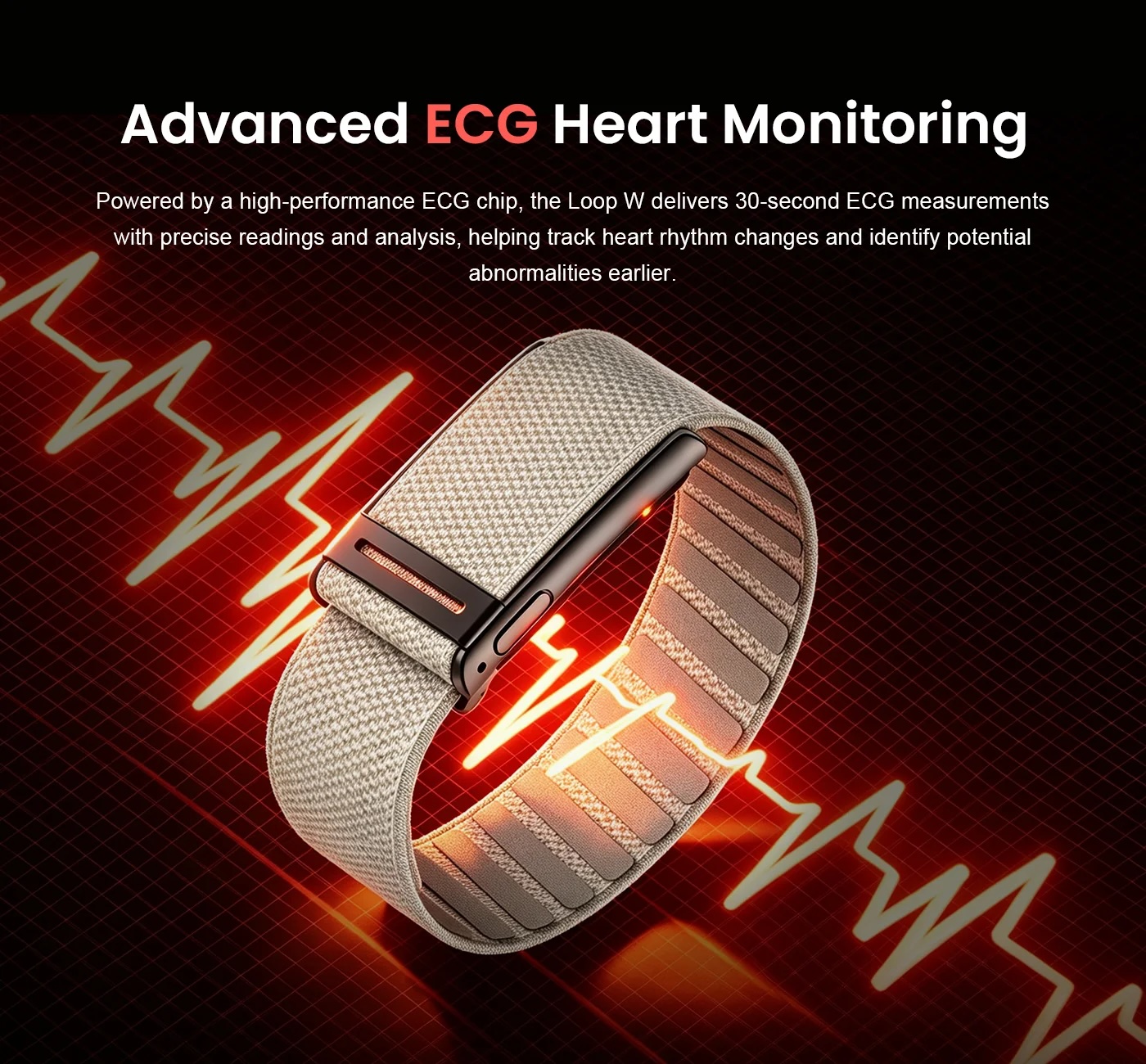
Smartwatches can become another source of notifications and distraction. Rogbid’s current official storefront identifies its screen-free wellness band as the Loop G, correcting the Loop W name used in some early coverage.
The $59.99 Loop G is positioned as a screenless health and fitness band with ECG, 24/7 heart-rate, sleep, and activity tracking. Its appeal is simple: wear it, let it collect trends in the background, then review results in the companion app when you choose.
Price: $59.99
Where to Buy: Rogbid
The trade-off is equally clear. Without a screen, the app is central to the entire experience. There is also limited independent testing of the device’s comfort, app quality, and health measurements. Consumer wearable metrics are not a diagnosis or a replacement for medical care.
Buyer fit: It is worth watching if you want fewer wrist distractions and basic wellness trends at a low price. Skip it if you need proven measurement accuracy, on-device data, or conventional smartwatch features.
Read the original Rogbid coverage.
9. Marshall Bromley 150 makes a party speaker easier to move
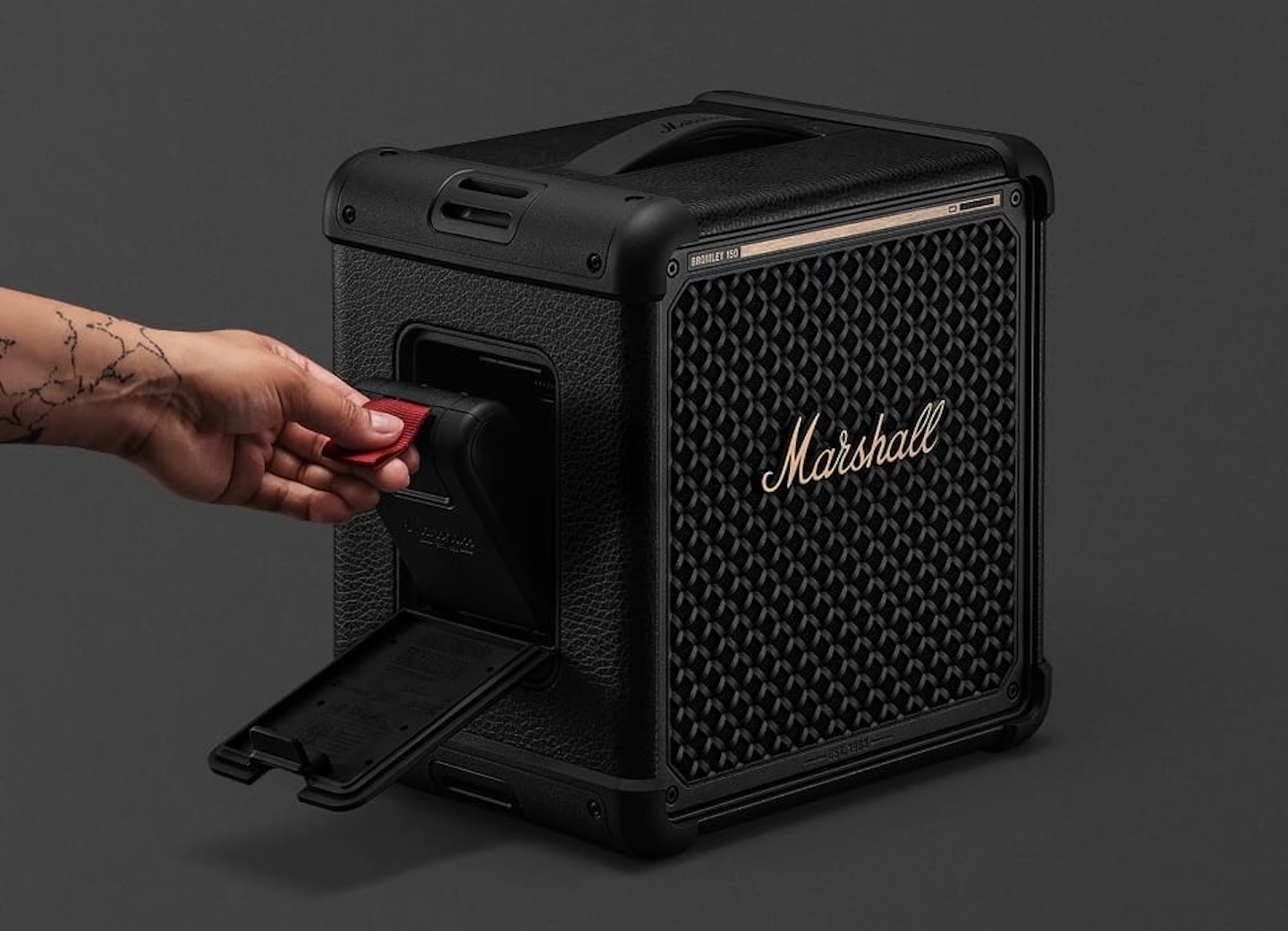
A party speaker is only useful if you can carry it to the patio, car, or gathering without creating a logistical project. Marshall’s $499.99 Bromley 150 addresses that problem with a 6.3-kilogram body and a retractable carry handle.
Marshall lists IP55 protection, stage-style lighting, two microphone or instrument inputs, physical bass and treble controls, a 6.5-inch woofer, two full-range drivers, and a passive radiator. It also claims more than 40 hours of playback, depending on use.
Price: $499.99
Where to Buy: Marshall
Its True Stereophonic design is intended to spread sound around a room rather than focus it in one narrow listening position. That is a manufacturer claim, not an independent sound-quality verdict. Its smaller cabinet should also temper expectations about deep bass and maximum output.
Buyer fit: This is for someone who wants karaoke-friendly, indoor-outdoor sound that one person can carry. Skip it if you need the scale and bass of a much larger party speaker.
Read the full Marshall Bromley 150 coverage.
10. Bose Noise Cancelling Wired Earbuds put ANC on a cable
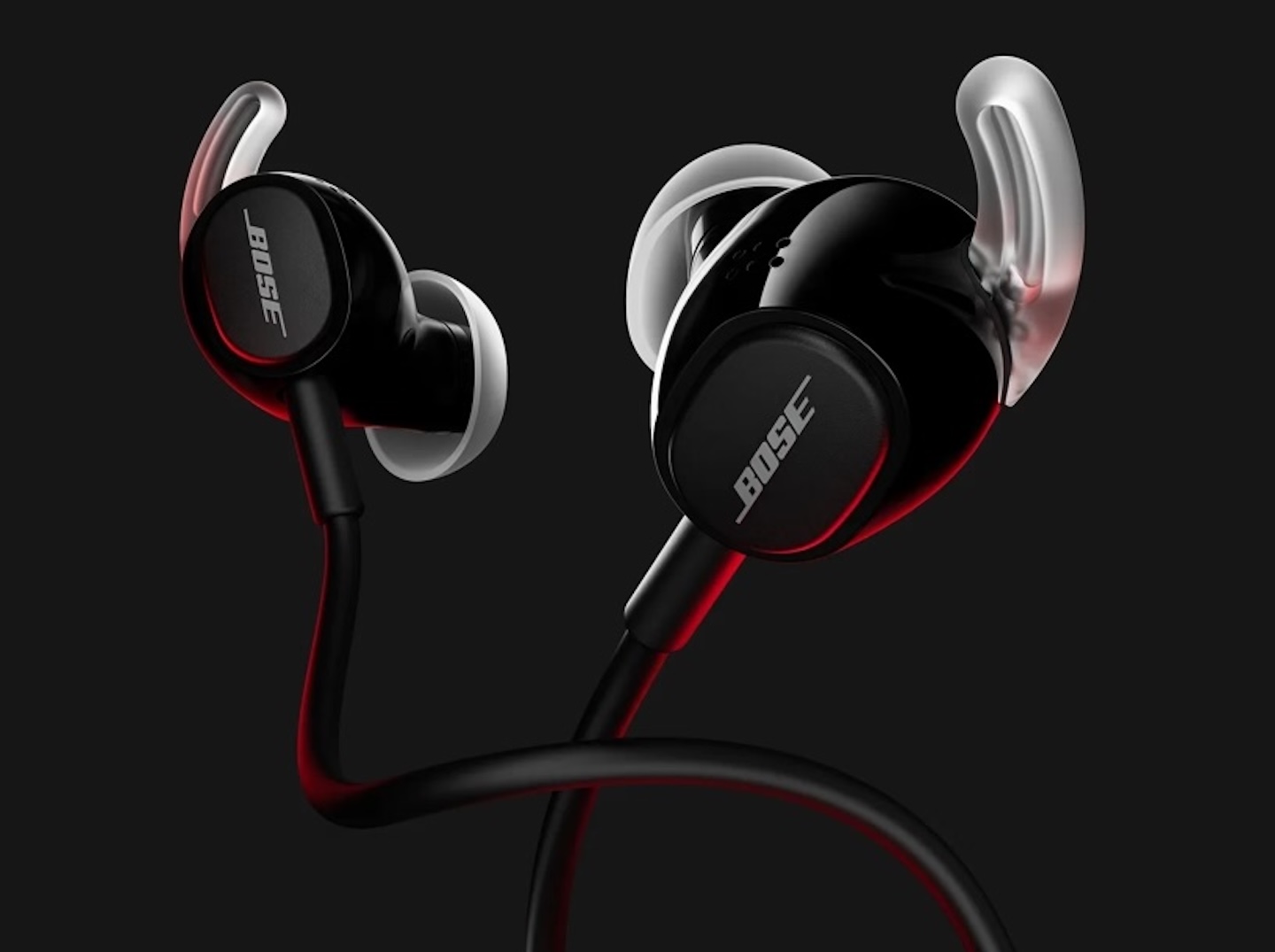
Wireless earbuds add another battery and charging case to manage. Bose’s $99 Noise Cancelling Wired Earbuds use USB-C for both audio and power, so there is no Bluetooth pairing and no earbud battery to charge.
Bose says its QuietControl system uses four microphones and offers Quiet, Aware, and ANC Off modes. The inline remote handles volume, playback, calls, and noise-control changes. They require a compatible USB-C device and will not work through an old analog headphone jack.
Price: $99
Where to Buy: Bose
The cable solves charging-case fatigue, but the connected phone, tablet, or computer supplies the power. ANC can therefore affect that device’s battery life, and the USB-C port remains occupied while listening.
Buyer fit: Buy these if predictable wired audio and no charging case matter more than wireless freedom. They are especially useful for USB-C travelers and office workers who do not mind a cable.
Read the full Bose wired-earbuds coverage.
Buyer fit: follow the problem, not the announcement
The most useful gadget here may not be the most expensive or technically ambitious. The SmartTag3 could matter more than the Galaxy Tab S12 if you frequently lose gear. Bose’s wired earbuds may be more useful than premium wireless headphones if you are tired of charging cases. The Laowa lens may change a creator’s workflow more than a new foldable phone.
Put a product on your radar when its stated benefit matches a problem you actually have. Buy it only when independent testing, compatibility, local availability, price, and limitations make sense for you.