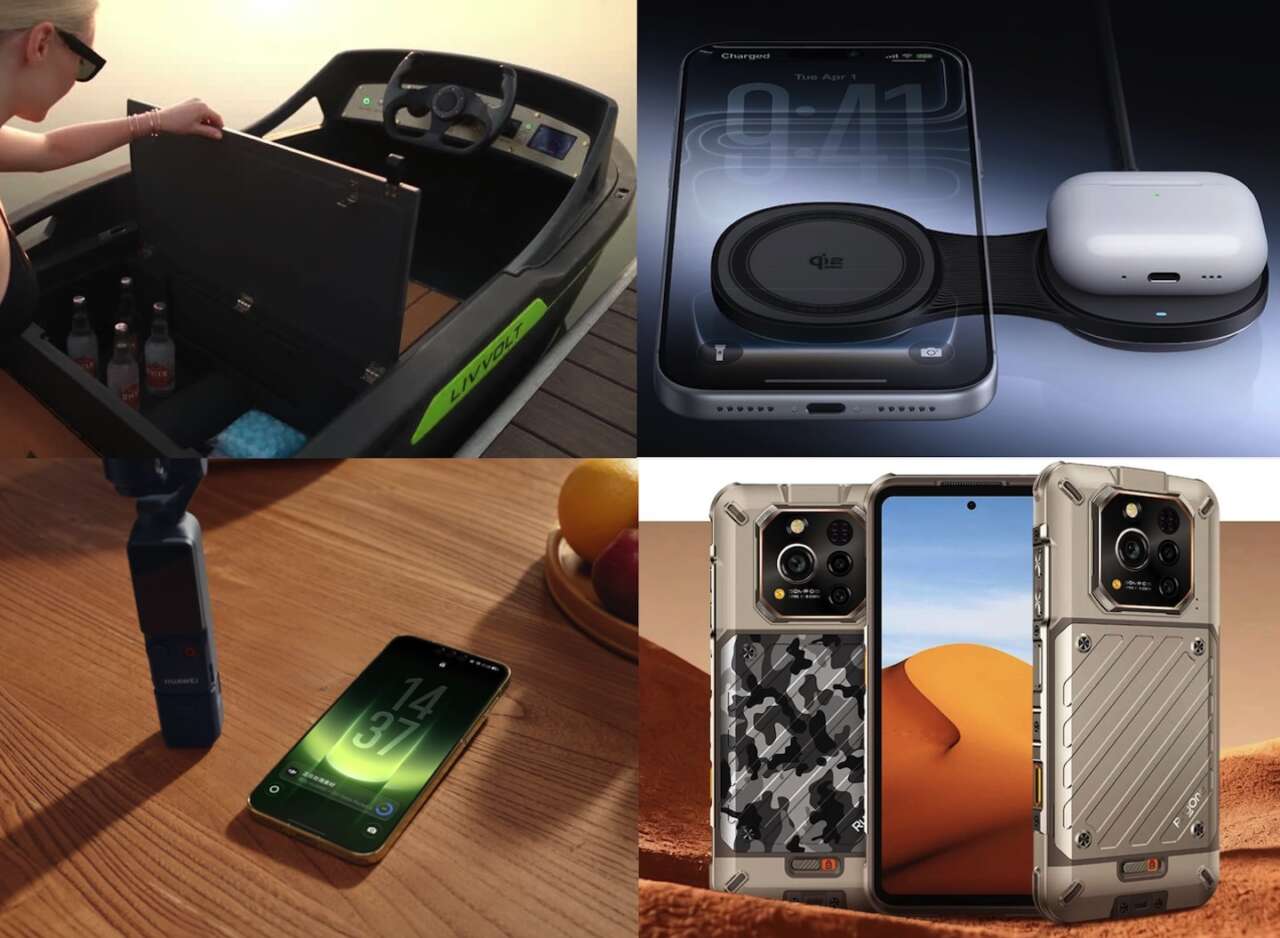
The problem with new tech is not a shortage of announcements. It is figuring out which products solve a real daily annoyance, and which ones are interesting only until the next press release lands.
These eight products caught our attention because each targets a recognizable friction point: too many coding shortcuts, too much charging gear, poor off-device camera placement, or a laptop that looks like a bargain until software compatibility enters the conversation. They are not all ready for every buyer. Some are region-specific, one is crowdfunded, and several rely on features that still need independent testing.
That is exactly why they belong on a radar list, not an automatic shopping list.
1. Logitech MX Keypad for AI-heavy coding workflows
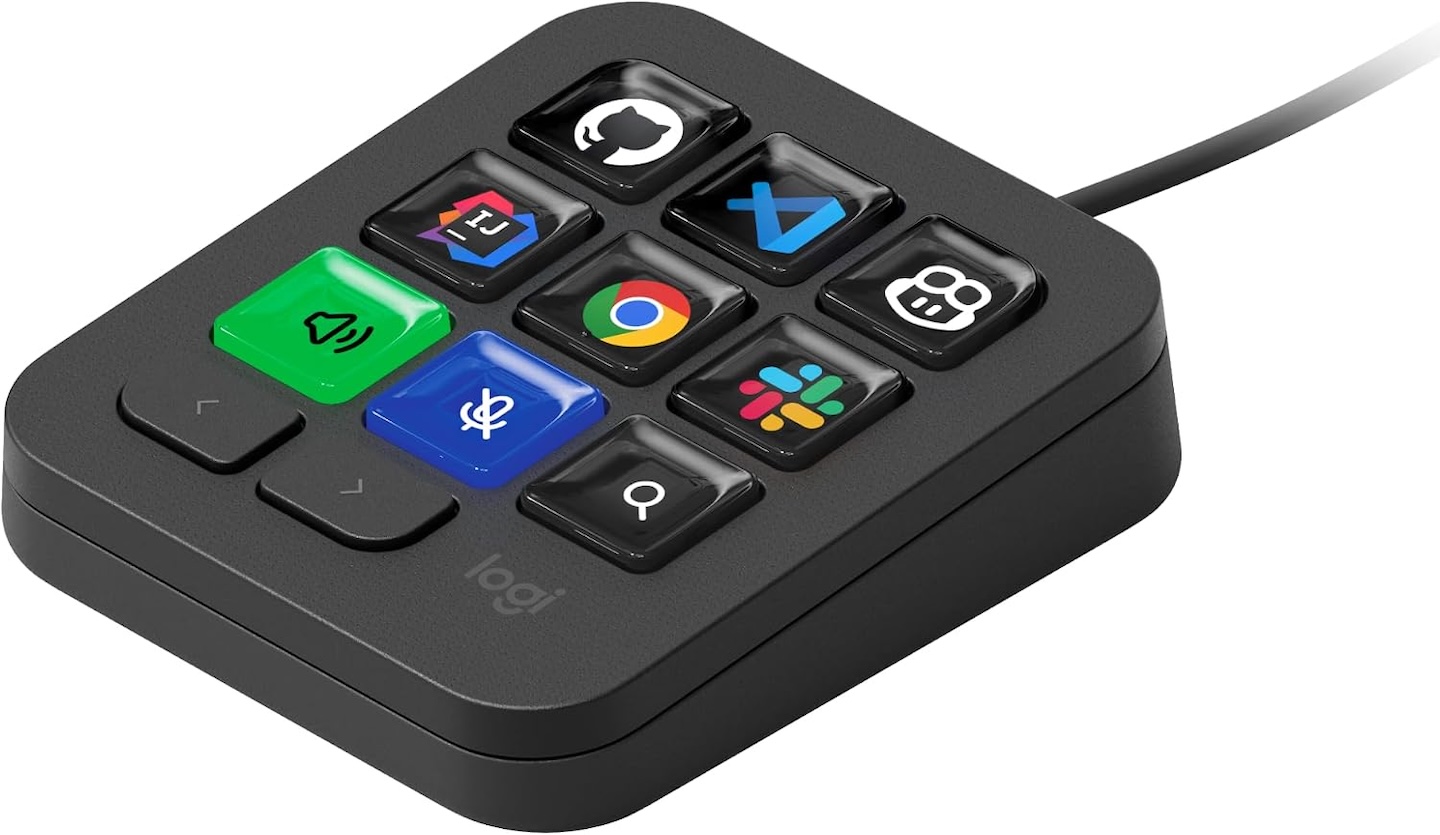
Developers who move among an IDE, terminal, browser, documentation, chat, and AI tools can lose time to small interruptions. Logitech’s MX Keypad is a $99.99 wired USB-C control pad intended to put recurring actions on nine customizable LCD keys.
Logitech says the keypad supports commands, prompt macros, and app-specific layouts for software such as VS Code, IntelliJ, GitHub Copilot, Claude Code, and OpenAI Codex. It uses Logi Options+ and the Logi Marketplace for setup and integrations.
Price: $99.99
Where to Buy: Amazon
The practical appeal is not that buttons are automatically faster than keyboard shortcuts. It is that labeled controls can reduce the mental burden of recalling infrequently used shortcuts. The limitation is equally clear: this is a control surface, not an AI computer. Compatible services, accounts, internet access, and software support still matter.
Buyer fit: Keep the MX Keypad on your radar if you repeat the same coding or AI actions throughout the day. Skip it if conventional shortcuts are enough or you need a larger, more mature streaming-focused control console.
Read the full MX Keypad coverage.
2. Neurable One puts EEG sensing inside headphones
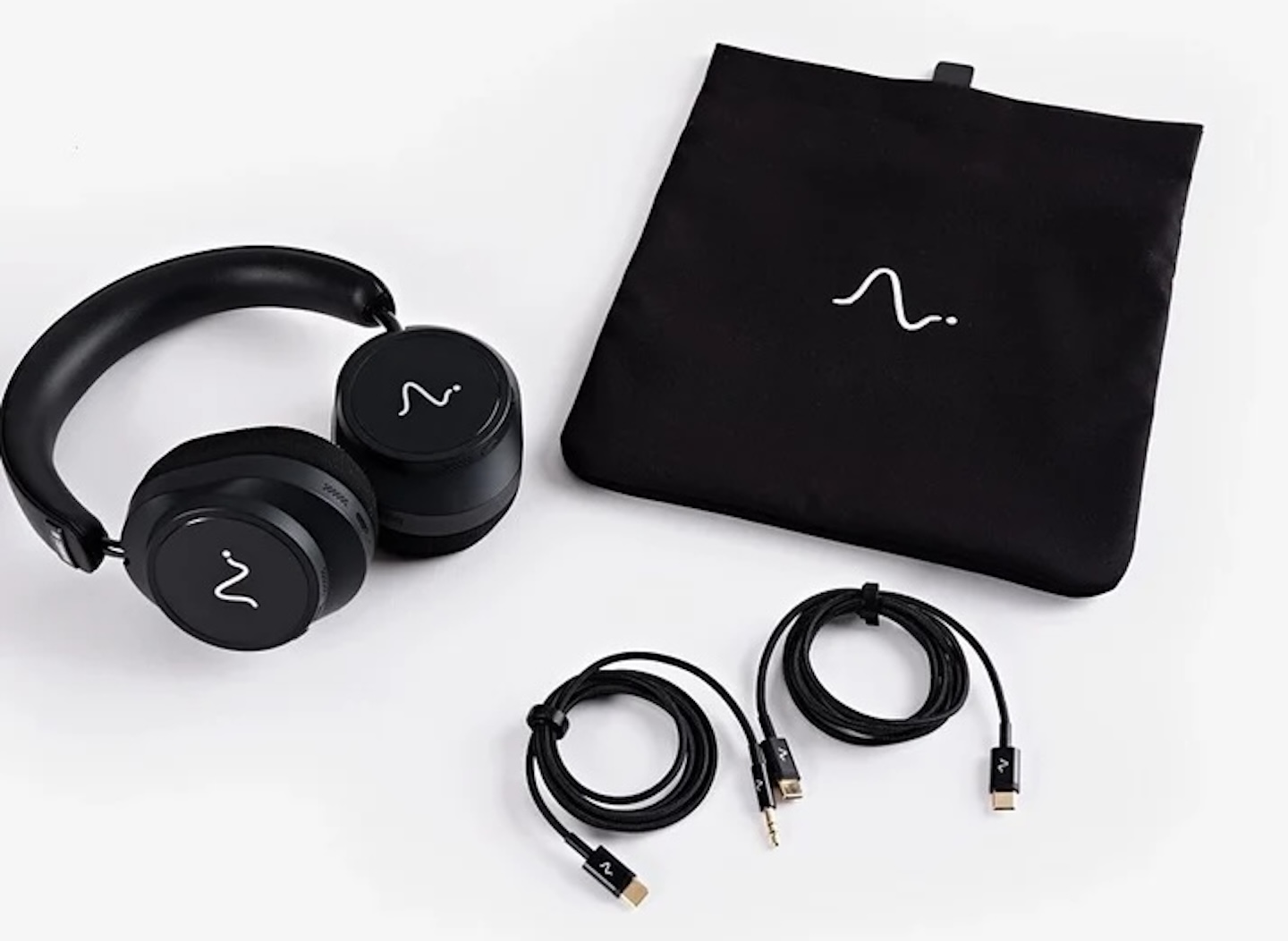
The Neurable One is a $499 wireless headphone that uses 12 EEG sensors inside its earpads to track patterns associated with focus, mental load, sleepiness, and other wellness metrics.
Neurable says the system does not read thoughts, words, images, or mood. It also says the product is not a medical device and should not be used to diagnose or monitor a condition. “Brain Battery” and “Brain Age” are software-generated interpretations, not direct clinical measurements.
Price: $499.99
Where to Buy: Neurable
The headphones also include ANC, ambient mode, 40mm drivers, and six microphones. Neurable rates them for up to 22 hours of audio playback or around 12 hours with EEG monitoring active. Independent evidence for the exact consumer model is still limited, so its sensing accuracy, comfort, sound quality, and noise cancellation need more testing.
Buyer fit: The Neurable One is for early adopters and quantified-self users who want to experiment with focus tracking. It is a less obvious choice if you simply want premium sound and ANC for the money.
Read the full Neurable One coverage.
3. LIVVOLT Kart Boat turns electric watercraft into a go-kart
The LIVVOLT Kart Boat is a compact, one-seat electric watercraft with a low driving position, steering wheel, and jet propulsion. LIVVOLT lists a 12kW jet drive, a removable 5.8kWh battery, a claimed 25 mph top speed, and a 35-to-60-minute runtime.
Its design is the real hook. Rather than sitting astride a conventional personal watercraft, the rider sits inside a hull and steers with a wheel. LIVVOLT says the craft supports one rider only, with a maximum stated load of 220 pounds.

Price: From $6,199
Where to Buy: Kickstarter
The performance claims require independent on-water testing, and runtime will vary with rider weight, speed, water conditions, and temperature. More importantly, the product is offered through Kickstarter, with pledges starting at $6,199. That is not the same as buying an established retail product with guaranteed delivery and support.
Buyer fit: Watch this if you have water access, transport, storage, and an appetite for unusual electric recreation. Most people should wait for confirmed deliveries and independent reviews.
Read the full LIVVOLT Kart Boat coverage.
4. RugOne Xsnap 7 Pro separates the camera from the phone
Outdoor creators often have to carry both a phone and an action camera. The RugOne Xsnap 7 Pro tries to reduce that duplication by placing a removable action camera in the back of a rugged Android phone.
The 39-gram camera docks magnetically, uses a physical lock, and recharges when returned to the phone. RugOne says the phone can control the camera through its Xsnap Go app, while the detachable module can be mounted or worn without attaching the full 477-gram handset.

Price: From $999
Where to Buy: Rugone
The useful trade-off is clear. The module is far easier to mount than a phone, but it tops out at 2.7K video at 30fps, rather than 4K. RugOne claims roughly 40 minutes of standalone recording per charge and up to 20 recharges from the phone’s 9,300mAh battery. Those battery estimates need real-world testing.
Buyer fit: This is worth watching for outdoor users who want a rugged phone and convenient first-person footage. Dedicated action-camera buyers will likely want stronger video specifications.
Read the full RugOne Xsnap 7 Pro coverage.
5. UGREEN MagFlow simplifies travel charging
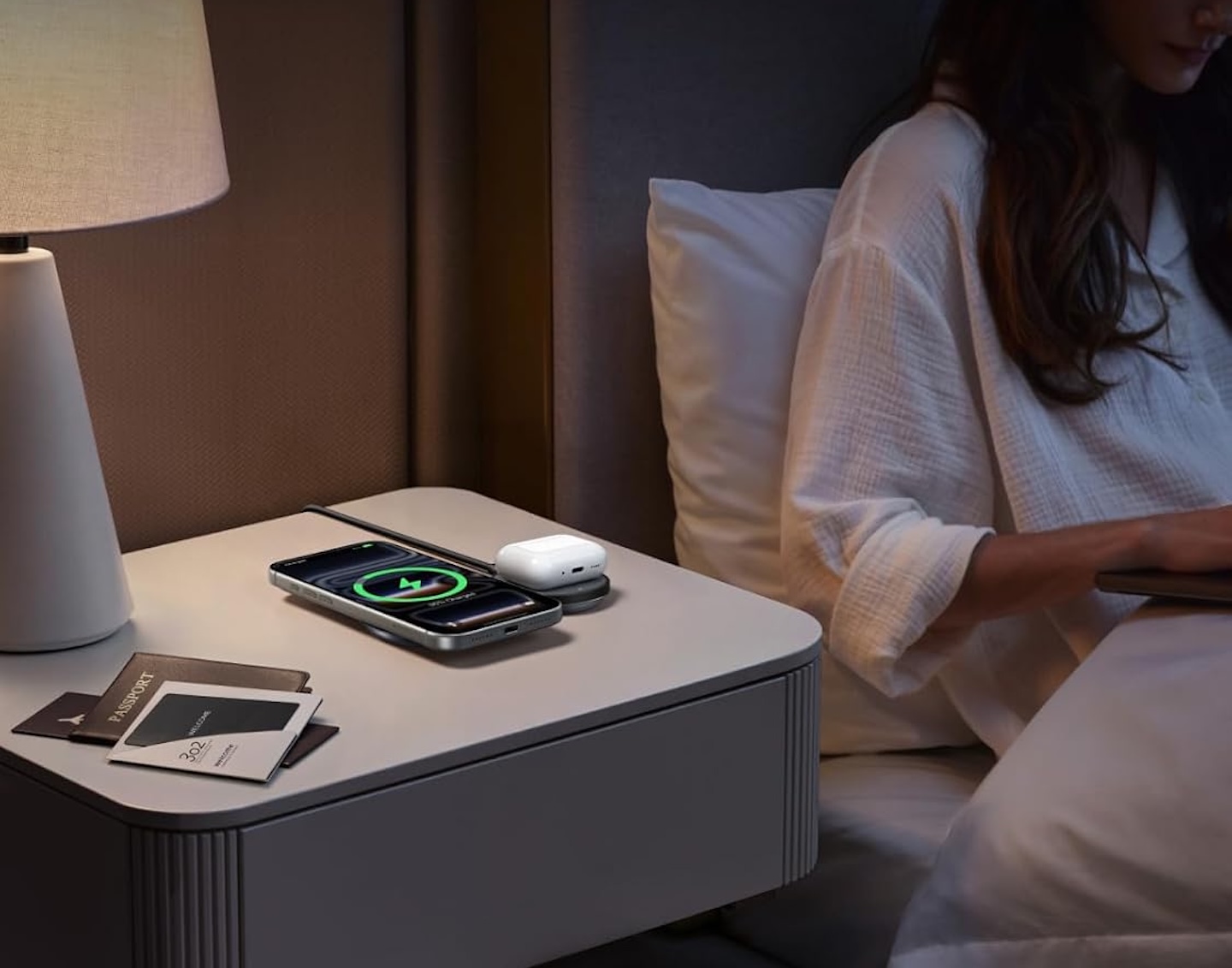
A phone, earbuds, charger, cable, and wall adapter can turn a hotel nightstand into a small mess. The UGREEN MagFlow Qi2 25W 2-in-1 Foldable Wireless Charger is designed to replace two charging surfaces with one compact fold-flat accessory.
UGREEN’s SKU 55313 opens into a magnetic phone stand with a second wireless pad for compatible earbuds. It weighs 3.88 ounces and measures 2.36 by 2.96 by 0.52 inches, making portability its strongest argument.
Price: $32.99
Where to Buy: Amazon
The 25W phone-charging claim comes with conditions. UGREEN says supported iPhone 16 and iPhone 17 models can reach that tier, while iPhone 12 through iPhone 15 models top out at 15W. An iPhone 16 also needs iOS 26 or later for the higher rate. It is a charger, not a battery pack, so it still needs external USB-C power.
Buyer fit: It is a useful travel accessory for a compatible iPhone and wireless-charging earbuds. Skip it if you also need an Apple Watch charger or prioritize wired charging speed.
Read the full UGREEN MagFlow coverage.
6. Huawei FreeBuds Neo makes volume control easier
Huawei’s FreeBuds Neo is a RMB 699 pair of earbuds that uses swipe gestures on the stems for volume, in addition to tap and hold controls for playback, calls, tracks, and noise modes.
Huawei lists 11mm drivers, four ear-tip sizes, two-device connection across Android, iOS, and Windows, and IP55 protection for the earbuds. The Gadgeteer’s hands-on flight experience found them comfortable for extended listening and effective at reducing cabin rumble, which is useful evidence beyond a specification sheet.

Price: RMB 699 (about US$104)
Where to Buy: Huawei VMall
The broader HarmonyOS ecosystem features have limits. Huawei’s advanced switching and watch controls require compatible devices, updates, and apps. The China price is a local reference point, not a promise of U.S. availability or pricing. Battery claims also range from up to 10 hours per charge with ANC off to 6.5 hours with it on.
Buyer fit: Put the FreeBuds Neo on your radar if fit and easy onboard control matter more than a huge feature checklist. Verify availability, warranty, and shipping before ordering outside China.
Read the full Huawei FreeBuds Neo coverage.
7. Acer Aspire Lite 14 AI gets the basics right, with one caveat
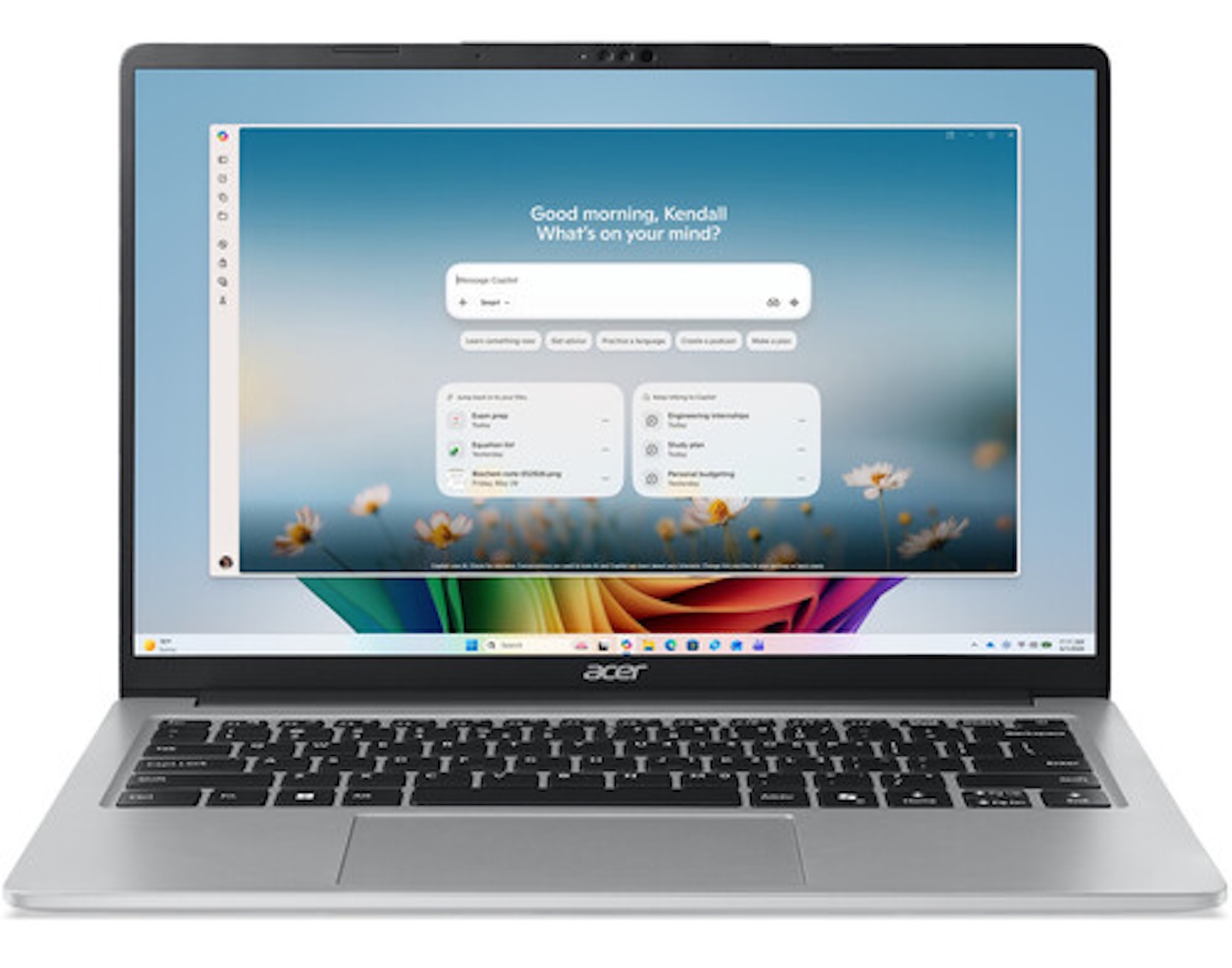
The Acer Aspire Lite 14 AI is a reminder that the most useful new product is not always the flashiest. At $749.99, this configuration includes 16GB of memory, a 512GB SSD, a Snapdragon X processor, and a 14-inch 1920 x 1200 display.
Those specifications make it a practical candidate for schoolwork, office tasks, browsing, video calls, and everyday multitasking. The 16:10 screen should provide more vertical workspace than a standard 1080p panel.
Price: $749.99
Where to Buy: Acer
The caveat is Windows on Arm. Many mainstream apps work well, but anyone relying on legacy utilities, specialized workplace software, plug-ins, drivers, peripherals, or games should confirm compatibility before buying. Its basic color-gamut display is also not meant for color-critical photography, design, or video work.
Buyer fit: Consider it if you need a well-configured everyday laptop and have confirmed your essential software works on Windows on Arm. Skip it for an unverified legacy workflow.
Read the full Acer Aspire Lite 14 AI coverage.
8. Huawei’s DJI Osmo Pocket 4 adds ecosystem features, eventually
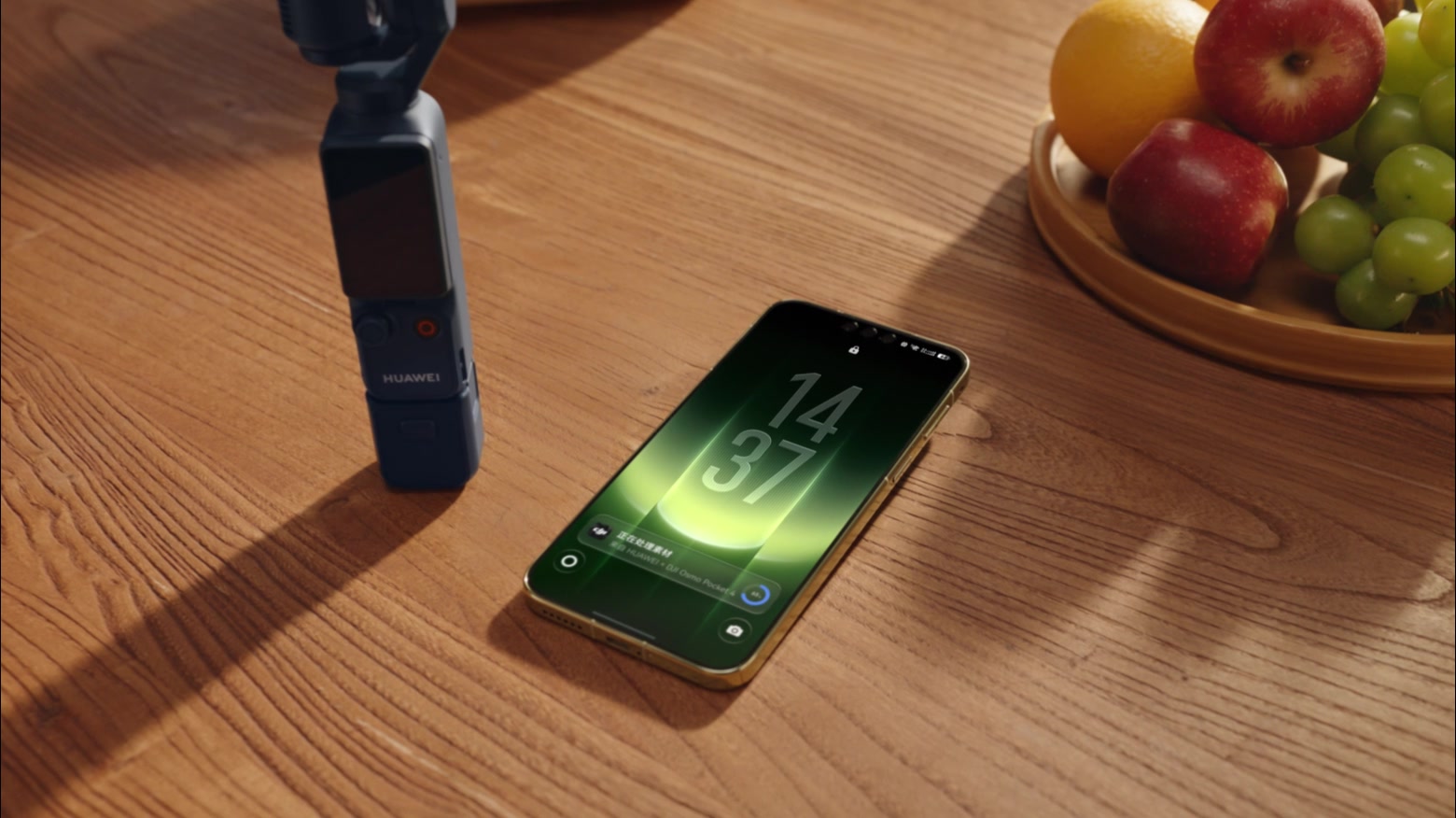
The Huawei x DJI Osmo Pocket 4 pairs a one-inch sensor, three-axis mechanical gimbal, rotating two-inch screen, 107GB of built-in storage, and a stated 190.5-gram body. Huawei lists the standard China kit at RMB 2,999.
The hardware is compelling for creators who want stabilized footage without carrying a larger camera. Huawei says it supports 4K slow motion at 240fps, 10-bit D-Log, and up to 14 stops of dynamic range. Those are manufacturer specifications and claims, not independent image-quality verdicts.
Price: RMB 2,999 (about US$447)
Where to Buy: Huawei VMall
The Huawei ecosystem integration has a timing and compatibility catch. Automatic gallery transfer is due through updates in mid-October 2026, while HiShare requires compatible HarmonyOS 6.1-or-later devices. Cloud uploading also requires Wi-Fi, charging, more than 20% battery, and Huawei Cloud storage.
Buyer fit: Watch the Pocket 4 if you already use compatible Huawei hardware and want a compact gimbal camera. Everyone else should evaluate it first as a DJI camera, not as a promised ecosystem workflow.
Read the full Huawei x DJI Osmo Pocket 4 coverage.
Buyer fit: follow problems, not product categories
The product most worth watching is the one tied to a recurring problem in your own life. The MX Keypad may make more difference than the EEG headphones if your work is full of repeat commands. The MagFlow may improve more trips than the Kart Boat. The Acer may be the smartest purchase in the group if it supports the apps you need.
Put a product on your radar when its stated benefit matches a problem you actually have. Buy it only after real-world testing, compatibility, regional availability, and ongoing costs make sense for you.