Buying a smartwatch in 2026 often means accepting the same trade-off: more apps and health features in exchange for another bright screen you charge every day or two. The Pebble Time 2 goes in almost the opposite direction.
Price: $225
Where to Buy: Pebble
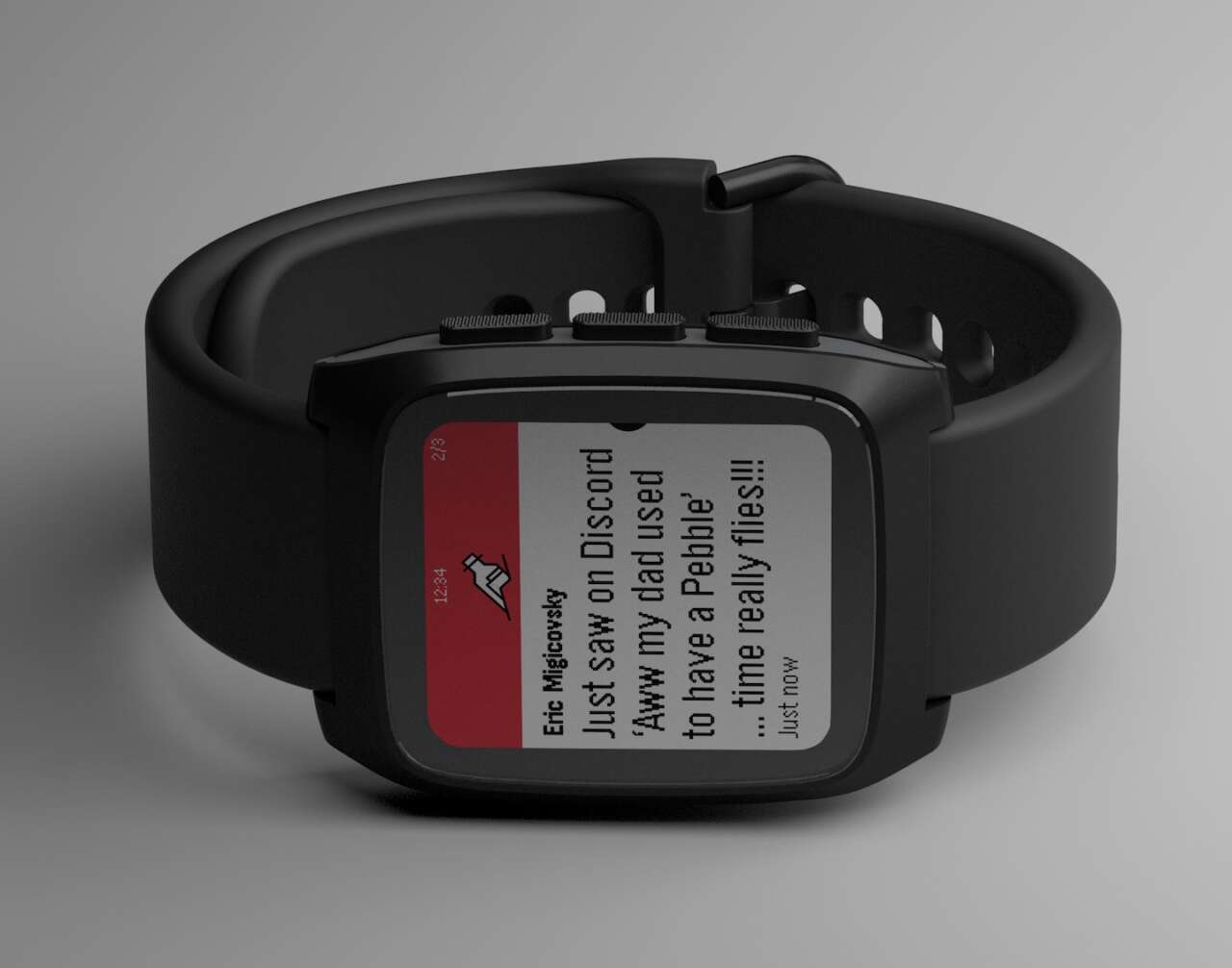
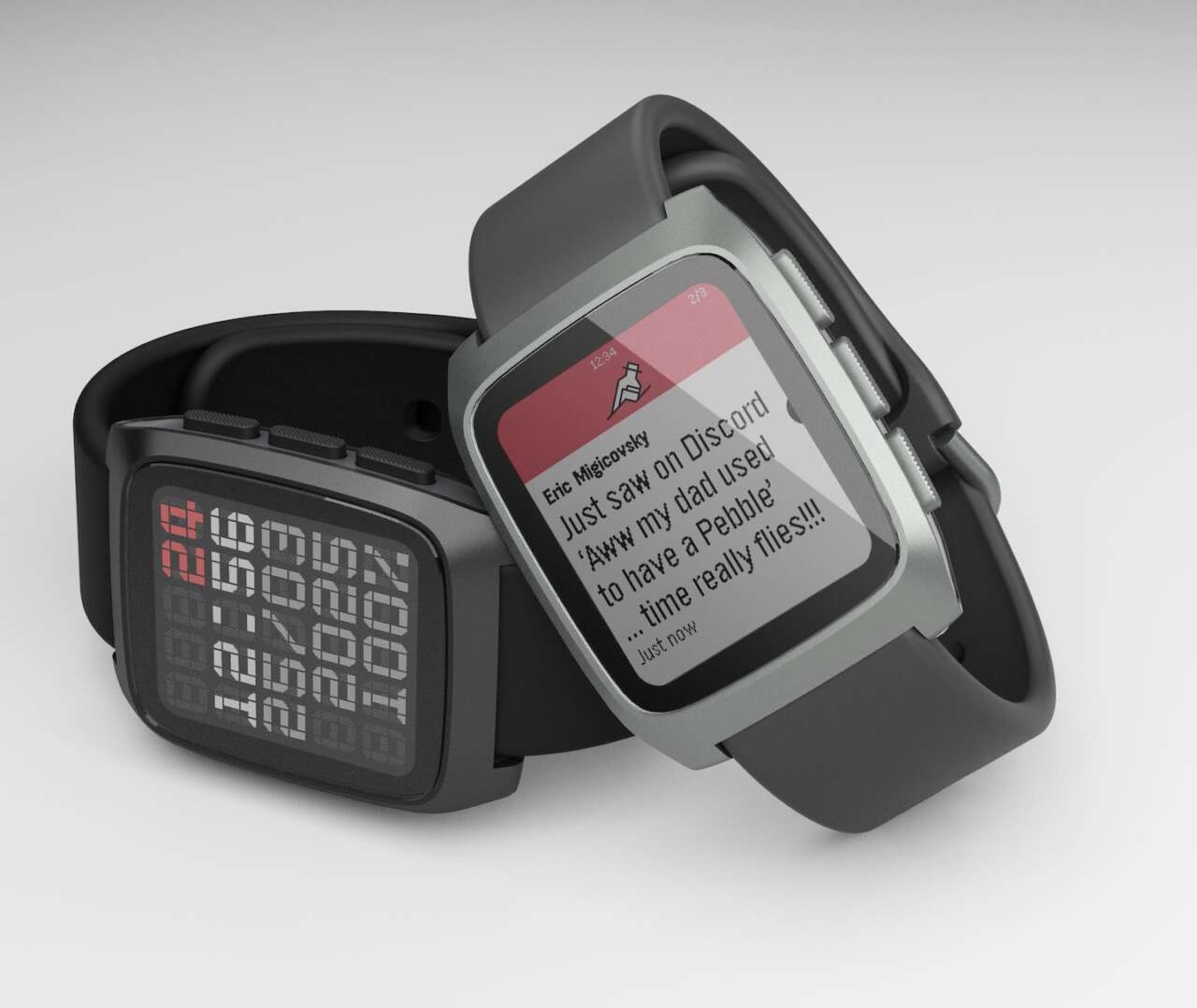
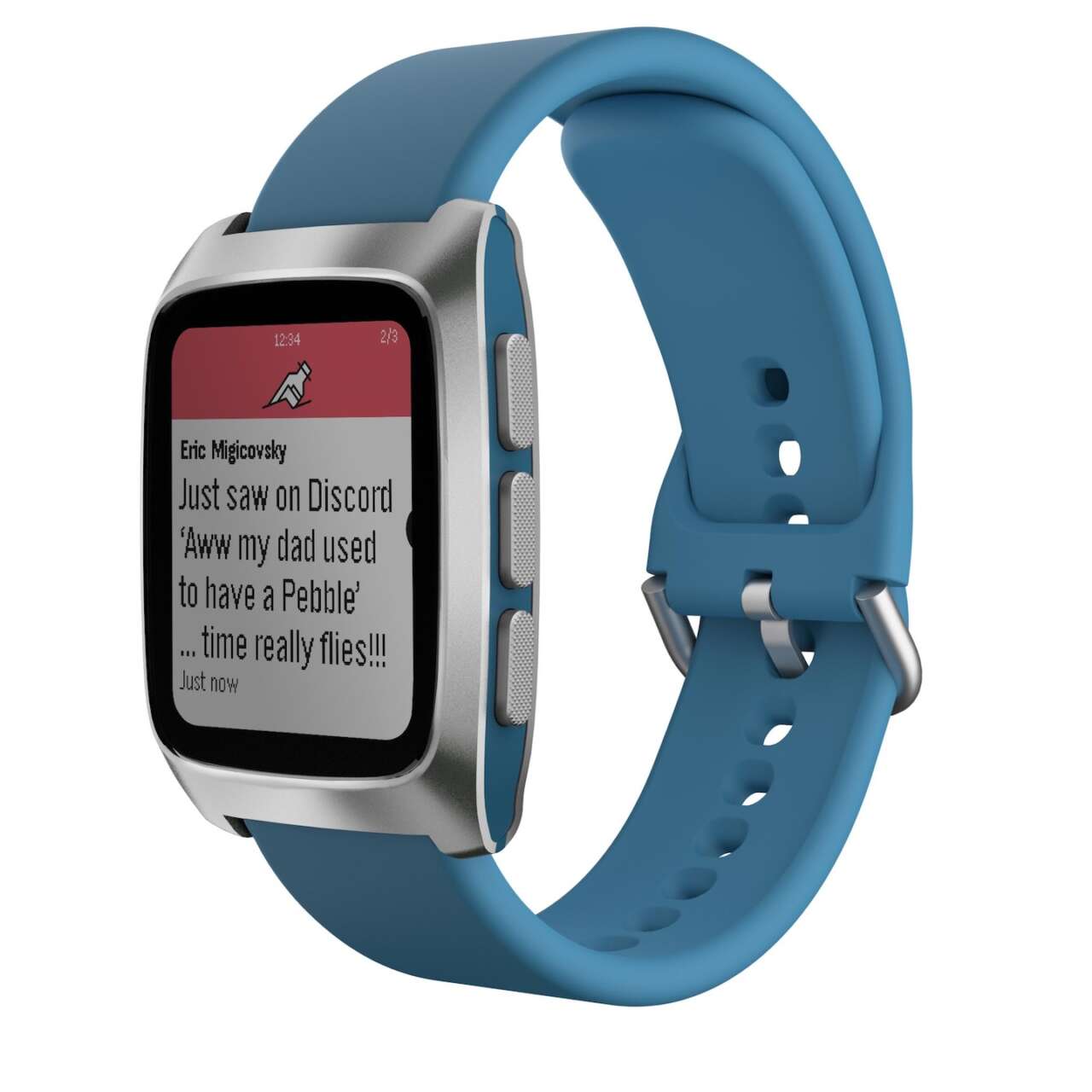
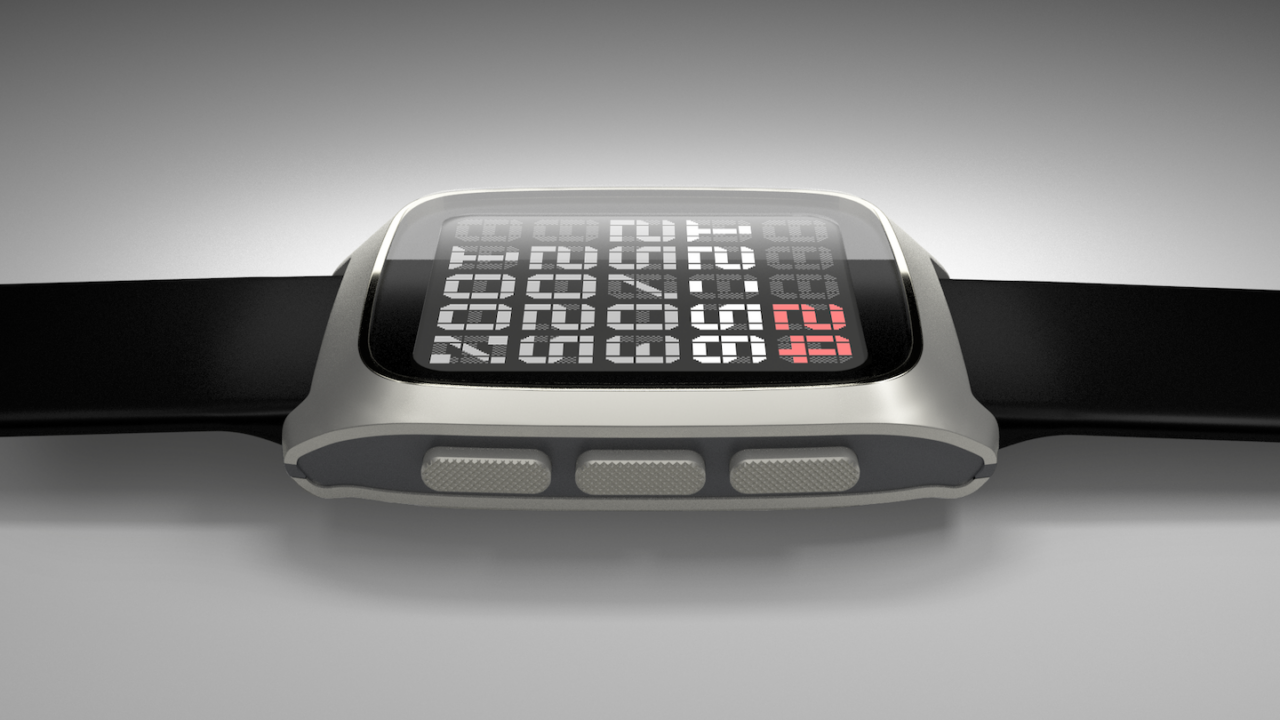
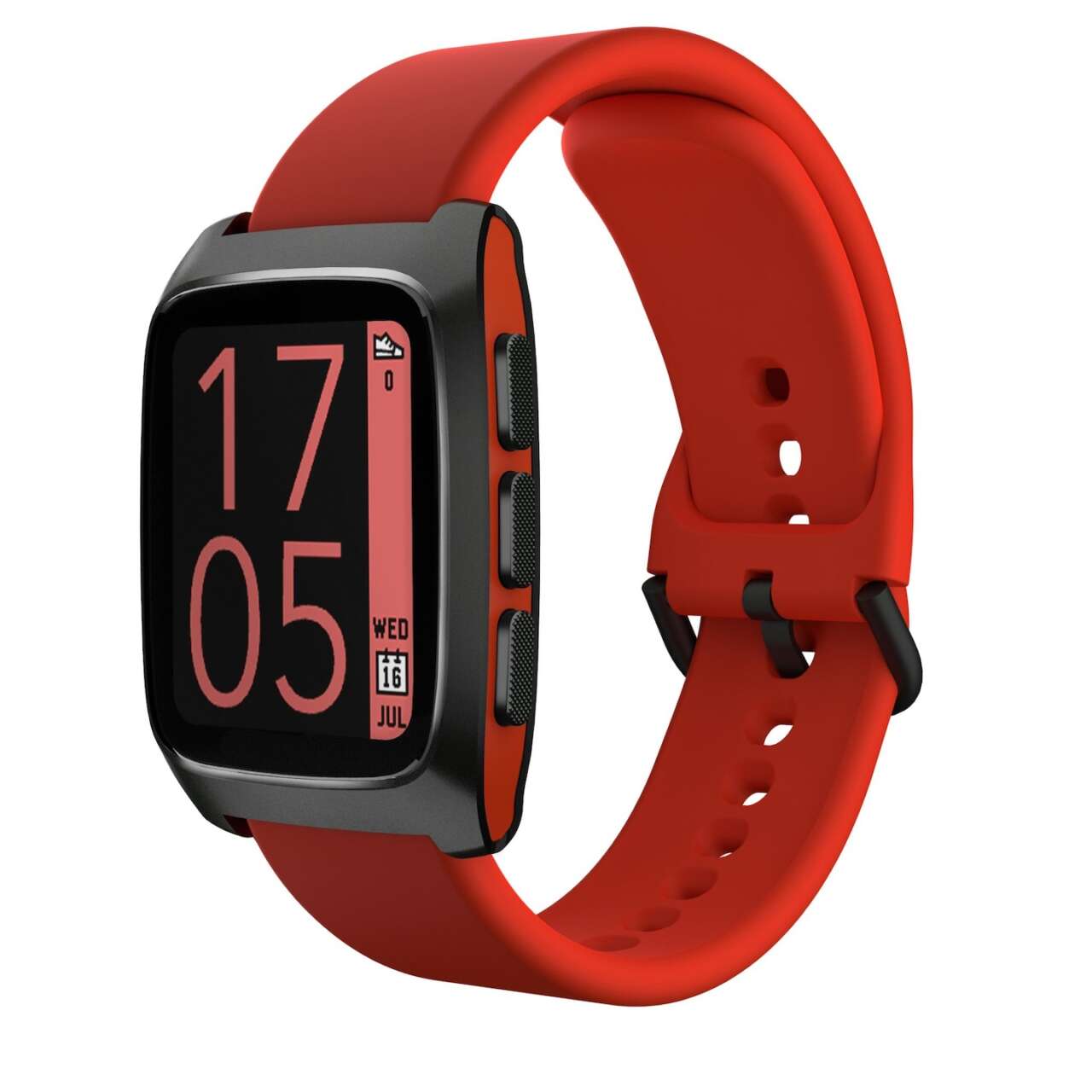
For $225, it gives you a 1.5-inch color e-paper display, physical buttons, basic health tracking, phone notifications, an open software platform, and battery life measured in weeks instead of days. It does considerably less than an Apple Watch, Galaxy Watch, or high-end Garmin, but that is also why it may be more appealing.
The Pebble Time 2 is no longer just a revival project or a preorder promise. Pebble said in August that the watch was in stock. The question now is whether its simpler approach is worth $225.
Here are five reasons it can still make sense.
1. Battery Life Changes the Ownership Experience
Charging a smartwatch every night or every few days sounds minor until it becomes another routine you have to manage.
Pebble originally targeted four weeks of battery life for the Time 2, but that should not be confused with what owners are typically getting. In July, Pebble reported a median battery life of around 21 days, up from an average of 14 days reported earlier in production. The company said it was continuing to work on power optimizations.
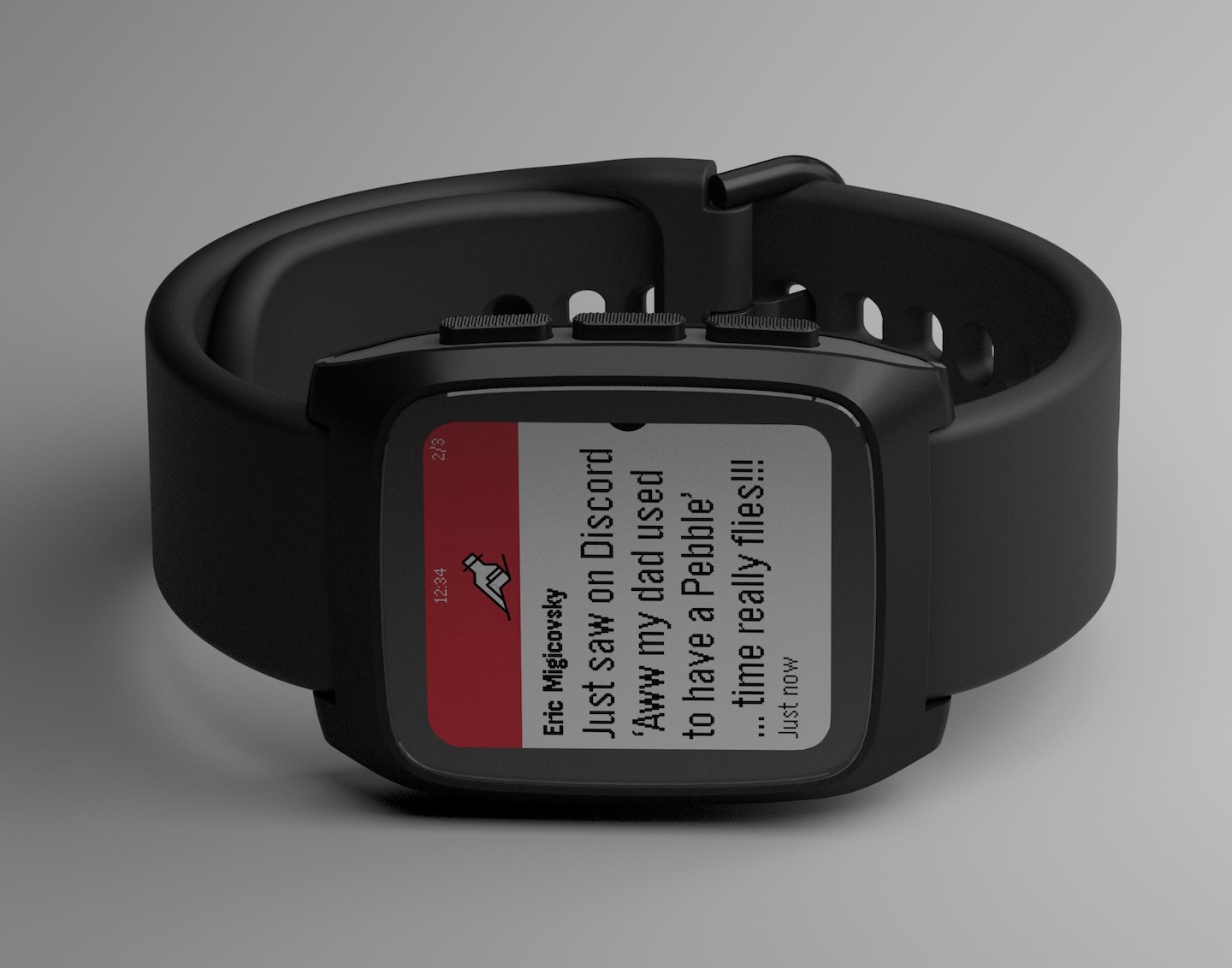
Around three weeks is still impressive in practical terms. You can sleep with the watch on without constantly choosing between overnight tracking and charging. A weekend trip does not necessarily require another charger, and leaving the watch on your wrist becomes the default instead of something you plan around.
The 1.5-inch, 64-color e-paper display helps make that possible. It stays visible without behaving like a bright OLED screen, while an RGB backlight handles darker environments.
The compromise is obvious: the display is more muted and less fluid than a modern OLED watch. If you want rich graphics and smooth animation, Pebble may feel dated. If you care more about visibility and endurance, it feels deliberately efficient.
2. Physical Buttons Are Still Excellent on a Watch
Touchscreens are flexible, but they are not always the fastest way to operate something strapped to your wrist.
The Pebble Time 2 gives you a touchscreen plus four physical controls: Back on the left, and Up, Select, and Down on the right. PebbleOS is built around those buttons, so you can navigate the watch without relying on touch. An August software update also added touchscreen navigation, giving you a choice rather than making the buttons an afterthought.
That matters when you want to dismiss a notification, move through menus, or trigger a shortcut without staring closely at the display. Buttons can also be easier to use when your fingers are damp or precise tapping would be inconvenient.
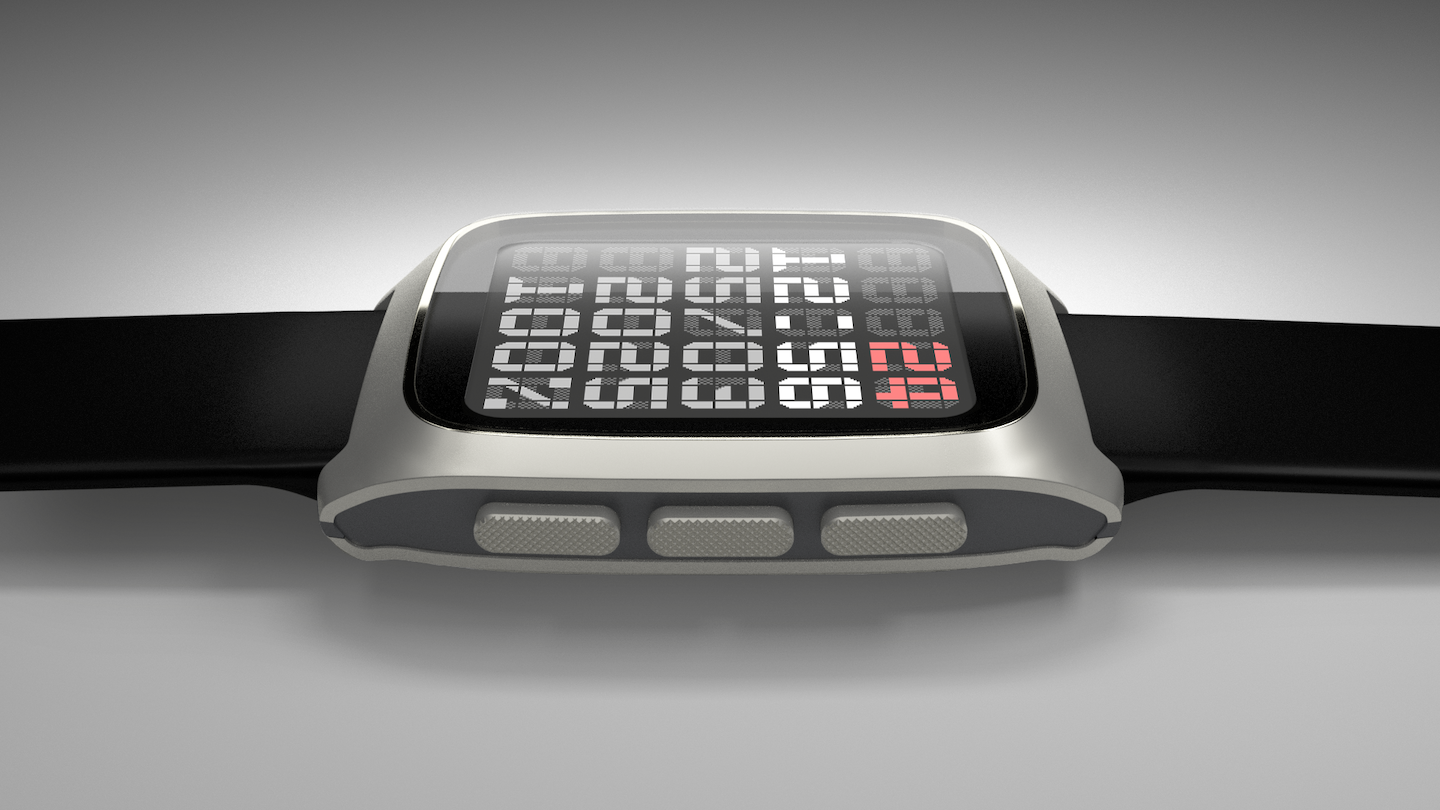
Quick-launch shortcuts let you open frequently used apps without digging through menus. It is a small design choice that changes how the watch feels: instead of forcing every interaction through a tiny touchscreen, Pebble lets muscle memory do some of the work.
3. PebbleOS Is Simple Without Feeling Empty
The risk with a deliberately simple smartwatch is that it becomes little more than a notification mirror.
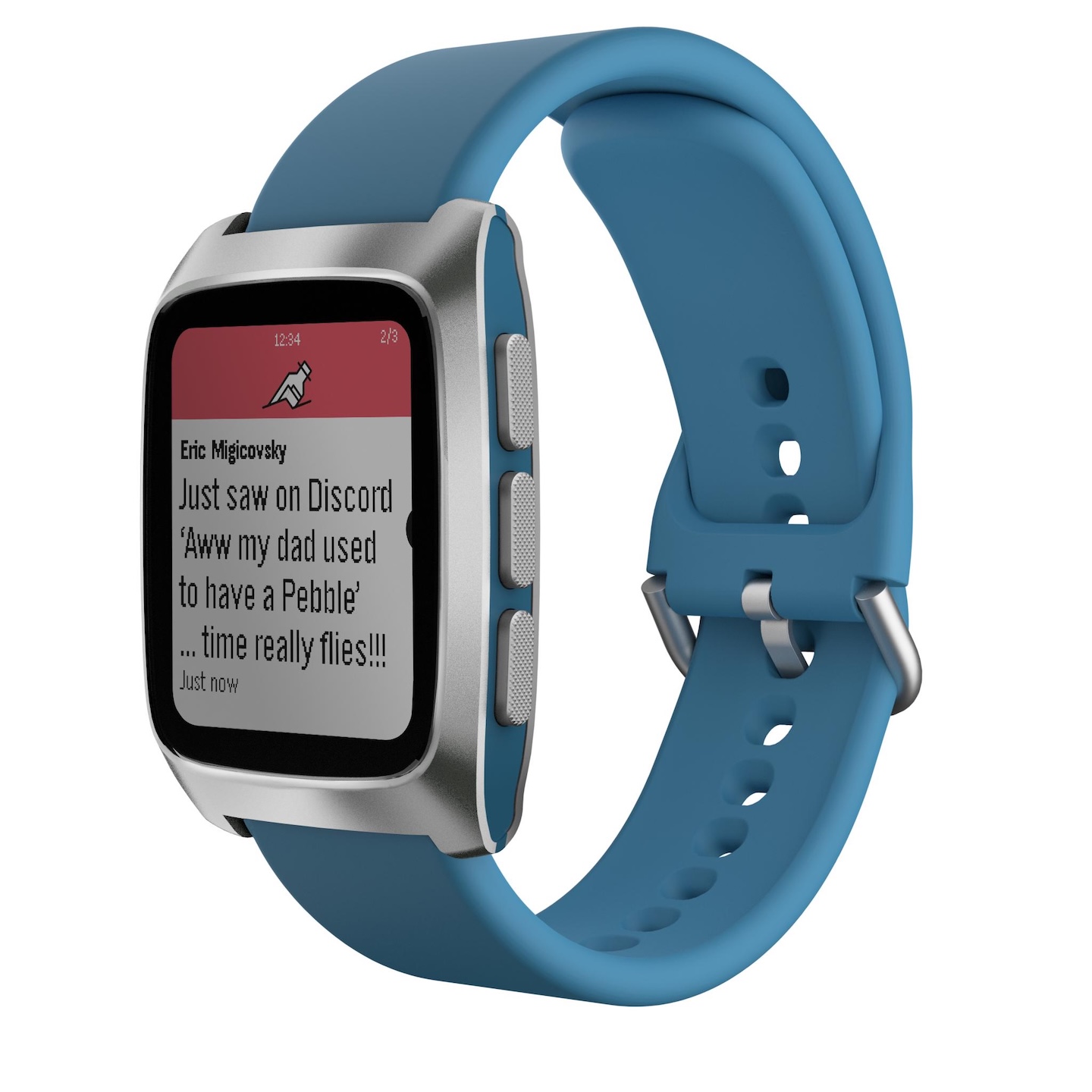
The Pebble Time 2 goes further than that. It handles phone notifications, music controls, timers, alarms, calendar information, step tracking, sleep tracking, and heart-rate monitoring. Pebble’s Timeline interface also offers a chronological way to see useful information from the watch and compatible apps.
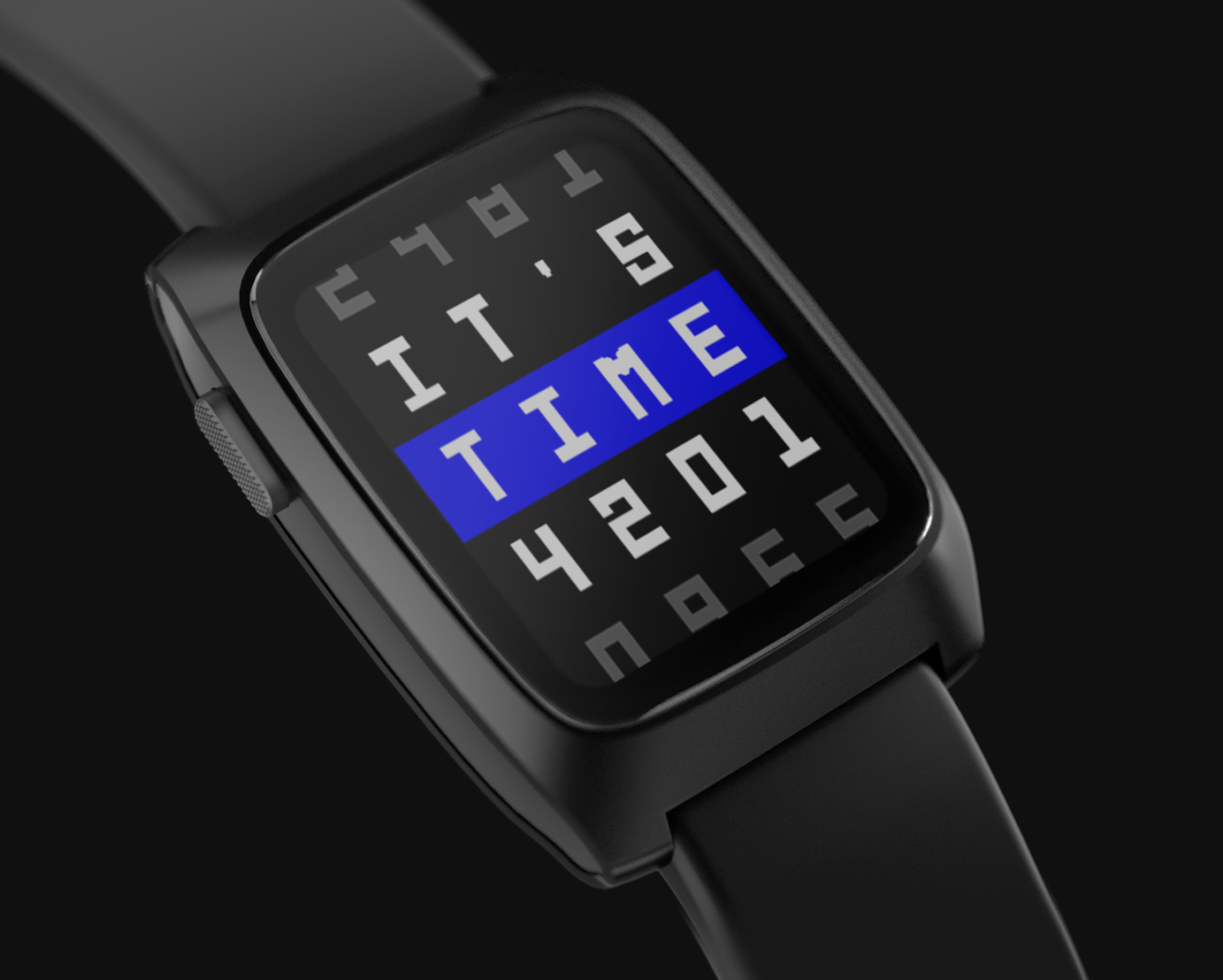
The larger advantage is the Pebble Appstore. Pebble says its existing ecosystem includes more than 10,000 apps and watchfaces. In July, the company reported that developers had created more than 2,100 apps and watchfaces compatible with the Time 2 and Round 2. Development has continued through 2026, with new APIs for hardware including the Time 2’s touchscreen, speaker, and RGB backlight.
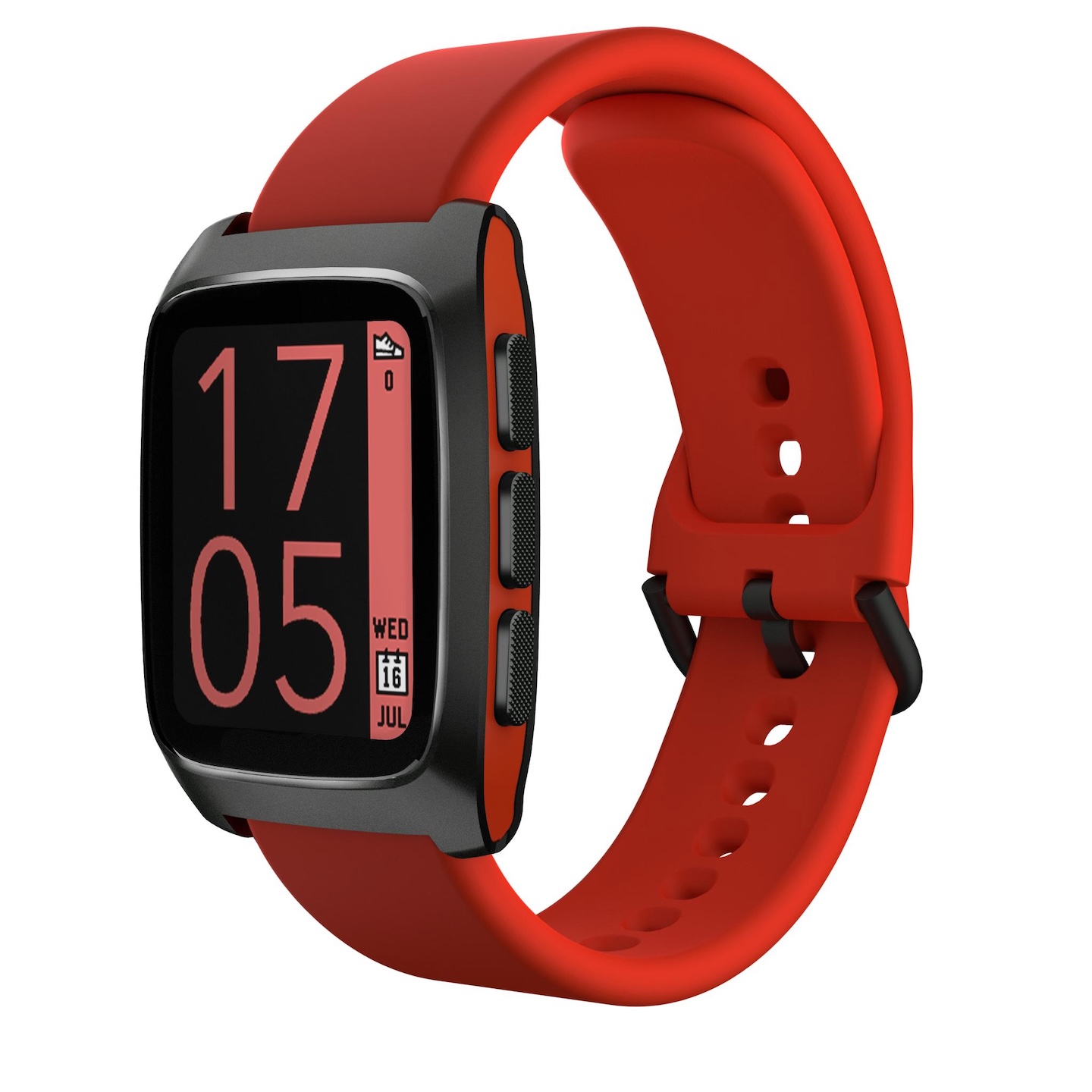
That ecosystem does not have the polish or commercial scale of Apple’s or Google’s stores. Some apps feel experimental, and finding the right one can take work. But Pebble software often feels personal in a way larger app stores do not: someone wants a specific utility, game, tracker, or watchface, so they build it.
That gives the Time 2 more personality than its specification sheet suggests.
4. It Helps You Check Your Phone Less, Not More
Many smartwatches began as tools for reducing phone use and gradually became smaller versions of the phones themselves. Pebble is less ambitious.
Notifications arrive on your wrist, you read them, and you decide whether they deserve further attention. That simple interaction can make it easier to treat a vibration as information rather than the start of another screen session.
There are limitations, especially on iPhone. Apple’s restrictions prevent third-party watches from offering some of the notification interactions available to the Apple Watch. Pebble said in July that it was working on technology that could eventually enable notification replies for iPhone users in the EU, but cautioned that the transition would take time. Do not buy the Time 2 expecting that feature to be available now.
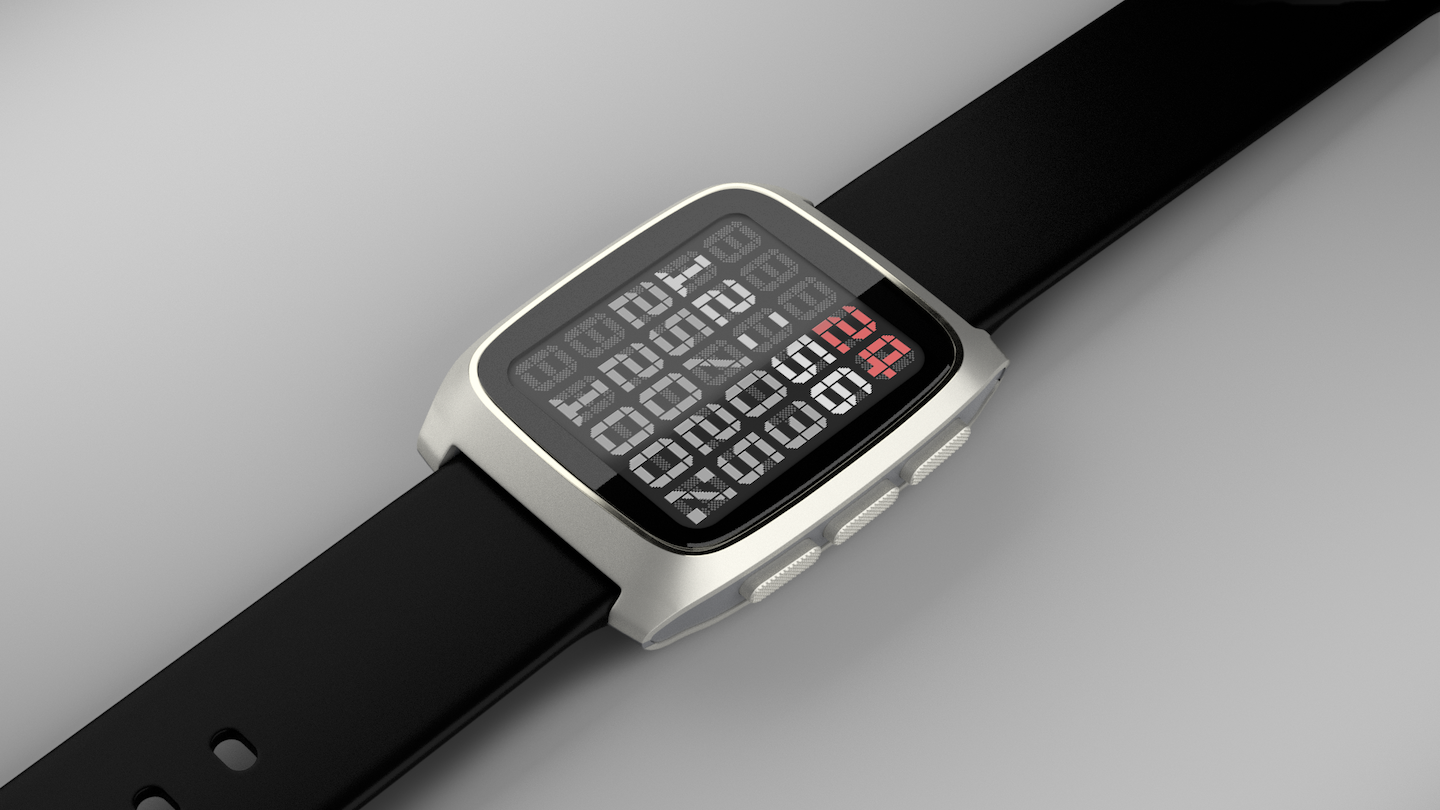
Android remains the more flexible pairing if you want richer notification interaction. On either platform, the Time 2 makes the most sense if you want your watch to act as a filter: see what happened, decide whether it matters, and move on.
5. PebbleOS Is Open Source and Built for Tinkering
The Time 2’s most unusual advantage may be how much room Pebble gives its community to shape the software.
PebbleOS and Pebble’s mobile software are open source, and development tools let people build watchfaces, utilities, games, and other software for the platform. You do not need to write code to enjoy the watch. But openness means community developers can make niche tools or test ideas that might never become priorities for a much larger smartwatch company.
That helps explain the number of apps and watchfaces already compatible with the newer watches, alongside the larger library of older Pebble software. For people who miss gadgets that feel modifiable rather than permanently locked down, that alone makes the Time 2 interesting.
The Compromises Are Real
A $225 smartwatch cannot be judged on nostalgia alone. The Time 2 includes a heart-rate sensor, compass, motion sensing, microphones, and a speaker, and its standard 22mm strap can be replaced. Its health features, however, are basic compared with watches built around serious sports or wellness tracking. Pebble itself says buyers who want comprehensive fitness tracking and GPS should look elsewhere.
In July, Pebble acknowledged reports of inaccurate step and sleep tracking for some users, accelerometers occasionally stopping, and touchscreens becoming unresponsive or registering touches in the wrong place. The company said fixes were in development but did not provide an ETA in that update. Those were reported problems at the time, not a claim that every issue remains unresolved today.
Water resistance also needs context. Production Time 2 watches are tested to 30 meters, or 3ATM. Pebble’s published guidance is inconsistent about whether that rating covers swimming, so the safest interpretation is to limit exposure to rain, hand washing, and brief immersion. Avoid diving, prolonged submersion, hot water, and high-pressure water.
Then there is the warranty: Pebble’s limited warranty covers manufacturing defects for 30 days after you receive the watch. That is a short window to consider when buying hardware from a small company.
These compromises are easier to weigh when you understand what Pebble is trying to build. This is an enthusiast-driven smartwatch with a distinct set of priorities, not a miniature version of Apple’s or Samsung’s platforms.
Should You Buy the Pebble Time 2?
The Pebble Time 2 makes sense if you want a smartwatch that behaves more like a watch and less like another computer. Its strongest advantages are multi-week battery life, an always-visible e-paper display, physical controls, and a community software ecosystem that encourages experimentation.
Skip it if you primarily want advanced sports metrics, comprehensive health monitoring, cellular independence, deep iPhone integration, or a premium OLED interface. The short warranty and software issues Pebble reported in July also deserve consideration.
Price: $225
Where to Buy: Pebble
At $225, Pebble is not competing by being the cheapest smartwatch. It is competing by being deliberately different. If you want useful information on your wrist without turning that wrist into another source of constant attention, that difference remains a compelling reason to buy one.