
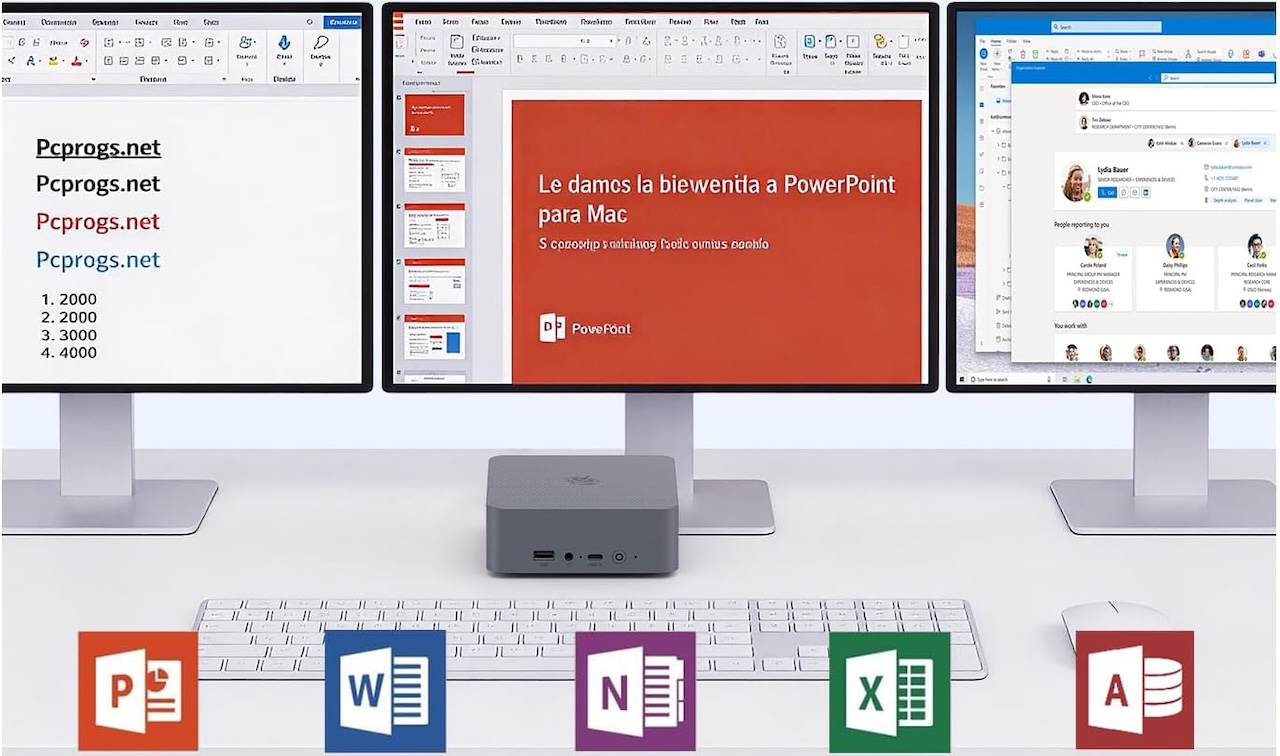
Budget mini PCs have become remarkably capable, but their low-cost processors can still be the limiting factor. Basic office work and streaming may be easy enough, while heavier multitasking, faster networking, and more demanding applications can expose the compromises.
Intel’s Wildcat Lake processors give mini PC makers another option.
Officially part of Intel’s Core Series 3 lineup, Wildcat Lake includes Core 3, Core 5, and Core 7 processors. Several of the first mini PCs use the entry-level Core 3 304, a five-core chip with dedicated AI hardware and newer Intel integrated graphics.
That does not turn an inexpensive mini PC into a workstation. What makes Wildcat Lake interesting is what manufacturers are building around it: Thunderbolt 4, USB4, faster Ethernet, multiple display outputs, and upgradeable memory are appearing in some surprisingly small machines.
We verified that all five mini PCs below use processors from Intel’s Wildcat Lake family. What separates them is the hardware surrounding the processor.
1. Beelink EQi
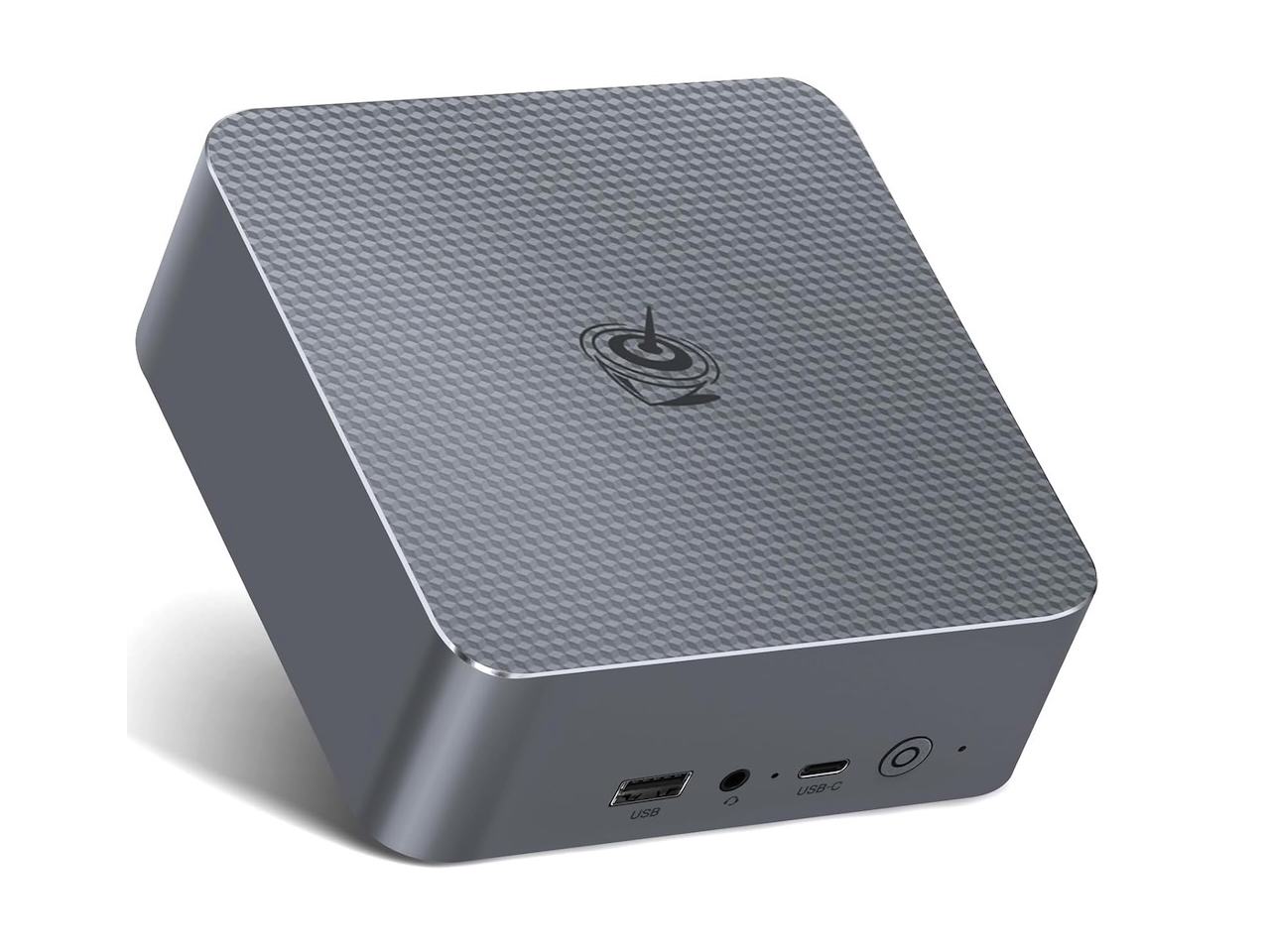
The Beelink EQi is one of the more unusual Wildcat Lake systems because Beelink has focused heavily on connectivity. It uses Intel’s Core 3 304 and combines it with 10Gb Ethernet, a second 2.5Gb Ethernet connection, and two Thunderbolt 4 ports. That is considerably more high-speed connectivity than most affordable mini PCs provide.
Storage can be expanded with NVMe drives, while the machine supports multiple displays. Memory configurations vary by version, so buyers should check the exact model before ordering.
Price: $469
Where to Buy: Amazon
More importantly, the EQi has undergone independent testing rather than existing only as a collection of manufacturer specifications. Testing examined its networking, storage, power consumption, thermals, media playback, and Linux support.
Those results give us more to work with than manufacturer claims alone. They also reinforce the EQi’s practical strengths. This is much more interesting as a productivity, networking, or home-server machine than as a gaming computer, where its integrated graphics remain a limitation.
Buyer fit: The EQi stands out if you run a home lab, regularly transfer large files across a fast network, or want a compact office PC with unusually strong connectivity.
2. ACEMAGIC Kron Mini K5
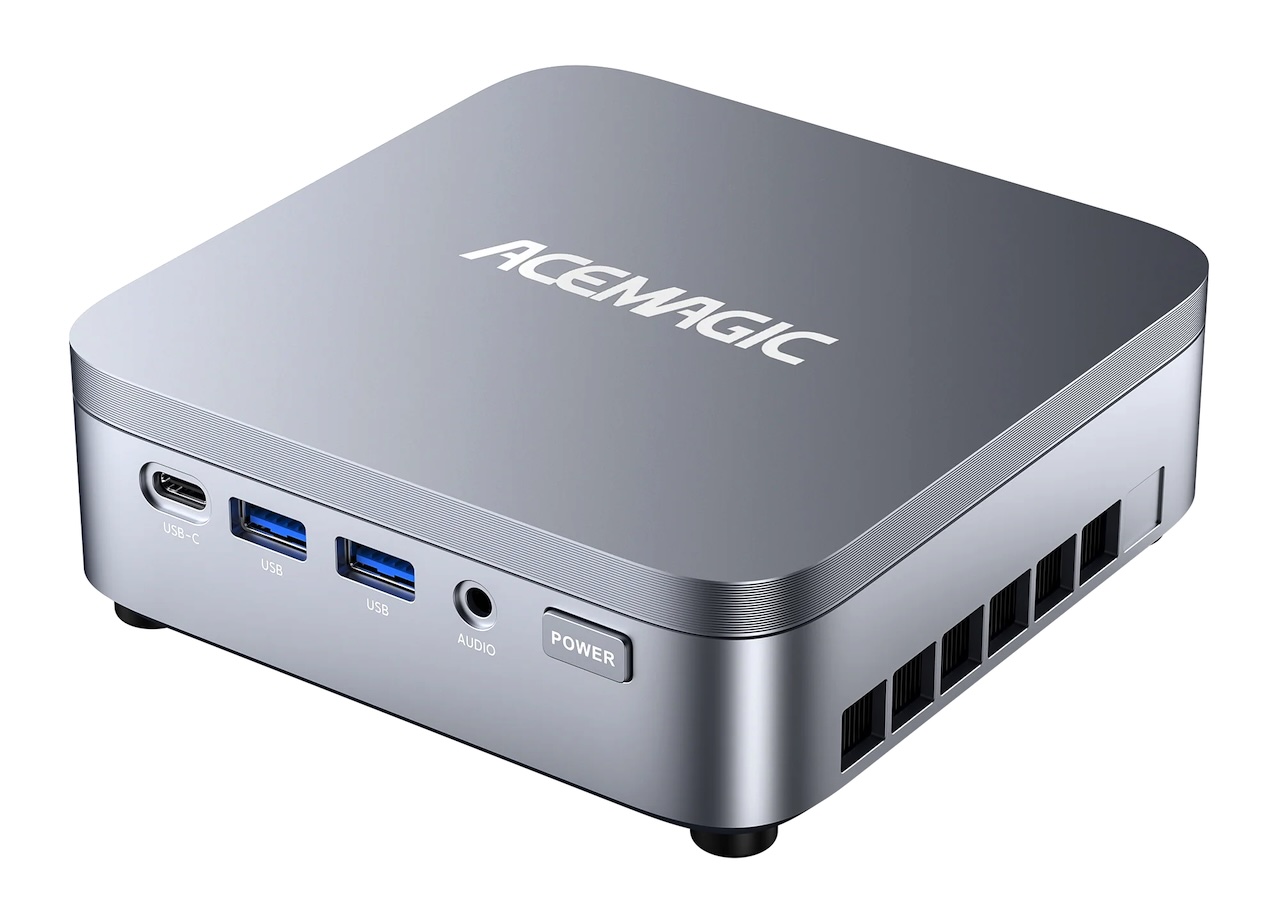
The ACEMAGIC Kron Mini K5 takes a more conventional desktop approach and offers one useful advantage: more than one Wildcat Lake processor option. Buyers can choose between the Core 3 304 and Core 5 320. The independently tested Core 3 version came with 12GB of memory and a 512GB SSD, with additional internal storage expansion available.
You still get the connections expected from a modern desktop, including 2.5Gb Ethernet and several display outputs. What you do not get is Thunderbolt 4 or USB4, making the K5 less appealing if very fast external storage, docks, or other high-bandwidth peripherals matter to you.
Price: $559
Where to Buy: Acemagic
Independent testing gives us a clearer idea of what to expect. The Core 3 304 configuration was responsive for everyday computing and capable of high-resolution video playback. Testing also showed thermal throttling during sustained heavy workloads, while 3D graphics performance remained relatively modest.
That matters because a newer Intel architecture does not automatically translate to workstation or gaming-class performance.
Buyer fit: The K5 is better suited to everyday Windows computing, office applications, browsing, and media than demanding gaming or sustained heavy workloads.
3. MINISFORUM M2 Air-304
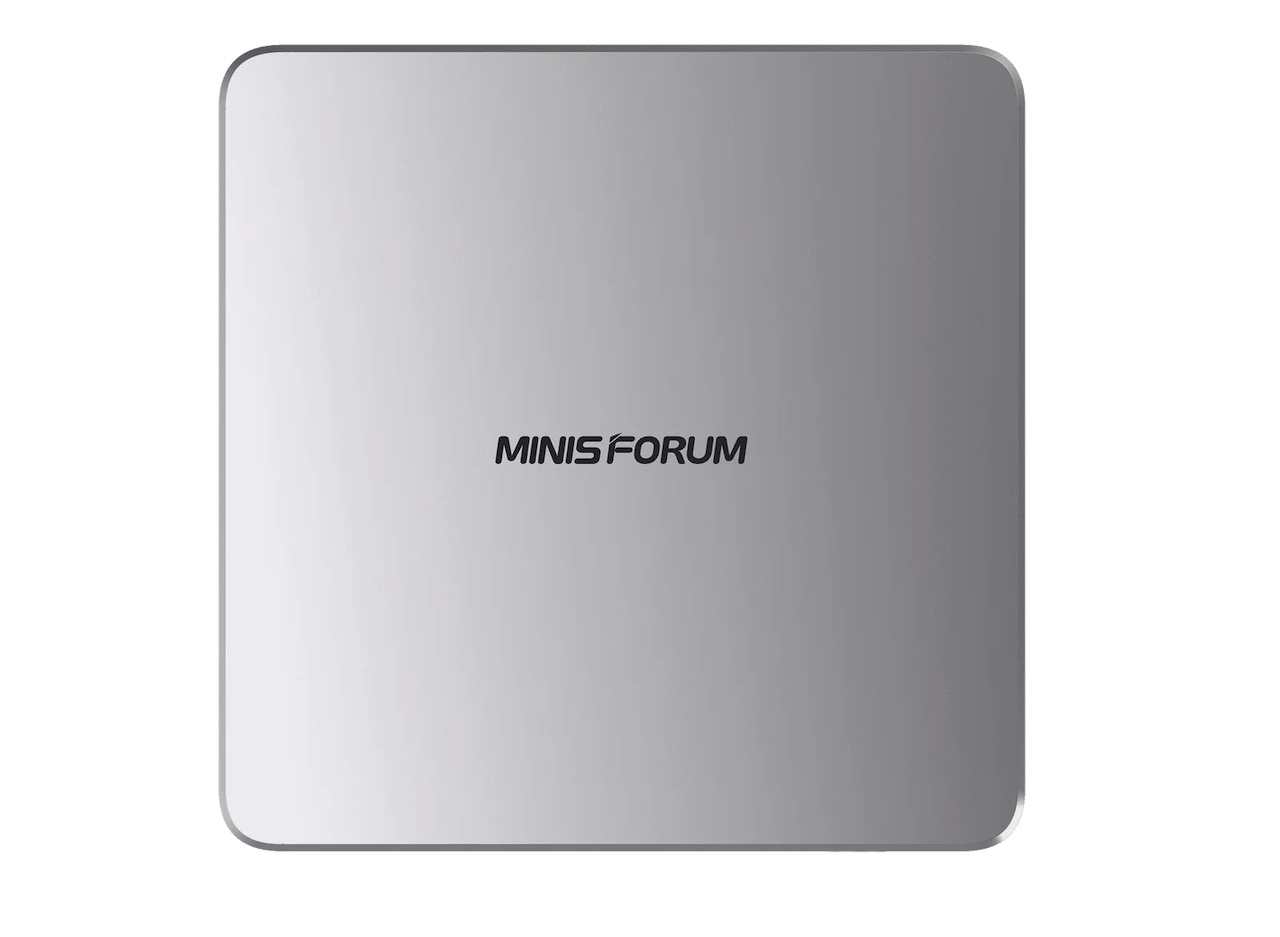
If saving desk space is the main reason you are shopping for a mini PC, the MINISFORUM M2 Air-304 takes the “mini” part seriously. Its enclosure occupies only about 0.47 liters, making it one of the smallest systems in this group. Inside is the same Core 3 304 used by several competitors.
The more important difference is upgradeability. MINISFORUM uses replaceable DDR5 memory, giving owners more flexibility than Wildcat Lake systems with soldered RAM. You also get NVMe storage, USB4, dual Ethernet connections, and support for multiple displays.
Price: $263
Where to Buy: Minisforum
That combination makes the M2 Air-304 more adaptable than its dimensions suggest. Someone buying a mini PC for several years of use may particularly appreciate being able to increase memory rather than being permanently tied to the original configuration.
The caveat is the available evidence. Much of what we currently know about its cooling and performance comes from published specifications and manufacturer information rather than the depth of independent testing available for the Beelink EQi and ACEMAGIC K5.
Buyer fit: Consider the M2 Air-304 if you want an especially small Wildcat Lake desktop without giving up replaceable memory or USB4.
4. BOSGAME E6 ECO
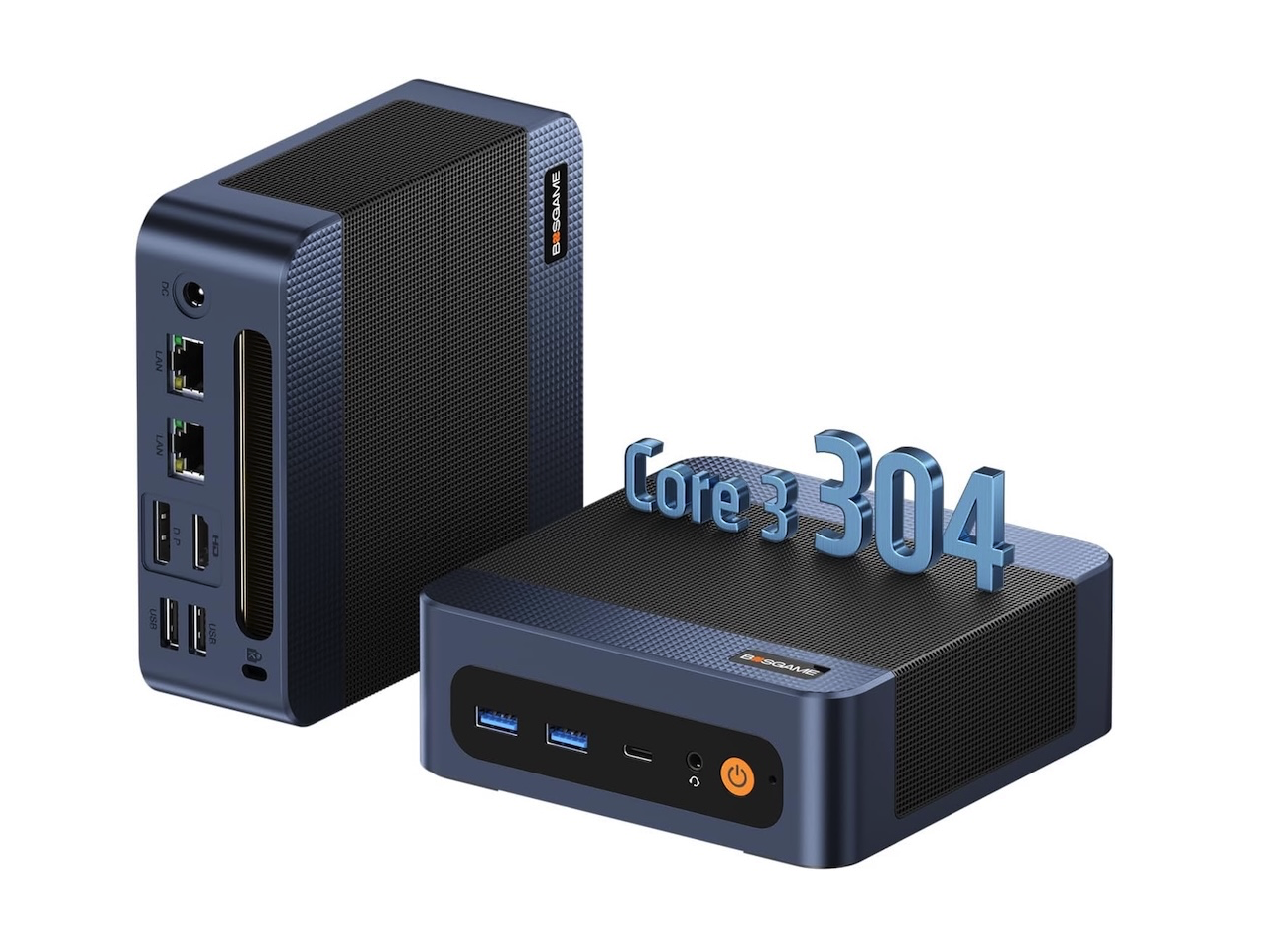
The BOSGAME E6 ECO approaches Wildcat Lake from the value end of the market. It pairs the Core 3 304 with 12GB of LPDDR5X memory and a 512GB SSD. The memory is soldered, so 12GB is what you will have for the life of the machine, although storage offers more room for expansion.
BOSGAME also includes USB4, Wi-Fi 7, multiple display outputs, and dual Gigabit Ethernet. That is a useful collection of connections for an everyday compact desktop, although buyers specifically looking for multi-gigabit wired networking have stronger options elsewhere in this list.
Price: $429.99
Where to Buy: Amazon
The Core 3 304 also contains a dedicated NPU rated at 15 TOPS. That gives compatible applications hardware designed for certain AI workloads, but the number needs perspective. It is well below the NPU performance associated with Microsoft’s current Copilot+ PC requirements.
The E6 ECO is better viewed as an affordable general-purpose mini PC with some modern AI hardware than as a dedicated AI machine.
Buyer fit: The E6 ECO makes sense for home offices, browsing, streaming, and general productivity if 12GB of non-upgradeable memory is enough for your needs.
5. ECS LIVA Z15 Plus
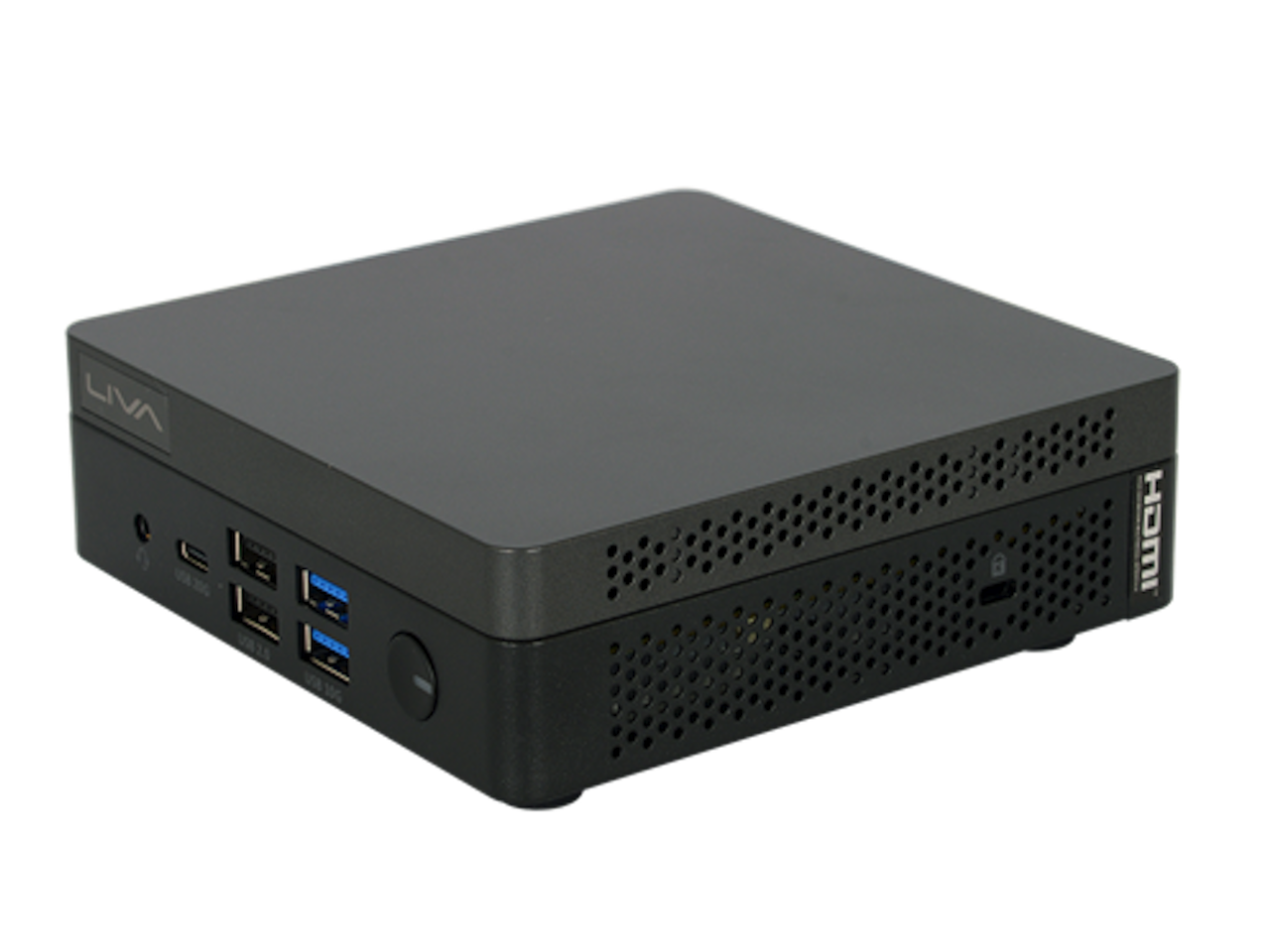
The ECS LIVA Z15 Plus is a useful reminder that Wildcat Lake is not synonymous with the Core 3 304. ECS designed this mini PC to support a range of Wildcat Lake processors, stretching from Core 3 through Core 5 and Core 7 options. That gives buyers room to choose more CPU performance without leaving the Wildcat Lake platform.
Upgradeability is another attraction. The Z15 Plus supports replaceable DDR5 memory rather than permanently locking RAM to the motherboard. It also includes NVMe storage, USB4, dual 2.5Gb Ethernet, and multiple display connections.
Price: TBD
Where to Buy: ECS
That flexibility could make the ECS particularly interesting for businesses that want to deploy the same basic mini PC in several performance configurations.
There is an important evidence gap, however. The Z15 Plus has not received the same level of independent testing as the Beelink EQi or ACEMAGIC K5. Its processor support, memory options, and connectivity are documented, but buyers should wait for more extensive testing before drawing conclusions about how well its cooling system handles the faster configurations.
Buyer fit: The LIVA Z15 Plus is worth watching if the Core 3 304 feels too limiting and you want higher-tier Wildcat Lake processor choices with replaceable memory.
Should you buy a Wildcat Lake mini PC?
What makes these five machines interesting is not just the new Intel branding. It is how differently manufacturers are using the same platform.
The Beelink EQi prioritizes networking and Thunderbolt connectivity. The ACEMAGIC K5 is a straightforward everyday Windows machine with multiple processor choices. The MINISFORUM M2 Air-304 emphasizes tiny dimensions and replaceable memory, while the BOSGAME E6 ECO focuses on general-purpose computing at the more affordable end of the market. ECS goes in the other direction by offering Core 3, Core 5, and Core 7 options.
Wildcat Lake itself should not be the only reason to buy one. The entry-level Core 3 304 is aimed at mainstream computing rather than demanding gaming, rendering, or workstation workloads. Its dedicated AI hardware is useful to have, but it does not transform an inexpensive mini PC into a high-end AI workstation.
Instead, look at the hardware surrounding the processor. A home-lab user may get far more value from the Beelink EQi’s 10Gb Ethernet than from a slightly faster CPU. Someone planning to keep the computer for several years may prefer the replaceable memory in the MINISFORUM M2 Air-304 or ECS LIVA Z15 Plus. A basic home-office buyer may have little reason to pay extra for either feature.
That is where Wildcat Lake looks most promising. It gives manufacturers a newer foundation for affordable mini PCs, but the ports, networking, memory, storage, cooling, and price still determine which of these tiny computers is the right fit.
