
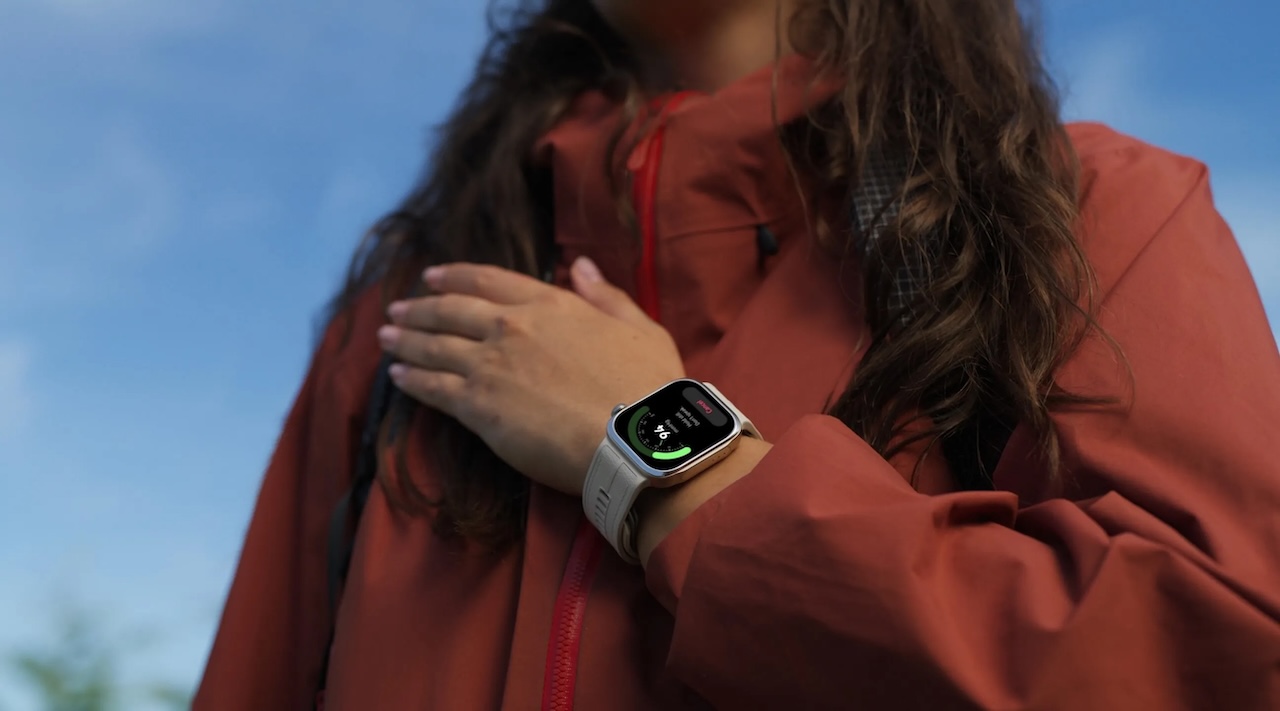
Most smartwatches can tell you your heart rate without much effort. Blood pressure is harder. A conventional reading usually means sitting down, wrapping a cuff around your arm or wrist, and remembering to measure often enough to see how those numbers change over time.
Price: £399.99 (About $535)
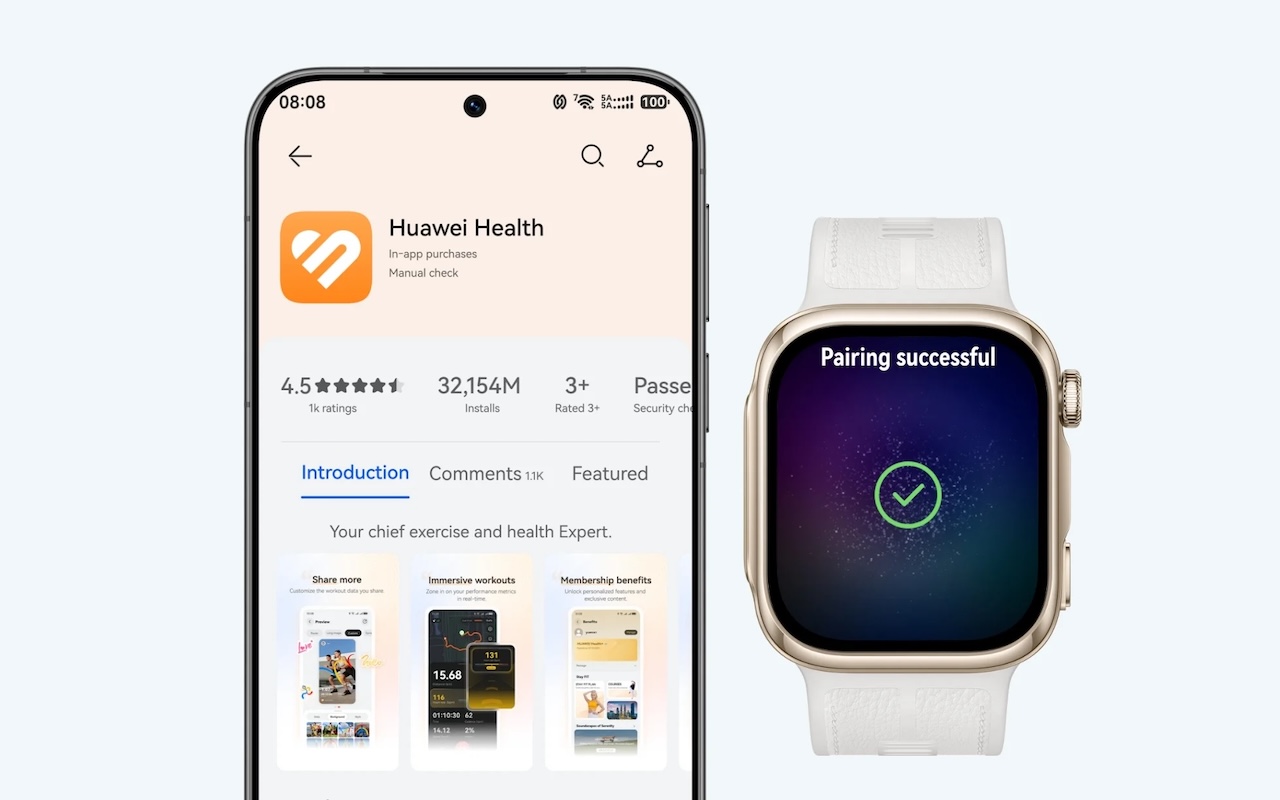
Where to Buy: Huawei UK
The Huawei Watch D3 tries to make that routine easier by putting an inflatable blood-pressure system directly on your wrist. Rather than relying only on optical sensors to estimate blood-pressure trends, the D3 uses a miniature pump and an inflatable airbag built into its strap. It can take individual systolic and diastolic readings or collect measurements during a 24-hour ambulatory blood pressure monitoring session.
That makes the D3 different from most smartwatches. It still tracks workouts, sleep, heart rate, and other health information, but blood pressure is the reason this watch exists.
There’s an Actual Inflatable Cuff in the Strap
Start a blood-pressure reading and the airbag inside the Watch D3 strap inflates around your wrist. Huawei uses a mechanical airbag system designed to provide cuff-based readings instead of simply estimating changes from optical heart-rate data.
The process still requires some effort. Huawei instructs users to remain quiet, support the elbow, keep their feet flat on the floor, and hold the watch level with the heart during a standard reading. The strap also needs to fit the wearer’s wrist properly.
 There is early independent evidence showing how the finished hardware performs, although it should not be confused with clinical validation. Notebookcheck compared the D3 with an Omron RS4 wrist monitor across a small series of alternating readings. Its average systolic result was very close to the Omron’s, although the D3 showed a larger difference in diastolic pressure. The publication explicitly cautioned that true clinical diagnostic accuracy cannot be established through this kind of non-laboratory test.
The Register reached a similarly cautious conclusion during hands-on testing, reporting plausible and consistent readings rather than claiming independently proven medical accuracy.
24-Hour Monitoring Is the More Interesting Feature
One blood-pressure reading gives you a snapshot. Understanding how blood pressure changes during daytime activity and sleep can provide considerably more context.
The D3 supports ambulatory blood pressure monitoring, or ABPM. During a 24-hour plan, the watch can take readings at configured intervals and automatically perform measurements while you sleep. Huawei Health can then organize the results into an ABPM report.
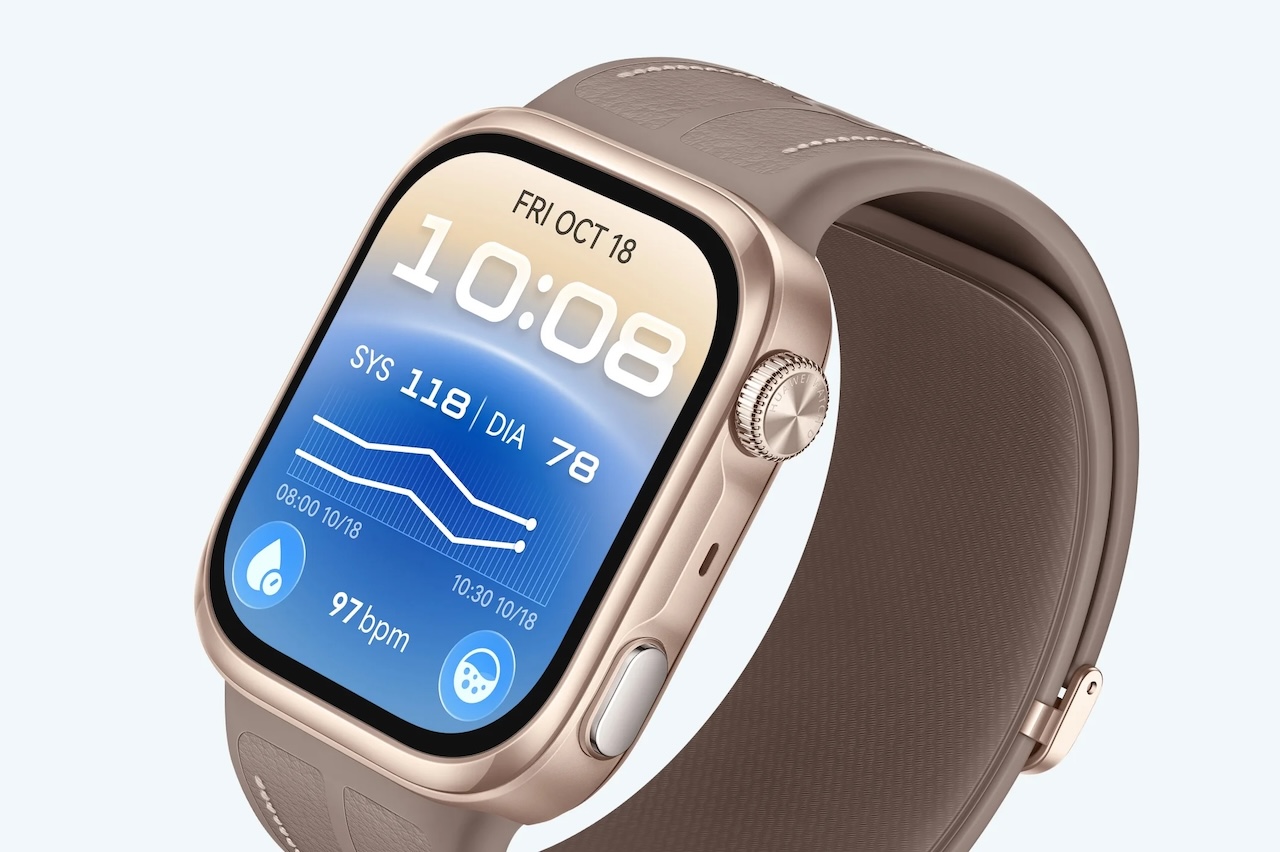 That convenience comes with a practical limitation. During daytime measurements, you still need to stop and maintain the correct posture. Huawei recommends choosing a relatively quiet day for a 24-hour monitoring session.
The feature also hits battery life hard. Huawei rates the D3 for up to six days under its defined typical-use conditions, but that falls to about one day with ABPM enabled at 15-minute intervals. Those are Huawei laboratory figures, so real-world endurance will depend on how the watch is used.
The Register reported roughly five days during ordinary use, which at least puts Huawei’s six-day typical-use claim within range of one independent hands-on experience.
Blood Pressure Now Extends Into Exercise
Huawei has also expanded the D3’s blood-pressure system into workouts.
The watch can guide users through blood-pressure readings before supported exercise and shortly afterward. Huawei currently lists outdoor and indoor running, walking, and cycling among the supported activities.
 The post-exercise reading needs to begin within 120 seconds after the workout finishes. The software can then show the before-and-after results and provide exercise-intensity guidance for future workouts.
That does not turn the watch into a personal cardiologist. Huawei states that monitoring results are for reference and should not be used as the basis for medical diagnosis or treatment. Anyone managing hypertension or another cardiovascular condition should treat these readings as additional information rather than a replacement for professional medical guidance.
The D3 Is More Than a Blood Pressure Monitor
Putting a pump and inflatable airbag inside a smartwatch creates an obvious design problem: nobody wants to sleep with a medical cuff strapped to their wrist.
Huawei has reduced that burden considerably. The D3 is 11.3 mm thick, while the watch body weighs about 40 grams without the strap. Its 1.92-inch AMOLED display has a claimed peak brightness of 3,000 nits.
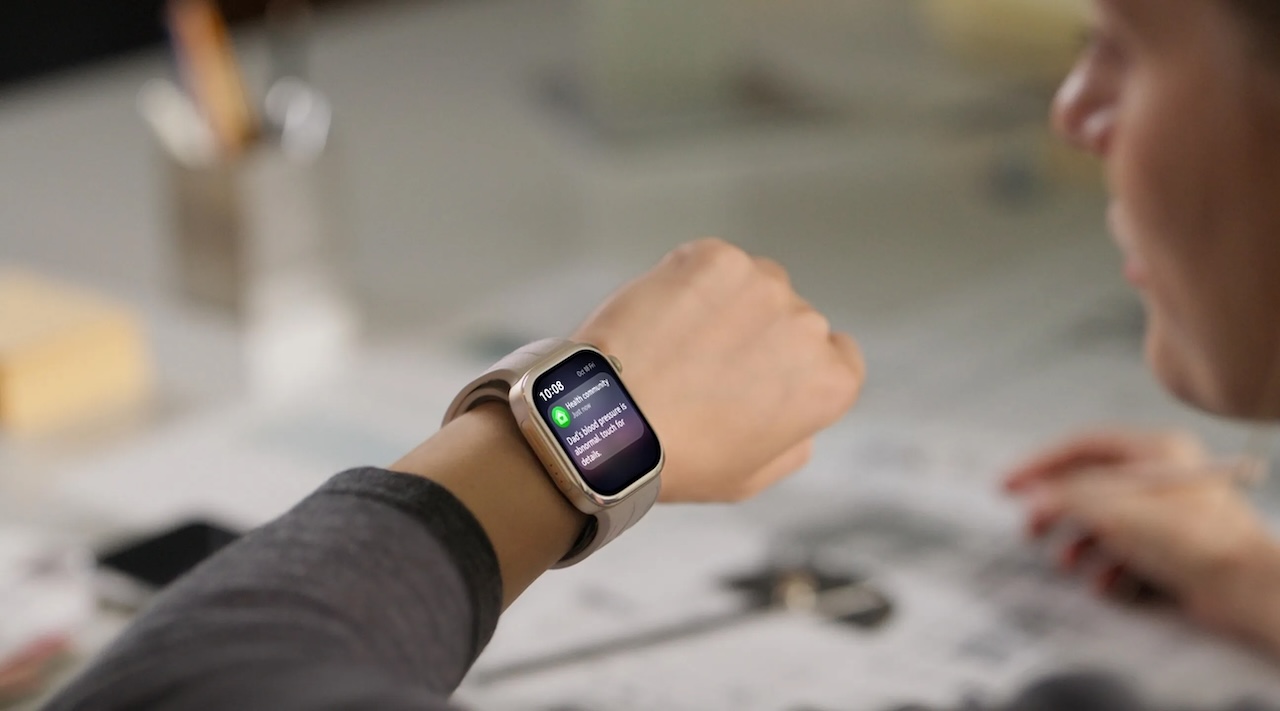 The Register found the D3 noticeably less obtrusive than its predecessor, even if it remains larger than many conventional wearables. The publication also described the pump as virtually silent during readings.
Beyond blood pressure, the watch provides heart-rate monitoring, ECG, blood-oxygen measurements, sleep tracking, skin-temperature information, and other wellness features. Huawei’s Health Glance feature can collect multiple health indicators and organize them into a report.
Water resistance is one area where buyers need to pay attention. The D3 carries an IP68 rating when it is not measuring blood pressure. Huawei specifically says the watch is not water-resistant while the airbag is inflating and recommends that users do not immerse it in water during a measurement.
In practice, that limitation makes it a less flexible choice for water-focused training than some conventional sports watches.
Who Should Buy the Huawei Watch D3?
The Huawei Watch D3 does not make the most sense for someone primarily shopping for notifications, apps, swimming workouts, or ordinary fitness tracking. Plenty of conventional smartwatches handle those jobs without requiring a pump and inflatable strap.
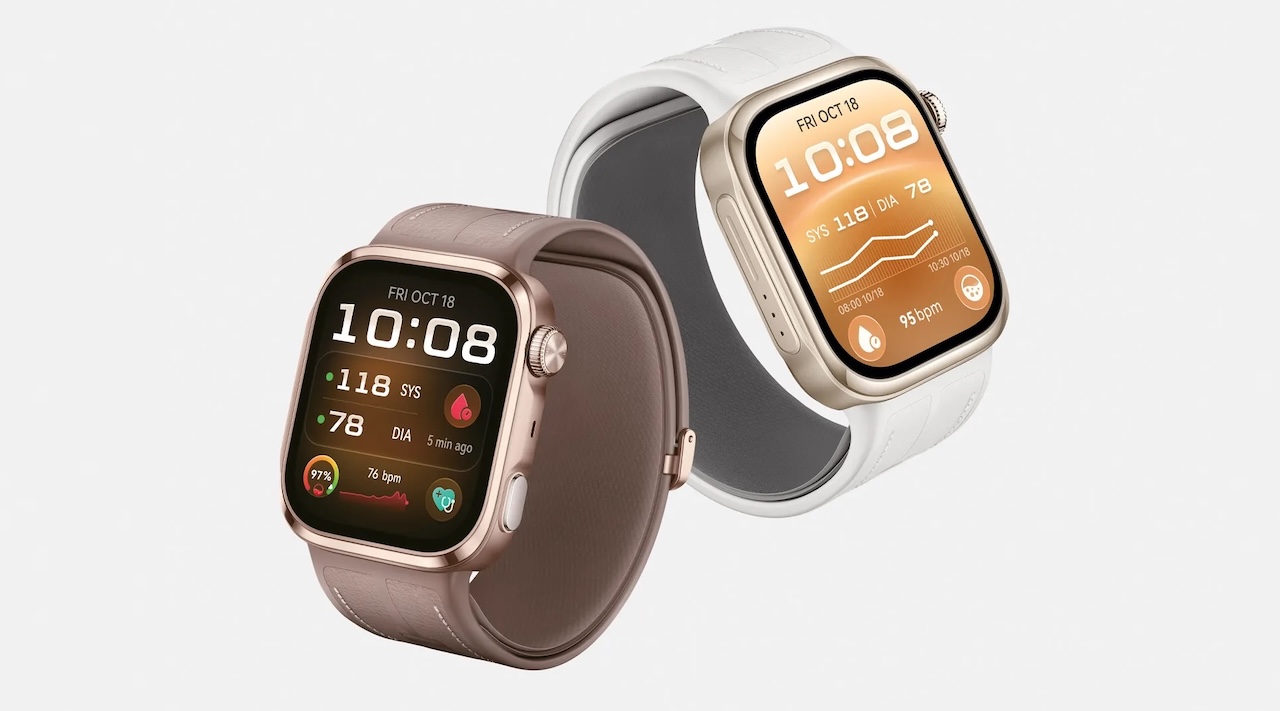 The D3 becomes much more interesting if blood pressure is already something you measure regularly. Putting the cuff on your wrist removes the need to carry a separate monitor for every reading, while a 24-hour ABPM session can provide a broader picture than occasional manual checks.
There is also more substance behind the feature than a typical smartwatch health claim. Huawei uses a physical cuff-based measurement system, and Huawei says the Watch D3’s applicable blood-pressure functionality is certified under the EU Medical Device Regulation. Certification and feature availability can vary by market, so prospective buyers should confirm local support before purchasing. Early independent hands-on testing has produced plausible results, but no wearable reading should automatically be treated as clinically definitive.
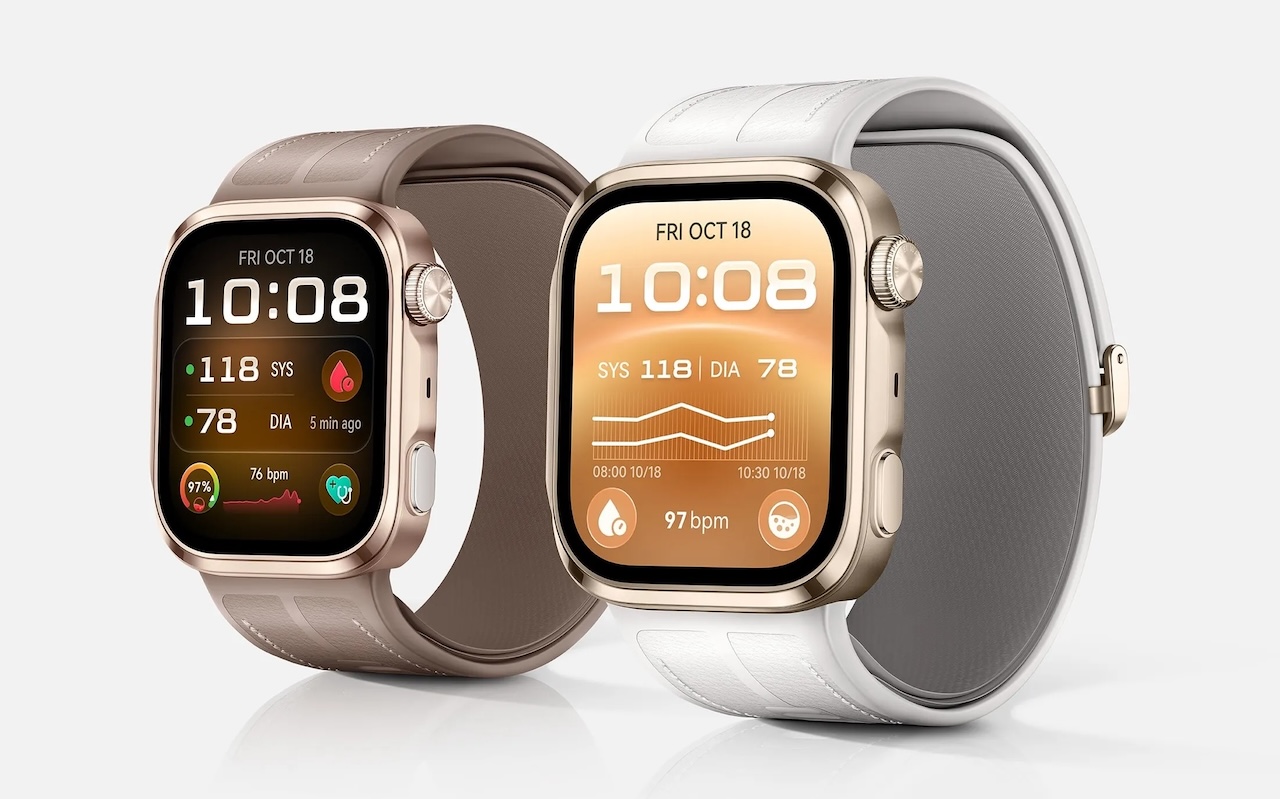
Price: £399.99 (About $535)
Where to Buy: Huawei UK
That narrow focus is what makes the Watch D3 interesting. Huawei has not simply added another health statistic to a smartwatch dashboard. It has built specialized hardware around making regular blood-pressure monitoring easier to fit into everyday life.
