If you’re spending around $2,000 on a foldable, the decision comes down to Samsung’s mature foldable platform versus Apple’s first folding iPhone. The Galaxy Z Fold8 benefits from years of refinement, while the iPhone Duo brings Apple’s ecosystem to the category for the first time.
We have spent time with the Galaxy Z Fold8, but not the iPhone Duo. Our Samsung comments therefore include hands-on context; our assessment of Apple’s phone is based on its announced specifications and features.
The Galaxy Z Fold8 is much lighter
The biggest difference may be one you’ll notice before turning either phone on. Samsung lists the Galaxy Z Fold8 at 201 grams, compared with 254 grams for the iPhone Duo. That’s a substantial 53-gram difference for devices you’re expected to carry every day.
Samsung pairs a 5.5-inch cover screen with a 7.6-inch inner display. The Fold8 measures 4.5mm thick when unfolded, and its relatively compact shape is designed to make the outer screen useful for quick phone tasks before opening the larger display.
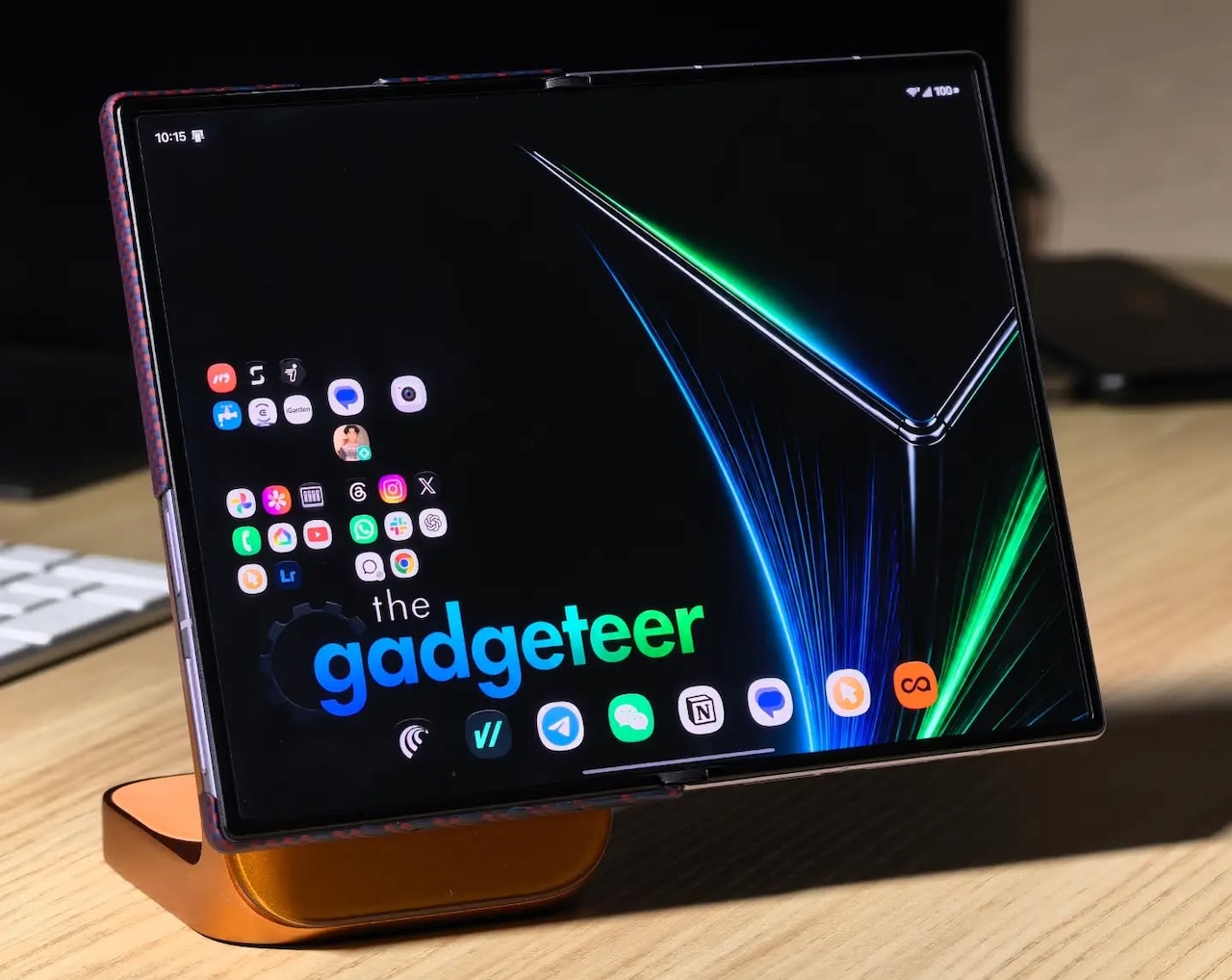
Apple takes a similar approach with a 5.4-inch outer display and 7.6-inch inner screen. The Duo measures 5.2mm thick when open and 11.3mm when closed. Apple also uses the same aspect ratio for both displays, which it says helps maintain continuity when moving between them.
Samsung has the clear advantage in weight and thinness on paper. We’ve held the Fold8 and can provide some context for Samsung’s design, but we’ll need equivalent time with the Duo before judging which feels better in everyday use.
Both give you 7.6-inch displays
Both phones have a 7.6-inch inner display, but their screen shapes, cover displays, and software approaches differ.
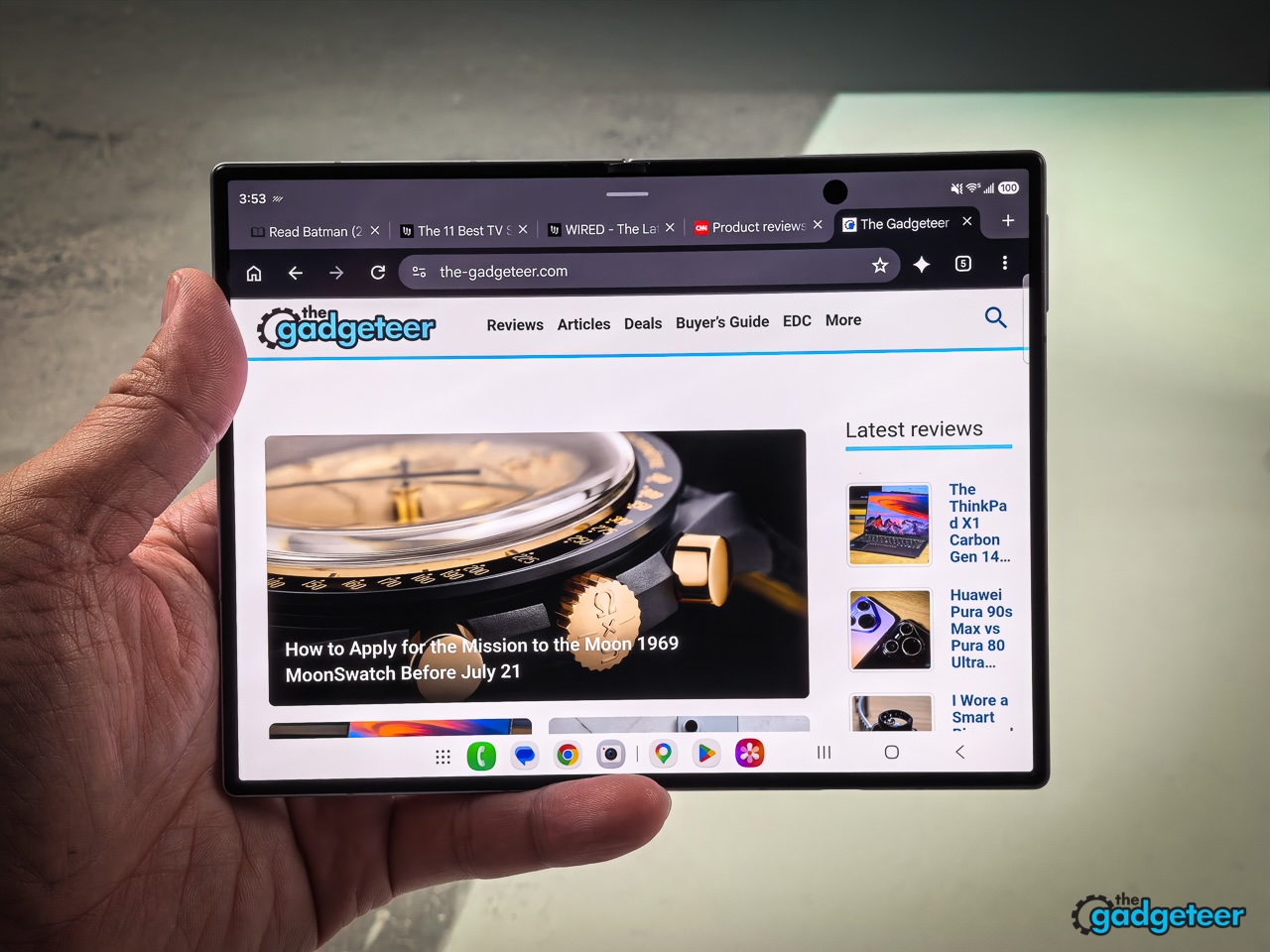
The Fold8 uses a 4:3 main screen alongside a 10:16 cover display. Samsung rates both screens at up to 3,000 nits of brightness and has built its large-screen Android experience around multitasking and side-by-side productivity.
Apple’s Duo also offers ProMotion with adaptive refresh rates up to 120Hz on both screens, Always-On functionality, and up to 3,000 nits of peak outdoor brightness. Apple has adapted iOS 27 for the folding format, including two Home Screen pages when unfolded and interface elements that reposition themselves to use the larger canvas. Apple Pencil USB-C support is coming later this year.
Samsung has the more established foldable software experience, especially for split-screen multitasking and large-screen Android apps. Apple’s iOS approach may feel more natural to existing iPhone users, but it remains an untested first-generation implementation.
Battery specs aren’t enough
Samsung lists the Galaxy Z Fold8 with a typical 4,800mAh battery and a rated capacity of 4,660mAh. It claims up to 26 hours of video playback, but those are manufacturer figures rather than our own battery-test results, so real-world endurance will depend on brightness, network use, apps, and how often you use the larger screen.
Apple does not provide a conventional combined battery-capacity figure for the Duo. Instead, it puts a rechargeable battery in each half and manages the two as one system.
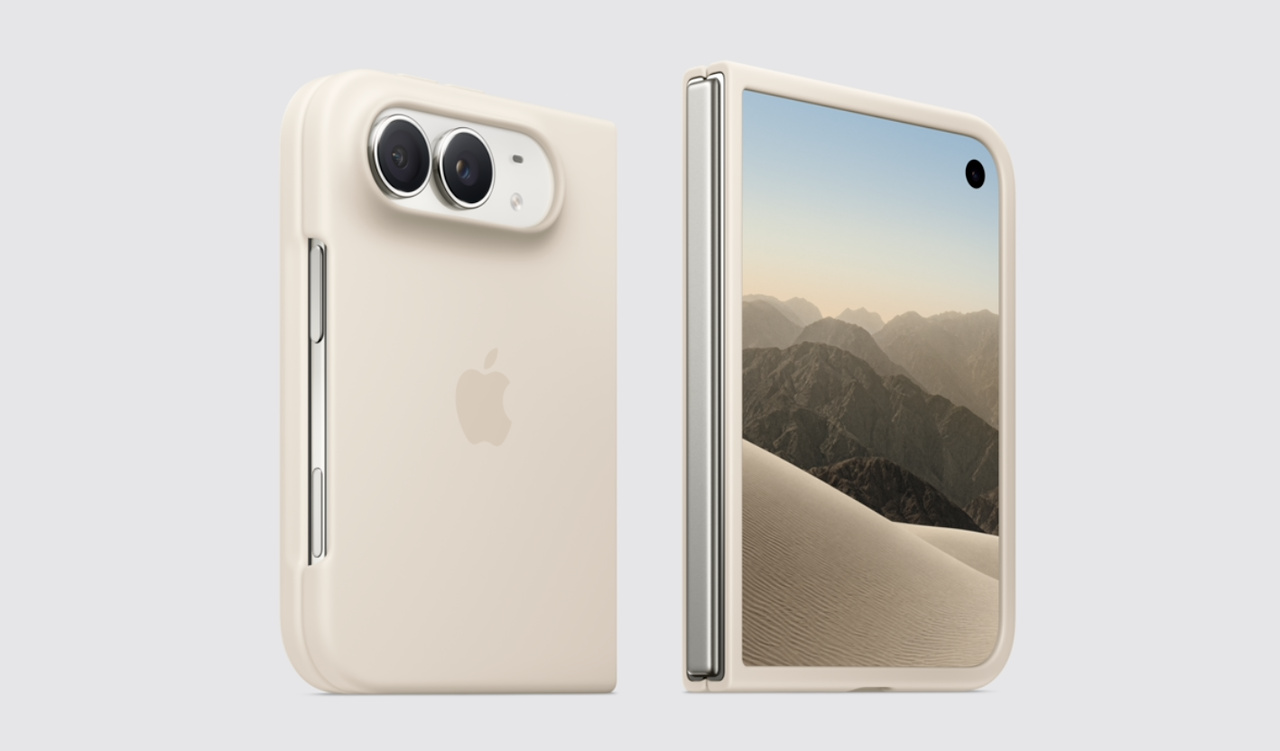 Apple claims up to 31 hours of video playback using the inner screen and up to 44 hours using the outer display. It rates typical use at up to 24 hours and says wired charging can reach 50 percent in around 20 minutes with a compatible high-wattage adapter.
The numbers are not directly comparable because Samsung and Apple use their own testing methods. Until both phones undergo the same real-world battery test, Apple’s longer quoted playback figures should be treated as manufacturer claims rather than proof that the Duo lasts longer.
Both prioritize wide and ultra-wide cameras
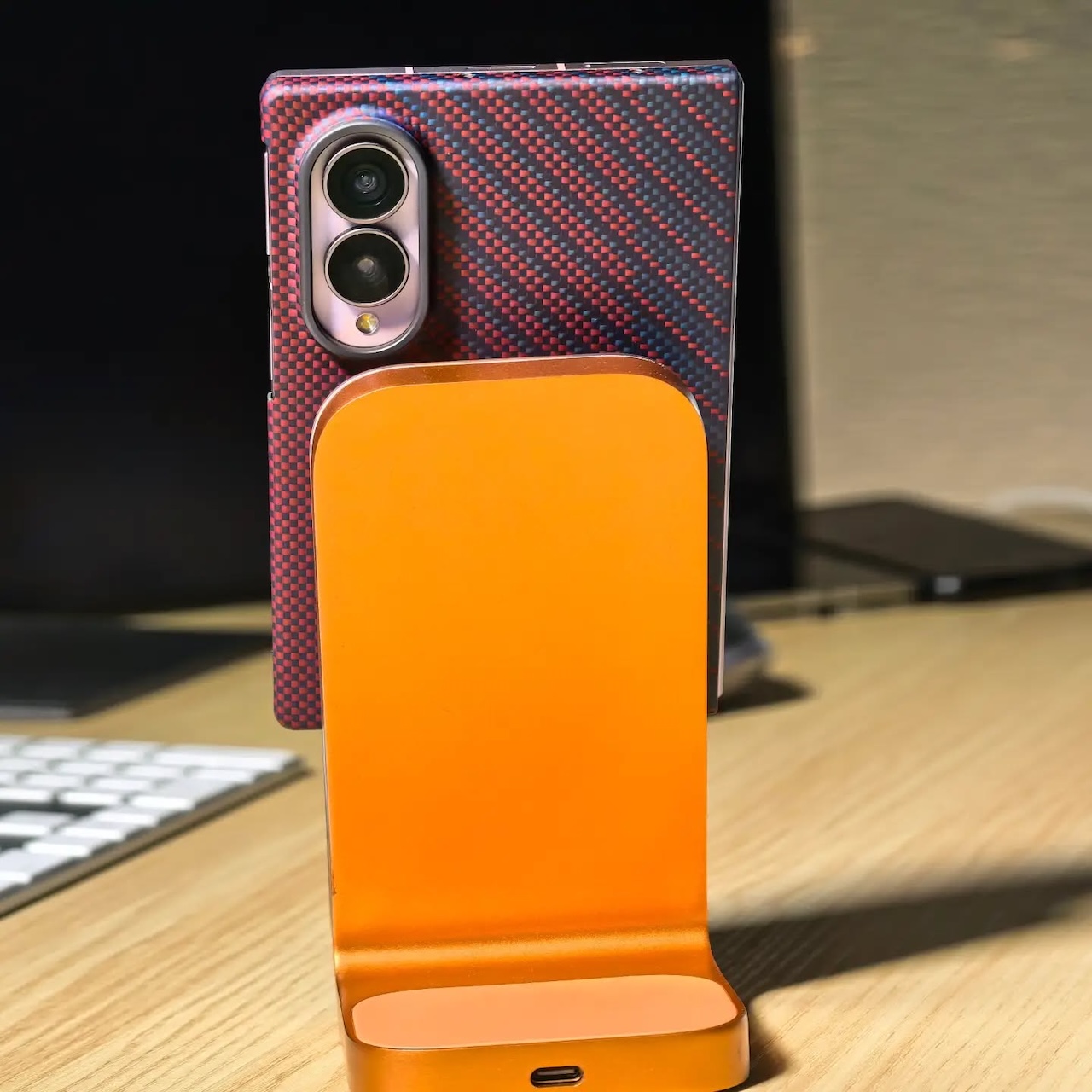
Samsung equips the Fold8 with 50MP wide and 50MP ultra-wide rear cameras. The main camera also provides a 2x optical-quality zoom option, but the Fold8 does not include a dedicated optical telephoto camera.
Apple gives the Duo a 48MP Fusion Main camera and 48MP Fusion Ultra Wide camera. The Main camera provides a 2x optical-quality option, while the Ultra Wide supports macro photography.
The folding design also creates some useful camera possibilities. The Duo, for example, can use its higher-resolution rear cameras for selfies while showing the preview on the outer display.
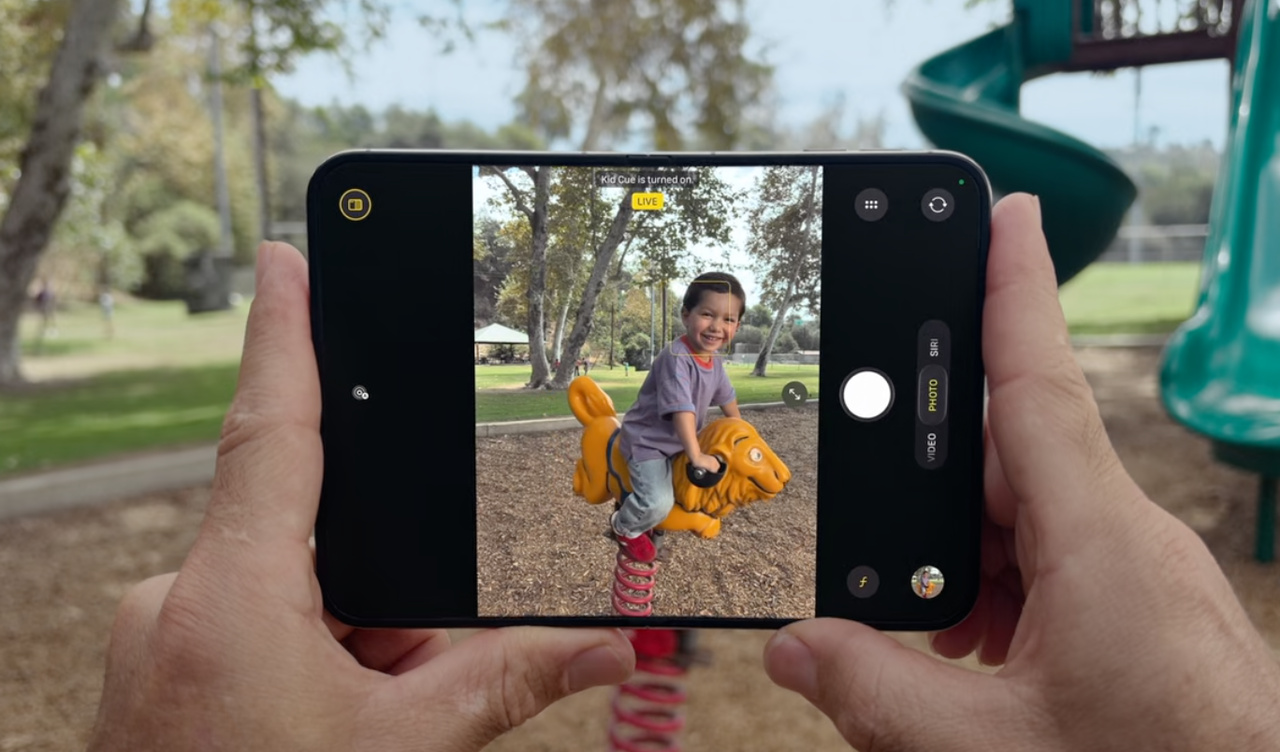 Neither specification sheet replaces a proper side-by-side camera test. What we can say is that both prioritize wide and ultra-wide cameras rather than giving their standard foldables dedicated optical telephoto hardware.
Apple has the stronger rating
Apple gives the iPhone Duo an IP68 dust- and water-resistance rating. The phone uses a Grade 5 titanium frame, Ceramic Shield 2 on the outer display, and a hinge containing more than 100 components.
Samsung uses its Flex Titanium display structure and refined hinge for the Fold8, but the phone carries an IP48 rating.
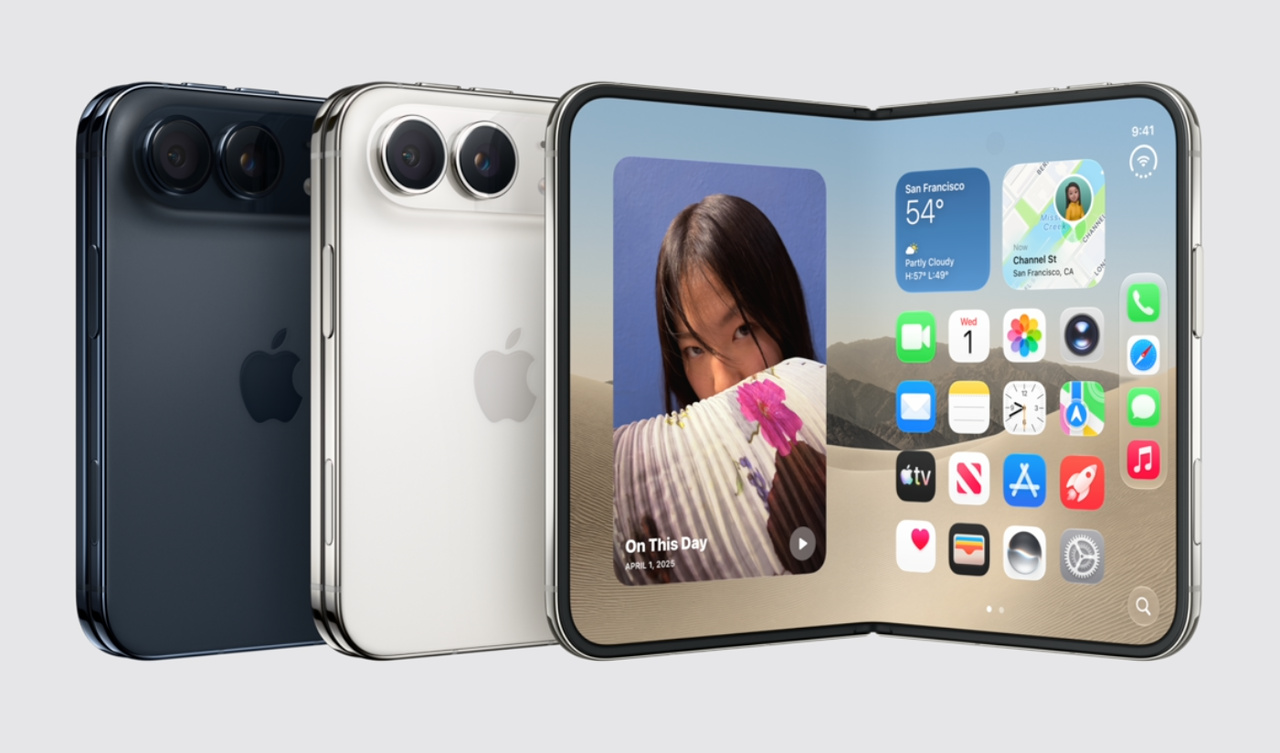
Apple’s IP68 rating is the stronger official protection rating, particularly for fine dust and water resistance. It does not establish that the Duo’s hinge or folding display will be more durable over several years. Apple is entering its first generation of foldable hardware, and long-term reliability will require evidence that neither a launch event nor an IP rating can provide.
Samsung costs less
The Galaxy Z Fold8 starts at $1,899.99 in the U.S. with 256GB of storage, while the iPhone Duo starts at $1,999 with the same capacity. The iPhone Duo is available to preorder from October 16 and goes on sale October 23 in the U.S.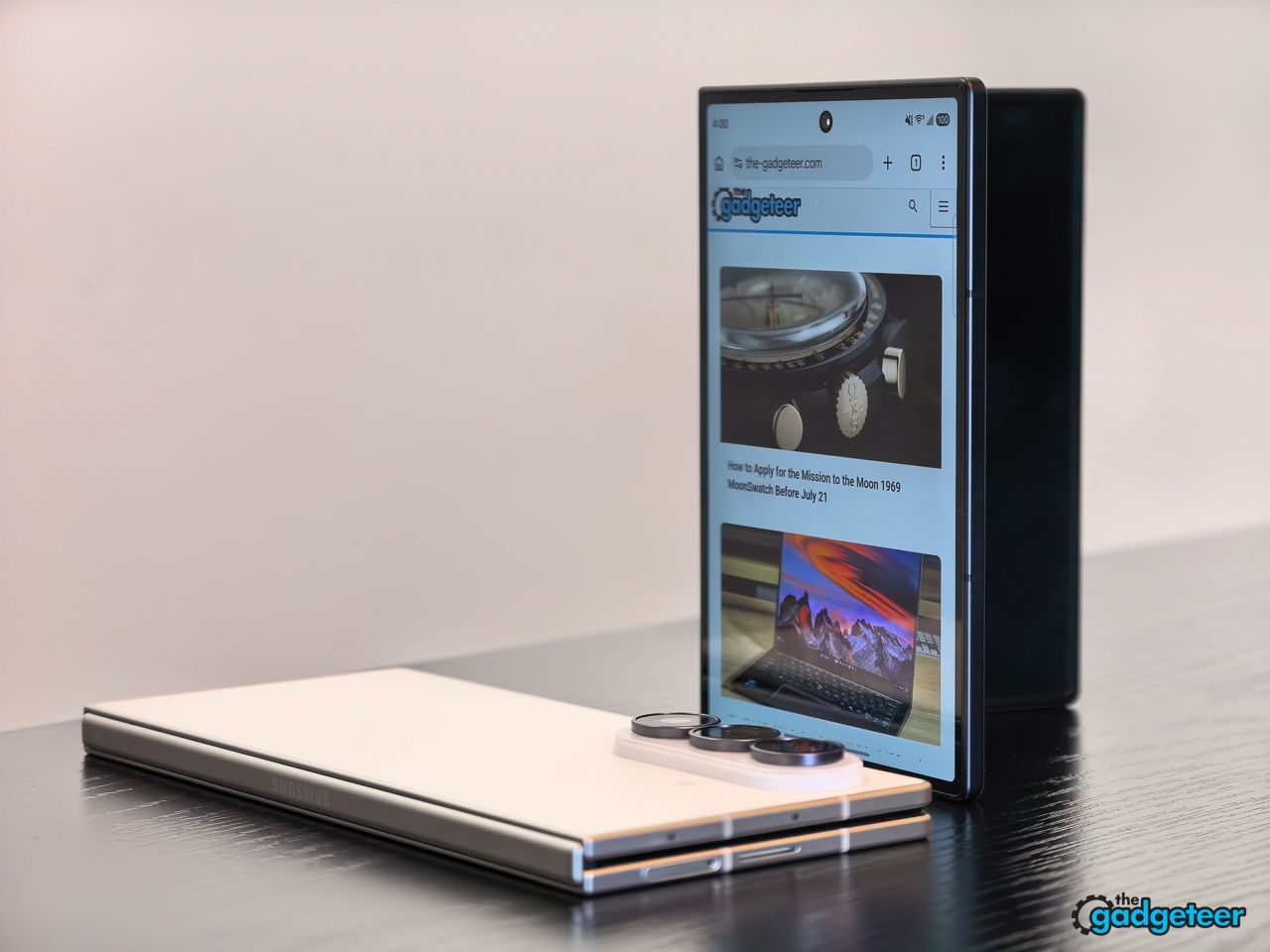
A roughly $100 difference is not enormous when both phones cost around $2,000. Samsung’s bigger advantage is maturity. It has spent multiple generations refining its hinges, displays, software, and foldable form factors.
Apple counters with the A20 Pro processor, iOS 27, IP68 resistance, Apple Pencil support, and the integration you would expect from an iPhone. For someone already using a Mac, Apple Watch, AirPods, and other Apple devices, that ecosystem could outweigh Samsung’s foldable head start.
So which one is better?
Right now, the Galaxy Z Fold8 is the safer recommendation for shoppers who want the most proven foldable experience. It is significantly lighter, slightly less expensive, and benefits from several generations of Samsung foldable hardware and software development.
The iPhone Duo is the better fit for people who specifically want a foldable iPhone. Its A20 Pro chip, IP68 rating, dual 48MP camera system, planned Apple Pencil (USB-C) support, and Apple ecosystem integration make a compelling on-paper case, but we would want hands-on testing before calling Apple’s first foldable the better overall device.
That distinction matters. Apple’s specifications tell us what the Duo is designed to do, but they do not tell us how its hinge feels after extended use, how noticeable the crease is in everyday lighting, or how its battery compares with Samsung’s under identical conditions.
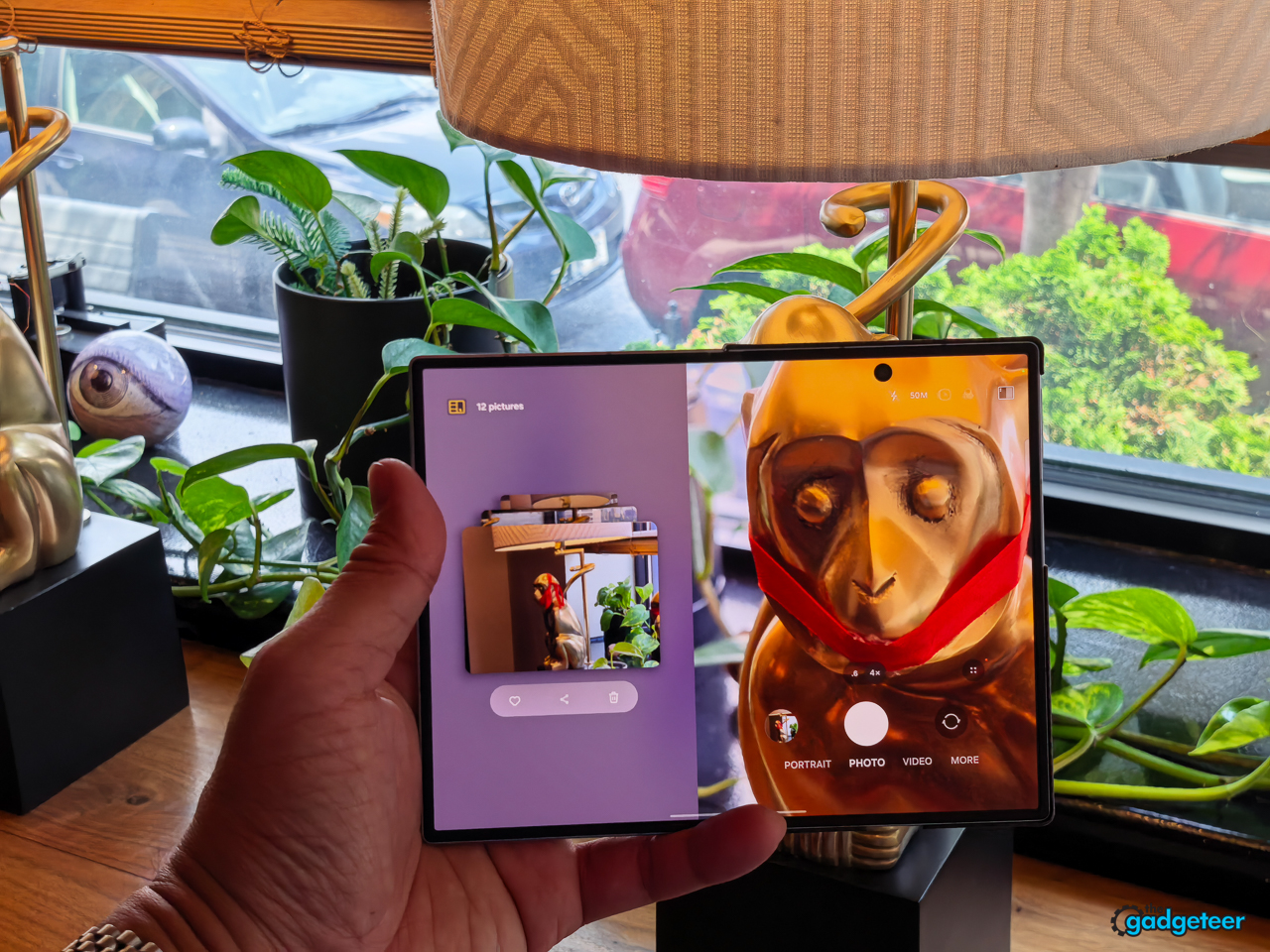
If you want the more proven foldable today, the Galaxy Z Fold8 gets our vote. If you have been waiting specifically for Apple’s answer to the Fold, the iPhone Duo could be the better ecosystem fit, but we would want hands-on testing before declaring Apple’s first-generation foldable the better piece of hardware.