
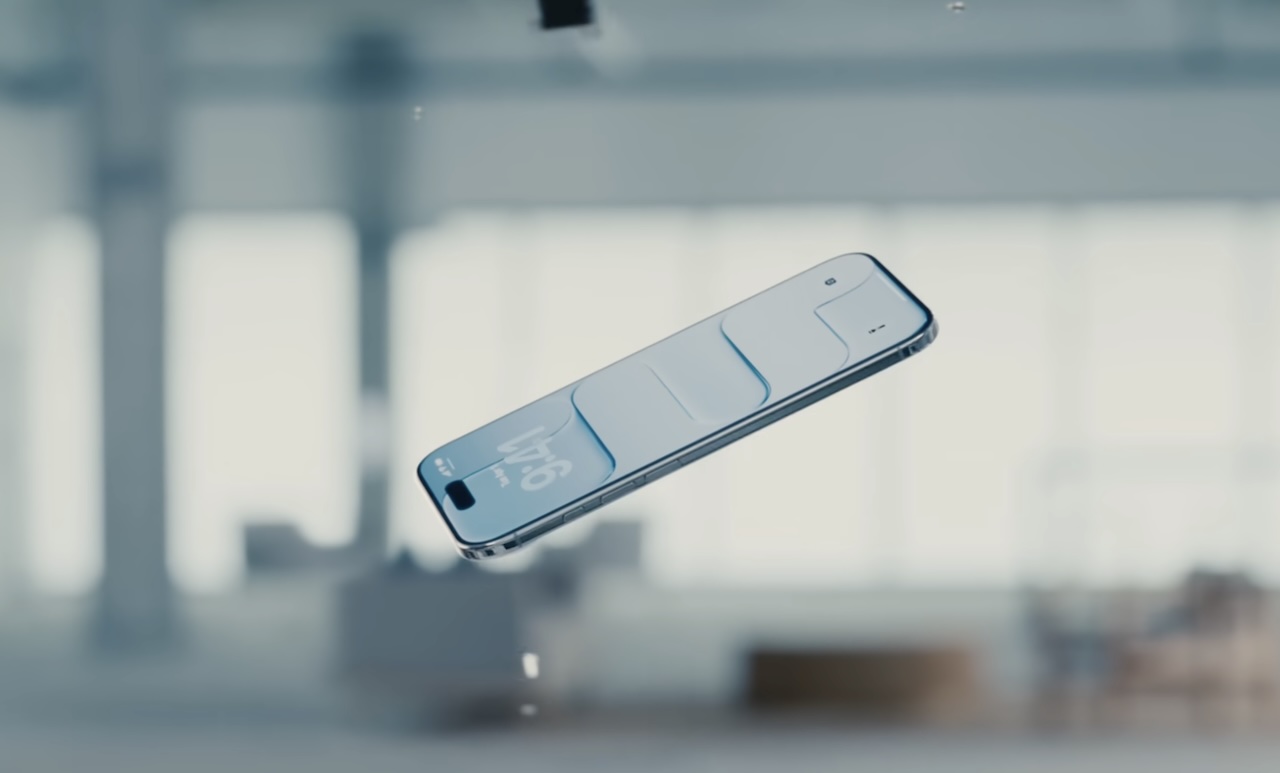
Apple’s September 9 event is imminent, but current reporting suggests an iPhone Air 2 is unlikely to arrive there. Instead, Bloomberg reports that Apple is targeting spring 2027 for the second-generation model, potentially giving it more time to address the camera and battery compromises that came with the first Air’s ultra-thin design.
The original iPhone Air pairs a large display with an unusually thin body, but its single rear camera limits versatility and its compact chassis leaves less room for the battery. The rumored Air 2 could address both weaknesses without abandoning the design that makes the Air distinctive. Apple has not announced the phone, so it is important to separate reported development plans from analyst predictions and individual leaks.
NEWS ALERT: iPhone DUO foldable announced!
The iPhone Air 2 is reportedly headed for spring 2027
Bloomberg reports that Apple is preparing the second-generation Air for spring 2027 rather than its traditional September launch window. The device is reportedly code-named V62 and has reached advanced testing. That timing fits Apple’s reported plan to divide future iPhone introductions between fall and spring rather than launching nearly everything in September.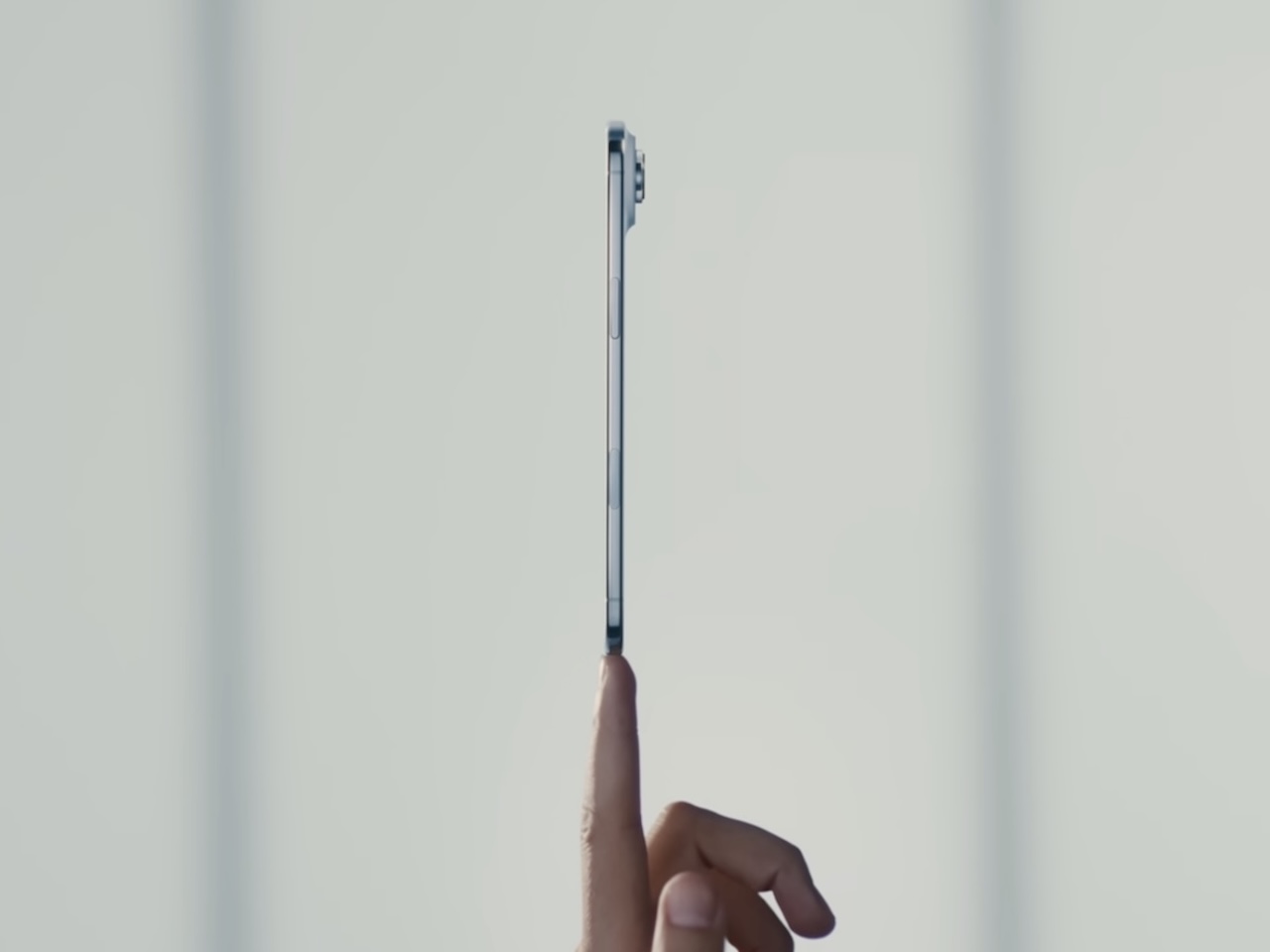
For prospective Air buyers, the practical consequence is that the usual annual upgrade rhythm may no longer apply. If you were expecting an Air follow-up in fall 2026, current reporting suggests the wait could extend until spring 2027.
A second camera is reportedly being tested
The camera may be the Air 2 upgrade you will notice most. The current Air has one 48-megapixel Fusion rear camera, while Bloomberg reports that Apple is testing Air 2 prototypes with a second rear camera for Ultra Wide photography. That is a reported prototype feature, not a confirmed specification for the finished phone.
Analyst Jeff Pu is also predicting that the Ultra Wide will use a 48-megapixel sensor. The resolution is therefore a forecast rather than something Apple has confirmed. An Ultra Wide camera would give users another option when the main camera cannot fit everything into the frame, whether they are photographing a group, building, landscape, or cramped room.
It could also make the Air’s price easier to justify. The current $999 model offers less camera versatility than the cheaper iPhone 17, so adding an Ultra Wide camera would address one of the original Air’s most obvious compromises.
Better battery life is reportedly a priority
Bloomberg reports that Apple wants to improve battery life with the second-generation Air, although exactly how it plans to achieve that remains unclear. Apple could fit a larger battery, reduce power consumption elsewhere, or combine both approaches.
Leaker Digital Chat Station has suggested the Air 2 could use a battery of roughly 3,500mAh. That figure, as well as the first Air’s widely reported 3,149mAh capacity, has not been confirmed by Apple. If the rumored capacity is accurate, it would represent an increase of about 11 percent.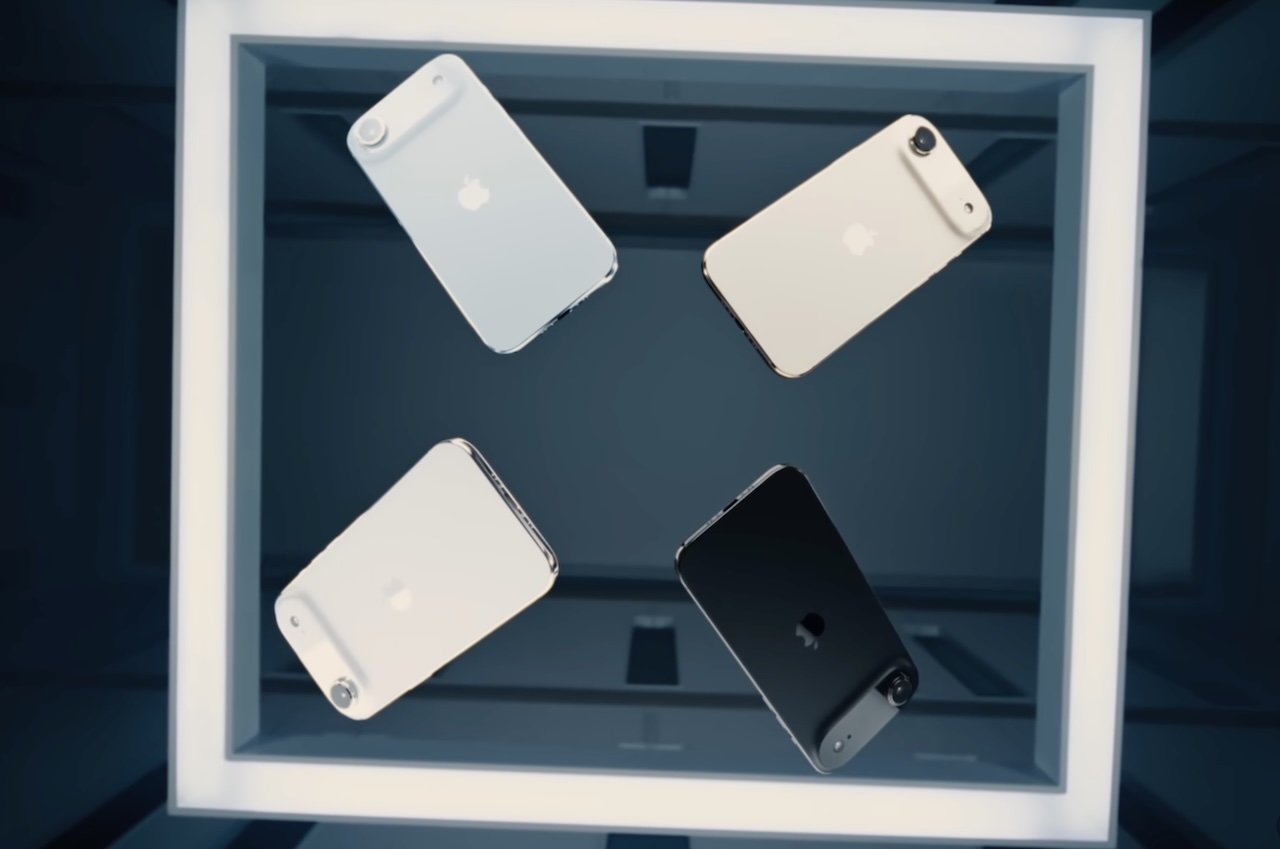
The distinction matters: improved battery life is a reported Apple development priority, while the 3,500mAh figure comes from an individual leak and deserves more caution.
A20 Pro is reported, but other chip details are predictions
Bloomberg shares that Apple plans to give the next Air a version of the A20 Pro processor, the same chip family expected in fall 2026 premium iPhones. If Apple’s next A-series generation moves to TSMC’s 2nm process as expected, it could be particularly useful in a phone where battery and thermal headroom are limited.
Analyst Jeff Pu goes further, predicting that the Air 2 will include Apple’s second-generation N2 wireless networking chip, C2 cellular modem, and 12GB of RAM. Those remain analyst predictions rather than specifications confirmed by Apple.
For Air buyers, efficiency could matter more than another major benchmark increase. If the processor, modem, and wireless hardware consume less power, Apple could improve everyday battery life without sacrificing the slim construction that makes the Air distinctive.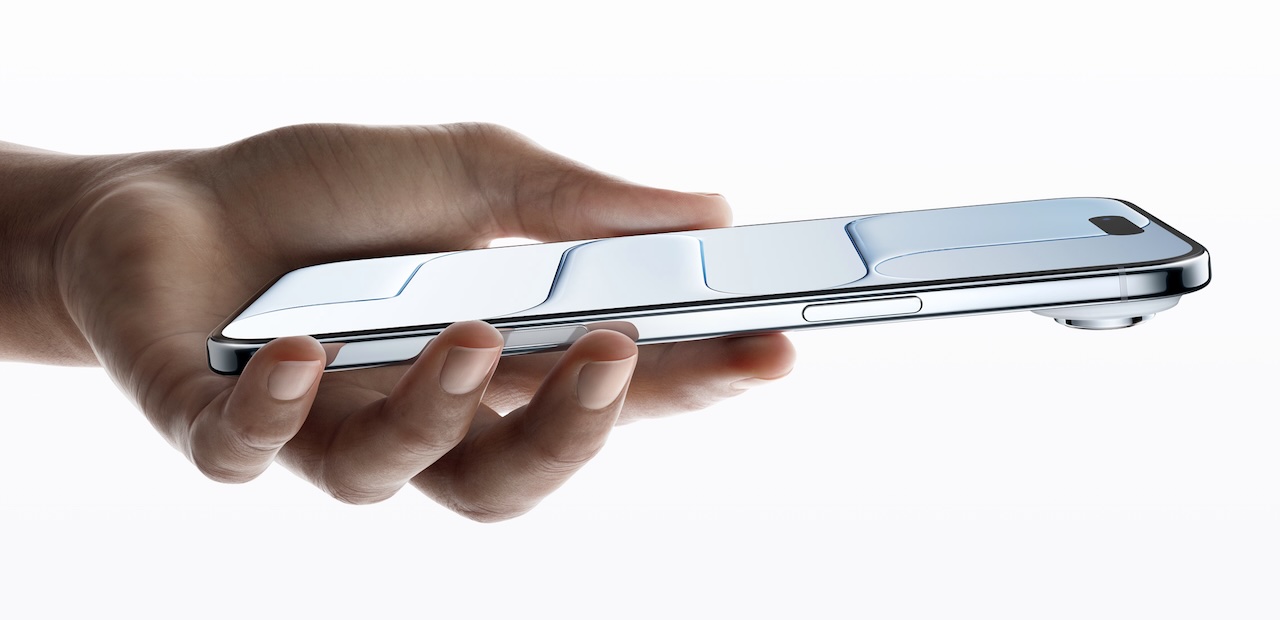
Display changes could create more room inside
There are also reports that Apple could use Samsung’s Color Filter on Encapsulation, or CoE, OLED technology for the next Air. A thinner display stack could free internal volume for a larger battery or other components without requiring a larger chassis.
Pu separately predicts that Apple will retain a roughly 6.5-inch display while slightly reducing the Dynamic Island. Neither detail should be treated with the same confidence as Bloomberg’s reporting about the prototypes, second camera, and battery-life work. At this stage, they are possibilities to watch rather than features buyers should expect.
Don’t expect Apple to reinvent the Air
Bloomberg reports that current prototypes retain the original Air’s basic design, with the additional rear camera providing the most obvious change. That is significant because making the phone thicker would be an easy way to accommodate more hardware. Apple instead appears to be testing ways to address the Air’s weaknesses without sacrificing what separates it from other iPhones.
There is also a much shakier rumor that Apple could drop the Air name and turn the ultra-thin design into the standard iPhone 18. That conflicts with stronger reporting describing them as separate products, so it is an interesting possibility rather than something buyers should use to make a purchasing decision.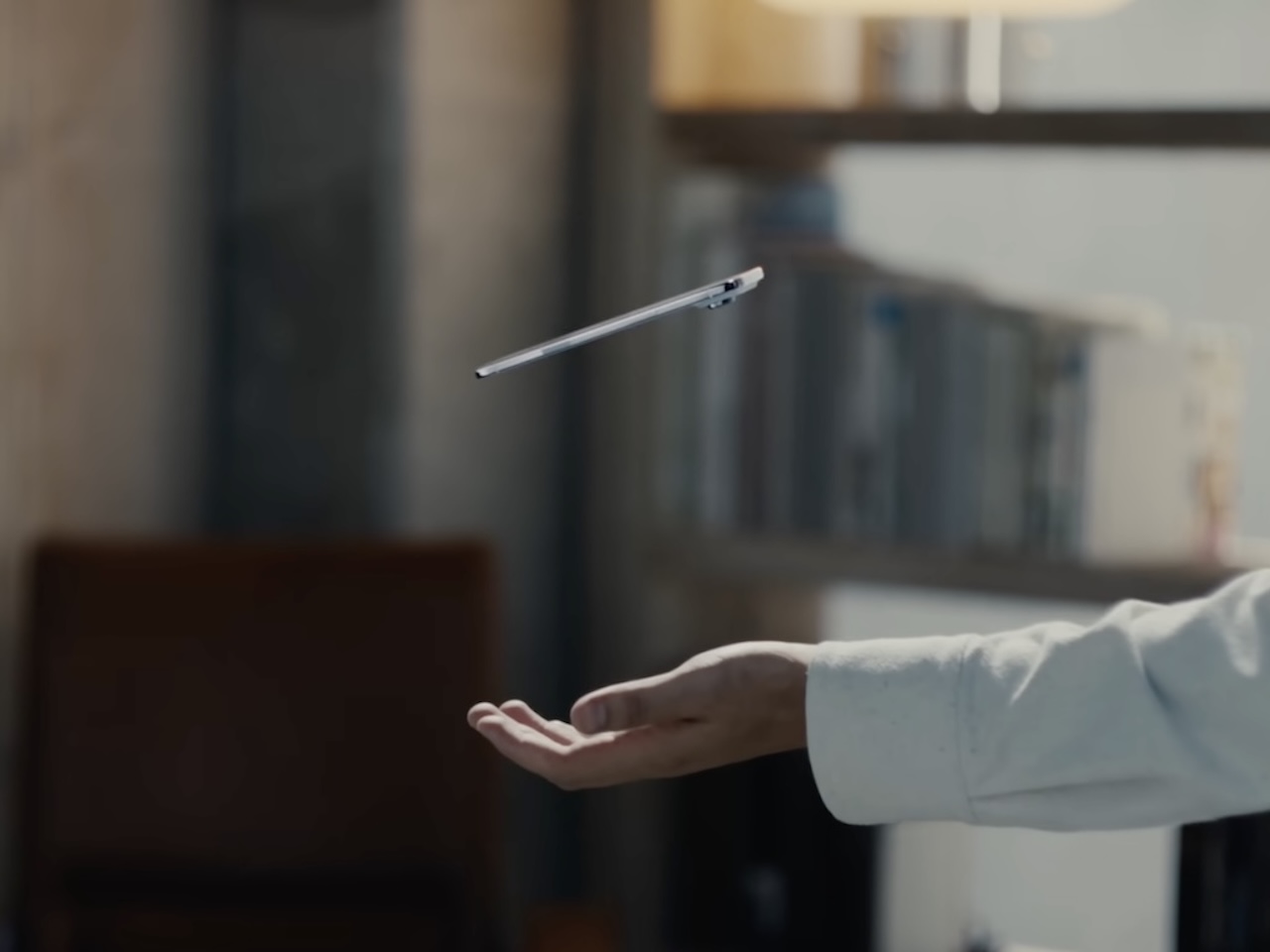
Who should wait for the iPhone Air 2?
If you liked the first Air’s lightweight, large-screen concept but hesitated over its camera flexibility or battery life, the Air 2 is worth watching. The most credible reporting so far points to a spring 2027 launch, the same basic thin-and-light direction, improved battery life, an A20 Pro-class chip, and prototypes with a second Ultra Wide camera.
Much remains uncertain. A 48-megapixel Ultra Wide camera, roughly 3,500mAh battery, 12GB of RAM, N2 wireless chip, C2 modem, and a smaller Dynamic Island are all less-established claims. Until Apple announces the phone, the key question is simple: can it preserve the Air’s appeal while removing enough of the trade-offs to make it easier to recommend?
It still is not shaping up as an iPhone Pro replacement, so photographers and buyers who want Apple’s most capable hardware will likely be better served elsewhere. The Air is for someone with a different priority: getting a large premium iPhone that does not feel like you are carrying one.


Gadgeteer Comment Policy - Please read before commenting
John Gruber just published a belated review of the iPhone Air and iPhone 17 Pro Max. In it, he claims that he never had a battery issue in his fairly extensive daily use. With all due respect, Gruber doesn’t know what he’s talking about. My wife and I both bought the Air after owning the 16 Pro Max. We’re not some crazy gamers, maxing out the CPU all the time – but we regularly need to charge before the end of the day. It becomes most obvious – and annoying – when traveling. We ended up buying a couple Xiaomi 5mm batteries for trips, because the problem was so acute. I suspect it’s because we live in Germany and travel around Europe – with stone buildings and aging infrastructure, cell reception is sometimes poor and, I think, the iPhone Air might be wasting a lot of energy trying to maintain signal.
When we run out of juice at home – which also happens – we simply put it on a charger for a few minutes.
But there is no doubt the iPhone Air’s battery isn’t good enough for a full day – even without abusing its chips with 3D gaming or AI use. I can’t wait for the Air 2.